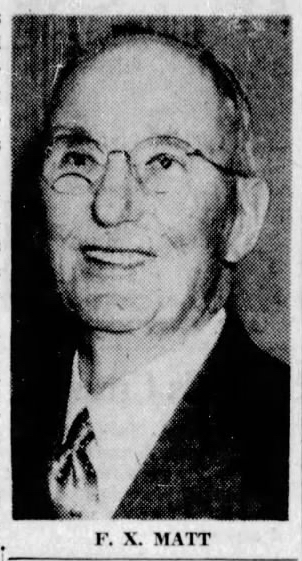
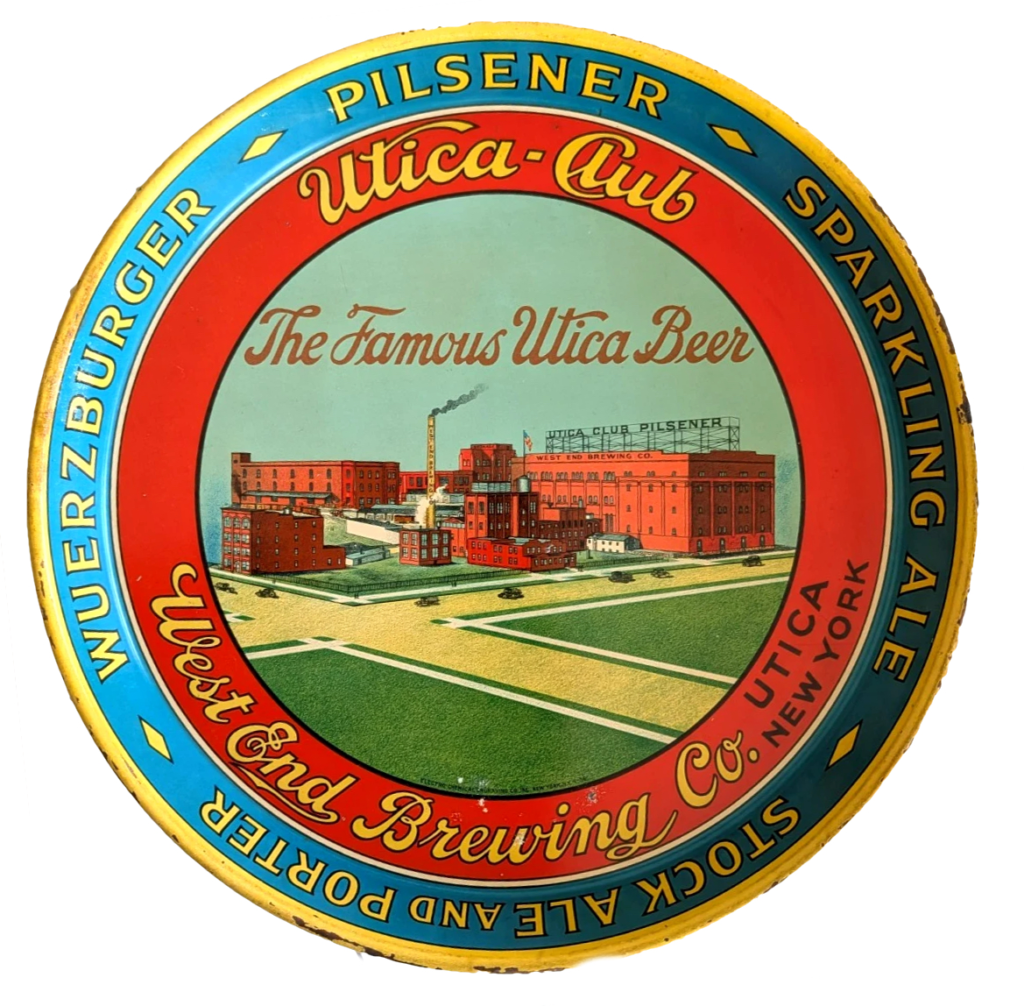
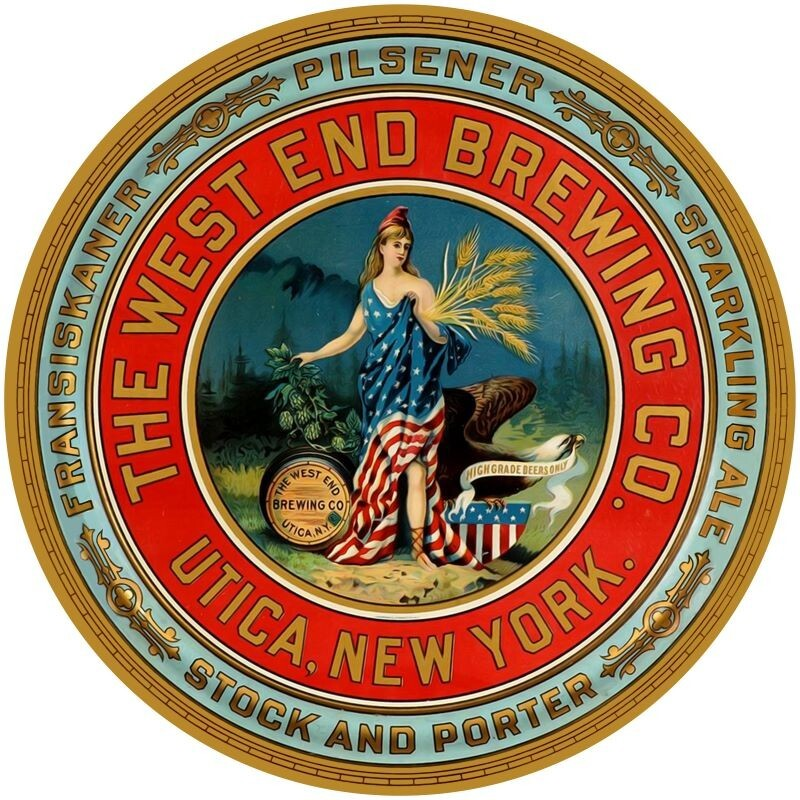
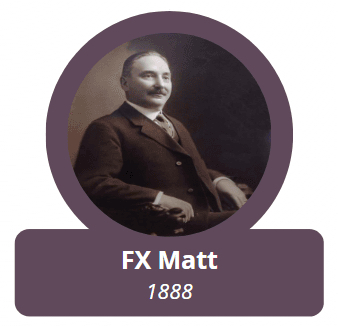
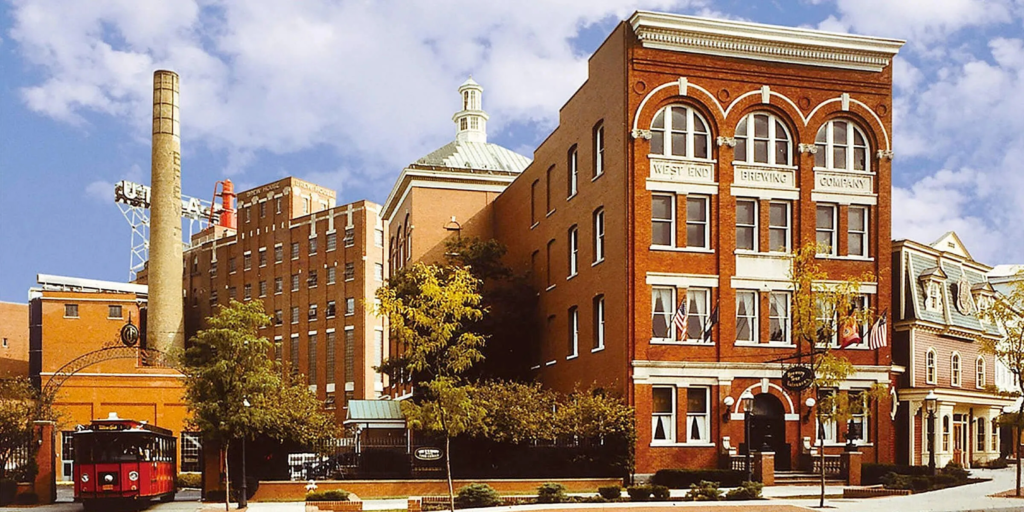
Today is the birthday of Francis Xavier ‘FX’ Matt (March 25, 1859-June 27, 1958). He was born in Igelschlatt, Landkreis Waldshut, Baden-Württemberg, Germany. When he was 19, in 1878, his parents, Theodore and Johanna Matt, emigrated to the U.S., settling in Utica, New York. Before moving to America, Matt learned brewing at the Badische Staatsbrauerei Rothaus in Baden-Württemberg. Once in the Utica, he worked at the Charles Bierbauer Brewery, which was founded in 1853, as both a lead salesman and brewmaster for several years, before reorganizing the business as The West End Brewing Co. in 1888. It remained under that name until 1981, when it was renamed FX Matt Brewing though continued to trade under the West End Brewing name. After prohibition, the brand name “Utica Club” was developed and after 1980, the Saranac brand was launched.
Here’s some early history, from Grokipedia:
Founding and Early Operations
Francis Xavier Matt, a German immigrant born in 1859, honed his brewing expertise at the Duke of Baden Brewery in Germany’s Black Forest region before arriving in the United States in 1878 at the age of 19. He initially worked as a salesman at the Charles Bierbauer Brewery in Utica, New York, where his skills quickly elevated him to brewmaster and lead salesman.
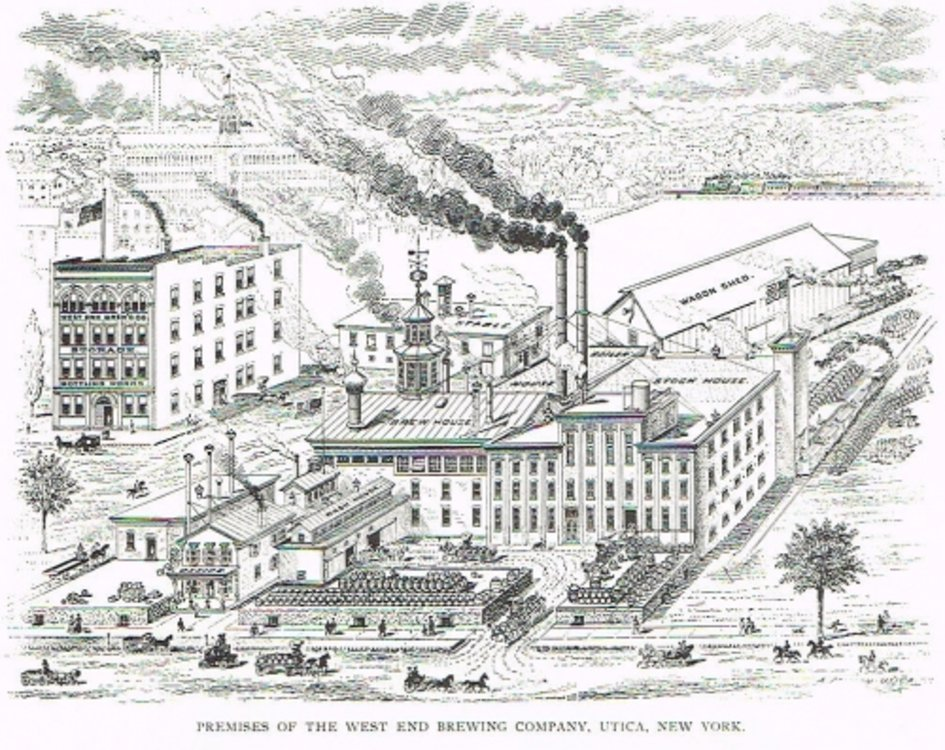
In 1888, Matt purchased and reorganized the struggling Charles Bierbauer Brewery, transforming it into the West End Brewing Company and establishing it as a family-owned operation in Utica’s growing brewery district. The new entity focused primarily on producing high-quality lager beers, reflecting Matt’s European training and the era’s demand for crisp, bottom-fermented styles popular among German-American communities. Distribution remained local, serving taverns and markets in the Mohawk Valley and surrounding areas of upstate New York to build a loyal customer base.
The brewery’s initial facility was located at 830 Varick Street in Utica, a site that had hosted brewing operations since the mid-19th century. In its first year, the West End Brewing Company produced 4,000 barrels of beer with a staff of just 12 employees, demonstrating efficient small-scale operations rooted in Matt’s hands-on management. By the early 20th century, prior to 1920, the operation had expanded significantly, employing up to 400 workers and solidifying its position as one of Utica’s 12 active breweries amid the city’s industrial boom.
Here’s more from Grokipedia:
Prohibition Era Survival
When the 18th Amendment ushered in Prohibition from 1920 to 1933, the West End Brewing Company, under the leadership of the Matt family, faced severe economic pressures as the U.S. brewing industry collapsed, with many Utica-area competitors shuttering their operations entirely. To endure, the brewery pivoted to non-alcoholic production, manufacturing soft drinks and malt tonics under the newly introduced Utica Club label, which became a lifeline for the business. This shift allowed the company to sustain its facilities and a core workforce amid widespread industry layoffs and closures, preserving the infrastructure necessary for future beer production.
The Utica Club non-alcoholic lineup during Prohibition included carbonated soft drinks such as root beer, ginger beer, and cream sodas, alongside non-alcoholic near-beer and malt tonics—products that cleverly skirted legal restrictions while meeting consumer demand for familiar flavors. These items not only generated revenue during the dry era but also built brand recognition that would later transfer to beer upon repeal. By advising customers against fermenting the malt tonics at home, the brewery navigated regulatory scrutiny while maintaining ethical operations.
Prohibition’s end on December 5, 1933, via the 21st Amendment, marked a swift recovery for the brewery, which became the first in New York—and the nation—to secure a federal license to resume beer production just one day later. At 12:05 a.m. on December 6, Utica Club Pilsner was poured as the inaugural legal beer post-repeal, following a celebratory parade from the brewery to the Hotel Utica. This rapid licensing, attributed to the company’s preparedness and preserved facilities, enabled an immediate resumption of brewing under the Matt family banner, solidifying its regional prominence despite lingering economic hardships from the Great Depression.
And this is from Matt’s final years with the brewery.
Post-War Growth
Following World War II, the F.X. Matt Brewing Company saw renewed growth under the leadership of second-generation owner Walter J. Matt, who assumed control in 1951 and focused on modernizing marketing efforts to capitalize on postwar demand for beer. By 1958, the introduction of the iconic Schultz & Dooley advertising campaign, featuring animated beer steins voiced by comedian Jonathan Winters, dramatically increased sales by more than 50%, reflecting broader industry expansion as consumer preferences shifted toward packaged beers. This period also marked the brewery’s adaptation to bottling innovations in the 1950s, enabling wider distribution of flagship brands like Utica Club beyond draft sales in local taverns.
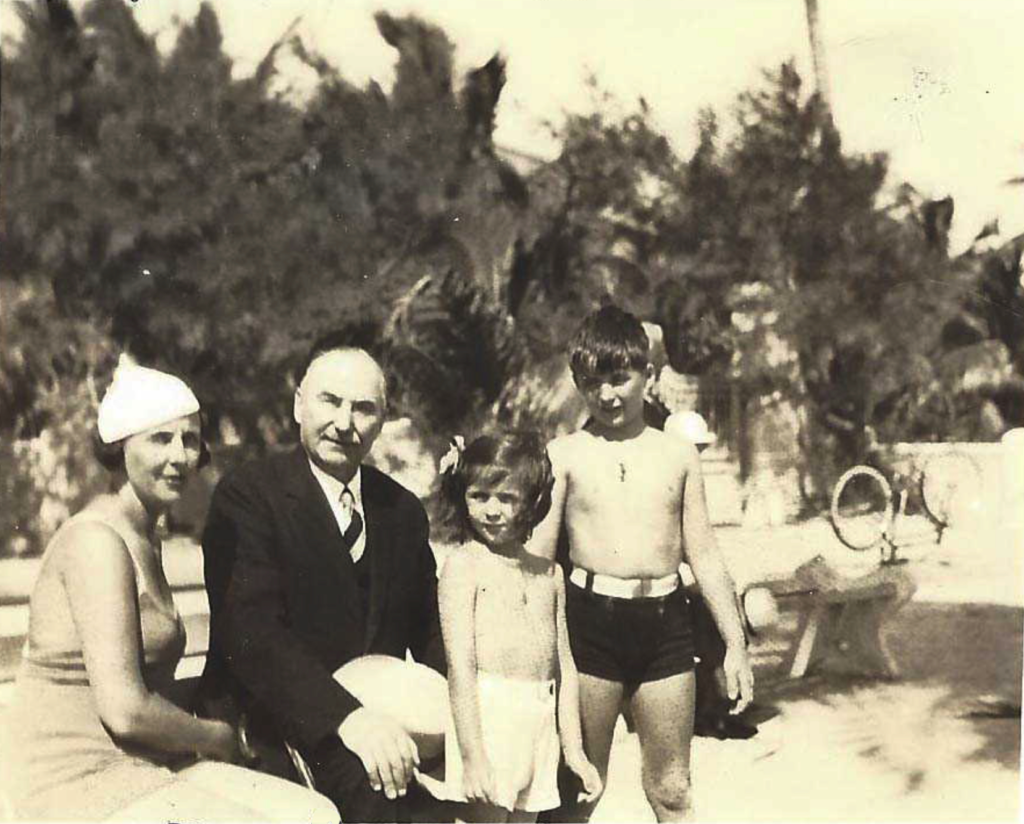
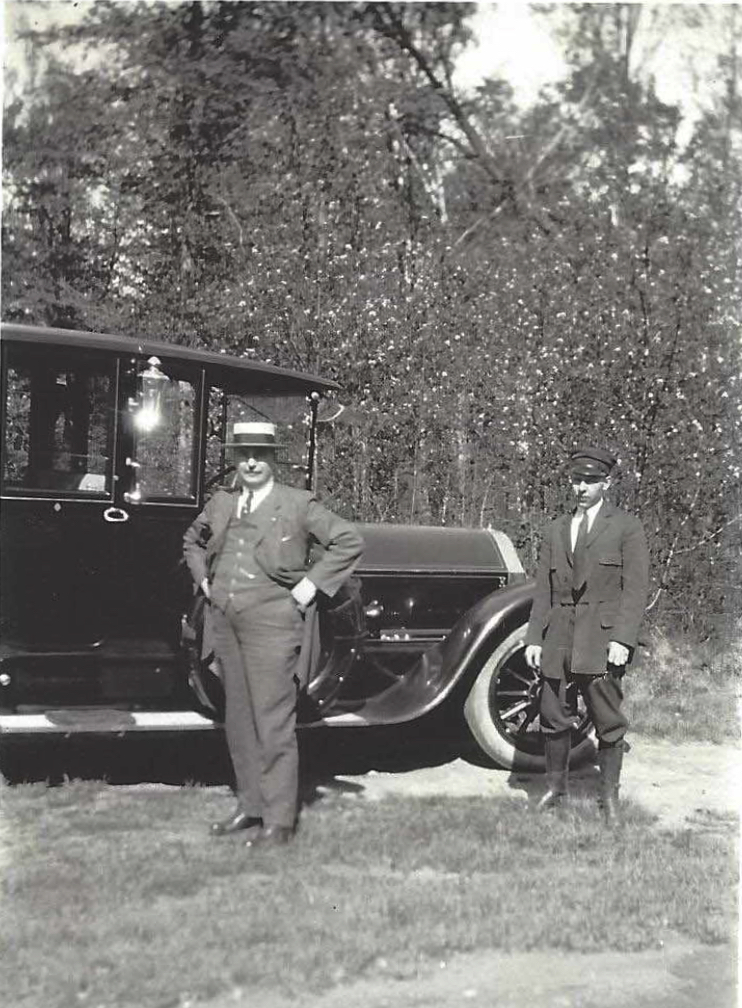
Matt with family in Miami Beach, Florida in 1934.
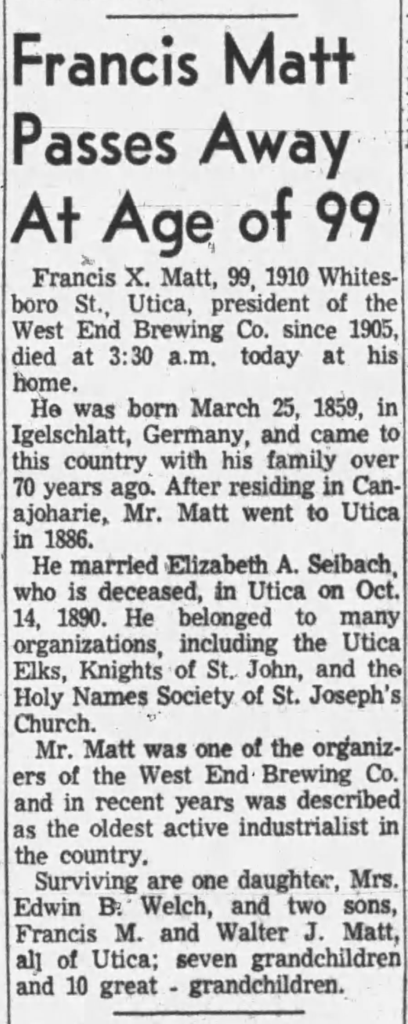
Here’s an obituary of Matt from the Daily Sentinel of Rome, New York:
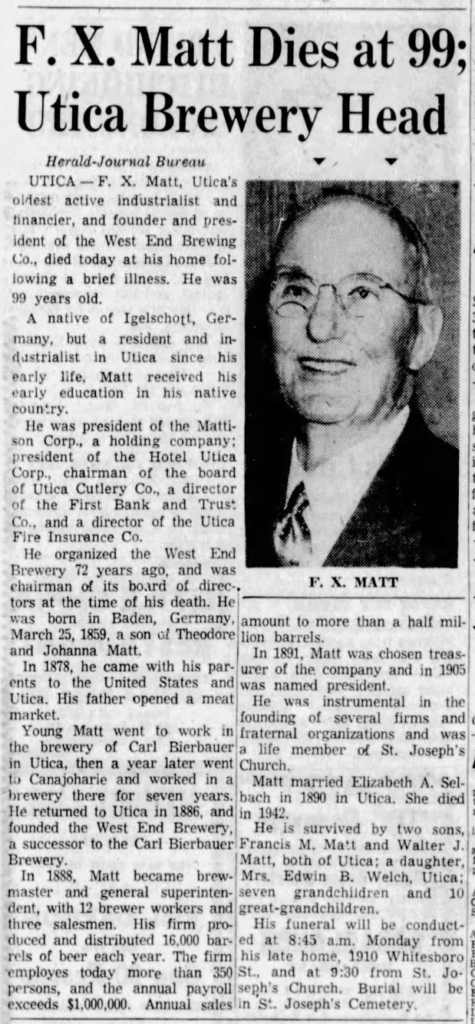
And this obituary is from the Syracuse Herald Journal: