Wine

mail-order-beer
There was in an interesting op-ed piece in the New York Times a few days ago. A wine blogger, David White (founder of the Terroirist), tackled the thorny issue of shipping wine (and beer and liquor) from state to state in a piece entitled Wholesale Robbery in Liquor Sales.

He begins with this obvious logic:

IMAGINE if Texas lawmakers, in a bid to protect mom-and-pop bookstores, barred Amazon.com from shipping into the state. Or if Massachusetts legislators, worried about Boston’s shoe boutiques, prohibited residents from ordering from Zappos.com.

Such moves would infuriate consumers. They might also breach the Constitution’s commerce clause, which limits states from erecting trade barriers against one another. But wine consumers, producers and retailers face such restrictions daily.

While he’s focusing on wine, the same is true for beer, too. When it comes to alcohol, the general rules of commerce tend to get thrown out the window because — gasp — it’s alcohol, and people can’t be trusted with the stuff. Therefore separate laws have to be set up to protect us from … well, I’m not sure from what. You can order all manner of dangerous things through the mail and have them sent right to your door, from guns and ammo, knives, crow bars along with all the stuff you need to make good size bomb. But try to get bombed and forget it. That’s where the line has been drawn.

It’s been over 75 years since Prohibition ended and few of the laws enacted to ease alcohol back into society have been updated much in that time. The way of the world, I’d argue, is quite a bit different than it was in 1933. The way people do business, both as companies and consumers, has changed dramatically but the laws governing alcohol have remained largely static, in large part because there’s always a hue and cry any time someone suggests relaxing or changing them. White points to wholesalers as having the greatest incentive to keep the status quo, and he’s certainly partly correct, but it’s also the anti-alcohol types and the overarching belief by many that because a few people can’t handle themselves with alcohol, that the rest of us have to suffer under these anachronistic laws that never envisioned the internet or considered that most adults might actually take personal responsibility for their actions.

At any rate, White makes some great points and his article is definitely worth a read.

{ 1 comment }

pour-the
Eric Asimov, who writes The Pour for the New York Times, had a very interesting post today on simplifying tasting notes for wine, entitled Wine in Two Words. Here’s the crux of his idea:

While it may seem heretical to say, the more specific the description of a wine, the less useful information is actually transmitted. See for yourself. All you have to do is compare two reviewers’ notes for a single bottle: one critic’s ripe raspberry, white pepper and huckleberry is another’s sweet-and-sour cherries and spice box. What’s the solution? Well, if you feel the urgent need to know precisely what a wine is going to taste like before you sniff and swallow, forget it. Experience will give you a general idea, but fixating on exactitude is a fool’s errand. Two bottles of the same wine can taste different depending on when, where and with whom you open them.

Besides, the aromas and flavors of good wines can evolve over the course of 20 minutes in a glass. Perhaps they can be captured momentarily like fireflies in a child’s hands, yet reach for them again a minute later and — whiff! — they’re somewhere else.

But the general character of a wine: now, that’s another matter. A brief depiction of the salient overall features of a wine, like its weight, texture and the broad nature of its aromas and flavors, can be far more helpful in determining whether you will like that bottle than a thousand points of detail. In fact, consumers could be helped immeasurably if the entire lexicon of wine descriptors were boiled down to two words: sweet or savory.

Asimov goes on to give greater detail to his idea of simplification, going so far that at the end he gives a list of varietals and where they fall in the sweet or savory list, admitting obvious exceptions will occur. And while I believe beer flavors are somewhat more complex, because of a greater number of ingredients and the endless combinations of them along with variations in the brewing process, the basic notions are sound and applicable.

Like wine, it’s true that the flavors of a particular beer change as it warms, too, and on any given day there are numerous things that can effect how a beer tastes. But even so, I don’t think you could distill beer down to just two descriptors. But I could see a smaller number being devised that could be useful in communicating basic information about the expectations of how a beer might taste, or at least its core components. There are specific styles that certainly have very recognizable characteristics, but just as many don’t or are exceptions to any rules. In a sense beer is like the English language, where there’s an exception to virtually every rule. Still it might be worth the effort to try and see what emerges and whether it could be useful. Anybody have any thoughts?

{ 2 comments }

pour-the
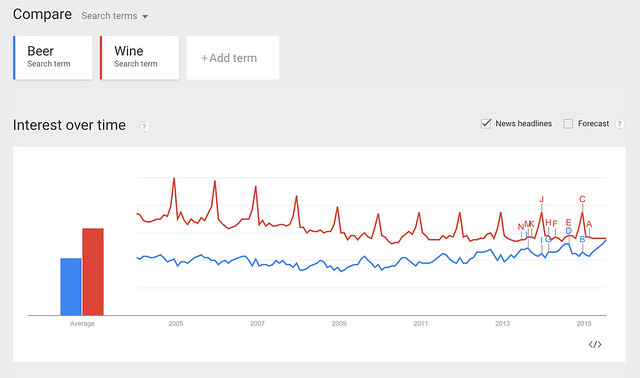
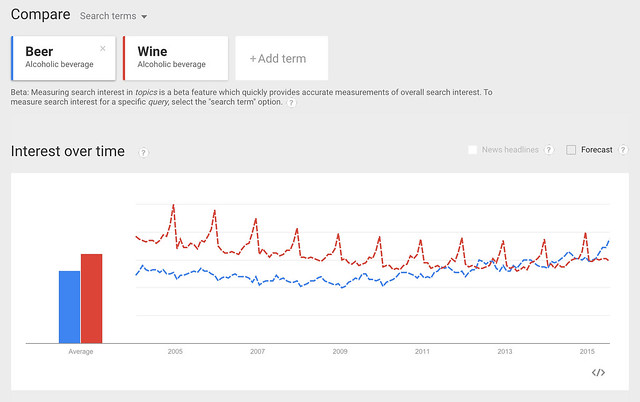
I’d like to second New York Times beverage writer Eric Asimov’s plea for the peaceful coexistence of wine and beer. In his blog, The Pour, on Tuesday Asimov wrote A Plea for Peaceful Coexistence, saying:

Beer and wine are not in competition. Yet people in the wine business, who I assure you drink an awful lot of beer, don’t often take it seriously as a beverage. And people in the beer business, perhaps in reaction to not-so-imaginary slights, rarely even acknowledge the existence of wine, much less deem it worthy of drinking.

Asimov is, in my opinion, one of the few wine writers who actually understands and appreciates beer. I’ve quoted him before here in the Bulletin, precisely because he’s not typical of a wine writer. He understands for example; “[c]raft beer’s battle is not against wine but against decades of cynical marketing from the giant breweries, which have done everything possible to portray beer drinkers as asinine fools.”

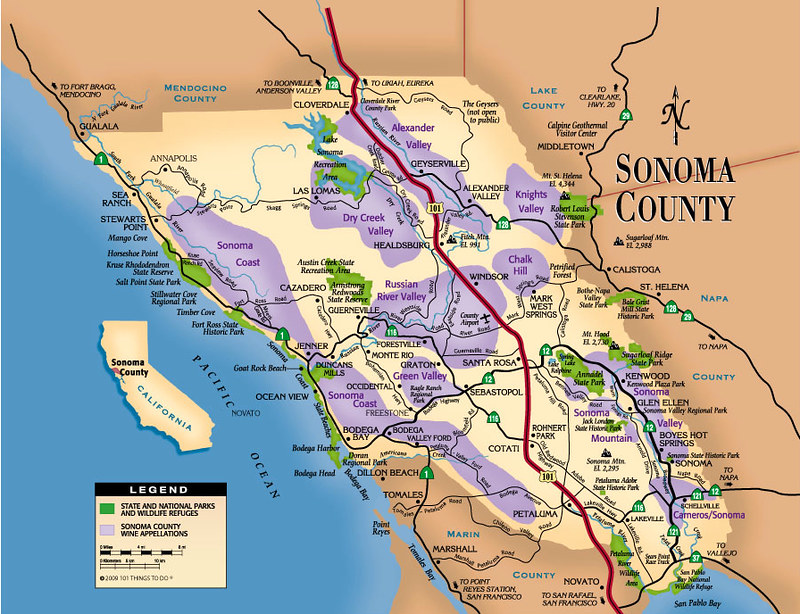
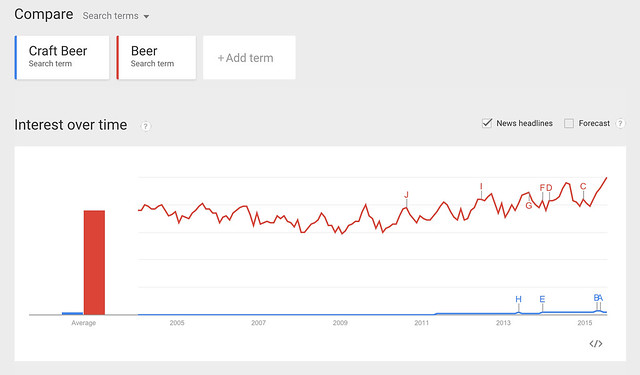
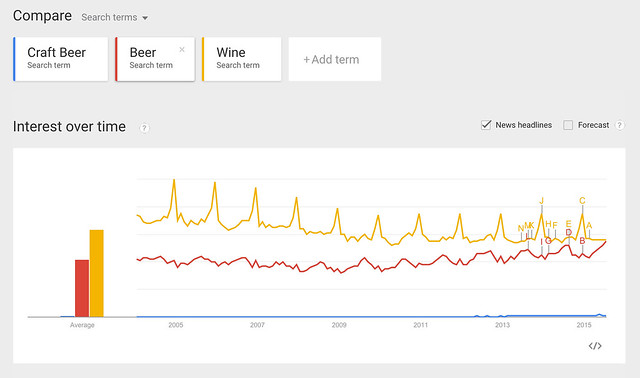
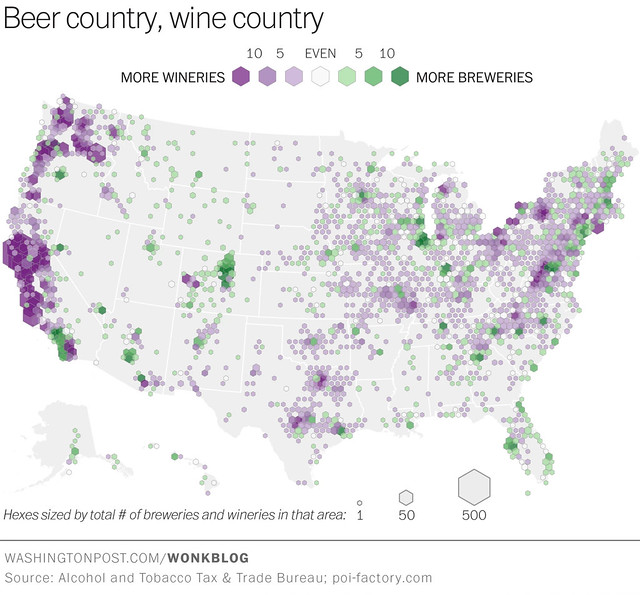
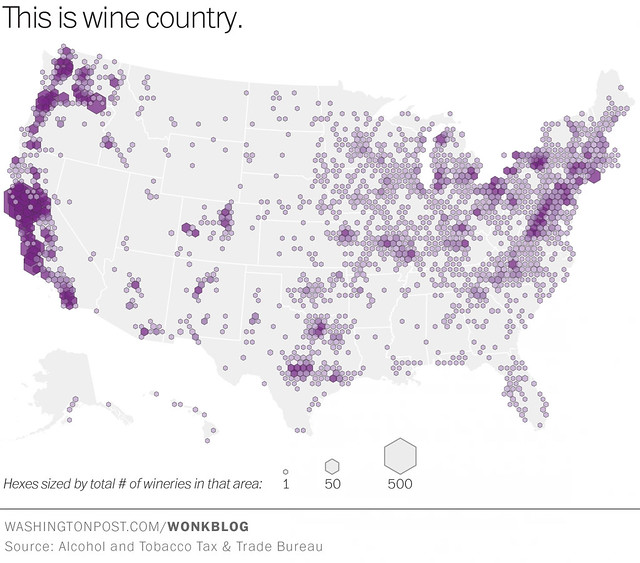
What he didn’t include (and I understand why) is that most of the attacks come from the wine side. The assaults are not by regular wine drinkers or even winemakers, who both happily consume beer, but primarily from lesser wine writers who, as far as I can tell, feel threatened by craft beer. But as a cross-drinker (I love wine, too), I’m constantly irritated when a wine writer lashes out against beer for no discernible reason. Regular Bulletin readers will no doubt recognize it’s a theme I’ve returned to many times — precisely because it keeps happening. Living and working in the heart of northern California’s wine region, I’m especially sensitive to the way wine coverage so completely overshadows coverage of craft beer. I believe my column, Brooks on Beer, is almost certainly the only newspaper column in the Bay Area that’s devoted to beer, while the ones exclusively wine-focused considerably outnumber mine.

Sure, there have been a growing number of beer vs. wine dinners, usually instigated by beer people, but that’s usually a defensive strategy and a way to prove a point. Even Asimov understands this, and I’ve quoted him before on this subject, where he’s said the following.

The two beverages in fact co-exist quite well, and therefore it irritates me when wine and beer are pitted against each other, especially when wine-lovers demean beer. Beer-lovers have a bit of catching up to do in terms of achieving status and understanding, so I have a little more tolerance for them when they feel compelled to demonstrate how well good beers can go with certain foods, usually at the expense of wine.

But in the end, his point is well-taken and one I would argue should be assimilated by any writer whose subject includes an alcoholic beverage. We’re all in this together. While we’re at it, I’d also like to suggest to all those media outlets who insist on calling their “sections” or “magazines” something along the lines of “Food and Wine,” yet include coverage of other beverages, change their name and obvious bias to something all-encompassing like “Food & Drink” or “Food & Beverages.”

Asimov’s parting words:

“Fellow wine lovers, fellow beer lovers, unite! We shall not permit ourselves to be pitted against one another. Do not be fooled by false choices. You do not have to choose beer or wine. Just good or bad.”

Amen to that.

{ 0 comments }