Brookston Beer Bulletin

Jay R. Brooks on Beer

  • Home
  • About
  • Editorial
  • Birthdays
  • Art & Beer

Socialize

  • Dribbble
  • Email
  • Facebook
  • Flickr
  • GitHub
  • Instagram
  • LinkedIn
  • Pinterest
  • RSS
  • Twitter
  • YouTube

Powered by Genesis

Historic Beer Birthday: George Kenneth Hotson Younger

September 22, 2026 By Jay Brooks

george-younger-sons
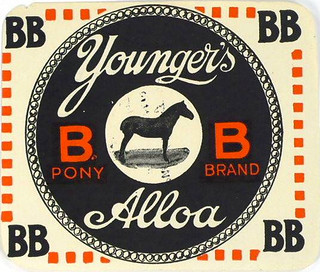
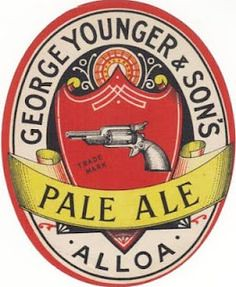
Today is the birthday of George Kenneth Hotson Younger (September 22, 1931-January 26, 2003). “Younger’s forebearer, George Younger (baptised 1722), was the founder of George Younger and Son of Alloa, [Scotland] the family’s brewing business (not to be confused with Younger’s of Edinburgh). He was the great-great-great-great-great-grandfather of the brewery founder. “Younger’s great-grandfather, George Younger, was created Viscount Younger of Leckie in 1923. Younger was the eldest of the three sons of Edward Younger, 3rd Viscount Younger of Leckie.”
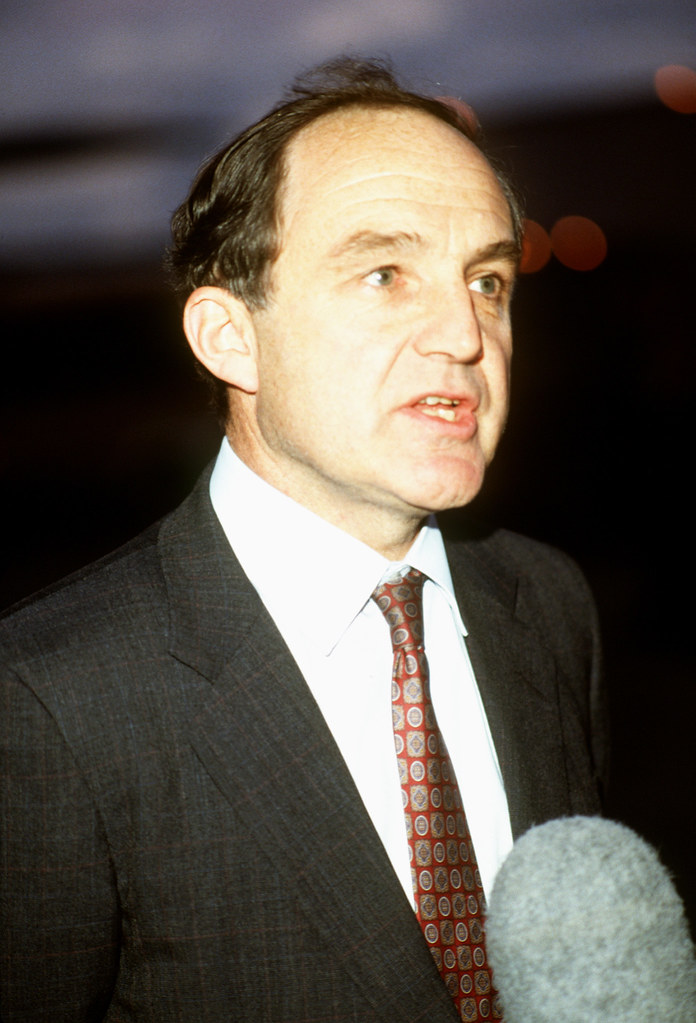
George Younger

Here’s his biography, from Wikipedia:

He was born in Stirling in 1931 and educated at Cargilfield Preparatory School, Winchester College, and New College, Oxford, where he obtained a Master’s degree. Joining the British Army, he served in the Korean War with the Argyll & Sutherland Highlanders. On 7 August 1954, he married Diana Tuck, daughter of a Royal Navy captain; they had 4 children.

He first stood for Parliament, unsuccessfully, in North Lanarkshire in the 1959 General Election. Subsequently, he was initially selected to stand for the Kinross and West Perthshire seat in a by-election in late 1963, but agreed to stand aside to allow the new Prime Minister Alec Douglas-Home the chance to enter the House of Commons.

Following in the footsteps of his great-grandfather the 1st Viscount, Younger became Member of Parliament for Ayr in 1964 and served as Margaret Thatcher’s Secretary of State for Scotland for seven years. He subsequently succeeded Michael Heseltine as Secretary of State for Defence in 1986 when Heseltine resigned from the cabinet over a dispute about helicopters known as the Westland crisis.

Younger quit the cabinet in 1989, and joined the Royal Bank of Scotland, becoming its chairman in 1992. He was created a life peer as Baron Younger of Prestwick of Ayr in the District of Kyle and Carrick on 7 July 1992, five years before succeeding to the viscountcy. As such, he continued to sit in the House of Lords after the passage of the House of Lords Act 1999 which expelled most of the hereditary peers.
George-Younger-meadow-brewery


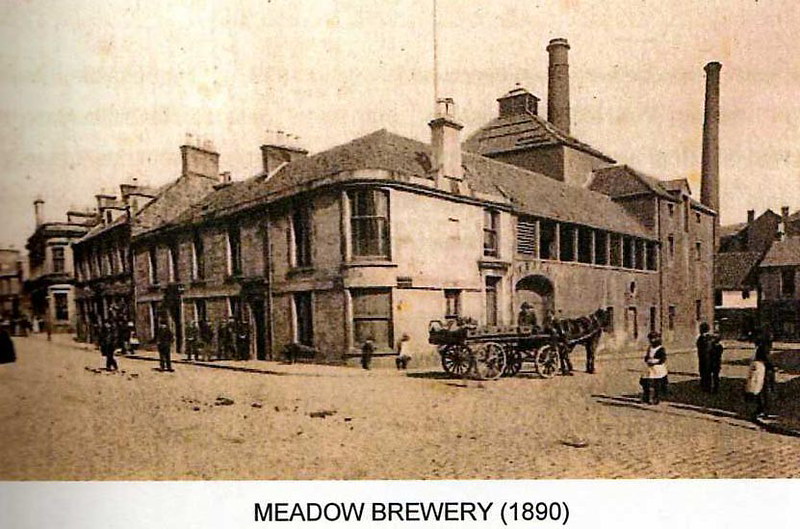
This is the Meadow Brewery around 1890, before it became known as George Younger & Sons.

This is part of Younger’s obituary from the Independent, the small portion that’s about his time working for the family brewery business, must of the rest is about his political career, which appears to be the primary focus of his life, the beer was apparently just an afterthought, something he had to do.

George Kenneth Hotson Younger was born at Leckie in 1931. After Cargilfield, where he was head boy, he went to Winchester. None of the honours which were later to come his way gave him such pleasure as being Warden of Winchester. After National Service in Germany and Korea with the Argyll and Sutherland Highlanders, he went up to New College, where he read Modern History. Joining the family firm of George Younger and Company, part of Bass, he rose to be a senior sales manager – following the tradition of his great-great-great-uncle William McEwan, who combined a career as a politician with that of successful brewer (best remembered for Mc- Ewan’s Export). As the Edinburgh University Public Orator put it at the degree ceremony for Younger’s doctorate honoris causa in 1992,

There was not for this son an immediate short cut to the boardroom. Instead he worked through the company in a range of roles from labourer to sales manager for Glasgow. He played a significant part not only in brightening up the design of its canned beers but also in the dramatic reorganisation of Scottish brewing which first brought together several of central Scotland’s brewers into United Caledonian Breweries and then merged them with Tennants to form Tennant Caledonian Breweries Ltd, of which George Younger was a director from 1977 to 1979.
Filed Under: Birthdays, Breweries, Just For Fun Tagged With: Great Britain, Scotland

Beer In Ads #5355: Heineken’s Bokbier

September 21, 2026 By Jay Brooks

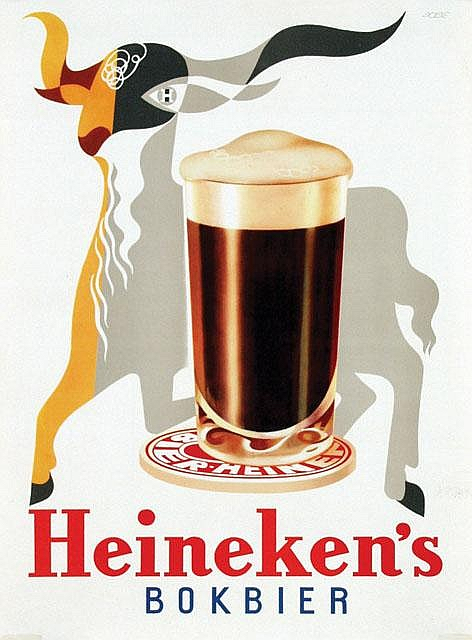
Two years ago I decided to concentrate on Bock ads for awhile. Bock, of course, may have originated in Germany, in the town of Einbeck. Because many 19th century American breweries were founded by German immigrants, they offered a bock at certain times of the year, be it Spring, Easter, Lent, Christmas, or what have you. In a sense they were some of the first seasonal beers. “The style was later adopted in Bavaria by Munich brewers in the 17th century. Due to their Bavarian accent, citizens of Munich pronounced ‘Einbeck’ as ‘ein Bock’ (a billy goat), and thus the beer became known as ‘Bock.’ A goat often appears on bottle labels.” And presumably because they were special releases, many breweries went all out promoting them with beautiful artwork on posters and other advertising.

Monday’s poster is for Heineken’s Bockbier, which was created in the 1950s. This poster was made for the Heineken Brewery, which was founded in 1864 by Gerard Adriaan Heineken. The poster was created by Dutch graphic designer and commercial illustrator Jacob Jansma.

Filed Under: Art & Beer, Beers, Breweries, Just For Fun Tagged With: Advertising, Bock, Heineken, History, The Netherlands

Historic Beer Birthday: Thomas Greenall

September 21, 2026 By Jay Brooks

greenalls
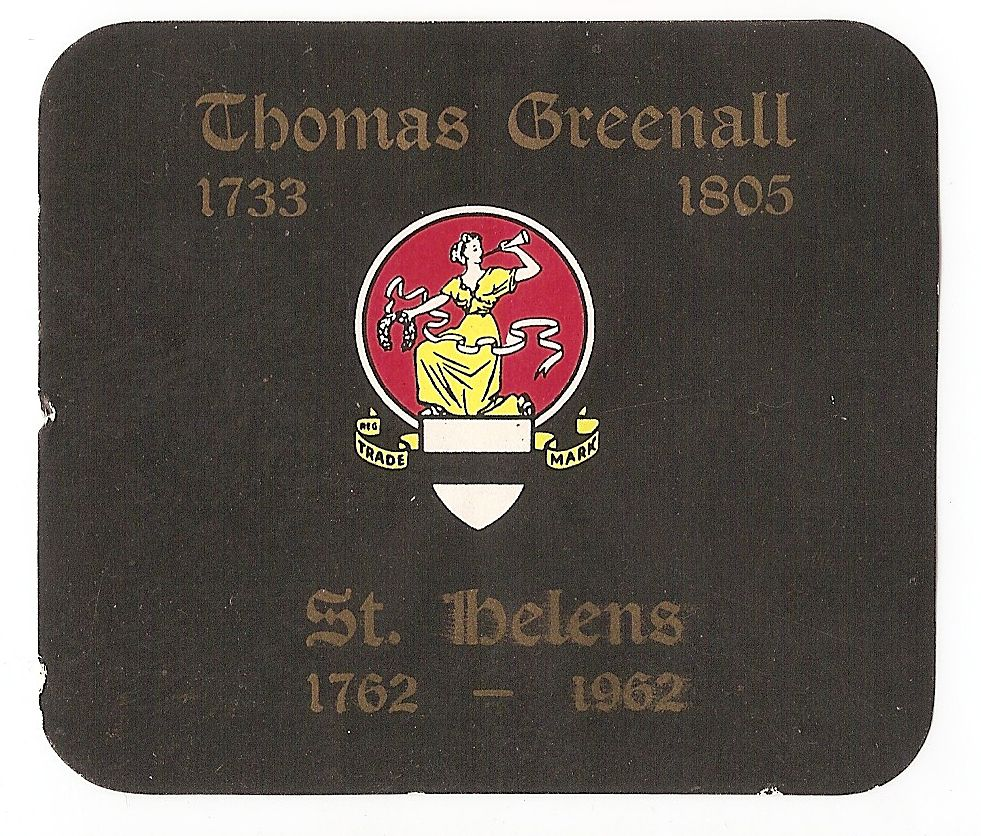
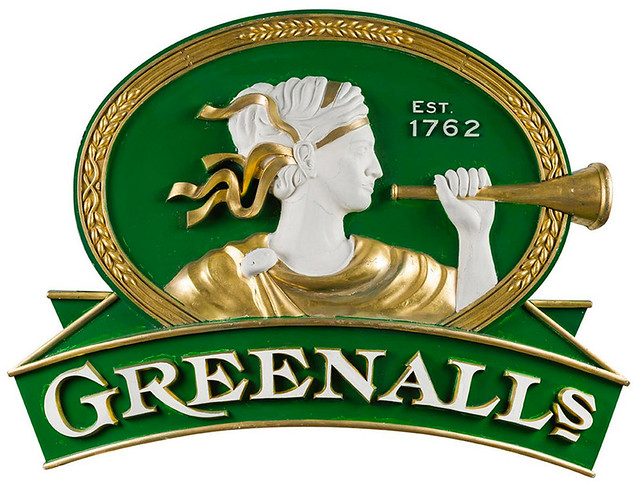
Today is the birthday of Thomas Greenall (September 21, 1733-January 18, 1805). He founded Greenall’s Brewery in 1762.

Here’s a history of the brewery, from Wikipedia:

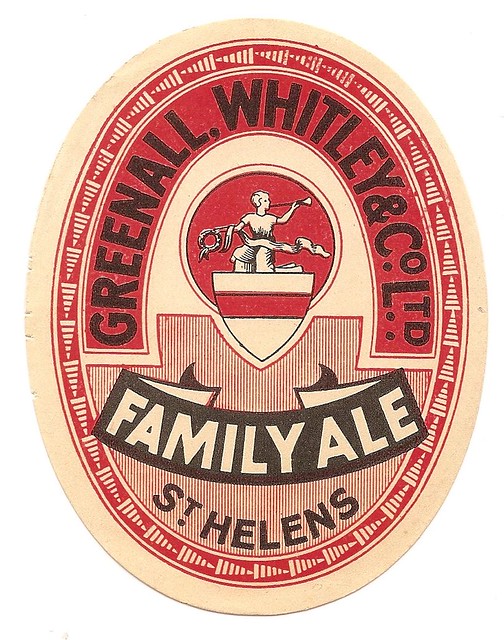
Greenall’s Brewery was founded by Thomas Greenall in 1762. Initially based in St Helens, the company relocated to Warrington in 1787.

It bought the Groves & Whitnall Brewery in Salford in 1961, Shipstone’s Brewery in Nottingham in 1978 and Davenport’s Brewery in Birmingham in 1986. For much of the 20th century, the company traded as Greenall Whitley & Co Limited. The St Helens brewery was demolished in the 1970s to make way for a new shopping centre. The Warrington brewery on the edge of Stockton Heath was bought by Bruntwood, renamed Wilderspool Business Park and is now let to office occupiers.

The company ceased brewing in 1991 to concentrate on running pubs and hotels.

In 1999, the tenanted wing of the Greenall’s operation was sold to the Japanese bank, Nomura for £370 million and the main Greenall’s operation, involving 770 pubs and 69 budget lodges, was sold to Scottish and Newcastle for £1.1billion. Greenalls started to focus its resources on its De Vere and Village Leisure hotel branding at that time.

In February 2005, Greenalls sold The Belfry to The Quinn Group for £186 million.

The Greenall family connection remained as Lord Daresbury, the descendant of the original founder, remained the non-executive chairman. This tie was severed in 2006 when Daresbury stepped down from the post and much of the family’s interest was sold.

wilderspoolsparkling

And this is from Funding Universe:

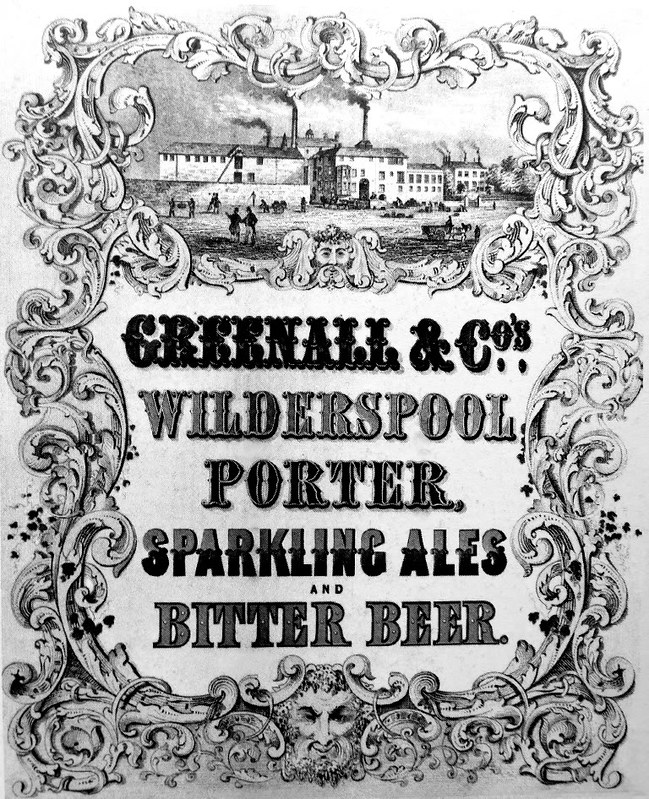
Patriarch Thomas Greenall learned the brewing trade from his wife’s family in the 1750s and founded his own brewery in northwestern England at St. Helens in 1762. Brewing was a highly competitive business, with rivals ranging from the lone homebrewer to inns and pubs that brewed their own ales to wholesale brew masters like Greenall. Though the founder dabbled in nail making, coal mining, and yarn spinning throughout the late 18th century, brewing remained the family’s core interest. By the turn of the century, Thomas had brought sons Edward, William, and Peter into the business. The Greenalls began to purchase their own pubs and inns as early as 1800, helping to accelerate a gradual elimination of their competition. In Britain, it was customary for bars owned by breweries to carry only the beers brewed by the parent company. For nearly two centuries, these “tied houses” were a profitable segment of Greenall’s business.

In 1788, Greenall formed a separate partnership with William Orrett and Thomas Lyon to purchase the Saracen’s Head Brewery in nearby Wilderspool. Business was so good that within just three years the three partners undertook a £4,400 expansion of the operation.

The family business interests endured a rapid succession of generations in the first two decades of the 19th century. In 1805, both Thomas Greenall and William Orrett died. By 1817, the passing of William and Peter Greenall left only Edward to operate the growing St. Helens brewery. Just a year later, Thomas Lyon died. His nephew and heir, also Thomas, was interested in the Wilderspool brewery only as an investment. In 1818, 60-year-old Edward assigned eldest son Thomas to manage the family’s half interest in Wilderspool and charged younger son Peter with management of the family brewery at St. Helens.

While Peter pursued politics, eventually winning election to Parliament, Thomas proved to be the brewer of his generation. By this time, the family businesses had grown to the point that the Greenalls served as chairmen, guiding the overall direction of the company but leaving daily management concerns to other top executives. Throughout this period, ownership of the pubs and inns through which Greenall’s porters, sparkling ales, and bitters were dispensed was a key to maintaining a strong competitive position.

GREENALL_WHITLEY_1


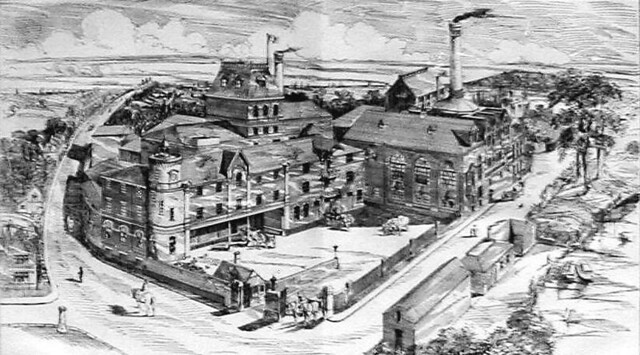
And this is Greenall Whitley & Co’s., Wilderspool Brewery, in Warrington in 1887.

Greenall-family-ale-2

This account from The Groves & Whitnall’s Globe Works begins with Thomas:

Thomas Greenall became manager of his mother-in-law’s brewery in St Helens, Lancashire, in 1754, and went on to build his own in Hardshaw, St Helens, in 1762. In 1786 he bought the Saracen’s Head Brewery at Wilderspool, Warrington, in partnership with William Orrett and Thomas Lyon. In 1787, the partners acquired an interest in the brewery of Edward Greenall and Co in Cunliff Street, Liverpool, which ceased trading in 1814. In 1807, Orrett’s son sold his interest to Lyon and Greenall. On the death of Thomas Lyon, nephew of the original partner, in 1859, Greenall and Company was formed.

greenalls-sign

Filed Under: Birthdays, Breweries, Just For Fun Tagged With: England, Great Britain

Beer In Ads #5354: Felsenau Bockbier

September 20, 2026 By Jay Brooks

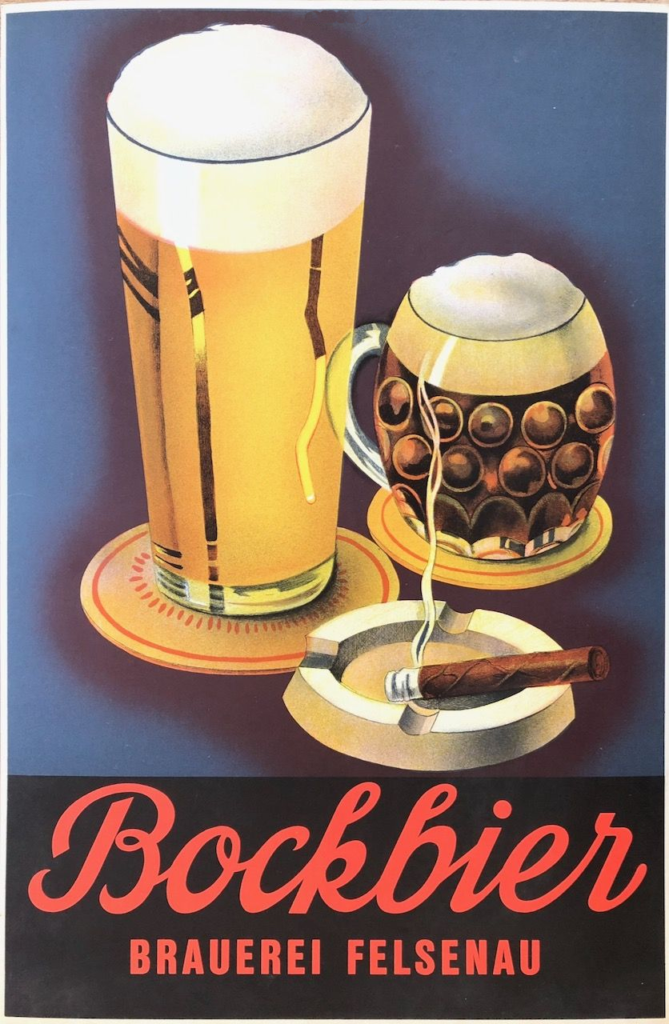
Two years ago I decided to concentrate on Bock ads for awhile. Bock, of course, may have originated in Germany, in the town of Einbeck. Because many 19th century American breweries were founded by German immigrants, they offered a bock at certain times of the year, be it Spring, Easter, Lent, Christmas, or what have you. In a sense they were some of the first seasonal beers. “The style was later adopted in Bavaria by Munich brewers in the 17th century. Due to their Bavarian accent, citizens of Munich pronounced ‘Einbeck’ as ‘ein Bock’ (a billy goat), and thus the beer became known as ‘Bock.’ A goat often appears on bottle labels.” And presumably because they were special releases, many breweries went all out promoting them with beautiful artwork on posters and other advertising.

Sunday’s poster is for Felsenau Bockbier, which was created around 1950 This one was for the Brauerei Felsenau, of Bern, Switzerland, which was originally founded in 1881. The poster was created by Swiss artist Louis Koller.

Filed Under: Art & Beer, Beers, Breweries, Just For Fun Tagged With: Advertising, Bock, Germany, History

Beer Birthday: Pete Coors

September 20, 2026 By Jay Brooks

coors-red-rectangle
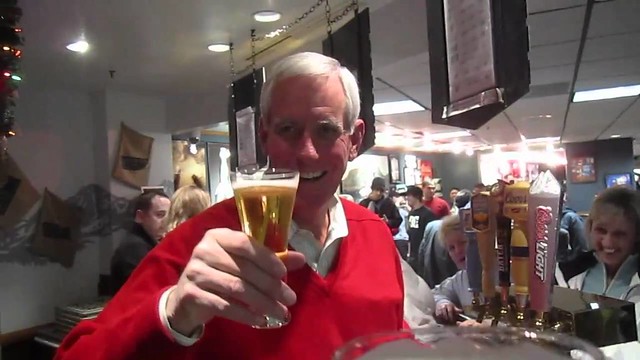
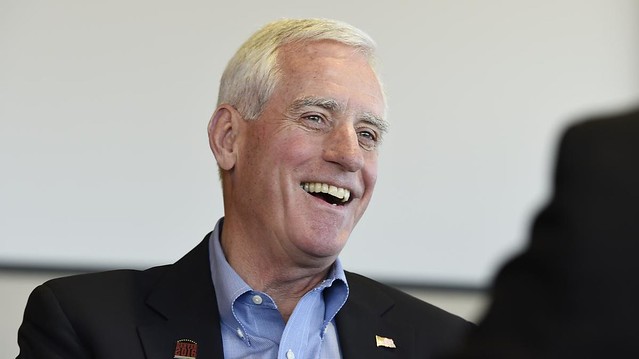
Today is the 80th birthday — The Big 😯 — of Peter Hanson Coors (September 20, 1946- ). Pete Coors is the great-grandson of Adolph Coors, who founded Coors Brewing Co. in 1873. He has worked for his family’s brewery since 1971. After their merger with Molson in 2005, and then a joint venture with SABMiller in 2008, Pete is currently the chairman of MillerCoors and the Vice-Chairman of the Board of Directors. I met him briefly during a malt press junket a few years ago to Western Colorado. Join me in wishing Pete a very happy birthday.

Here’s his short bio from the MillerCoors website:

Pete joined Adolph Coors Company in 1971 where he held a number of executive and management positions. He previously served as chairman of the board of Adolph Coors Company from 2002 to 2005, and was chief executive officer from May 2000 to July 2002. He served as a director of Coors Brewing Company, the company’s US-based subsidiary, beginning in 1973. In 2002, he was named executive chairman, and was chief executive officer from 1992 to 2000. He has been a director of both US Bancorp and of Energy Corp. of America since 1996. Peter received his Bachelor of Science degree from Cornell University and a Master degree in Business Administration from the University of Denver.

pete-coors-beer

And this is his Wikipedia entry:

Coors was born in Golden, Colorado. He is the great-grandson of Adolph Coors, the brewing entrepreneur, and the son of Holly Coors (née Edith Holland Hanson) and Joseph Coors. He graduated from Phillips Exeter Academy and then from Cornell University with a degree in engineering. A member of the Psi Upsilon Fraternity, Coors was elected to the Sphinx Head Society during his final year at Cornell. He also received his MBA from the University of Denver in 1970.

Coors has worked all of his life in various positions at his family’s Coors Brewing Company.

In 1993 Coors became vice chairman and CEO of the company, and in 2002 he was named Chairman of Coors Brewing Company and Adolph Coors Company. In 2004, Pete Coors “made $332,402 in salary and a $296,917 bonus as chairman of Adolph Coors. He also received 125,000 stock options with a potential value of $13 million,” according to the Rocky Mountain News. However, he stepped down temporarily from these positions in 2004 to run for the US Senate. After the 2005 merger with Molson, Coors became a Class A Director in the newly formed Molson Coors Brewing Company. In October 2006, he was appointed by the University of Colorado Hospital Board of Directors as chairman of the board for the new University of Colorado Hospital Foundation.

He has served on the boards of U.S. Bancorp, H. J. Heinz Company, HOBY (Hugh O’Brian Youth Leadership) Colorado, and Energy Corp. of America. He is also involved in civic organizations such as the Denver Area Council of the Boy Scouts of America and the National Western Stock Show Association. He is also part of the ownership group of the Colorado Rockies. He is a member at Augusta National Golf Club in Augusta, Georgia. In 1997, Coors was granted an Honorary Doctorate from Johnson & Wales University, where he is a trustee. He sits on the Board of Trustees of the American Enterprise Institute.

pete-coors-biz

Filed Under: Birthdays, Breweries Tagged With: Colorado, Coors, History

Beer In Ads #5353: Bock Bier Lad

September 19, 2026 By Jay Brooks

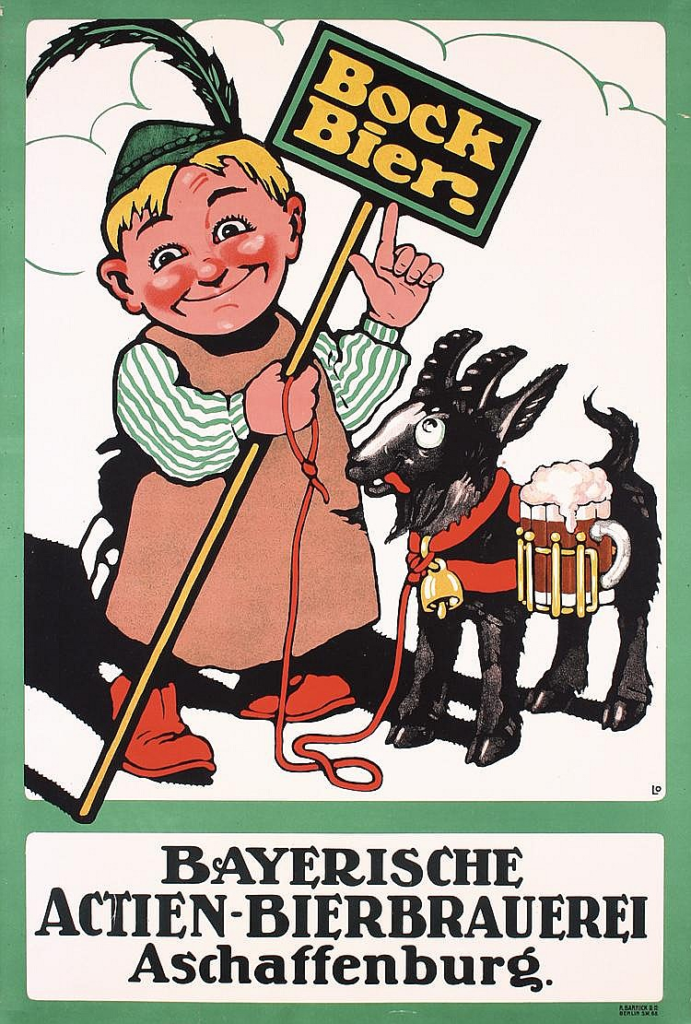
Two years ago I decided to concentrate on Bock ads for awhile. Bock, of course, may have originated in Germany, in the town of Einbeck. Because many 19th century American breweries were founded by German immigrants, they offered a bock at certain times of the year, be it Spring, Easter, Lent, Christmas, or what have you. In a sense they were some of the first seasonal beers. “The style was later adopted in Bavaria by Munich brewers in the 17th century. Due to their Bavarian accent, citizens of Munich pronounced ‘Einbeck’ as ‘ein Bock’ (a billy goat), and thus the beer became known as ‘Bock.’ A goat often appears on bottle labels.” And presumably because they were special releases, many breweries went all out promoting them with beautiful artwork on posters and other advertising.

Saturday’s poster is for Bayerische Bock Bier, which was created around 1910 This one was for the Bayerische Actien-Bierbrauerei, of Aschaffenburg, Germany, which was originally founded in 1867. The poster was created by German artist Louis Oppenheim.

Filed Under: Art & Beer, Beers, Breweries, Just For Fun Tagged With: Advertising, Bock, Germany, History

Beer In Ads #5352: Trinkt Gambrinus-Böck

September 18, 2026 By Jay Brooks

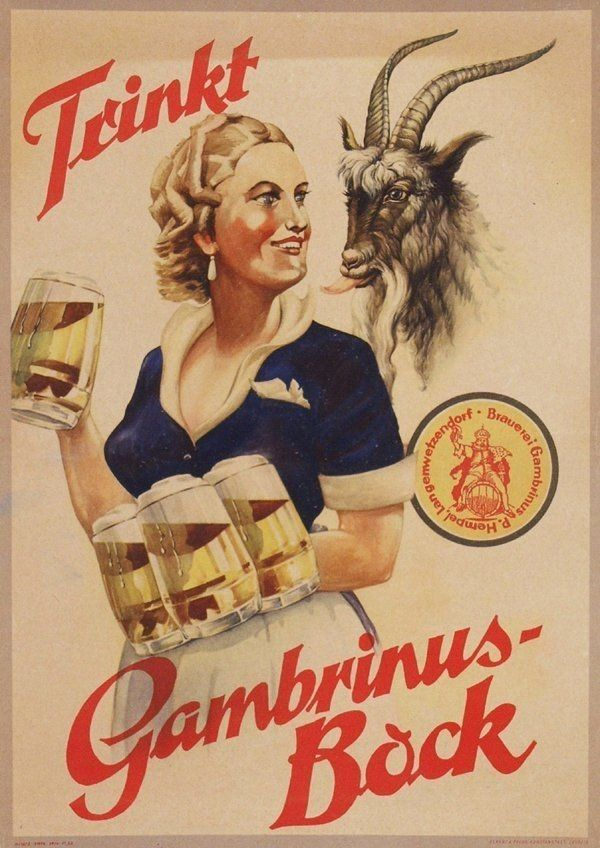
Two years ago I decided to concentrate on Bock ads for awhile. Bock, of course, may have originated in Germany, in the town of Einbeck. Because many 19th century American breweries were founded by German immigrants, they offered a bock at certain times of the year, be it Spring, Easter, Lent, Christmas, or what have you. In a sense they were some of the first seasonal beers. “The style was later adopted in Bavaria by Munich brewers in the 17th century. Due to their Bavarian accent, citizens of Munich pronounced ‘Einbeck’ as ‘ein Bock’ (a billy goat), and thus the beer became known as ‘Bock.’ A goat often appears on bottle labels.” And presumably because they were special releases, many breweries went all out promoting them with beautiful artwork on posters and other advertising.

Friday’s poster is for Gambrinus-Böck, which was created in the 1930s. This one was for the Brauerei Gambrinus, of Langenwetzendorf, Germany, one of many trading under the Gambrinus name. This one was originally founded in 1876. At least one source suggests the lithograph was created by Eckert & Pflug of Leipzig.

Filed Under: Art & Beer, Beers, Breweries, Just For Fun Tagged With: Advertising, Bock, Germany, History

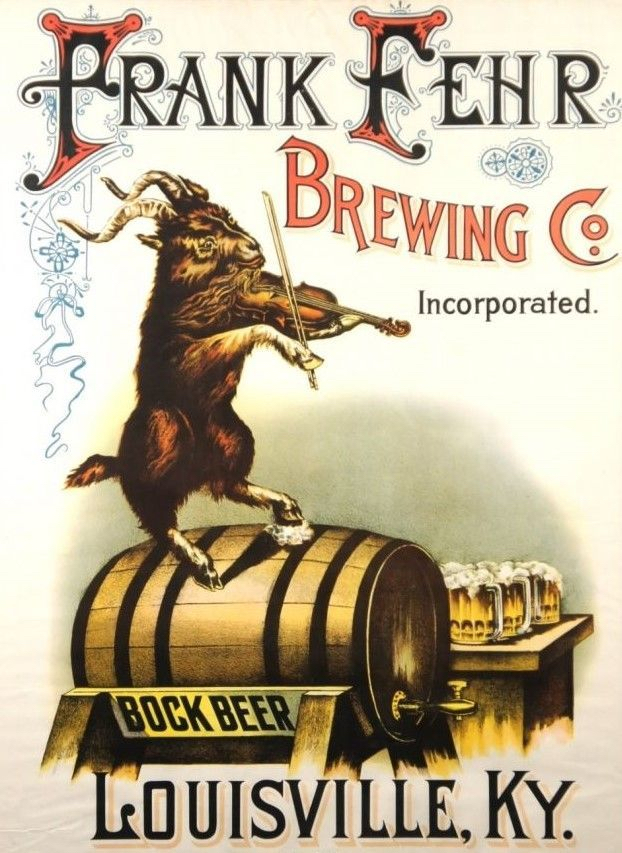
Beer In Ads #5351: Frank Fehr Bock

September 17, 2026 By Jay Brooks

Two years ago I decided to concentrate on Bock ads for awhile. Bock, of course, may have originated in Germany, in the town of Einbeck. Because many 19th century American breweries were founded by German immigrants, they offered a bock at certain times of the year, be it Spring, Easter, Lent, Christmas, or what have you. In a sense they were some of the first seasonal beers. “The style was later adopted in Bavaria by Munich brewers in the 17th century. Due to their Bavarian accent, citizens of Munich pronounced ‘Einbeck’ as ‘ein Bock’ (a billy goat), and thus the beer became known as ‘Bock.’ A goat often appears on bottle labels.” And presumably because they were special releases, many breweries went all out promoting them with beautiful artwork on posters and other advertising.

Thursday’s poster is for Frank Fehr Bock, which was created in the 1890s. This one was for the Frank Fehr City Brewery of Louisville, Kentucky, which was originally founded in 1849 as the William Tell Brewery. Frank Fehr appears to have joined the brewery in 1872 and after 1876 it became known as the Frank Fehr City Brewery.

Filed Under: Art & Beer, Beers, Breweries, Just For Fun Tagged With: Advertising, Bock, History, Kentucky

Historic Beer Birthday: John Fitzgerald

September 17, 2026 By Jay Brooks

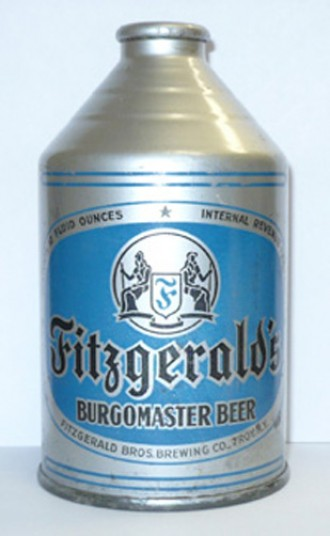
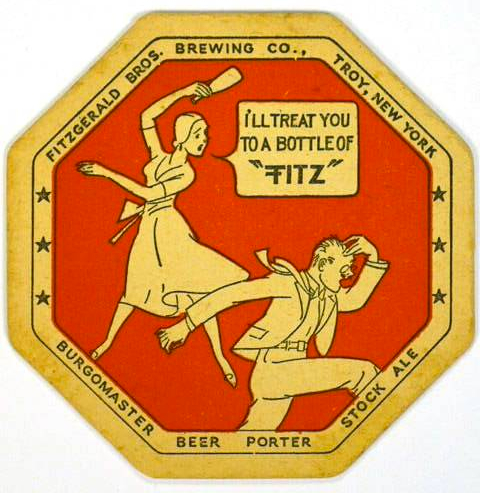
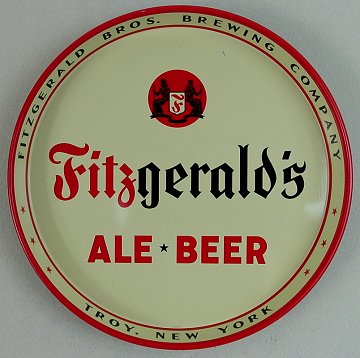
fitzgerald-brothers
Today is the birthday of John Fitzgerald (1838-September 17, 1885). No one is sure of his actual birthdate. Not even his tombstone gives it, listing only the date he died and saying he was age 47 in 1885. So today will have to do. There isn’t much biographical information about John Fitzgerald. His brother Edmund acquired in 1866 the Troy, New York brewery that was founded in 1852 which was first known as Lundy & Ingram Brewery, but went through several name changes before it was changed to the Fitzgerald Bros. Brewery when John and their other brother Michael joined the business. Michael left the business in 1870, but Edmund and John soldiered on and the family business, although they stopped brewing in 1963. The brewery survived prohibition and continued brewing afterwards until 1963, when the family shut down the brewery and became a Pepsi bottler and distributor, among other products, and for 25 years was a Coors distributor. Today the company is known as Fitzgerald Brothers Beverages, Inc. – Glens Falls Bottler and Beverage Distributor.

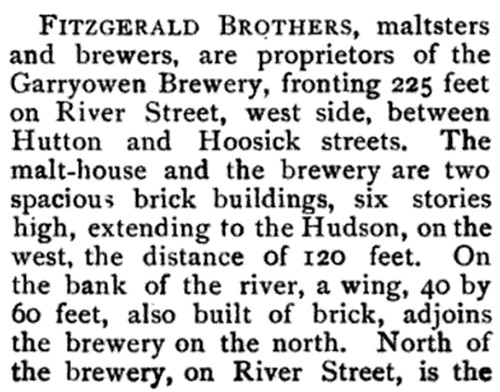
This account of the brewery is from “The City of Troy and Its Vicinity,” by Arthur James Weise, published in 1886:

This is the history presented on the current company’s website:

Fitzgerald Brothers Beverages, Inc. was founded in 1857 in Troy, New York. It is currently in its 6th generation of ownership.

The Company started out distributing various liqueurs, gins, whiskeys and brandies. A decade later, it began brewing it’s own brand of beer, Fitzgerald Beer and Ale. During the next 150+ years, the Company continued to adapt and change based upon the needs of it’s customers.

In 1961, Fitzgerald Brothers Beverages, Inc. purchased the Pepsi Bottler located on Dix Avenue in Glens Falls and continues to operate out of this location.

In 1986, as Coors Brewing Company expanded east of the Mississippi River for the first time, Fitzgerald Brothers Beverages, Inc. was awarded the distribution rights in the Albany Capital District for all Coors brands, which it serviced for 25 years until 2011.

In 1996 Fitzgerald Brothers Beverages, Inc. acquired two Full-Line Vending businesses to expand its services into Full-Line Vending. After 18 years, in April 2014 Fitzgerald Brothers Beverages, Inc. divested its Full-Line Vending business.

Today, Fitzgerald Brothers Beverages, Inc. continues to provide a full portfolio of beverages to nearly 1,750 customers in Warren, Washington and northern Saratoga counties.

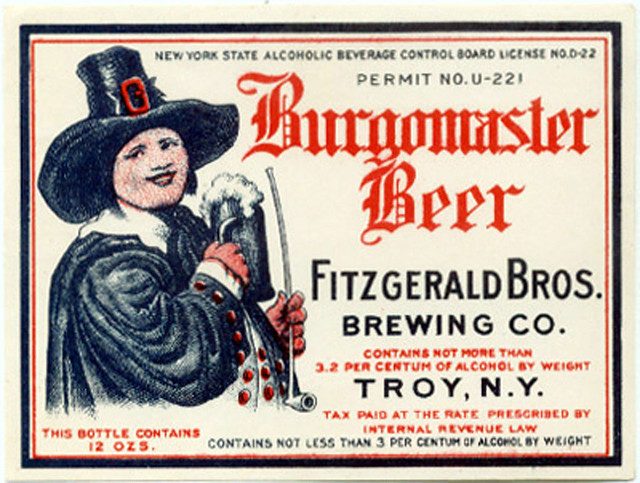
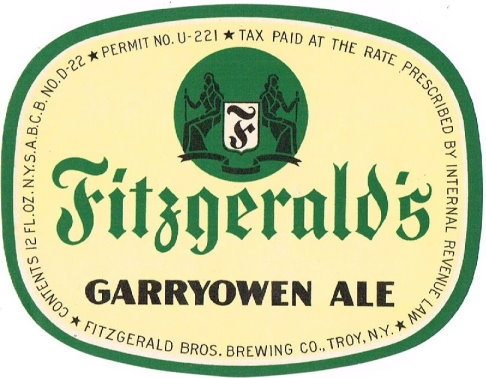
Fitzgeralds-Burgomaster-Beer-Labels-Fitzgerald-Bros-Brewing-Company

And this is the history of the brewery ownership, since it’s a bit complicated:

James Lundy, North River Brewery 1852-1853
Lundy & Ingram Brewery 1853-1855
Lundy & Kennedy Brewery 1855-1857
Lundy, Dunn & Co. Brewery 1857-1859
Dunn & Kennedy Brewery 1859-1866
Fitzgerald Bros. Brewery 1866-1899
Fitzgerald Bros. Brewing Co. 1899-1920
Brewery operations shut down by National Prohibition in 1920
Issued U-Permit No. NY-U-221 allowing the operation of a brewery 1933
Fitzgerald Bros. Brewing Co. 1933-1963

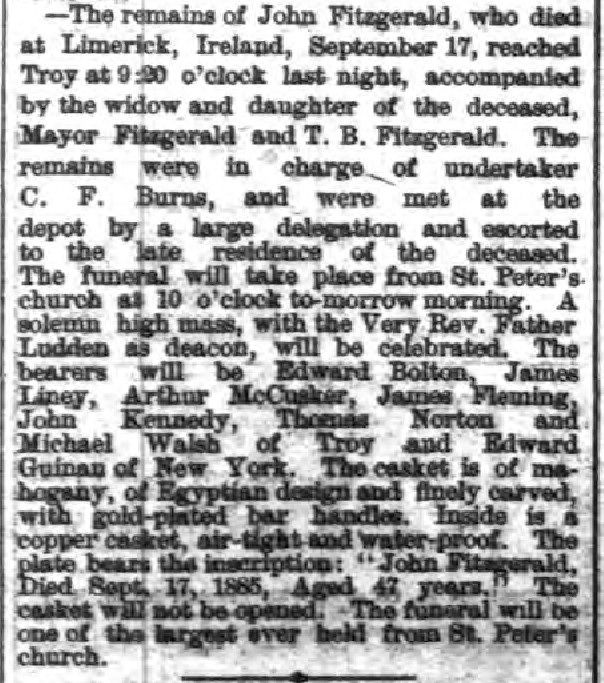
And this is John’s obituary:

Filed Under: Birthdays, Breweries, Just For Fun Tagged With: History, New York

Triple Rock To Close By End-of-Year

September 17, 2026 By Jay Brooks

I got a call from John Martin this morning. He’s the co-owner of Triple Rock Brewery in Berkeley, along with his brother Reid. It was one of the first brewpubs in the country, and now that others from that time period have either closed permanently or temporarily, it’s the “oldest continuously operating brewpub” in the U.S., which is admittedly quite an achievement. John told me they’ve decided to wind down the business, with an eye toward closing after the Fall semester at Berkeley concludes, which is December 18. So most likely they’re close before Christmas. He told me it’s not really economical and that the brewery itself is doing fine. They’ve certainly weathered worse market down-turns, but it’s more of having too many irons in the fire with other projects and businesses. John is my age, and is starting to think about retiring, so this is more of a first step in that goal.

Since it will be at least three months until they close the doors for the last time, that should give you plenty of time to stop by for a beer and pay your respects to Triple Rock’s place in beer history. They’ve got some fun things planned for beers and possibly collabs with former brewers over those next few months. Should make for a memorable send off. Perhaps I’ll see you there.

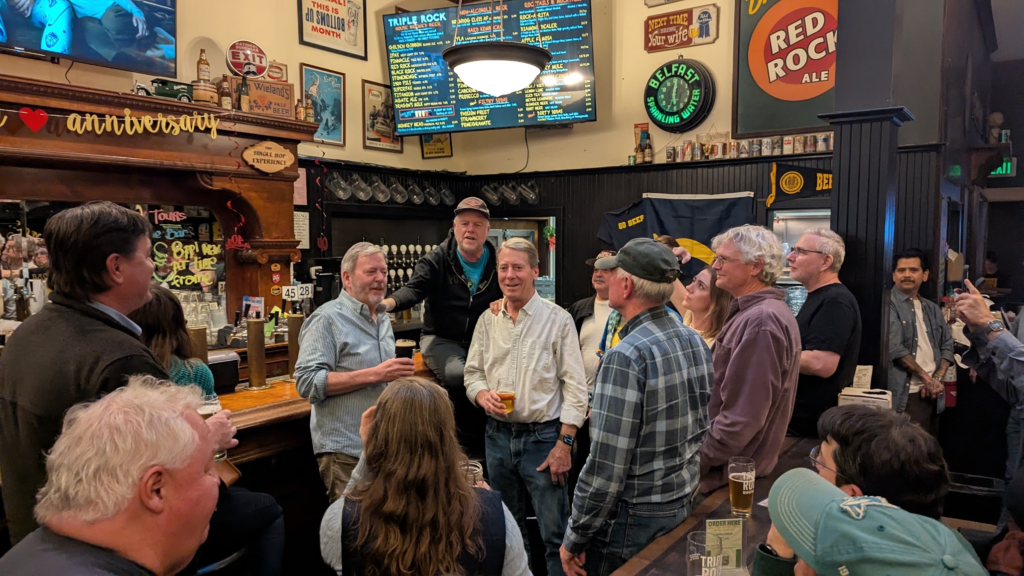
John and Reid at their 40th anniversary this past February.

Here’s the press release:

BERKELEY, Calif., September 16, 2026: Triple Rock Brewery & Alehouse, the oldest continuously operating brewpub in the United States, expects to conclude its run towards the end of 2026, after more than 40 years of brewing beer, serving up burgers, and bringing people together in Downtown Berkeley.

Founded by brothers John and Reid Martin, Triple Rock opened on March 14, 1986, when they were just 25 and 28. Originally established as Roaring Rock Brewery, it was among the first five brewpubs to open in the United States after Prohibition.

From the beginning, Triple Rock helped shape what would become today’s craft beer industry. “In the early days, many times we would have to explain what a ‘brewpub’ actually was,” said John. “The City of Berkeley didn’t understand it and told us that our microbrewery needed to be in an industrial part of town, not in the Downtown business district. “Reid added, “you have to remember that in those days there was very little small-batch beer made in America, it was almost all industrial stuff produced by huge breweries.”

What began as two brothers’ shared passion for brewing, neighborhood taverns, and great beer grew into one of the landmarks of the American craft beer movement. Over four decades, generations of customers have gathered at Triple Rock for rounds of beers, first dates, college reunions, Cal game celebrations, after-work pints, late-night burgers, and countless afternoons that, for many, have become lifelong memories. Triple Rock brewed 5,884 batches – equal to more than 41,000 total barrels and over 10 million pints.

The decision to close comes as the brothers begin looking toward retirement. “After 40 years, we are ready to spend less time navigating the day-to-day and more time exploring some of the other things we have put off along the way,” said co-founder John Martin.

Triple Rock expects to remain open through the end of the Cal fall semester. The Martins, who own the building, say that the Downtown Berkeley property will likely be offered for sale or lease. Triple Rock’s influence extends far beyond the beer served in Berkeley. Many brewers who developed their craft at “The Rock” went on to establish or lead respected breweries across the country, among them Shaun O’Sullivan (21st Amendment Brewery), Rodger Davis (Faction Brewing), Christian Kazakoff (Canyon Club), and Teri Fahrendorf (Steelhead Brewing Brewmaster and founder of the Pink Boots Society). As Fahrendorf has often said, “I believe that in American craft brewing, there are only about six degrees of separation between almost any craft brewer and the legacy of Triple Rock.”

Present Brewmaster Jeff Kimpe, formerly of Pyramid Ales and Drake’s Brewing, has been stirring the mash and creating a cutting-edge beer lineup for over 12 years. “Jeff’s contribution in the brewery cannot be understated,” said Reid. “His creativity, and his ability to build on Triple Rock’s traditions, has always made for a unique and delicious beer board.”

The Martins are equally proud of the hundreds of bartenders, cooks, servers, managers, and support staff who helped make Triple Rock what it became. “Triple Rock was never just the two of us,” John Martin said. “It was built by generations of incredible employees who gave so much of themselves to this place, and it was supported by our community that kept showing up year after year. We are enormously proud of the people who worked here and deeply grateful for everything they contributed.”

For now, Triple Rock is open and operating as usual, with fresh beer flowing from the taps and burgers and pub favorites coming out of the kitchen. Rather than treating the coming months as a prolonged goodbye, John and Reid hope customers will see this time as an opportunity for reunion. “We would love to see the community stop in to enjoy a few pints with friends, tell stories, and take in the old-school atmosphere while it remains,” said John. “Oh man, there are too many Triple Rock memories for just one final visit,” added Reid.

The infamous Thursday Monkey Head Nights will continue, along with special throwback celebrations featuring 1980s pricing, the return of favorite seasonal and specialty beers from Triple Rock’s brewing archives, and other events celebrating the brewery’s long Berkeley history. Current and former customers, employees, and friends are also invited to contribute a story, memory, or photograph to the Triple Rock Memory Wall at: https://www.triplerock.com/memory-wall.

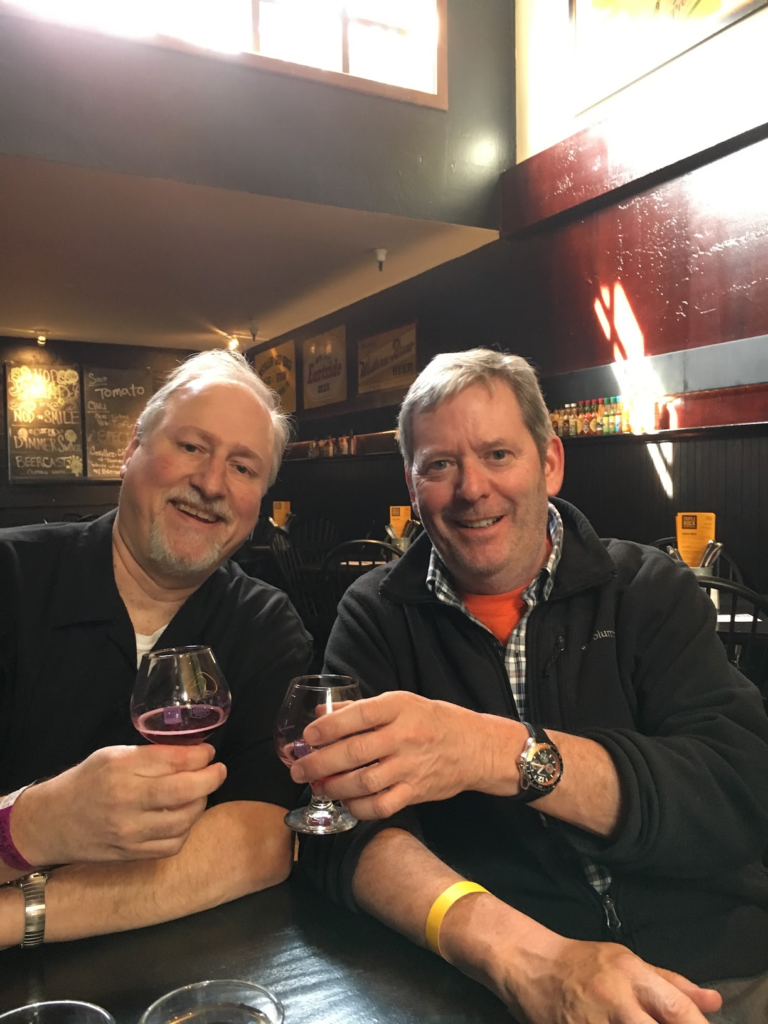
Me and John at Triple Rock in 2017.

Filed Under: Breweries, Just For Fun, News Tagged With: Bay Area, California, Northern California

« Previous Page
Next Page »

Find Something

Northern California Breweries

Please consider purchasing my latest book, California Breweries North, available from Amazon, or ask for it at your local bookstore.

Recent Comments

  • Bob Paolino on Beer Birthday: Grant Johnston
  • Gambrinus on Historic Beer Birthday: A.J. Houghton
  • Ernie Dewing on Historic Beer Birthday: Charles William Bergner 
  • Steve 'Pudgy' De Rose on Historic Beer Birthday: Jacob Schmidt
  • Jay Brooks on Beer Birthday: Bill Owens

Recent Posts

  • Historic Beer Birthday: Otto Bremer October 22, 2026
  • Beer Birthday: Jonathan Cutler October 22, 2026
  • Historic Beer Birthday: John D. McKechnie October 21, 2026
  • Historic Beer Birthday: Emil Schmitt October 21, 2026
  • Beer Birthday: Lucy Saunders October 21, 2026

BBB Archives

Feedback

Head Quarter
This site is hosted and maintained by H25Q.dev. Any questions or comments for the webmaster can be directed here.