Funny Camel, Serious Beer

There’s a nice profile in Haaretz of a new Israeli brewery, the Dancing Camel Brewing Co., which opened last August. It’s the brainchild of David Cohen, a former New York accountant who followed his dream to open a microbrewery in Israel.

From the Haafretz article:

Cohen, a long-time amateur brewmaster, now aims to challenge the traditional Israeli palate and introduce casual beer drinkers to a taste beyond just Goldstar or Carlsberg. For Rosh Hashanah, Dancing Camel made a pomegranate beer and after Sukkot, an etrog (citron) flavored brew was introduced. Last month’s Hanukkah offering was a delicious stout with cherry and vanilla flavors, similar to the traditional holiday sufganiya jelly donut.

Their regular lineup of beers includes a Pale Ale, an India Pale Ale. a Hefe-Wit and a Stout. Seasonal fare includes a Cherry Vanila Stout, The Golem (a big 9.5% beer) and Six Thirteen Pomegranate Ale, which was made as a seasonal for Rosh Hashana. The name has an interesting story, too:

In Talmudic lore, the Pomegranate is reputed to contain 613 seeds, corresponding both to the number of commandments in the Bible and the number of nerves in the Human body. The pomegranate’s place on the Rosh Hashana table (as well as inevitably, the table cloth) is a timeless tradition in the Jewish home, reflecting the wish that our blessings for the New Year be as abundant as the seeds of the “Rimon”. A delightfully refreshing pale ale with the unmistakable earthy fruitiness of pomegranates. At 5.8% abv, Six Thirteen — 5768 allows for indulgence without guilt. Truly a beer worth praying for.


Interestingly, He-Brew’s first beer, Genesis Ale, was also flavored with pomegranates. The article also mentions that Dancing Camel is one of only a handful of microbreweries in Israel, suggesting that their craft industry is just getting off the ground. Cohen is quoted as saying that “his audience is growing more receptive. Israelis are not necessarily drinking more beer, but drinking better beers.”

Dancing Camel seems to have a nice sense of humor and I love their motto: Funny Camel, Serious Beer. And I think it’s cool that he’s trying not only to do traditional styles but also to use local ingredients to create something new.

“Part of the point is not just to come over here to brew an English ale. My intentions were to use Israeli spices, and ingredients. If not for the barley and wheat, then at least for the spices to give it something completely Israeli.” Mr. Cohen flavors his beers with local ingredients like date syrup, cilantro, oranges and cloves.


Beer To Cure the Oil Crisis

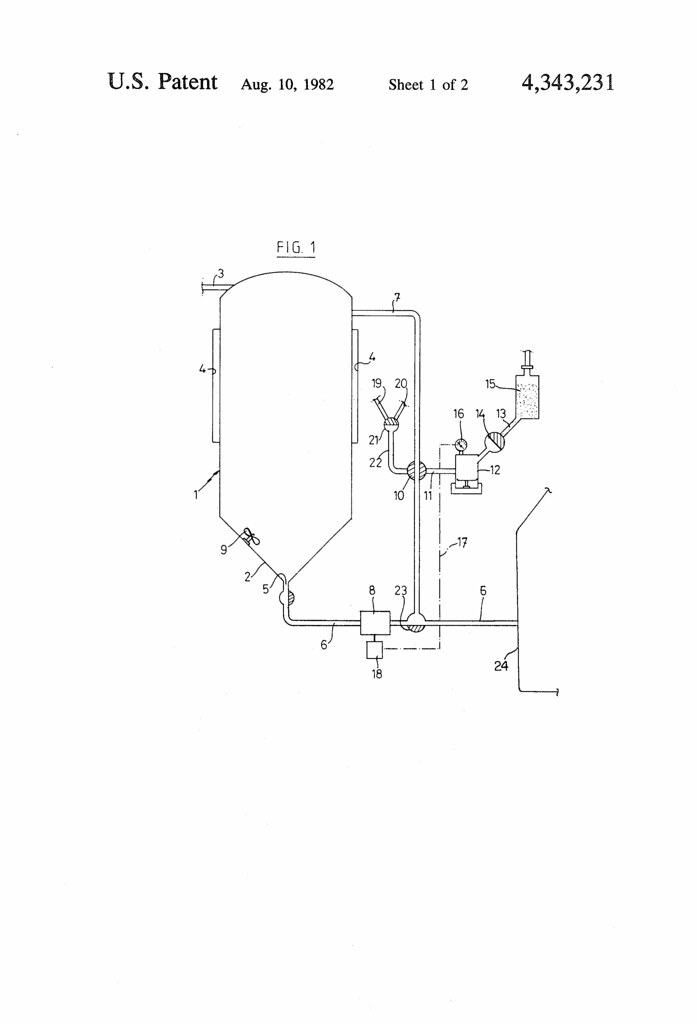
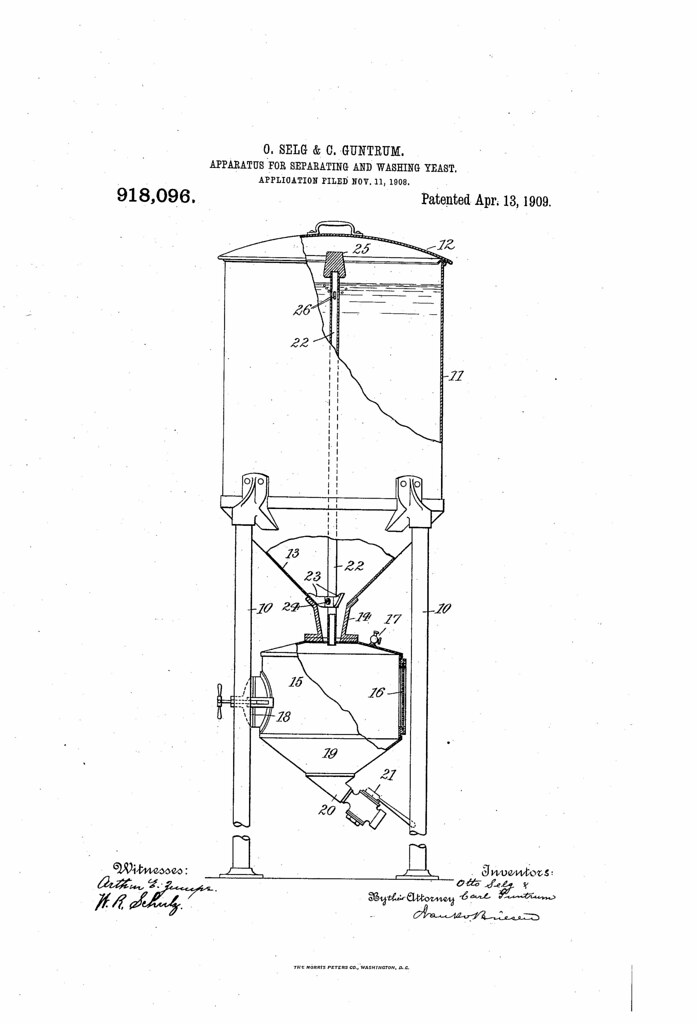
Alright, it’s possible I may have exaggerated just slightly with my headline claim that beer will cure the looming oil crisis. But it’s not impossible so therefore it’s technically achievable, however implausible. Anyway, here’s the idea in a nutshell. Scientists working at new project, a part of which is the Manchester Centre for Integrative Systems Biology at The University of Manchester, will be using the recently discovered knowledge that “networking in living cells may determine whether a cell causes diabetes or cancer or helps to maintain our health” to figure out how to modify the cell’s behavior so it tends toward being healthy instead of causing cancer. This emerging field is known as Systems Biology. Here’s the part in Medical Science News that caught my eye:

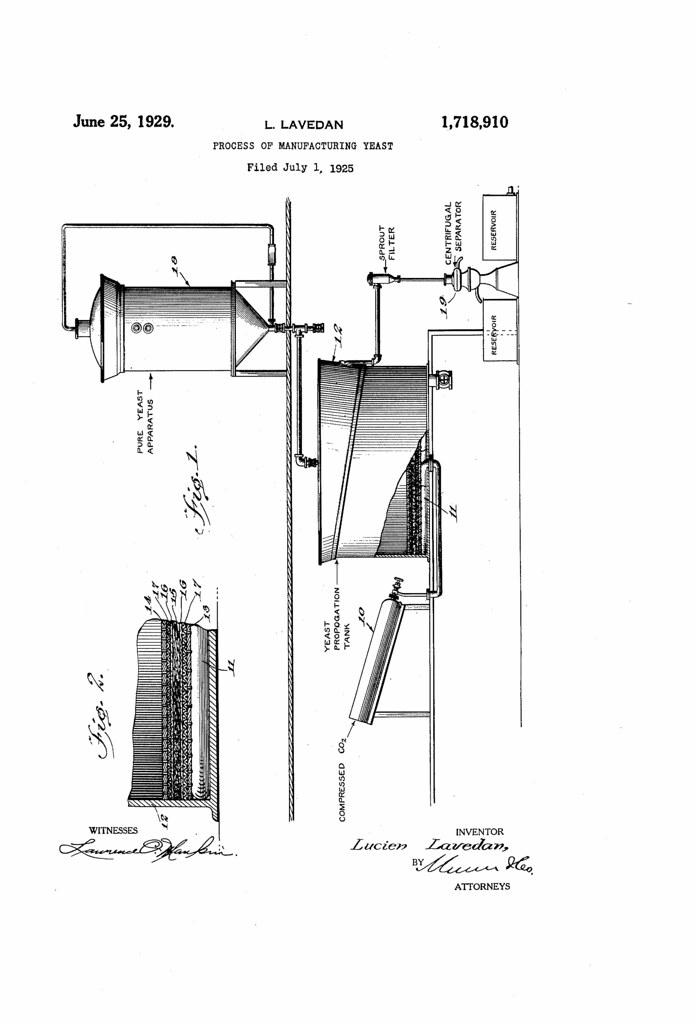
Using this approach Manchester researchers working on the Systems Biology of Microorganisms (SysMO) research programme will also drive a project that looks at how the yeast used in the production of beer and bread can be turned into an efficient producer of bioethanol.

That sounds like they’re trying to figure out how to have beer yeast create fuel, doesn’t it? How cool would it be if brewers could use the same yeast to create both the beer and the gas for the truck that delivers it? Fill ‘er up with Sierra Nevada, please.


Kirin Discovers Anti-Oxidizing Yeast

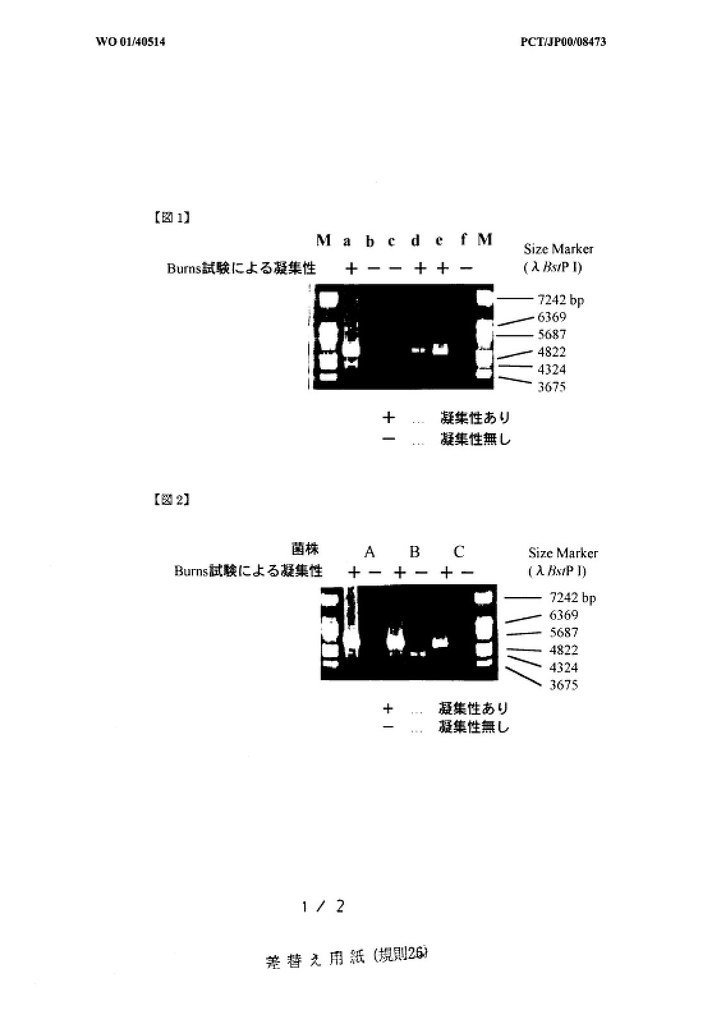
Kirin Brewery, along with the Keio University Institute of Advanced Biosciences have announced the discovery of new yeast strain found by analyzing the metabolic byproducts that brewer’s yeast synthesizes. What they found was that brewer’s yeast creates large quantities of “hydrogen sulfide when processing a tiny number of metabolites of the amino acid asparagine.” The team then selected yeasts that unusually prolific asparagine metabolites. The new strain “processes large amounts of sulfurous acid — an antioxidant that helps keep beer fresh — without synthesizing hydrogen sulfide, which has an unpleasant sulfur smell.” In fact, the new Kirin yeast makes 50% more sulfurous acid but no hydrogen sulfide whatsoever. Kirin plans to start using the new yeast in the beer shortly, presumably after more testing is completed. But if true, it could revolutionize the brewing industry.
 

Space Beer?

On April 28, 2007, a UP Aerospace SL-2 rocket blasted off into space on a routine mission. It carried the ashes of deceased actor James Doohan, who portrayed “Scotty” on Star Trek (I actually met Doohan once in the early 1980s when I worked for a chain of videostores in North Carolina) along with Mercury 7 Astronaut L. Gordon Cooper and 200 other urns. SL-2 is short for UP Aerospace’s SpaceLoft-2 , a rocket suborbital sounding rocket. UP Aerospace sends up four to six such commercial rockets each year.

In addition to the remains sent into space, the payload consists of photographs, seeds, science experiments, soccer jerseys and the secret payload of Microgravity Enterprises, Inc.. According to their website, Microgravity Enterprises goal is to “develop space-based products and make them available to the general public at low affordable prices.” Currently, the make Space2O, bottled water enriched with electrolytes that were flown in space aboard the SL-2, and Antimatter, an energy drink in which many of the ingredients have likewise flown in space.

All that Microgravity Enterprises, which calls itself a space commercialization company, will say about the latest flight is that their payload contained the ingredients with which they’ll make the “first true space beer”. Company spokeswoman Linda Strine “says said ingredients, the amounts and types of which are secret and patented, will be delivered next week to a ‘production facility’ that in the span of a month will generate an otherworldly brew called Comet Tail Ale. “We flew enough ingredients to support almost a year’s worth of production,” says Darryl Hupfer, VP of sales and marketing for Microgravity Enterprises.

They’re spinning it pretty good, but I suspect it was the yeast that they flew into space. And their client, most likely, is nearby Kellys Brewpub, located in Albuquerque, New Mexico. As reported last year in the New Mexico Business Weekly, Kellys sent some yeast up in one of UP Aerospace’s rockets before but since it failed to reach suborbit (meaning that it didn’t reach the 45 mile-high threshold that defines where “space” begins) they brewed a beer they called “Test Flight Amber Ale.”

I have mixed feelings about this project because it seems so gimmicky and I know that the rocketed ingredients won’t make the beer taste any differently. But I am a former space geek — reinvigorated somewhat by my son Porter’s obsession with all things space-related — so it also seems like a fun idea, too.

So I don’t wish to throw water on the fire or rain or their parade, but it also seems to be that this won’t be the “first true space beer” as the company claims. I’m pretty sure that the Apollo beer that was a contract beer around a decade ago used yeast that had been in space, too. It was in a distinctive blue bottle and they made an ale and a lager which was sold in six-packs. And I know that a German science experiment managed to get some yeast aboard one of the space shuttle flights. I know some of it they then used for research purposes, but I have a hard time believing they didn’t use at least some of it to brew a batch of beer.

Who knows, perhaps Kellys also sent a few hop pellets in the rocket, too. In the end, it may come down simply to how you define a “true space beer.”