Brookston Beer Bulletin

Jay R. Brooks on Beer

  • Home
  • About
  • Editorial
  • Birthdays
  • Art & Beer

Socialize

  • Dribbble
  • Email
  • Facebook
  • Flickr
  • GitHub
  • Instagram
  • LinkedIn
  • Pinterest
  • RSS
  • Twitter
  • YouTube

Powered by Genesis

Historic Beer Birthday: Anton Dreher Jr.

March 21, 2025 By Jay Brooks

schwechater
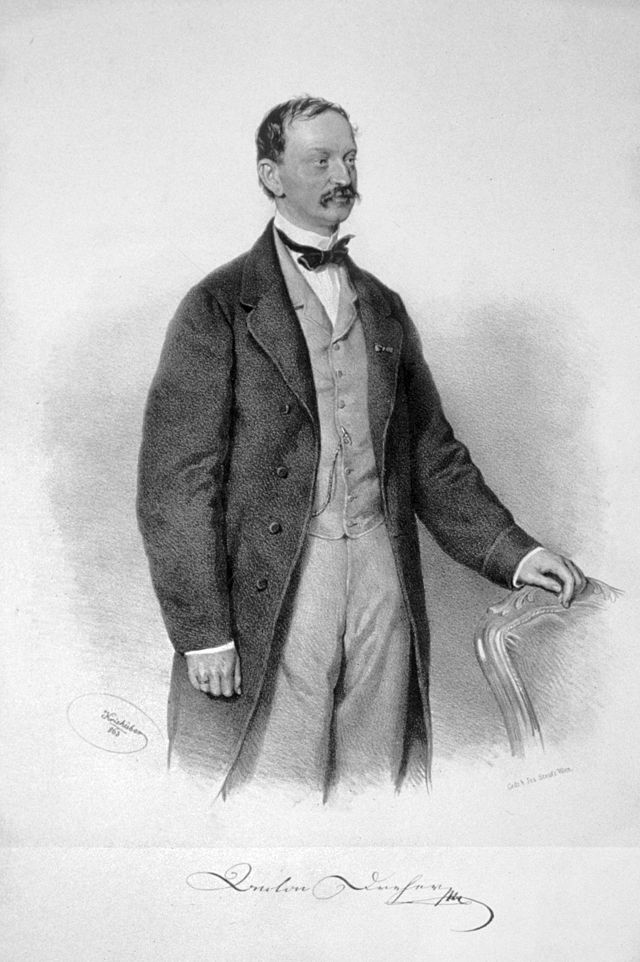
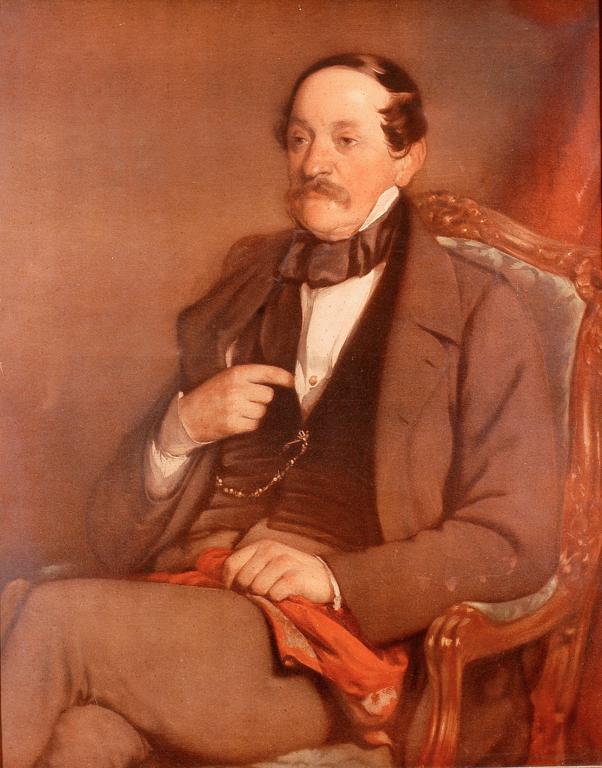
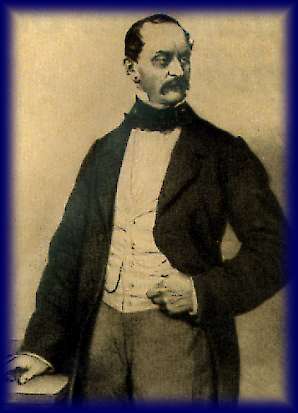
Today is the birthday of Anton Dreher Jr. (March 21, 1849-August 7, 1888). He was the son of Anton Dreher, “an Austrian brewer of the Dreher family.” He exported their pale lager, invented by his father all over the world.

anton-dreher-ii

This is his biography, translated from his German Wikipedia page:

After the death of his father in 1863, the Viennese lawyer and later mayor of Vienna, Cajetan, was the guardian of the district of the young Anton Dreher, and also directed the building enterprises to his majority.

Dreher took over the brewery in 1870 and extended it considerably. He also began exporting the lager to overseas. This also bore him the title “Viennese Braukaiser”.

In the mild winter of 1872/1873, Anton Dreher had a cooling problem: he had to bring the ice necessary for cooling from the Styria and from Galicia to the railroad, which caused high costs. That is why he encouraged Carl von Linde to build his refrigeration machine. In 1877, the first prototype of a refrigeration machine was put into operation at the Dreher Brewery in Trieste . Anton Dreher was thus the first beer brewer to introduce the artificial cellar cooling system.

In 1897 Anton Dreher had increased beer production to 740,000 hectoliters, doubling the sales volume of his father. The further increase in production in the subsequent years led to Dreher’sche Brewery becoming one of the largest breweries in the world. In 1905, the brewery was converted into Anton Roter’s brewery.

Anton Dreher was from 1884 Member of the Lower Austrian provincial parliament and from 1902, by Emperor Franz Joseph I appointed, a member of the mansion of the Imperial Council and President of the Central Union of Industrialists of Austria ( CVIÖ ).

After 1900, the brewery Mautner ( St. Marx ) and the brewery of his father-in-law, Meichl ( Simmering ), were able to win the competition for the Schwechat brewery . In 1913, the brewery Schwechat merged with the St. Marx brewery and also with the brewery Simmering to the United breweries Schwechat, St. Marx, Simmering – Dreher, Mautner, Meichl AG . During the First World War the brewery was drastically restricted, but not shut down.

Anton_Dreher_junior_1888_Eigner

And this is another translation, this one from the Austrian Biographical Dictionary:

Son of Anton Dreher the Elder.

After the early death of his father, a directorate under the superintendent of the later mayor of Vienna, Cajetan Felder, took over the management of the company and enlarged it by acquiring three other breweries.
After attending the Akademisches Gymnasium in Vienna, Dreher visited the Technical College and, from the day of his grandiaturity (March 21, 1870), to his father’s company. On 12 August 1870 he married in Simmering Katharina Meichl (14. 11. 1850 – 17. 2. 1937), the daughter of the owner of the brewery Simmering, Theodor Meichl.

Dreher extended the paternal enterprise and in 1892 he already employed 1000 workers. He owned 60 of his own railway wagons and also exported overseas. In the year 1891/92 the productions in Schwechat amounted to 550,000, in Steinbruch (Hungary) 400,000, in Micholoup (Bohemia) 40,000, and in Trieste 56,000 hectoliters of beer. His brewery had become the world’s largest.

After his three sons entered the company, he was converted into “Anton Drehers Brauerei AG”, a family-owned company. In 1913 the merger with the brewery Mautner Markhof was carried out to the “United breweries Schwechat, St. Marx, Simmering – Dreher Mautner, Meichl AG”.

Since 1884 Landtagsabgeordneter was Dreher 1902-18 also member of the Herrenhauses.

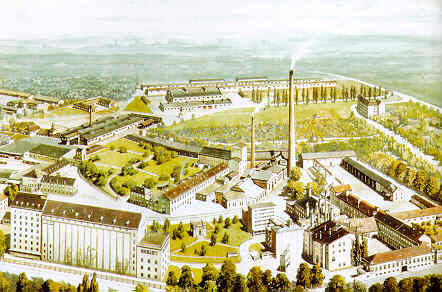
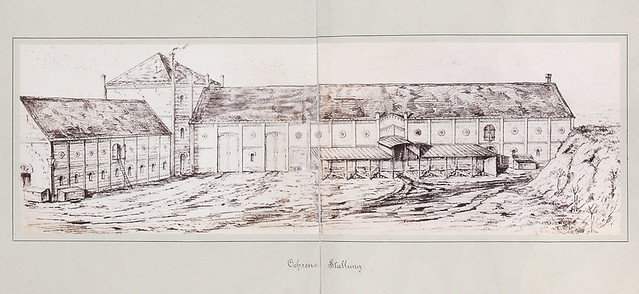
Dreher’s grandfather, Franz Anton Greher, bought the Brau-Klein-Schwechat brewery in 1796, and today it’s known as Brauerei Schwechat. According to the brewery website, “the brewery Schwechat became the largest of the European mainland and the “Klein Schwechaterlager” consignments went far beyond Austria’s borders. Among other things, Dreher purchased the Michelob brewery near Saaz in 1859, the Steinbruch brewery in Budapest in 1862, and the Trieste brewery in 1869.”

schwechat-brewery

Here the official story of the brewery picks up when Anton Dreher Jr. take over:

After 1863 Anton Dreher sen. Dies, takes over 1870 Anton Dreher jun. (Born 1849), after the completion of the academic high school in Vienna, the management of the Brauereikon Group.

In the “ice-free winter” of 1872, ice needed for cooling, about 100 million kilograms, had to be taken from Poland by rail. These experiences prompted Anton Dreher to deal with artificial cooling and ice-making. Professor Carl von Linde was commissioned to design a cooling machine, which Dreher set up in Brauhaus Trieste in 1877 and then in Schwechat. Dreher was thus the first brewer to introduce the artificial cellar cooling system. This breakthrough invention is still essential today.

On June 4, 1883, Emperor Franz Josef visited the brewery for the second time and gave Anton Dreher jun. The Knights Cross of the Order of Franz Joseph. In 1897 Dreher received the Commander’s Cross, later the Grand Cross of this Order, and in 1902 the Order of the Iron Crown II Class.

1897 produced the brewery Schwechat under Anton Dreher jun. The huge volume of 739,639 hectoliters of beer, which was more than double since the takeover of the brewery by his father. In the following years, the “rotary” breweries with a total production of approximately 1.25 million hectoliters developed into the world’s largest brewery, managed by an owner. In 1905 the brewery was renamed “Anton Drehers Breweries Aktiengesellschaft”.

Antondreherderjüngere

And this is the portion of the brewery’s Wikipedia page that discusses Anton Drehrer Jr.:

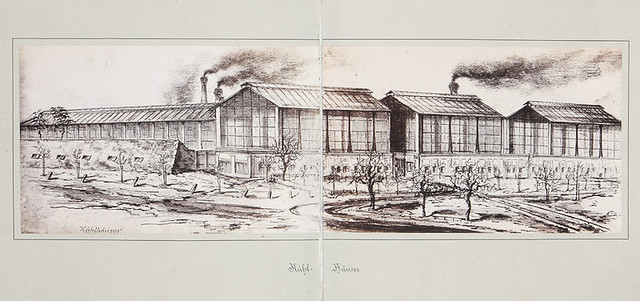
In 1837, his son, Anton Dreher, took over the company from his mother and inaugurated a new era in the brewery’s history. In 1839 he turned to Untergärung , which marked the beginning of the lager beer. The breakthrough was made by Dreher in 1841, when he realized that for his under-fermented beer, the “lager” or “Viennese type”, one thing was decisive: cooling. Dreher laid huge cellars and stored ice.

As a result, the brewery’s brewery expanded through the acquisition of existing breweries to the entire Austro-Hungarian monarchy . These included the brewery Michelob near Saaz, acquired in 1859, the brewery quarry (founded 1854) in Budapest, acquired in 1862, as well as the brewery of Trieste, acquired in 1869.

In 1848, Dreher introduced a steam machine to the Bierbrauen, he was supposed to be the first brewer in Austria. The steam engine is now exhibited at the Technical Museum in Vienna. The first cooling machine, which was also the second machine from Linde AG , was installed in the brewery in Trieste in 1877. After the death of Anton Dreher in 1863, his son Anton Dreher junior took over the company of the brewery Schwechat in 1870 and converted it in 1905 into the Anton Drehers brewery stock company . In the face of the beginning of the 20th century mutually growing competition with the brewery St. Marx of Adolf Ignaz Mautner of Markhof and the brewery Simmering of his father – in – law Meichl, the fusion of the three breweries to the United Breweries Schwechat, St. Marx, Simmering – Dreher, Mautner, Meichl AG took place in 1913 . Due to the high quality of the products, the company was awarded the title of a kuk chamber supplier.
Anton_Dreher_junior_(1900)
Dreher around 1900.

Klein-Schwechat

Klein-Schwechat-back

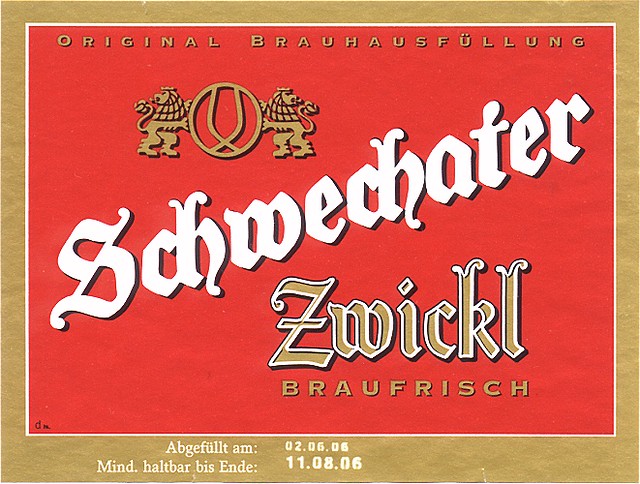
schwe-zwickel

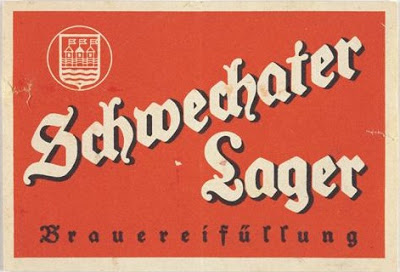
Schwechater_Lager

Filed Under: Birthdays, Just For Fun Tagged With: Austria, History

Beer Saints: St. Florian

May 4, 2021 By Jay Brooks

Today is the feast day of St. Florian (250 C.E. – c. 304 C.E.). He was born in the ancient Roman city of Aelium Cetium (present-day Sankt Pölten, Austria). He joined the Roman Army and advanced in the ranks, rising to commander of the imperial army in the Roman province of Noricum. In addition to his military duties, he was also responsible for organizing and leading firefighting brigades. Florian organized and trained an elite group of soldiers whose sole duty was to fight fires. He’s the patron saint of Linz, Austria, Upper Austria and Poland; chimney sweeps; soapmakers, and firefighters. But more importantly, he’s also the patron saint of brewers, coopers and barrel-makers

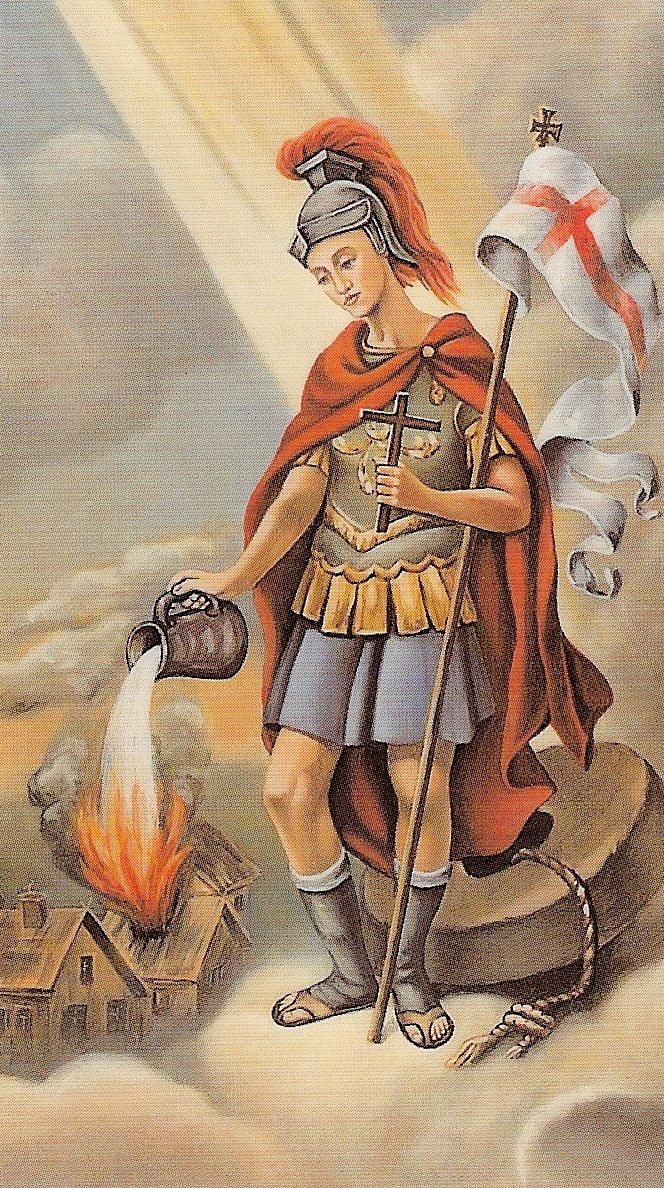
He’s probably best known for being the patron saint of firefighters and against flooding and fires; and he’s most often depicted emptying a pitcher to put out a fire. Apparently the reason he’s also a patron of brewers and beer lovers because both are also known for emptying pitchers. And because the pitcher is often shown as wooden, he’s become a patron to coopers and barrel-makers, too.

Saint Florian, by Italian painter Francesco del Cossa, 1743.

That is also the reason that Sonoma County firefighter Aron Levin, along with his wife Amy, opened St. Florian’s Brewery in Windsor, California. Unfortunately, due to the recent wildfires in our area, plus the pandemic, the brewery is temporarily closed right now, but hopefully will reopen shortly.

Filed Under: Beers, Breweries, Just For Fun, Related Pleasures Tagged With: Austria, Barrels, Religion & Beer

Beer In Ads #2975: Everyone’s Plush

April 25, 2019 By Jay Brooks

This image has an empty alt attribute; its file name is 3993724870_6a0224e391.jpg

Thursday’s ad is for a German beer calendar, from 1953. From the late 1800s until the 1960s, poster art really came into its own, and in Europe a lot of really cool posters, many of them for breweries, were produced. In addition to posters and other promotional materials, the German Brewers Association also produced calendars promoting their beer beginning in 1951. These are the monthly pages from the 1953 calendar, and each of the illustrations is by Austrian artist Rudolf Hermann. He was apparently a somewhat controversial figure, primarily because one of his best-known works was a poster for the Degenerate Art Exhibition that the Nazi’s put on to vilify modern art and artists, but he was also persecuted by the Nazis, too, so it’s unclear what his involvement might have been. This page is for December 1953, and at the top, it reads.

Jedem sein Pläsierchen,
mir mein Bierchen!

That translates roughly, very roughly I suspect, as “Everyone’s plush, me my beer!” This is definitely one of the odder captions, and I’m sure there must be some idiom that Google Translate is not picking up on. At the bottom of the calendar is printed “Das Richtige für richtigen Durst!” or “Bier, The right thing for real thirst!”

Kalenderdezember53

Filed Under: Art & Beer, Beers Tagged With: Advertising, Austria, Germany, History

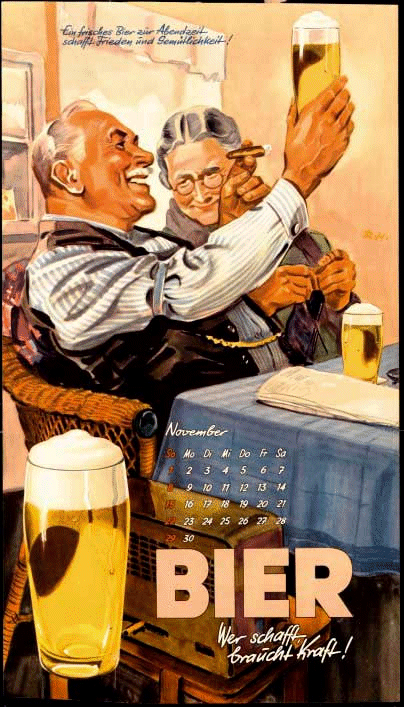
Beer In Ads #2974: A Fresh Beer In The Evening Time Creates Peace And Coziness!

April 24, 2019 By Jay Brooks

This image has an empty alt attribute; its file name is 3993724870_6a0224e391.jpg

Wednesday’s ad is for a German beer calendar, from 1953. From the late 1800s until the 1960s, poster art really came into its own, and in Europe a lot of really cool posters, many of them for breweries, were produced. In addition to posters and other promotional materials, the German Brewers Association also produced calendars promoting their beer beginning in 1951. These are the monthly pages from the 1953 calendar, and each of the illustrations is by Austrian artist Rudolf Hermann. He was apparently a somewhat controversial figure, primarily because one of his best-known works was a poster for the Degenerate Art Exhibition that the Nazi’s put on to vilify modern art and artists, but he was also persecuted by the Nazis, too, so it’s unclear what his involvement might have been. This page is for November 1953, and at the top, it reads.

Ein frisches Bier zur Abendzeit
schafft Frieden und Gemütlichkeit!

That translates roughly, very roughly I suspect, as “A fresh beer in the evening time creates peace and coziness!” At the bottom of the calendar is printed “Bier, Wer schafft, braucht Kraft!” or “Beer, Who creates, needs strength!”

Kalendernov53

Filed Under: Art & Beer, Beers Tagged With: Advertising, Austria, Germany, History

Beer In Ads #2973: For My Thirst, I Appreciate A Fresh Beer From A Beautiful Hand!

April 23, 2019 By Jay Brooks

This image has an empty alt attribute; its file name is 3993724870_6a0224e391.jpg

Tuesday’s ad is for a German beer calendar, from 1953. From the late 1800s until the 1960s, poster art really came into its own, and in Europe a lot of really cool posters, many of them for breweries, were produced. In addition to posters and other promotional materials, the German Brewers Association also produced calendars promoting their beer beginning in 1951. These are the monthly pages from the 1953 calendar, and each of the illustrations is by Austrian artist Rudolf Hermann. He was apparently a somewhat controversial figure, primarily because one of his best-known works was a poster for the Degenerate Art Exhibition that the Nazi’s put on to vilify modern art and artists, but he was also persecuted by the Nazis, too, so it’s unclear what his involvement might have been. This page is for October 1953, and at the top, it reads.

Für meinen Durst
von schöner Hand —
ein frisches Bier
das lob’ ich mir!

That translates roughly, very roughly I suspect, as “For my thirst from a beautiful hand – a fresh beer I appreciate that!” At the bottom of the calendar is printed “Für richtigen Durst der richtige Trank!” or “Bier, For real thirst, the right potion!”

Kalenderoct53

Filed Under: Art & Beer, Beers Tagged With: Advertising, Austria, Germany, History

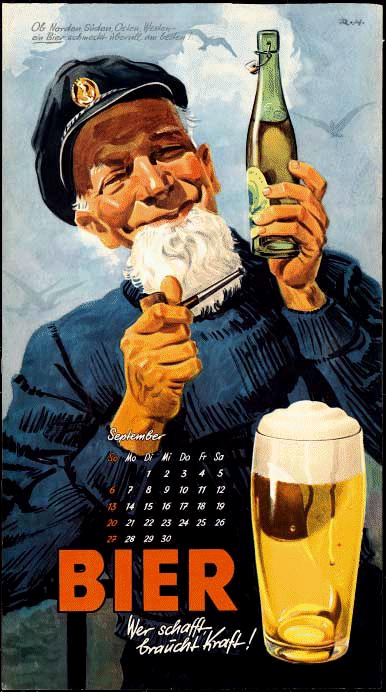
Beer In Ads #2972: North, South, East, West, Beer Tastes Best Everywhere!

April 22, 2019 By Jay Brooks

This image has an empty alt attribute; its file name is 3993724870_6a0224e391.jpg

Monday’s ad is for a German beer calendar, from 1953. From the late 1800s until the 1960s, poster art really came into its own, and in Europe a lot of really cool posters, many of them for breweries, were produced. In addition to posters and other promotional materials, the German Brewers Association also produced calendars promoting their beer beginning in 1951. These are the monthly pages from the 1953 calendar, and each of the illustrations is by Austrian artist Rudolf Hermann. He was apparently a somewhat controversial figure, primarily because one of his best-known works was a poster for the Degenerate Art Exhibition that the Nazi’s put on to vilify modern art and artists, but he was also persecuted by the Nazis, too, so it’s unclear what his involvement might have been. This page is for September 1953, and at the top, it reads.

Ob Norden, Süden, Osten, Westen,
ein Bier schmeckt überall am besten!

That translates roughly, very roughly I suspect, as “North, South, East, West,
a beer tastes the best everywhere!” At the bottom of the calendar is printed “Bier, Wer schafft, braucht Kraft!” or “Beer, Who creates, needs strength!”

Kalendersep53

Filed Under: Art & Beer, Beers Tagged With: Advertising, Austria, Germany, History

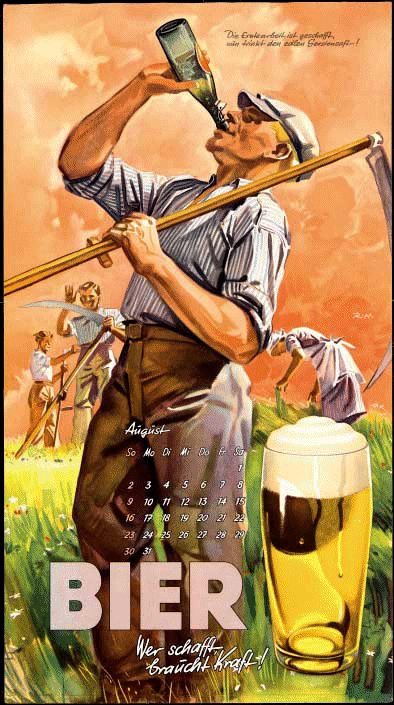
Beer In Ads #2971: The Harvest Work Is Done, Now Drink The Noble Barley Juice!

April 21, 2019 By Jay Brooks

This image has an empty alt attribute; its file name is 3993724870_6a0224e391.jpg

Sunday’s ad is for a German beer calendar, from 1953. From the late 1800s until the 1960s, poster art really came into its own, and in Europe a lot of really cool posters, many of them for breweries, were produced. In addition to posters and other promotional materials, the German Brewers Association also produced calendars promoting their beer beginning in 1951. These are the monthly pages from the 1953 calendar, and each of the illustrations is by Austrian artist Rudolf Hermann. He was apparently a somewhat controversial figure, primarily because one of his best-known works was a poster for the Degenerate Art Exhibition that the Nazi’s put on to vilify modern art and artists, but he was also persecuted by the Nazis, too, so it’s unclear what his involvement might have been. This page is for August 1953, and at the top, it reads.

Die Erntearbeit ist geschafft,
nun trinkt den edlen Gerstensaft!

That translates roughly, very roughly I suspect, as “The harvest work is done, now drink the noble barley juice!” At the bottom of the calendar is printed “Bier, Wer schafft, braucht Kraft!” or “Beer, Who creates, needs strength!”

Kalenderaug53

Filed Under: Art & Beer, Beers Tagged With: Advertising, Austria, Germany, History

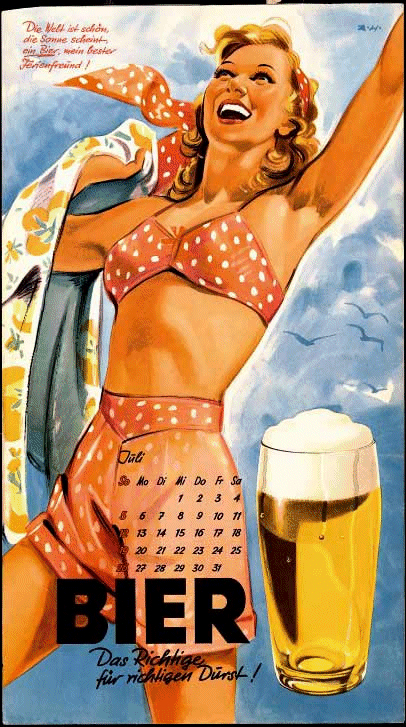
Beer In Ads #2970: Beer, The Right Thing For Real Thirst!

April 20, 2019 By Jay Brooks

This image has an empty alt attribute; its file name is 3993724870_6a0224e391.jpg

Saturday’s ad is for a German beer calendar, from 1953. From the late 1800s until the 1960s, poster art really came into its own, and in Europe a lot of really cool posters, many of them for breweries, were produced. In addition to posters and other promotional materials, the German Brewers Association also produced calendars promoting their beer beginning in 1951. These are the monthly pages from the 1953 calendar, and each of the illustrations is by Austrian artist Rudolf Hermann. He was apparently a somewhat controversial figure, primarily because one of his best-known works was a poster for the Degenerate Art Exhibition that the Nazi’s put on to vilify modern art and artists, but he was also persecuted by the Nazis, too, so it’s unclear what his involvement might have been. This page is for July 1953, and at the top, it reads.

Die Welltest schön,
die Sonne
scheint
ein Bier, mein bester
Ferienfreund!

That translates roughly, very roughly I suspect, as “The Welltest beautiful, the sun seems a beer, my best Holiday friend” At the bottom of the calendar is printed “Das Richtige für richtigen Durst!” or “Bier, The right thing for real thirst!”

Kalenderjul53

Filed Under: Art & Beer, Beers Tagged With: Advertising, Austria, Germany, History

Beer In Ads #2969: When Your Heavy Shift Is Done, Beer Gives You New Strength!

April 19, 2019 By Jay Brooks

This image has an empty alt attribute; its file name is 3993724870_6a0224e391.jpg

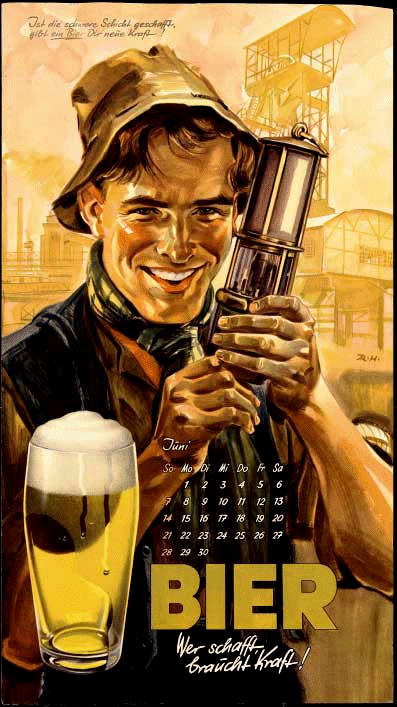
Friday’s ad is for a German beer calendar, from 1953. From the late 1800s until the 1960s, poster art really came into its own, and in Europe a lot of really cool posters, many of them for breweries, were produced. In addition to posters and other promotional materials, the German Brewers Association also produced calendars promoting their beer beginning in 1951. These are the monthly pages from the 1953 calendar, and each of the illustrations is by Austrian artist Rudolf Hermann. He was apparently a somewhat controversial figure, primarily because one of his best-known works was a poster for the Degenerate Art Exhibition that the Nazi’s put on to vilify modern art and artists, but he was also persecuted by the Nazis, too, so it’s unclear what his involvement might have been. This page is for June 1953, and at the top, it reads.

Ist die schwere Schicht geschafft,
gibt ein Bier Dir Neue Kraft…!

That translates roughly, very roughly I suspect, as “Is the heavy shift done,
a beer gives you new strength …!” At the bottom of the calendar is printed “Bier, Wer schafft, braucht Kraft!” or “Bier, Who creates, needs strength!”

Kalenderjun53

Filed Under: Art & Beer, Beers Tagged With: Advertising, Austria, Germany, History

Beer In Ads #2968: For Real Thirst, The Right Potion!

April 18, 2019 By Jay Brooks

This image has an empty alt attribute; its file name is 3993724870_6a0224e391.jpg

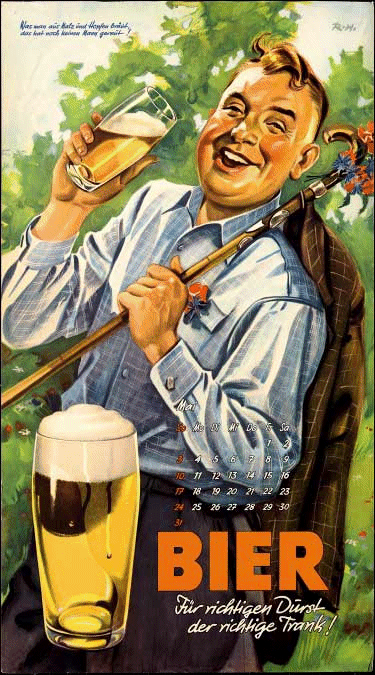
Thursday’s ad is for a German beer calendar, from 1953. From the late 1800s until the 1960s, poster art really came into its own, and in Europe a lot of really cool posters, many of them for breweries, were produced. In addition to posters and other promotional materials, the German Brewers Association also produced calendars promoting their beer beginning in 1951. These are the monthly pages from the 1953 calendar, and each of the illustrations is by Austrian artist Rudolf Hermann. He was apparently a somewhat controversial figure, primarily because one of his best-known works was a poster for the Degenerate Art Exhibition that the Nazi’s put on to vilify modern art and artists, but he was also persecuted by the Nazis, too, so it’s unclear what his involvement might have been. This page is for May 1953, and at the top, it reads.

Was man aus Malz und Hopfen bräut,
das hat noch keinen Mann gereut!

That translates roughly, very roughly I suspect, as “What you brew from malt and hops, that has not killed any man!” At the bottom of the calendar is printed “Für richtigen Durst, der richtige Trank!” or “For real thirst, the right potion!”

Kalendermay53

Filed Under: Art & Beer, Beers Tagged With: Advertising, Austria, Germany, History

« Previous Page
Next Page »

Find Something

Northern California Breweries

Please consider purchasing my latest book, California Breweries North, available from Amazon, or ask for it at your local bookstore.

Recent Comments

  • Ernie Dewing on Historic Beer Birthday: Charles William Bergner 
  • Steve 'Pudgy' De Rose on Historic Beer Birthday: Jacob Schmidt
  • Jay Brooks on Beer Birthday: Bill Owens
  • Steve 'Pudgy' De Rose on Beer Birthday: Charles Finkel
  • Steve 'Pudgy' De Rose on Beer Birthday: Bill Owens

Recent Posts

  • Beer In Ads #5203: Robert Portner’s Bock Beer February 15, 2026
  • Historic Beer Birthday: August Schell February 15, 2026
  • Beer Birthday: Daniel Satterthwaite February 15, 2026
  • Beer In Ads #5202: Here’s To You Our Valentine Fidelio Bock Beer February 14, 2026
  • Historic Beer Birthday: Benedict Frank Haberle February 14, 2026

BBB Archives

Feedback

Head Quarter
This site is hosted and maintained by H25Q.dev. Any questions or comments for the webmaster can be directed here.