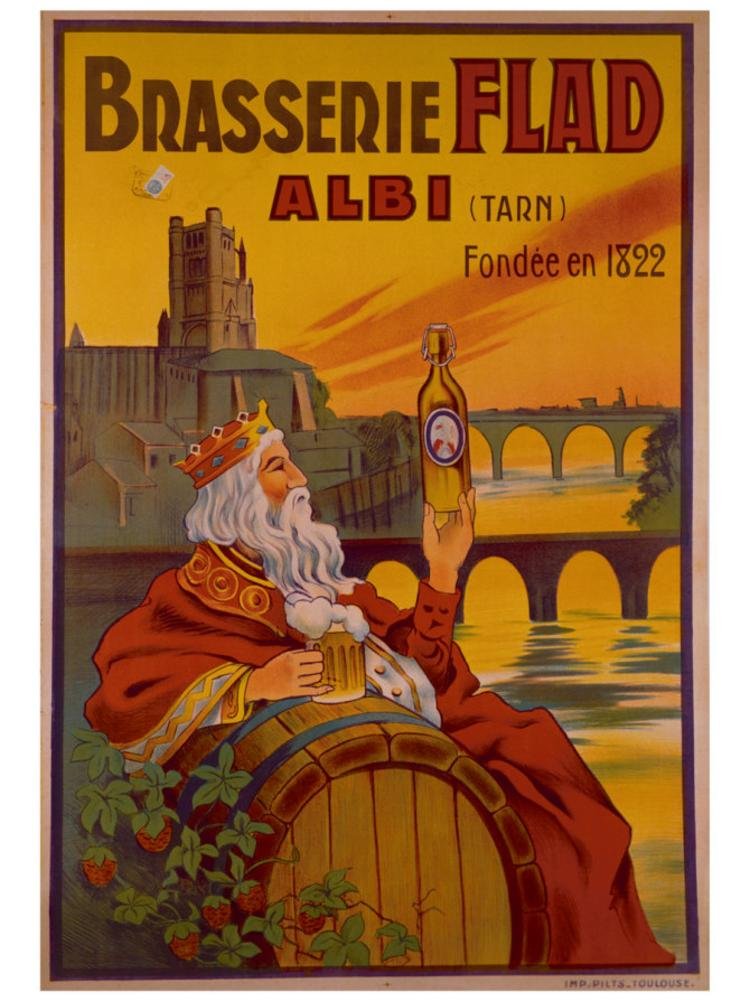
Sunday’s ad is for Brasserie Flad Albi, from the late 1800s, I think. From the late 1800s until the 1940s, poster art really came into its own, and in
By Jay Brooks

Sunday’s ad is for Brasserie Flad Albi, from the late 1800s, I think. From the late 1800s until the 1940s, poster art really came into its own, and in

By Jay Brooks

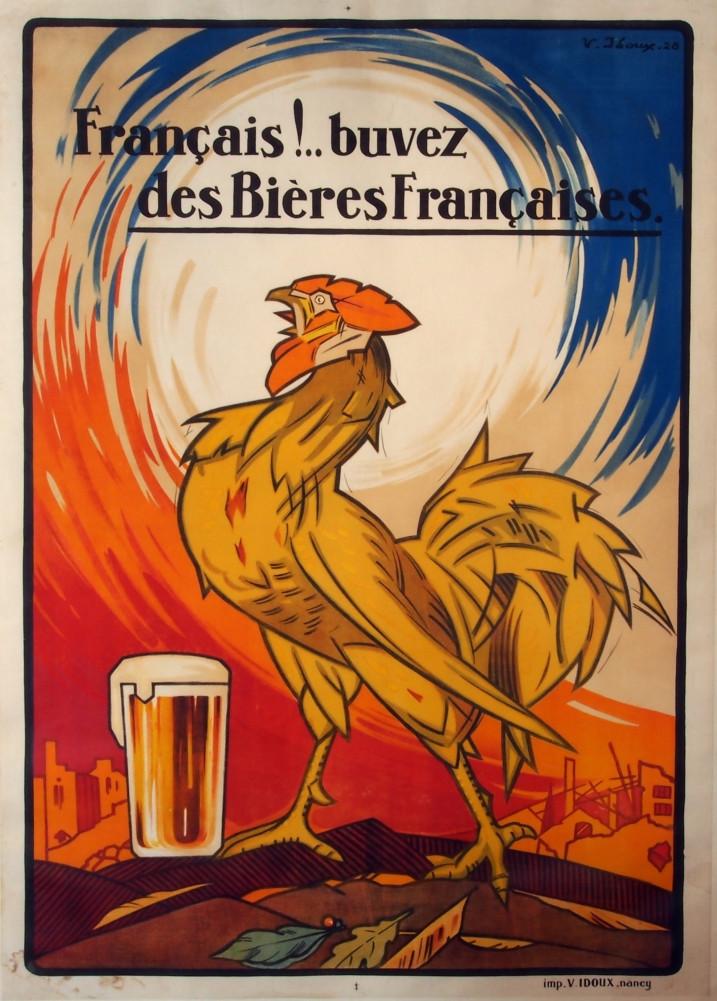
Saturday’s ad is for French Beer, from the 1920s or 30s. From the late 1800s until the 1940s, poster art really came into its own, and in

By Jay Brooks

Thursday’s ad is for Biere Supreme Gangloff, from 1920. From the late 1800s until the 1940s, poster art really came into its own, and in Europe a lot of really cool posters, many of them for breweries, were produced. This poster is for Biere Supreme Gangloff, a beer from Brasserie Gangloff, in the eastern French city of Besançon that was bought by Mr. Gangloff before World War I. It was created by French commercial artist Marcellin Auzolle.
By Jay Brooks

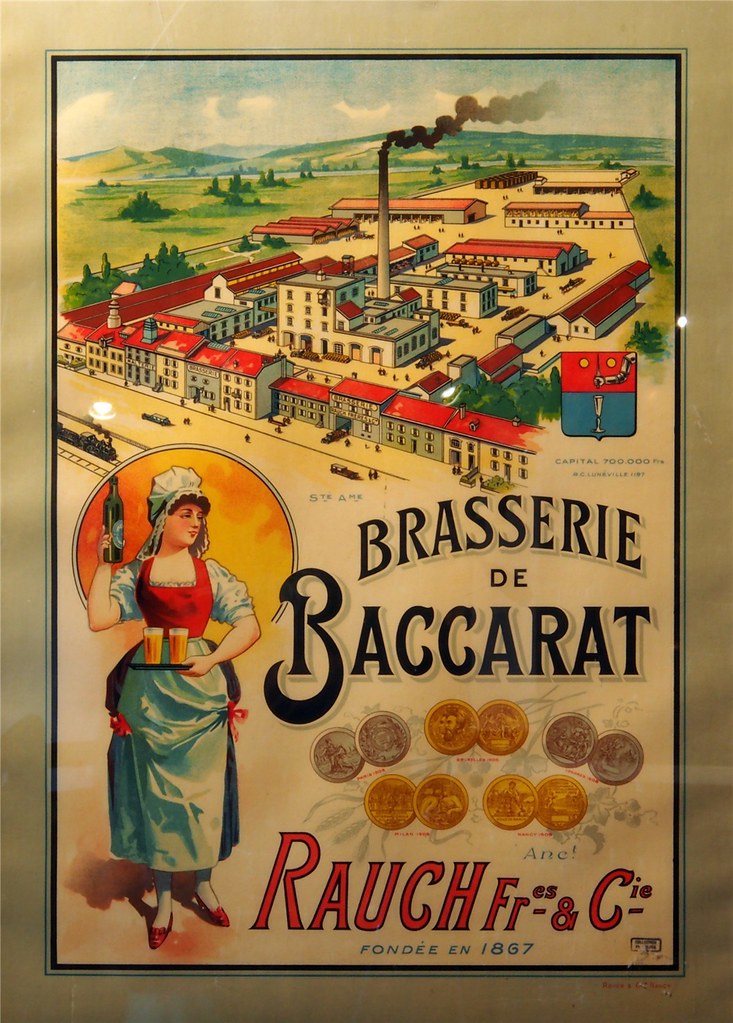
Monday’s ad is for Brasserie De Baccarat, from the early 1900s, I think. From the late 1800s until the 1940s, poster art really came into its own, and in Europe a lot of really cool posters, many of them for breweries, were produced. This poster is for the Brasserie Rauch, located in the northeast region of France known as Baccarat, a French commune in the Meurthe-et-Moselle. The brewery was founded by the Rauch Brothers in 1867, but it closed in 1949.
By Jay Brooks

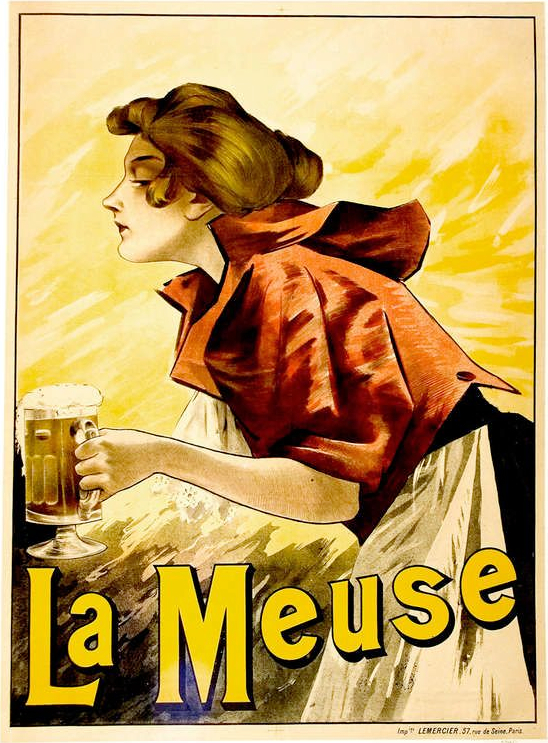
Sunday’s ad is for La Meuse, from 1900, or before. From the late 1800s until the 1940s, poster art really came into its own, and in Europe a lot of really cool posters, many of them for breweries, were produced. This poster is for the La Meuse, a river that runs through much of France. It was the industrial center of France at one time, and in the mid-1800s boasted over 40 breweries.
By Jay Brooks

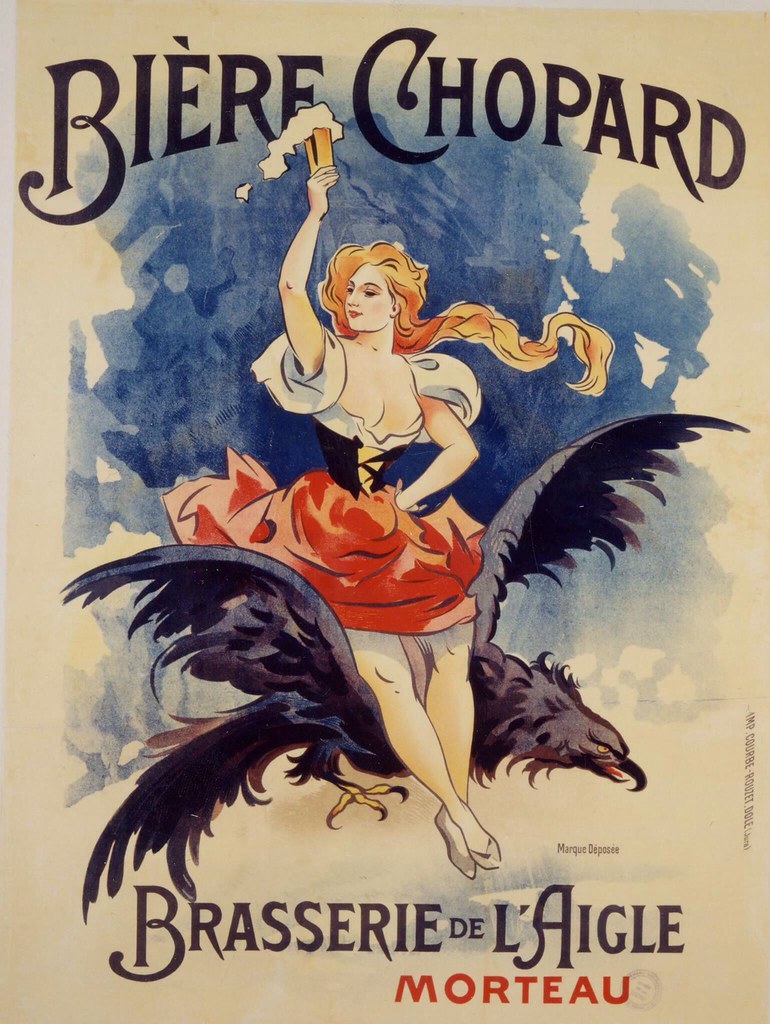
Friday’s ad is for the Bière Chopard, from the late 1890s, or before. From the late 1800s until the 1940s, poster art really came into its own, and in Europe a lot of really cool posters, many of them for breweries, were produced. This poster is for the Brasserie de l’aigle (which is Brewery of the Eagle), located in Morteau, in the Bourgogne-Franche-Comté region in eastern France.
By Jay Brooks

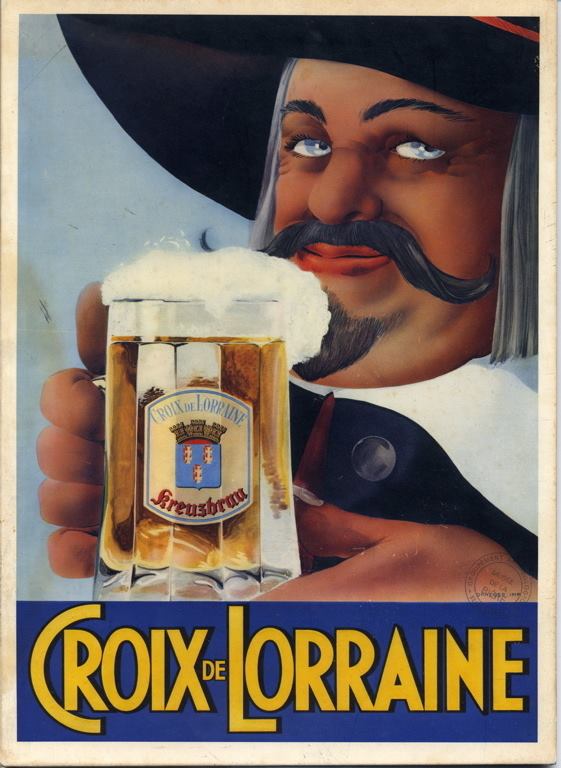
Thursday’s ad is for the Grande Brasserie de la Croix de Lorraine, from the late 1800s, or before. From the late 1800s until the 1940s, poster art really came into its own, and in Europe a lot of really cool posters, many of them for breweries, were produced. This poster is for Grande Brasserie De La Croix De Lorraine, also located in the Lorraine, advertising that they produce “Bieres blondes & brunes.”

By Jay Brooks

Wednesday’s ad is for the Grande Brasserie de Champigneulles-Nancy, from 1903, or before. From the late 1800s until the 1940s, poster art really came into its own, and in Europe a lot of really cool posters, many of them for breweries, were produced. This poster is for Grande Brasserie de Champigneulles-Nancy, located in the Lorraine, advertising their “Biere de Luxe.”

By Jay Brooks

Today is the birthday of Jean de La Fontaine, who “was a famous French fabulist and one of the most widely read French poets of the 17th century. He is known above all for his Fables, which provided a model for subsequent fabulists across Europe and numerous alternative versions in France, and in French regional languages.” One of his fables is called “The Drunkard and His Wife.” It’s an odd little story about a wife who came up with a novel cure for her husband’s drinking. Why it hasn’t caught on is anybody’s guess.

This is a modern translation, done by Craig Hill for “The Complete Fables of La Fontaine: A New Translation in Verse.”


Just for fun, here’s an earlier version from 1886, translated by Walter Thornbury, and with an illustration by Gustave Doré:
FABLE LIII.
THE DRUNKARD AND HIS WIFE.
Each one’s his faults, to which he still holds fast,
And neither shame nor fear can cure the man;
‘Tis apropos of this (my usual plan),
I give a story, for example, from the past.
A follower of Bacchus hurt his purse,
His health, his mind, and still grew each day worse;
Such people, ere they’ve run one-half their course,
Drain all their fortune for their mad expenses.
One day this fellow, by the wine o’erthrown,
Had in a bottle left his senses;
[Pg 168]His shrewd wife shut him all alone
In a dark tomb, till the dull fume
Might from his brains evaporate.
He woke and found the place all gloom,
A shroud upon him cold and damp,
Upon the pall a funeral lamp.
“What’s this?” said he; “my wife’s a widow, then!”
On that the wife, dressed like a Fury, came,
Mask’d, and with voice disguised, into the den,
And brought the wretched sot, in hopes to tame,
Some boiling gruel fit for Lucifer.
The sot no longer doubted he was dead—
A citizen of Pluto’s—could he err?
“And who are you?” unto the ghost he said.
“I’m Satan’s steward,” said the wife, “and serve the food
For those within this black and dismal place.”
The sot replied, with comical grimace,
Not taking any time to think,
“And don’t you also bring the drink?”

And here’s one more translation of the fable:
Each has his fault, to which he clings
In spite of shame or fear.
This apophthegm a story brings,
To make its truth more clear.
A sot had lost health, mind, and purse;
And, truly, for that matter,
Sots mostly lose the latter
Ere running half their course.
When wine, one day, of wit had fill’d the room,
His wife inclosed him in a spacious tomb.
There did the fumes evaporate
At leisure from his drowsy pate.
When he awoke, he found
His body wrapp’d around
With grave-clothes, chill and damp,
Beneath a dim sepulchral lamp.
‘How’s this? My wife a widow sad?’
He cried, ‘and I a ghost? Dead? dead?’
Thereat his spouse, with snaky hair,
And robes like those the Furies wear,
With voice to fit the realms below,
Brought boiling caudle to his bier –
For Lucifer the proper cheer;
By which her husband came to know –
For he had heard of those three ladies –
Himself a citizen of Hades.
‘What may your office be?’
The phantom question’d he.
‘I’m server up of Pluto’s meat,
And bring his guests the same to eat.’
‘Well,’ says the sot, not taking time to think,
‘And don’t you bring us anything to drink?’


By Jay Brooks

Friday’s ad is for New Carlsberg Beers, or “Ny Carlsberg ølsorter,” from 1889, I guess. It’s hard to believe this is the 2000th beer ad I’ve posted, which means it’s been nearly five-and-a-half years since I started posting them, and that doesn’t even count the Guinness ads I posted separately for a time, plus all of the random unnumbered ones, too. This is without a doubt one of the most beautiful ads I’ve seen, showing a detailed view of Paris and the Eiffel Tower, presumably in 1889. There was a World’s Fair, or Exposition Universelle, in Paris that year, and the Eiffel Tower was built specifically for the expo. The poster also says “Grand Prix,” but at least according to Wikipedia, Heineken won the grand prize (and their source was a Heineken webpage that’s no longer up) so who knows. But the poster makes it seem like it was an amazing event.