Brookston Beer Bulletin

Jay R. Brooks on Beer

  • Home
  • About
  • Editorial
  • Birthdays
  • Art & Beer

Socialize

  • Dribbble
  • Email
  • Facebook
  • Flickr
  • GitHub
  • Instagram
  • LinkedIn
  • Pinterest
  • RSS
  • Twitter
  • YouTube

Powered by Genesis

Beer In Ads #5028: Falken Schaffhauser Oster-Bock

July 18, 2025 By Jay Brooks

Last year I decided to concentrate on Bock ads. Bock, of course, may have originated in Germany, in the town of Einbeck. Because many 19th century American breweries were founded by German immigrants, they offered a bock at certain times of the year, be it Spring, Easter, Lent, Christmas, or what have you. In a sense they were some of the first seasonal beers. “The style was later adopted in Bavaria by Munich brewers in the 17th century. Due to their Bavarian accent, citizens of Munich pronounced ‘Einbeck’ as ‘ein Bock’ (a billy goat), and thus the beer became known as ‘Bock.’ A goat often appears on bottle labels.” And presumably because they were special releases, many breweries went all out promoting them with beautiful artwork on posters and other advertising.

Friday’s poster is for Falken Schaffhauser Easter Bock Beer, and was published in 1930. This one was made for the Bierbrauerei Falken Schaffhausen, or Falcon Brewery, of Schaffhausen, Switzerland. The brewery was founded in 1799, and is still in business today, and is “considered the only independent brewery in the Schaffhausen region,” and is Switzerland’s 5th largest brewery. This one is for their Schaffhauser Bock and shows a very thirsty man who apparently shimmied up the town maypole to grab one of the bottles of beer tied to the wreath at the top. It was created by Swiss artist Arnold Oechslin.

Filed Under: Art & Beer, Beers, Breweries, Just For Fun Tagged With: Advertising, Bock, History, Switzerland

Historic Beer Birthday: Peter Austin

July 18, 2025 By Jay Brooks

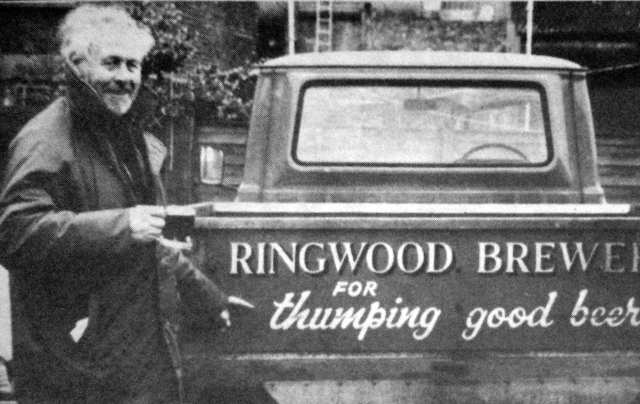
ringwood
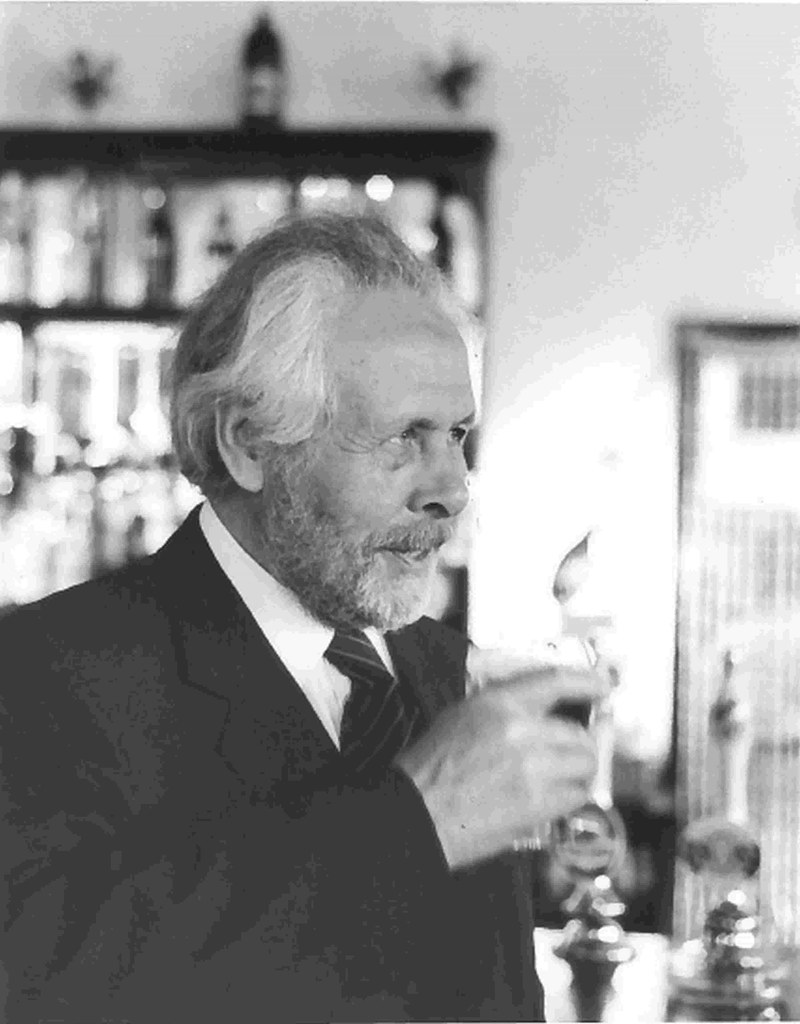
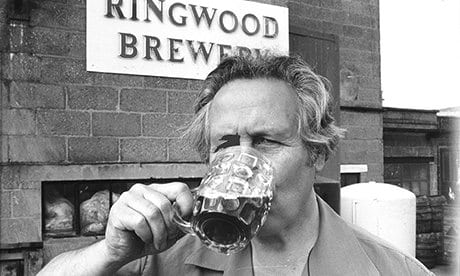
Today is the birthday of Peter Austin (July 18, 1921-January 1, 2014). He “was a British brewer. He founded Ringwood Brewery and was a co-founder and first chairman of the Society of Independent Brewers (SIBA). He built some 140 new breweries in the UK and 16 other countries.”

peter-austin-3

This overview is from his Wikipedia page:

Peter Austin was born in Edmonton, London on 18 July 1921. He went to Highgate School, followed by the British merchant navy training ship HMS Conway. His father worked for the brewing equipment supplier Pontifex, and his great-uncle had run a brewery in Christchurch.

Austin founded Ringwood Brewery in 1978. In 1979, David Bruce started his first Firkin Brewery brewpub in Elephant and Castle, London; Austin oversaw his choice of equipment and the design for its small basement brewery.

Austin was the prime mover in establishing the Society of Independent Brewers (SIBA) in 1980, and its first chairman. Under his leadership, SIBA campaigned for 20 years, without the support of any other body, for a progressive beer duty system (smaller breweries to pay less tax on their products) to be introduced in the UK. Such a system was finally adopted by the then Chancellor Gordon Brown in 2002.

By the time that Austin had retired from Ringwood Brewery, he had assisted in helping start 40 new UK breweries in a decade. After that, he worked internationally, in the US, France, China, Nigeria, and Russia, among others, building some 140 new breweries in 17 countries.

In the US alone, 74 new breweries were built, all using his brewing system. He taught Alan Pugsley brewing, and he went on to found Shipyard Brewing Company in 1994, and later take over Sea Dog Brewing Company.

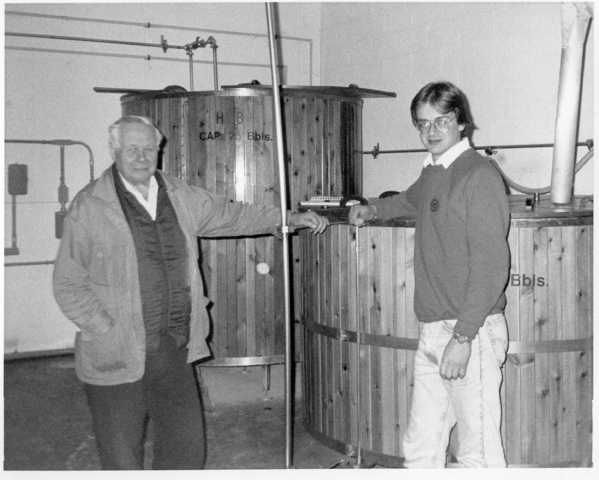
peter-austin-1986

Peter only recently passed away. Here’s his obituary in the Guardian, written by Roger Protz:

One rain-swept day in 1978 I went to Ringwood in Hampshire to meet Peter Austin and encounter a new concept in beer making: a micro-brewery. At that time brewing was dominated by six giant national brewers who were converting their pubs to keg beers and taking over and closing many of the remaining independent breweries.

It seemed unlikely that Peter Austin’s tiny plant in a former bakery would dent the power of the Big Six nationals. But Ringwood Brewery proved to be a catalyst. Camra – the Campaign for Real Ale – had been launched in 1971, its membership had soared and its beer festivals were packed.

Rebellion was in the air and Peter Austin, who has died aged 92, was ready to meet the challenge. When he eventually retired from Ringwood he helped set up some 40 new breweries in Britain over 10 years at a rate of one every three months. He then toured the world, repeating the exercise in countries as diverse as China, France, Nigeria, Russia and the United States. In total he built some 140 breweries in 17 countries.

Peter Austin was born in Edmonton, north London, and educated in Highgate and on the Merchant Navy training ship HMS Conway. His family was closely involved in the brewing industry. A great uncle ran a brewery in Christchurch while his father worked for Pontifex, a major supplier of brewing equipment. As a result of the Hampshire connection, his first love was boats not beer and he sailed in Poole Harbour during school holidays. He joined P&O from the Conway but contracted TB and had to be invalided home from Australia.

He was not fit enough to fight in World War Two and moved into brewing. He did his “pupillage” or apprenticeship at Friary, Holroyd & Healy in Guildford, worked briefly at Morrells in Oxford and joined the Hull Brewery in 1945, where he became head brewer. He left in 1975 following a takeover by Northern Dairies.

He moved to Hampshire, bought a boat and took visitors on fishing expeditions. But the brewing bug had bit deep. In 1977 he accepted an invitation from Monty Python’s Terry Jones and Guardian writer Richard Boston – both passionate believers in the concept of small is beautiful – to build a tiny brewery in a former cattle byre at Penrhos Court in Herefordshire. He was back in brewing and a year later opened Ringwood. With business partner David Welsh, he produced Ringwood Best Bitter, Fortyniner and XXXX Porter. The strong ale Old Thumper put Ringwood and micro-brewing on the map when it won the Champion Beer of Britain award from Camra in 1988. Peter was the first chairman of the Small Independent Brewers’ Association (Siba), now the Society of Independent Brewers, which became a powerful lobbying voice for the sector.

In 1986 Peter and David Welsh moved from the original site in Ringwood into bigger buildings in the town that had once housed Tunks Brewery. Ringwood was now a substantial business, producing 80 barrels a week for pubs throughout the south and south-west. Peter sold his share to David Welsh and became a consultant, adviser and builder to aspiring brewers in Britain and then worldwide.

His biggest impact was undoubtedly in the United States where 74 breweries were built using his brewing system. Alan Pugsley learnt the brewing skills with Peter at Ringwood (pictured above with Peter) and emigrated to the U.S. where he helped set up the D L Geary Brewing Company in Portland, Maine, in1986, one of the first new-wave American micros. Pugsley opened his own Shipyard brewery in Portland in 1992 and Peter gave him permission to brew Old Thumper under license. He supplied a sample of the Ringwood yeast culture for authenticity. A new brewery using Peter Austin’s system will open this month at the Four Mile Pub in Victoria, British Columbia — a fitting memorial.

Peter Austin married twice. His first wife, Joan, died in 1972 and he married Zena, who pre-deceased him. He had five children, Roland, Jane, Henry (who died in 1992) Jeremy and Sarah, and two step-children, Philip and Leah.

His impact on good beer is immeasurable. There are more than 2,000 craft breweries in the U.S., 1,200 in Britain, 150 in Australia, 70 in New Zealand and a growing number in Italy. Beer drinkers have never had greater choice – and much of that is due to Peter Austin. Alan Pugsley at Shipyard in Maine says: “He was an inspiration” and Terry Jones hails him as “the grandfather of micro-brewing”.

This tribute to his mentor is from Pugsley’s Brewing Projects International:

In 1978 Peter Austin opened Ringwood Brewery in Hampshire, England, presenting a new concept in beer making: a microbrewery. At that time in the UK brewing was dominated by six giant national brewers who were converting their pubs from cask conditioned beers ( real ale) to bland filtered keg beers and taking over and closing many of the remaining independent breweries.

It seemed unlikely that Peter Austin’s tiny plant in a former bakery would dent the power of the Big Six nationals. But Ringwood Brewery proved to be a catalyst. CAMRA – the Campaign for Real Ale – had been launched in 1971, its membership had soared and its beer festivals were packed.

Rebellion was in the air and Peter Austin was ready to meet the challenge. When he eventually retired from Ringwood he had helped set up some 40 new breweries in Britain over 10 years at a rate of one every three months. He then toured the world, repeating the exercise in countries as diverse as China, France, Belgium, Nigeria, South Africa, Russia, Canada and the United States. In total he and his consulting company built some 140 breweries in 17 countries.

Peter Austin was born in Edmonton, north London, and educated in Highgate and on the Merchant Navy training ship HMS Conway. His family was closely involved in the brewing industry. A great uncle ran a brewery in Christchurch while his father worked for Pontifex, a major supplier of brewing equipment. As a result of the Hampshire connection, his first love was boats not beer and he sailed in Poole Harbour during school holidays. He joined P&O from the Conway but contracted TB and had to be invalided home from Australia.
He was not fit enough to fight in World War Two and moved into brewing. He did his “pupillage” or apprenticeship at Friary, Holroyd & Healy in Guildford, worked briefly at Morrells in Oxford and joined the Hull Brewery in 1945, where he became head brewer. He left in 1975 following a takeover by Northern Dairies.

He moved to Hampshire, bought a boat and took visitors on fishing expeditions. But the brewing bug had bit deep. In 1977 he accepted an invitation from Monty Python’s Terry Jones and Guardian writer Richard Boston – both passionate believers in the concept of small is beautiful – to build a tiny brewery in a former cattle byre at Penrhos Court in Herefordshire. He was back in brewing and a year later opened Ringwood. With business partner David Welsh, he produced Ringwood Best Bitter, Fortyniner and XXXX Porter. The strong ale Old Thumper put Ringwood and microbrewing on the map when it won the Champion Beer of Britain award from CAMRA in 1988. Peter was the first chairman of the Small Independent Brewers’ Association (SIBA), now the Society of Independent Brewers, which became a powerful lobbying voice for the sector.

In 1986 Peter and David Welsh moved from the original site in Minty’s Yard, Ringwood into bigger buildings in the town that had once housed Tunks Brewery. Ringwood was now a substantial business, producing over 80 barrels a week for pubs throughout the south and south-west. In 1990 Peter sold his shares to David Welsh but continued consulting to aspiring brewers in Britain and worldwide.

His biggest impact was undoubtedly in the United States where over 75 breweries have been built using the Original Peter Austin Brick Kettle Brewing System. Alan Pugsley learnt the brewing skills with Peter at Ringwood and emigrated to the U.S. where he helped set up the D L Geary Brewing Company in Portland, Maine, in 1986, one of the first new-wave American micros. In 1994 Shipyard Brewing Company was opened in Portland, Maine where Ringwood Brewery gave Alan Pugsley permission to brew Peter Austin’s Old Thumper recipe under licence. Peters legacy is truly alive and well in North America particularly the North East corridor.

Peter Austin passed away January 1, 2014 at the age of 92. Peter was a master brewer, Alan Pugsley’s mentor and dear friend. He was a great man, a great brewer, and an inspiration to all whom he touched. His legacy will continue on through the many beers and brewers he inspired around the world. His impact on good beer is immeasurable. There are more than 2,500 craft breweries in the U.S., 1,200 in Britain, 150 in Australia, 70 in New Zealand and a growing number in Italy. Beer drinkers have never had greater choice – and much of that is due to Peter Austin.

And here’s one more tribute from the Salisbury Journal:

THE founder of Ringwood brewery Peter Austin – widely credited with saving the microbrewery movement in the UK as well as introducing it to America and popularising it worldwide – has died aged 92.

Mr Austin set up the famed brewery in 1978, aged 57. He came from a brewing family; his great-uncle was a brewer in Christchurch and his father worked for Pontifex, which was the leading brewing engineering firm in the country.

After school Mr Austin joined the sail training ship HMS Conway and subsequently went to sea with P&O. He was invalided out in 1938 and convalesced before going to Friary Meux Brewery in Guildford to study.

In 1944 he worked at Morrells in Oxford and in 1945 he went as third brewer to the Hull Brewery, where he stayed for 30 years, eventually becoming head brewer.

But in 1975, disillusioned with the direction of the company after it was taken over by Northern Dairies, he left 30 years of brewing, bought a boat and ran sea-angling trips on the south coast.

Mr Austin was approached by Monty Python star Terry Jones and The Guardian beer columnist Richard Boston, who were looking for help setting up a small brewery with Martin Griffiths, the owner of a medieval manor called Penrhos Court and he leaped at the chance to return to brewing.

The Penrhos Brewery was established and this inspired Mr Austin to launch Ringwood Brewery, starting with small premises in the old station yard.

Business partner David Welsh previously described Mr Austin as “a slave to the mash tun”, often checking his brews in the early hours.

He told The Grist magazine in 1995: “One very hot summer night he went down (to the brewery) in his dressing gown and had to take this off to skim the yeast. There was a knock at the door and it turned out to be the local bobby who was confronted by Peter in his underpants, wielding a yeast scoop. ‘You’re probably wondering what I’m doing officer’, he said. ‘I didn’t like to ask, sir’,” came the reply.”

In 1982 Mr Austin hired Alan Pugsley to train to brew and work with him on brewery start-ups.

They installed more than 120 breweries in 17 countries, including Siberia, China, Nigeria and South Africa. The equipment for the Siberian brewery was lost in the Russian railway system for two years before finally turning up in Dudinka.

Mr Austin also helped found the UK’s small brewers association SIBA in 1980.

Keith Bott of Titanic Brewery in Staffordshire, the current SIBA chairman, told Camra magazine: “Peter Austin was the godfather of the microbrewing revolution in the UK.”

In 1986 Mr Austin moved the brewery to its current location, and retired two years later, aged 67. On July 12, 2007, it was announced that Ringwood had been purchased by Marston’s Plc for £19.2million.

Mr Austin’s son Jeremy said: “The family are proud of dad, who was very modest about all that he had achieved.

“Peter was a determined and colourful character who made an impression on all. He was bright and amusing right up until the end and his family and friends will miss him deeply.”

Austin-plaque

Filed Under: Birthdays, Just For Fun Tagged With: England, Great Britain, History

Historic Beer Birthday: Jan Albin Goetz-Okocimski

July 18, 2025 By Jay Brooks

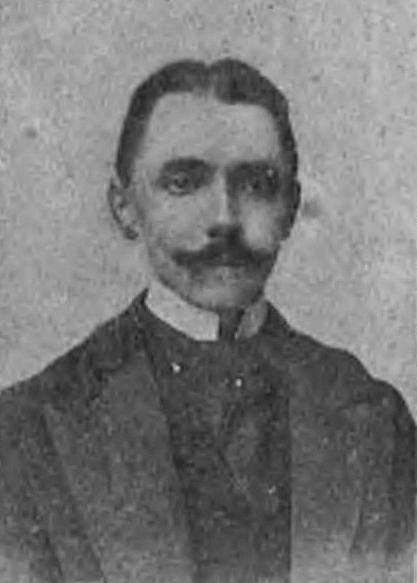
Today is the birthday of Jan Albin Goetz-Okocimski (July 18, 1864-April 24, 1931). He was the son of Johann Evangelist Götz, who founded the Okocim Brewery in 1845. Located in Brzesko in southeastern Poland, Jan Albin “expanded the family business, married a Polish aristocrat, and changed his name to Goetz-Okocimski. In 1945 the brewery was nationalized, then reprivatized in the 1990s. Carlsberg first acquired an interest in 1996, eventually acquiring full control in 2004.”

File:Jan Goetz Okocimski.jpg

This biography of Goetz-Okocimski is from his Wikipedia page:

Baron, Jan Albin Goetz-Okocimski was a Polish brewer of German ancestry, head of Okocim Brewery, a philanthropist and patron of the arts, a “Freiherr” (baron) of the Habsburg Empire, a conservative politician, activist and a member of the Austrian parliament and Polish sejm.

AGAD Legitymacja kolejowa Jana Götza Okocimskiego.JPG

Born to Johann Evangelist Götz and Albina Götz in 1864, in 1911 he polonized his name to “Goetz-Okocimski”. At the end of the 19th century, together with his wife, baroness Zofia née Sumińska, he built a palace in Brzesko, in Austrian architectural style, surrounded by an English garden. From 1904 until his death he was the sole owner of Okocim brewery. In 1925 for his social activism, as well as business and agricultural contributions to the industry of newly independent Poland he was awarded the Commander’s Cross of Order of Polonia Restituta.

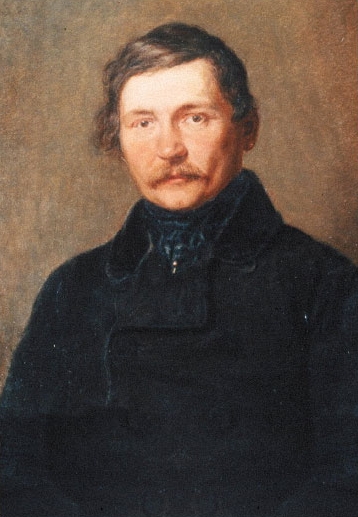
Jacek Malczewski - Portret Jana Albina Goetza Okocimskiego 1916.jpg
Portrait of Jan Albin from 1916 by Jacek Malczewski.

This is the entry from the Wikipedia page for the Okocim Brewery:

[Götz was] a German beer maker born in Wirtemberg together with Joseph Neumann, from Austria-Hungary, and local Polish noble, Julian Kodrębski. The first batch of beer was brewed on February 23, 1846. During the “Rabacja“, an Austrian-inspired peasant uprising in Galicia in 1846, directed at Polish nobility as well as affluent merchants, Götz barely escaped with his life. He survived thanks to help from local friends and the fact that the workers of his brewery stood up in his defense, certifying that his business provided good pay and decent working conditions. In turn, Götz helped to save the life of Julian Kodrębski, who had partly funded his brewery, by hiding him in woods on the banks of the Uszwica river in Brzesko, and providing him with food which was delivered over the course of ten days by workers from the brewery.

After the death of Neumann, Götz became the sole owner of the brewery. He modernized the enterprise and expanded it, adding a malthouse in 1875. In 1884 the brewery was visited by J. C. Jacobsen, the founder of Carlsberg brewery in Denmark.

After the death of Johann Evangelist Götz in 1893, the brewery was taken over by his son, Jan Albin Goetz. Jan Albin further expanded the family business, married a Polish aristocrat, and changed his name to Goetz-Okocimski. The Götz family quickly assimilated into Polish culture, became Polish patriots and engaged itself in Polish politics. Among other endeavors they funded a statue of Adam Mickiewicz, a gallery and the Juliusz Słowacki Theatre in Kraków, contributed money to buy out the Wawel castle from Austrian authorities. Jan Albin was also the president of the Koło Polskie (“Polish Circle”) in the Austrian parliament, and after Poland regained its independence a senator to the Polish sejm He built a private rail link between the brewery and the Brzesko rail station. As the richest person in Lesser Poland at the time he was also a philanthropist and a patron of the arts.

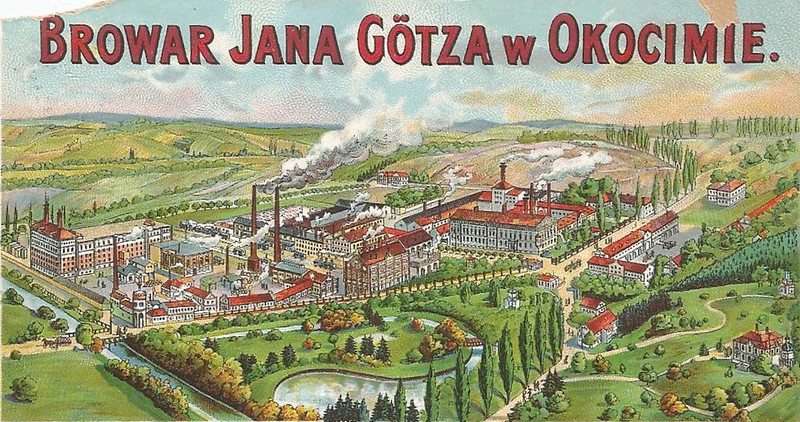
Okocim_Browar_1900
The Okocim Brewery around 1900.

This account of the history of the Okocim Brewery is translated from Polish website:

John the Evangelist Goetz – the man from whom it all began.

At that time, Jan Goetz was a true visionary. Considered the father of modern brewing in Poland, he was one of the pioneers in the production of so-called Bavarian beer, bottom fermentation.  The revolutionary nature of this method consisted in breaking with traditional forms of brewing beer, unchanged since the early Middle Ages. The new method consisted of aging at low temperatures of 7-12 º (in ice-cooled cellars) as well as bottom-up and back fermentation. This new species, called the lager, with a characteristic golden color and dense foam, beat the traditional types of beer on the head in terms of taste and allowed to store longer.
 
Although the founder of Okocim Brewery Jan Götz came from German Langenenslingen, he emphasized his belonging to Poland from the beginning. Soon for his involvement in the life of the local community, he received the nickname noble – Okocimski – and adopted the Polish name Goetz.
 
One of Jan Goetz’s principles was: best of the best. That’s how the best ingredients made beer, which brought Goetz fame and fortune. Goetz also kept in touch with other brewers, exchanging experiences and training in the art of brewing beer. At the end of the 19th century, Goetz met Jacob Christian Jacobsen, the creator of Carlsberg Brewery, who is only two years younger brother of Okocim.
 
The beginnings of Okocim Brewery
 
The history of the plant begins in 1845. It was then that Okocim with a small amount of money, sufficient only to build a small brewery, came then thirty-year-old Jan Goetz. Together with a partner, he began building a state-of-the-art brewery in Poland at that time. It was the quality of the beer brewed in it that made Goetz brewery very quickly become one of the largest in Poland. In 1846, the first bright full in Poland was brewed in Okocim. The first beer was only 7,500 buckets (1 bucket – approx. 60 l).
 
In the years 1846 – 1879, the volume of production in Okocim reached 24,000. hl.  In the 1980s, three types of beer were introduced: Marcowe, Lager and Bock. The brewery, in particular, became famous for the latter, commonly known as bock. The brewery’s success gradually increased. 
At the end of the nineteenth century, the brewery achieved an increase in production to 120 thousand hl. The beginning of the 20th century is already production at the level of 385,000 hl. In addition, the Okocim brewery from the beginning of its existence specialized in the production of oak barrels, not only for its own needs, but also for other breweries.

okocim-postcard

Okocim Brewery – beer for generations
 
In 1893, after the death of John the Evangelist, Okocim Brewery passed into the hands of his son, Jan Albin Goetz. In recent years before World War I, the brewery was at the forefront of the best of 1,200 breweries throughout the Austro-Hungarian monarchy.  During the war, the Russian army forced the brewery to stop brewing for several months.  After opening in 1915, the quality of beer dropped significantly.  However, already in free Poland Jan Albin managed to restore Browar Okocim to the highest brand.  During this period Okocimskie and Slodowe beers with the addition of sugar were brewed, as well as seasonal St. John’s beer.
 
After the death of his father, Antoni Jan Goetz became the owner of the brewery. Soon he launched a porter, which was sold in elegant, engraved bottles. The brewery’s prosperity was interrupted by the outbreak of World War II. Antoni Jan Goetz and his family fled to France from the approaching German army, and the brewery passed into the hands of the occupier and began producing beer for the army.

When the Red Army approached Okocim, the German administrator, Karl Schroeder, ordered the dismantling of the basic machinery and equipment of the plant and taking them to Magdeburg. However, the train did not leave Silesia. The equipment was found and checked back by the brewery employees. The machines were quickly mounted to their former places, thanks to which the brewery began production in the same year.

After World War II, the brewery was expropriated and functioned as the State Brewing Company in Okocim, later renamed Okocimskie Brewing and Sweet Factory. Despite the lack of major modernizations, it was one of the most prosperous breweries in the country. It mainly brewed OK Pils beer, but also Caramel beer (formerly Słodowe).

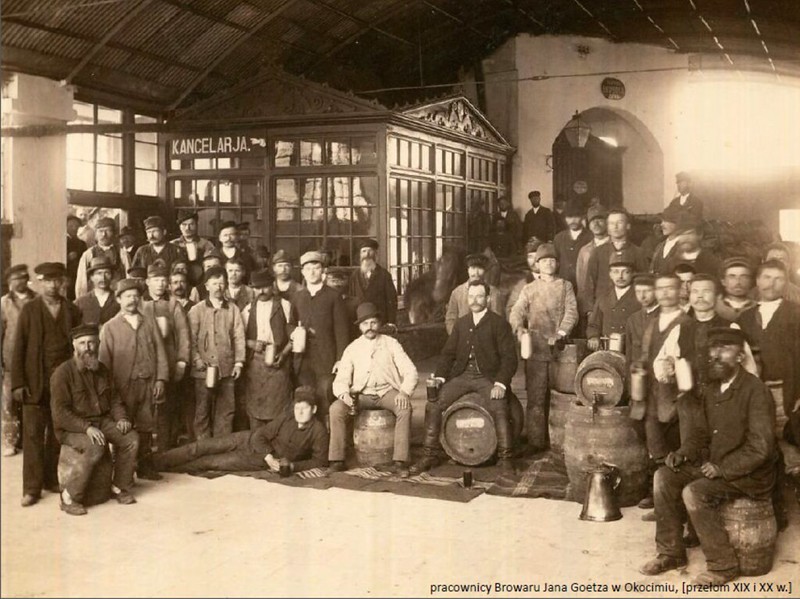
okocim-workers

The Goetz family – responsible employers, patrons of culture and art 
 
The Goetz family was not only interested in beer – they supported culture, art and engaged in local life. Along with the brewery, the city also developed. New jobs were created. Thanks to the philanthropy of John the Evangelist, the first folk primary school, a neo-Gothic church, presbytery and library were opened in the vicinity of the brewery. In 1898, the Goetz took part in the buyout of Wawel from the Austrians, financially supported the construction of the Adam Mickiewicz monument on the Krakow Market Square, the construction of the theater Słowackiego and the opening of the gallery in the Sukiennice.
 
The Goetz family took special care of the brewery’s employees. In 1878, Okocim was one of the few workplaces to have its own credit and loan fund. Then a theater room was built, and a brass band was created.
 
Jan Goetz, as an avid social activist, founded a volunteer fire department, often leading the way in danger. He was awarded the Papal Order of St. New Year’s Eve and the Gold Cross of Merit with the Crown awarded by the emperor for participating in fire fighting around Okocim.
 
Jan II Albin Goetz Okocimski was an avid patron of the arts. In his collection he had canvases of artists such as Chełmoński and Malczewski. Family members were painted by, among others, Stanisław Wyspiański and Olga Boznańska.
 
Okocim Brewery today
 
Today, the Okocim brewery is undoubtedly a contemporary brewery, but drawing on its unique history.  Not only when it comes to buildings, many of which remember the Goetz family, but above all in the approach to brewing beer and the principles that are passed down from generation to generation among Okocim brewers.

okocim-employees

Filed Under: Birthdays, Breweries, Just For Fun Tagged With: History, Poland

Historic Beer Birthday: Josef Sedlmayr

July 18, 2025 By Jay Brooks

franziskaner
Today is the birthday of Josef Sedlmayr (July 18, 1808-March 12, 1886). He was the son of Gabriel Sedlmayr, who owned Spaten brewery, and Josef owned the Franziskaner brewery, though the two breweries later merged.

Joseph-Sedlmayr
Joseph Sedlmayr in 1861

Here’s a very short biography on Find a Grave:

Owner of the Franziskaner Brewery in Munich, which was established near the Franciscan Monastery in Munich in 1363. Up to and during Sedlmayr’s time it was known as the Franziskaner-Leistbrauerei.

According to Spaten’s website (which owns Franziskaner today)

At the same time, one of the sons of Gabriel Sedlmayr – Joseph, was the owner of the brewery Leist (Leistbrauerei), which dates back to the fifteenth century.

In 1858, he bought shares in the Franziskaner brewery, and from 1861 Joseph Sedlmayr becomes its sole owner.

In 1865, the entire production of the brewery Leist is transferred to the Franziskaner-Brauerei.

At Oktoberfest in 1872 becomes presented a new beer with an amber colour, which gave rise a new style known since then as Marzenbier.

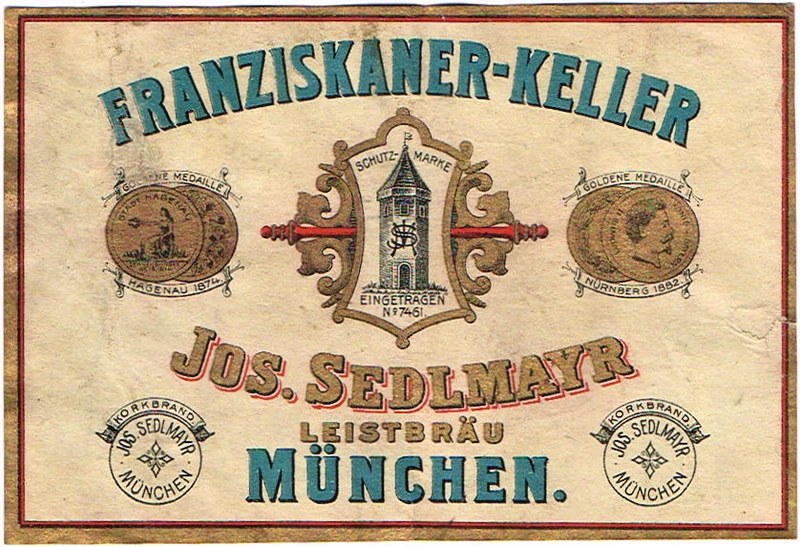
Franziskaner-Keller-Labels-Jos-Sedlmayr-Leistbrau

And here’s a timeline from the Sheehan Family Companies website:

  • 1363 – Franziskaner’s roots can be traced back to 1363. It was in this year that the brewer Seidel Vaterstetter is first mentioned as the owner of the ‘brewery next to the Franciscans’ in the Munich Residenzstrasse. The name ‘Franziskaner’ derives from the Franciscan monastery diagonally across the street.
  • 1841 – The Franziskaner Brewery moves to Lilienberg in Munich’s eastern suburb of Au. In the same year Augustin Deiglmayr, a son-in-law of Spaten’s owner Gabriel Sedlmayr the Elder, buys the Residenzstrasse brewery.
  • 1861 – Joseph Sedlmayr, owner of the Leist Brewery (probably founded in the 15th century) and son of Spaten’s Gabriel Sedlmayr the Elder, buys out August Deiglmayr, with whom he has been co-running the Residenzstrasse brewery since 1858.
  • 1865 – The Leist Brewery in Sendlinger Strasse stops its brewing operations, which are now left entirely to the Franziskaner Brewery.
  • 1872 – ‘Ur-Märzen’, the amber-colored Oktoberfest beer from Franziskaner-Leist, is served for the first time at the Schottenhamel Tent on the Oktoberfest fairgrounds. Brewed from a Viennese recipe, this golden-yellow beer is stronger than the summer beer.
  • 1909 – Gabriel Sedlmayr III, the son of Joseph Sedlmayr, turns the Franziskaner-Leist Brewery into a family-owned joint stock company, the ‘Joseph Sedlmayr Zum Franziskanerkeller (Leistbräu) AG’.
  • 1922 – The Franziskaner-Leist Brewery and the Spaten Brewery, likewise owned by the Sedlmayr family, unite to form a single joint stock company, the ‘Gabriel und Joseph Sedlmayr Spaten-Franziskaner-Leistbräu AG’, in order to combat the economic problems of the crisis-ridden postwar years and to capitalize on synergies.
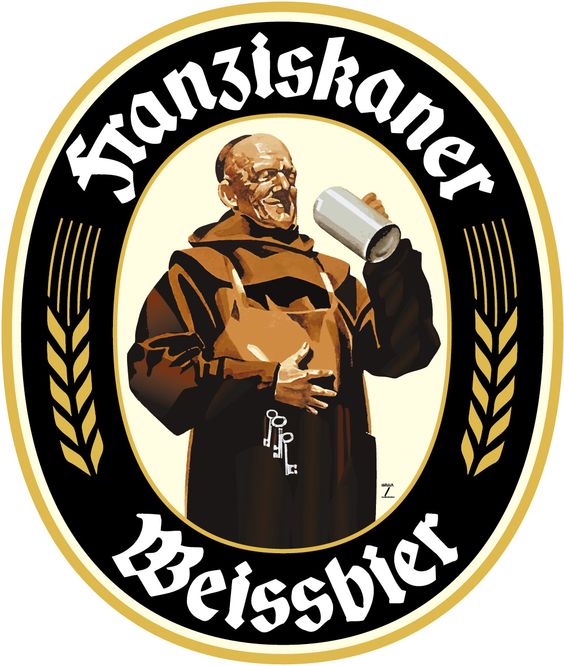
  • 1935 – The Munich artist Ludwig Hohlwein designs the company’s distinctive trademark, which is still used today. The Franciscan Friar continues to stand for the unsurpassed quality of Franziskaner’s premium weiss beer.

franziskaner-1935

Curiously, the iconic Franziskaner image of the monk that’s used on their labels was only created in 1935

franziskaner-weissbier

Filed Under: Birthdays, Breweries, Just For Fun Tagged With: Germany, History

Beer In Ads #5027: Iron City’s Famous Bock Beer

July 17, 2025 By Jay Brooks

Last year I decided to concentrate on Bock ads. Bock, of course, may have originated in Germany, in the town of Einbeck. Because many 19th century American breweries were founded by German immigrants, they offered a bock at certain times of the year, be it Spring, Easter, Lent, Christmas, or what have you. In a sense they were some of the first seasonal beers. “The style was later adopted in Bavaria by Munich brewers in the 17th century. Due to their Bavarian accent, citizens of Munich pronounced ‘Einbeck’ as ‘ein Bock’ (a billy goat), and thus the beer became known as ‘Bock.’ A goat often appears on bottle labels.” And presumably because they were special releases, many breweries went all out promoting them with beautiful artwork on posters and other advertising.

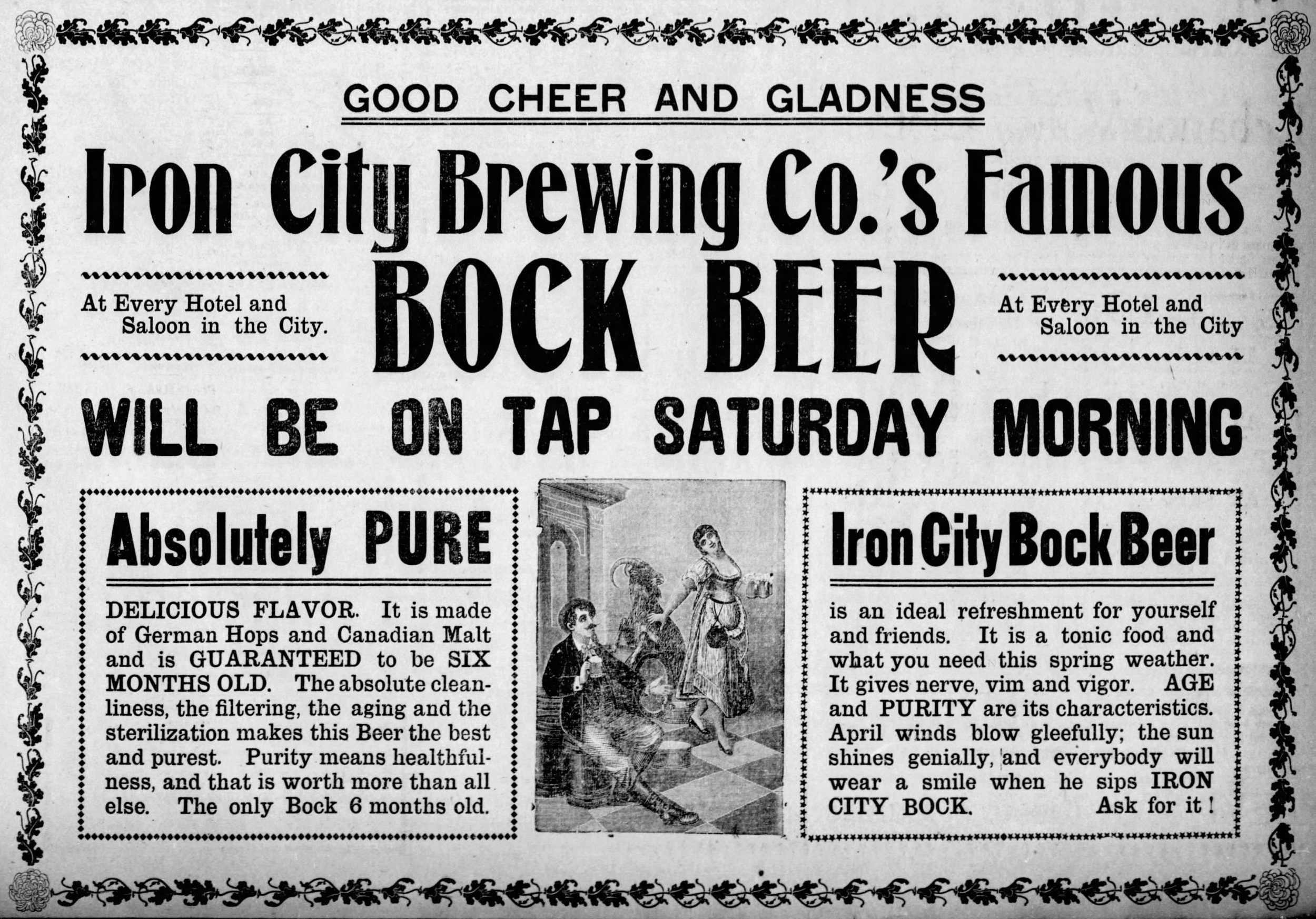
Thursday’s ad is for Iron City Brewing Co.’s Famous Bock Beer, which was published in 1905. This one was for the Iron City Brewing Co. of Pittsburgh, Pennsylvania, which was originally founded in 1861. This ad ran in The Daily News, of Lebanon, Pennsylvania.

Filed Under: Art & Beer, Beers, Breweries, Just For Fun Tagged With: Advertising, Bock, History, Pennsylvania

Historic Beer Birthday: Anthony Straub

July 17, 2025 By Jay Brooks

straub
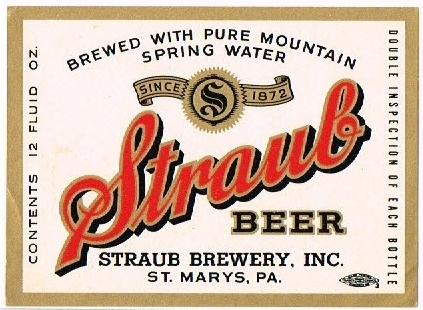
Today is the birthday of Anthony Straub (July 17, 1882-June 13, 1962). He was the son of Peter Straub, who founded the Straub Brewery in St. Mary’s, Pennsylvania in 1872. Anthony took over running the family brewery after his father died in 1913. The brewery is still owned and operated today by the Straub family.

straub-and-sons
Peter Straub and two of sons, I think Anthony is on the left.

He’s mentioned in the biography from his father’s Wikipedia page:

The Straub family had been brewing a local beer for generations. As expected Peter learned a trade important to the brewing art. He became a Cooper, a craftsman who makes wooden barrels. Peter aspired to be a brewer and at the age of 19 in 1869 immigrated to the United States for a better and more prosperous life. Upon his arrival in the United States he found employment at the Eberhardt and Ober Brewing Company in Pennsylvania. Peter admired his employers’ pledge to forfeit $1,000 if any adulteration was found in their beer, and as he honed his brewing skills to a sharp edge, he adhered faithfully to this promise. Eventually he tired of city life and moved north to Brookville, where he perfected his brewing process while working in the Christ and Algeir Brewery.

Peter later moved to Benzinger (St. Marys), where he met and married Sabina Sorg of Benzinger. The couple settled in Benzinger and had ten children: Francis X., Joseph A., Anthony A., Anna M., Jacob M., Peter M. (who died at two years of age), Peter P., Gerald B., Mary C., and Alphons J.

Peter’s employment in Benzinger was with the Joseph Windfelder Brewery and he worked there until he purchased the Benzinger Spring Brewery (founded by Captain Charles C. Volk in 1855) from his father-in-law, Francis Xavier Sorg. It was then that Straub Beer and the Straub Brewery was born.

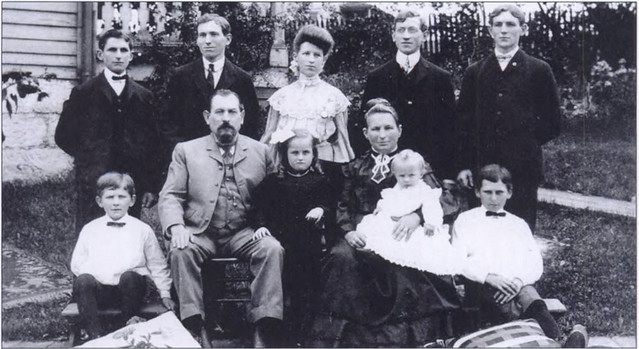
straub-family-1904
The Straub Family in 1904. Anthony is in the second row, on the right.

Early on, Peter introduced his sons to the world of brewing. Straub used wooden kegs for his beer. He always placed a red band around his barrels to ensure that people would know they were drinking his beer and so that he would get them back. As a lasting trademark tribute to Peter, the brewery continues to place a bright red band around each of its barrels. Red has become a trademark color for the brewery.

Following Peter’s death on December 17, 1913, his sons assumed control of the brewery, renaming it the Peter Straub Sons Brewery. During this time, the brewery produced Straub Beer as well as other beer, such as the pilsner-style Straub Fine Beer and Straub Bock Beer. In 1920, the Straub Brothers Brewery purchased one half of the St. Marys Beverage Company, also called the St. Marys Brewery, where St. Marys Beer was produced. During Prohibition, which lasted from January 29, 1920, until December 5, 1933, the brewery produced nonalcoholic near-beer. On July 19, 1940 they purchased the remaining common stock and outstanding bonds of the St. Marys Beverage Company.

straub-brewery-1895-closeup
The Benzinger Spring Brewery in 1895.

And this account is by Erin L. Gavlock, from 2009, at the Pennsylvania Center for the Book at Penn State:

Straub owned and operated the Benzinger Spring Brewery until he died in 1912 and left the company to his son, Anthony. Anthony Straub changed the name of the brewery to “Peter Straub Sons’ Brewery,” the only alteration he would make to his father’s business. From there, Peter Straub’s beer would become a Pennsylvania legend.

The Bavarian Man, a long-time image of the Straub Brewery that recalls its German roots.
Fast-forward over a hundred years from Straub’s humble beginnings to today and one will find the Straub Brewing pledge remains unchanged. The company still serves only unadulterated beer to its customers, proclaiming to be “The Natural Choice.” “Our all grain beer is brewed from Pennsylvania Mountain Spring water and we don’t add any sugar, salt, or preservatives to our recipes,” brew master Tom Straub told St. Marys’ Daily Press. “You can say our beer is a fresher, healthier choice than many of the selections in the marketplace.” Although time and technology have forced a transformation in brewing techniques and standards, the taste, ingredients, and the location of Straub have remained constant. Still located in St. Marys, the brewery depends upon the same mountain water from the Laurel Run Reservoir to blend with all-natural ingredients of cornflakes (used to produce fermentable sugars), barley and hops. “Our brewing process is virtually unchanged since our great, great, grandfather, Peter Straub, perfected it in 1872,” Straub’s promises. The reason behind sticking to the fresh taste of the original recipe is simple: people like it. Through the century, Straub has grown a dedicated patronage in western Pennsylvania with its traditional flavor. “Our style of brewing has pretty much stayed the same over the years, but what is interesting is that our popularity has grown and the reputation of our hand-crafted beer has increased,” Straub CEO Bill Brock said. “It is nice to know that we are becoming increasingly popular not for something we’ve changed, but rather for something we’ve always done well.”

The choice to protect and maintain the brewing customs has kept Straub a small, family owned brewery. “We’ve always thought small. We’re more about quality than quantity,” Dan Straub, former CEO, told Fredericksburg, Virginia’s Free-Lance Star. Until June 2009, Straub Beer was only distributed in glass bottles throughout Pennsylvania and Ohio. Now Straub is being brewed and distributed in aluminum cans in Rochester, New York at the High Falls Brewery. The recipe and method have not changed in the new setting and are under the careful watch of brew master Tom Straub. Despite the recent company growth, Straub still only produces about 45,000 barrels of beer per year. “We are unique; we are much larger than a micro brewery yet far, far smaller than some of the leading national brands,” said Bill Brock. In the middle ground, the brewery has managed to survive beer tycoons, economic depression, and cultural trends—a tough maneuver for a company exporting from Pennsylvania’s least populated region. “I believe the brewery has survived because of the fact that it is family owned; it is steeped in tradition and we have an absolute passion for making beer and our products,” said Brock. “From my perspective, the company and our traditions are a huge legacy and there is a clear obligation to continue these traditions.” Keeping to the family legacy has allowed Straub to persevere through the years to become the second oldest brewery in Pennsylvania after Yuengling.

Staying small and faithful to the company’s founding principles has enabled Straub to keep traditions that other larger breweries have been forced to abandon. The returnable bottle, an eco-friendly service that allows customers to send glass bottles back to the brewery for recycling, is still offered at Straub. “We stayed with the returnable bottles first of all, and I think this is really important, because we have a really strong customer base and they like the returnables,” Bill Brock said during a 2009 radio broadcast. “Over the years we maintained it while other breweries slowly fazed them out.” For Straub, a successful regional brewery, shipping bottles back to the factory is feasible, where it would create more pollution for national brands to do the same. In the future, Straub hopes to go greener and offer more returnables to customers. “We’d love for it to grow,” Brock said. “We think it is the right thing to do and if we can blend the right thing to do with making our customers happy that’s almost a perfect world.”

straub-family-1900s
The family in the early 1900s. Anthony is the third from the left in the front row.

Another Peter Straub tradition kept to make customers happy is the Eternal Tap, an oasis for Elk County beer drinkers. The Eternal Tap, established long before any of the brewery’s current chief operators were born, is a “thank you” gesture for patrons, daily providing two mugs of complimentary, fresh cold beer to anyone of legal drinking age. “The roots of it go as far back as the brewery itself and I am sure that my great, great, grandfather, his workers and their friends would spend time at the end of the week enjoying a few pints of freshly brewed beer,” Brock said. According to Bloomington, Illinois’ Pantagraph, the Eternal Tap sprang up shortly after Peter Straub received the Benzinger Spring Brewery from his father-in-law as a way to draw beer enthusiasts to the taste of Straub. Since the marketing gimmick started in 1872, the Eternal Tap has not been turned off, giving free beer to customers in good times and bad.

Although Straub has been in operation for more than a century since its founder’s death, if Peter Straub were able to return to his brewery today, he might feel as if he still ran it. The original recipe, the customer appreciation, and the environmental concerns he founded his business upon are still principal brewing laws at Straub today. For the descendants of Peter Straub, keeping the tradition was second nature. “For me, being President/CEO, my job is to be faithful to the traditions and it is really not that difficult,” Brock said. “I have one of the best jobs in the world and I have been given the opportunity to continue an important tradition and legacy.”

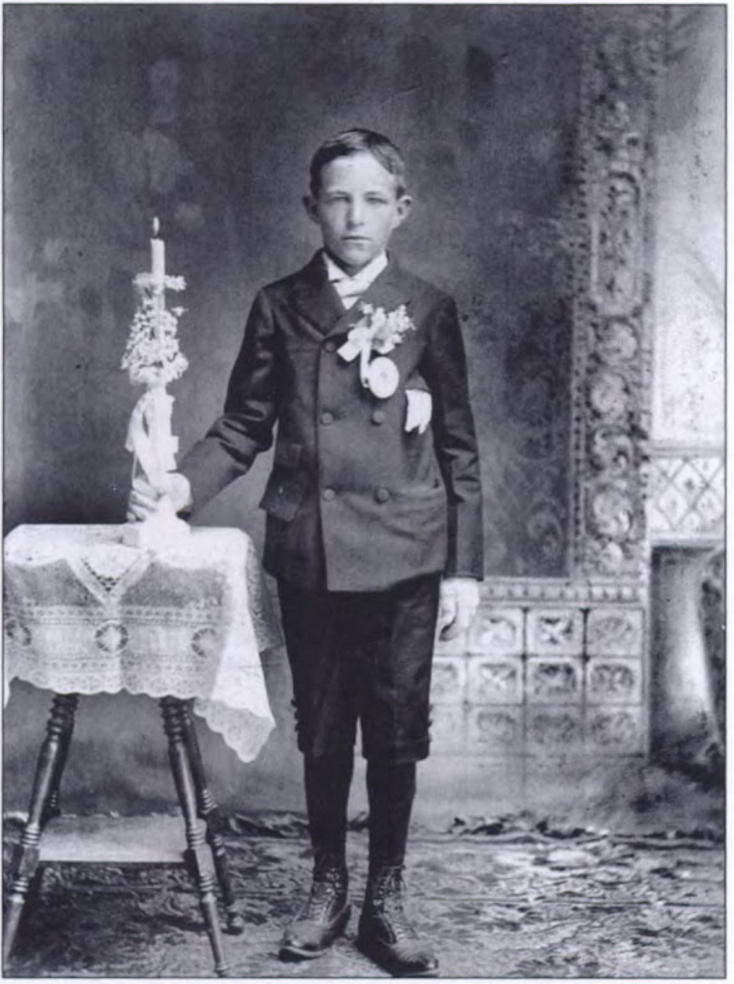
anthony-straub-1889s
Anthony after his first communion in the late 1800s.

Filed Under: Birthdays, Breweries, Just For Fun Tagged With: History, Pennsylvania

Beer In Ads #5026: Falken Schaffhauser Oster Bock

July 16, 2025 By Jay Brooks

Last year I decided to concentrate on Bock ads. Bock, of course, may have originated in Germany, in the town of Einbeck. Because many 19th century American breweries were founded by German immigrants, they offered a bock at certain times of the year, be it Spring, Easter, Lent, Christmas, or what have you. In a sense they were some of the first seasonal beers. “The style was later adopted in Bavaria by Munich brewers in the 17th century. Due to their Bavarian accent, citizens of Munich pronounced ‘Einbeck’ as ‘ein Bock’ (a billy goat), and thus the beer became known as ‘Bock.’ A goat often appears on bottle labels.” And presumably because they were special releases, many breweries went all out promoting them with beautiful artwork on posters and other advertising.

Wednesday’s poster is for Falken Schaffhauser Easter Bock Beer, and was published in 1930. This one was made for the Bierbrauerei Falken Schaffhausen, or Falcon Brewery, of Schaffhausen, Switzerland. The brewery was founded in 1799, and is still in business today, and is “considered the only independent brewery in the Schaffhausen region,” and is Switzerland’s 5th largest brewery. This one is for their Schaffhauser Bock and shows a very thirsty man who apparently shimmied up the town maypole to grab one of the bottles of beer tied to the wreath at the top. It was created by Swiss artist Arnold Oechslin.

Filed Under: Art & Beer, Beers, Breweries, Just For Fun Tagged With: Advertising, Bock, History, Switzerland

Historic Beer Birthday: William McEwan

July 16, 2025 By Jay Brooks

mcewans
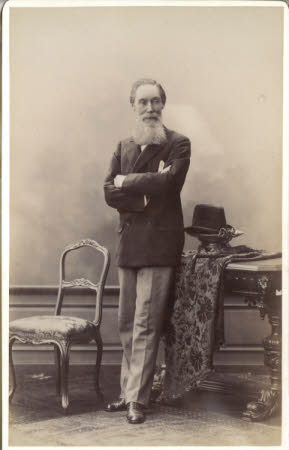
Today is the birthday of William McEwan (July 16, 1827-May 12, 1913). He was a Scottish politician and brewer. He founded the Fountain Brewery in 1856 (later known as McEwan’s), served as a member of parliament (MP) from 1886 to 1900.”
cms 1247735 1

Here’s a short biography from the University of Glasgow:

William McEwan, the son of John McEwan, shipowner of Alloa, Scotland, was born in 1827. He served his apprenticeship with John Jeffrey, an Edinburgh brewer, and in 1856 he established his own business, the Fountain Brewery, in Fountainbridge in Edinburgh. He quickly established a large Scottish market and in the 1860s built up a successful colonial export trade. His sister married James Younger, an Alloa brewer, and one of their sons, William, joined his uncle’s business. When William McEwan entered politics in 1886, William Younger became the firm’s manager.

William McEwan & Co Ltd was registered in July 1889 as a limited liability company to acquire the business at a purchase price of GBP 408,000. The company acquired the trade and goodwill of Alexander Melvin & Co of the Boroughloch Brewery, Buccleuch Street, Edinburgh, in 1907. It merged with William Younger & Co Ltd, Abbey Brewery, Holyrood Road, Edinburgh, to form Scottish Brewers Ltd in 1931, and that company merged with Newcastle Breweries Ltd in 1960 to form Scottish & Newcastle Breweries Ltd. The Fountain Brewery was closed by S & N at the end of 2004.

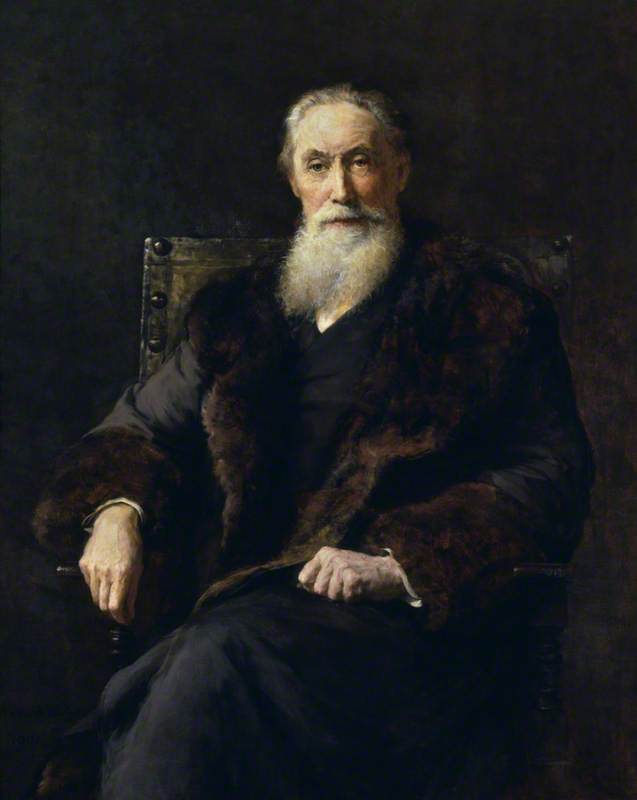
The Right Honourable William McEwan (1827-1913), MP

Here’s an account of his early life from Wikipedia:

McEwan was born in Alloa, Scotland in 1827, the third child of ship-owner John McEwan and his wife Anne Jeffrey. His older sister Janet married James Younger head of his local family brewing business in 1850. He was educated at Alloa Academy. He worked for the Alloa Coal Company and merchants Patersons.

He worked in Glasgow for a commission agent and then as a bookkeeper for a spinning firm in Yorkshire.

From 1851 he received technical and management training from his uncles, John and David Jeffrey, proprietors of the Heriot brewery in Edinburgh. In 1856 he established the Fountain Brewery at Fountainbridge in Edinburgh with money from his mother and his uncle, Tom Jeffrey. After growing sales in Scotland, his nephew William Younger of Alloa began an apprenticeship with him and eventually became managing director. Exports were made to Australia, South Africa, New Zealand and India, with McEwan’s having 90% of sales in north-eastern England by the turn of the century. The brewery became part of Scottish & Newcastle.

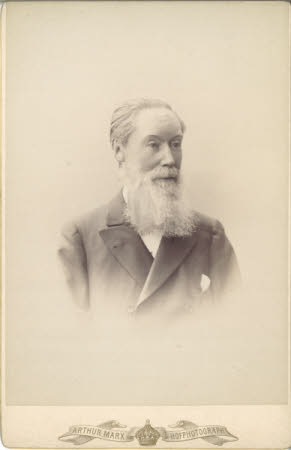
William McEwan by Arthur Marx (photographer)

McEwan became a member of parliament for Edinburgh Central after the 1886 general election, representing the Liberal Party. He was returned unopposed in 1895 and continued to serve until 1900. He became a Privy Counsellor in 1907, but declined a title.

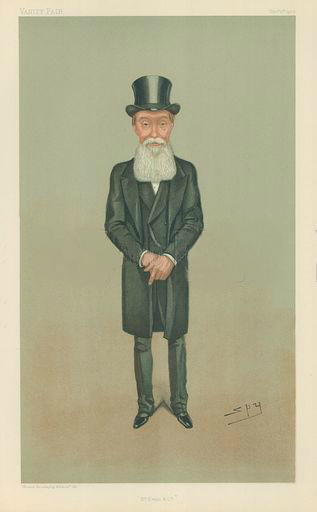
William_McEwan,_Vanity_Fair,_1902
In Vanity Fair, 1902.

Filed Under: Birthdays, Just For Fun Tagged With: History, Scotland

Historic Beer Birthday: Richard L. Yuengling, Sr.

July 16, 2025 By Jay Brooks

yuengling-eagle
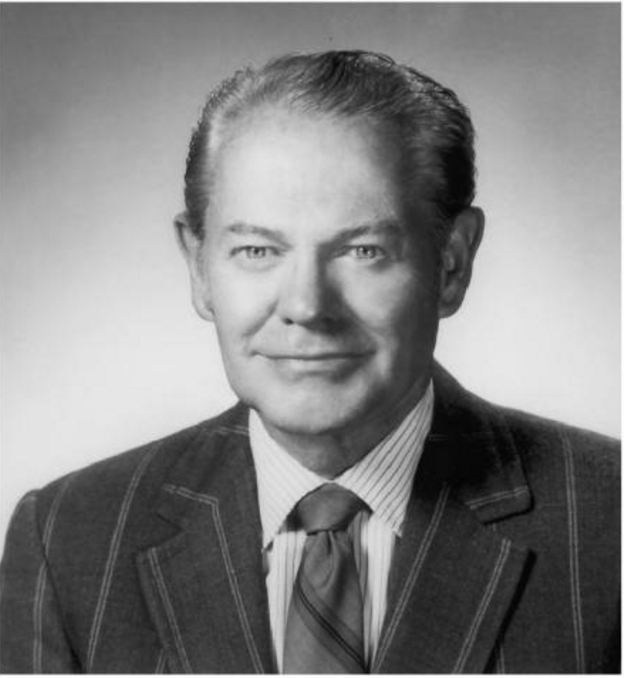
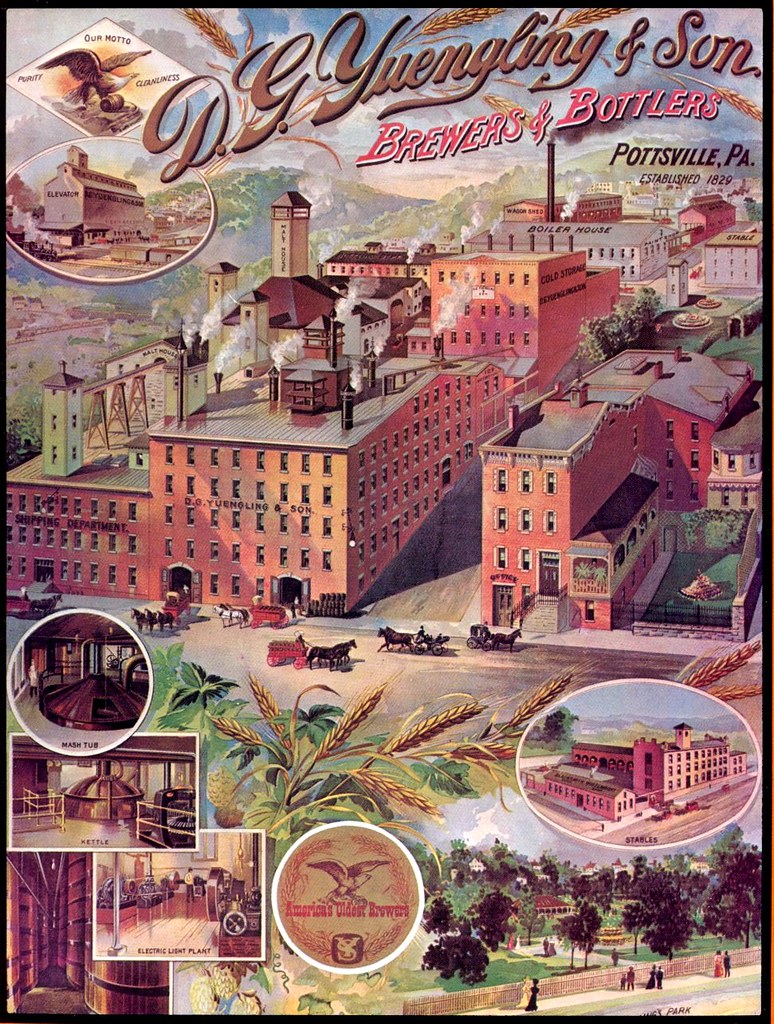
Today is the birthday of Richard L. Yuengling, Sr. (July 16, 1915-March 25, 1999). He was the great-grandson of David Yuengling, who founded America’s Oldest Brewery, Yuengling Brewing, which was founded in 1829 (as the Eagle Brewery) in Pottsville, Pennsylvania.

richard-l-yuengling-sr

Here’s his obituary from the Pottsville Register:

Richard L. Yuengling Sr., 83, whose great-grandfather, David G., founded America’s Oldest Brewery in 1829, died Thursday evening at ManorCare Health Services, Pottsville, after an extended illness.

He was the fourth-generation owner of D.G. Yuengling & Son Inc. Brewery.

“He was a great person to work for,” said James P. Buehler, a 27-year employee recently elevated to brewmaster. “It’s a shame. He was a good man,” with a lot of friends, he added.

“On behalf of a mournful city, we extend our condolences to the Yuengling family,” Mayor Terence P. Reiley said.

Dick Sr. and brother F. Dohrman who preceded him in death took over management of the brewery when their father, Frank D., died at age 86.

Carol B. Johnson, whose husband, the Rev. Theodore T., was pastor of Trinity Episcopal Church in Pottsville from 1952 to 1975, has fond memories of Dick Sr., who used to attend church there.

“The Yuenglings were all a part of our life in Pottsville,” she said.

Dick Sr. and his brothers- and sisters-in-law were active and interested church members, she said from their home in a Northumberland retirement community.

He ran a good business, and was very kind and thoughtful to his mother, the late Augusta Roseberry Yuengling, she said. His father was the late Frank D.

Dick Sr. was more reticent than his son and daughter, Patricia H. Yuengling, who lives in LaMesa, Calif., she said.

During Dick Sr.’s tenure, in 1976, the brewery was recognized as “America’s Oldest,” and placed on the National Register of Historic Places and designated a state historic site; and in 1979, its 150th anniversary was celebrated.

In 1985, Dick Jr. bought the company from his father.

Dick Sr. was an asset to the city, Reiley said. “Mr. Yuengling clearly kept the strong family tradition going that the brewery currently enjoys.”

That success was built upon Dick Jr.’s predecessors, including his father, Reiley said.

Thinking back to his childhood, Reiley recalled Yuengling as pleasant and accommodating when St. Patrick’s Church set up its parish block party between Fourth and Fifth streets near the brewery.

Buehler said Yuengling was always ready for a party, and the first to tend the Rathskeller bar to share a beer, he said.

Born in Pottsville, July 16, 1915, he was formerly of 1322 Howard Ave., Pottsville.

He was a veteran of World War II, serving in the U.S. Army Air Corps as a staff sergeant with 1060th AAF Base Unit.

In addition to F. Dohrman, he was preceded in death by his wife of 56 years, the former Marjorie Hood, in 1997; two other brothers, David G. and Frederick G. Yuengling Sr.; a sister, Augusta Y. Ulmer.

In addition to Dick Jr. and Patricia, surviving are five grandchildren; several nieces and nephews; grandnieces and grandnephews.

Dick_Yuengling_Sr.-model

Here’s what the Yuengling Wikipedia page has about Richard Sr.:

Richard L. Yuengling Sr. and F. Dohrman Yuengling succeeded Frank Yuengling after their father’s death in 1963.

Yuengling experienced an increase of sales after a renewed interest in history owing to the United States Bicentennial in 1976. Yuengling bought the rights to use the Mount Carbon (Bavarian Premium Beer) name and label when Mount Carbon Brewery went out of business in 1977. Yuengling initially brewed beer at Mount Carbon but eventually abandoned it. The dairy remained in business until 1985.

yuengling-poster

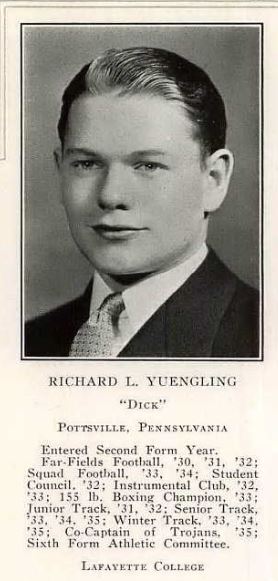
And this is his yearbook photo and entry from the Hill School from 1935. One curious fact is that some sources give his birth year as 1914 while others say 1915. But even his Find a Grave has photos of two separate gravestones showing differing birth years. One appears to be a military marker.

dick-yuengling-hill-school

Filed Under: Birthdays, Just For Fun Tagged With: History, Pennsylvania

Beer In Ads #5025: Löwenbräu Pale Bock Beer

July 15, 2025 By Jay Brooks

Last year I decided to concentrate on Bock ads. Bock, of course, may have originated in Germany, in the town of Einbeck. Because many 19th century American breweries were founded by German immigrants, they offered a bock at certain times of the year, be it Spring, Easter, Lent, Christmas, or what have you. In a sense they were some of the first seasonal beers. “The style was later adopted in Bavaria by Munich brewers in the 17th century. Due to their Bavarian accent, citizens of Munich pronounced ‘Einbeck’ as ‘ein Bock’ (a billy goat), and thus the beer became known as ‘Bock.’ A goat often appears on bottle labels.” And presumably because they were special releases, many breweries went all out promoting them with beautiful artwork on posters and other advertising.

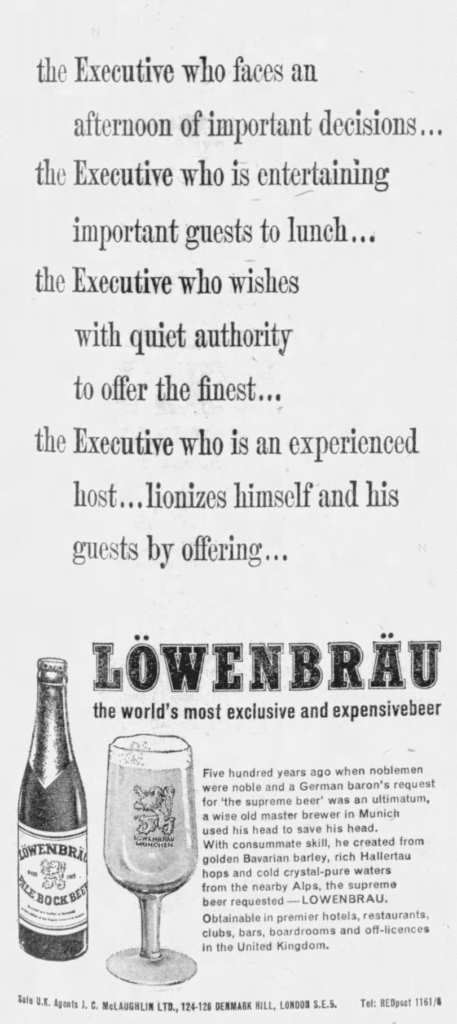
Tuesday’s ad is for Löwenbräu Pale Bock Beer, which was published on July 15, 1964. This one was for the Löwenbräu Brewery of Munich, Germany, which was originally founded in 1383. This ad ran in The Evening Standard, of London, England. The text is pretty hilarious, and that final tagline: “Löwenbräu the world’s most exclusive and expensive beer.”

Filed Under: Art & Beer, Beers, Breweries, Just For Fun Tagged With: Advertising, Bock, Germany, Great Britain, History

« Previous Page
Next Page »

Find Something

Northern California Breweries

Please consider purchasing my latest book, California Breweries North, available from Amazon, or ask for it at your local bookstore.

Recent Comments

  • Bob Paolino on Beer Birthday: Grant Johnston
  • Gambrinus on Historic Beer Birthday: A.J. Houghton
  • Ernie Dewing on Historic Beer Birthday: Charles William Bergner 
  • Steve 'Pudgy' De Rose on Historic Beer Birthday: Jacob Schmidt
  • Jay Brooks on Beer Birthday: Bill Owens

Recent Posts

  • Beer In Ads #5137: Bock Is Back… Look For It March 1st February 28, 2026
  • Historic Beer Birthday: John Holme Ballantine February 28, 2026
  • American Craft Beer Hall of Fame: 2nd Year Inductees February 28, 2026
  • Beer Birthday: Jeff Bell February 28, 2026
  • Beer In Ads #5136: American Bock Beer Is Being Served Today! February 28, 2026

BBB Archives

Feedback

Head Quarter
This site is hosted and maintained by H25Q.dev. Any questions or comments for the webmaster can be directed here.