Brookston Beer Bulletin

Jay R. Brooks on Beer

  • Home
  • About
  • Editorial
  • Birthdays
  • Art & Beer

Socialize

  • Dribbble
  • Email
  • Facebook
  • Flickr
  • GitHub
  • Instagram
  • LinkedIn
  • Pinterest
  • RSS
  • Twitter
  • YouTube

Powered by Genesis

Historic Beer Birthday: Bernard “Toots” Shor

May 6, 2025 By Jay Brooks

toots-shor
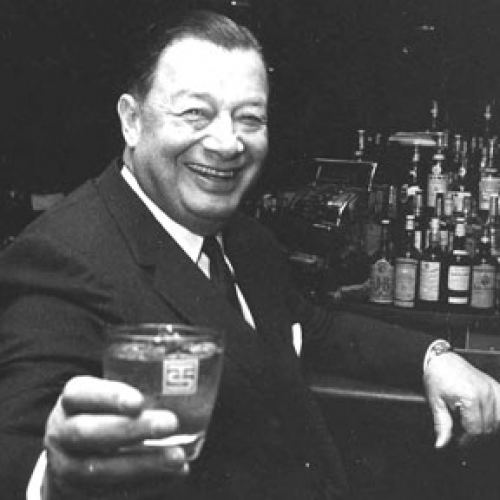
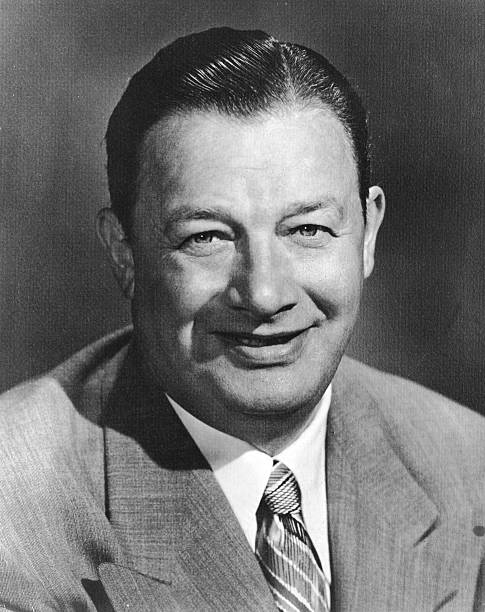
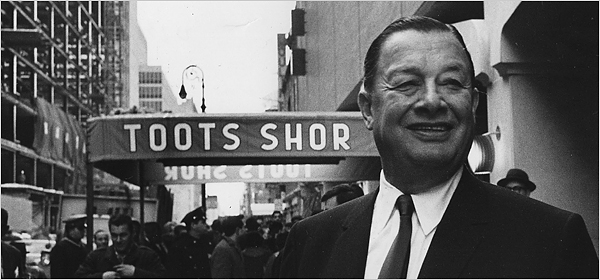
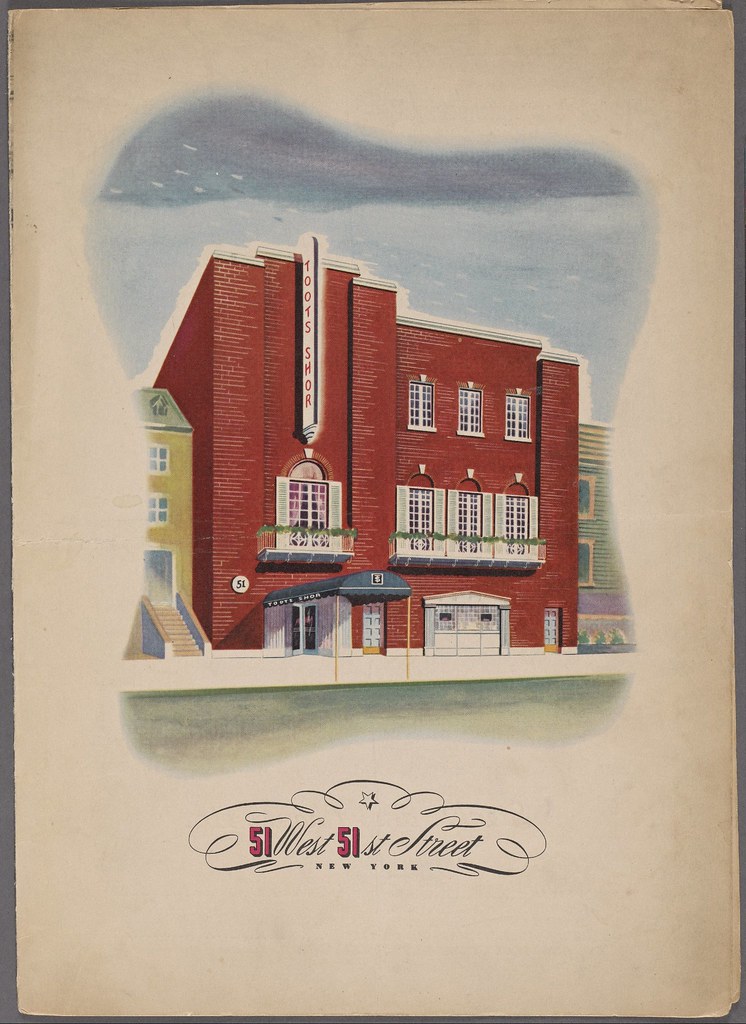
Today is the birthday of Bernard “Toots” Shor (May 6, 1903–January 23, 1977). He “was best known as the proprietor of a legendary saloon and restaurant, Toots Shor’s Restaurant, in Manhattan. He ran three different establishments under that name, but his first – and most renowned – was located at 51 West 51st Street. He was known as a saloonkeeper, friend, and confidant to some of New York’s biggest celebrities during that era.”
toots-shor-cheers

This is his biography from his Wikipedia page:

Shor was born in Philadelphia to Orthodox Jewish parents – his father of Austrian descent from Germany and his mother from Russia. He and his two older sisters were raised in a home above the family candy store in South Philadelphia. When Shor was 15 years old, his mother was killed by an automobile while she sat on the stoop outside their home. His father committed suicide five years later. Shor attended the Drexel Institute of Technology and the Wharton School of the University of Pennsylvania before working as a traveling shirt-and-underwear salesman.
toots-shor

Here’s a short biography from Find–Grave:

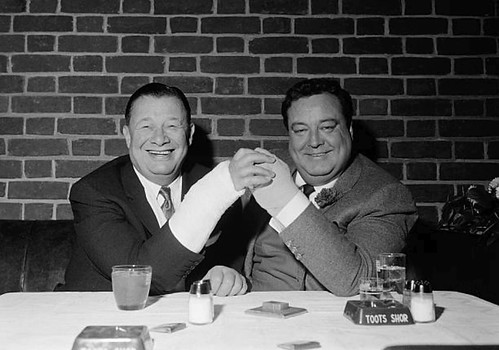
Restaurateur. He was the owner and colorful host of Toots Shor’s Restaurant, a New York City landmark for over 30 years. Born in Philadelphia, he moved to New York as a teenager during the Prohibition era and gained a reputation as a speakeasy bouncer, guardian, and manager. In 1940 he opened his own restaurant and lounge at 51 West 51st Street in Manhattan; although the food was mediocre, its strong drinks and oversized circular bar quickly drew the crowds. The greats of the sports world, stage, screen and politics all hung out here. In one famous anecdote, mob boss Frank Costello and Supreme Court Chief Justice Earl Warren politely raised glasses to each other across the dining room. Shor was gruffly friendly to everybody from shoeshine boy to newsstand guy, to Joe DiMaggio, Frank Sinatra, and Jackie Gleason (who always ate there for free). Being called a “crumb-bum” by Toots meant you’d earned his praise; in contrast, his most bitter insult was to call someone “just a piece of raisin cake”. His personal motto was “I don’t care if I’m a millionaire, as long as I can live like one”, and his spendthrift ways and generosity to his regulars often left him in debt. The original Toots Shor’s closed in 1959 and reopened two years later at 33 West 52nd Street; this location was abruptly shut down in 1971 for income tax evasion. Toots’ last business ventures were failures and he died broke, but not before leaving a legendary mark on New York nightlife.
toots-shor-banner

Wikipedia continues with the story of Shor’s restaurants:

Shor went to New York City in 1930 and found employment as a bouncer at the Five O’Clock Club, which served as his introduction to celebrities. He later worked at several other nightspots: The Napoleon Club, Lahiff’s Tavern, the Ball & Chain, the Madison Royale, and Leon & Eddie’s. He became a man about town in Manhattan after opening his own restaurant, Toots Shor’s, at 51 West 51st Street. While the food there was known to be “nuttin’ fancy” – standard American, sports-bar fare such as shrimp cocktail, steak, baked potato – the establishment became well known for who frequented there and the manner in which Shor interacted with them.

Shor was a raconteur and a master of the “needle,” jibes or quips directed at the famous. Celebrity alone was not enough to receive first-class service in Shor’s restaurant. According to David Halberstam in his book The Summer of ’49, guests had to observe the unwritten “code” which prevailed in Shor’s establishment. Charlie Chaplin, who was not privy to that code, was made to wait in line. When Chaplin complained, Shor told him to entertain the others who were waiting in line. One day, Hollywood boss Louis B. Mayer complained about waiting twenty minutes for a table and said, “I trust the food will be worth all that waiting.” Shor replied: “It’ll be better’n some of your crummy pictures I stood in line for.” Once while standing outside his restaurant with Frank Sinatra and a crowd of screaming fans being held back by police, Toots pulled out a dollar bill out of his pocket and said to Frank, “Here, kid, go across the street and buy me a paper.” At the Opera with friends during the intermission Toots declared, “I bet I’m the only bum in this joint that doesn’t know how this thing ends.”

In one incident, Shor outdrank comedian Jackie Gleason, famously leaving Gleason on the floor to prove the point. (At Toots’ funeral, the coffin had a spray of red roses with a card which read, “Save a Table for 2,” signed: Jackie Gleason.)

shor-jackie-gleason

Shor cultivated his celebrity following by giving them unqualified admiration, loyal friendship, and a kind of happy, boozy, old-fashioned male privacy. Those whom Shor really liked were called “crum-bums”. Shor reputedly said that he didn’t care if he was a millionaire – so long as he could live like one.

In 1959, Shor sold the lease for his 51st Street restaurant for $1.5 million to William Zeckendorf.[2] The following year, he opened at a new location at 33 West 52nd Street and tried to emulate the decor and atmosphere of the original. The then–Chief Justice, Earl Warren, considered Toots one of his closest friends. “The Chief” showed up to be photographed with a shovel full of dirt when Toots broke ground on Toots’ 52nd street “joint”.

In 1971, authorities padlocked the doors of the 52nd Street restaurant for nonpayment of federal, state, and local taxes totaling $269,516. He vowed to open again in three weeks, but 18 months passed before his restaurant at 5 East 54th Street opened. For a variety of reasons, however, his famous clientele never returned with their former regularity.
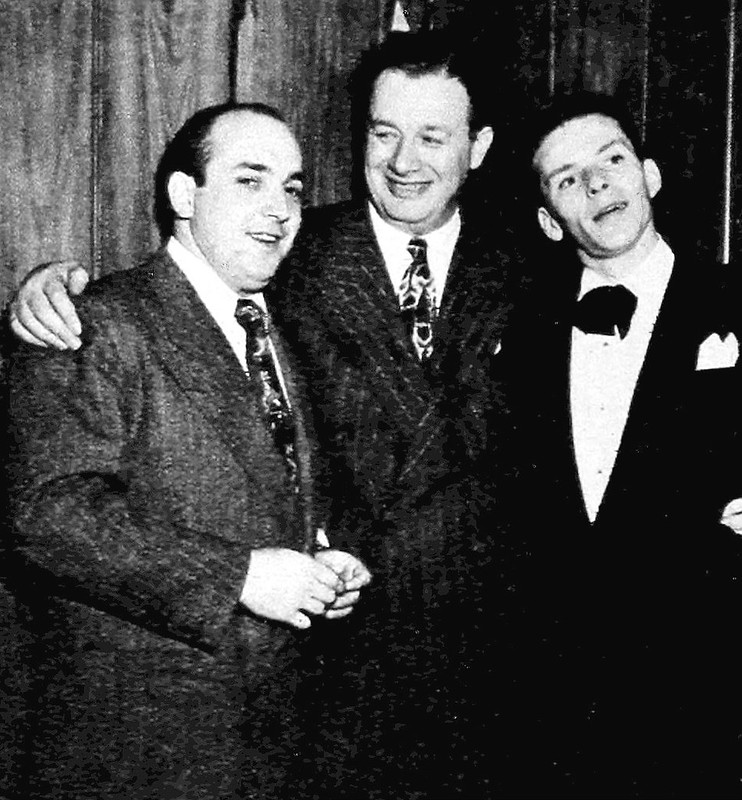
Hank Sanicola, Toots Shor and Frank Sinatra 1947
Music manager Hank Sanicola, Toots Shor, and Frank Sinatra in 1947.

And this is from the Wikipedia page for Toots Shor’s Restaurant:

Toots Shor’s Restaurant was a restaurant and lounge owned and operated by Bernard “Toots” Shor at 51 West 51st Street in Manhattan during the 1940s and 1950s. Its oversized circular bar was a New York landmark. It was frequented by celebrities, and together with the 21 Club, the Stork Club, and El Morocco was one of the places to see and be seen. Joe DiMaggio often went there to eat, and that helped make it famous. Toots was said to do personal favors for Joe as well, at no cost.

Jackie Gleason always ate there for free. Other notable guests included Frank Sinatra, Judy Garland, Marilyn Monroe, Orson Welles, Yogi Berra, and Ernest Hemingway (Berra and Hemingway allegedly met there).
toots

While the food at Toots Shor’s Restaurant was known to be “nuttin’ fancy” — standard American, sports-bar fare such as shrimp cocktail, steak, baked potato — the establishment became well known for who frequented there and how Shor interacted with them. Shor was a raconteur and a master of the “needle,” jibes or quips directed at the famous. Celebrity alone was not enough to receive first-class service in Shor’s restaurant. According to David Halberstam in his book The Summer of ’49, guests had to observe the unwritten “code” which prevailed in Shor’s establishment. Charlie Chaplin, who was not privy to that code, was made to wait in line. When Chaplin complained, Shor told him to entertain the others who were waiting in line. One day, MGM head Louis B. Mayer complained about waiting twenty minutes for a table and said, “I trust the food will be worth all that waiting.” Shor replied: “It’ll be better’n some of your crummy pictures I stood in line for.”

In a famous incident, Shor outdrank Jackie Gleason and left him on the floor to prove the point. Somewhat notoriously, wives were not welcome in Toots’s saloon; it was known, in the argot of the day, as a place of “booze and broads,” where ballplayers, actors and politicians mixed. Baseball players were especially welcomed; in particular, Shor admired Mickey Mantle; he also adored Joe DiMaggio. Shor always ensured that DiMaggio got first-rate service without being hassled or asked for autographs by restaurant staff, other patrons, or fans. Another prominent figure who frequented Shor’s restaurant was famed trial attorney Edward Bennett Williams.

Toots Shor cultivated his celebrity following by giving them unqualified admiration, loyal friendship, and a kind of happy, boozy, old-fashioned male privacy. Those whom Shor really liked were called “crum-bums”. Shor reputedly said that he didn’t care if he was a millionaire—so long as he could live like one. Shor was rewarded after a fashion with a mention in the 1954 Bing Crosby film, “White Christmas.” Bing comments to Rosemary Clooney, while both are raiding the restaurant refrigerator of the Vermont inn where they are staying, that the food is not as fancy as Toots Shor’s.

In 1959, Shor sold the lease for his 51st Street restaurant for $1.5 million. The following year he opened at a new location at 33 West 52nd Street and tried to emulate the decor and atmosphere of the original. The then-Chief Justice, Earl Warren, considered Toots one of his closest friends, and “The Chief” showed up to be photographed with a shovel full of dirt when Toots broke ground on his 52nd street “joint.”
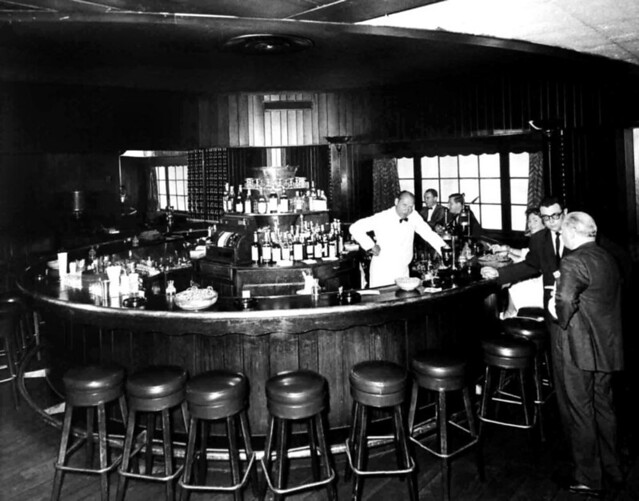
MCDTOOT EC004
The round bar at Toot’s Shor’s place.

Filed Under: Birthdays, Just For Fun Tagged With: Bars, Celebrities, History, New York

Beer In Ads #4960: Pickwick Bock Beer

May 5, 2025 By Jay Brooks

Last year I decided to concentrate on Bock ads. Bock, of course, may have originated in Germany, in the town of Einbeck. Because many 19th century American breweries were founded by German immigrants, they offered a bock at certain times of the year, be it Spring, Easter, Lent, Christmas, or what have you. In a sense they were some of the first seasonal beers. “The style was later adopted in Bavaria by Munich brewers in the 17th century. Due to their Bavarian accent, citizens of Munich pronounced ‘Einbeck’ as ‘ein Bock’ (a billy goat), and thus the beer became known as ‘Bock.’ A goat often appears on bottle labels.” And presumably because they were special releases, many breweries went all out promoting them with beautiful artwork on posters and other advertising.

Monday’s ad is for Pickwick Bock Beer and was published May 5, 1951. The brewery was the Haffenreffer Brewery of Boston, Massachusetts, which was originally founded in 1870. It was located in the Jamaica Plain area of Boston, and today the site of the brewery is where the Boston Beer Co. has operates one of its breweries. This ad ran in The Morning Union, of Springfield, Massachusetts.

Filed Under: Art & Beer, Beers, Breweries, Just For Fun Tagged With: Advertising, Bock, History, Massachusetts

Historic Beer Birthday: Louis von Schwanenfluegel

May 5, 2025 By Jay Brooks

new_york
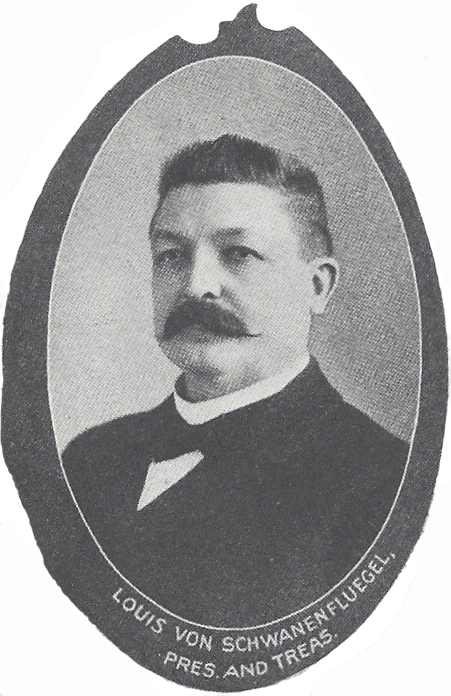
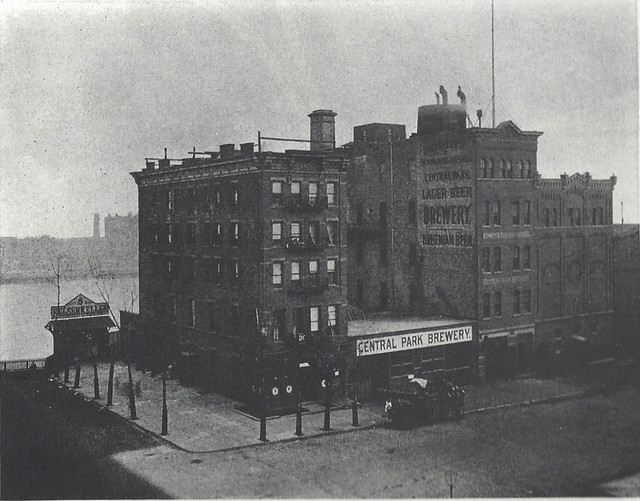
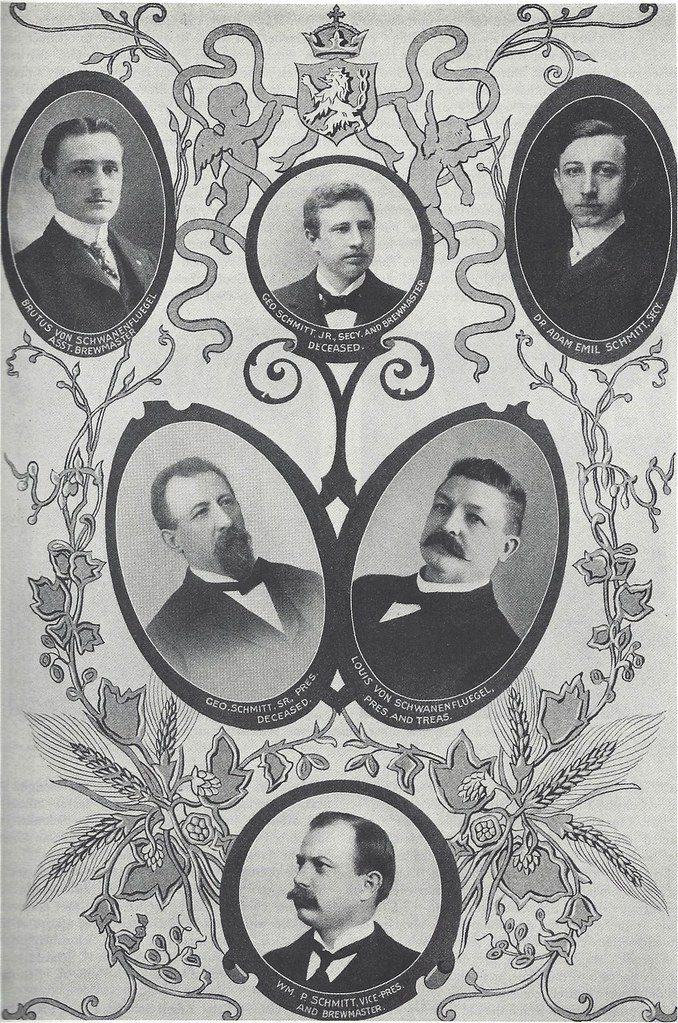
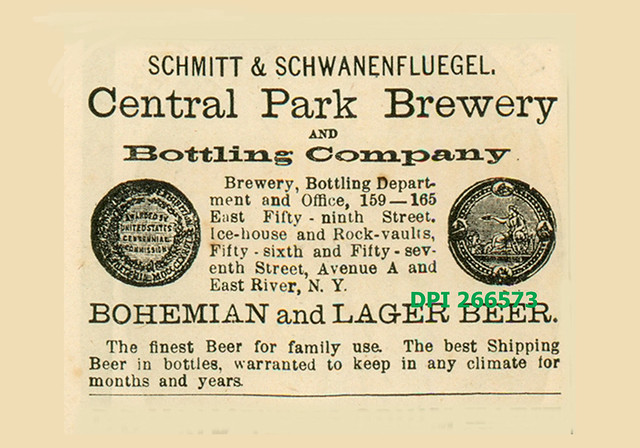
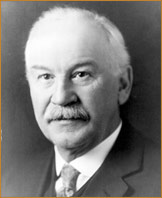
Today is the birthday of Louis von Schwanenfluegel (May 6, 1848-?). He was trained as a brewer at his father’s brewery, worked at a malt house, and became the manager of Schmitt & Schwanenfluegel Brewery, which was in New York City, near Central Park at 1065 Avenue A, between 56th & 57th.

Louis-von-Schwanenfluegel

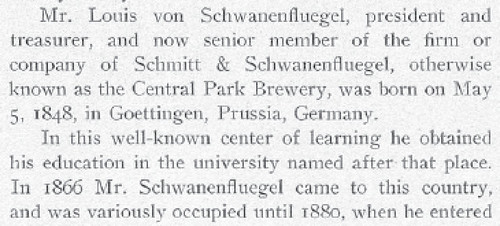
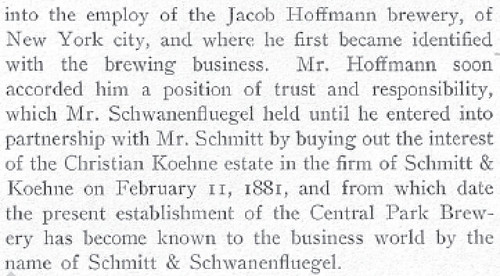
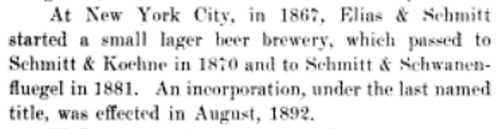
This account is from “100 Years of Brewing:”

Schwanenfluegel-100yrs-1
Schwanenfluegel-100yrs-2

Schmitt-and-Schwanenfluegel-brewery

The brewery was originally known as the Henry Elias Brewery, who founded it near 15th Street & Broadway in 1855. Elias, in 1865, partnered with George Schmitt, this George’s father, and became known as Henry Elias & George Schmitt Brewery, a.k.a. the Central Park Brewery (and was readdressed to 1065 Avenue A, between 56th & 57th). In 1868, Schmitt partnered with Christian Koehne to keep it going and it became the Schmitt & Christian Koehne Brewery. Then in 1885, Koehne left and Louis Von Schwanenfluegel came to the business and it became known as Schmitt & Schwanenfluegel Brewery, which it remained until it closed in 1906. During that time it was also known as Consumers Park Brewing Co. and also Central Park Brewery.

Schmitt-and-Schwanenfluegel

According to 100 Years of Brewing, the chronology is slightly different:

schmitt-100yrs

schmitt-schwan

Extra-Bohemian-Beer-Foam-Scrapers-Schmitt-and-Schwanenfluegel

Filed Under: Birthdays, Breweries, Just For Fun Tagged With: History, New York

Beer In Ads #4959: Bock Beer! Bock! To-Day And Following Days

May 4, 2025 By Jay Brooks

Last year I decided to concentrate on Bock ads. Bock, of course, may have originated in Germany, in the town of Einbeck. Because many 19th century American breweries were founded by German immigrants, they offered a bock at certain times of the year, be it Spring, Easter, Lent, Christmas, or what have you. In a sense they were some of the first seasonal beers. “The style was later adopted in Bavaria by Munich brewers in the 17th century. Due to their Bavarian accent, citizens of Munich pronounced ‘Einbeck’ as ‘ein Bock’ (a billy goat), and thus the beer became known as ‘Bock.’ A goat often appears on bottle labels.” And presumably because they were special releases, many breweries went all out promoting them with beautiful artwork on posters and other advertising.

Sunday’s ad is for J. Ruppert’s Bock Beer and was published May 4, 1884. The brewery was the Jacob Ruppert Brewery of New York, New York, which was originally founded in 1867. This ad ran in The Sun, also of New York, New York.

Filed Under: Art & Beer, Beers, Breweries, Just For Fun Tagged With: Advertising, Bock, History, New York

Historic Beer Birthday: George Marti

May 4, 2025 By Jay Brooks

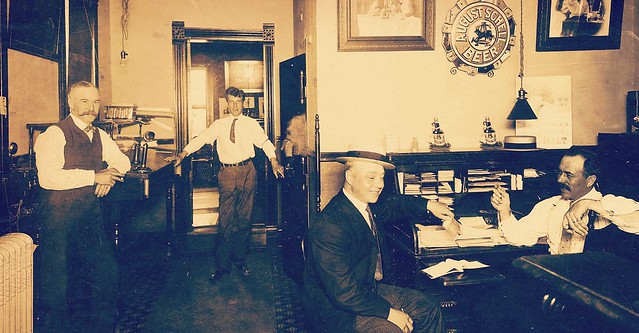
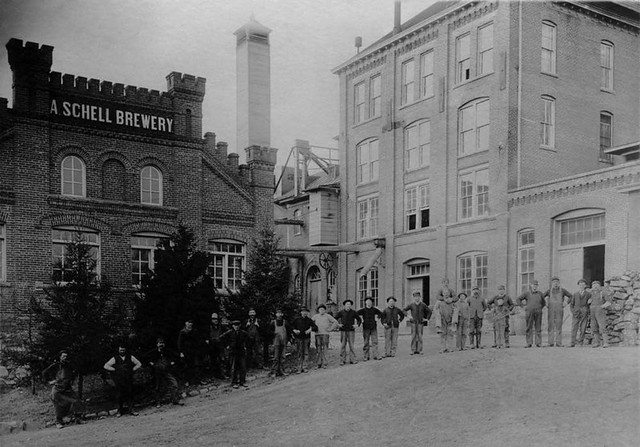
august-schell
Today is the birthday of George Marti (May 4, 1856-March 22, 1934). He was the husband of Emma Schell, whose father August Schell started the Schell’s Brewery in 1860 in New Ulm, Minnesota. Schell’s Brewery is still in business today, and is still owned by the family who started it. “It is the second oldest family-owned brewery in America (after D. G. Yuengling & Son) and became the oldest and largest brewery in Minnesota when the company bought the Grain Belt rights in 2002.” A pharmacist by trade, when August’s son Otto, who had been running the brewery after his father died, also died suddenly in 1911, George stepped up and became the manager and president of the brewery. He thought it would be temporary, but he remained at the brewery for the rest of his life, and in 1934 when he passed away, his son Alfred Marti took over for him.

georgemarti

This portion of a history of the August Schell Brewery, from Funding Universe, mentions George Marti and his role in the company:

In 1878 August Schell turned over daily operations to his sons Adolph and Otto, but remained as chief executive of the company. Adolph managed the business, and Otto, who had spent time studying brewing in Germany, became brewmaster. Later, after Adolph moved out of state, Otto and his brother-in-law George Marti partnered to operate the brewery. Back in those days the beer was delivered to bars by horse-drawn wagon in oak barrels. When trucks were used in later years, Schell even delivered to people’s homes.

In 1885, August and Theresa Schell built the Schell mansion and had the brewery property beautifully landscaped with gardens and a deer park. The picturesque landscaping still encompasses the brewery complex today, more than 100 years later. Their attention to detail earned the mansion and grounds a spot on the National Register of Historic Sites.

Sometime before he died, August Schell commissioned a Copper brew kettle for the brewery, which held 3,520 gallons of beer. It cost $25,000. At the time copper was the best metal to use in the brewing process. It helped brewers avoid problems due to the acidic content of wort and beer.

August Schell died in 1891, leaving the brewery to his wife. His youngest son Otto was the manager. The family incorporated August Schell Brewing Company in 1902, with Otto serving as president, Theresa as vice-president, and George Marti as secretary-treasurer. In 1911, Otto died suddenly. Theresa died just four months later, leaving George Marti to run the brewery.

The brewery continued to flourish under George Marti’s leadership until Prohibition was signed into law in 1919. Prohibition laws banned the manufacture, sale, and transportation of alcoholic beverages in the United States. Wisely, Marti responded by shifting the brewery’s production to “near beer,” soft drinks, and candy. When Prohibition laws were finally repealed in 1933, Schell’s brewery easily made the transition back to brewing malt beverages. The brewery was fortunate; during that time period, approximately 1,300 breweries in the country went out of business.

The next generation, represented by Alfred Marti, took over brewery management in 1934 after George Marti passed away. The younger Marti added entertainment to the brewery’s local allure by establishing the Schell’s Hobo Band, which still performs in the community today. In 1969, Alfred Marti retired, passing on leadership to his son Warren.

schells-george-marti
I’m pretty sure on of these men is George when he was younger, though I’m not sure if it’s the one on the far left or far right.

And this short paragraph mentioning George is from Immigrant Entrepreneurship:

When Otto Schell incorporated the August Schell Brewing Company in October of 1902 at $300,000 ($8,090,000 in 2011 dollars), he established a tradition of appointing only family members to the board of directors. The original board of directors listed Otto Schell as president, Theresa Schell, his mother and the wife of founder August Schell, as vice-president, and George Marti as secretary and treasurer. When Otto Schell died at the age of 48 in 1911, George Marti, August Schell’s son-in-law, took over as president of the August Schell Brewing Company. Operation of the company has remained within the Marti family ever since.

Schell-brewery-1879

Schells-Deer-Brand-Beer--Labels-August-Schell-Brewing-Company
georgemarti

Filed Under: Birthdays, Breweries, Just For Fun Tagged With: History, Minnesota

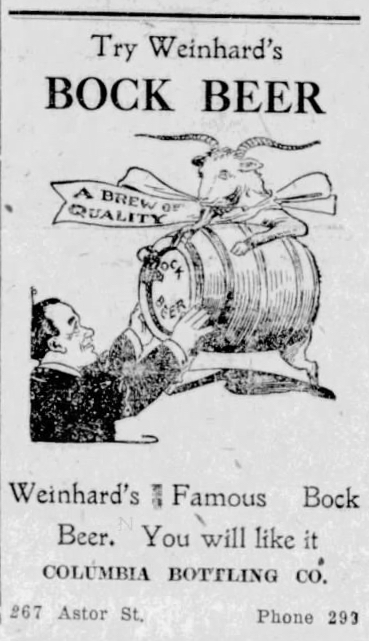
Beer In Ads #4958: Weinhard’s Bock Beer

May 3, 2025 By Jay Brooks

Last year I decided to concentrate on Bock ads. Bock, of course, may have originated in Germany, in the town of Einbeck. Because many 19th century American breweries were founded by German immigrants, they offered a bock at certain times of the year, be it Spring, Easter, Lent, Christmas, or what have you. In a sense they were some of the first seasonal beers. “The style was later adopted in Bavaria by Munich brewers in the 17th century. Due to their Bavarian accent, citizens of Munich pronounced ‘Einbeck’ as ‘ein Bock’ (a billy goat), and thus the beer became known as ‘Bock.’ A goat often appears on bottle labels.” And presumably because they were special releases, many breweries went all out promoting them with beautiful artwork on posters and other advertising.

Saturday’s ad is for Renner & Weber Bock Beer and was published May 3, 1915. The brewery was the Henry Weinhard Brewing Co. of Portland, Oregon, which was originally founded in 1856. This ad ran in The Astoria Evening Budget, of Astoria, Oregon.

Filed Under: Art & Beer, Beers, Breweries, Just For Fun Tagged With: Advertising, Bock, History, Oregon, Portland

Beer In Ads #4957: I Boom Mansfield Bock Beer

May 2, 2025 By Jay Brooks

Last year I decided to concentrate on Bock ads. Bock, of course, may have originated in Germany, in the town of Einbeck. Because many 19th century American breweries were founded by German immigrants, they offered a bock at certain times of the year, be it Spring, Easter, Lent, Christmas, or what have you. In a sense they were some of the first seasonal beers. “The style was later adopted in Bavaria by Munich brewers in the 17th century. Due to their Bavarian accent, citizens of Munich pronounced ‘Einbeck’ as ‘ein Bock’ (a billy goat), and thus the beer became known as ‘Bock.’ A goat often appears on bottle labels.” And presumably because they were special releases, many breweries went all out promoting them with beautiful artwork on posters and other advertising.

Friday’s ad is for Renner & Weber Bock Beer and was published May 2, 1912. The brewery was the Renner & Weber Brewing Co. of Mansfield, Ohio, which was originally founded in 1855. This ad ran in The News Journal, also of Mansfield, Ohio. I’m still not entirely sure about what the text means above the photo of the brewery, which reads: “I Am Glad to See This Building in Mansfield. I Boom Mansfield by Drinking Mansfield Beer.”

Filed Under: Art & Beer, Beers, Breweries, Just For Fun Tagged With: Advertising, Bock, History, Ohio

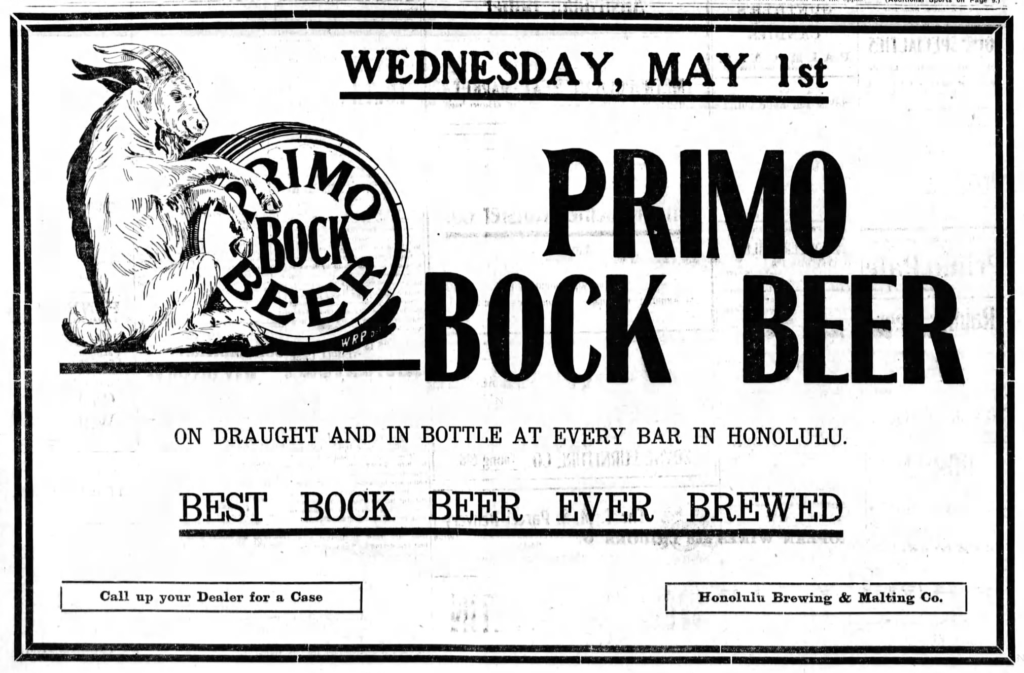
Beer In Ads #4956: Primo Bock Beer

May 1, 2025 By Jay Brooks

Last year I decided to concentrate on Bock ads. Bock, of course, may have originated in Germany, in the town of Einbeck. Because many 19th century American breweries were founded by German immigrants, they offered a bock at certain times of the year, be it Spring, Easter, Lent, Christmas, or what have you. In a sense they were some of the first seasonal beers. “The style was later adopted in Bavaria by Munich brewers in the 17th century. Due to their Bavarian accent, citizens of Munich pronounced ‘Einbeck’ as ‘ein Bock’ (a billy goat), and thus the beer became known as ‘Bock.’ A goat often appears on bottle labels.” And presumably because they were special releases, many breweries went all out promoting them with beautiful artwork on posters and other advertising.

Thursday’s ad is for Primo Bock Beer and was published May 1, 1912. The brewery was the Primo Brewing & Malting Co. of Honolulu, Hawai’i, which was originally founded in 1897. This ad ran in The Honolulu Star Bulletin, also of Honolulu, Hawai’i.

Filed Under: Art & Beer, Beers, Breweries, Just For Fun Tagged With: Advertising, Bock, Hawaii, History

Historic Beer Birthday: Frederick H. Krug

May 1, 2025 By Jay Brooks

krug-neb
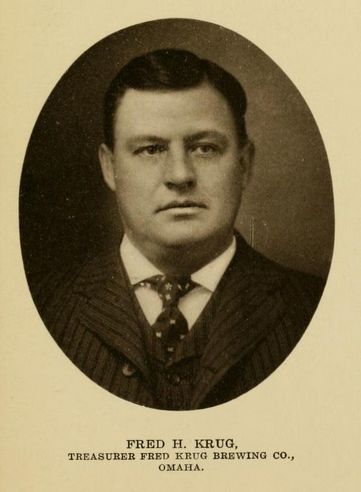
Today is the birthday of Frederick H. Krug (May 1, 1870-1914). He was the son of Frederick Krug, who was the “German-immigrant founder of the Frederick Krug Brewing Company of Omaha, Nebraska. Krug is often cited as one of the early settlers of Omaha. In addition to operating the brewery for almost the entire duration of his life, Krug operated Krug Park in the Benson community and was the president of the Home Fire Insurance Company, which was founded in Omaha in 1884.” His son was involved in the business, and was treasurer, but passed away when he was only 44, five years before his father passed away.

Probably because he passed away so young and his contributions to the brewery were relatively modest, there’s no biographical information I could find on junior, not even the exact date he died.

fred-h-krug

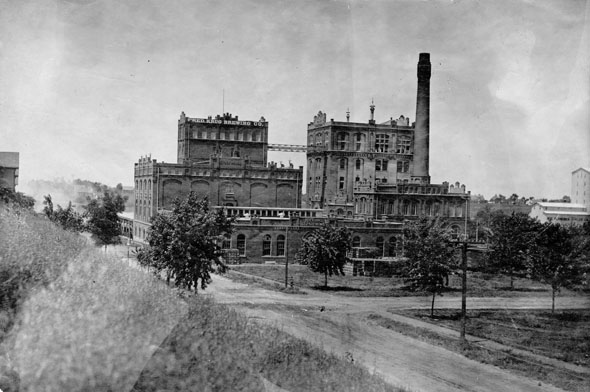
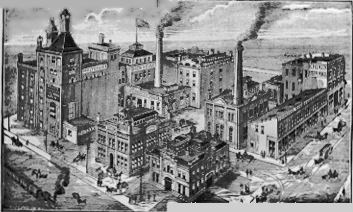
“The Fred Krug Brewery was located at 2435 Deer Park Boulevard in Omaha, Nebraska. Founded in 1859, Krug Brewery was the first brewery in the city. Krug was one of the “Big 4” brewers located in Omaha, which also included the Storz, Willow Springs and Metz breweries. Later sold to Falstaff in 1936, the facility closed in 1987.

Krug-Brewery-1920
The brewery in 1920.

Krug-Brewery-sm
And in its heyday.
This is a short history of the brewery.

In 1859 Frederick Krug established the Krug Brewery with an original output of one and a half barrels a day. In 1878 the brewery was located on Farnam between 10th & 11th Streets in Downtown Omaha, and by 1880 it was brewing approximately 25,000 barrels a year. In 1894 the brewery moved to 29th & Vinton Street near South Omaha. It cost $750,000 and was reportedly one of the best equipped breweries in the country. Omaha’s historic Anheuser-Busch Beer Depot is the only remaining building from the original Krug Brewery.

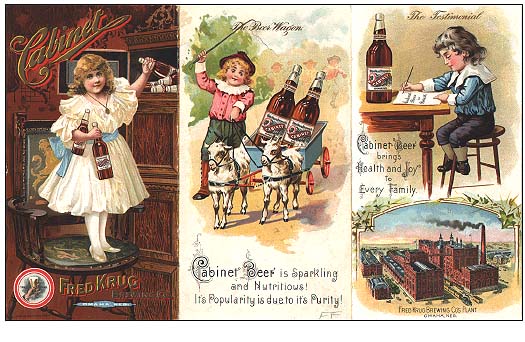
You wouldn’t believe there was such difference in beers until you use one Krug’s popular brands. They are uniform perfectly brewed and well-aged absolutely pure and leave no bad after effects. The kind of beer that acts as a tonic and a system builder. Order a trial case and begin to enjoy. – Text from a 1910 advertisement by Fred Krug Brewing Company.

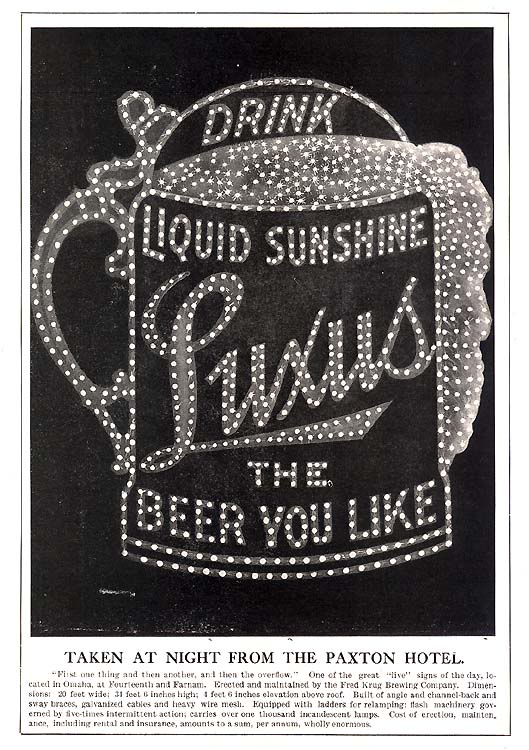
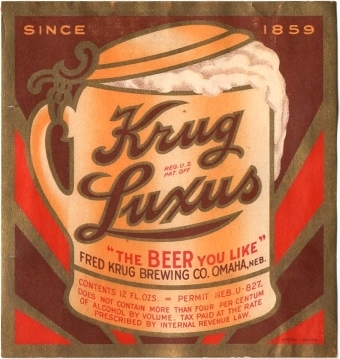
Krug brewed beer under several labels: Fred Krug, Cabinet, and Luxus. Krug supported an amateur baseball team called Luxus, taking them as far as the Amateur Baseball World Championship in 1915.

PaxtonHotel

Krug-Luxus-Beer--Labels-Fred-Krug-Brewing-Company

krug1

Filed Under: Birthdays, Breweries, Just For Fun Tagged With: History, Nebraska

Historic Beer Birthday: Jacob Best

May 1, 2025 By Jay Brooks

jacob-best
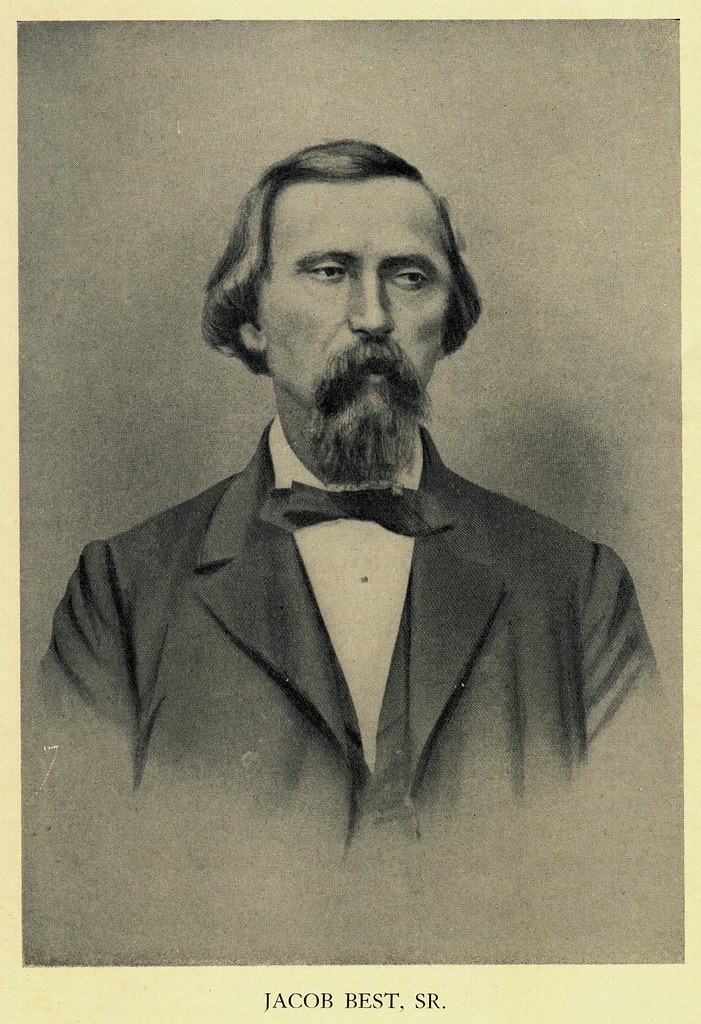
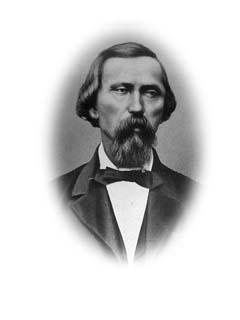
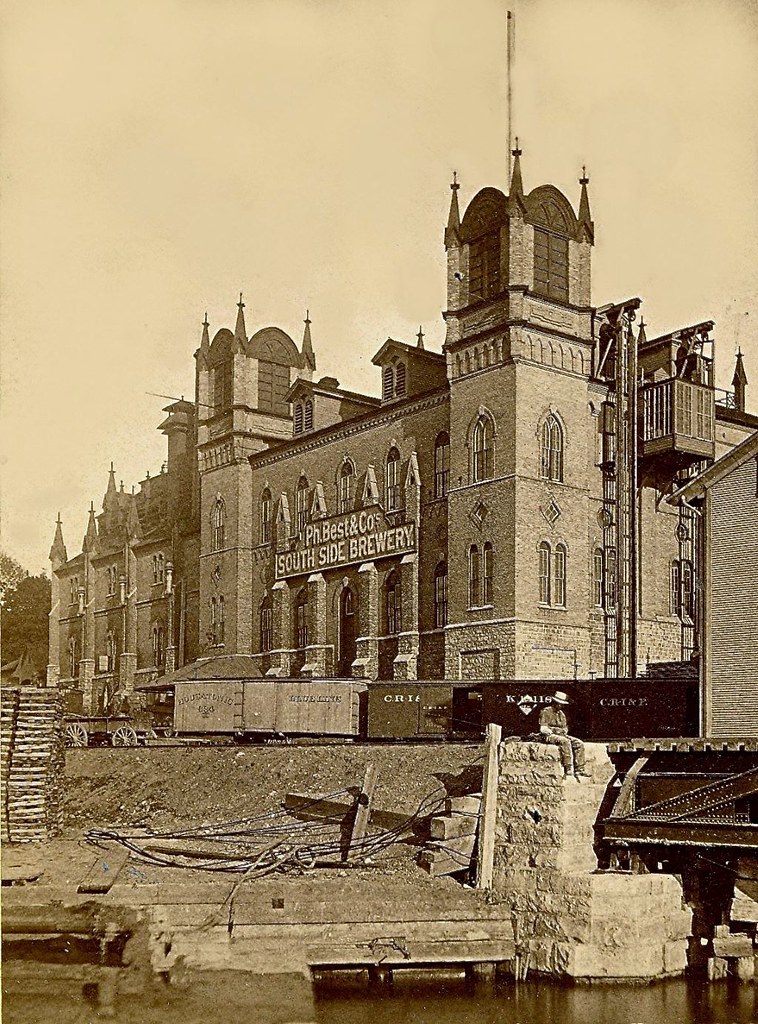
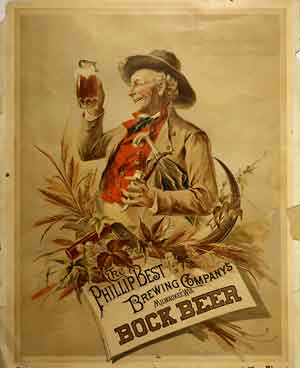
Today is the birthday of Jacob Best (May 1, 1786-February 26, 1861). Best founded the brewery that eventually became Pabst Brewing Co., with his four sons in 1844. The Best family’s business was originally called “The Empire Brewery,” and then as the “Jacob Best & Sons Brewery” until 1859 when Phillip Best took over the firm and renamed it the “Phillip Best Brewing Company.” Upon Phillip’s retirement Frederick Pabst and Emil Schandein became the company’s president and vice-president in the mid-1860s and the brewery’s name was amended to Phillip Best & Company. After Schandein died, the company was renamed the Pabst Brewing Company in 1889.

jacob-best-sr

Here’s a short biography from Find a Grave:

Business Magnate. Jacob Best learned the brewer’s trade in his hometown of Hesse Darnstadt, Germany, and then moved on to operate a small brewery in Mattenheim. In 1840, two of Best’s four sons immigrated to America, settling in the Kilbourntown section of Milwaukee. They were joined by Jacob Best, his two younger sons and other family members in 1844. With his sons, Jacob Best opened the Empire Brewery producing lager beer, whiskey and vinegar. As demand increased of light lager beer, the firm changed its name to Best & Company. Retiring in 1853, Jacob Best transferred ownership to Lorenz and Phillip. After 1860, Phillip assumed sole control of the brewery which became the Pabst Brewing Company. While retired, Jacob Best held local political offices, first as a ward assessor and the school commissioner. He remained active until his death.

jacob-best

Immigrant Entrepreneurship has a lengthy article about the Bests, centered around Frederick Pabst, but with background that includes Jacob Best:

In 1844, Phillip Best (born September 26, 1814, in Mettenheim, Grand Duchy of Hesse; died July 17, 1869, in Altenglan, Kingdom of Bavaria), together with his father and three brothers, opened the Jacob Best & Sons Brewery in Milwaukee, Wisconsin. Twenty years later, Phillip’s son-in-law Frederick Pabst (born March 28, 1836, in Nikolausrieth, Kingdom of Prussia; died January 1, 1904, in Milwaukee, Wisconsin) joined the company and helped to transform it into the nation’s leading beer producer – first in 1874 and then again in 1879, a position that was maintained until the turn of the twentieth century. As the company’s president, the former ship captain led the firm through a remarkable period of growth and the Pabst Brewing Company (as it came to be called from 1889 onwards) became the epitome of a successful national shipping brewery. Pabst not only contributed to the firm’s (and Milwaukee’s) economic growth, he also left a permanent cultural and social mark both on the German-American community and on the public at large. A decade after the height of his success, Pabst died on New Year’s Eve of 1904, passing on his commercial and cultural legacy to his sons.

The Best family’s relocation from Mettenheim to Milwaukee went relatively smoothly. After spending a few weeks in the summer of 1844 looking for a suitable location, Jacob Sr. purchased two lots on Chestnut Street (today West Juneau Avenue) on September 10 and founded the Empire Brewery. Jacob Sr.’s sons, Charles and Lorenz, soon went on to establish independent brewing ventures, so Jacob Sr. formed a new partnership with his other two sons, Phillip and Jacob Jr., in 1851, which stayed in place until Jacob Sr. retired two years later. After several arguments about the expansion of the firm, Jacob Jr. sold out to Phillip on October 1, 1859, who continued the business as its sole proprietor under the name of the Phillip Best Brewing Company.

In its inaugural year, the Best brewery produced 300 barrels (one barrel equaling 31 US gallons). The firm initially produced ale and porter, but added German-style lager on February 22, 1845. In 1847, Phillip reported in a letter to his wife’s family that the business was developing well and selling 28-30 barrels of beer weekly for $4.50 per barrel ($5 if delivered). The brewery owned three horses for the malt grinding mill, as well as for deliveries in the city and county, and planned to buy another. By 1850, the company’s 2,500-barrel annual production classified it as a medium-sized producer, ranking fourth out of the twelve largest reported breweries in Wisconsin.

As production increased, the company acquired and built new facilities. In 1850, the family purchased a lot on Market Street between Biddle and Martin Streets (today East Kilbourn Avenue and East State Street). Five years later, the company built a new brick house on Market Street with a beer hall on the ground floor, and in 1857 it erected a new main brewery on the north side of Chestnut Street between Ninth and Tenth Streets with large storage cellars. The Milwaukee Sentinel reported on October 9, 1857, that the brewery had the “deepest cellars in the city” and it may be seen from almost any part of the city. The building is a fine looking one, and were it not for a life-sized figure of a sturdy Teuton which is perched on top, in the act of sipping a glass of lager, one would never suspect its being a brewery. It has much more the appearance of a public building of some sort.

The article went on to explain that demand for Best beer was not only “constantly increasing” locally but also across the whole nation: “Everybody has tasted Best’s beer, and it’s very generally acknowledged to be the best in the country.” Although the article certainly exaggerated the national impact of Best’s beer at mid-century, the company had begun to sell their brands outside Wisconsin in the early 1850s when it established a sales office in Chicago, Illinois. While Milwaukee and the surrounding region provided the main market for Best products throughout the second half of the nineteenth century, this early effort to serve the national and – beginning in the 1860s – international market was a distinctive feature of the company’s development.

Best’s production and profits increased during the nationwide economic boom of the 1850s, but the panic of 1857 and the economic disruption of the Civil War slowed the firm’s growth rate. At the height of its early prosperity in 1857, the brewery employed steam power to produce nearly 40,000 barrels a year and was valued at $50,000 (approximately $1.4 million in 2014$). It employed eight men and used ten horses for delivery. Not until after the Civil War would these production levels be reached again. But as the expansion of the family business began to stall, Phillip made his two sons-in-law, Frederick Pabst and Emil Schandein, equal partners in 1864 and 1866 – a decision which turned out to have a lasting impact on the future development of the company.

philip-best-brewery-1880
The Best’s brewery in 1880, a few years after Jacob died and it became the Philip Best Brewing Co.

philip-best-bock

Filed Under: Birthdays, Just For Fun Tagged With: Germany, History, Wisconsin

« Previous Page
Next Page »

Find Something

Northern California Breweries

Please consider purchasing my latest book, California Breweries North, available from Amazon, or ask for it at your local bookstore.

Recent Comments

  • Bob Paolino on Beer Birthday: Grant Johnston
  • Gambrinus on Historic Beer Birthday: A.J. Houghton
  • Ernie Dewing on Historic Beer Birthday: Charles William Bergner 
  • Steve 'Pudgy' De Rose on Historic Beer Birthday: Jacob Schmidt
  • Jay Brooks on Beer Birthday: Bill Owens

Recent Posts

  • Beer In Ads #5138: Flower City Bock Beer March 1, 2026
  • Historic Beer Birthday: Danny Williams March 1, 2026
  • Historic Beer Birthday: Charles Weyand March 1, 2026
  • Beer In Ads #5137: Bock Is Back… Look For It March 1st February 28, 2026
  • Historic Beer Birthday: John Holme Ballantine February 28, 2026

BBB Archives

Feedback

Head Quarter
This site is hosted and maintained by H25Q.dev. Any questions or comments for the webmaster can be directed here.