Brookston Beer Bulletin

Jay R. Brooks on Beer

  • Home
  • About
  • Editorial
  • Birthdays
  • Art & Beer

Socialize

  • Dribbble
  • Email
  • Facebook
  • Flickr
  • GitHub
  • Instagram
  • LinkedIn
  • Pinterest
  • RSS
  • Twitter
  • YouTube

Powered by Genesis

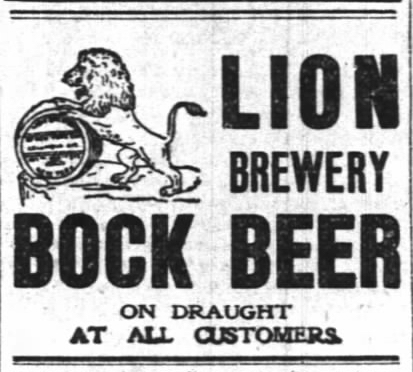
Beer In Ads #5042: Lion Brewery Bock Beer

August 3, 2025 By Jay Brooks

Last year I decided to concentrate on Bock ads. Bock, of course, may have originated in Germany, in the town of Einbeck. Because many 19th century American breweries were founded by German immigrants, they offered a bock at certain times of the year, be it Spring, Easter, Lent, Christmas, or what have you. In a sense they were some of the first seasonal beers. “The style was later adopted in Bavaria by Munich brewers in the 17th century. Due to their Bavarian accent, citizens of Munich pronounced ‘Einbeck’ as ‘ein Bock’ (a billy goat), and thus the beer became known as ‘Bock.’ A goat often appears on bottle labels.” And presumably because they were special releases, many breweries went all out promoting them with beautiful artwork on posters and other advertising.

Sunday’s ad is for Lion Bock Beer, which was published in 1906. This one was for the Lion Brewery of New York, New York, which was originally founded in 1857. This ad ran in The New York Times, also of New York.
Filed Under: Art & Beer, Beers, Breweries, Just For Fun Tagged With: Advertising, Bock, History, New York, New York Times

Beer In Ads #5041: Schaefer Bock Beer

August 2, 2025 By Jay Brooks

Last year I decided to concentrate on Bock ads. Bock, of course, may have originated in Germany, in the town of Einbeck. Because many 19th century American breweries were founded by German immigrants, they offered a bock at certain times of the year, be it Spring, Easter, Lent, Christmas, or what have you. In a sense they were some of the first seasonal beers. “The style was later adopted in Bavaria by Munich brewers in the 17th century. Due to their Bavarian accent, citizens of Munich pronounced ‘Einbeck’ as ‘ein Bock’ (a billy goat), and thus the beer became known as ‘Bock.’ A goat often appears on bottle labels.” And presumably because they were special releases, many breweries went all out promoting them with beautiful artwork on posters and other advertising.

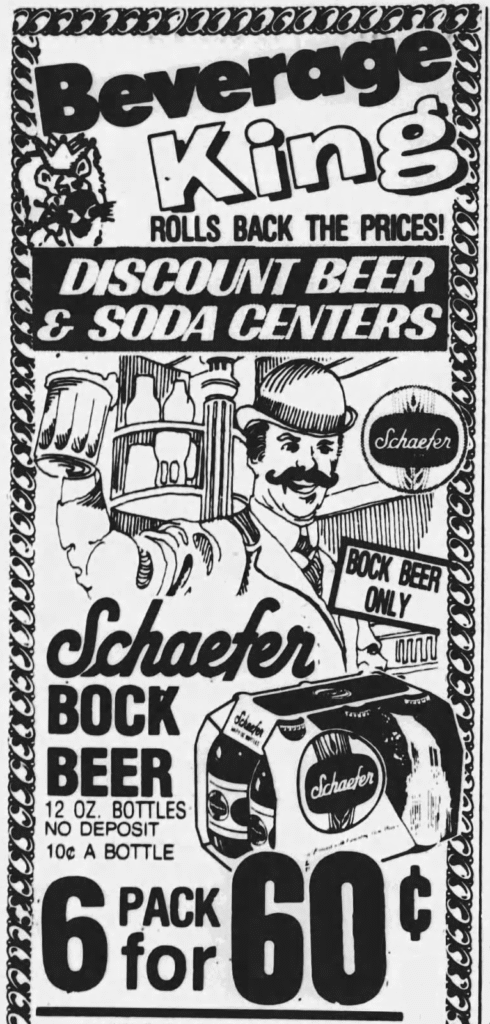
Saturday’s ad is for Schaefer Bock Beer, which was published on August 2, 1979. This one was for the F. & M. Schaefer Brewing Co. of New York, New York, which was originally founded in 1842. This ad ran in The Journal-News, also of New York, though it covered the Lower Hudson Valley area.

Filed Under: Art & Beer, Beers, Breweries, Just For Fun Tagged With: Advertising, Bock, History, New York

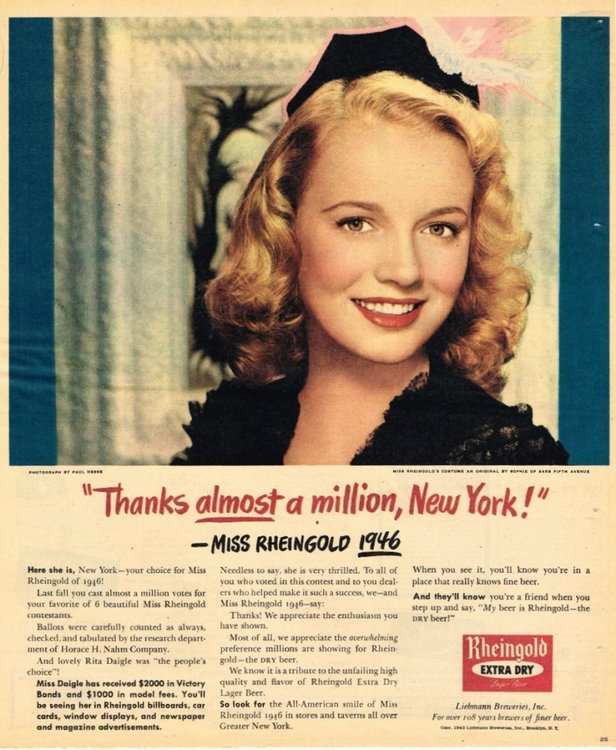
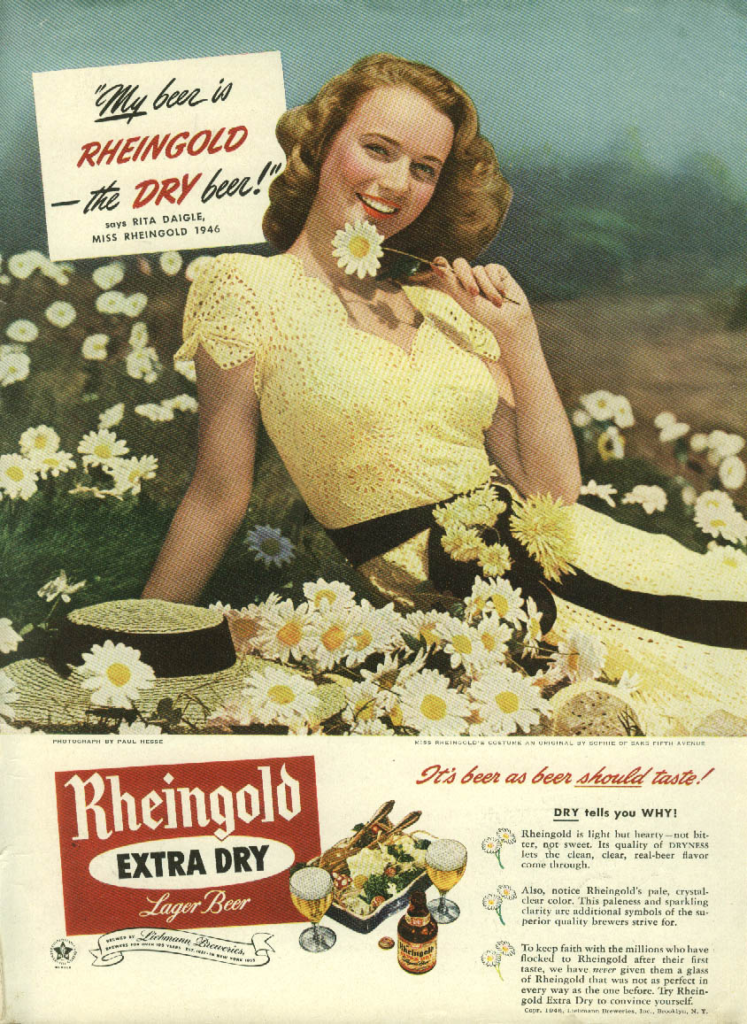
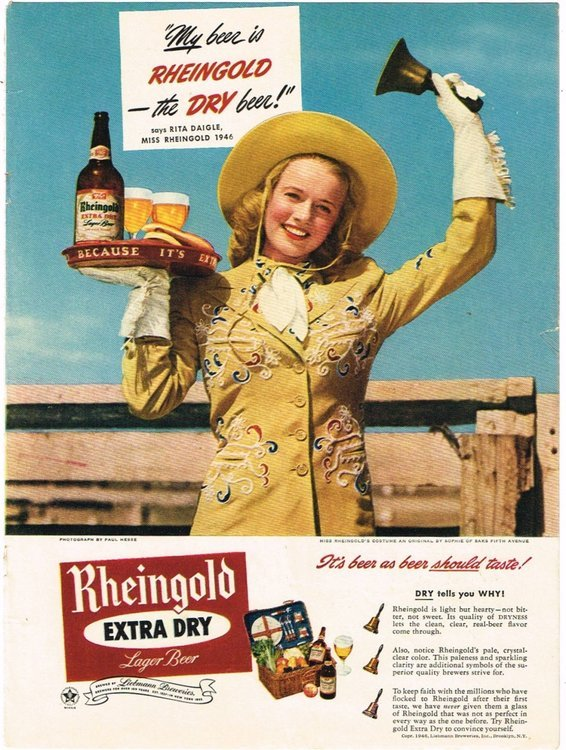
Historic Beer Birthday: Rita Daigle

July 31, 2025 By Jay Brooks

Today is the birthday of Rita Daigle McGrover (July 31, 1927-February 9, 1974). Daigle was elected Miss Rheingold 1946. She was born in New York, and started modeling when was seventeen (lying about her age). She was also Miss Stardust of 1944 and Queen of the 1945 Photographers Ball. The same December she was crown Miss Rheingold, she married a well-known singer, Jimmy Saunders, who sang with Harry James, among others, and co-wrote songs with Frank Sinatra. Her modeling career both before and after 1946 was fairly robust, with her appearing on the cover of such magazines as Cosmopolitan, Life and Vogue. She later married lawyer Raymond J. McGrover, who was also president of the American Contract Bridge League. She had two children.

Here’s more about her from Those Obscure Objects of Desire:

Rita Daigle was born on July 31, 1927 in New York City, to Raymond and Alice Daigle. Her father, who worked as an assistant manager in a hotel, was born in Massachusetts. Her mother was French-Canadian, a housewife. She was their only child.

The family lived in Manhattan with a lodger in 1930. Rita attended high school in New York and developed an interest in modeling from an early age, picking this vocation as her road to fame and riches.

Rita signed with the Walter Thorton Agency, a premier modeling agency of the time, on par with Conover and John Power Agencies. She was only 16 when she started doing the modeling rounds. Her claim to fame was being crowned Miss Stardust in 1944, beating more than 3000 other pretty hopefuls for the title. This was followed closely by being Queen of New York’s Press Photographers Ball. Riding on a wave of high publicity, she was signed to a movie career in 1945.

CAREER

RitaDaigle4

Let me tell you right of the bat – I haven’t got any credits on Rita. She doesn’t have a page on IMDB, but I know that, unless the papers outright lied about it, Rita signed a contract with Paramount pictures in April 1945. There is a good chance that she, like many young and pretty starlets, never made a movie during their contract period. Also, it’s worth noting that her modeling career was much more lucrative than signing a contract as a starlet. If I were Rita, I would have chosen to return to New Yotk. Anyway, Rita really went back to New York and married by the end fo the year, thus ending any chance of working in Hollywood for the long run (her husband absolutely refused to work on the West coast, and her modeling momentum was slowly melting away).

Later, after her divorce, in about 1952, the papers called her an “actress”, but I couldn’t find any credits from this time (unless she changed her name) so it’s kaput again.

PRIVATE LIFE

In 1944, when the 17-year-old Rita hit the papers, they claimed she was a native of Lowell Massachusetts (not quite right), that she was 19 years old (not quite right), and that she was the sweetheart of Liutenant Emile Bouchard, serving somewhere in England at the time. I guess the part about Bouchard was true, but their relationship ended not long after.

Rita married singer Jimmy Saunders in New York in December 1945. Saunders was born as Vincent LaSpada on June 9, 1920, in Philadelphia, Pennsylvania. He came from a large Italian-American family – the son of Fillipo and Lillian LaSpada, his father was a baker who owned a bakery on the 9th and Cross Street. The family had 13 children, and Vincent had seven sisters (Lucy, Rose, May, Grace, Helen, Carmel, Angelina).

In 1945, Jimmy was in top form, and so was Rita. For instance, in 1946, Rita was crowned Miss Rheingold, a great honour for any model in the 1940s (the very first Miss Rheingold, Jinx Falkenburg, was the only one that had any kind of a acting career). That year, she made about 45, 000$ from her modeling work, making her a pretty well paid woman for that time! Rita appeared in Yank the Army Weekly, Cosmopolian and Vogue (among others). She was nicknamed La Daigle, and played pretty coy with the papers, admitting her father was a innkeeper and refused to say what inn – she also admitted that she rarely drank beer (despite being Miss Rheingold). It was also noted that she met Jimmy while dancing at Pops’ hotel. Cute! Now more about Jimmy’s career. As his obituary on Philly.com notes, he was a popular big band singer of the time:

Jimmy Saunders, also known as Sonny Saunders and for a time as Marco Polo, sang with the bands of Harry James, Eddie Duchin, Ray Bloch, Sonny Kendis and Charlie Spivak. He co-wrote “Peach Tree Street” with Frank Sinatra and recorded such hits as “There Must Be a Way,” “Santa Lucia,” “You Belomg to My Heart,” “I Love You for Sentimental Reasons” and “You Are Too Beautiful.” He also was a featured vocalist on the “Lucky Strike Hit Parade” show.

Aside for their highly successful careers, the LaSpadas had two children, two daughter, together: Diane LaSpada (born on April 15, 1947) and Linda LaSpada (born on December 9, 1948).

However, things in showbiz turn fast. One day a king, the next a pauper. Rita’s career, in a time when models lasted until they were 25, was hampered not only by her age but also by her wish to take care of her children. So, her modeling career was effectively over by 1950. Due to the sharp decline in popularity of big bands, so was Jimmy’s.

RitaDaigle5

The tensions over their failed careers led to the demise of their marriage in 1951. Yet, during the court proceedings more dirty laundry made it’s way to the public. For instance, an article claimed that Saunders filed court papers asking a judge for help “ridding his household of a mother-in-law and a gossipy aunt.”

Rita officially divorced Saunders in 1952 – Jimmy never remarried. Rita marched on. There were rumors she might marry James Cecil when her Florida divorce came through. Nothing doing.

Rita married Raymond J. McGrover, probably in the 1950s. McGrover was born on December 9, 1905, in New York, making his a whole lot older than Rita. While unlike in age with Rita, like her he spent his entire life in New York City, Brooklyn to be exact. He became a noted lawyer and devoted much energy to his favorite pastime, bridge. He married Billie McGrover in 1930, and they had a child. Both Raymond and his wife were passionate bridge players, probably the best in Brooklyn, often winning tournaments. I found that very cute – they had a strong shared interest that probably got them together in the first place. However, they divorced in 1939 in Reno, and Mrs. McGrover charged Raymond with a very non descriptive “cruelty”. McGrover lived alone from then on in Brooklyn. In the 1946-1947 period, he was a member of the steering committee that very much reorganized the American Contact Bridge League.

The ad announcing her victory in late 1945.
From the spring of 1946.
And one more from 1946.

Filed Under: Birthdays, Just For Fun Tagged With: History, New York, Rheingold

Historic Beer Birthday: Sharon Vaughn

July 28, 2025 By Jay Brooks

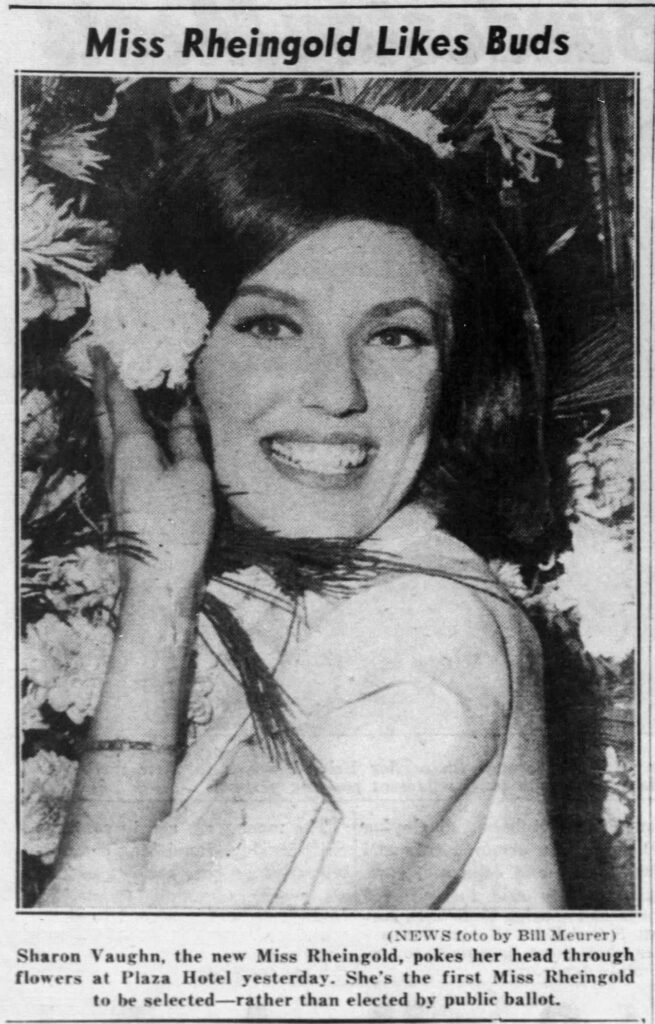
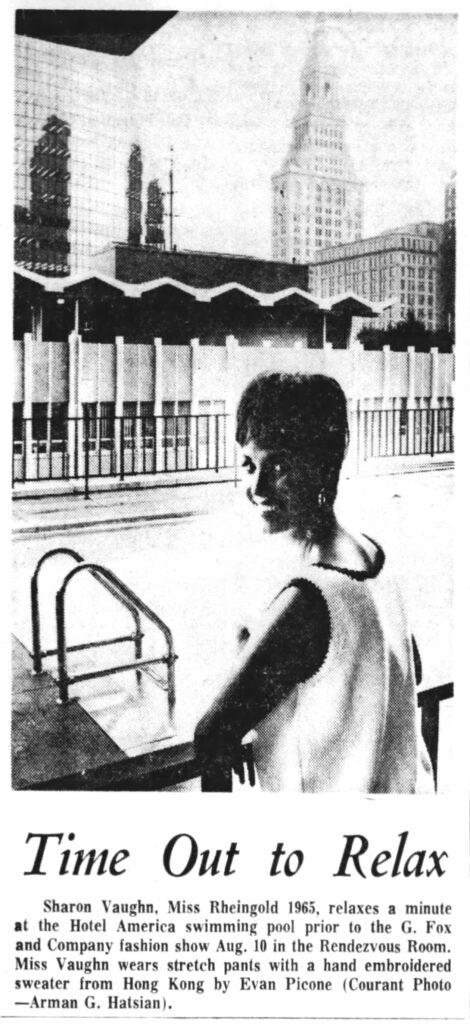
Today is the birthday of Sharon Vaughn (July 28, 1938-December 2023). Her claim to beer fame was being named as Miss Rheingold for 1965, the last Miss Rheingold in the golden era. She was also chosen by the new owners of the brewery rather than through a public vote, which hadn’t been the case since the second year of the contest in 1941. Unfortunately, the new owners didn’t really know what to do with her and she appeared in no ads her year, but instead only made public appearances at events and had fluff pieces written about those appearances. As a result, there’s far less breweriana of her than almost any other Miss Rheingold, which is a shame. She didn’t even appear in print until March of 1965, unlike previous ones who typically were announced the previous September or October.

She was born in Missouri, but moved to Washington state when she was five, and graduated from the University of Washington as a music major. While in college, she became Miss Washington and represented the state at the Miss America Pageant, where she was second runner-up. After college, she moved to New York City and attended Julliard. She began getting small parts in Broadway musicals, but also sang in nightclubs and appeared in television commercials. In 1965, she took a year off to become Miss Rheingold. Afterwards, she was cast in Funny Girl, and also appeared in the film a few years later. While in L.A. for filming she met talent agent Byron Lapin, whom she married. She also did some television, appearing on Bewitched and Get Smart. The couple later moved to St. Louis when he took over his family’s business. She passed away in December of 2023.

In 1968, Vaughn played a villain known as “Wanda” in an episode of “Get Smart” called “The Groovy Guru.“
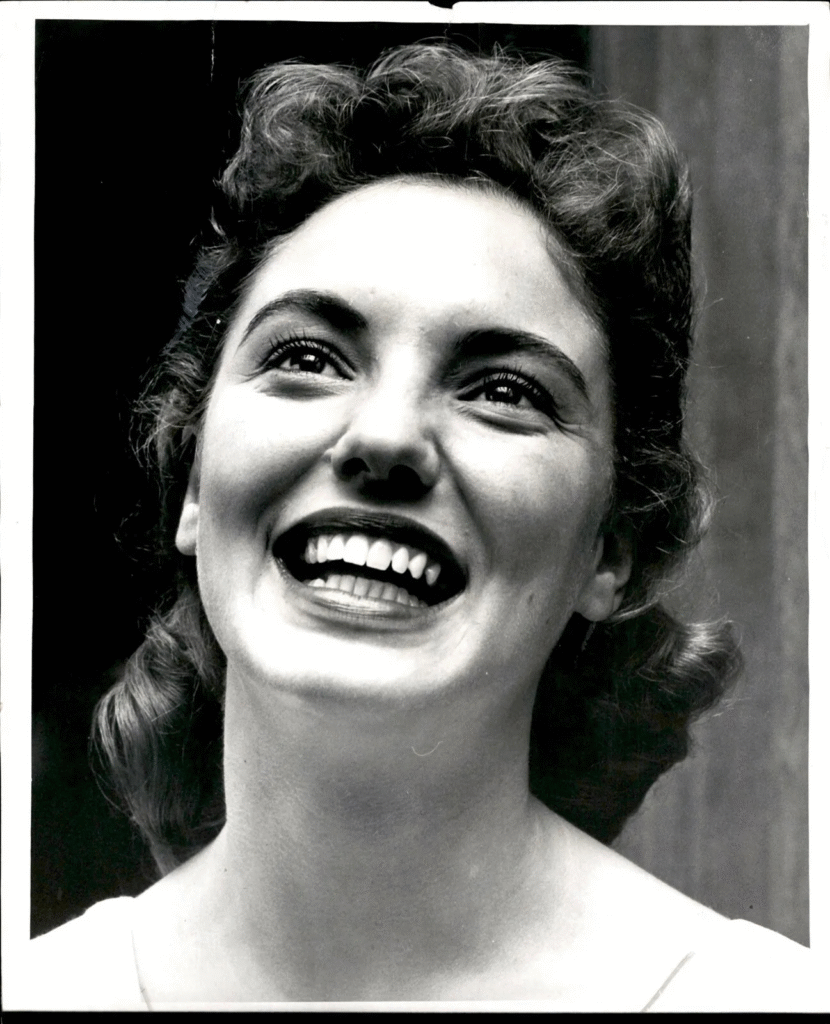
Headshot when she competed in the Miss America pageant as Miss Washington.
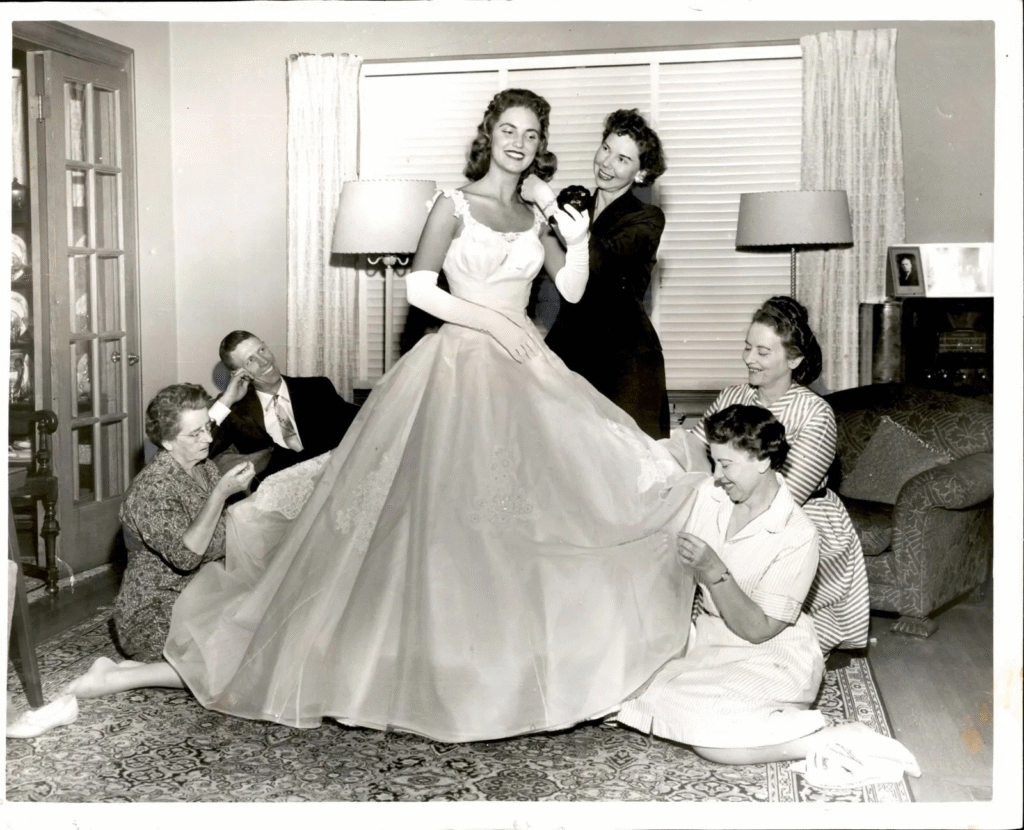
Getting her evening gown ready for the Miss America pageant.

Filed Under: Beers, Birthdays, Breweries, Just For Fun Tagged With: Advertising, History, New York, Rheingold

Beer In Ads #5036: Old Bohemian Bock Beer

July 27, 2025 By Jay Brooks

Last year I decided to concentrate on Bock ads. Bock, of course, may have originated in Germany, in the town of Einbeck. Because many 19th century American breweries were founded by German immigrants, they offered a bock at certain times of the year, be it Spring, Easter, Lent, Christmas, or what have you. In a sense they were some of the first seasonal beers. “The style was later adopted in Bavaria by Munich brewers in the 17th century. Due to their Bavarian accent, citizens of Munich pronounced ‘Einbeck’ as ‘ein Bock’ (a billy goat), and thus the beer became known as ‘Bock.’ A goat often appears on bottle labels.” And presumably because they were special releases, many breweries went all out promoting them with beautiful artwork on posters and other advertising.

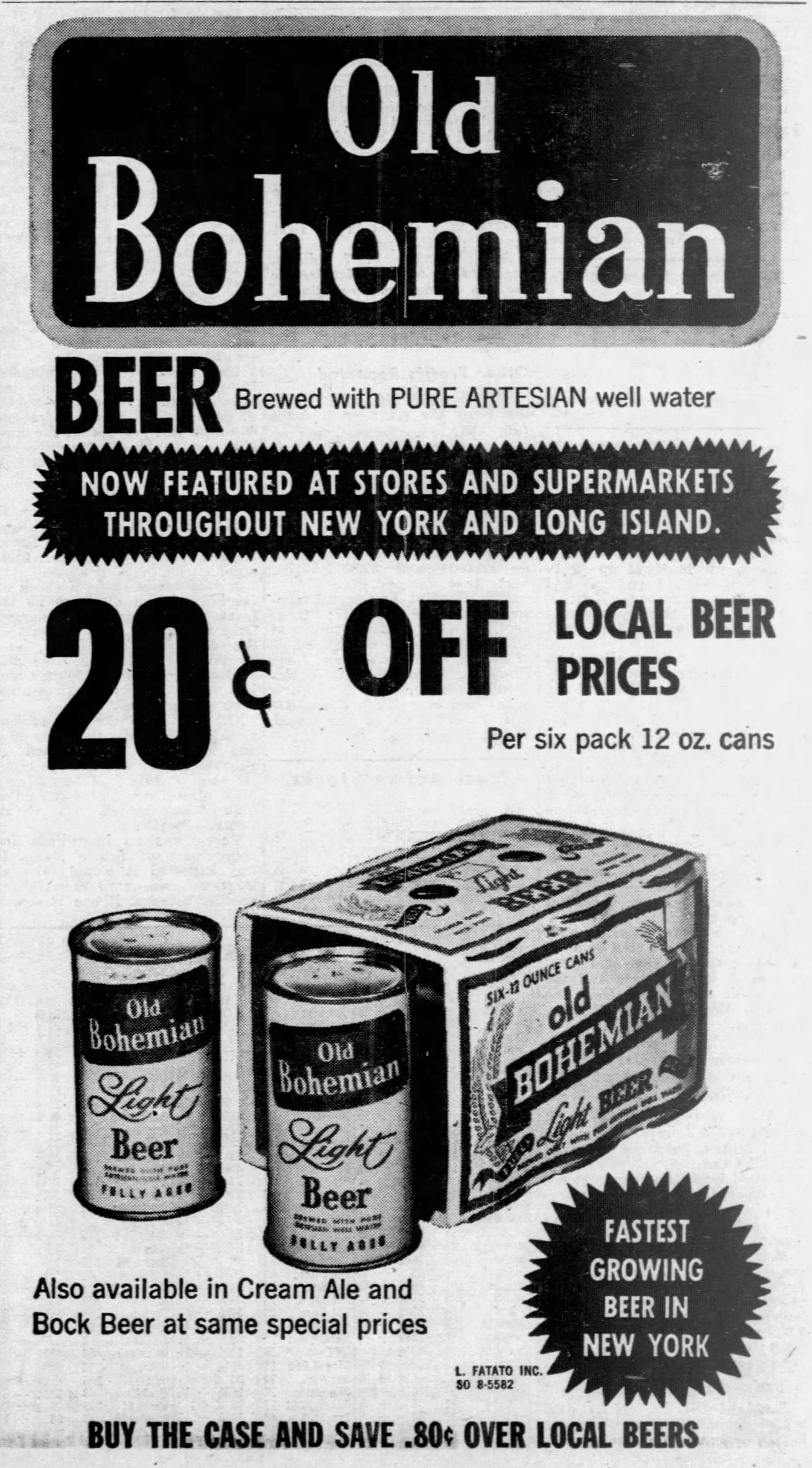
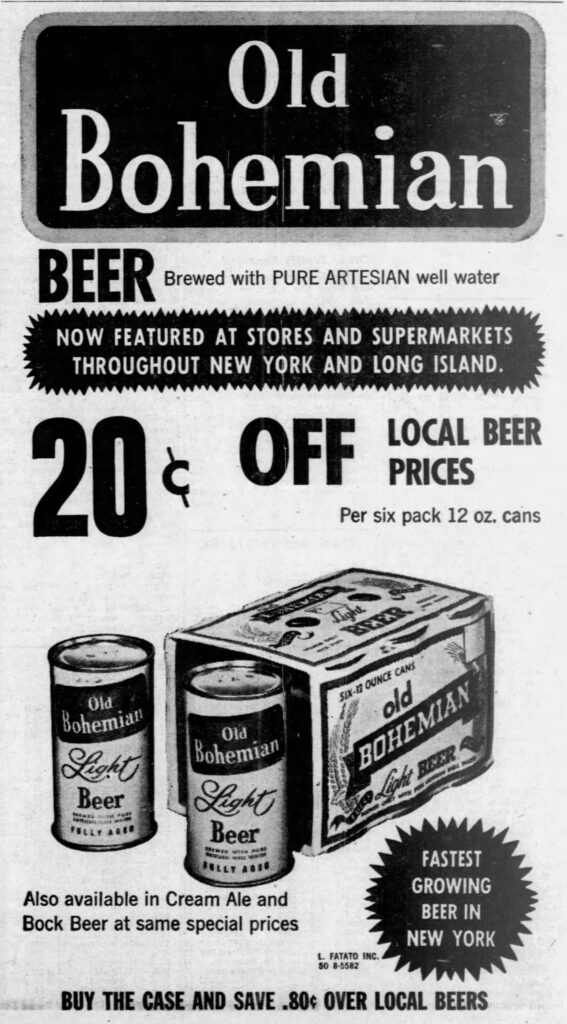
Sunday’s ad is for Old Bohemian Bock Beer, which was published on July 27, 1962. To be fair, it’s primarily advertising their Light Beer, but also mention they have Cream Ale and Bock beer, too. It’s also an interesting advertising strategy, the anti-local but cheaper gambit. This one was for the Eastern Brewing Corp. of Hammonton, New Jersey, which was originally founded out of Prohibition in 1933. This ad ran in the Daily News, of New York, New York.

Filed Under: Art & Beer, Beers, Breweries, Just For Fun Tagged With: Advertising, Bock, History, New Jersey, New York

Beer In Ads #5034: Schaefer Bock Beer

July 25, 2025 By Jay Brooks

Last year I decided to concentrate on Bock ads. Bock, of course, may have originated in Germany, in the town of Einbeck. Because many 19th century American breweries were founded by German immigrants, they offered a bock at certain times of the year, be it Spring, Easter, Lent, Christmas, or what have you. In a sense they were some of the first seasonal beers. “The style was later adopted in Bavaria by Munich brewers in the 17th century. Due to their Bavarian accent, citizens of Munich pronounced ‘Einbeck’ as ‘ein Bock’ (a billy goat), and thus the beer became known as ‘Bock.’ A goat often appears on bottle labels.” And presumably because they were special releases, many breweries went all out promoting them with beautiful artwork on posters and other advertising.

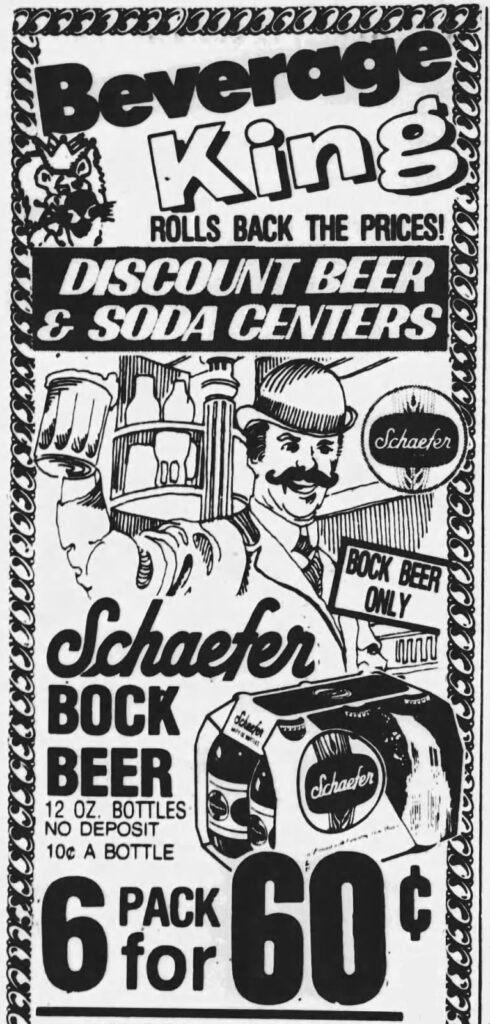
Thursday’s ad is for Schaefer Bock Beer, which was published on July 25, 1979. This one was for the F. & M. Schaefer Brewing Co. of New York, New York, which was originally founded in 1842. This ad ran in Newsday’s Suffolk Edition, also of New York, New York.
Filed Under: Art & Beer, Beers, Breweries, Just For Fun Tagged With: Advertising, Bock, History, New York

Historic Potato Birthday: George Crum

July 22, 2025 By Jay Brooks

chip-50
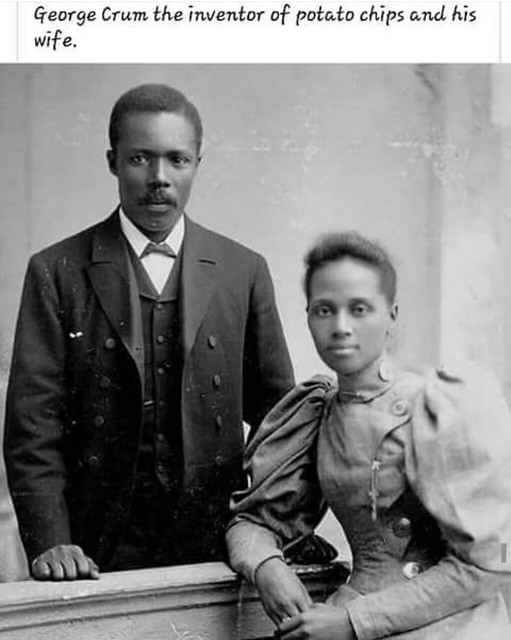
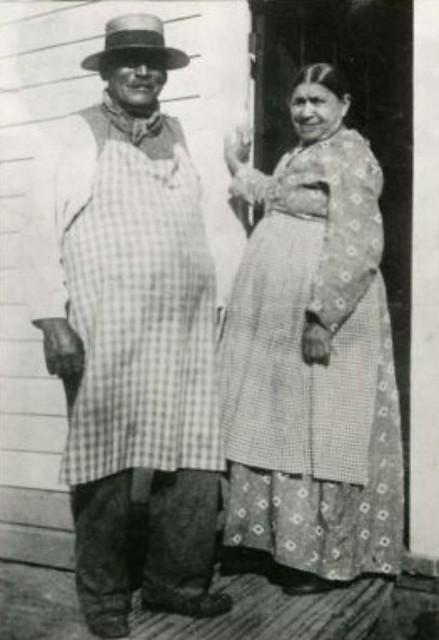
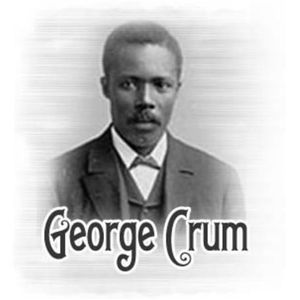
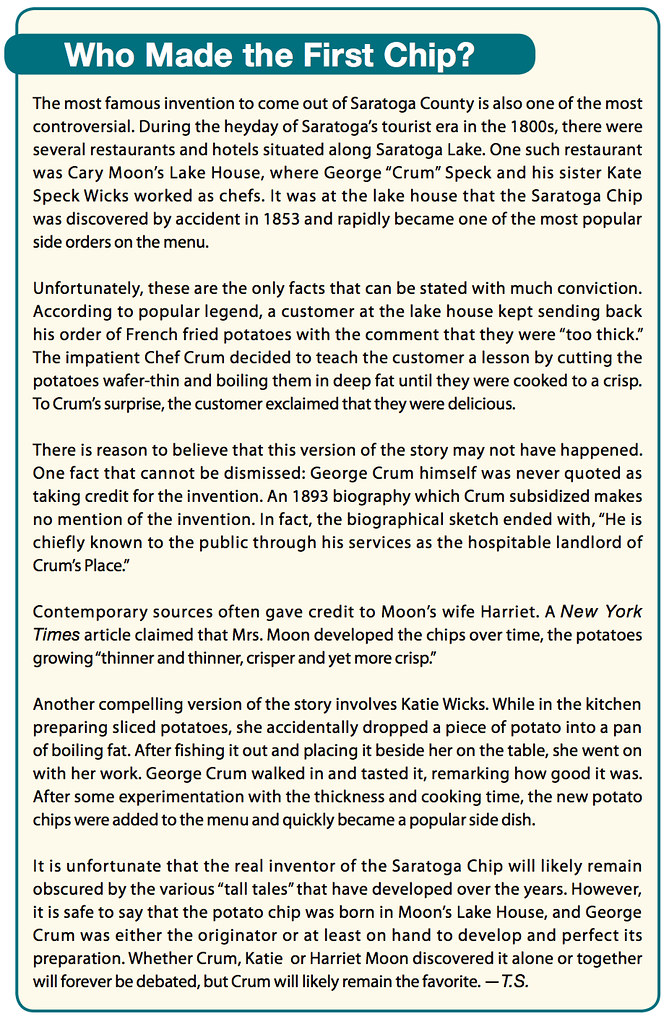
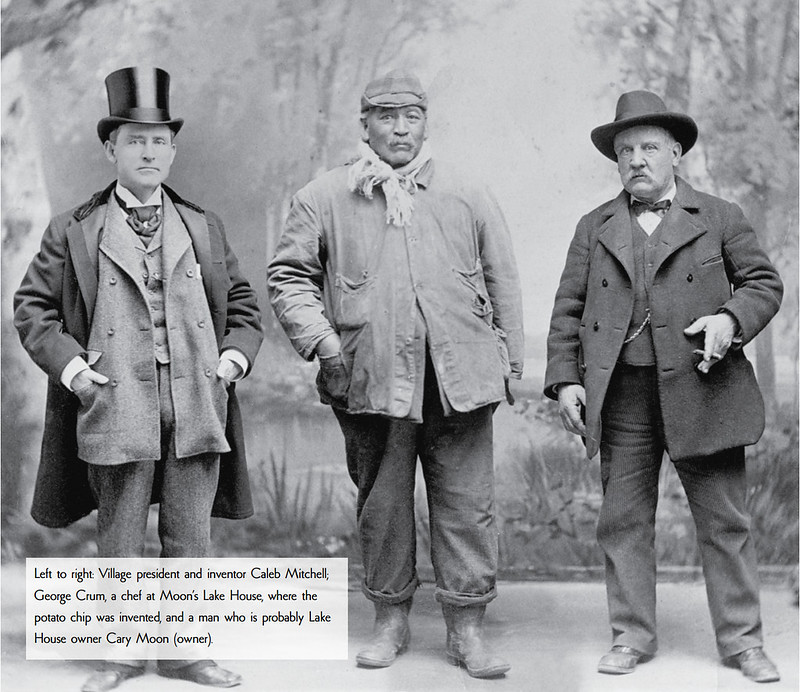
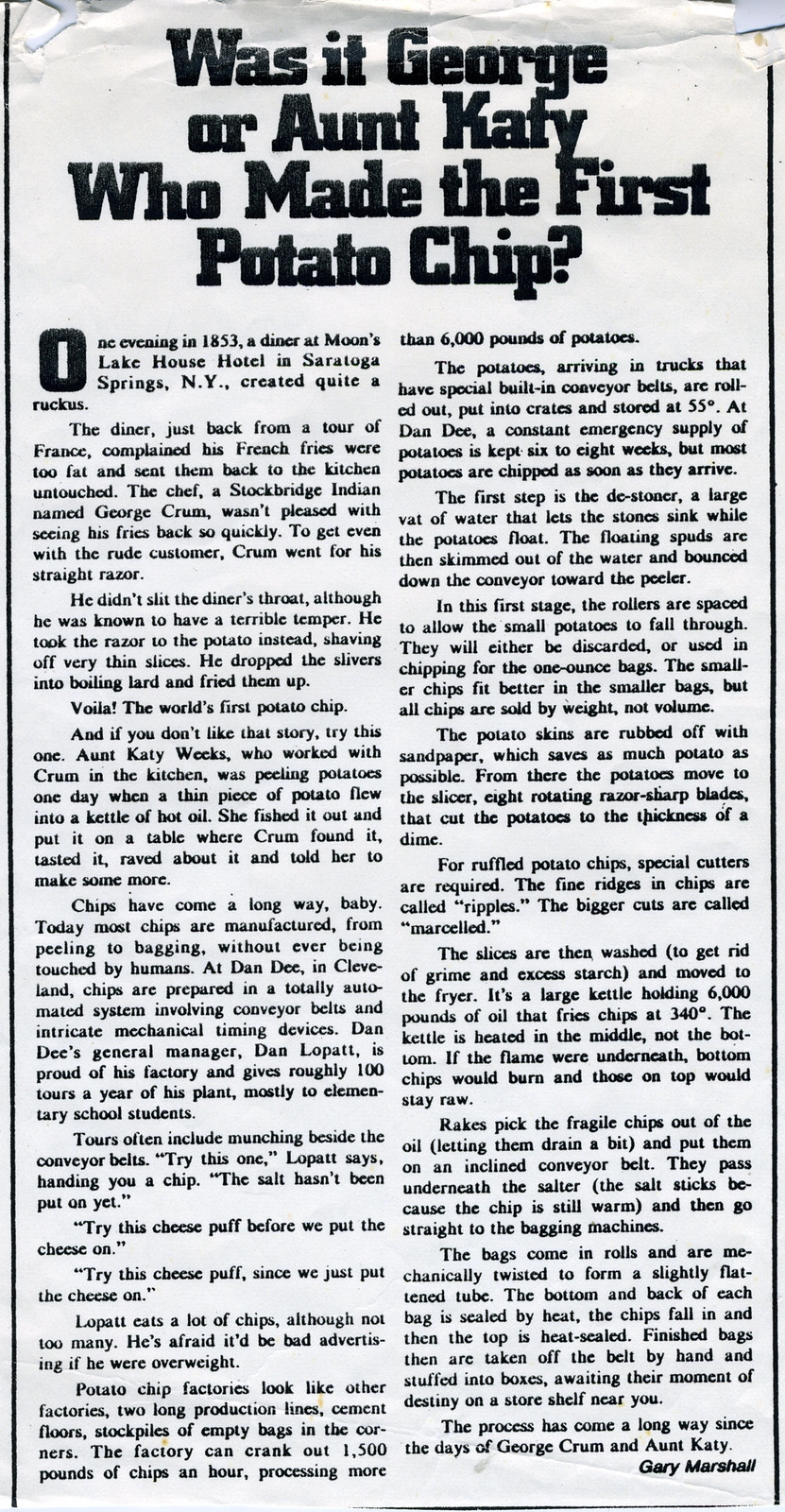
Today is the date that George Crum died in 1914, and is the closest anyone knows about when he was born is July 1832, although some accounts say as early as 1822 and at least one more gives 1831. But he was born George Speck, but changed his name to “Crum” (July 1832-July 22, 1914). He worked several jobs before finding his true calling as a chef in upstate New York, most notably at Moon’s Lake House, which was located near Saratoga Springs, New York, and later at his own “Crum’s Place.” But his true fame came from the invention of the potato chip in 1853. There is some controversy about whether he is the true inventor, although there are other candidates, and some evidence that either way he may have been involved at some level, he remains the likeliest person to be credited with inventing the potato chip, which makes him a hero in my book.

Here’s a short account of his life from Ancestory.com:

When George W. Speck-Crum was born in July 1828 in Malta, New York, his father, Abraham, was 39 and his mother, Catherine, was 42. He had three sons and one daughter with Elizabeth J. He then married Hester Esther Bennett in 1860. He died on July 22, 1914, in his hometown, having lived a long life of 86 years, and was buried in Saratoga County, New York.

Nothing about his life seems particularly settled, not his birthday, where he was born, his exact ethnicity, or almost anything else, but here’s what Wikipedia claims:

George Speck (also called George Crum) was a man of mixed ancestry, including St. Regis (Akwesasne) Mohawk Indian, African-American, and possibly German. He worked as a hunter, guide, and cook in the Adirondacks, who became renowned for his culinary skills after being hired at Moon’s Lake House on Saratoga Lake, near Saratoga Springs, New York.

Speck’s specialities included wild game, especially venison and duck, and he often experimented in the kitchen. During the 1850s, while working at Moon’s Lake House in the midst of a dinner rush, Speck tried slicing the potatoes extra thin and dropping it into the deep hot fat of the frying pan. Thus was born the potato chip.

Biography

George Speck (also called George Crum) was born on July 15, 1824 (or 1825) [maybe, but possibly other years or dates] in Saratoga County in upstate New York. Some sources suggest that the family lived in Ballston Spa or Malta; others suggest they came from the Adirondacks. Depending upon the source, his father, Abraham, and mother Diana, were variously identified as African American, Oneida, Stockbridge, and/or Mohawk Indians. Some sources associate the family with the St. Regis (Akwesasne) Mohawk reservation that straddles the US/Canadian border. Speck and his sister Kate Wicks, like other Native American or mixed-race people of that era, were variously described as “Indian,” “Mulatto,” “Black,” or just “Colored,” depending on the snap judgement of the census taker.

Speck developed his culinary skills at Cary Moon’s Lake House on Saratoga Lake, noted as an expensive restaurant at a time when wealthy families from Manhattan and other areas were building summer “camps” in the area. Speck and his sister, Wicks, also cooked at the Sans Souci in Ballston Spa, alongside another St. Regis Mohawk Indian known for his skills as a guide and cook, Pete Francis. One of the regular customers at Moon’s was Commodore Cornelius Vanderbilt, who, although he savored the food, could never seem to remember Speck’s name. On one occasion, he called a waiter over to ask “Crum,” “How long before we shall eat?” Rather than take offense, Speck decided to embrace the nickname, figuring that, “A crumb is bigger than a speck.”

Wicks later recalled the invention of the potato chip as an accident: she had “chipped off a piece of the potato which, by the merest accident, fell into the pan of fat. She fished it out with a fork and set it down upon a plate beside her on the table.” Her brother tasted it, declared it good, and said, “We’ll have plenty of these.” In a 1932 interview with the Saratogian newspaper, her grandson, John Gilbert Freeman, asserted Wick’s role as the true inventor of the potato chip.

Speck, however, was the one who popularized the potato chip, first as a cook at Moon’s and then in his own place. By 1860, Speck had opened his own restaurant, called Crum’s, on Storey Hill in nearby Malta, New York. His cuisine was in high demand among Saratoga Springs’ tourists and elites: “His prices were…those of the fashionable New York restaurants, but his food and service were worth it…Everything possible was raised on his own small farm, and that, too, got his personal attention whenever he could arrange it.” According to popular accounts, he was said to include a basket of chips on every table. One contemporaneous source recalls that in his restaurant, Speck was unquestionably the man in charge: “His rules of procedure were his own. They were very strict, and being an Indian, he never departed from them. In the slang of the racecourse, he “played no favorites.” Guests were obliged to wait their turn, the millionaire as well as the wage-earner. Mr. Vanderbilt once was obliged to wait an hour and a half for a meal…With none but rich pleasure-seekers as his guests, Crum kept his tables laden with the best of everything, and for it all charged Delmonico prices.”

Potato Chip Legend

Recipes for frying potato slices were published in several cookbooks in the 19th century. In 1832, a recipe for fried potato “shavings” was included in a United States cookbook derived from an earlier English collection. William Kitchiner’s The Cook’s Oracle (1822), also included techniques for such a dish. Similarly, N.K.M. Lee’s cookbook, The Cook’s Own Book (1832), has a recipe that is very similar to Kitchiner’s.

The New York Tribune ran a feature article on “Crum’s: The Famous Eating House on Saratoga Lake” in December 1891, but, curiously, mentioned nothing about potato chips.[13] Neither did Crum’s commissioned biography, published in 1893, nor did one 1914 obituary in a local paper.[14] Another obituary states “Crum is said to have been the actual inventor of “Saratoga chips.””[15] When Wicks died in 1924, however, her obituary authoritatively identified her as follows: “A sister of George Crum, Mrs. Catherine Wicks, died at the age of 102, and was the cook at Moon’s Lake House. She first invented and fried the famous Saratoga Chips.”

Hugh Bradley’s 1940 history of Saratoga contains some information about Speck, based on local folklore as much as on any specific historical primary sources. Fox and Banner said that Bradley had cited an 1885 article in the Hotel Gazette about Speck and the potato chips. Bradley repeated several myths that appear in that article, including that “Crum was born in 1828, the son of Abe Speck, a mulatto jockey who had come from Kentucky to Saratoga Springs and married a Stockbridge Indian woman,” and that, “Crum also claimed to have considerable German and Spanish blood.”

Cary Moon, owner of Moon’s Lake House, rushed to claim credit for the invention, and began mass-producing the chips, first served in paper cones, then packaged in boxes. They soon became wildly popular: “It was at Moon’s that Clio first tasted the famous Saratoga chips, said to have originated there, and it was she who first scandalized spa society be strolling along Broadway and about the paddock at the race track crunching the crisp circlets out of a paper sack as though they were candy or peanuts. She made it the fashion, and soon you saw all Saratoga dipping into cornucopias filled with golden-brown paper-thin potatoes; a gathered crowd was likely to create a sound like a scuffling through dried autumn leaves.” Visitors to Saratoga Springs were advised to take the 10-mile journey around the lake to Moon’s if only for the chips: “the hobby of the Lake House is Fried Potatoes, and these they serve in good style. They are sold in papers like confectionary.”

A 1973 advertising campaign by the St. Regis Paper Company, which manufactured packaging for chips, featured an ad for Crum (Speck) and his story, published in the national magazines, Fortune and Time. During the late 1970s, the variant of the story featuring Vanderbilt became popular because of the interest in his wealth and name, and evidence suggests the source was an advertising agency for the Potato Chip/Snack Food Association.

A 1983 article in Western Folklore identifies potato chips as having originated in Saratoga Springs, New York, while critiquing the variants of popular stories. In all versions, the chips became popular and subsequently known as “Saratoga chips” or “potato crunches”.

The 21st-century Snopes website writes that Crum’s customer, if he existed, was more likely an obscure one. Vanderbilt was a regular customer at Moon’s Lake House and at Crum’s Malta restaurant, but there is no evidence that he played any role in inventing (or demanding) potato chips.

who-made-first-chip

crum-and-others

george-or-aunt-katy

Potato chips on a white background.

And here’s yet another story about the origin of the potato chip, written by Jean McGregor in the Saratogian in 1940:

The authentic story of Saratoga chips is at long last revealed by the great nephew of George (Speck) Crum, their originator, Albert J. Stewart, now an employee of Mrs. Webster Curran Moriarta of North Broadway, with whom he has been employed for 24 years. Stewart told the story to Mrs. Moriarta many times as I relate it here: “Aunt Kate Wicks” so called by her friends, had something* to do with their Invention—worked for her brother, Crum. She related the true circumstances to Stewart many times before her death in 1914 at 68 William St., where she resided. Crum was born in Malta, the son of Abram Speck, a mulatto jockey who came from Kentucky in the early days of Saratoga and married an Indian woman of the Stockbridge tribe. It is related that a wealthy dinner guest had one time Jokingly referred to the name Speck, as Crura, and thereupon Speck took over the name of Crum. George Crum was more Indianin appearance. His younger days were spent in the Adirondack^ and he became a mighty hunter and a successful fisherman. His services as a guide in the Adirondack* were much sought after. His companion in the forests was a Frenchman from whom he learned to cook. Shortly after the Frenchman’s death, Cnrn took up his abode near the south end of the lake and prepared to serve ducks. He became known throughout the country for his unique and wonderful skill In cooking game, fish and camp fire dishes generally. While he was employed as a cook at Moon’s Place, opened by Carey B. Moon in 1853 at the Southend of Saratoga Lake, on the Ramsdill Road, the incident occurred which led to the making of Saratoga Chips. “Aunt Kate Wicks” who worked with her brother, Crum, making pastry, had a pan of fat on the stove, while making crullers and was peeling potatoes at the same time. She chipped off a piece of potato which by the merest accident fell into the pan of fat. She fished it out with a fork and set it down upon a plate beside her on the table. Crum came into the kitchen. “What’s this?”, he asked, as he picked up the chip and tasted it “Hm, Hm, that’s good. How did you make it?” “Aunt Kate” described the accident. “That’s a good accident,” said Crum. “We’ll have plenty of these.” HE TREED them out. Demand for them grew like wild fire and he sold them at 15 and ten cents a bag. Thus the Saratoga Chip came into existence. Other makes appeared on the market as time passed. For a long period of years, few prominent men in the world of finance, politics, art, the drama or sports, failed to eat one of Crum’s famous dinners.

The late Cornelius E. Durkee, who died at the age of 96, entertained many guests at Moon’s and was familiar with its history, related this interesting story of Crum’s genius as a cook for me one day while he was compiling his reminiscences: “William H. Vanderbilt, father of Governor William H. Vanderbilt of Rhode Island, a prominent visitor here in those days, was extremely fond of canvasback ducks, but could not get them cooked properly in the village. “He sent a couple to Crum to see what he could do with them. “Crum had never seen a canvasback but having boasted that he could cook anything, willingly undertook to prepare these. “I KEPT THEM over the coals 19 minutes.” Crum told Mr. Durkee, “the blood following the knife and sent them to the table hot. Mr. Vanderbilt said he had never eaten anything like them in his life”Mr. Vanderbilt,” continued Mr. Durkee, “was so pleased he sent Mr. Crum many customers. He prospered in the business. He kept his tables laden with the best of everything and did not neglect to charge Delmonico prices.” “His rules of procedure were his own. Guests were obliged to wait their turn, the millionaire as well as the wage earner. Mr. Vanderbilt was once obliged to wait an hour for a meal and Jay Gould and his party, also visitors here in the early days when this resort was the capital of fashionables of the country, waited as long another time. CRUM LEFT the kitchen to apologize to Mr. Gould, who told him he understood the rules of the establishment and would wait willingly another hour. Judge Hilton and a party of friends were turned away one day. “I can’t wait on you,” said Crum, directing them to a rival house for dinner. “George,” said Mr. Hilton, “you must wait on us if we have to remain in the front yard for two hours.” Mr. Durkee recalled for me that, among those who enjoyed Crum’s cooking and his potato chips were Presidents Chester A. Arthur and Grover Cleveland, and Governors Horatio Seymour, Alonzo B. Cornell, David P. Hill, Roswell P. Flower and such financiers as Vanderbilt, Pierre Lorillard, Berry Wall, William R. Travers, William M. Tweed and E. T. Stokes. Crum died in 1914. His brother, Abraham (Speck) Crum dug out an old Indian canoe for Jonathan Ramsdill of Saratoga Lake which is still on exhibit in the State Museum in Albany as one of the finest examples of Indian canoes and Indian days at Saratoga Lake, rich in Indian lore.

And Original Saratoga Chips in New York, also has their version of the story on their website. And The Great Idea Finder also has some info on Crum.

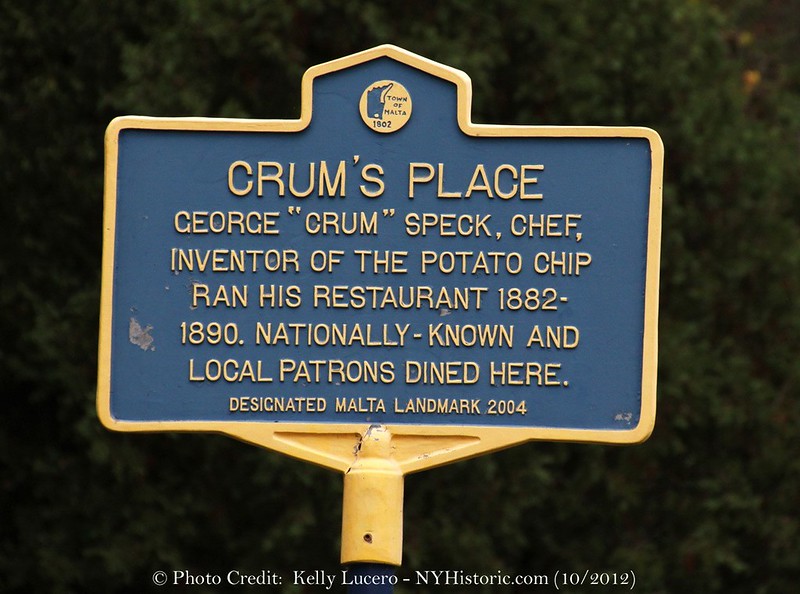
His own restaurant, Crum’s Place, was located at 793 Malta Avenue in Ballston Spa, New York. Today, a marker can be seen by the spot where it stood from 1860-1890.

sign-crum

Filed Under: Birthdays, Food & Beer, Just For Fun, Related Pleasures Tagged With: Comfort Food, Food, History, New York, Potatoes

Historic Beer Birthday: Joseph Schmid

July 14, 2025 By Jay Brooks

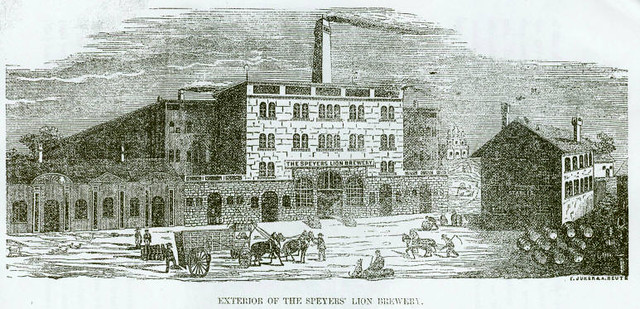
lion-ny

Today is the birthday of Joseph Schmid (July 14, 1814-December 18, 1881). He was born in Hausen, Hohenzollern, but grew up in Constantz, where he learned to brew. He started a brewery in Germany, but sold it and came to American when he was 42, in 1856.

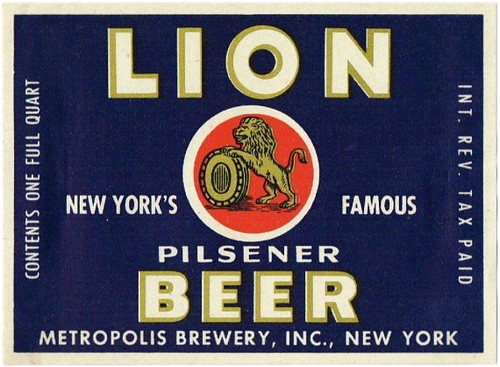
He initially settled in Illinois where he started the Atlantic Brewery in Rock Island, but a decade later when he joined the Lion Brewery, which was also known as the Bernheimer & Schmid Brewery. There was also an August Schmid involved in that business, and it’s unclear the relationship between the two Schmids. The brewery survived prohibition but closed for good in 1941.

Lion_Brewery2

This short biography of Joseph Schmid is from the Western Brewer reprinting his obituary 25 years after the fact. The piece mentions the “Lim Brewery” but I’m convinced that’s a typo and should read “Lion Brewery.”

joseph-schmid-obit
Lion-Extra-Lager-Beer--Labels-Lion-Brewery-Of-New-York-City

Another account appears to clear up some of the confusion regarding Joseph and August, from the Columbia University Libraries:

A locus for both business and pleasure in Morningside Heights, the Lion Brewery began operations in 1850 and continued until its demolition in 1944. During that time, especially in the late 19th-century, it rose to be a community focal point. It originated with a farm—stretching from Tenth Avenue to Central Park, and 106th Street to 110th Street—belonging to Joseph Schmid (sometimes spelled “Schmidt”) on which he built a brewery in the 1820s, operating as Schmidt & Speyer. Soon, a change of partners brought a change in name to Bernheimer & Schmidt, for Schmid’s new partner, former brewery worker Emanuel Bernheimer. The two renamed it the Lion Brewery in 1850; within thirty years it was generating profits estimated between $1,500,00 and $2,225,000. Real estate speculation doomed the partners, however, and by May 1879, the year after the newspapers’ estimate of their wealth, their combined net worth had fallen to $500,000. They dissolved their partnership and each man transferred his share of the business to his better-educated son: Joseph Schmid transferred his holdings to his son August, and Emanuel Bernheimer to his son Simon. August and Simon applied their education to the management of the business, and by 1888 the plant alone was valued at $1,5000,000.

Lion-Pilsener-Style-Beer-Labels-Lion-Brewery-of-New-York-City--pre-Prohibition

And this account of some litigation reported by the American Brewers’ Review shed further light on the ownership question of the Schmids.

Lion-brewery-litigation
lion-1915
Lion-Pilsener-Beer-Labels-Metropolis-Brewery-Inc

Filed Under: Birthdays, Breweries, Just For Fun Tagged With: Germany, History, New York

Historic Beer Birthday: John Gardiner

July 11, 2025 By Jay Brooks

continental-pa
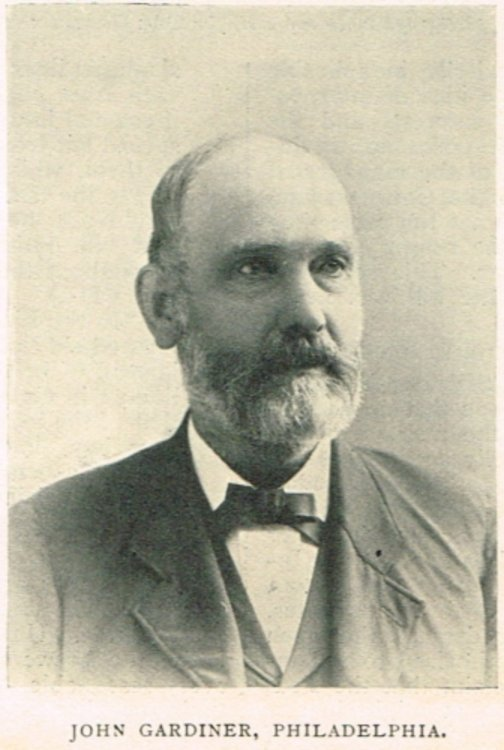
Today is the birthday of John Gardiner (July 11, 1825-July 5, 1903). Gardiner was born in upstate New York, in Albany, where he learned brewing from his father. He moved to Philadelphia when he was 24, in 1849, and worked for Massey’s Brewery before buying the James Smyth Brewery in 1874, renaming it John Gardiner & Co. Brewery. In 1883, Gardiner renamed it again, this time the Continental Brewing Co., which remained its name until it closed at the start of prohibition in 1920.

He appears to have married an Anna E. Snyder, and not Caroline Schmidt (as I’d earlier believed). According to one commenting relative, it was Gardiner’s son, John Jr., who in 1866, married one of brewery owner Christian Schmidt’s daughters, Caroline, and according to a history of Schmidt’s Brewery, he began working for his father-in-law’s brewery at that time. But it’s unclear if there is any relationship to Gardiner’s purchase of the Continental Brewery. Unfortunately, Find-a-Grave’s listing for both John Gardiner and Anna do not list a son named John Francis Gardiner Jr., but instead a John L. Gardiner Jr., a daughter, Mary, and another son, George.

continental-lager

Here’s how Gardiner and his family are mentioned in the history of Schmidt’s Brewery:

For generations the name of Gardiner had been well known in brewing circles. The family owned the Continental Brewing Co. in Philadelphia. John Gardiner married a daughter of Christian Schmidt. John Gardiner Jr., and Edward A. Gardiner, sons of John Gardiner, joined Schmidt’s to add new luster, in, respectively, sales and finance., to the family management team.

During the entire period of relegalization- including the peak year of 1955- and through to 1958, John Gardiner Jr., a grandson of the founder, was sales and advertising manager for the brewery. Mr. Gardiner, now a vice president, saw sales rise under his management from 106,000 in 1934 to almost 2 million in 1955.

Edward A. Gardiner, his brother, now chairman of the board, was responsible for the financial arrangements which made possible the various expansions of the brewery in the 1930’s, 40’s and early 50’s. It was Mr. Gardiner’s raising of the funds to accommodate the expansion of the company in 1947 and 1948 which kept the brewery abreast of modern changes and in a position to meet the difficult competitive challenge of the postwar years.

He’s an obituary from Gardiner from Find-a-Grave:

Filed Under: Birthdays, Just For Fun Tagged With: History, New York, Pennsylvania, Philadelphia

Historic Beer Birthday: Jack “Legs” Diamond

July 10, 2025 By Jay Brooks

moonshine
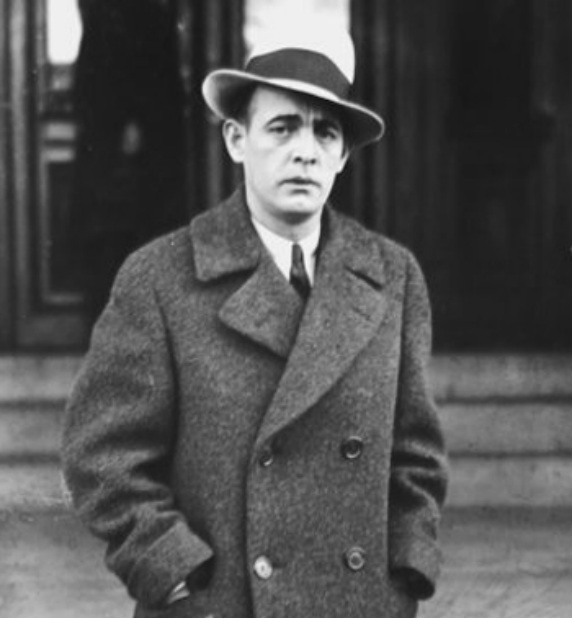
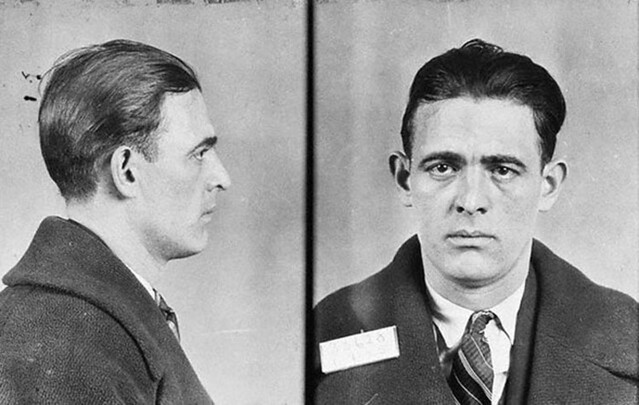
Today is the birthday of Jack “Legs” Diamond (July 10, 1897–December 18, 1931). He was “also known as ‘Gentleman Jack,’ [and] was an Irish American gangster in Philadelphia and New York City during the Prohibition era. A bootlegger and close associate of gambler Arnold Rothstein, Diamond survived a number of attempts on his life between 1916 and 1931, causing him to be known as the “clay pigeon of the underworld”. In 1930, Diamond’s nemesis Dutch Schultz remarked to his own gang, “Ain’t there nobody that can shoot this guy so he don’t bounce back?”

jack-legs-diamond-2

Here’s his biography from Find-a-Grave:

Gangster bootlegger. Born Jack Moran on July 10, 1897, in Philadelphia, Pennsylvania, to an Irish immigrant family. After his mother, Sara’s death, Diamond moved with his father and brother to Brooklyn, New York. Growing up impoverished, Diamond turned to street gangs and became involved in theft and violent crime as a teen. He later began to work for gangsters Arnold Rothstein and Jacob “Little Augie” Orgen. Jack set up shop as an extremely violent and murderous figure. He earned his “Legs” nickname either due to his quickness when running from a scene or because of his excellent dancing skills. He also married Alice Schiffer in 1926. She remained devoted to Jack through his strings of crime and mistresses, which included a notable affair with Ziegfeld showgirl Kiki Roberts. In August, 1927, Jack played a role in the murder of “Little Augie” (Jacob Orgen). Jack’s brother Eddie was Orgen’s bodyguard, but Legs Diamond substituted for Eddie that day. As Orgen and Jack were walking down a street on the Lower East Side of Manhattan, three young men approached them and started shooting. Orgen was fatally wounded and Jack was shot two times below the heart. He was taken to Bellevue Hospital, where he eventually recovered. During the late 1920s, Prohibition was in force, and the sale of beer and other alcohol was illegal in the United States. Jack traveled to Europe to score beer and narcotics, but failed. He did score liquor which was dumped overboard in partially full barrels which floated into Long Island as ships entered New York. Following Orgen’s death, Jack went to work overseeing bootleg alcohol sales in downtown Manhattan. That brought him into conflict with Dutch Schultz, who wanted to move beyond his base in Harlem. He also ran into trouble with other gangs in the city. In 1930, Jack and two henchmen kidnapped Grover Parks, a truck driver in Cairo, New York, and demanded to know where he had obtained his load of hard cider. When Parks denied carrying anything, Jack and his men beat and tortured Parks, eventually letting him go. A few months later, Jack was charged with the kidnapping of James Duncan. He was sent to Catskill, New York for his first trial, but was acquitted. However, he was convicted in a federal case on related charges, and he was sentenced to four years in jail. In a third trial, in Troy, New York, he was acquitted. On October 12, 1930, Jack was shot and wounded at the Hotel Monticello on the west side of Manhattan. Two men forced their way into his room, shot him five times, and then fled. Still in his pajamas, he staggered out into the hallway and collapsed. On December 30, 1930, Jack was discharged from Polyclinic. On April 27, 1931, Jack was again shot and wounded, this time at the Aratoga Inn, a road house near Cairo, New York. He was eating in the dining room with three companions when he walked out to the front door. A gunman with a shotgun shot him three times, and Jack collapsed by the door. On December 18, 1931, Jack’s enemies finally caught up with him, At 4:30 am, Jack went back to the rooming house and passed out on his bed. Two gunmen entered his room around 5:30 AM. One man held Jack down while the other shot him three times in the back of the head. No other gangster of the bootlegging era of 1920’s survived more bullet wounds than Legs. He was known as “The Clay Pidgeon of the Underworld”. On July 1, 1933, Jack’s widow, Alice Kenny Diamond, was found shot to death in her Brooklyn apartment. It was speculated that she was shot by Jack’s enemies to keep her quiet.
BE033346

This is about his arly life from his Wikipedia page:

Diamond was born July 10, 1897, to Sara and John Diamond, who emigrated from Ireland in 1891 to Philadelphia, USA. In 1899, Jack’s younger brother Eddie Diamond was born. Jack and Eddie both struggled through grade school, while Sara suffered from severe arthritis and other health issues. On December 24, 1913, Sara died from complications due to a bacterial infection and high fever. John Diamond, Sr. moved to Brooklyn shortly afterwards.

Diamond soon joined a New York street gang called the Hudson Dusters. Diamond’s first arrest for burglary occurred when he broke into a jewelry store on February 4, 1914, with numerous arrests following through the remainder of his life. Diamond served in the U.S. Army during World War I, but deserted in 1918 or 1919, then was convicted and jailed for desertion.

Once free of jail, Diamond became a thug and later personal bodyguard for Arnold Rothstein in 1919.

On October 16, 1927 Diamond tried to stop the murder of “Little Augie” (Jacob Orgen). Diamond’s brother Eddie was Orgen’s bodyguard, but Legs Diamond substituted for Eddie that day. As Orgen and Diamond were walking down a street on the Lower East Side of Manhattan, three young men approached them and started shooting. Orgen was fatally wounded and Diamond was shot two times below the heart. Diamond was taken to Bellevue Hospital, where he eventually recovered. The police interviewed Diamond in the hospital, but he refused to identify any suspects or help the investigation in any way. The police initially suspected that Diamond was an accomplice and charged him with homicide, but the charge was later dropped. The assailants were supposedly hired by Louis Buchalter and Gurrah Shapiro, who were seeking to move in on Orgen’s garment district labor rackets.

Diamond was known for leading a rather flamboyant lifestyle. He was a very energetic individual; his nickname “Legs” derived either from his being a good dancer or from how fast he could escape his enemies. His wife Alice was never supportive of his lifestyle, but did not do much to dissuade him from it. Diamond was a womanizer; his best known mistress was showgirl and dancer Marion “Kiki” Roberts. The public loved Diamond; he was Upstate New York’s biggest celebrity at the time.

jack-legs-diamond-6

And this is about his time during “Prohibition and the Manhattan Bootleg Wars:”

During the late 1920s, Prohibition was in force, and the sale of beer and other alcohol was illegal in the United States. Diamond traveled to Europe to score beer and narcotics, but failed. He did obtain liquor, which was dumped overboard in partially full barrels, which floated onto Long Island, as ships entered New York. He paid the children a nickel for every barrel they brought to his trucks.

Following Orgen’s death, Diamond went to work overseeing bootleg alcohol sales in downtown Manhattan. That brought him into conflict with Dutch Schultz, who wanted to move beyond his base in Harlem. He also ran into trouble with other gangs in the city.

In 1930, Diamond and two henchmen kidnapped Grover Parks, a truck driver in Cairo, New York, and demanded to know where he had obtained his load of hard cider. When Parks denied carrying anything, Diamond and his men beat and tortured Parks, eventually letting him go. A few months later, Diamond was charged with the kidnapping of James Duncan. He was sent to Catskill, New York, for his first trial, but was acquitted. However, he was convicted in a federal case on related charges, and sentenced to four years in jail. In a third trial, in Troy, New York, he was acquitted.

legs

And this is about the many assassination attempts, prosecution attempts, and his eventual death:

On October 12, 1930, Diamond was shot and wounded at the Hotel Monticello on the west side of Manhattan. Two men forced their way into Diamond’s room, shot him five times, and then fled. Still in his pajamas, Diamond staggered out into the hallway and collapsed. When asked later by the New York Police Commissioner how he managed to walk out of the room, Diamond said he drank two shots of whiskey first. Diamond was rushed to the Polyclinic Hospital in Manhattan, where he eventually recovered. On December 30, 1930, Diamond was discharged from Polyclinic.

On April 21, 1931, Diamond was arrested in Catskill, New York, on assault charges for the Parks beating in 1930. Two days later, he was released on $25,000 bond from the county jail.

On April 27, 1931, Diamond was again shot and wounded, this time at the Aratoga Inn, a road house near Cairo, New York. Diamond was eating in the dining room with three companions when he walked out to the front door. A gunman with a shotgun shot Diamond three times, and Diamond collapsed by the door. A local resident drove Diamond to a hospital in Albany, New York, where he eventually recovered. While Diamond was still in the hospital, New York State Troopers on May 1 seized over $5,000 worth of illegal beer and alcohol from Diamond’s hiding places in Cairo and at the Aratoga Inn.

In August 1931, Diamond and Paul Quattrocchi went on trial for bootlegging. That same month, Diamond was convicted and sentenced to four years in state prison. In September 1931, Diamond appealed his conviction.

On December 18, 1931, Diamond’s enemies finally caught up with him. Diamond had been staying in a rooming house in Albany, New York while on trial in Troy, New York, on kidnapping charges. On December 17, Diamond was acquitted. That night, Diamond, his family and friends were at a restaurant. At 1:00 a.m., Diamond went to visit his mistress, Marion “Kiki” Roberts. At 4:30 a.m., Diamond went back to the rooming house and passed out on his bed. Two gunmen entered his room around an hour later. One man held down Diamond while the other shot him three times in the back of the head.

There has been much speculation as to who was responsible for the murder; likely candidates include Dutch Schultz, the Oley Brothers (local thugs), the Albany Police Department, and relatives of Red Cassidy, another Irish American gangster at the time. According to William Kennedy’s O Albany, Democratic Party Chairman Dan O’Connell, who ran the local political machine, ordered Diamond’s execution, which was carried out by the Albany Police.

Marion-
Legs’ best known mistress was showgirl and dancer Marion “Kiki” Roberts, who was with him the night he was murdered.

Filed Under: Birthdays, Just For Fun, Related Pleasures Tagged With: History, New York, Pennsylvania, Philadelphia, Prohibition

« Previous Page
Next Page »

Find Something

Northern California Breweries

Please consider purchasing my latest book, California Breweries North, available from Amazon, or ask for it at your local bookstore.

Recent Comments

  • Bob Paolino on Beer Birthday: Grant Johnston
  • Gambrinus on Historic Beer Birthday: A.J. Houghton
  • Ernie Dewing on Historic Beer Birthday: Charles William Bergner 
  • Steve 'Pudgy' De Rose on Historic Beer Birthday: Jacob Schmidt
  • Jay Brooks on Beer Birthday: Bill Owens

Recent Posts

  • Beer Birthday: Steve Wagner April 5, 2026
  • Beer In Ads #5206: For The Feast Of Easter April 5, 2026
  • Historic Beer Birthday: Hew Ainslie April 5, 2026
  • Historic Beer Birthday: Robert Leo Hulseman April 5, 2026
  • Beer Birthday: Tom McCormick April 5, 2026

BBB Archives

Feedback

Head Quarter
This site is hosted and maintained by H25Q.dev. Any questions or comments for the webmaster can be directed here.