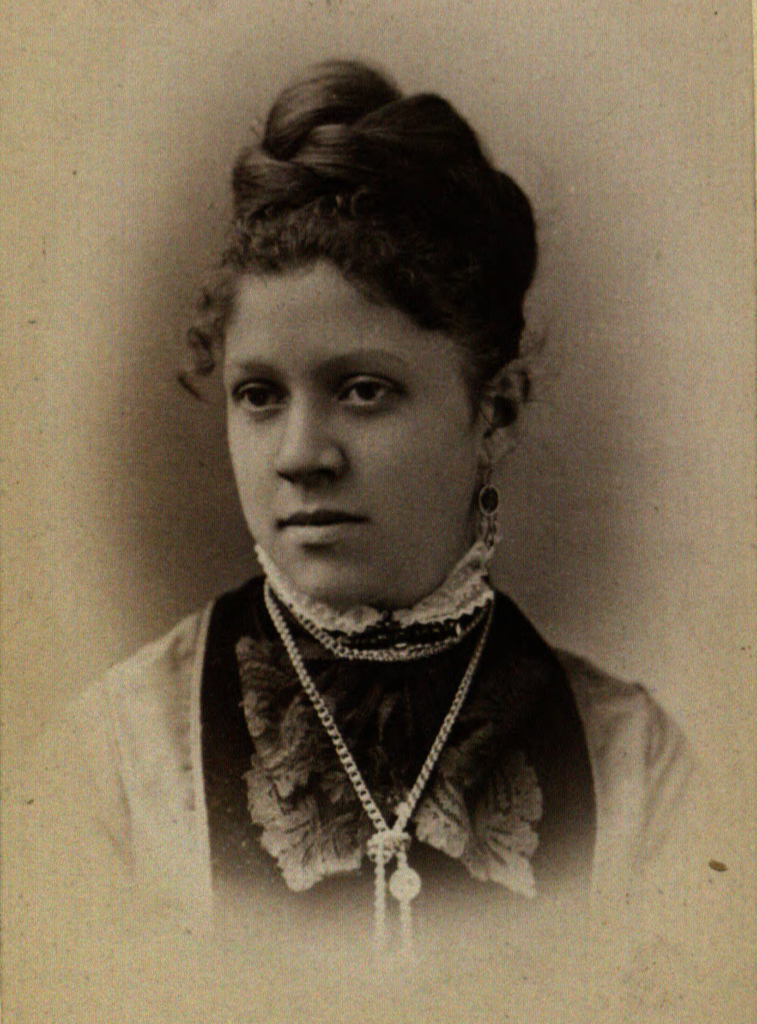
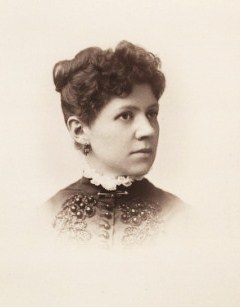
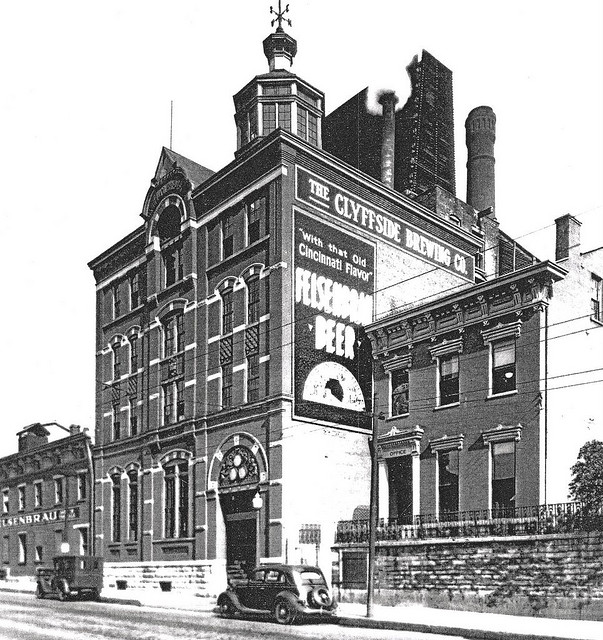
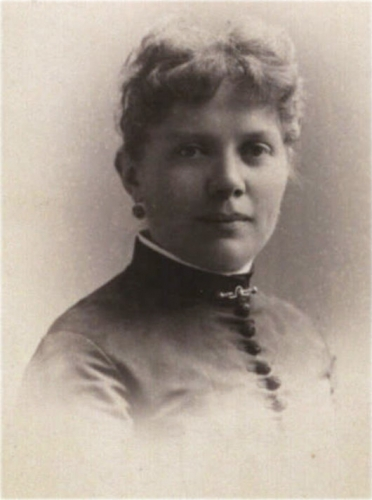
Today is the birthday of Magdalena “Lena” Jung Sohn (June 24, 1857-July 25, 1940). She was born in Cincinnati, Ohio, the sister of Daniel Jung, who founded the Jung Brewery in Cincinnati. She later married brewery owner William Sebastian Sohn. He was the son of Johann Georg Sohn, who co-founded the Hamilton Brewery, which was later known as the J. G. Sohn & Company Brewery. It was also known as the Clyffside Brewing Co., and used the trade name Feldsbrau. After his death in 1902, she took over the brewery and ran it until 1907, which became known as the William G. Sohn Brewing Co. and later the Mohawk Brewing Co. After prohibition, it reopened as the Clyffside Brewing. After World War 2, it was renamed the Red Top Brewing before closing for good in 1958.
She was considered one of the beer barons of Cincinnati and left a legacy
Lena Jung Sohn was one of the most influential figures in the beer industry in the late 1800s and early 1900s, and she wasn’t afraid to show it as president and owner of William S. Sohn Brewing Co. and later as owner and co-director of Mohawk Brewery.
Magdalena, or “Lena,” Jung was born on 24 June 1857 to Magdalena Oeh and blacksmith Philipp Jung. Little Lena’s maternal aunt was Barbara Oeh Moerlein, second wife of Christian Moerlein. Nine of the Moerlein children were Lena’s full first cousins. Her paternal uncle Daniel owned the Jung Brewery. Her sister Katherine married Jacob Born, and her first cousin Magdalena Moerlein married Conrad Born, both Borns of the Born brewing family in Columbus. It seems that Lena was destined for the brewing business.
In 1876, Cincinnati’s most established brewer and mentor to the other brewers John George Sohn died, leaving John Kauffman to be the senior-most brewer in Cincinnati, having been in it for 31 years. Just a week after J.G.’s death, a bullet shot through the Sohns’ parlor window, narrowly missing his widowed wife Barbara and dropping beside her. Was it a person in favor of temperance? A wronged worker? A rival? A jealous family member who wants all her money? Suspiciously, it was just after the reading of the will. Sohn left his estates and house to Barbara, money to his daughters Ida, Carolina, and Mathilda, and the brewery to his sons, J.G., Jr. and William Sebastian.
William Sebastian Sohn and Magdalena “Lena” Jung married in 1877 at a time when the brewing industry was being attacked by the temperance movement, supported by the Gazette, feeding anger and fear against the brewers, amidst rumors that they used poison instead of malt and hops and that the cost per barrel would rise. Lena, already heavily exposed to the brewing industry, would come to learn the industry first-hand through her husband while also keeping house and raising four children – Walter, Alma, Elsie, and Edna.
Aside from Barbara’s near-death experience, during this time, a number of terrible events occurred at the brewery, including an engineer’s gruesome death in the fly wheel and the repeated burning of the Orpheus building. However, the Jungs and Sohns were also among the few worldwide to invest in new washing-machine technology in the late 1880s. They were always looking to innovate their business practice.
William bought out his brother’s interest and took over the business in 1900. J. G., transferring the Sohn & Co property to William S. Sohn Brewing Company in 1900 with William and Lena being co-owners. Lena’s family by blood and marriage was running the Cincinnati brewing industry at this point.
William died on 26 February 1902, leaving the brewery to Lena, and she was voted in as president. Lena was actively using her name as President of the William S. Sohn Brewing Company, after Marianne Kauffman hid hers under initials and women before her staying out of being mentioned at all. Lena didn’t mind the spotlight and enjoyed the labors of the beer baronesses before her. She did her best to take care of her employees and show them they were like their own family. If an employee or their family died, she ensured that the entire brewery pitched in for donations of some sort as well as her family.
In addition to making a happier, more caring place to work, Lena continued the tradition of making the brewery state-of-the art. In 1904, the brewery began constructing a new bottle shop, “modern in every detail and the machinery and equipment of the latest and most improved on the market.” Lena also began selling off what didn’t make the company money. That meant selling off some of the enterprises they owned—like a saloon, grocery, and boarding house. What she couldn’t sell, she rented out instead, becoming an effective landlord. This allowed her to earn income, even after stepping down as president of the brewery in 1907 with George H. Osterfield replacing her. Her son Walter remained as secretary and treasurer. Lena remained as the owner of the brewery and its properties, even during its transfer to new presidents and new names.
Alma, Elsa, and Edna lived with their mother at Marion Ave and Winding Way and later 212 Ludlow Avenue, but they enjoyed trips to Atlantic City. After all, they were women of a more unsavory reputation, being in the brewing industry, so it was a fitting city for vacations. At home, Lena also invested in new (and most definitely loud) technology, installed by Pogue’s. She was an early adopter of Williams Oil-o-Matic Heater, developed by the company because of the oil shortage during WWI. The heater burned used automobile engine oil.
Lena’s oldest daughter Alma married a longtime friend on 29 January 1912, distiller Robert C. Heinzman, who patented many inventions to innovate the distilling industry throughout his life, perfect for a family that was always looking for innovations. Robert moved in with the family and continued living with them, even after Alma’s death from a pulmonary embolism on 29 October 1918, a little over a month after her infant died.
The family deeply grieved over the loss of Alma, and Prohibition brought about even more change the following year. The family had to adjust to life during Prohibition, but they only had to change how they appeared. The Mohawk Brewing Company continued to make near-beer and full beer under Walter’s supervision, until 3 August 1925 when the brewery was raided by federal agents. This forced Walter to step down from an active role in the brewery, and the brewery continued on as an ice house and malt beverage makers.
When Prohibition ended, the owners of Mohawk Brewery didn’t want to re-open. Lena was old, and Robert was retired. Shareholders voted to dissolve the Mohawk Brewery, and co-directors Lena, Robert, and Norbert J. Sprengard dissolved the brewery on 1 June 1936, and sold it to the owners of what would become Clyffside Brewing. This was the end of Lena’s business ventures. Lena, after some vacationing to Atlantic City with her daughters, died at her home on 24 July 1940, at the age of 83. Walter lived until 1962. Edna and Elsa lived in Cincinnati and Atlantic City until their respective deaths in 1979 and 1981.
When the beer baronesses married inside the alcohol industry, they could continue with their children. But when the women in the alcohol industry didn’t marry, there was no one in the family to continue the brewing business. As a brewing woman, you had a limited selection, being an improper lady. That meant you had to marry someone who didn’t care about social status, marry another man in the brewing industry, or not marry at all. Many of the women chose or were forced into that last option. Because Lena’s lineage did not continue with her children, neither did her direct family’s stronghold on the brewing industry, severely exacerbated by Prohibition. The men may have made the industry, but it was the women who kept it going.
Here’s another short biography from Tavern Trove
Magdalena (Lena) Jung Sohn, one of the “Beer Barons of Cincinnati” was born in Cincinnati, Ohio. As the niece of Daniel Jung of the Jung Brewery Lena Jung was already Cincinnati brewery royalty. In 1877 she married Johann Georg ‘J.G.’ Sohn, who was a member of another Cincinnati brewing dynasty. When her husband died in 1902 Magdalena took over the expansive operation and renamed it the Mohawk Brewing Company and ran it successfully until Prohibition shut it down in 1920. Magdalena (Jung) Sohn died on July 24, 1940. She was 83 years of age.
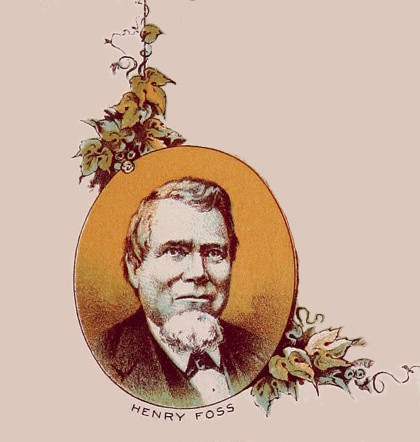
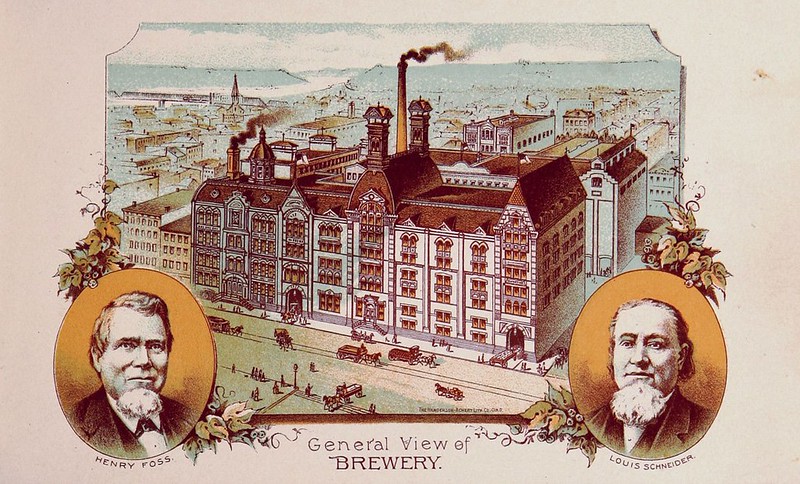
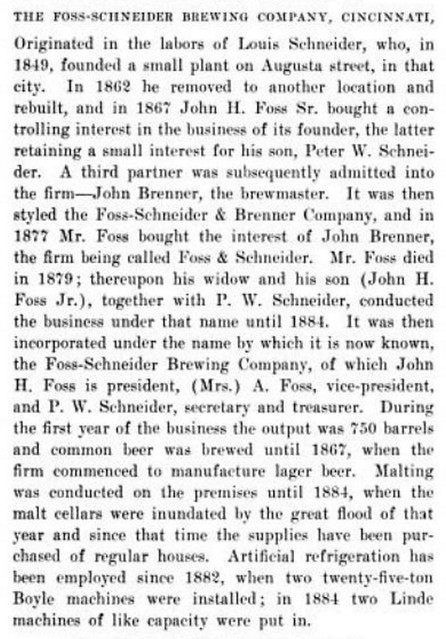
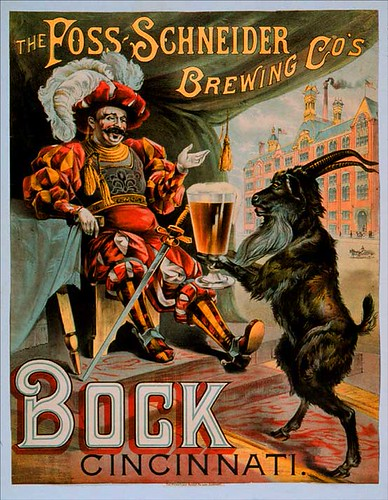
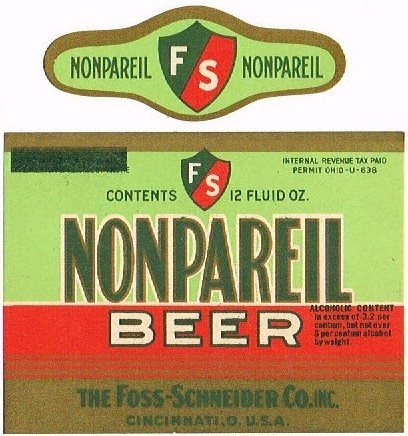
Today is the birthday of Henry Foss, a.k.a. John Henry Foss (June 23, 1817-August 13, 1879). Foss was born in Hanover, Germany but emigrated to Ohio. In 1842, he married Elizabeth Rumpeing, but she passed away in 1854 after twelve years of marriage. He then married Adelaide Foss later the same year, and they had 13 children together. In 1867, he became involved with the Louis Schneider Brewery in Cincinnati, Ohio, becoming a partner and it eventually became known as the Foss-Schneider Brewing Co. It closed during prohibition, but reopened when it was repealed in 1933, though closed for good in 1939.
Here’s a biography of Foss, from the “History of Cincinnati and Hamilton County, Ohio: Their Past and Present Including Early Development, Antiquarian Researches, Their Aboriginal History, Pioneer History, Political Organization, Agricultural, Mining and Manufacturing Interests, A History of the City, Villages and Townships, Religious, Educational, Biographies, and Portraits of Pioneers and Representative Citizens, Etc.,” which was published in 1894.
Henry Foss was born in Germany, June 23, 1817, and died in Cincinnati August 13, 1879. After attending the common schools until he was between thirteen and fourteen years of age he was given to understand that from that time he would be expected to “paddle his own canoe,” so he at once commenced the life of a farm laborer, and, to the credit of his industrious habits, it is said that he followed this kind of work faithfully until he was nearly twenty years old. But at that time he somehow or other began to get dissatisfied with the result of his six years’ hard work, so he thought he would “take stock” to see how much he had made, and calculated how much he would be worth in forty years, if he continued at the same business at the same wages — about twelve or fourteen dollars a year. He had nothing at the start; he had wasted no money; had only kept himself clothed, and still he had nothing to show for all his labor but a few dollars, barely sufficient to take him over the sea to the New World. Yet, nevertheless, he was determined to go with a party that was about to leave the village for America. Leaving home on the tenth day of May 1837, the party, consisting of himself and three others, traveled by wagon to Bremen, where they took passage on the ship “Richmond” bound for Richmond, Va. After paying his passage money he had but five cents left, so that it was no trouble for him to conclude to rely solely upon his efforts in the New World of the West — in fact, there was no choice in the matter. After being at sea for several days they encountered a storm of great severity, during which they lost their mainmast and much of their rigging, and were driven back so far that the distance lost was not regained for fourteen days. Besides the above disasters the cook’s galley, with all the cooking apparatus, was swept clean overboard, so that it was three days after before they had a particle of anything warm to eat or drink. At last, however, after twenty-two days. they landed safely at Richmond, Va., our subject having, we suspect, had enough of “life on the ocean wave” to satisfy him, as he never re-crossed it.
After looking around for a day or two, Mr. Foss went to work on the James River canal, at seventeen dollars per month and board. At this he continued for about seven months, when, having saved something like one hundred dollars, he thought he was rich at once, and would soon buy all the land he wanted. Like thousands of his countrymen he judged that the West was the place for him; so he joined a party of twenty-two possessed of the same idea. Clubbing together, the party procured a large team, and started over the mountains to the Kanawha canal, by which they arrived at Wheeling, where they took steamer for Pittsburgh, and at once proceeded down the river to Cincinnati. On landing here Mr. Foss found things so dull that he determined to proceed to St. Louis. Finding matters much the same there, he began to think he had made a mistake in coming west; but he passed over into Illinois with the expectation of going to work on a turnpike at Belleville. It was so swampy there, however, that almost every one who worked there was seized with fever and ague. In this emergency he returned to St. Louis, and from there again came to Cincinnati, where he was advised by his friends to go to work on the Whitewater canal, at Brookville, some forty miles from the city. He walked this distance with his knapsack on his back, and at once began to work at seventeen dollars per month and board. At the end of three months he went to Cincinnati. and sent fifty dollars home to his parents to help smooth the path of life for them. After working on the canal two months longer he was made foreman of a squad of quarry men; while at this work he conceived the idea of learning the stone-cutting trade, and after instructing another in his duties, he went to the yard to learn the trade. In nine mouths the locks of the canal were completed, at the end of which time Mr. Foss came to the city, and was employed at dressing stone until he saw an opening at the locks of the Licking canal, Kentucky. After working there about six mouths he commenced as a stone mason, and having a good eye for mechanics he soon proved an efficient workman, and thereafter could either cut or lay stone. After continuing in this way two years, during which he had sent $500 home to bring out the whole family, and saved $500 besides, on the arrival of his parents and his brothers and sisters they found that Henrv had rented and furnished a house complete for them to go into.
With the $500 in hand he commenced business for himself on a small scale, which he gradually increased from year to year until he employed from fifty to sixty journeymen, and nearly as many laborers. In 1848-49, in connection with Henry Atlemeier, he built the House of Refuge; and while thus engaged the cholera was raging so fearfully that the funerals moving from the city to the cemetery formed a constant procession. The architect of their job. Henry Walters, and many of their workmen fell victims to the epidemic. In 1851 he built the foundations of the Hamilton and Dayton depot, which consumed some 5,000 perches of stone, and completed the job in about three months. He built the church on the corner of Mound and Barr, and adjoining gymnasium in 1857-58, also the foundations of St. Philomena church on Congress and Butler streets; St. Joseph’s, on Linn; Holy Trinity, on Fifth; likewise that of the large block on the corner of Ninth and Walnut; and the church of the Holy Angels (all of stone), Fulton; and the south wing of Bishop Purcell’s seminary, besides a vast number of dwelling houses. He continued this business until 1856, when he sold off his teams and building apparatus generally, and built a distillery on the Plank road, now Gest street, for himself and his partner, with a capacity of 900 bushels per day. After its completion his partner was somewhat alarmed at their great undertaking, so, to make the matter lighter, sold a quarter interest to two other gentlemen, retaining a quarter himself. After conducting the business together for about three months, hard times came upon them, and Mr. Foss’ original partner again became alarmed for fear all would be lost; but not so Mr. Foss, who at once bought the interest of that gentleman, and continued the business with the owner of the fourth interest. The scale soon turned in their favor, and, after eight years of success, having considerable surplus money, Mr. Foss bought the interest of his partners, and carried on the business alone for about two years, then sold out to Mr. John Pfeffer, concluding that he would work a little in his garden, and take things easy the rest of his life. But to his surprise he did not know what to do with himself, and, after laying off about two months, he came to the conclusion that doing nothing was the hardest work in the world. He then formed a partnership with Adam Heitbrink for the purpose of building the foundation of the city Work House. After this was finished he formed a partnership with William P. Snyder and John Brenner, and went into the manufacture of. lager beer, ‘ the capacity of their works at the commencement being about sixty-five barrels per day. This was in December, 1867; in the spring of 1868 it became necessary to enlarge their works, and their business continued to increase. The further connection of Mr. Foss with the great brewing establishment, now known as the Foss-Schneider Brewing Company, is contained in the personal history of his son and successor, John H. Foss, president of that company, and which is contained in this volume.
Mr. Henry Foss was married in 1842, to Miss Elizabeth Rumpeing, a German lady, who was every way worthy to be his wife. Of this union five children were born, all of whom, together with their mother, have died, the latter in 1854. Mr. Foss was married again, during the same year, to Miss Adelaide TeVeluwe, of Zutfen Lechtenforde, Holland, and by her eight children were born to him, seven of whom—John H., William, Edward, Philomena, Lizzy, Rosey and Bernidena—are still living, as is also Mrs. Foss.
Here’s a short history of the brewery, from “100 Years of Brewing:”
Two years ago I decided to concentrate on Bock ads for awhile. Bock, of course, may have originated in Germany, in the town of Einbeck. Because many 19th century American breweries were founded by German immigrants, they offered a bock at certain times of the year, be it Spring, Easter, Lent, Christmas, or what have you. In a sense they were some of the first seasonal beers. “The style was later adopted in Bavaria by Munich brewers in the 17th century. Due to their Bavarian accent, citizens of Munich pronounced ‘Einbeck’ as ‘ein Bock’ (a billy goat), and thus the beer became known as ‘Bock.’ A goat often appears on bottle labels.” And presumably because they were special releases, many breweries went all out promoting them with beautiful artwork on posters and other advertising. With Spring approaching, there are so many great examples that I’m going to post two a day for a few months.
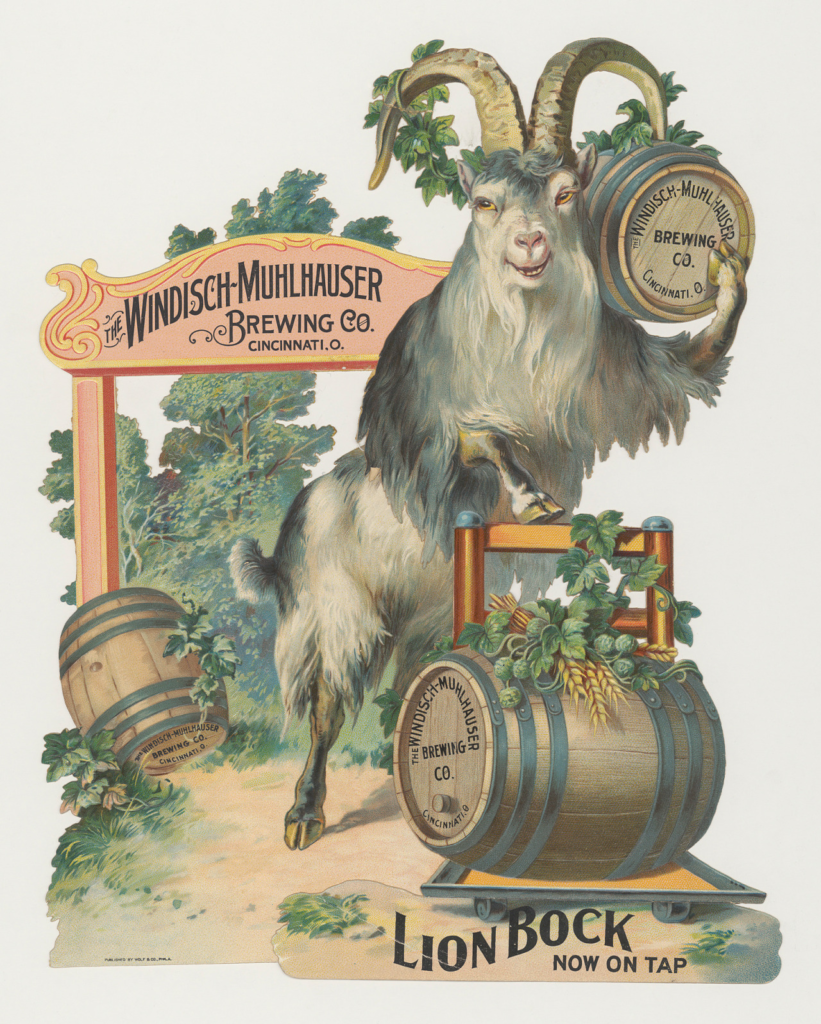
Monday’s work is a sign created for “Lion Bock,” which was done sometime between the 1880s and 1919. It was created for the Windisch-Muhlhauser Brewing Co. of Cincinnati, Ohio, which was founded in 1866. This poster was done by chromolithographers Wolf & Co. in Philadelphia, Pennsylvania.
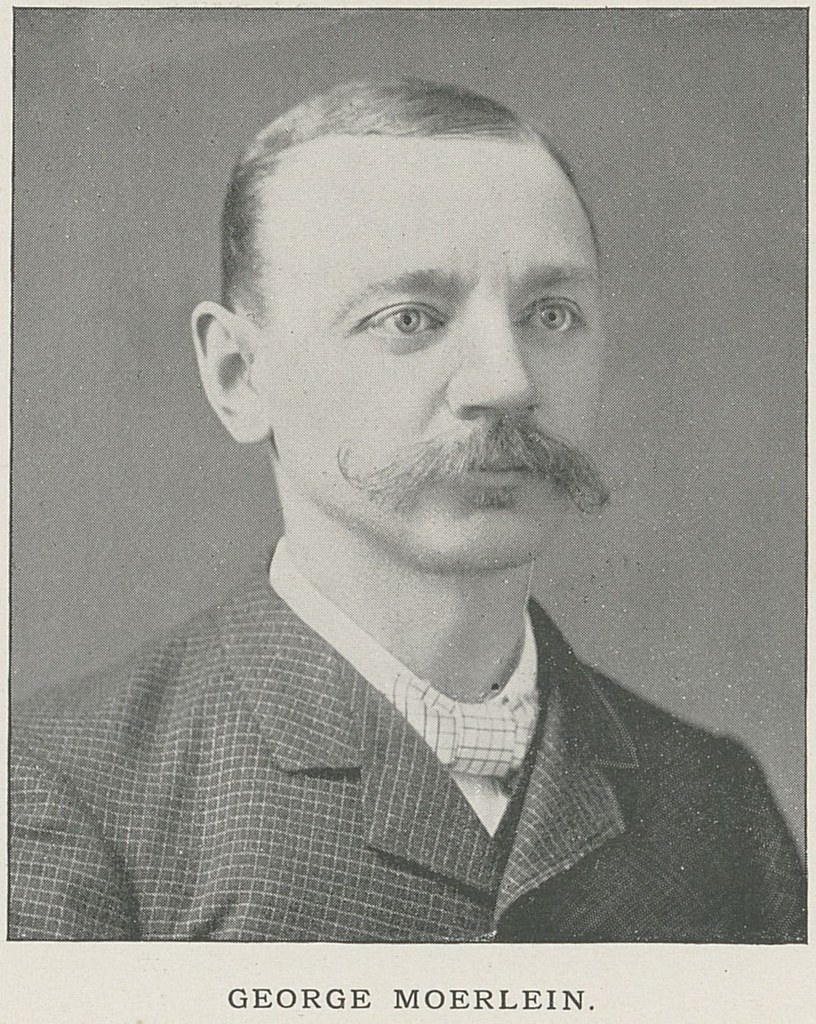
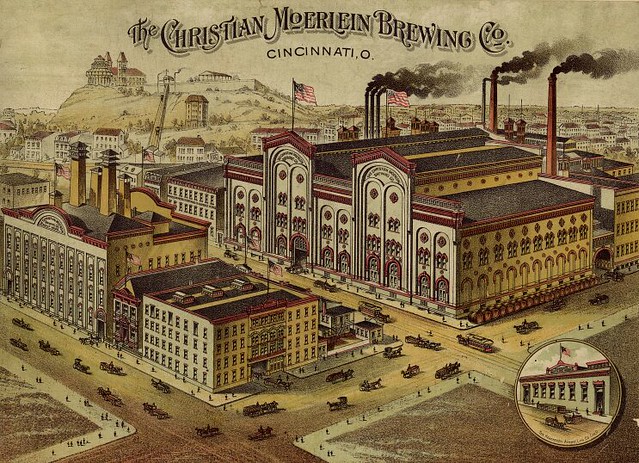
Today is the birthday of Johann George Moerlein, who went by “George” (June 8, 1852-August 31, 1891). He was the son of Christian Moerlein, who founded the Christian Moerlein Brewery in 1853, when his son was one year old. He later joined the firm and was the vice-president at the time of his untimely death at 39.
And while he was obviously involved in the family business for all of his life, he’s perhaps more well-known for something else.
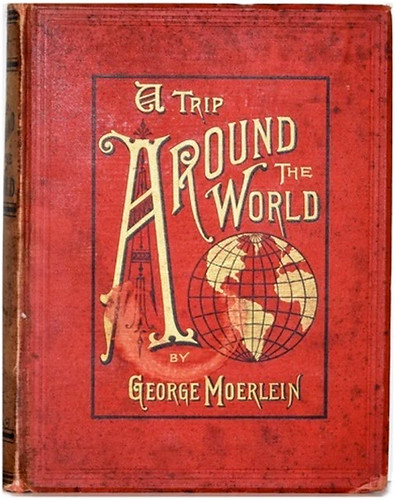
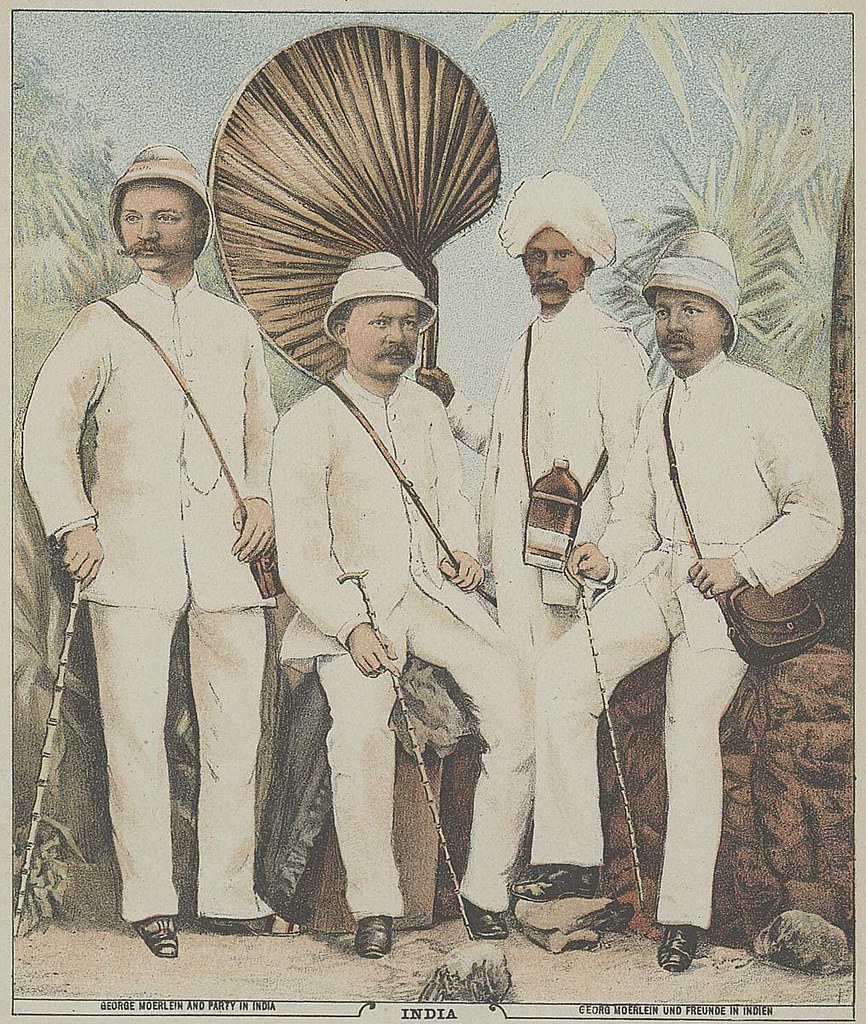
In 1884, he “got the idea to take a trip around the world. Ten days later he was on his way to traveling a total distance of 35,194 miles by railroad and steamer. Throughout his trip, Moerlein wrote letters documenting his journey which were published in the local papers, The Commercial Gazette and the Volksblatt. The Krebs Lithographing Company of Cincinnati created 110 color illustrations, chosen from a collection of over 800 original pictures gathered during Moerlein’s travels. In 1886 George Moerlein’s “A Trip Around the World” was published.”
George Moerlein (seated) in India.
While having little to with their brewery, the book is still fascinating. Here’s a few more of the illustrations from it:
Two years ago I decided to concentrate on Bock ads for awhile. Bock, of course, may have originated in Germany, in the town of Einbeck. Because many 19th century American breweries were founded by German immigrants, they offered a bock at certain times of the year, be it Spring, Easter, Lent, Christmas, or what have you. In a sense they were some of the first seasonal beers. “The style was later adopted in Bavaria by Munich brewers in the 17th century. Due to their Bavarian accent, citizens of Munich pronounced ‘Einbeck’ as ‘ein Bock’ (a billy goat), and thus the beer became known as ‘Bock.’ A goat often appears on bottle labels.” And presumably because they were special releases, many breweries went all out promoting them with beautiful artwork on posters and other advertising. With Spring approaching, there are so many great examples that I’m going to post two a day for a few months.
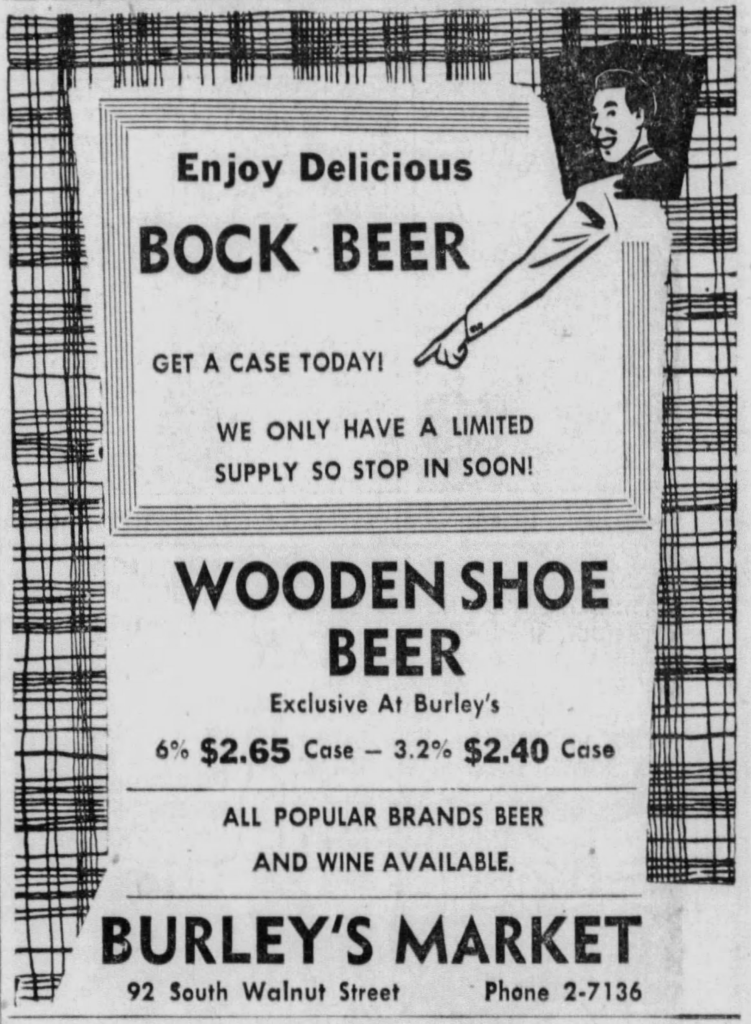
Wednesday’s ad is for Wooden Shoe Bock Beer, which was published on June 3, 1953. This ad was for the Wooden Shoe Brewing Co., of Minster, Ohio, which was founded in 1869 by Frank Lange. According to the ad, the bock was being sold exclusively at Burley’s Market. This ad ran in The Chillicothe Gazette, of Chillicothe, Ohio.
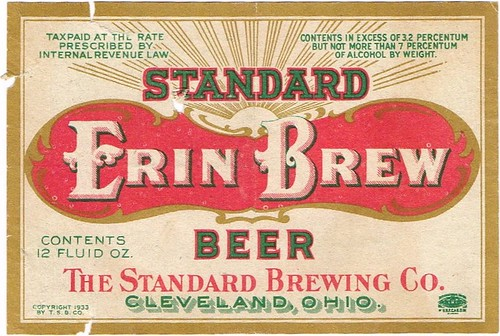
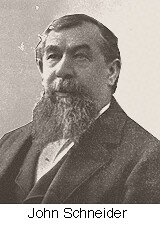
Today is the birthday of John Schneider (May 16, 1833-February 28, 1907). Schneider was born in Bavaria, and made his way to America in 1852. He settled initially in Cleveland, and worked all of his life as a journeyman brewer around Ohio and Western Pennsylvania. Late in life he became “a stockholder in the Standard Brewing Co.” of Cleveland, and was named director and 2nd president.
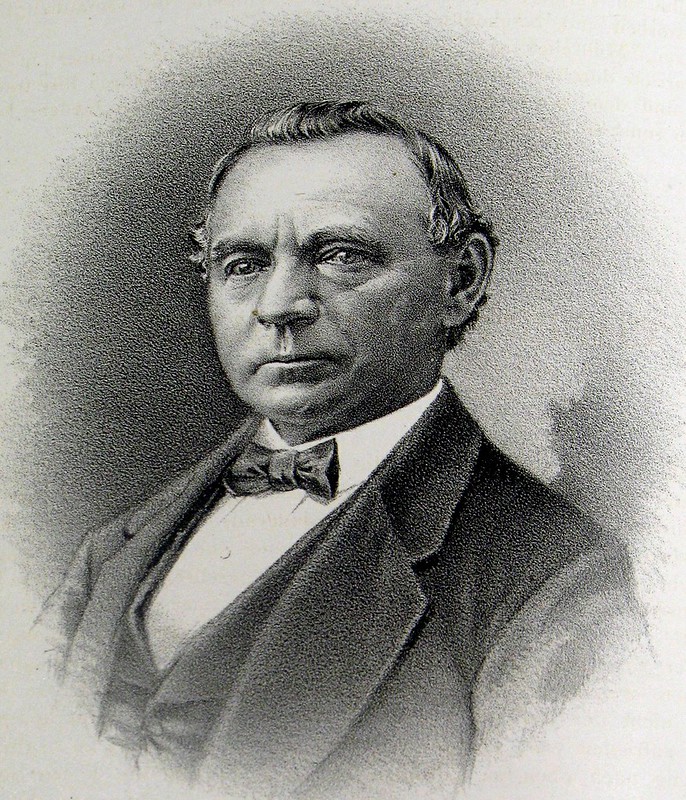
Today is the birthday of Christian Moerlein (May 13, 1818-May 14, 1897). Moerlein was born in Bavaria, and came to America around 1840, establishing the Christian Moerlein Brewery in 1853.
Brewer. Born in Truppach, Bayreuth, Oberfranken, Bayern, Germany. He immigrated to the United States in 1841 settling in Cincinnati, Ohio a year later. Christian married his first wife Sophia Adam in 1843 and had three children with her. After losing Sophia and 2 of those children to the cholera epidemics of the time, he married his second wife Barbara Oeh in 1849 and had another 9 children. In 1853 Moerlein established a brewery bearing his name in Cincinnati and became the most prominent brewer in that city. The brewery became one of the largest in the country and remained in operation until Prohibition. Today a line of beer is again being marketed under his name.
Here’s what the early 20th century book “One Hundred Years of Brewing” wrote about Christian Moerlein:
Digging Cincinnati History has a nice post about where all the Moerlein buildings are today, along with some history of the brewery. In 2004, local resident Greg Hardman bought the Christian Moerlein brand and continues to operate it as Christian Moerlein lagers & Ales, and also opened the Moerlein Lager House, where they serve food and house beers.
Two years ago I decided to concentrate on Bock ads for awhile. Bock, of course, may have originated in Germany, in the town of Einbeck. Because many 19th century American breweries were founded by German immigrants, they offered a bock at certain times of the year, be it Spring, Easter, Lent, Christmas, or what have you. In a sense they were some of the first seasonal beers. “The style was later adopted in Bavaria by Munich brewers in the 17th century. Due to their Bavarian accent, citizens of Munich pronounced ‘Einbeck’ as ‘ein Bock’ (a billy goat), and thus the beer became known as ‘Bock.’ A goat often appears on bottle labels.” And presumably because they were special releases, many breweries went all out promoting them with beautiful artwork on posters and other advertising. With Spring approaching, there are so many great examples that I’m going to post two a day for a few months.
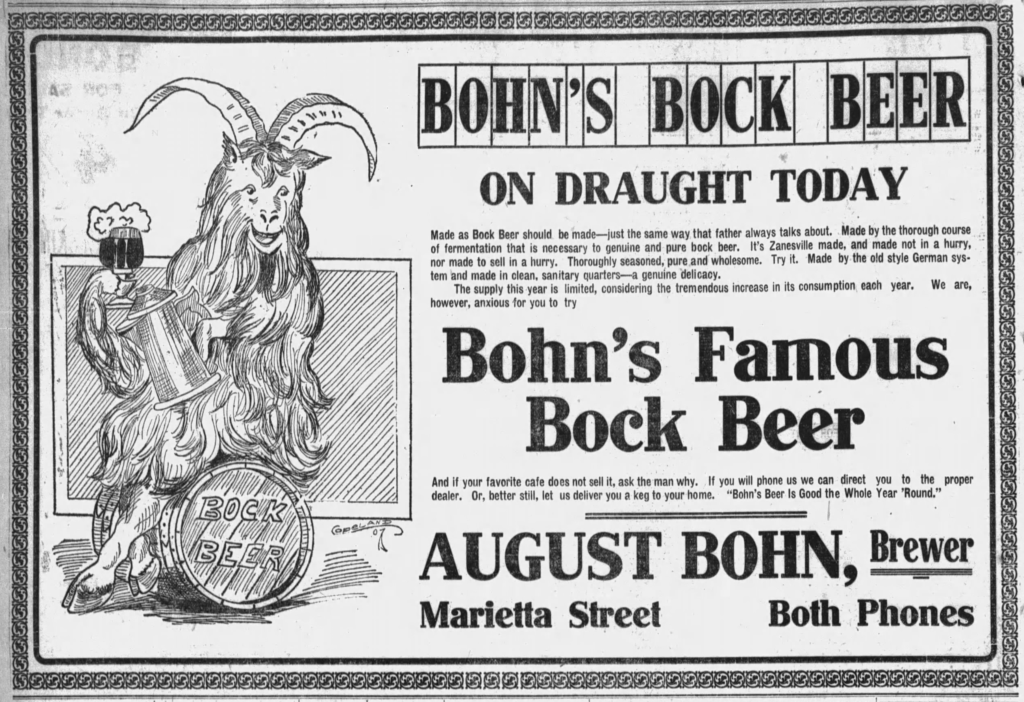
Saturday’s ad is for Bohn’s Famous Bock Beer, which was published on May 9, 1905. This ad was for the August Bohn Brewery of Zanesville, Ohio, which was originally founded in 1860 by Sebastian Bohn, but August took over in 1892. This ad ran in The Times Recorder, of Zanesville, Ohio.
Two years ago I decided to concentrate on Bock ads for awhile. Bock, of course, may have originated in Germany, in the town of Einbeck. Because many 19th century American breweries were founded by German immigrants, they offered a bock at certain times of the year, be it Spring, Easter, Lent, Christmas, or what have you. In a sense they were some of the first seasonal beers. “The style was later adopted in Bavaria by Munich brewers in the 17th century. Due to their Bavarian accent, citizens of Munich pronounced ‘Einbeck’ as ‘ein Bock’ (a billy goat), and thus the beer became known as ‘Bock.’ A goat often appears on bottle labels.” And presumably because they were special releases, many breweries went all out promoting them with beautiful artwork on posters and other advertising. With Spring approaching, there are so many great examples that I’m going to post two a day for a few months.
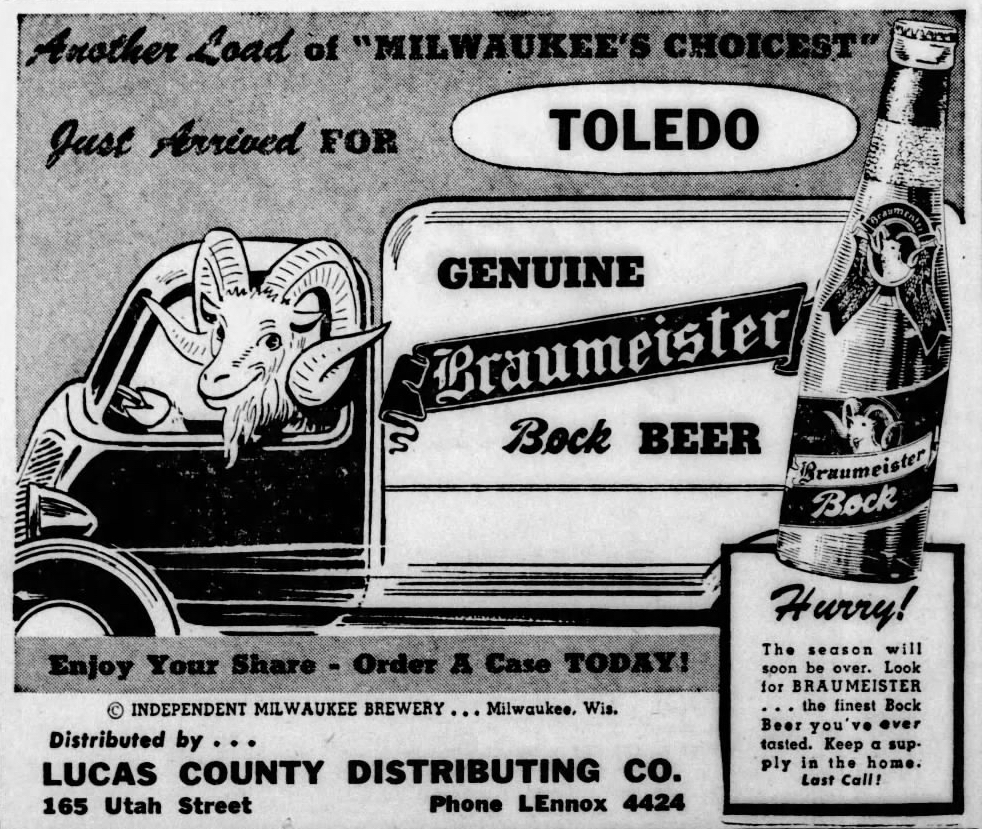
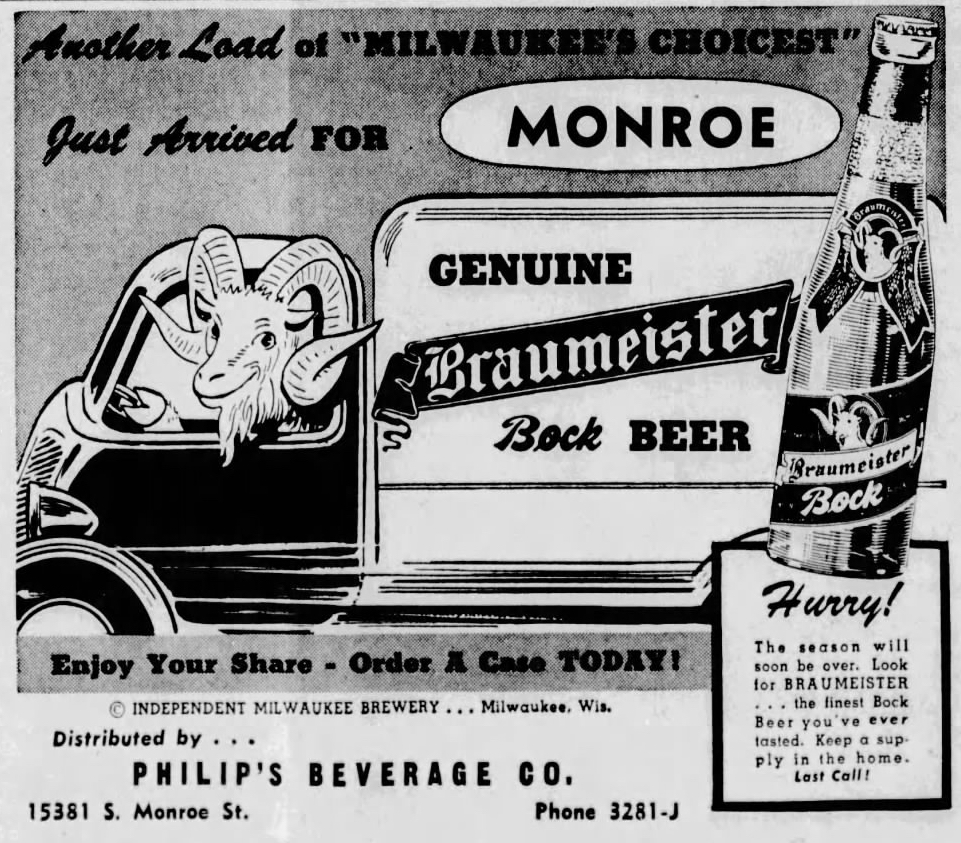
Friday’s second ad is for Braumeister Bock Beer, which was published on April 10, 1950. This one was for the Independent Milwaukee Brewery of Milwaukee, Wisconsin, which was originally founded in 1901 by Henry N. Bills, William Gutknecht, Charles Evers, Emil Czarnecki, and William Jung.
There are actually two versions I found of the same ad, and I’m willing to bet good money I could find more if I really looked. It appears they created a generic ad that any distributor could add their territory and specific information in different markets. There was a white oval for the town’s name and open space at the bottom where you could list contact information for the distributor from whom to buy their beer. The first one was for Toledo, Ohio and the ad ran in the Toledo Blade, of Toledo, Ohio. The second one was for Monroe, Wisconsin and the ad ran in the Monroe Evening News, of Monroe, Wisconsin.
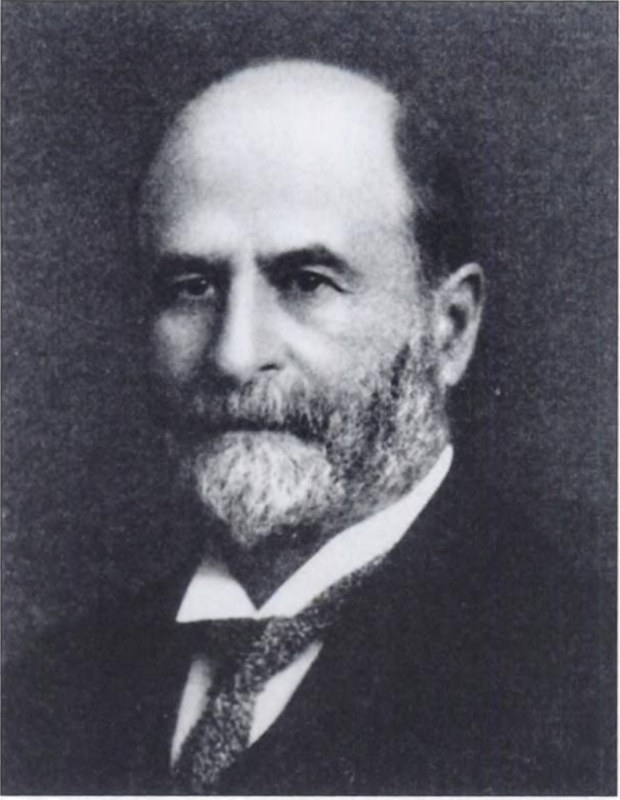
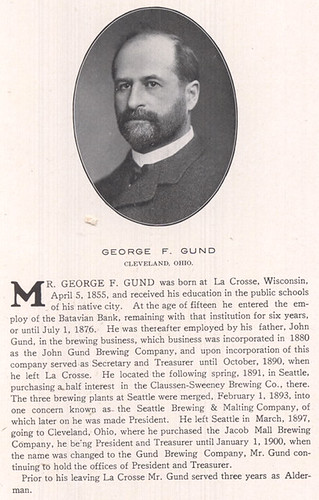
Today is the birthday of George F. Gund (April 5, 1855-March 11, 1916). He was the son of John Gund, the founder of John Gund Brewing, of La Crosse, Wisconsin, and the brother of Henry Gund and John Gund Jr., who founded Lexington Brewing, in Lexington, Kentucky. George Frederick Gund founded Gund Brewing Co., of Cleveland, Ohio.
And here’s a short biography of George F. Gund:
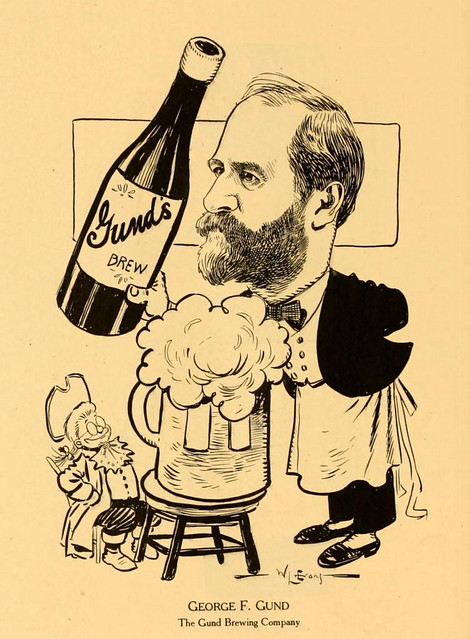
This caricature of Gund is from the “Clevelanders “As We See ‘Em,” published in 1904.
Here’s a history of the brewery from the Encyclopedia of Cleveland History.
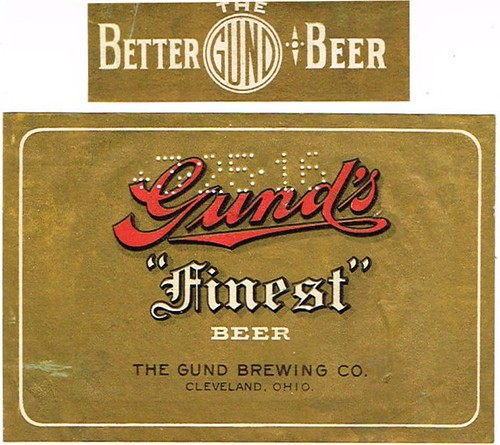
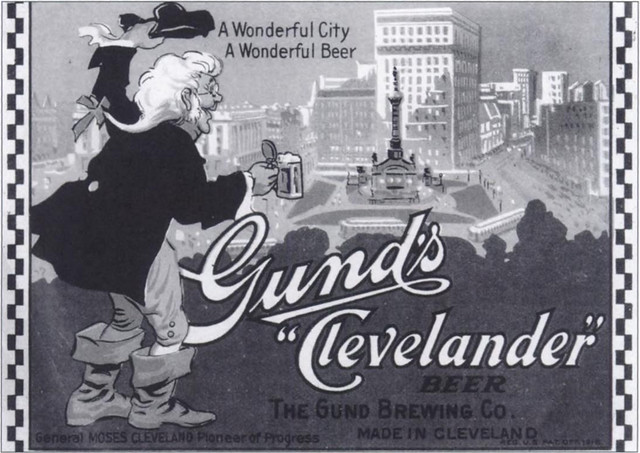
The GUND BREWING CO. was a small independent brewery located at 1476 Davenport St. on the city’s near east side. It was known as the Jacob Mall Brewing Co. when Geo. F. Gund (1855-1916) purchased it in 1897. Born in La Crosse, WI, Gund served as president of the Seattle Brewing & Malting Co. in Seattle, WA, from 1895-97 before moving to Cleveland and buying the Mall brewery, where he served as president and treasurer. On 1 Jan. 1900 the firm name was changed to the Gund Brewing Co. Geo. Gund also served as a trustee of the U.S. Brewers’ Assn. and as secretary of the Cleveland Brewers’ Board of Trade. In 1899 he testified before State Attorney General Frank S. Monnett against the combination created by the Cleveland-Sandusky Brewing Corp., charging that the combination loaned money without interest to saloon keepers who would take its product, and leased buildings and then turned out the customers of independent breweries. Prior to Prohibition, Gund Brewing brewed Gund’s “Finest” and Gund’s “Clevelander,” which it promoted with the slogan “A Wonderful City—A Wonderful Beer.” During Prohibition, the Gund interests turned toward previously established real estate and coffee businesses. The Gund Realty Co. (inc. 1922) and the Kaffee Hag Corp. (inc. 1914) were headed respectively by Anna M. Gund, Gund’s widow, and his son Geo. Gund both were based at the brewery address. After Prohibition, the brewery was operated by the Sunrise Brewing Co. (1933-39), then by the Tip Top Brewing Co. It closed in 1944.
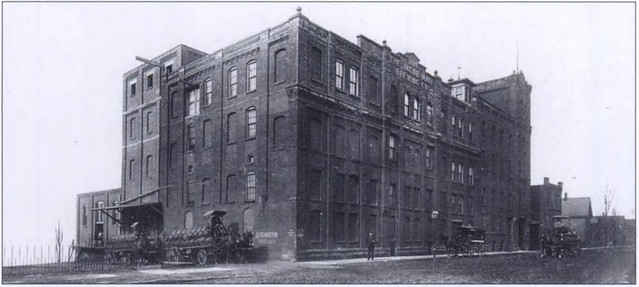
The Jacob Mall Brewing Co. when George Gund bought it in 1897.