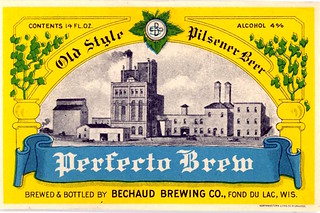
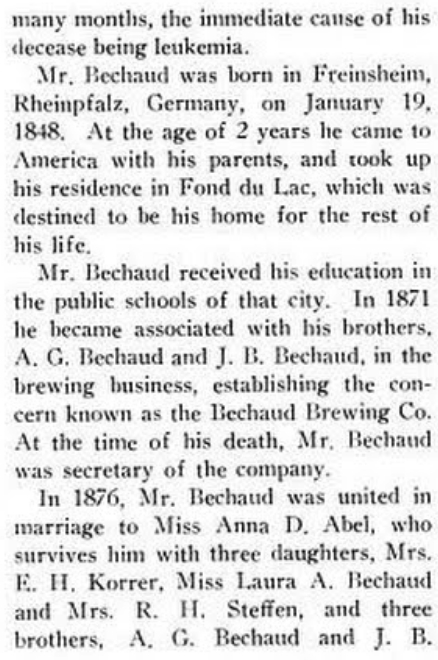
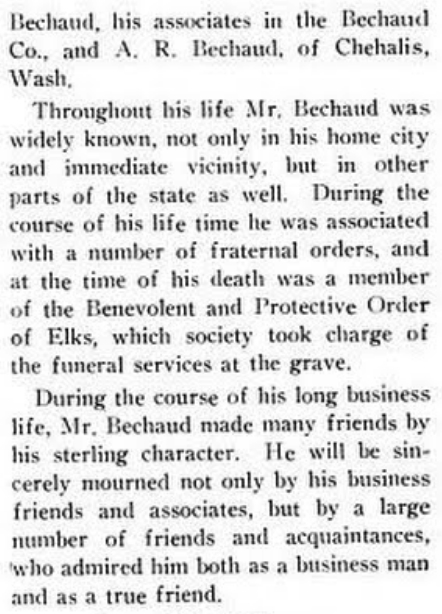
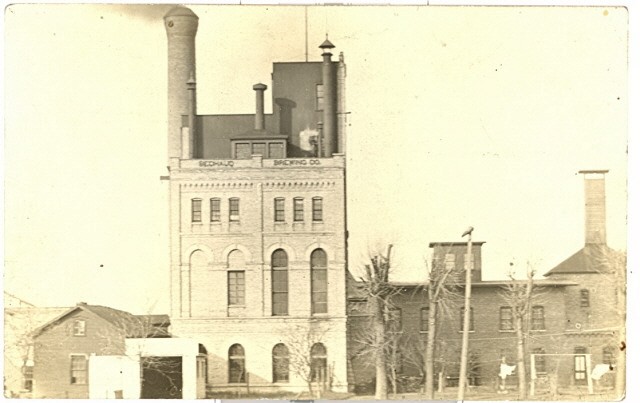
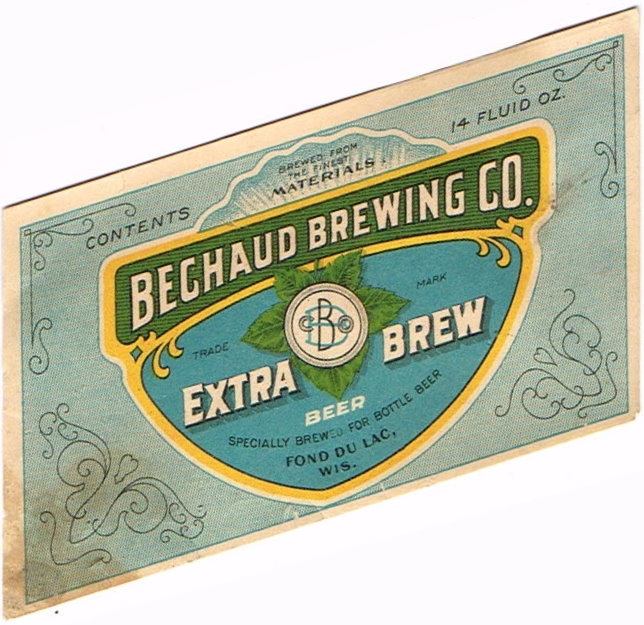
Today is the birthday of Frank H. Bechaud (January 19, 1848-November 28, 1916. He was born in Rheinpflz, Germany, but emigrated with his parents in 1850, when he was two, settling on Fond du Lac, Wisconsin. In 1871, along with two of his brothers, Adolph and Jean (a.k.a. John), founded the A.G. Bechaud Brewery, which was also known as the A.G. Bechaud & Bros. Brewery and later, beginning in 1875, traded under the Empire Brewery name, before returning to Bechaud Brewery when it reopened after prohibition ended, before closing for good in 1941.
Here’s an obituary of Bechaud from the Brewers’ Journal:
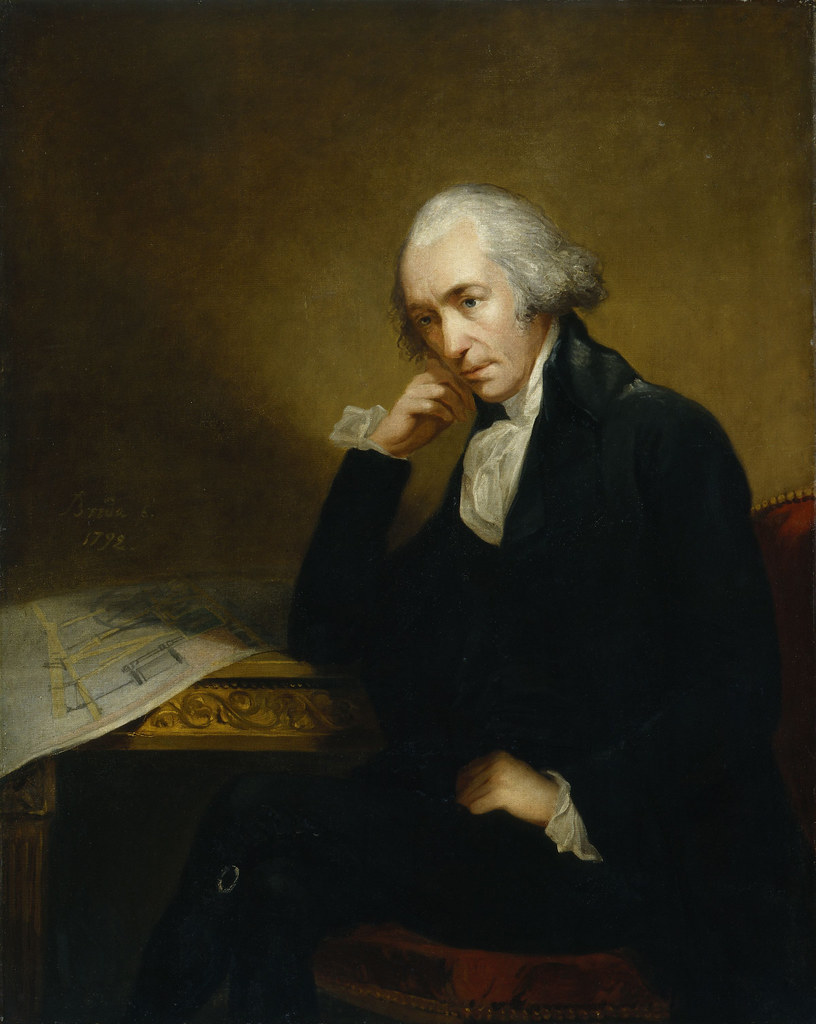
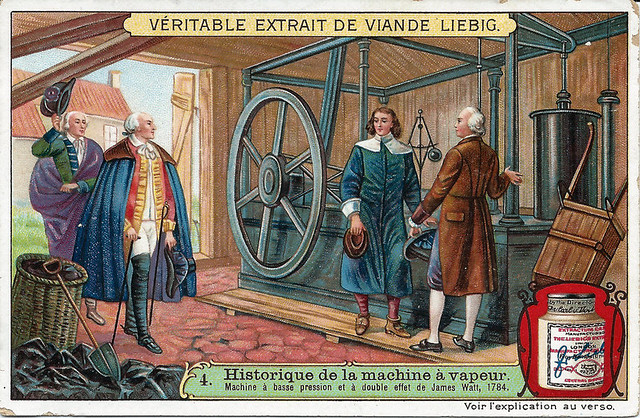
Today is the birthday of James Watt, not the BrewDog co-founder, but the “Scottish inventor, mechanical engineer, and chemist who improved on Thomas Newcomen’s 1712 Newcomen steam engine with his Watt steam engine in 1781, which was fundamental to the changes brought by the Industrial Revolution in both his native Great Britain and the rest of the world.
While working as an instrument maker at the University of Glasgow, Watt became interested in the technology of steam engines. He realised that contemporary engine designs wasted a great deal of energy by repeatedly cooling and reheating the cylinder. Watt introduced a design enhancement, the separate condenser, which avoided this waste of energy and radically improved the power, efficiency, and cost-effectiveness of steam engines. Eventually he adapted his engine to produce rotary motion, greatly broadening its use beyond pumping water.
Watt attempted to commercialise his invention, but experienced great financial difficulties until he entered a partnership with Matthew Boulton in 1775. The new firm of Boulton and Watt was eventually highly successful and Watt became a wealthy man. In his retirement, Watt continued to develop new inventions though none was as significant as his steam engine work. He died in 1819 aged 83.
He developed the concept of horsepower, and the SI unit of power, the watt, was named after him.”
Of course, from our perspective his most important contribution was to the industrial revolution, and specifically the improvement of brewery efficiency. While Watt did not invent the steam engine, his improvements made it practical, especially in breweries.
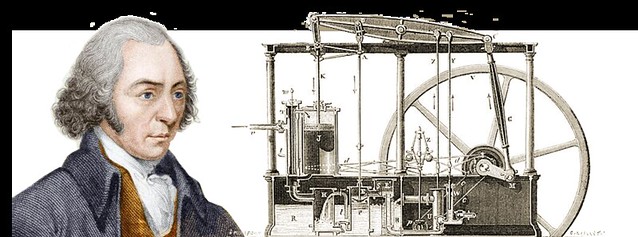
The Watt Steam Engine
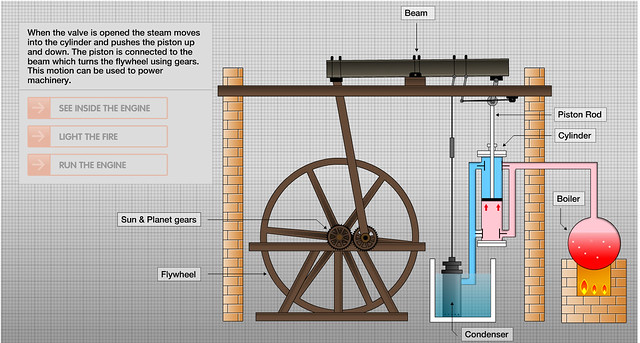
The Watt steam engine (alternatively known as the Boulton and Watt steam engine) was the first type of steam engine to make use of a separate condenser. It was a vacuum or “atmospheric” engine using steam at a pressure just above atmospheric to create a partial vacuum beneath the piston. The difference between atmospheric pressure above the piston and the partial vacuum below drove the piston down the cylinder. James Watt avoided the use of high pressure steam because of safety concerns. Watt’s design became synonymous with steam engines, due in no small part to his business partner, Matthew Boulton.
The Watt steam engine, developed sporadically from 1763 to 1775, was an improvement on the design of the Newcomen engine and was a key point in the Industrial Revolution.
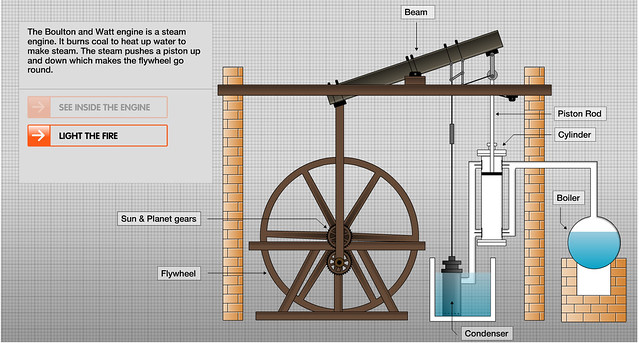
Watt’s two most important improvements were the separate condenser and rotary motion. The separate condenser, located external to the cylinder, condensed steam without cooling the piston and cylinder walls as did the internal spray in Newcomen’s engine. Watt’s engine’s efficiency was more than double that of the Newcomen engine. Rotary motion was more suitable for industrial power than the oscillating beam of Newcomen’s engine.
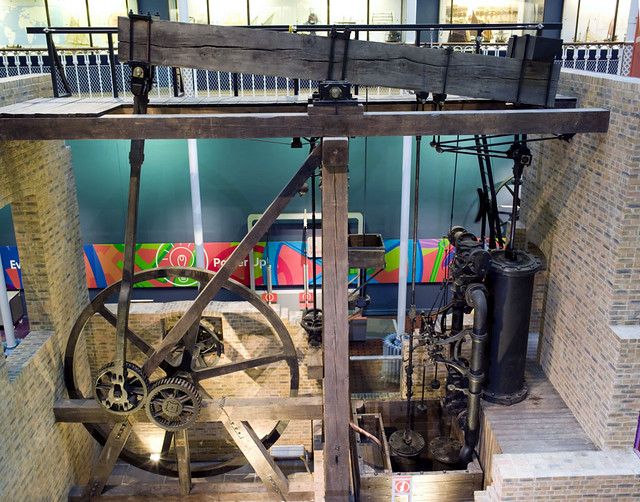
The Whitbread Engine preserved in the Powerhouse Museum in Sydney, Australia, built in 1785, is one of the first rotative steam engines ever built, and is the oldest surviving. A rotative engine is a type of beam engine where the reciprocating motion of the beam is converted to rotary motion, producing a continuous power source suitable for driving machinery.
This engine was designed by the mechanical engineer James Watt, manufactured for the firm Boulton and Watt and originally installed in the Whitbread brewery in London, England. On decommissioning in 1887 it was sent to Australia’s Powerhouse Museum (then known as the Technological, Industrial and Sanitary Museum) and has since been restored to full working order.
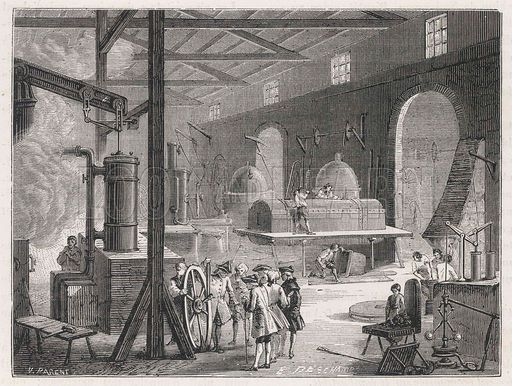
Installation of the Watt Steam Engine at Whitbread.
History of the Whitbread Engine
The engine was ordered by Samuel Whitbread in 1784 to replace a horse wheel at the Chiswell Street premises of his London brewery. It was installed in 1785, the second steam engine to be installed in a brewery, and enabled Whitbread to become the largest brewer in Britain. The horse wheel was retained for many years, serving as a backup in case the steam engine broke down. The drive gear of the engine, still evident today, was connected to a series of wooden line shafts which drove machinery within the brewery. Connected machinery included rollers to crush malt; an Archimedes’ screw, that lifted the crushed malt into a hopper; a hoist, for lifting items into the building; a three-piston pump, for pumping beer; and a stirrer within a vat. There was also a reciprocating pump connected to the engine’s beam, used to pump water from a well to a tank on the roof of the brewery.
In a marketing coup for both the brewer and the engine’s manufacturer, King George III and Queen Charlotte visited the brewery on 24 May 1787. The engine remained in service for 102 years, until 1887.
The engine made its way to the Powerhouse Museum (then known as the Technological, Industrial and Sanitary Museum) through Archibald Liversidge, an English-born chemist, scientist and academic at the University of Sydney, who was a trustee of the museum. Liversidge was in London in 1887, at the time of the engine’s decommissioning, and when he heard that the engine was to be scrapped he asked whether it could be donated to the museum. Whitbread & Co agreed on condition that the engine be set up and used for educational purposes.
Subsequently, the engine was dismantled and shipped to Sydney on the sailing ship Patriarch. For shipping purposes, the large flywheel was divided into two halves. While the flywheel’s rim could be unbolted, the hub with attached spokes had to be drilled through and rejoined after shipping. A shortage of funds meant the engine was kept in storage for several years. Eventually the engine was erected in its own engine house, behind the main building at the museum’s old Harris Street premises. During the 1920s or 1930s, an electric motor was added so that people could see the engine in motion. During the 1980s the Technology Restoration Society was formed in order to raise funds for the engine’s restoration. Restoration took place at the Museum’s Castle Hill site. During the restoration, some parts – including the piston – were replaced to preserve the original parts. The engine, restored to steaming condition, was installed in the new Powerhouse Museum in 1988. Today the engine is sometimes operated as part of the Museum’s Steam Revolution exhibition, steam being provided by the Museum’s central boiler.
Technical specifications
The engine has a 0.64 metres (25 in) diameter piston with a 1.8 metres (6 ft) long stroke, driven by a mean effective pressure of 70 kilopascals (10 psi). Its top speed is 20 revolutions per minute (rpm) of the flywheel. In the engine’s youth, it had a maximum power output of approximately 26 kilowatts (35 hp).[It underwent a series of alterations in 1795, converting it from single-acting to double-acting; it was alleged at the time that this conversion improved its power to 52 kilowatts (70 hp), but the Powerhouse Museum claims this is false. A centrifugal governor, which moderates the level of steam provided if the engine begins to overload was added some years after this, and beam and main driving rod, both originally of wood, were replaced in sand-cast iron.
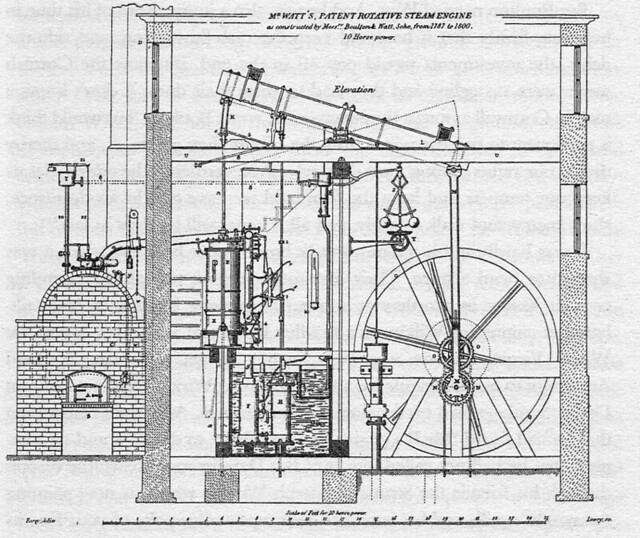
Apart from its age, the engine is notable in that it embodies the four innovations which made Boulton & Watt’s engines a significant driver of the Industrial Revolution. The first is a separate condenser, which increases the efficiency of the engine by allowing the main cylinder to remain hot at all times. The second is the parallel motion, which converts the up-and-down motion of the piston into the arcing motion of the beam, whilst maintaining a rigid connection. The rigid connection allowed the engine to be double-acting, meaning the piston could push as well as pull the beam. Third is the centrifugal governor, used to automatically regulate the speed of the engine. Finally the sun and planet gear convert the reciprocating motion of the beam into a rotating motion, which can be used to drive rotating machinery.
There’s also another Boulton & Watt engine at the National Museum of Scotland. It “was built in 1786 to pump water for the Barclay & Perkins Brewery in Southwark, London. Made double-acting in 1796, it was then capable of grinding barley and pumping water. At that time, no one else could supply a steam engine that performed both these actions at once. With some minor modifications, it remained in service at the brewery until 1884.”
James Watt (1736-1819) was a prolific inventor, surveyor, instrument maker and engineer. His engines dramatically increased the power that could be generated through steam.
By entering into partnership with the Birmingham magnate Matthew Boulton in 1774, James Watt was able to channel the vast resource of Boulton’s Soho Foundry. Their partnership was so successful that the Boulton & Watt firm supplied engines and expertise to countries as far a field as Russia and Greece.
After pumping water and grinding barley for almost eighty-seven years, the engine came out of service in 1883.
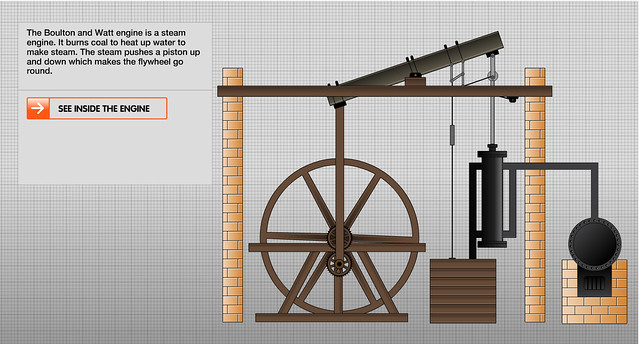
You can see a diagram of the engine in action here:
Watt’s Steam Engine
Inside the Engine
Lighting the Fire
Running the Engine
If you want to read more in-depth about Watt’s development of the steam engine, Chapter III of “The Development of the Modern Steam-Engine: James Watt and His Contemporaries” is online, and there’s also various links at Watt’s page at the Scottish Engineering Hall of Fame.
Two years ago I decided to concentrate on Bock ads for awhile. Bock, of course, may have originated in Germany, in the town of Einbeck. Because many 19th century American breweries were founded by German immigrants, they offered a bock at certain times of the year, be it Spring, Easter, Lent, Christmas, or what have you. In a sense they were some of the first seasonal beers. “The style was later adopted in Bavaria by Munich brewers in the 17th century. Due to their Bavarian accent, citizens of Munich pronounced ‘Einbeck’ as ‘ein Bock’ (a billy goat), and thus the beer became known as ‘Bock.’ A goat often appears on bottle labels.” And presumably because they were special releases, many breweries went all out promoting them with beautiful artwork on posters and other advertising.
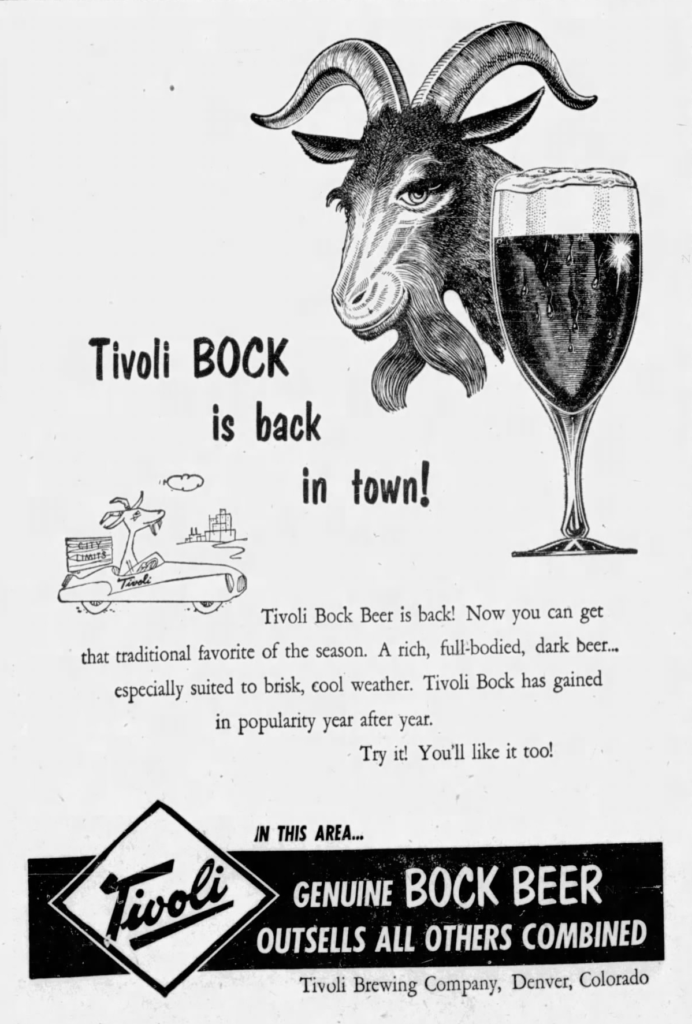
Sunday’s ad is for Tivoli Bock Beer, which was published on January 18, 1955. This ad was for the Tivoli Brewing Co. of Denver, Colorado, which was originally founded in 1864 as the Colorado Brewery. This ad ran in The Pueblo Chieftain, of Pueblo, Colorado.
Two years ago I decided to concentrate on Bock ads for awhile. Bock, of course, may have originated in Germany, in the town of Einbeck. Because many 19th century American breweries were founded by German immigrants, they offered a bock at certain times of the year, be it Spring, Easter, Lent, Christmas, or what have you. In a sense they were some of the first seasonal beers. “The style was later adopted in Bavaria by Munich brewers in the 17th century. Due to their Bavarian accent, citizens of Munich pronounced ‘Einbeck’ as ‘ein Bock’ (a billy goat), and thus the beer became known as ‘Bock.’ A goat often appears on bottle labels.” And presumably because they were special releases, many breweries went all out promoting them with beautiful artwork on posters and other advertising.
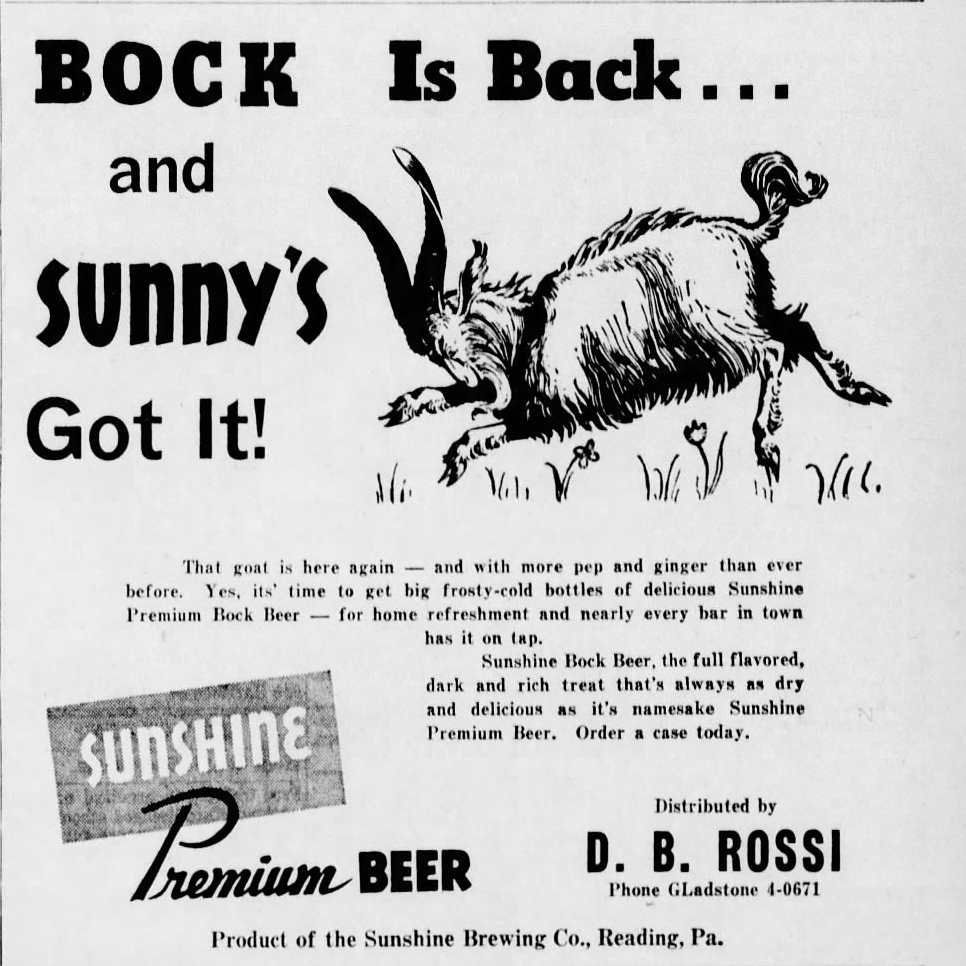
Saturday’s ad is for Sunshine Premium Bock Beer, which was published on January 17, 1955. This ad was for the Sunshine Brewing Co. of Reading, Pennsylvania, which was originally founded in 1859 by Peter Barbey and Abraham Peltzer. This ad ran in The Standard Speaker, of Hazelton, Pennsylvania.
Two years ago I decided to concentrate on Bock ads for awhile. Bock, of course, may have originated in Germany, in the town of Einbeck. Because many 19th century American breweries were founded by German immigrants, they offered a bock at certain times of the year, be it Spring, Easter, Lent, Christmas, or what have you. In a sense they were some of the first seasonal beers. “The style was later adopted in Bavaria by Munich brewers in the 17th century. Due to their Bavarian accent, citizens of Munich pronounced ‘Einbeck’ as ‘ein Bock’ (a billy goat), and thus the beer became known as ‘Bock.’ A goat often appears on bottle labels.” And presumably because they were special releases, many breweries went all out promoting them with beautiful artwork on posters and other advertising.
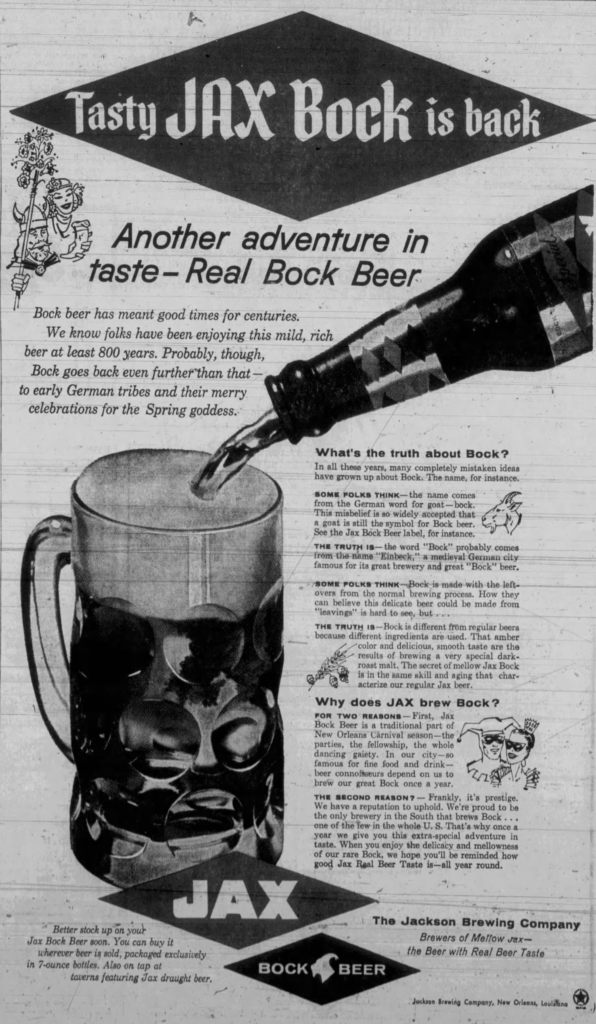
Friday’s ad is for JAX Bock Beer, which was published on January 16, 1960. This ad was for the Jackson Brewing Co. of New Orleans, Louisiana, which was originally founded in 1890 by Lawrence Fabacher. This ad ran in The Times Picayune, of New Orleans, Louisiana.
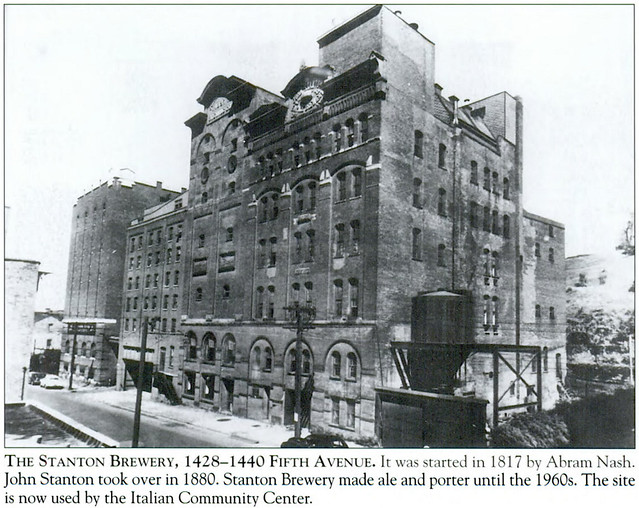
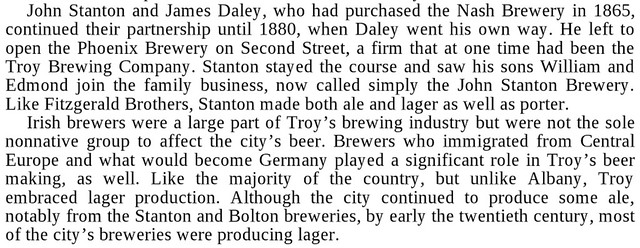
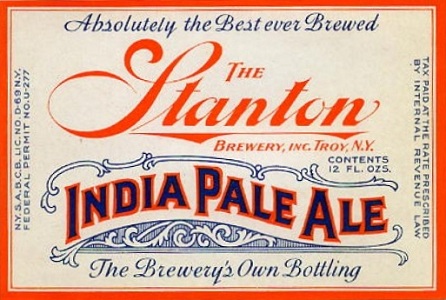
Today is the birthday of John Stanton (January 16, 1832-April 23, 1917). He was born in Ireland, County Cork, but came to American as a teen. In 1866, Stanton and a partner, James Daley bought the Abraham Nash Brewery of Troy, New York, which had been founded in 1817. They renamed it the Daley & Stanton Brewery, but a few years later, in 1880, Stanton bought out Daley, renaming it the John Stanton Brewery, which remained its name until closed by prohibition. After prohibition was repealed, it reopened as The Stanton Brewery Inc., and it stayed in business until 1950, when it closed for good.
Here’s his obituary from the American Brewers’ Review from 1917:
Two years ago I decided to concentrate on Bock ads for awhile. Bock, of course, may have originated in Germany, in the town of Einbeck. Because many 19th century American breweries were founded by German immigrants, they offered a bock at certain times of the year, be it Spring, Easter, Lent, Christmas, or what have you. In a sense they were some of the first seasonal beers. “The style was later adopted in Bavaria by Munich brewers in the 17th century. Due to their Bavarian accent, citizens of Munich pronounced ‘Einbeck’ as ‘ein Bock’ (a billy goat), and thus the beer became known as ‘Bock.’ A goat often appears on bottle labels.” And presumably because they were special releases, many breweries went all out promoting them with beautiful artwork on posters and other advertising.
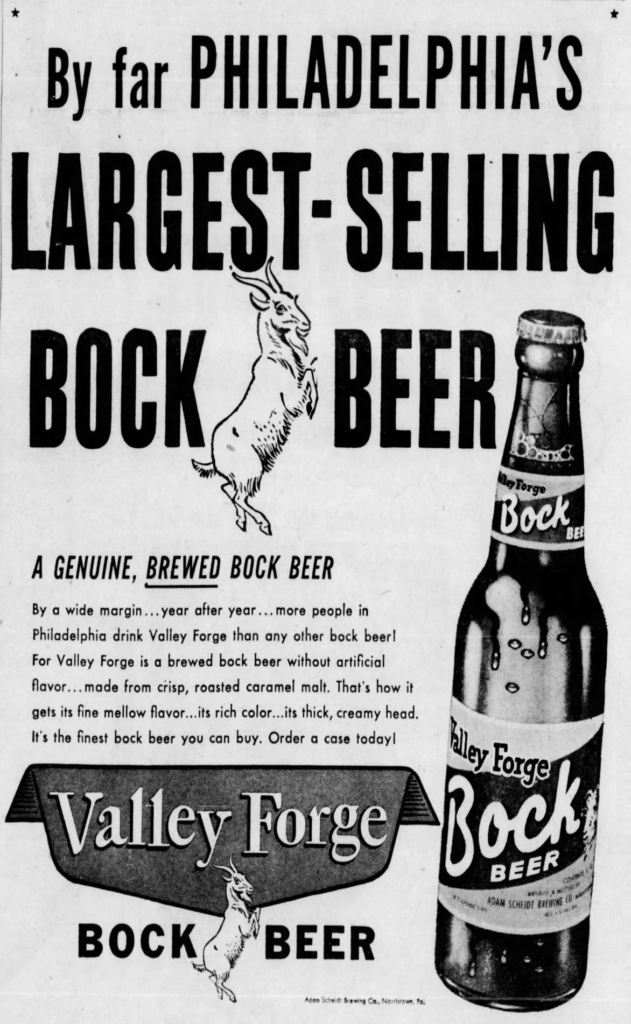
Thursday’s ad is for Valley Forge Bock Beer, which was published on January 15, 1953. This ad was for the Valley Forge Brewing Co., which also the name of a brand sold by the C. Schmidt & Sons Brewing Co. of Philadelphia, Pennsylvania, which was originally founded in 1859 by Robert Courtenay. This ad ran in The Newsday Nassau Edition, of Long Island, New York.
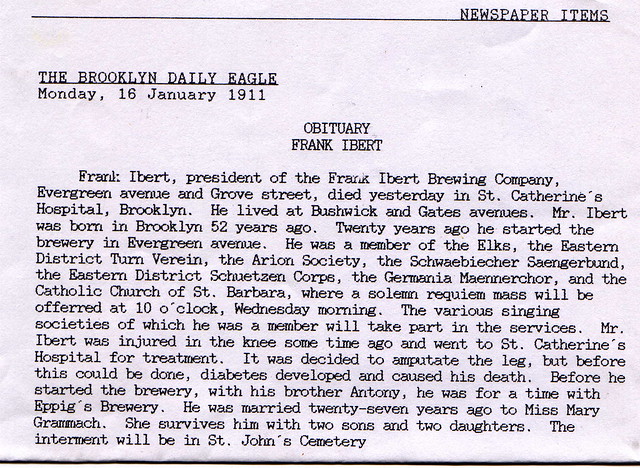
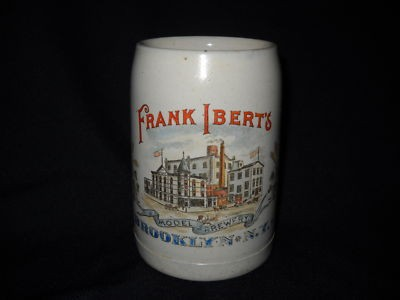
Today is the birthday of Frank Ibert (January 15, 1859-January 15, 1911). He was born in Brooklyn, New York. His first brewery, founded in 1880, was the Joseph Eppig & Frank Ibert Brewery in Brooklyn. The following year, he left the brewery to his partner, allowing himself to be bought out, and founded his own brewery nearby, which he called the Frank Ebert Brewery. It opened in 1891, but was closed by prohibition in 1914. Some accounts suggest it may have opened earlier, and it does make sense that he wouldn’t have waited ten years to open another brewery.
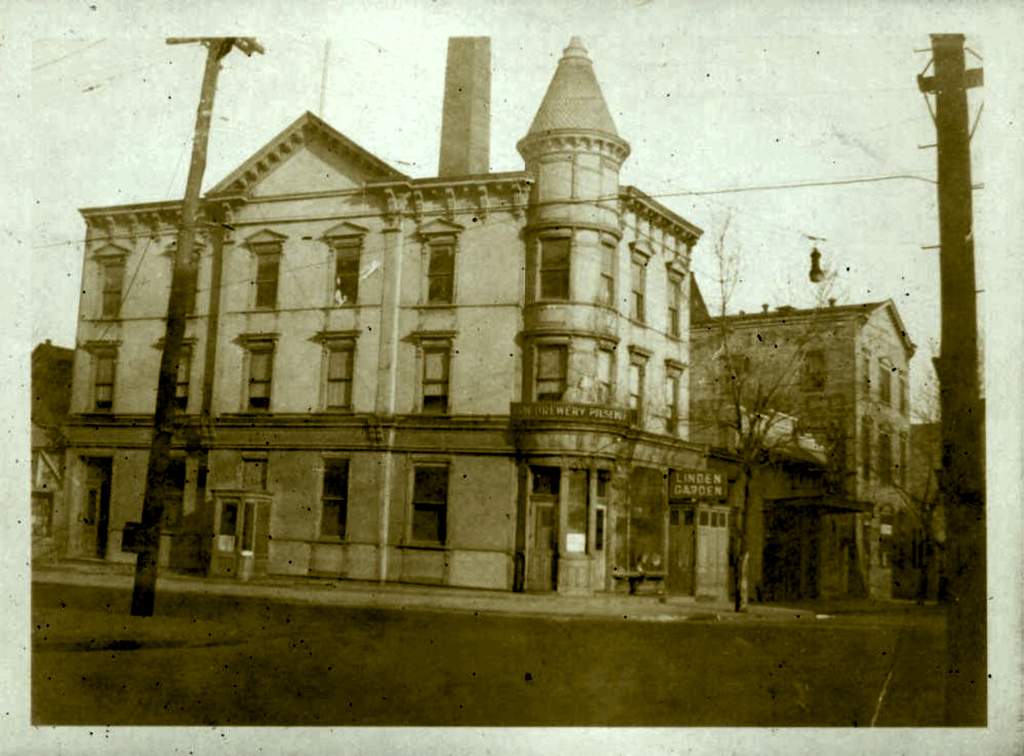
The Frank Ibert Brewery circa 1898-1900, although another source says it’s from 1902.
This account, from Ancestry.com accompanies one version of the photo above:
Evergreen Avenue, Linden Street and Grove Street Frank IBERT Brewing Company formed in the late 1880s. The brick building that housed the Brewery itself, would be to the left of the horses. Valentine HOFMANN was the proprietor of the HOFMANN Cafe, as seen to the right of the horses, behind the people in the photo. (Valentine HOFMANN, Frank IBERT and their children.) Frank IBERT and Valentine HOFMANN were brother-in-laws. There was a passage way between the Brewery and the Cafe. The IBERT’S who was the brewmeister’s home was at 404 Evergreen Ave, right above the HOFMANN Cafe. They lived for a time on the upper floor and the HOFMANN family below. With the death of Frank IBERT in 1920s, the Brewery was sold to a son-in-law of HOFMANNS’, Frank WINTERRATH. (He married Valentine’s oldest daughter Margaret in 1907 in St. Barbara’s RC Church) WINTERRATH tried to make a go of the Cafe changing the name to “Linden Gardens.” With prohibition around the corner it did not stay in business for long, even after a go at as a speakeasy. The building was destroyed by fire in the late 1950s, leaving an empty lot where the Cafe & home once.
The brewery c. 1924.
Here’s his obituary from the Brooklyn Daily Eagle:
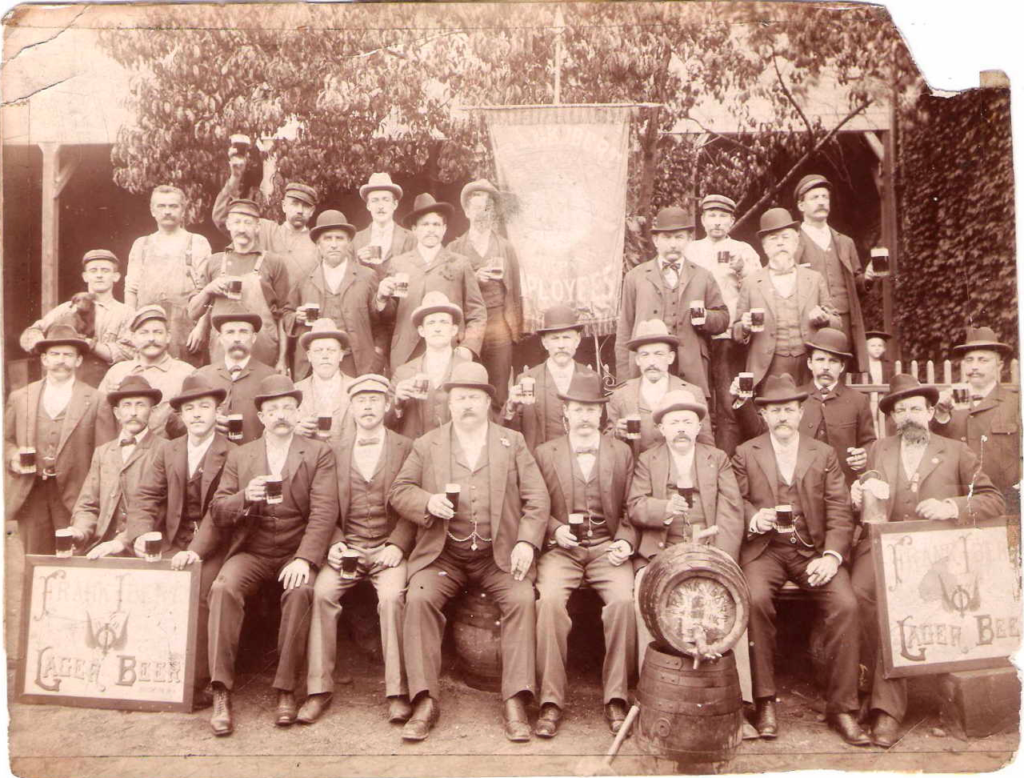
Frank Ibert Brewery workers.
A foam scraper for Ibert’s P.O.B.— “Pride of Brooklyn.”
And here’s a short account from a Hofmann family genealogy site:
Valentine went into the liquor business and became the co-owner with his brother-in-law Frank IBERT.(Margaretha’s sister, Mary Grammich married Frank Ibert). The Frank IBERT Brewing Company and HOFMANN Cafe. It was located on the corner of Evergreen,Linden and Grove, in Brooklyn. The top 2 floors were apartments. After Prohibition went into effect the brewery no longer produced beer but it did continue in the food end, becoming “The Linden Gardens” The building remained in the family until the 1950’s when it was destroyed by fire.
Today is the birthday of German-born Joseph P. Junk (January 15, 1841-February 17, 1887) who emigrated to the U.S. in 1868, and in 1883 opened the eponymous Joseph Junk Brewery in Chicago, Illinois. Unfortunately, he died just a few years later, in 1887, and his widow, Magdalena Junk, took over management of the brewery, renaming it Junk’s Brewery and then the Jos. Junk Brewery, which it remained until 1909. She increased production from around 4,000 barrels to 45,000 barrels of lager beer.
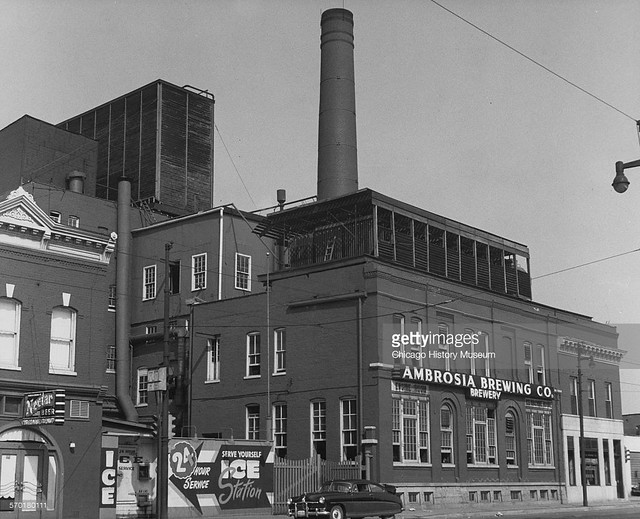
It then became the South Side Brewing Co. until prohibition, and afterwards reopened under that same name. But in 1937 in became the more fancifully named Ambrosia Brewing Co., then changed again one final time, to the Atlantic Brewing Co., before closing for good in 1965. It was located at 3700/3710 South Halstead and 37th Streets. According to Tavern Trove, “the brewery has been torn down. What was the Ambrosia Brewery is now the parking lot for Schaller’s Pump, a tavern located at 3714 S. Halsted, Chicago.”
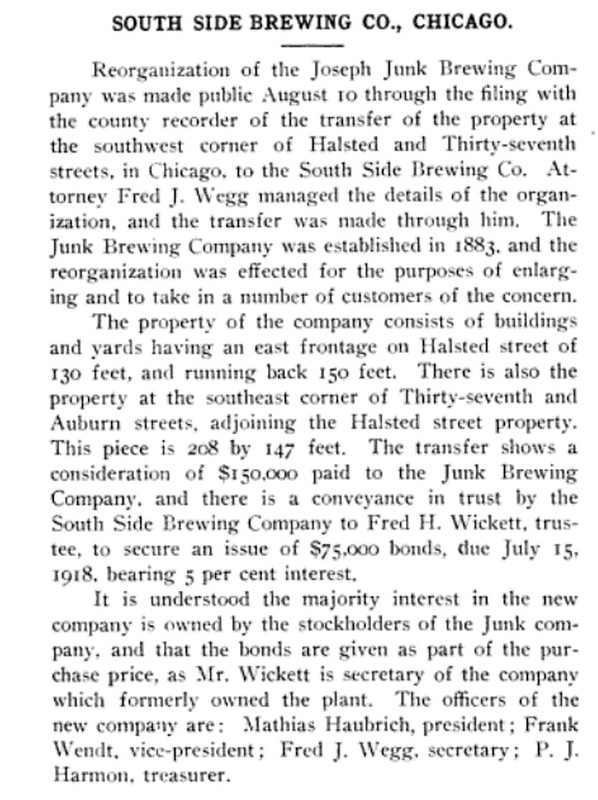
Here’s a short article from the Western Brewer (Brewer’s Journal) from August 1909 reporting on the transition from Jos. Junk to South Side Brewing.
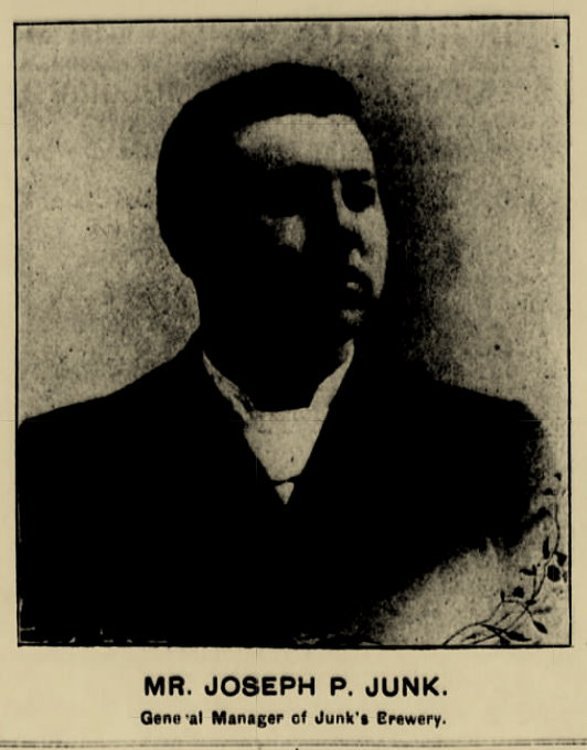
I was unable to find any photos of any of the Junk family, and in fact very little of anything, which I guess makes sense since they were the Junk Brewery, or some variation, for a relatively short time a very long time ago. Here’s what I did find.
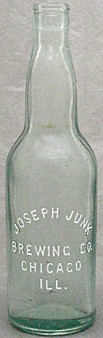
A rare Junk bottle.
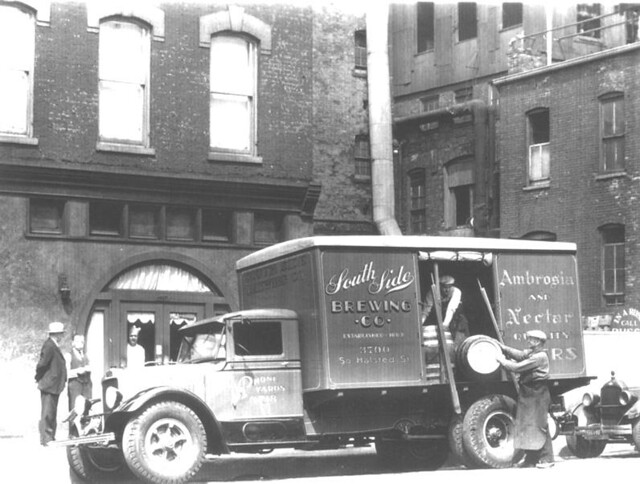
This is a South Side delivery truck taken around 1936.
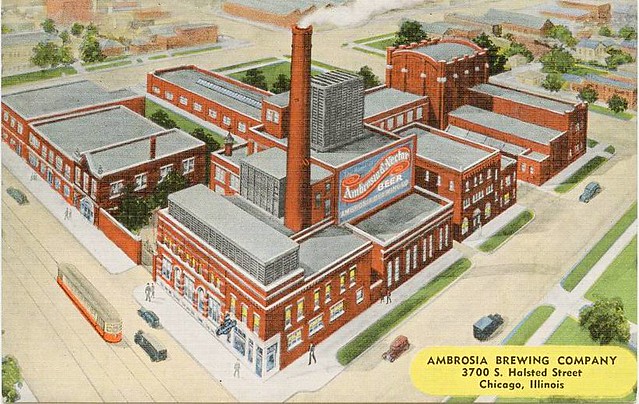
The website where I found this claims it was from 1930, but American Breweries II states that it wasn’t called Ambrosia Brewing until 1937, so it’s probably from the late 1930s at the earliest. But another source says it’s from the 1950s, and indeed it as known as Ambrosia through 1959, so that’s perhaps more likely given the look of the postcard.
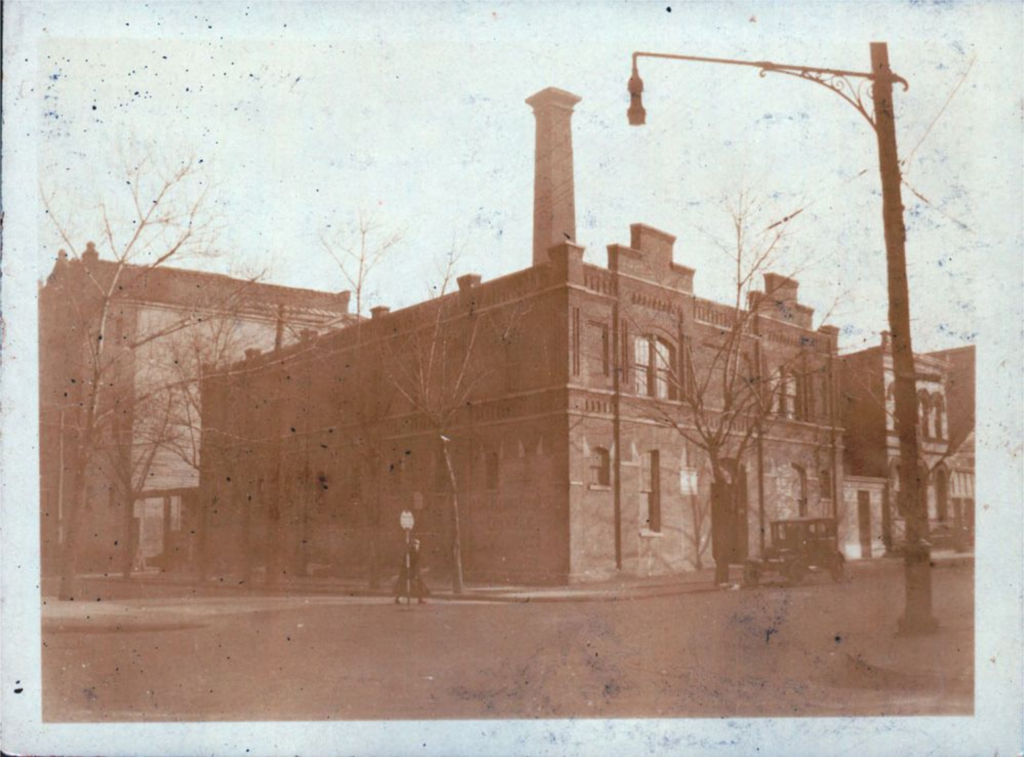
This is in the collection of the Chicago History Museum, but they appear to have no idea when it was taken.
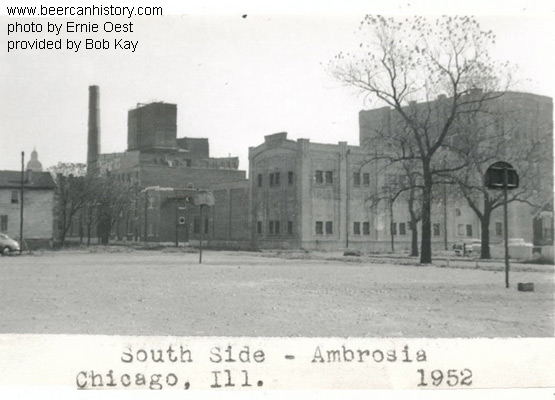
This is the brewery around 1952, taken by Ernie Oest and featured at beer can history.
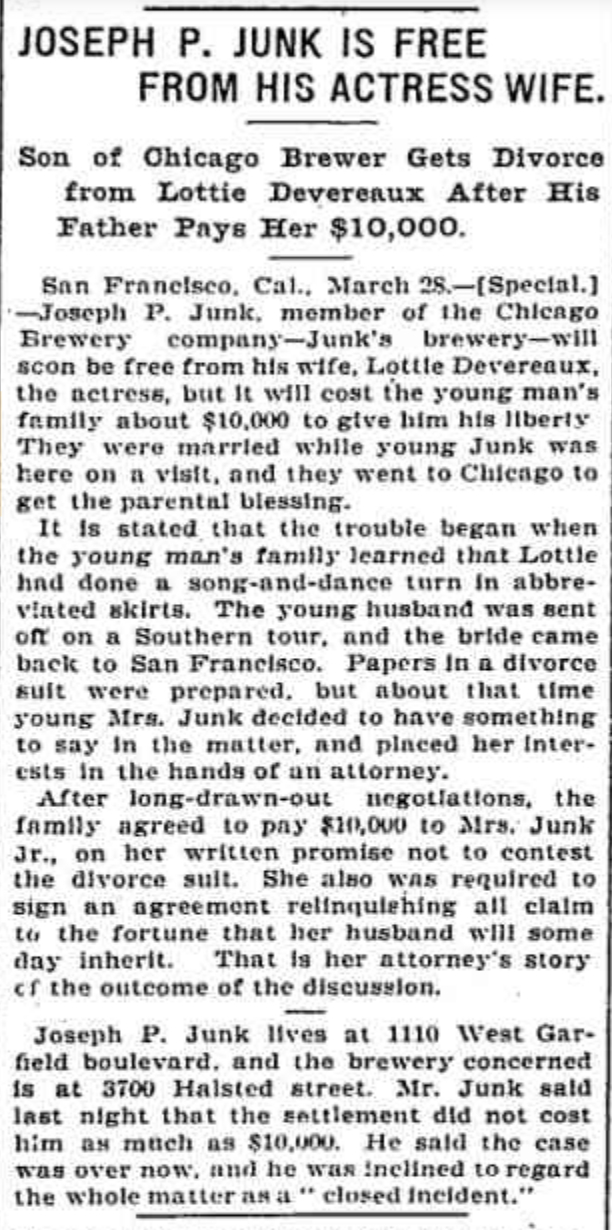
But by far, this is the most interesting bit of history on Joseph Junk I turned up. This is a newspaper article from the Chicago Tribune for March 29, 1902. It concerns what I can only assume is Joe and Magdalena’s son, since they refer to him as a “young man” and “member of the Chicago Brewery” rather then saying “owner.” Seems the young man went on a bender in San Francisco and ended up marrying some floozy he’d just met. But here’s the best bit. “The trouble began when the young man’s family learned that Lottie (is that not a floozy’s name?) had done a song-and-dance turn in abbreviated skirts.” Oh, the horror. It sounds like they could live with or tolerate the “song-and dance turn,” but not, I repeat not, if there were “abbreviated skirts” involved. That was the deal breaker, so they sent him off on “a Southern tour” and her packing back to Frisco, eventually settling on a payoff on $10,000, which in today’s money is over a quarter-million dollars, or roughly $276,150. It must have been the talk of polite society for months afterwards, bringing shame down on the Junk family.
Two years ago I decided to concentrate on Bock ads for awhile. Bock, of course, may have originated in Germany, in the town of Einbeck. Because many 19th century American breweries were founded by German immigrants, they offered a bock at certain times of the year, be it Spring, Easter, Lent, Christmas, or what have you. In a sense they were some of the first seasonal beers. “The style was later adopted in Bavaria by Munich brewers in the 17th century. Due to their Bavarian accent, citizens of Munich pronounced ‘Einbeck’ as ‘ein Bock’ (a billy goat), and thus the beer became known as ‘Bock.’ A goat often appears on bottle labels.” And presumably because they were special releases, many breweries went all out promoting them with beautiful artwork on posters and other advertising.
Wednesday’s ad is for Valley Forge Bock Beer, which was published on January 14, 1954. This ad was for the Valley Forge Brewing Co., which also the name of a brand sold by the C. Schmidt & Sons Brewing Co. of Philadelphia, Pennsylvania, which was originally founded in 1859 by Robert Courtenay. This ad ran in The Courier Post, of Cherry Hill, New Jersey.


















 This is the brewery around 1952, taken by Ernie Oest and featured at beer can history.