Brookston Beer Bulletin

Jay R. Brooks on Beer

  • Home
  • About
  • Editorial
  • Birthdays
  • Art & Beer

Socialize

  • Dribbble
  • Email
  • Facebook
  • Flickr
  • GitHub
  • Instagram
  • LinkedIn
  • Pinterest
  • RSS
  • Twitter
  • YouTube

Powered by Genesis

Historic Beer Birthday: Johann Casper Bruckmann

August 17, 2025 By Jay Brooks

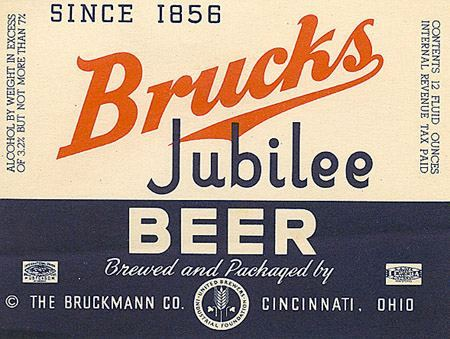
Today is the birthday of Johann (“John”) Casper Bruckmann (August 17, 1829-August 12, 1887). He was born in “Berka von der Hainich, Wartburgkreis, Thuringia, Germany.” the son of Hartmann Bru(e)ckmann and Christina Maria Braun.
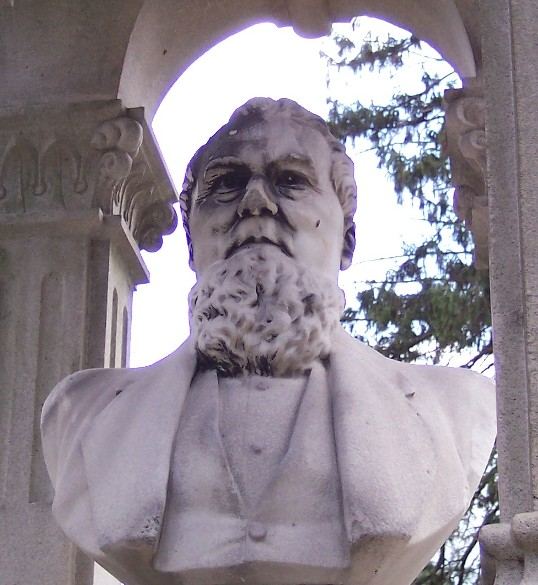
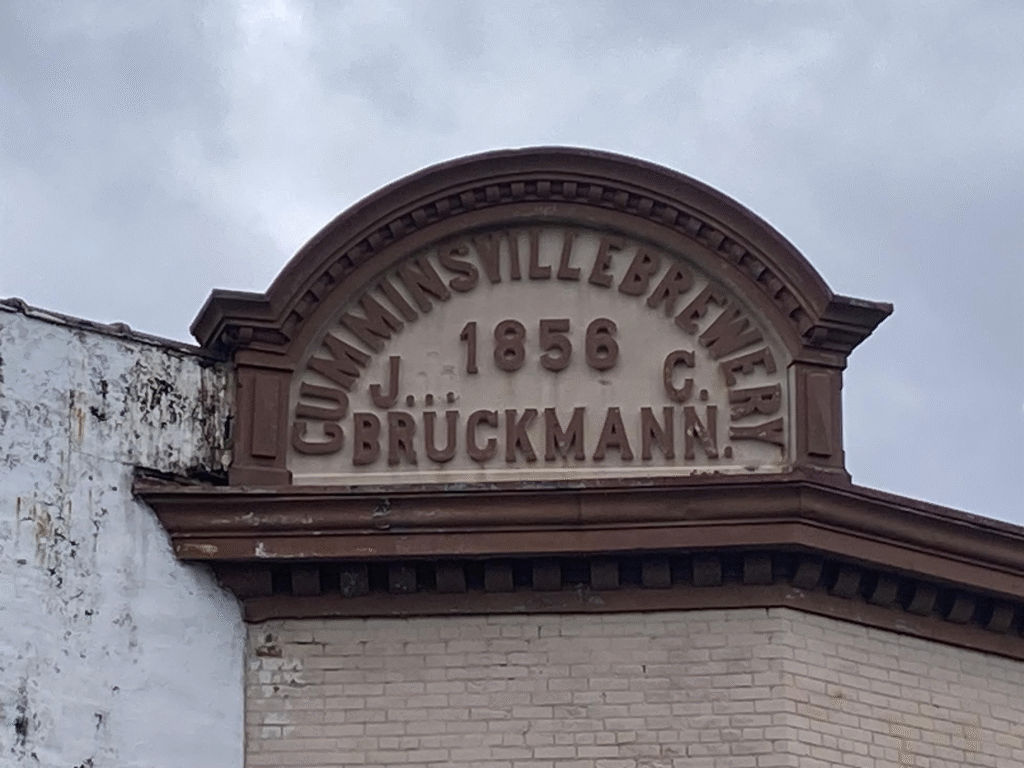
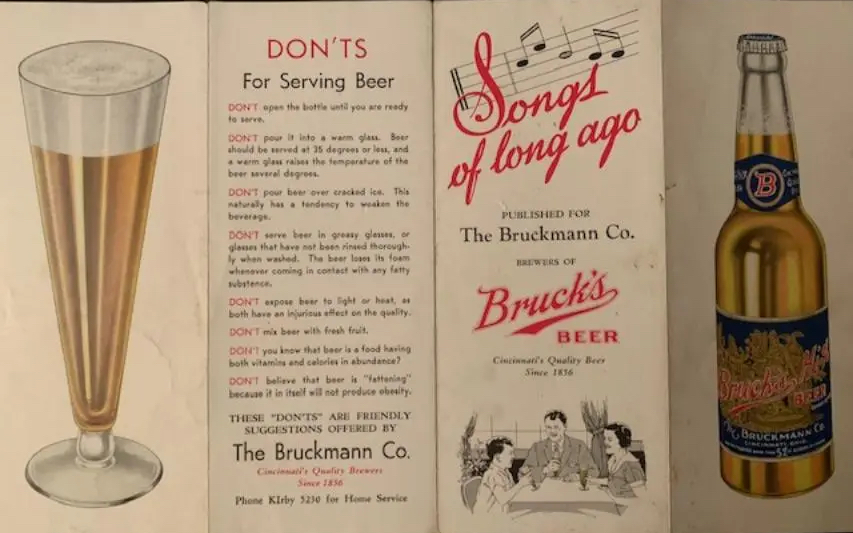
In 1856, with his brother, Frederick Bruckmann, he founded the Cumminsville Brewery, of Cincinnati, Ohio, which was also known as the Frederick Bruckmann Brewery, but by 1872 was called the John C. Bruckmann Brewing Co., although still also known as the Cumminsville Brewery.
Filed Under: Birthdays, Breweries, Just For Fun Tagged With: Germany, History, Ohio

Historic Beer Birthday: Charles D. Goepper

August 15, 2025 By Jay Brooks

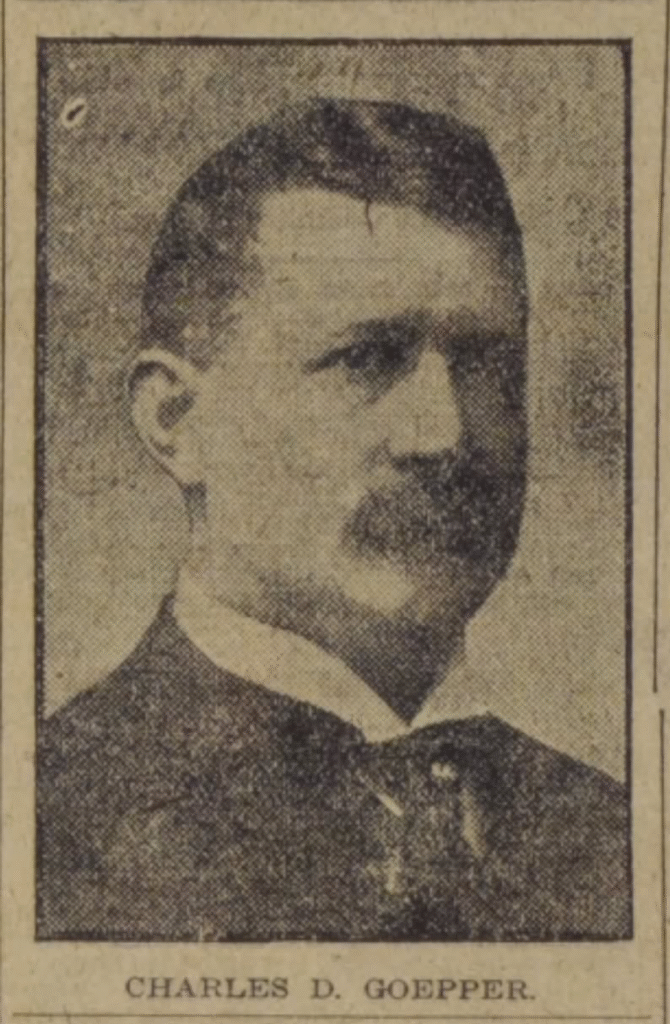
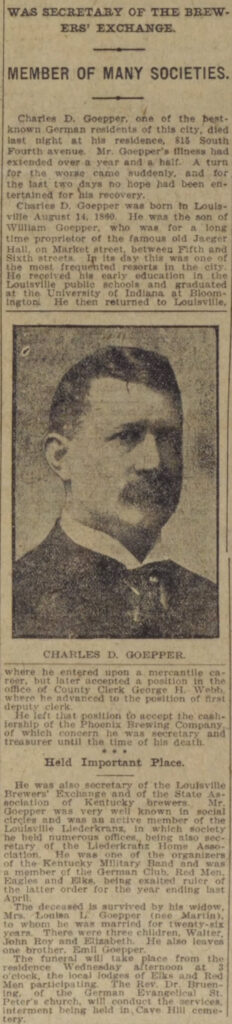
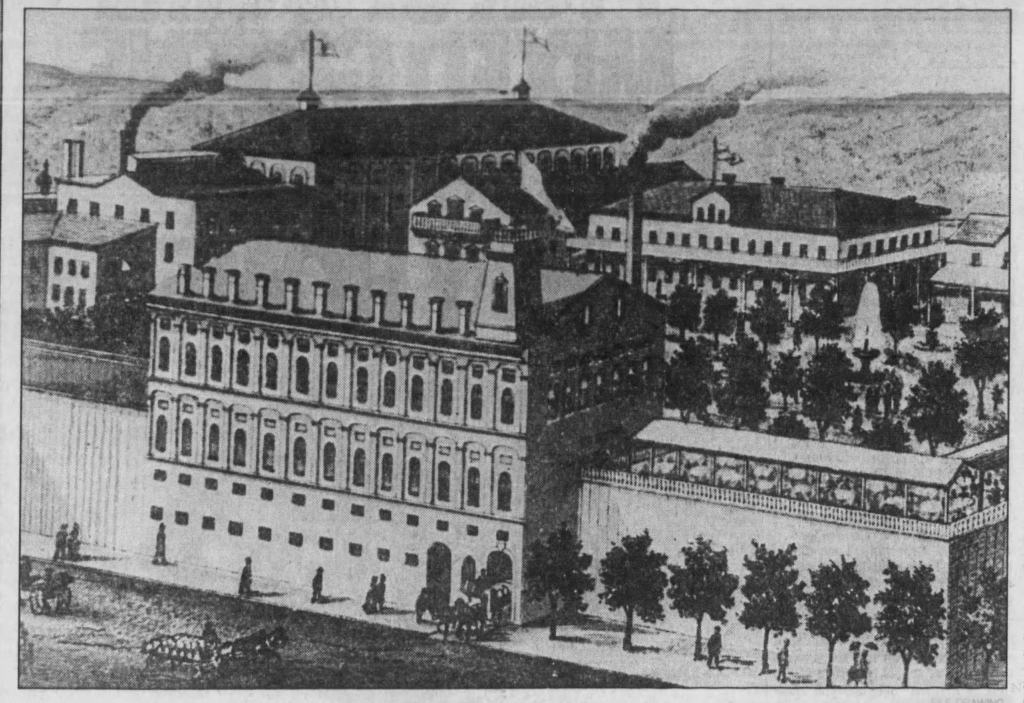
Today is the birthday of Charles D. Goepper (August 15, 1860-June 7, 1909). In 18990, he was elected Secretary of the Phoenix Brewery of Louisville, Kentucky. The brewery was founded in 1859 as the Philip Zang Brewery, but became known as the Phoenix Brewery just two years later, in 1861, but closed in 1916 due to prohibition.

Here is Goepper’s obituary from the American Brewers’ Review:

And this obituary is from the Louisville Courier Journal:

And this obituary is from the same day in Louisville Courier Journal, but is slightly different, possibly from different editions, like the morning and evening papers?:

Filed Under: Birthdays, Breweries, Just For Fun Tagged With: Kentucky

Historic Beer Birthday: Adam Eulberg

August 15, 2025 By Jay Brooks

eulberg-bros

Today is the birthday of Adam Eulberg (August 15, 1835-May 20, 1901). He was born in Nassau, Germany but moved to Portage, Wisconsin with his family when he was 19, in 1854. In 1884 he and his brother Peter bought the City Brewery, which had been founded in 1852 by Carl Haertel. His brother Peter passed away suddenly shortly thereafter and Adam carried on the business alone, at least until his two sons were old enough to join him. Adam and Peter renamed the brewery Eulberg Bros. Brewery, but Adam’s family changed it to the Eulberg Brewing Co. in 1907. They survived prohibition making soda, and resumed beer production after repeal, but the Eulbergs sold the business in 1944. It closed for good in 1958.

Adam-Eulberg

This is Eulberg’s obituary from the American Brewers’ Review:

Adam-Eulberg-obit
Eulberg-brewery-1880
The Eulberg Brewery before he bought it, in 1880.

This short history of the brewery is from the Wisconsin Historical Society:

Milwaukee dominated Wisconsin’s early brewing industry, but successful breweries were found in communities throughout the state. In 1852, German immigrant Carl Haertel began producing beer in Portage, Wisconsin. In 1884, brothers Adam and Peter Eulberg, also originally from Germany, acquired the Haertel Brewery. The Eulberg Brewing Company remained in the family until 1944 and shut its doors permanently in 1958.

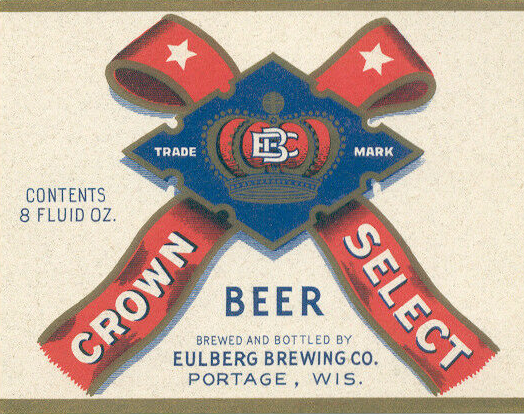
Eulberg-crown-select

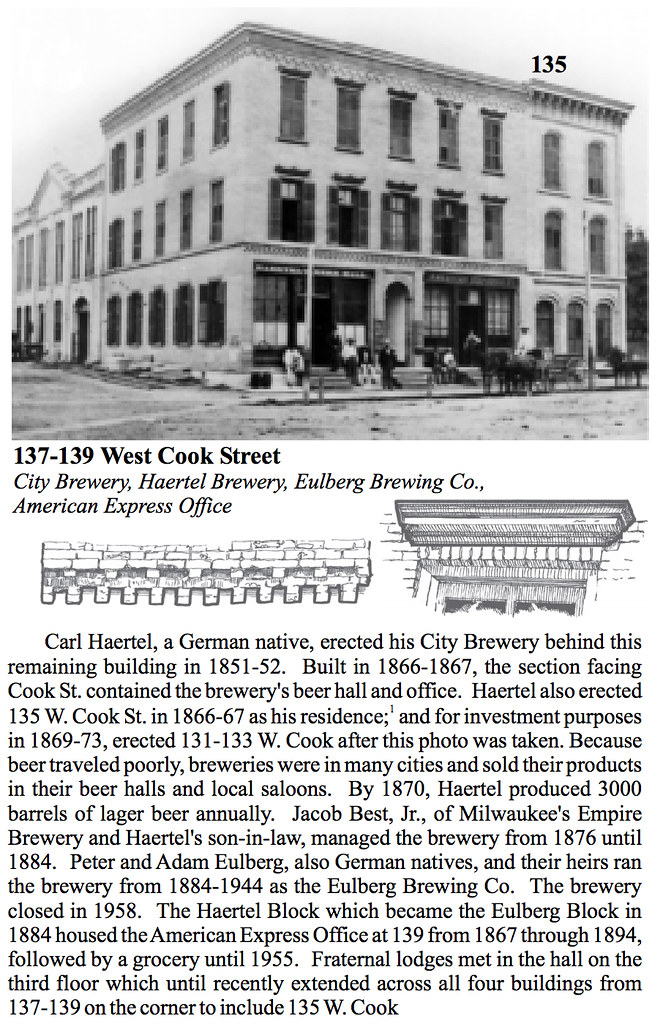
And here’s another history of the brewery building itself, which is still standing in downtown Portage, Wisconsin.

Eulberg-building
Eulberg-picnic-beer

As far as I can tell, he’s not related to Caspar Eulberg, who was born in roughly the same area of Germany, and started a brewery in Galena, Illinois called C. Eulberg & Sons.

Eulberg-old-portage
Eulberg-can

Filed Under: Birthdays, Breweries, Just For Fun Tagged With: Germany, Wisconsin

Historic Beer Birthday: Christian Benjamin Feigenspan

August 15, 2025 By Jay Brooks

feigenspan
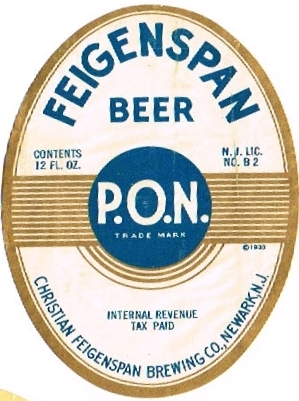
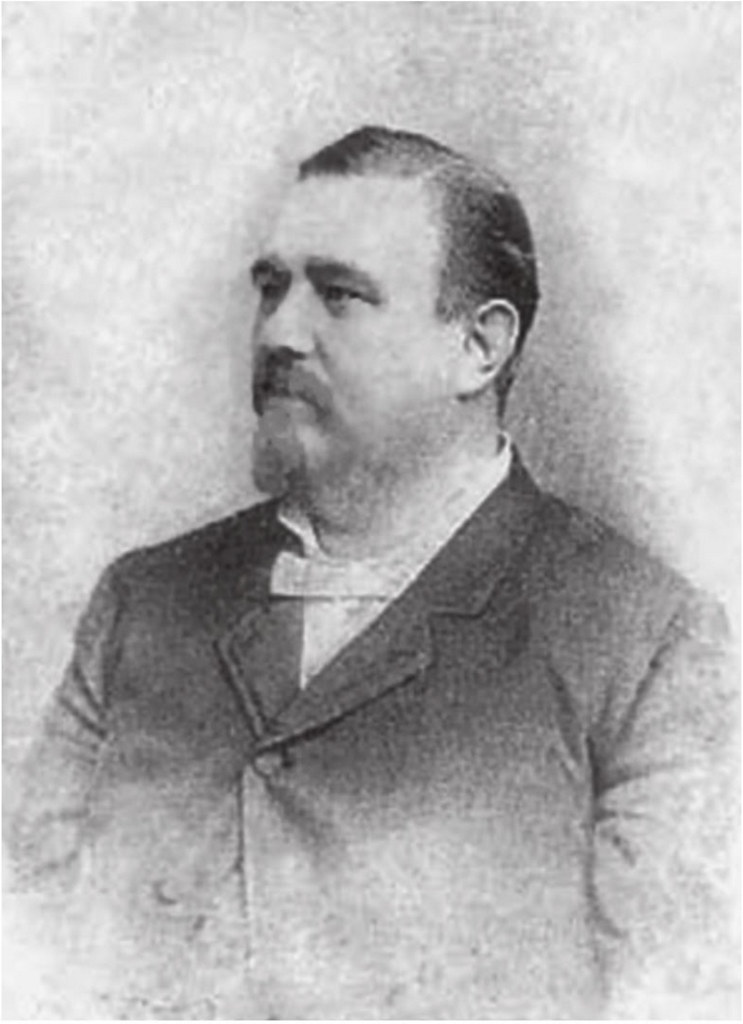
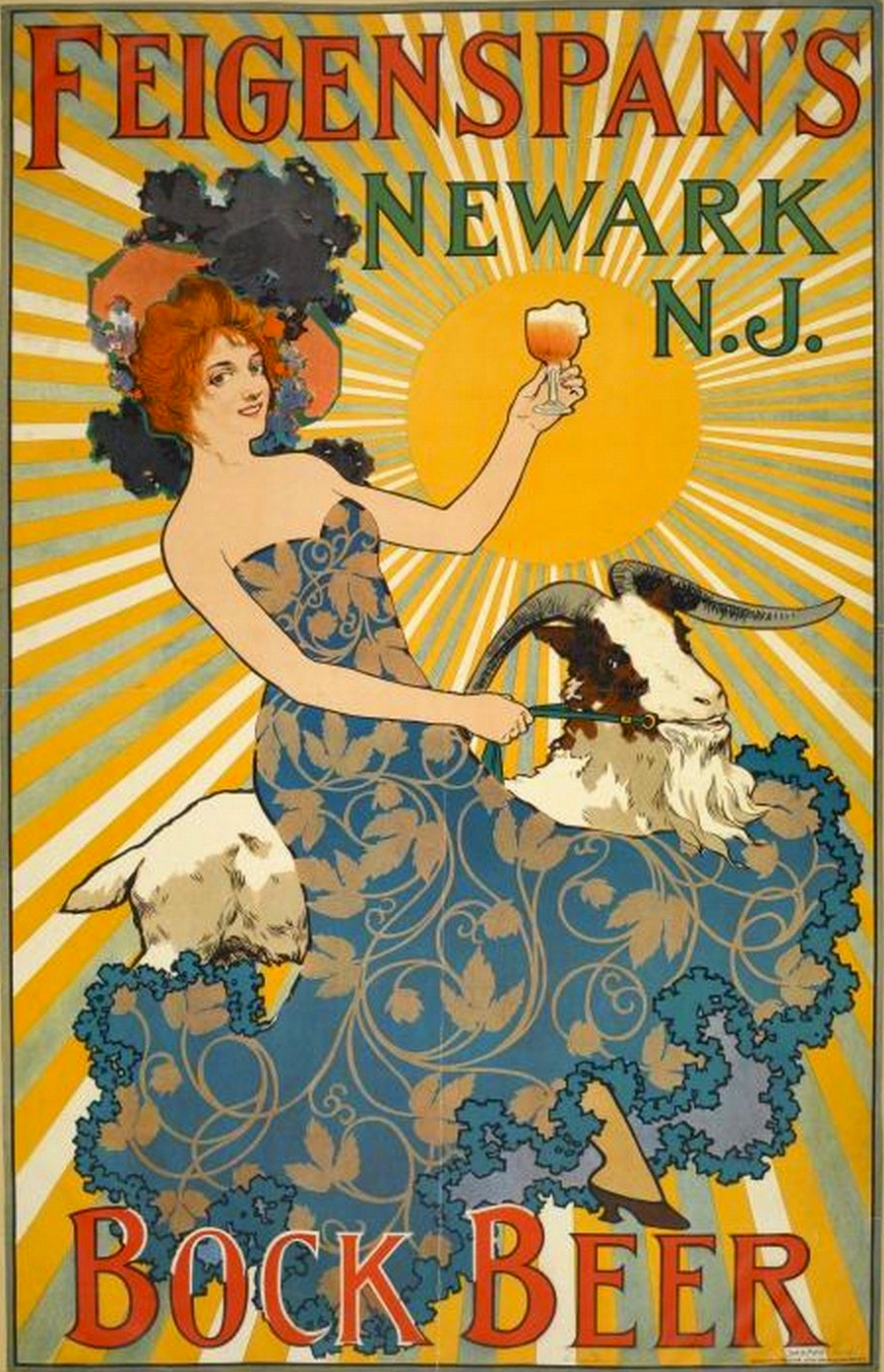
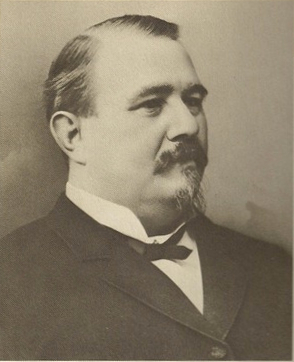
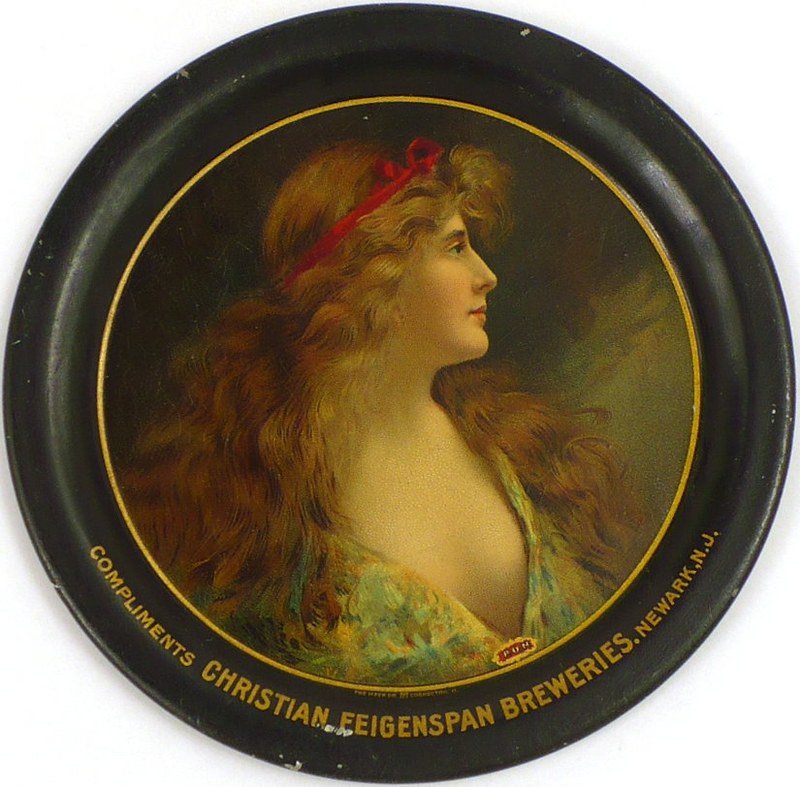
Today is the birthday of Christian Benjamin Feigenspan (August 15, 1844-April 10, 1899). He was born in Thuringia, Germany but moved his family to New Jersey and founded the C. Feigenspan Brewing Company of Newark in 1875, though at least one source says 1868. When he died in 1899, his son Christian William Feigenspan took over management of the brewery, which remained in business through prohibition, but was bought by Ballantine in 1943.

Christian-Benjamin-Feigenspan

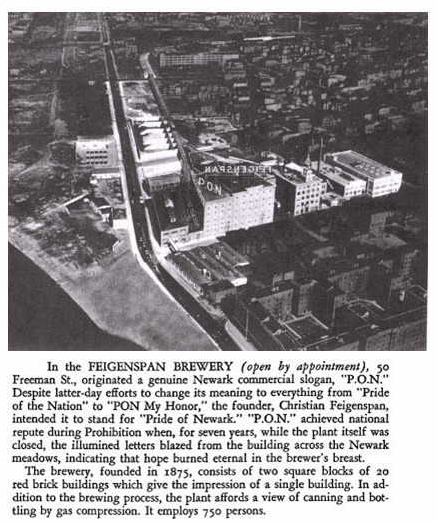
There’s surprisingly little biographical information about Christian Benjamin Feigenspan, but here’s some history of his brewery:

In 1875 the Christian Feigenspan Brewing Company was founded at 49 Charlton St., at the former Laible brewery where he had previously been a superintendent. He would also marry Rachel Laible.

In 1878, he reportedly built a brewery on Belmont Street, and as late as 1886 a facility at 54 Belmont would be listed as the “Feigenspan Bottling Establishment”.

In 1880, Christian Feiganspan took over the Charles Kolb lager beer brewery (founded 1866) on Freeman Street. (Altho’, an 1873 map of Newark shows the property owned by a “Lenz Geyer Company”. There was a “Geyer” who was another Newark brewer who owned an “Enterprise Brewery” on Orange St.)

An 1884 fire would, reportedly, burn the brewery to the ground for a loss of $300,000.

By 1909, the firm would be advertising that “…Feigenspan Breweries are the largest producers of Ale in the United States!” (click on barrel above for text of ad) in an apparent dig at their much larger next door neighbor, P. Ballantine & Sons. Ballantine’s Lager Beer sales having by then accounted for 3/4 of their total production.

Possibly because of WWI era restrictions on the allowable alcohol level of beer (set at a mere 2.75%), Feigenspan entered into Prohibition with 4,000 barrels of aging ale in its cellar. In 1927, the ale would make the news as they tried to sell it. One story in July had it going to Heinz in Pittsburgh to be made into malt vinegar, but follow up articles say that in early November the ale was simply dumped into the sewer “…and thence into the Passaic River”.

Sadly, it would not be the first beer dumped by Feigenspan, which had one of the first four licenses to brew “medicinal beer” at the start of Prohibition. “Medicinal beer” was soon outlawed by the “Anti-Beer” law, and the brewery had to dump 600 cases of “real beer” (4.5% alcohol) in March of 1922.

Feigenspan-bock-1900

Christian-Feigenspan-Breweries-Tip-Trays-3-6-inches-Christian-Feigenspan-Inc--Pre-Prohibition

Filed Under: Birthdays, Breweries, Just For Fun Tagged With: Germany, History, New Jersey

Beer In Ads #5053: Stiegl Golden Bock Beer

August 14, 2025 By Jay Brooks

Last year I decided to concentrate on Bock ads. Bock, of course, may have originated in Germany, in the town of Einbeck. Because many 19th century American breweries were founded by German immigrants, they offered a bock at certain times of the year, be it Spring, Easter, Lent, Christmas, or what have you. In a sense they were some of the first seasonal beers. “The style was later adopted in Bavaria by Munich brewers in the 17th century. Due to their Bavarian accent, citizens of Munich pronounced ‘Einbeck’ as ‘ein Bock’ (a billy goat), and thus the beer became known as ‘Bock.’ A goat often appears on bottle labels.” And presumably because they were special releases, many breweries went all out promoting them with beautiful artwork on posters and other advertising.

Thursday’s ad is for Stiegl Golden Bock Beer, which was published on August 14, 1982. This one is for the Stiegl Brauerei of Salzburg, Austria, which was originally founded in 1492. This ad for the imported beer ran in The Chicago Tribune, of Chicago, Illinois.

Filed Under: Art & Beer, Beers, Breweries, Just For Fun Tagged With: Advertising, Austria, Bock, Chicago, History, Illinois

Historic Beer Birthday: Eugene L. Husting

August 14, 2025 By Jay Brooks

eugene-husting

Today is the birthday of Eugene Louis Husting (August 14, 1848-November 27, 1916). He was born in Luxembourg, Germany, but came to the U.S. when he was only five, and settled with his family in Wisconsin. In 1877, he founded the Eugene L. Husting Brewery. In 1900, they changed its name to the E. L. Husting Co. Brewery, but it was closed due to prohibition in 1918. They appear to have concentrated on Weiss beer, and may have also been known as the E.L. Husting Weiss Beer Brewery. After repeal, the brewery never returned to brewing beer, instead concentrating on soda. The soda company closed in 1970.

Eugene-Husting-Brewery
The Eugene Husting Brewery in 1893.

This obituary of Husting is from the American Brewers’ Review:

Eugene-Husting-obit
husting-brewery-montage

This account of the brewery’s history is from the Blog, The Distant Mirror:

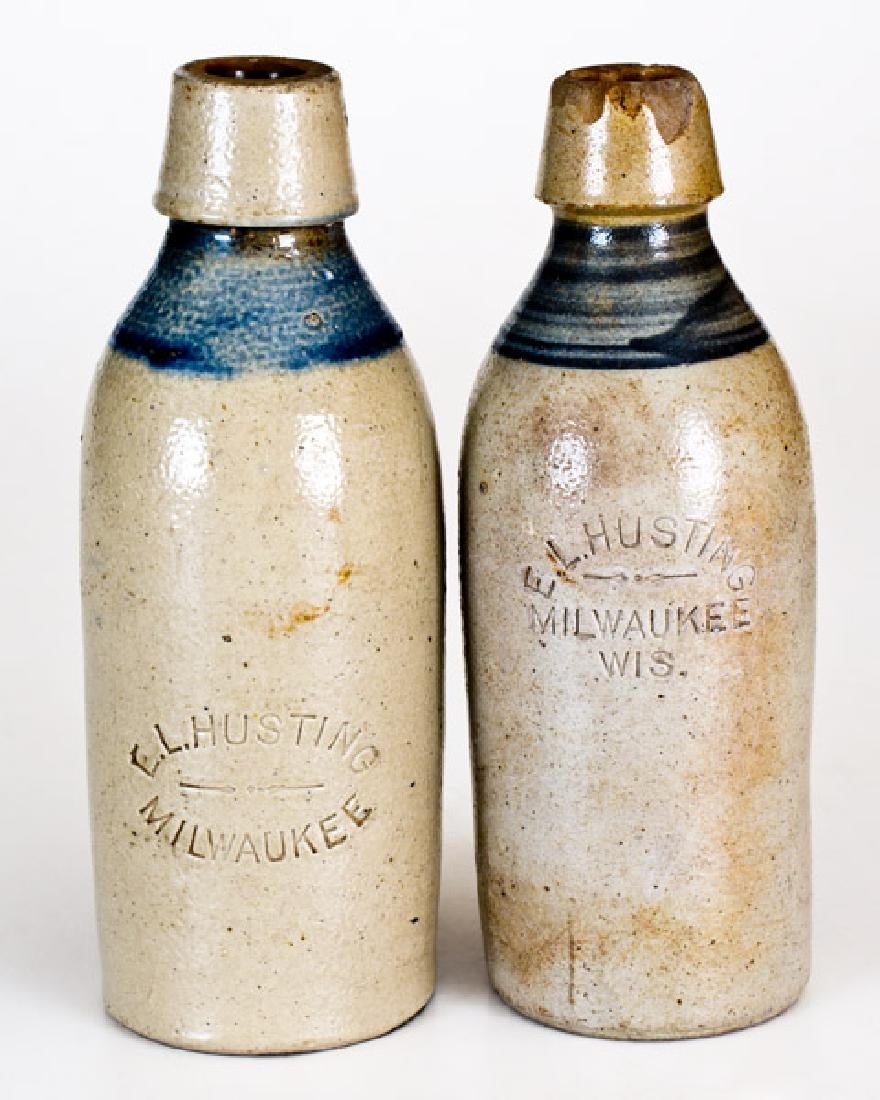
One other historic Milwaukee brewery that focused primarily on brewing wheat-based beer was Eugene Louis Husting.  Like many brewers before and after him, Eugene began as a brewer at the Northwestern Brewery, which was owned by Phillip Altpeter.  After marrying Phillip’s daughter Bertha in 1872, E.L. Husting opened his own weiss beer brewery and soda factory on the east side of 5th St. between Cherry St. and Vliet St. in 1877.  By 1884 Husting was brewing weiss beer in an 8 barrel brew kettle and selling the product in stoneware bottles.  In 1897 the Husting Brewery expanded inventory to include ginger ale, soda water, cream and orange soda, raspberry wine, and cider. As a result of prohibition (1920-1933), brewing beer discontinued and instead soda was exclusively produced.  Following prohibition the company evolved into a beer and soda distributor until 1970 when the plant shut down.  Today, the main building is still intact and is now considered the oldest standing complete brewery in Milwaukee.

Husting-bottle-ceramic

And this account of the brewery is by Kevin M Cullen in an article in Brewery History entitled “Rediscovering Milwaukee’s historic breweries: Part I: Milwaukee’s downtown breweries.”

Soon it was on to the oldest complete standing brewery structure in Milwaukee, the EL. Husting Brewery, whose name is still embossed along an upper cornice of the cream city brick building, which inci- dentally is now home to Great Lakes Archaeological Research Center, a former employer of mine. This brewery and soda factory was established by Eugene Louis Husting in 1877 on the eastside of 5th Street between Cheery Street and Vliet Street In 1884 EL Husting was brewing weiss beer in an eight-barrel brew kettle and bottling in stoneware bottles. He continued to brew sodas and beer here until he died in 1916, after which sodas became the primary bever- age of production during prohibition. Following Prohibition in 1933 the facility became a distribution plant for beer and liquor until it shut down in 1970.

Husting-bottle-clear

Filed Under: Birthdays, Breweries, Just For Fun Tagged With: Luxembourg, Milwaukee, Wisconsin

Beer In Ads #5052: New South Brewery Bock Beer

August 13, 2025 By Jay Brooks

Last year I decided to concentrate on Bock ads. Bock, of course, may have originated in Germany, in the town of Einbeck. Because many 19th century American breweries were founded by German immigrants, they offered a bock at certain times of the year, be it Spring, Easter, Lent, Christmas, or what have you. In a sense they were some of the first seasonal beers. “The style was later adopted in Bavaria by Munich brewers in the 17th century. Due to their Bavarian accent, citizens of Munich pronounced ‘Einbeck’ as ‘ein Bock’ (a billy goat), and thus the beer became known as ‘Bock.’ A goat often appears on bottle labels.” And presumably because they were special releases, many breweries went all out promoting them with beautiful artwork on posters and other advertising.
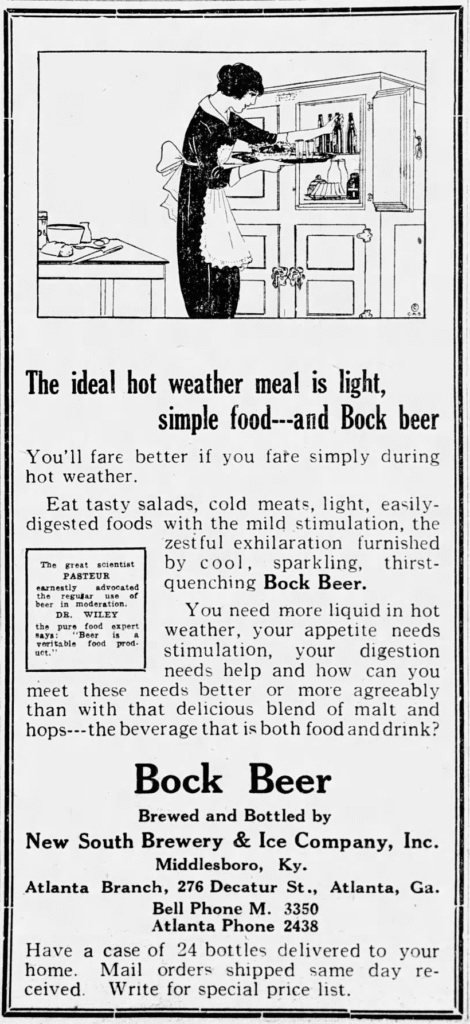
Wednesday’s ad is for New South Bock Beer, which was published on August 13, 1914. This one is for the New South Brewery & Ice Co. of Middlesboro, Kentucky, which was originally founded in 1891. They also had a second brewery located in Atlanta, Georgia, which is undoubtedly why this ad ran in The Atlanta Journal, also of Atlanta, Georgia.

Filed Under: Art & Beer, Beers, Breweries, Just For Fun Tagged With: Advertising, Bock, History

Historic Beer Birthday: William J. Lemp, Jr.

August 13, 2025 By Jay Brooks

lemp
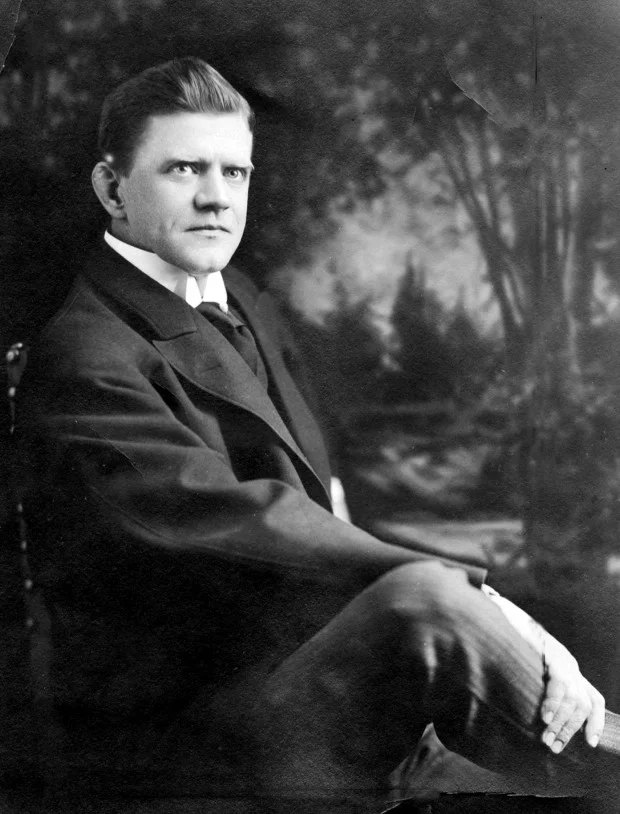
Today is the birthday of William Jacob Lemp, Jr. (August 13, 1867-December 29, 1922). He was born in St. Louis, Missouri, and was the son of William J. Lemp and the grandson of Adam Lemp, who founded the Lemp Brewery in 1840. When his grandfather died in 1862, his father inherited the brewery, and it was renamed the William J. Lemp Brewing Co. When he committed suicide, most likely from depression after his favorite son Frederick died at age 28. His other son, William J. Lemp Jr., ran the brewery thereafter, until it was closed by prohibition in 1920.

This account of Lemp Jr.’s time running the brewery is from the Wikipedia page about the Lemp Mansion:

On November 7, 1904, William J. “Billy” Lemp, Jr., took over the brewing company as president. Billy had married Lillian Handlan five years earlier, and they moved to a new home at 3343 South 13th Street.

Lillian Handlan Lemp was, allegedly, nicknamed the “Lavender Lady” for her lavender-colored wardrobe and carriages. She filed for divorce in 1908, charging Billy with desertion, cruel treatment and other indignities. Their divorce proceedings lasted 11 days and ended in Lillian being granted her divorce and custody of William III – their only child – with Billy given only visitation rights.

After the trial, Billy built “Alswel” – his country home overlooking the Meramec River. The home was located in what is now the western edge of Kirkwood. By 1914, he lived at Alswel full-time.

The Lemp Brewery suffered in the 1910s when Prohibition began. The brewery was shut down and the Falstaff trademark was sold to Lemp’s friend, “Papa Joe” Griesedieck. The brewery itself was eventually sold at auction to International Shoe Company for $588,500. On December 29, 1922, Billy Lemp shot himself in his office — a room that today is the front left dining room.

This history of the Lemp Family is from Monstrosity, a paranormal convention offering stays in the supposedly haunted Lemp Mansion:

America’s First Lager Beer Brewers

When John Adam Lemp arrived in St. Louis from Eschwege, Germany in 1838, he seemed no different from the thousands of other immigrants who poured into the Gateway to the West during the first half of the 19th century. Lemp originally sought his fortune as a grocer. But his store was unique for its ability to supply an item sold by none of his competitors – lager beer. Lemp had learned the art of brewing the effervescent beverage under the tutelage of his father in Eschwege, and the natural cave system under St. Louis provided the perfect temperature for aging beer. Lemp soon realized that the future of lager beer in America was as golden as the brew itself, and in 1840 he abandoned the grocery business to build a modest brewery at 112 S. Second Street. A St. Louis industry was born. The brewery enjoyed marvelous success and John Adam Lemp died a millionaire.
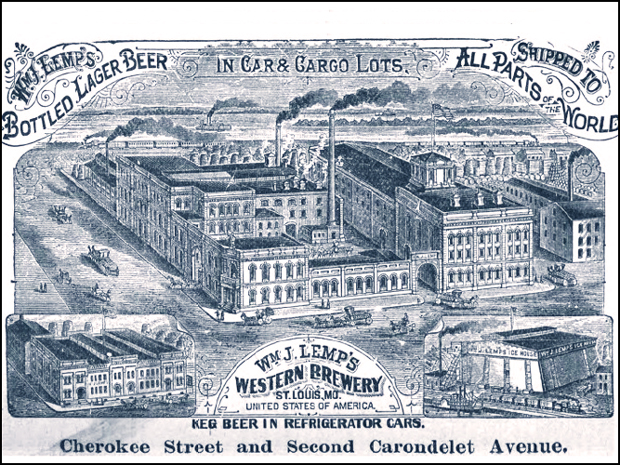
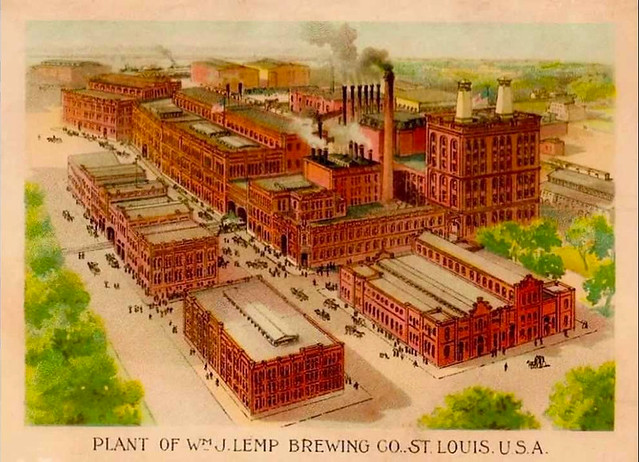
William J. Lemp succeeded his father as the head of the brewery and he soon built it into an industrial giant. In 1864 a new plant was erected at Cherokee Street and Carondolet Avenue. The size of the brewery grew with the demand for its product and it soon covered five city blocks.

In 1870 Lemp was by far the largest brewery in St. Louis and the Lemp family symbolized the city’s wealth and power. Lemp beer controlled the lion’s share of the St. Louis market, a position it held until Prohibition. In 1892 the brewery was incorporated as the William J. Lemp Brewing Co. In 1897 two of the brewing industry’s titans toasted each other when William Lemp’s daughter, Hilda, married Gustav Pabst of the noted Milwaukee brewing family.

The Lemp Family

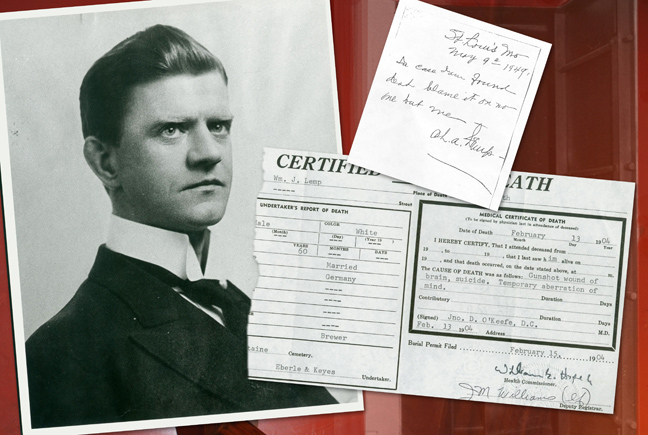
The demise of the Lemp empire is one of the great mercantile mysteries of St. Louis. The first major fissure in the Lemp dynasty occurred when Frederick Lemp, William’s favorite son and the heir apparent to the brewery presidency, died under mysterious circumstances in 1901. Three years later, William J. Lemp shot himself in the head in a bedroom at the family mansion, apparently still grieving the loss of his beloved Frederick. William J. Lemp, Jr. succeeded his father as president.

Tragedy continued to stalk the Lemps with startling ardor. The brewery’s fortunes continued to decline until Prohibition (1919) closed the plant permanently. William Jr.’s sister Elsa, who was considered the wealthiest heiress in St. Louis, committed suicide in 1920. On June 28, 1922, the magnificent Lemp brewery, which had once been valued at $7 million and covered ten city blocks, was sold at auction to International Shoe Co. for $588,500. Although most of the company’s assets were liquidated, the Lemps continued to have an almost morbid attachment for the family mansion. After presiding over the sale of the brewery, William J. Lemp, Jr. shot himself in the same building where his father died eighteen years earlier. His son, William Lemp III, was forty-two when he died of a heart attack in 1943. William Jr.’s brother, Charles, continued to reside at the house after his brother’s suicide. An extremely bitter man, Charles led a reclusive existence until he too died of a self-inflicted gunshot wound. The body was discovered by his brother, Edwin.

In 1970, Edwin Lemp died of natural causes at the age of ninety.

lemp-brewery-plant

Not everyone is convinced that Junior’s death was a suicide, but may have been murder, as explained in All Things Lemp:

On December 28th, 1922 William Lemp Jr. was found shot to death in his office on the first floor of the Lemp Mansion. William Lemp Jr. was not a very well liked person. Junior’s personality was rather crass and abrupt. Most people who knew him would avoid him if all possible. Junior was not the first pick by his father to inherit the Lemp Brewery Presidency. This had to be embarrassing considering Junior was the oldest and by tradition the heir apparent. This honor was to be reserved for his youngest brother Fredrick. The reason why Junior was to be passed over to run the family’s brewing empire was the standing animosity between Junior and his father. Many think Senior despised his oldest son because he thought William Lemp Junior didn’t deserve to bear his name. Very few people at the time knew that William Lemp Jr. had an older brother that died shortly after birth. It pained his father deeply that the child died before it could be named. His father thought his first deceased son should have been given his name, not his second surviving son. This is believed to be the initial cause of their life long feud. Fredrick died in 1901 due to heart failure. If Fredrick would have survived, many think that we would have a Lemp Brewery today.

According to police reports, William Lemp Jr. was shot twice directly into the heart with a .38 caliber single action revolver. In order for someone to pull off a feat such as this, one would have to be able to pull the trigger twice. With a single action revolver, that would mean that he would have to cock the pistol, place it to his chest, and pull the trigger. Then he would have to repeat the process of cocking the revolver again, placing it to his chest, and pulling the trigger. I doubt seriously that anyone would have the ability to be able to shot themselves twice in the chest with this style of weapon. Especially after the initial shot would leave a rather large wound in your back and in shock. The police also found two rounds missing from the revolver’s cylinder. If he was shot twice, it there is a very good chance William Lemp Jr. was murdered.

The Coroner’s report states he was shot only once. If the Coroner is right it could have very well been a suicide. Since the findings of a Coroner’s inquiry outweighs the evidence presented by the police, the death of William Lemp Jr. was ruled a suicide, and the case was closed.

billy-lemp

This is a slideshow of Lemp breweriana and photos.

Filed Under: Birthdays, Breweries, Just For Fun Tagged With: History, Missouri

Beer In Ads #5051: Dobler Bock Beer

August 12, 2025 By Jay Brooks

Last year I decided to concentrate on Bock ads. Bock, of course, may have originated in Germany, in the town of Einbeck. Because many 19th century American breweries were founded by German immigrants, they offered a bock at certain times of the year, be it Spring, Easter, Lent, Christmas, or what have you. In a sense they were some of the first seasonal beers. “The style was later adopted in Bavaria by Munich brewers in the 17th century. Due to their Bavarian accent, citizens of Munich pronounced ‘Einbeck’ as ‘ein Bock’ (a billy goat), and thus the beer became known as ‘Bock.’ A goat often appears on bottle labels.” And presumably because they were special releases, many breweries went all out promoting them with beautiful artwork on posters and other advertising.

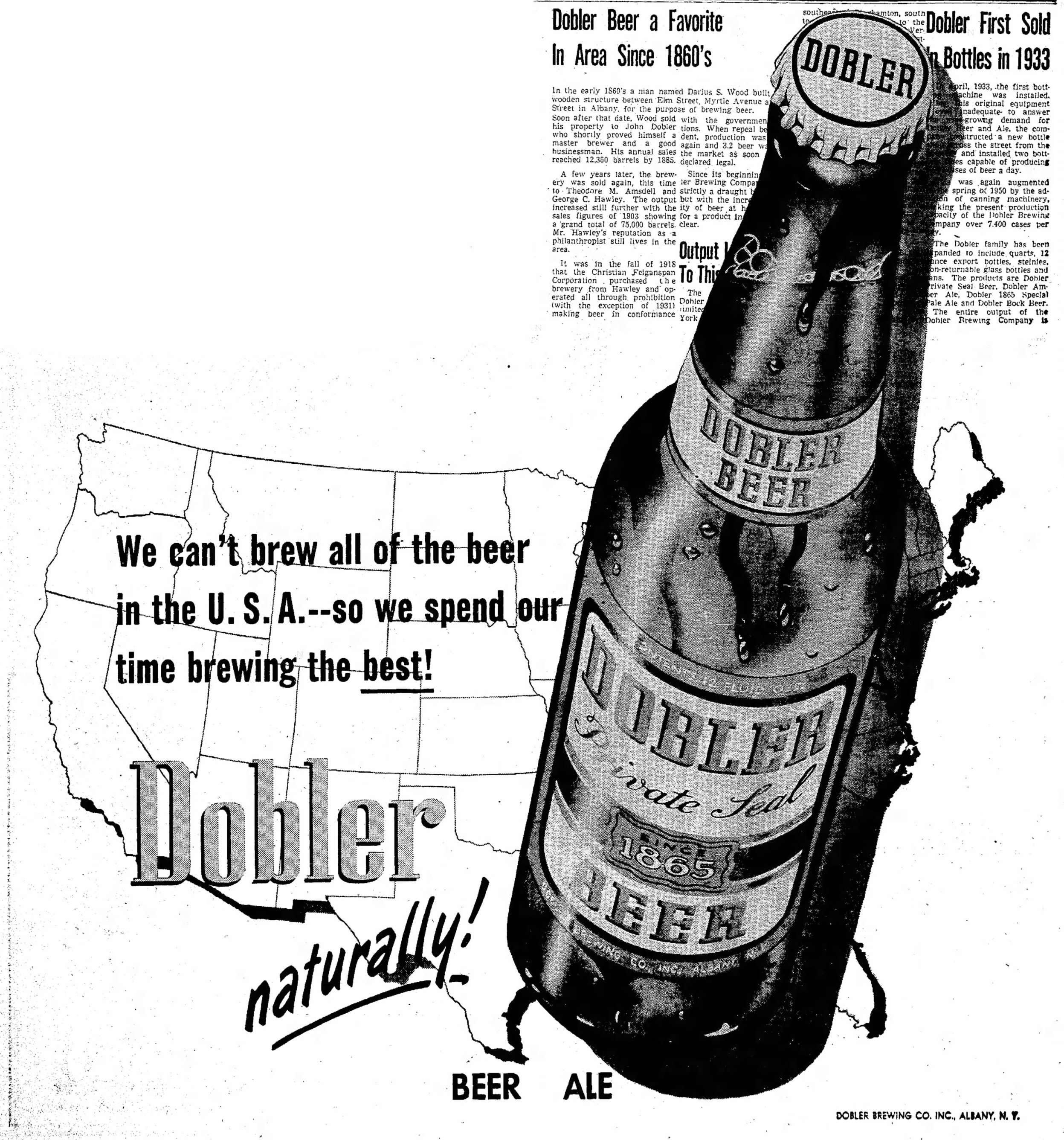
Tuesday’s ad is for Dobler Bock Beer, which was published on August 12, 1953. This one is for the Dobler Brewing Co. of Albany, New York, which was originally founded in 1865. It’s les for their bock specifically but an advertorial for the 20th anniversary of the brewery bottling their beer, which includes Private Seal Beer, Dobler 1865 Special, Dobler Pale Ale, along with the Bock Beer. This one ran in The Troy Record, of Troy, New York.

Filed Under: Art & Beer, Beers, Breweries, Just For Fun Tagged With: Advertising, Bock, History, New York

Historic Beer Birthday: Samuel Allsopp

August 12, 2025 By Jay Brooks

allsopp
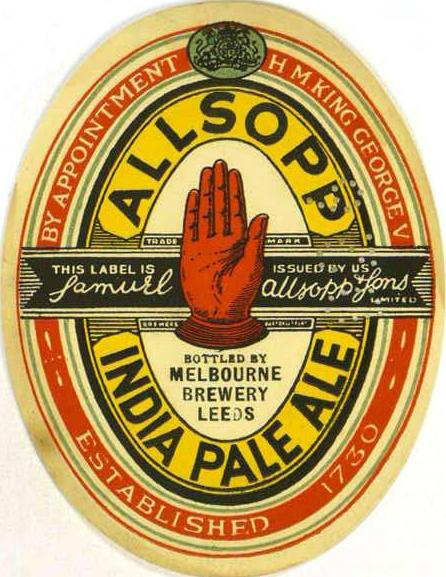
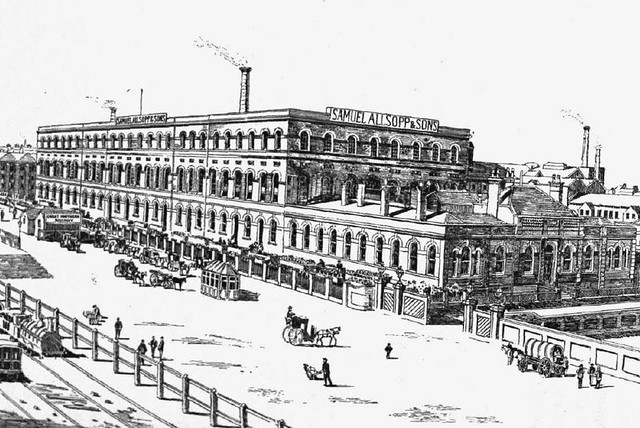
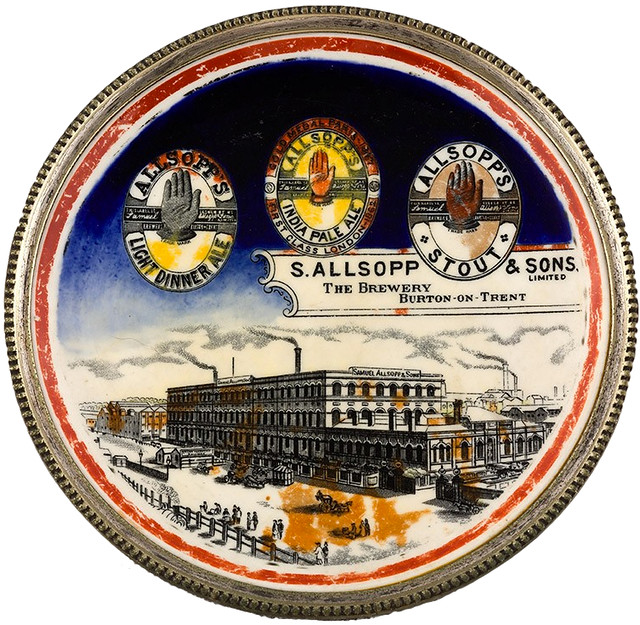
Today is the birthday of Samuel Allsopp (August 12, 1780-February 26, 1838). He purchased the brewery started in the 1740s by his uncle, Benjamin Wilson, in 1807. Bringing his family into the business, he renamed it Samuel Allsopp & Sons. When he died in 1838, the Burton-on-Trent brewery passed to his son Henry Allsopp.

samuel-allsopp-logo


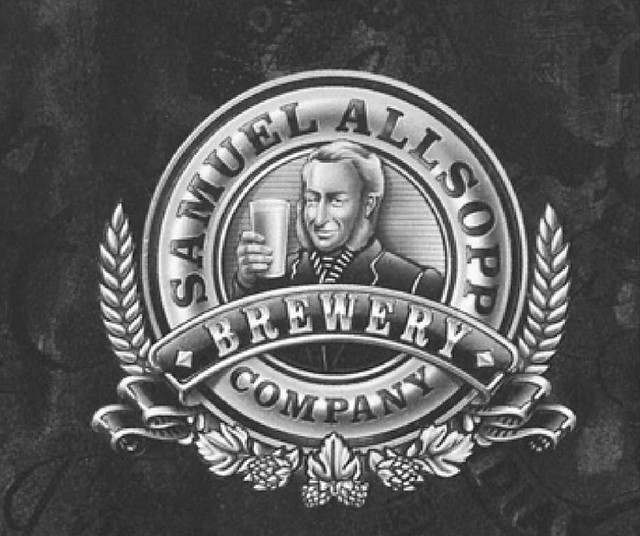
While I couldn’t find any pictures of Samuel Allsop, the logo of the Samuel Allsop Brewery Co., from 1994-98, used his likeness.

“Ind Coope & Samuel Allsopp Breweries: The History of the Hand,” by Ian Webster, includes this memoriuam from shortly after Allsopp’s death:

allsopp-brewery-1856

Here’s a history of Allsopp’s brewery from Wikipedia:

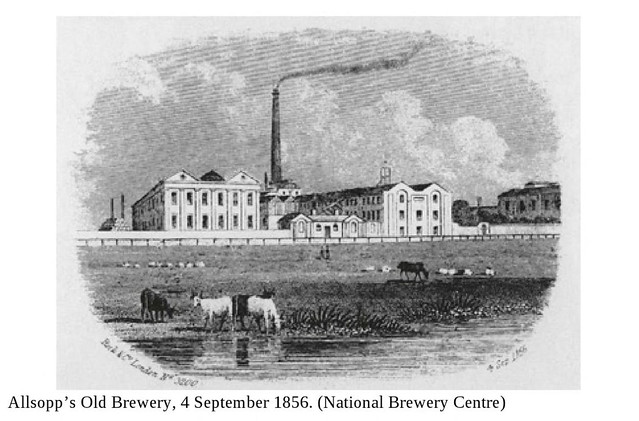
Allsopp’s origins go back to the 1740s, when Benjamin Wilson, an innkeeper-brewer of Burton, brewed beer for his own premises and sold some to other innkeepers. Over the next 60 years, Wilson and his son and successor, also called Benjamin, cautiously built up the business and became the town’s leading brewer. In about 1800, Benjamin Junior took his nephew Samuel Allsopp into the business and then in 1807, following a downturn in trade because of the Napoleonic blockade, he sold his brewery to Allsopp for £7,000.

Allsopp struggled at first as he tried to replace the lost Baltic trade with home trade, but in 1822 he successfully copied the India Pale Ale of Hodgson, a London brewer, and business started to improve.

Allsopps_new_brewery_exterior-1864

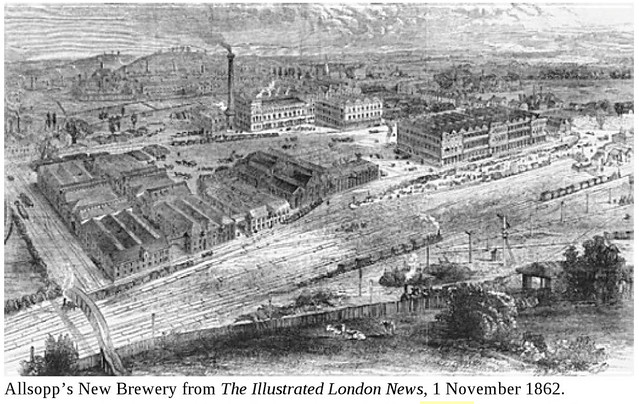
After Samuel’s death in 1838, his sons Charles and Henry continued the brewery as Allsopp and Sons. In 1859 they built a new brewery near the railway station, and added a prestigious office block in 1864. By 1861 Allsopps was the second largest brewery after Bass. Henry Allsopp retired in 1882 and his son Samuel Charles Allsopp took over. Allsopps was incorporated as a public limited company in 1887 under the style Samuel Allsopp & Sons Limited . There were scuffles at the doors of the bank in the City as potential investors fought for copies of the prospectus, but within three years, these investors were demanding their money back as the returns were so much lower than predicted. Under Samuel Allsopp, ennobled as the 2nd Lord Hindlip on the death of his father, Allsopps lurched from crisis to crisis. With the difficult trading conditions for beer at the beginning of the 20th century, many Burton breweries were forced to close down or amalgamate. After a failed attempt at a merger with Thomas Salt and Co and the Burton Brewery Company in 1907, Allsopps fell into the hands of the receivers in 1911. The company’s capital was restructured and it continued trading. In 1935 Samuel Allsopp & Sons merged with Ind Coope Ltd to form Ind Coope and Allsopp Ltd. The Allsopp name was dropped in 1959 and in 1971 Ind Coope was incorporated into Allied Breweries.

allsopp-tray-1

And here’s another history from “The Brewing Industry: A Guide to Historical Records,” edited by Lesley Richmond and Alison Turton, published in 1990:

allsopps-new-brewery

Filed Under: Birthdays, Breweries, Just For Fun Tagged With: England, Great Britain, History

« Previous Page
Next Page »

Find Something

Northern California Breweries

Please consider purchasing my latest book, California Breweries North, available from Amazon, or ask for it at your local bookstore.

Recent Comments

  • Bob Paolino on Beer Birthday: Grant Johnston
  • Gambrinus on Historic Beer Birthday: A.J. Houghton
  • Ernie Dewing on Historic Beer Birthday: Charles William Bergner 
  • Steve 'Pudgy' De Rose on Historic Beer Birthday: Jacob Schmidt
  • Jay Brooks on Beer Birthday: Bill Owens

Recent Posts

  • Beer Birthday: Alexandra Nowell March 18, 2026
  • Beer In Ads #5169: The Best Of The Bocks March 17, 2026
  • Beer In Ads #5168: Hey! It’s Bock Beer Day To-Day! March 17, 2026
  • Beer In Ads #5167: Acme Bock Is Back Tomorrow! March 16, 2026
  • Historic Beer Birthday: John Land March 16, 2026

BBB Archives

Feedback

Head Quarter
This site is hosted and maintained by H25Q.dev. Any questions or comments for the webmaster can be directed here.