Brookston Beer Bulletin

Jay R. Brooks on Beer

  • Home
  • About
  • Editorial
  • Birthdays
  • Art & Beer

Socialize

  • Dribbble
  • Email
  • Facebook
  • Flickr
  • GitHub
  • Instagram
  • LinkedIn
  • Pinterest
  • RSS
  • Twitter
  • YouTube

Powered by Genesis

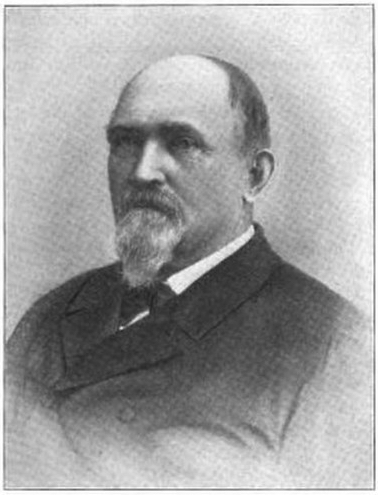
Historic Beer Birthday: Rudolph J. Schaefer III

August 29, 2025 By Jay Brooks

schaefer
Today is the birthday of Rudolph J. Schaefer III (August 29, 1930-June 10, 2011). Also nicknamed “Rudie” — he was the great-great-grandson of Rudolph J. Schaefer, who was the son of Maximilian Schaefer, and he, along with his brother Frederick, founded the F&M Schaefer Brewing Company in 1842. Rudie’s great-grandfather Rudolph became the president of F&M Schaefer Brewing in 1912, and continued in that position until his death. He also bought out his uncles and their heirs, and controlled the entire company, which allowed his father Rudie to become president in 1927, a position he held until retiring in 1969. Rudie III then became president, and held that position until 1975. “In 1981 Schaefer was acquired by Stroh Brewing Company which, in turn, was acquired by Pabst Brewing Company in 1999.”

Here’s his obituary from Find-a-Grave:

Rudolph J. Schaefer III, of Stonington and Key Largo, Fla., died Friday, June 10, 2011, in his home, surrounded by his loving family.

Mr. Schaefer was born on Aug. 29, 1930 in New York City to Rudolph Jay Schaefer Jr. and Lucia (Moran) Schaefer.

Rudie attended the Rye Country Day School, Choate, Washington and Lee and graduated from Hofstra University with a bachelor of business administration. Rudie also attended the Harvard Business School PMD Management Program.

After graduation, Rudie enlisted in the Navy in June, 1952. He served active duty aboard the USS MacGowen DD678 from 1953 to 1957 in the Middle East, attaining the rank of lieutenant JG. He remained in the Naval Reserves until 1969.

Rudie married Jane A. Isdale of New Rochelle, N.Y. at St. John’s Episcopal Church in Larchmont, N.Y. in 1956.

Joining the F&M Schaefer Brewing Co. in 1957, he later served as president of the brewery from 1972 to 1975. His great-grandfather founded the F&M Schaefer Brewing Company in 1842.

Mr. Schaefer was involved, and worked on many boards throughout his life. He was vice president and board member of the New York School For The Deaf, board member of the United Hospital in Port Chester N.Y., the New Rochelle Hospital as well as L&M Hospital in New London. Rudie was also a board member of the Lincoln Savings Bank and the New London Savings Bank.

A philanthropist throughout his life, Rudie was especially proud of his work with the Mystic Seaport, serving as a trustee in 1975 and later president and chairman of the board from 1983 to 1989.

His love of the sea and yachting, sparked a life long interest in marine art. He was very proactive in supporting many aspiring marine artists. Rudie was instrumental in building the Mystic Maritime Art Gallery at the Mystic Seaport in honor of his father, Rudolph J. Schaefer Jr.

Mr. Schaefer was actively involved in many clubs and organizations including the Cruising Club of America, founder of the Stonington Country Club, Stonington Harbor Yacht Club, Ocean Reef Club, member and commodore of the Key Largo Anglers Club, New York Yacht Club. Former memberships include the American Yacht Club, Larchmont Yacht Club and the Shelter Island Yacht Club.

And here’s another obituary from the Hartford Courant, published September 18, 2011:

Extraordinary Life: Rudolph J. Schaefer III of Stonington, was a successful businessman and a generous philanthropist, but the sea was his passion. He also was an heir to the F&M Schaefer Brewing Co., New York’s longest operating brewery.

Rudie Schaefer was a successful businessman and a generous philanthropist, but the sea was his passion. He enjoyed being on the water, collecting modern marine art and working for Mystic Seaport, where he served as president of the board of trustees.

He also was an heir to the F&M Schaefer Brewing Co., New York’s longest operating brewery.

schaefer_Brewery_Brooklyn

Rudie Schaefer III was born Aug. 29, 1930, and grew up in Larchmont, N.Y., outside Manhattan. His mother, Lucia, was a homemaker and his father was commodore of the Larchmont Yacht Club. Rudie grew up on the water, sailing small and large boats. He graduated from Rye Country Day School and Choate, then attended Washington and Lee University for two years. He obtained his bachelor’s degree in business from Hofstra University in 1952.

After graduation, he enlisted in the Navy and served in the Middle East from 1953 to 1957. He was en route to the Suez Canal during the Middle East crisis of 1956, when many people thought war was imminent. His ship was the last to go through the canal before it closed, but the issues were resolved and he did not see combat.

In the fall of 1956, he married Jane Isdale, a fellow sailor from Larchmont. They had six children; one daughter Anne, predeceased him.

F&M Schaefer, the family beer company, was founded by Schaefer’s great-grandfather Max Schaefer and Max’s brother, Frederick Schaefer, who came to New York in the late 1830s. They worked for a small brewery, owned by Sebastian Summers, but Max introduced the formula for lager beer, popular in Germany but unknown in the United States. Lager became extremely popular, and in 1842 the brothers bought the company. It was a family company for nearly 150 years, and its memorable slogan was “Schaefer: The one beer to have when you are having more than one.”

After his Navy servicer, Schaefer joined the family company in 1957, and went first to Albany to run a plant. The family moved several times as Schaefer rose in the company, and he lived in Rye while he served as president from 1972 until 1975. He retired in 1976.

In 1981, the Stroh Brewery bought the company, and Pabst Brewery bought Stroh in 1999, but Schaefer beer continues to be brewed and distributed in the Northeast and Puerto Rico.

For about five years, Schaefer was a partner in Aquasport, a company that manufactured small fishing boats in Florida.

He also was an outdoorsman who loved trap shooting, hunting and fishing. He once hooked a “grander,” a 1,000 pound black marlin, in Australia, which took 3-1/2 hours to reel in. Broken eardrums kept him from deep sea diving, but he loved going out on his 46-foot yacht built from the hull of a lobster boat.

In the early 1980s, Schaefer became one of the founders of the Stonington Country Club. A perfectionist, he would go around the course picking up rocks, or take a dinghy out to retrieve balls lost in the pond.

The high spirits that led him to dress up in crazy costumes for clown dives at the country club as a teenager never faded. He was a storyteller and had a sense of humor about himself. He liked to tell the story of how he once took a golf swing and missed, then knocked the ball into the clubhouse on the way back.

In 1982, the Schaefers moved to Stonington.

“Mystic Seaport brought us here,” said Jane Schaefer who like her husband, became an active volunteer at the seaport. Like his father, he became a trustee and served as president and chairman of the board from 1983 to 1989.

Schaefer was one of the early Pilots, a group of seaport volunteers who spend two weekends a year doing odd jobs, including painting and maintenance at the port. Schaefer’s preferred activity was shingling, and he would suit up in his tool belt and repair roofs wherever it was needed.

Schaefer had an encyclopedic knowledge of boating.

“He just knew every boat yard up and down the East Coast,” said Russell Burgess, a sailing friend. To make sure that old-boat-building techniques and sailing yarns weren’t forgotten, Schaefer funded a position for an oral historian at Mystic who interviewed boat builders, architects and famous sailors. He supported the library and was active in finding collections and boats for the museum.

Always interested in art, Schaefer was instrumental in establishing the Maritime Gallery at Mystic Seaport, a showcase for modern, international marine art and donated a building in honor of his father. Some of the younger artists whom Schaefer collected and promoted became well-known, such as Don Demers, a Maine painter whose work he first encountered at the gallery.

“Rudie took note of the paintings, introduced himself and made a point of complimenting me,” recalled Demers. Schaefer began buying Demers’ work, and in 1988, Demers had a one-man show at Mystic that sold out.

“He had a lot of influence,” Demers said. “If you got Rudie’s stamp of approval, you were validated, and that certainly happened to me.”

Schaefer’s approach to art mirrored his approach to life: He was gregarious and effusive.

“He’d pull people over and say, look at this. We’d talk and talk and talk about it,” said Demers. “It was really a joy to show him a painting.”

“He was a rare trustee,” said Paul O’Pecko, the reference librarian. “He really did give freely of his time, talent and treasure.”

“He had a motto,” said his wife. “Make one person smile every day.”

Schaefer-Brewery-Brooklyn

Filed Under: Birthdays, Just For Fun, Related Pleasures Tagged With: History, New York

Historic Beer Birthday: Louis Wiegand

August 24, 2025 By Jay Brooks

new_york
Today is the birthday of Louis Wiegand (August 24, 1840-March 2, 1912). He was born in Frankfort, Germany, he emigrated to America when he was 27, in 1867. He was initially in the meat business but in 1878, along with partners Carl Durr and William Wagner, he founded the Oswego German Brewing Co. in Oswego, New York. A few years later, in 1882, he bought out his partners, and renamed if the Wiegand Brewing Co. and then the Louis Wiegand Brewing Co. When his sons joined him in the business in 1896 it became known as Louis Wiegand & Son. It was closed by prohibition in 1916 and never reopened.

This is his obituary, from the Oswego Daily Times, for Monday, March 4, 1912:

The death of Louis Wiegand senior member of L Wiegand & son brewers, which occurred at his home, No 166 East Second street, Saturday evening at 4:45 o’clock, will be received with sorrow by citizens generally. Mr. Wiegand had been in failing health since last May and for several months had been confined to his home. Born in Wirthheina, near Frankfort, Germany, in 1840, Mr. Wiegand came to Oswego in 1867, He engaged successfully in the meat business in East Bridge street for several years. In 1882, Mr. Wiegand organized the Germania Brewing Company and shortly thereafter took over the business, which he has successfully conducted ever since. Deeply interested in the St. Peter’s Cemetery association and one of its organizers, Mr. Wiegand was zealous in promoting it. He had been president of the society for several years. When It was desired to acquire more property for the extension of the cemetery, the funds on hand were not sufficient. Mr. Wiegand purchased the property and sold it to the association without profit to himself. He was a constant visitor to the cemetery and gave much of his time to plans for beautifying it.

Mr. Wiegand’s first wife died several years ago. He is survived by his second wife, formerly Miss Catherine Stoke; one son, Louis X, and a sister, Mrs. Margaret Cook, all of Oswego. The funeral will be held tomorrow morning from his home and at St Peter’s church.

Unfortunately, apart from his obituary, there was almost nothing else I could find about him, his sons or his brewery, not even any photos or breweriana.

Filed Under: Birthdays, Breweries, Just For Fun Tagged With: Germany, History, New York

Beer In Ads #5060: Hospitality Demands Our Pale Bock Beer

August 22, 2025 By Jay Brooks

Last year I decided to concentrate on Bock ads. Bock, of course, may have originated in Germany, in the town of Einbeck. Because many 19th century American breweries were founded by German immigrants, they offered a bock at certain times of the year, be it Spring, Easter, Lent, Christmas, or what have you. In a sense they were some of the first seasonal beers. “The style was later adopted in Bavaria by Munich brewers in the 17th century. Due to their Bavarian accent, citizens of Munich pronounced ‘Einbeck’ as ‘ein Bock’ (a billy goat), and thus the beer became known as ‘Bock.’ A goat often appears on bottle labels.” And presumably because they were special releases, many breweries went all out promoting them with beautiful artwork on posters and other advertising.

Friday’s ad is for Thomas Brau Bock Beer, which was published on August 22, 1935. This one was for the Gebrüder Thomas Bierbrauerei of Munich, Germany, which was originally founded in the Middle Ages, but merged with Paulaner in 1928. To be fair, it’s really a small part of a full-page ad for a market chain called “George W. Loft Markets,” in upstate New York, with locations in New Rochelle, White Plains, and the Bronx. This ad ran in The Standard-Star, of New Rochelle, New York, and the exact same ad also ran in the Daily Reporter of White Plains.

Filed Under: Art & Beer, Beers, Breweries, Just For Fun Tagged With: Advertising, Bock, Germany, History, New York

Historic Beer Birthday: John Eichler

August 20, 2025 By Jay Brooks

Eichler
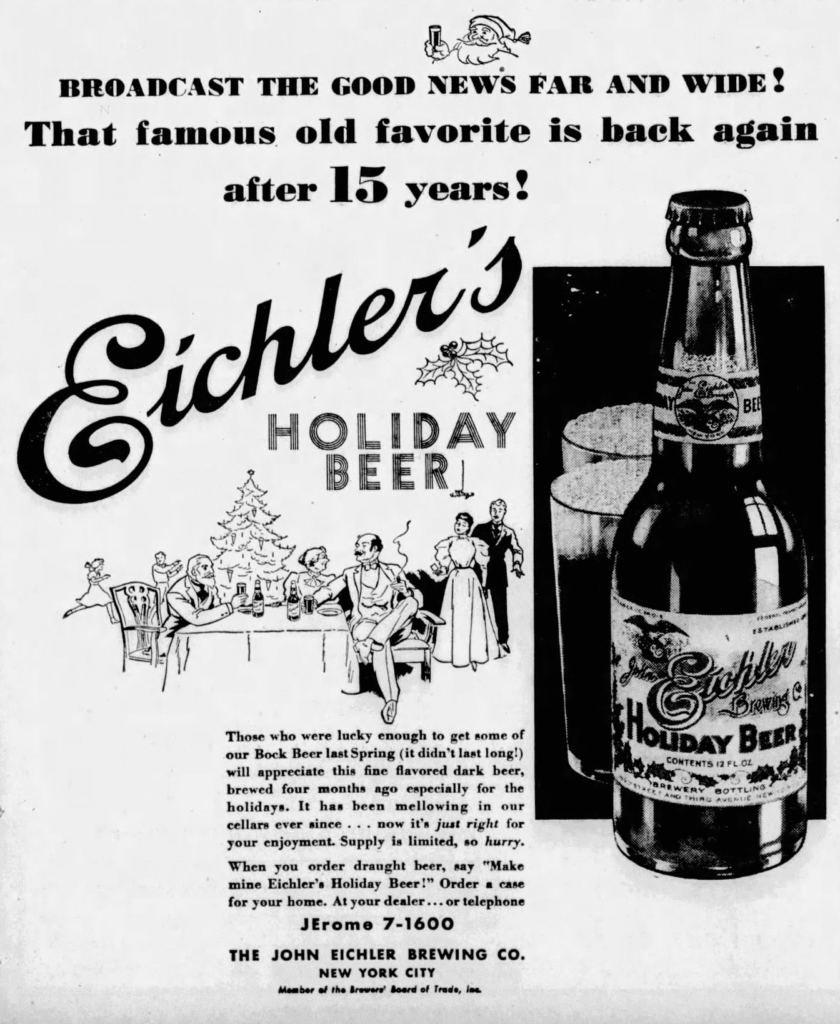
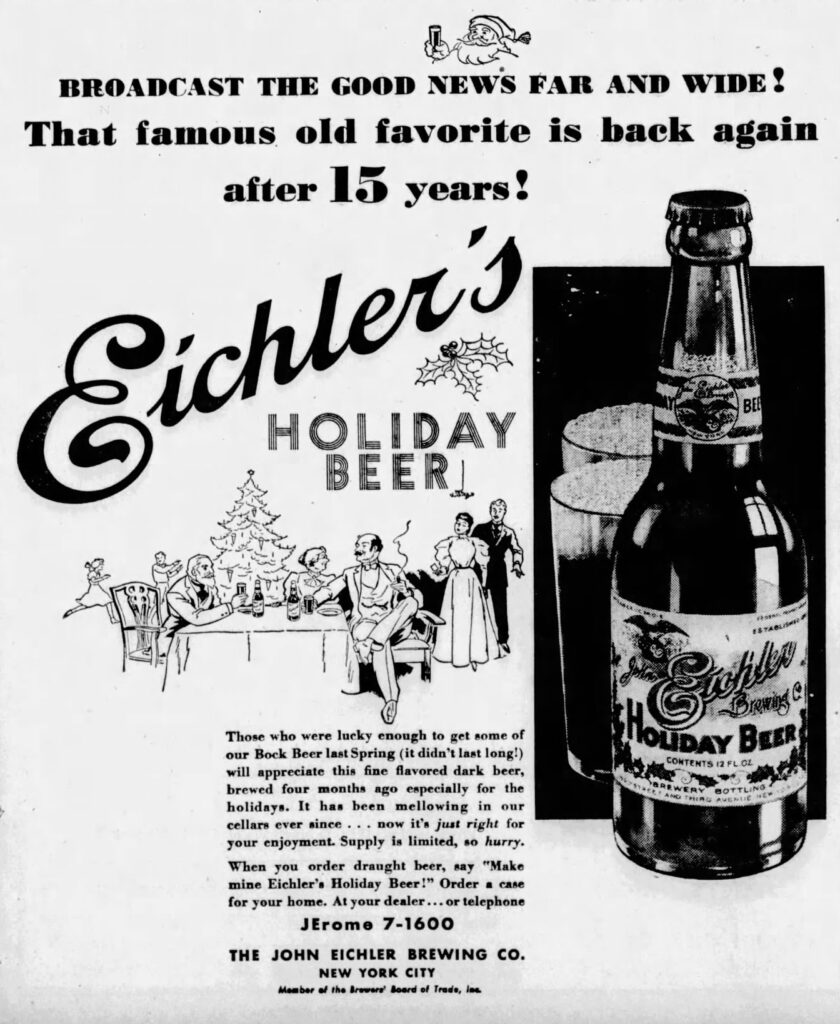
Today is the birthday of John Eichler (August 20, 1829-September 3, 1915). He was born in Rothenburg, Germany and trained as a brewer there, and moved to the U.S. in 1853, settling in New York City. In 1865, he bought Kolb’s Brewery, which had been founded three years before by brothers Henry Kolb and Christian Gottlieb Kolb, renaming it the John Eichler Brewery (and later the John Eichler Brewing Co.). It weathered prohibition, but was bought by Rheingold in 1947.

John-Eichler-portrait

This biography of Eichler is from the “History of German Immigration in the United States and Successful German-Americans,” published in 1905:

Eichler-bio-1
Eichlers-Extra-Dark-Beer-Labels-John-Eichler-Brewing-Co--Post-Prohibtion
Eichler-bio-2
Eichlers-Extra-Light-Beer-Labels-John-Eichler-Brewing-Company--2nd-Brewery
Eichler-bio-3
Eichler-bio-4

John-Eichler-Brewery

This account of the history of the John Eichler Brewery is from 100 Years of Brewing:

John-Eichler-100yrs-1
Eichler-Bock-Beer-Labels-John-Eichler-Brewing-Company
John-Eichler-100yrs-2

Eichlers-Beer-Serving-Trays-10-16-inches-John-Eichler-Brewing-Co--Post-Prohibtion

Pilsner-Beer-Labels-John-Eichler-Brewing-Company--2nd-Brewery

Filed Under: Birthdays, Breweries, Just For Fun Tagged With: History, New York

Beer In Ads #5051: Dobler Bock Beer

August 12, 2025 By Jay Brooks

Last year I decided to concentrate on Bock ads. Bock, of course, may have originated in Germany, in the town of Einbeck. Because many 19th century American breweries were founded by German immigrants, they offered a bock at certain times of the year, be it Spring, Easter, Lent, Christmas, or what have you. In a sense they were some of the first seasonal beers. “The style was later adopted in Bavaria by Munich brewers in the 17th century. Due to their Bavarian accent, citizens of Munich pronounced ‘Einbeck’ as ‘ein Bock’ (a billy goat), and thus the beer became known as ‘Bock.’ A goat often appears on bottle labels.” And presumably because they were special releases, many breweries went all out promoting them with beautiful artwork on posters and other advertising.

Tuesday’s ad is for Dobler Bock Beer, which was published on August 12, 1953. This one is for the Dobler Brewing Co. of Albany, New York, which was originally founded in 1865. It’s les for their bock specifically but an advertorial for the 20th anniversary of the brewery bottling their beer, which includes Private Seal Beer, Dobler 1865 Special, Dobler Pale Ale, along with the Bock Beer. This one ran in The Troy Record, of Troy, New York.

Filed Under: Art & Beer, Beers, Breweries, Just For Fun Tagged With: Advertising, Bock, History, New York

Beer Birthday: Steve Shapiro

August 12, 2025 By Jay Brooks

Today is the birthday of Steve Shapiro Steve, who is half of the duo behind Beer by Bart, along with his wife Gail Williams. Steve’s originally from New York, but has been in the Bay Area rooting for the San Francisco Giants longer than I’ve been here. Steve was a player in local politics for many years, but for nearly twenty years he’s been writing about beer online, along with writing for the Celebrator Beer News and other publications. Over the past decade or more, we’ve become great friends with Steve and Gail and have happily hung out on several continents. Join me in wishing Steve a very happy birthday.

Steve and Gail at my 60th birthday party at Russian River Brewery.
The four of us seeing the musical “Groundhog Day” in San Francisco a couple of years ago.
At the Fourth Street Russian River Brewery.
Steve and me with some other beer writers in Sacramento.
Steve, Gail and a few more of us at CBC in DC in 2013.
Bryan Roth with Steve and Gail showing off their award for beer writing in 2020.
At a Giants game with Rich Norgrove in 2010.

Filed Under: Birthdays, Just For Fun Tagged With: Bay Area, California, New York, Politics

Historic Beer Birthday: Charles Haberle

August 10, 2025 By Jay Brooks

haberle-color
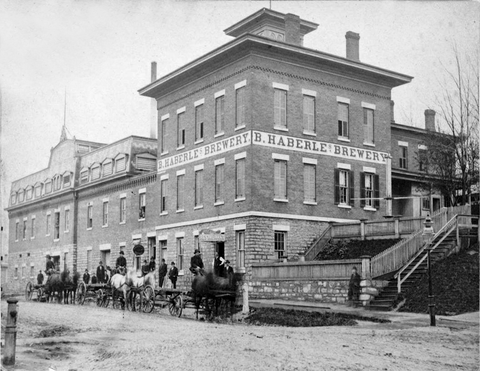
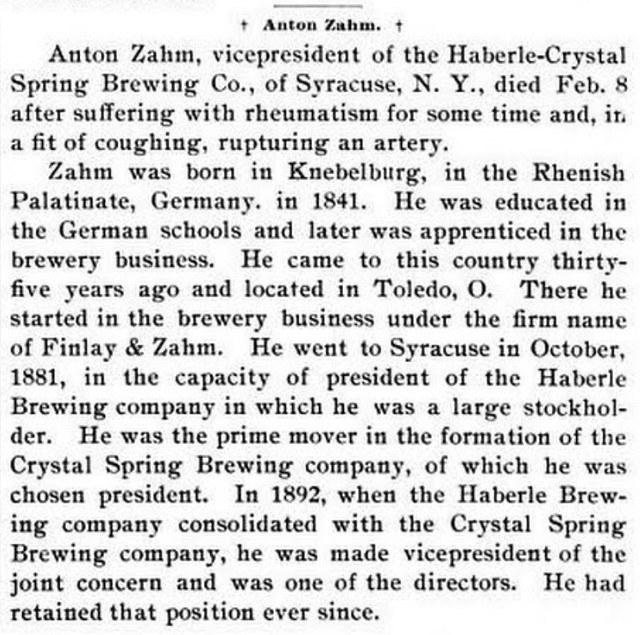
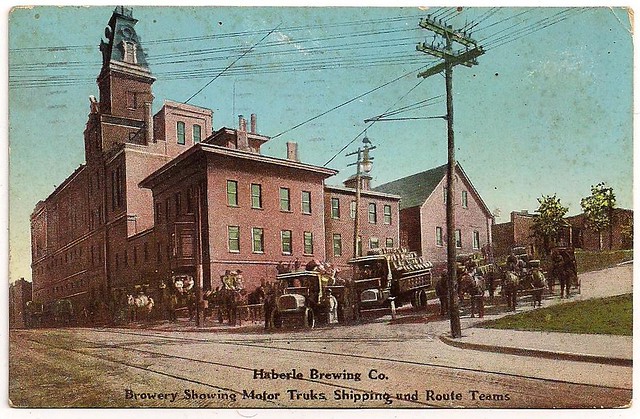
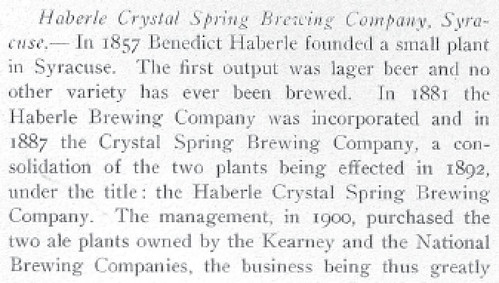
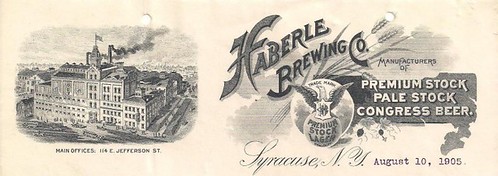
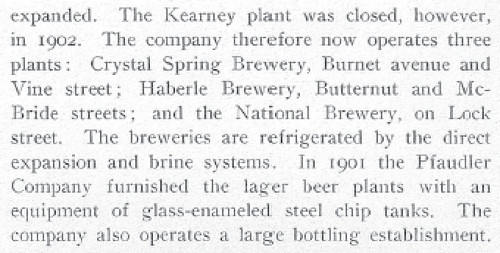
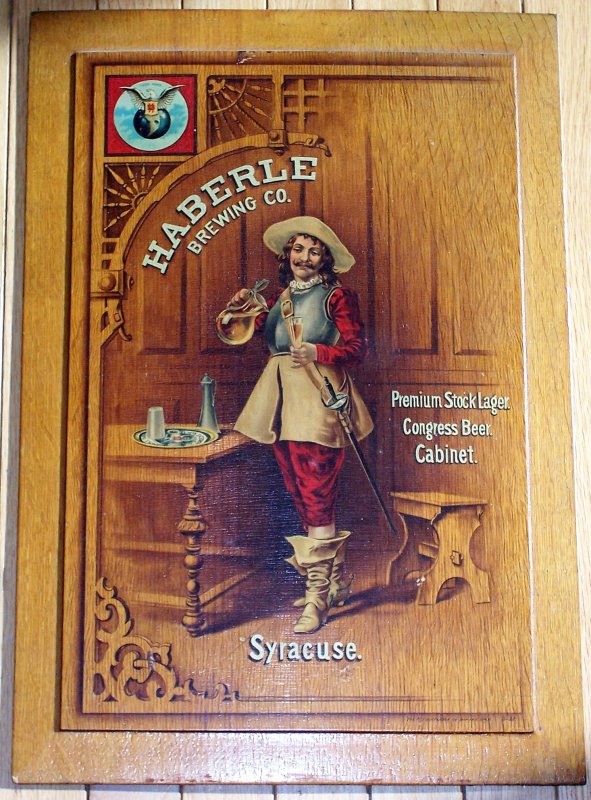
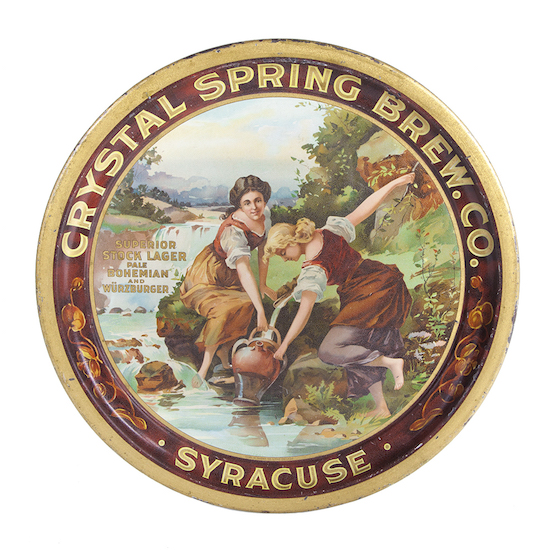
Today is the birthday of Charles Haberle (August 10, 1860-October 27, 1910). He was the brother of Frank B. Haberle, and the son of Benedict Haberle, who founded the Benedict Haberle Brewing Co. in 1857. Charles worked in the family business throughout his life, eventually becoming superintendent. When Charles’ father Benedict died in 1881, it was incorporated as the Haberle Brewing Co. After merging with the Crystal Spring Brewing Co. in 1892, the name was again changed to the Haberle-Crystal Spring Brewing Co. (and also the Haberle Brewery) until 1920, when it was closed by prohibition. It reopened in 1933 as the Haberle Congress Brewing Co., and it remained in business until 1961, when it closed for good.

Here’s his obituary from The Syracuse Journal for October 27, 1910:

Charles Haberle, superintendent of the Haberle Brewing Company’s plant, one of the best known business men of Syracuse, died early this morning at his home, 603 James st., after five weeks’ illness. For the last week Mr. Haberle’s condition occasioned considerable alarm among his family and friends. At 6 o’clock last night he lost consciousness and remained in that state up to the time of his death. During Mr. Haberle’s illness, his cheerfulness and good spirits were remarkable and although he suffered greatly he refused to give up fighting for life until he realized that the end was near. He then gave up, sinking into a stupor from which he did not rally. Mr. Haberle was born in Syracuse August 10, 1860, and had spent his entire life in the city of his birth. After completing a grammar school education he entered the brewing plant, at that time in charge of his father, and beginning at the bottom worked up through the different departments of the business until he reached the position of superintendent. Mr. Haberle was prominent in Masonic circles, being a member of Syracuse Lodge 501, F. and A. M.; Central City Chapter 70, R. and A. M.; Central City Commandery 25 K. T.; Central City bodies, A. and A. S. Rite; Central City Council 13, R. and S. M.; the Masonic Temple Club and Keder Khan Grotto. He was also a member of the Elks and of the Anglers Association of Onondaga. Besides his wife, Julia Fisher Haberle, he is survived by three sons, Benjamin F., Karl and Warren Haberle; three sisters, Mrs. Charles Schwartz, Mrs. William Biehler and Mrs. William Woese, and two brothers, Frank B. and William Haberle, all of Syracuse.

Haberle-Brewery-lg

And this account is about the brewery, from 100 Years of Brewing:

haberle-brewing-postcard

Congress-Beer-Labels-Haberle-Congress-Brewing-Co

Filed Under: Birthdays, Breweries Tagged With: History, New York

Historic Beer Birthday: Jacob Ruppert, Jr.

August 5, 2025 By Jay Brooks

Jacob-Ruppert
Today is the birthday of Jacob Ruppert, Jr. (August 5, 1867–January 13, 1939). He was the son of Jacob Ruppert, who founded the Jacob Ruppert Brewing Company in 1867. Jacon Jr., who went by Jake “was an American brewer, businessman, National Guard colonel and United States Congressman who served for four terms representing New York from 1899 to 1907. He also owned the New York Yankees of Major League Baseball from 1915 until his death in 1939.

Starting out in the family brewing business, Ruppert entered the United States National Guard in 1886 at the age of 19, eventually reaching the rank of colonel. While he was the owner of the Yankees, he purchased the contract of Babe Ruth and built Yankee Stadium, reversing the franchise’s fortunes and establishing it as the premier club in the major leagues. Ruppert was inducted into the National Baseball Hall of Fame in July 2013.”

ruppert-1920s

Ruppert was born in New York City, the son of brewer Jacob Ruppert, Sr. (1842–1915) and his wife, the former Anna Gillig (1842–1924). He was the second oldest of six children, along with Cornelia Ruppert-Franko (1865–96), Anna Schalk (born 1870), Frank (born 1872), George (1875–1948) and Amanda Elizabeth “Lizzie” Ruppert-Silleck (1878–1952). His grandfather Franz (1811–83), a brewer from Bavaria, had emigrated to the United States in 1836 or 1842. His mother was also of German ethnicity, and was herself the daughter of prominent brewer George Gillig. Although he was a second-generation American, to the day he died he spoke with a noticeable German accent.

He grew up in the Jacob Ruppert, Sr. House on Fifth Avenue. Jacob Jr. attended the Columbia Grammar School. He was accepted into Columbia College, but instead began working in the brewing business with his father in 1887. He started as a barrel washer, working 12-hour days for $10 a week ($267 in current dollar terms), and eventually became vice president and general manager of the brewery.
Ruppert enlisted in the Seventh Regiment, National Guard of New York, serving in the rank of private from 1886 through 1889. In 1890, he was promoted to colonel and appointed to serve on the staff of David B. Hill, the Governor of New York, serving as aide-de-camp. He became a senior aide on the staff of Roswell P. Flower, Hill’s successor as governor, until 1895.

U206217ACME
The Jacob Ruppert Brewery around 1932.

Ruppert was elected to the United States House of Representatives in 1898 as a member of the Democratic Party to the Fifty-sixth United States Congress, defeating incumbent Philip B. Low of the Republican Party in New York’s 15th congressional district. He was supported in his election by Richard Croker, the political boss of Tammany Hall. Ruppert won reelection over Alderman Elias Goodman in 1900. Ruppert was renominated for Congress, this time running in New York’s 16th congressional district, in 1902. Ruppert was not a candidate for reelection in 1906, and he left office in 1907.

Ruppert was also president of the Astoria Silk Works and the United States Brewers Association from 1911 through 1914. In January 1914, he bought J&M Haffen Brewing Company for $700,000 ($16,737,209 in current dollar terms), intending to close the brewery down and develop the property, which was located near The Hub in The Bronx. Upon his father’s death in 1915, Ruppert inherited the Jacob Ruppert Brewing Company and became the company’s president. Ruppert also owned real estate, including Pass-a-Grille Key in Florida.

Ruppert, interested in baseball since his childhood, began to pursue ownership of a Major League Baseball team, and attempted to purchase the New York Giants on numerous occasions. In 1912 he was offered an opportunity to purchase the Chicago Cubs, but decided that Chicago was too far away from New York for his tastes. However, Frank J. Farrell and William S. Devery, owners of the New York Yankees, were looking to sell their franchise. Ruppert and Tillinghast L’Hommedieu Huston, a former United States Army engineer and captain, purchased the Yankees from Farrell and Devery before the 1915 season for $480,000 ($11,363,684 in current dollar terms). The Yankees were, at that time, a perennial also-ran in the American League (AL), posting winning records in only 4 of their 12 seasons – and only once since 1906 – since relocating to New York prior to the 1903 season from Baltimore, where the team had played as the Orioles during the AL’s first two years of operation, 1901 and 1902.

Babe Ruth, Ruppert, Bob Shawkey (Pitcher for the Yankees), and Lou Gehrig.

After the 1917 season, Ban Johnson, president of the AL, suggested that Ruppert hire St. Louis Cardinals manager Miller Huggins to take over the same position with the Yankees. Huston, who was in Europe at the time that Ruppert was considering the appointment, disliked Huggins and wanted to hire the manager of the National League’s crosstown Brooklyn Robins, Wilbert Robinson, his drinking buddy. However, Ruppert interviewed Huggins on Johnson’s recommendation, and agreed that Huggins would be an excellent choice Ruppert offered the job to Huggins, who accepted and signed a two-year contract. The hiring of Huggins drove a wedge between the two co-owners that culminated in Huston selling his shares of the team to Ruppert in 1922.

Ruppert and Huston purchased pitcher Carl Mays from the Boston Red Sox in 1918, in direct opposition of an order issued by Johnson. The matter was taken to court, where Ruppert and Huston prevailed over Johnson. The case led to the dissolution of the National Commission, which governed baseball, and helped lead to the creation of the Commissioner of Baseball. Ruppert eventually organized opposition to Johnson among other AL owners.

The Yankees purchased star pitcher-outfielder Babe Ruth from the Red Sox in 1919, which made the Yankees a profitable franchise. The Yankees began to outdraw the Giants, with whom they shared the Polo Grounds. In 1921 the Yankees won the AL pennant for the first time, but lost to the Giants in the World Series. As a result of the Yankees’ increased popularity, Charles Stoneham, owner of the Giants and the Polo Grounds, raised the rent for Ruppert and Huston for the 1922 season. The Yankee owners responded by purchasing land in The Bronx, across the Harlem River from the Polo Grounds, from the estate of William Waldorf Astor for $675,000 ($9,658,002 in current dollar terms), breaking ground on a new stadium in May 1922. That year, the Giants once again defeated the Yankees in the World Series. Yankee Stadium opened on April 18, 1923,[the first ballpark with three tiers of seating for fans, and the first referred to as a “stadium”. Ruppert and Huston financed the project with $2.5 million of their own money ($35,770,378 in current dollar terms).

In 1923, Ruppert bought out Huston for $1.5 million ($21,084,961 in current dollar terms), and he became the sole owner. Later that year, the Yankees finally beat the Giants to win their first World Series title. The Yankees went on to dominate baseball throughout most of the 1920s and 1930s, winning three more pennants from 1926 through 1928, including the Murderers’ Row team which won the 1927 World Series and repeated as champions the following year. They returned to the top with the 1932 World Series title, and then began their strongest period yet with the Bronx Bombers teams of the late 1930s, becoming the first team to win three consecutive World Series titles in 1936, 1937 and 1938. In 1937, the Yankees became the first team to win six World Series titles, and in 1938 they surpassed the Philadelphia Athletics to become the first team to win ten AL championships, with only the Giants winning more pennants in the 20th century.
Lou-Gehrig-Jake-Ruppert
Lous Gehrig, Ruppert and Joe McCarthy in 1935.

In 1929, Ruppert added numbers to the Yankees’ uniforms, which became a feature of every team. He said, “Many fans do not attend games on a regular basis and cannot easily pick out the players they have come to see.”

in 1931 Ruppert bought the Newark Bears who played at Ruppert Stadium in Newark, New Jersey, and begin building the farm system for the Yankees. Ruppert’s 24 years as a Yankee owner saw him build the team from near-moribund to a baseball powerhouse. His own strength as a baseball executive – including his willingness to wheel and deal – was aided by the business skills of general manager Ed Barrow and the forceful field managing of Miller Huggins, until his sudden death at age 50 late in the 1929 season, and Joe McCarthy, beginning in 1931. By the time of Ruppert’s death, the team was well on its way to becoming the most successful in the history of Major League Baseball, and eventually in North American professional sports.

Ruppert and Ruth had public disagreements about Ruth’s contracts. Nevertheless, they were personal friends; according to Ruth, Ruppert called him “Babe” only once, and that was the night before he died. Usually, Ruppert called him “Root” (as “Ruth” sounded in his German-accented voice); he always called everyone, even close friends, by their last name. Ruth was one of the last persons to see Ruppert alive.

Ruppert suffered from phlebitis in April 1938, and was confined to his Fifth Avenue apartment for most of the year. He was too sick to follow the Yankees to the 1938 World Series, what would be their seventh world title under his stewardship; he listened on the radio. In November 1938, he checked into Lenox Hill Hospital, where he died on January 13, 1939.

knickerbocker-yankees
New York Yankees Tony Lazzeri, Joe DiMaggio, and Frankie Crosetti with their team owner Jacob Ruppert taken in the late 1930’s.

Ruppert’s father, Jacob, Sr., left behind an estate of $6,382,758 ($111,618,204 in current dollar terms) when he died in 1915, which Ruppert increased to $40 million by the time of his death in 1939. This was managed by his heirs. His brother George, who served as the Yankees’ vice president, declined to take over the team presidency, and instead recommended that general manager Ed Barrow be given control of the club. Under Barrow’s leadership, the Yankees won a fourth consecutive World Series in 1939, and captured three more AL titles and two World Series from 1941 to 1943 as the nation entered World War II. After mismanaging Ruppert’s brewery, the heirs sold the Yankees to Dan Topping, Del Webb and Larry MacPhail in 1945. The brewery sold its flagship beer, Knickerbocker beer, to Rheingold, and went out of business in 1965.

On April 16, 1940, the Yankees dedicated a plaque in Ruppert’s memory, to hang on the center field wall of Yankee Stadium, near the flagpole and the monument that had been dedicated to former manager Miller Huggins. The plaque called Ruppert “Gentleman, American, sportsman, through whose vision and courage this imposing edifice, destined to become the home of champions, was erected and dedicated to the American game of baseball.” The plaque now rests in Monument Park at New Yankee Stadium.

An apocryphal story says that Ruppert is responsible for the Yankees’ famous pinstriped uniforms; according to this account, Ruppert chose pinstripes in order to make the often-portly Ruth appear less obese, but the uniform was in fact introduced in 1912.

A beer was named after Ruppert, as were Ruppert Stadium in Newark, New Jersey. Ruppert Park in Manhattan, is part of the Ruppert Yorkville Towers housing complex was built on the site the brewery in Yorkville, Manhattan.
Gehrig Lou 1489-68WT_Grp_NBL
Ruppert and Lou Gehrig in 1938.

Filed Under: Birthdays, Breweries, Just For Fun Tagged With: Baseball, History, New York, Sports

Beer In Ads #5043: Old Salt Bock Beer

August 4, 2025 By Jay Brooks

Last year I decided to concentrate on Bock ads. Bock, of course, may have originated in Germany, in the town of Einbeck. Because many 19th century American breweries were founded by German immigrants, they offered a bock at certain times of the year, be it Spring, Easter, Lent, Christmas, or what have you. In a sense they were some of the first seasonal beers. “The style was later adopted in Bavaria by Munich brewers in the 17th century. Due to their Bavarian accent, citizens of Munich pronounced ‘Einbeck’ as ‘ein Bock’ (a billy goat), and thus the beer became known as ‘Bock.’ A goat often appears on bottle labels.” And presumably because they were special releases, many breweries went all out promoting them with beautiful artwork on posters and other advertising.

Monday’s ad is for not for a specific Bock Beer, but a restaurant on Route #4 in Paramus, New Jersey, called “Old Salt Seafood Restaurant.” They also mention another, presumably sister restaurant, called the “Old Salt Clam House,” located in New York City between 99th and 100th Streets. The ad was published on August 4, 1950. This ad ran in The Bergen Evening Record, of Bergen, New Jersey. The art for the ad features a cartoon drawing of a camel sitting at a bar, who comes in the Spring and drinks nothing but Bock Beer.

Filed Under: Art & Beer, Beers, Just For Fun Tagged With: Advertising, Bock, History, New York

Beer In Ads #5042: Lion Brewery Bock Beer

August 3, 2025 By Jay Brooks

Last year I decided to concentrate on Bock ads. Bock, of course, may have originated in Germany, in the town of Einbeck. Because many 19th century American breweries were founded by German immigrants, they offered a bock at certain times of the year, be it Spring, Easter, Lent, Christmas, or what have you. In a sense they were some of the first seasonal beers. “The style was later adopted in Bavaria by Munich brewers in the 17th century. Due to their Bavarian accent, citizens of Munich pronounced ‘Einbeck’ as ‘ein Bock’ (a billy goat), and thus the beer became known as ‘Bock.’ A goat often appears on bottle labels.” And presumably because they were special releases, many breweries went all out promoting them with beautiful artwork on posters and other advertising.

Sunday’s ad is for Lion Bock Beer, which was published in 1906. This one was for the Lion Brewery of New York, New York, which was originally founded in 1857. This ad ran in The New York Times, also of New York.

Filed Under: Art & Beer, Beers, Breweries, Just For Fun Tagged With: Advertising, Bock, History, New York, New York Times

« Previous Page
Next Page »

Find Something

Northern California Breweries

Please consider purchasing my latest book, California Breweries North, available from Amazon, or ask for it at your local bookstore.

Recent Comments

  • Ernie Dewing on Historic Beer Birthday: Charles William Bergner 
  • Steve 'Pudgy' De Rose on Historic Beer Birthday: Jacob Schmidt
  • Jay Brooks on Beer Birthday: Bill Owens
  • Steve 'Pudgy' De Rose on Beer Birthday: Charles Finkel
  • Steve 'Pudgy' De Rose on Beer Birthday: Bill Owens

Recent Posts

  • Historic Beer Birthday: George M. Biner February 22, 2026
  • Historic Beer Birthday: Samuel Charles Whitbread February 22, 2026
  • Beer In Ads #5214: Bock Beer? Yes, Point Bock Beer! February 21, 2026
  • Historic Beer Birthday: Philip Zorn February 21, 2026
  • Historic Beer Birthday: Rudolph J. Schaefer February 21, 2026

BBB Archives

Feedback

Head Quarter
This site is hosted and maintained by H25Q.dev. Any questions or comments for the webmaster can be directed here.