Brookston Beer Bulletin

Jay R. Brooks on Beer

  • Home
  • About
  • Editorial
  • Birthdays
  • Art & Beer

Socialize

  • Dribbble
  • Email
  • Facebook
  • Flickr
  • GitHub
  • Instagram
  • LinkedIn
  • Pinterest
  • RSS
  • Twitter
  • YouTube

Powered by Genesis

Patent No. 714703A: Beer-Cooler

December 2, 2015 By Jay Brooks

patent-logo
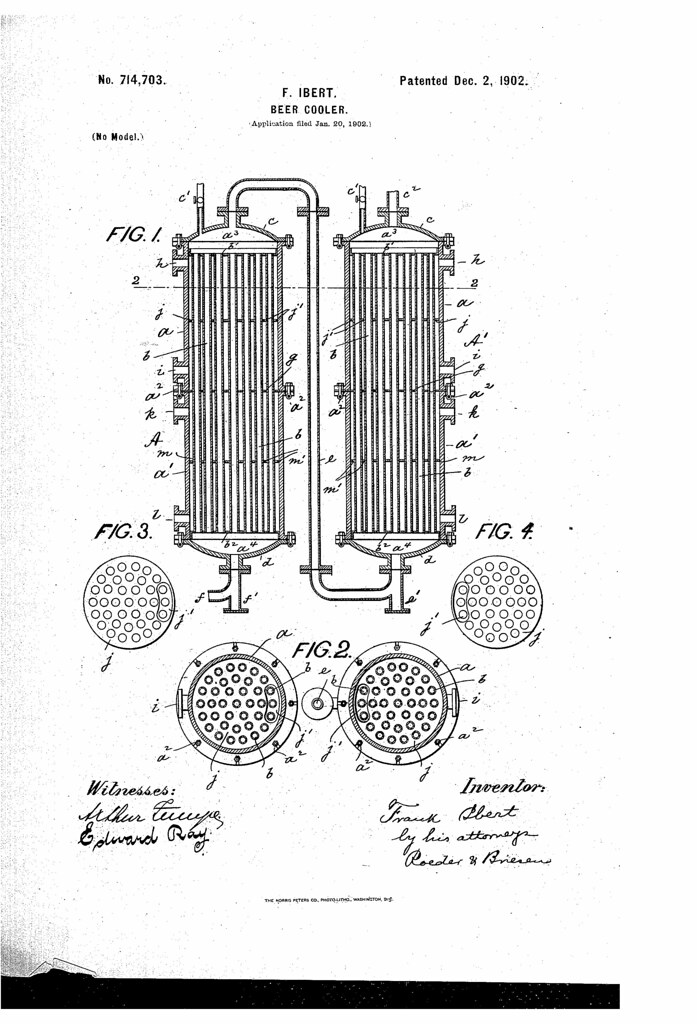
Today in 1902, US Patent 714703 A was issued, an invention of Frank Ibert, for his “Beer-Cooler.” There’s no Abstract, although in the description it includes this summary:

This invention relates to a beer-cooler which thoroughly utilizes the temperature of the cooling medium and effects a rapid and cleanly cooling of the beer.
Untitled

Filed Under: Beers, Just For Fun, Politics & Law, Related Pleasures Tagged With: History, Kegs, Law, Patent

Patent No. 3544329A: Electrolysis Of Fermented Beverages

December 1, 2015 By Jay Brooks

patent-logo
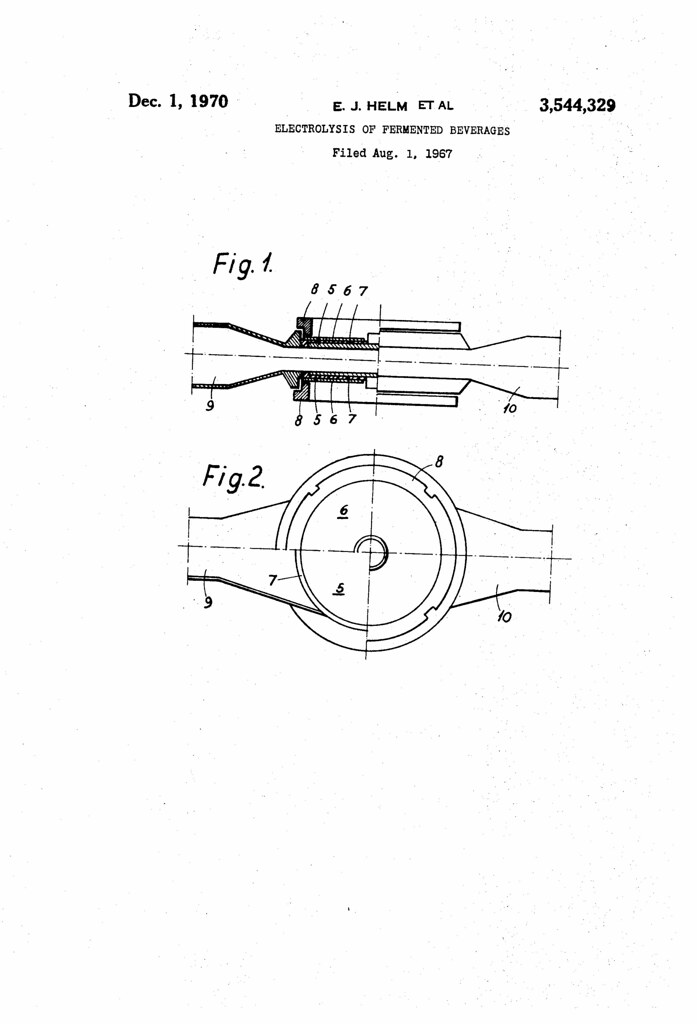
Today in 1970, US Patent 3544329 A was issued, an invention of Erik Johannes Helm and Richard Stanley Wrey Thorne, for their “Electrolysis of Fermented Beverages.” There’s no Abstract, although in the description it includes this summary:

This invention relates to a method and means for the improvement of the flavour of fermented beverages, such as beers, ciders, and wines, by elimination of hydrogen sulphide produced during fermentation.

Hydrogen sulphide is a normal product of yeast metabolism; during fermentation of beverages such as beer it is produced from cysteine by desulphuration and from inorganic sulphate by reduction, and probably from other precursors as well. It is well known to brewers that beer, and particularly newly fermented beer, for this reason often contains so much hydrogen sulphide as seriously to impair its avour, and especially its aroma. Generally speaking, this circumstance applies both to bottom-fermented beers (pilsner and lager types) and to top-fermented beers (ale and stout types).

This hydrogen sulphide may disappear during the maturation of beer, a process which consists essentially of a slow secondary fermentation, the hydrogen sulphide being swept out of the beer by the slowly evolving carbon dioxide. In practice, however, it is often found that for one reason or another the finished beer still retains a sensible concentration of hydrogen sulphide; particularly in the case of pilsner type beers this residual hydrogen sulphide may be sucient to detract from the delicacy of their llavoun The concentration of hydrogen sulphide in iinished beers may vary from inappreciable traces up to about 0.06 p.p.m. Its presence is already perceptible at a concentration of about 0.005 p.p.m.; at this level it is hardly perceived as such, but rather as modifying the general beer aroma. At 0.005 to 0.02 p.p.m. its odour has been described as yeasty or sulphury, i.e. more or less abnormal and undesirable. At about 0.05 p.p.m. it is recognizable as the characteristic hydrogen sulphide stench. Thus, while very low concentrations of hydrogen sulphide, say, less than 0.005 p.p.m. may not be objectionable in beer, and may even contribute a desirable element to its aroma, higher levels than this are definitely undesirable and perceived as a defect.

Accordingly, a process for the elimination of hydrogen sulphide from beer or its reduction to an imperceptible level, a process which might help to abbreviate the economically expensive secondary fermentation, is much to be desired.

The extremely low solubility product of copper sulphide suggests that a very simple means to this end might be to dose small quantities of, for example copper sulphate into beer so as to precipitate all of its hydrogen sulphide in the form of copper sulphide which would be subsequently removed during the regular beer ltration prior to bottling. However, the fact that beers normally contain traces of copper of the order of 0.1 p.p.m. or more which are as a rule more than equivalent to the amount of hydrogen sulphide to be removed, Without any such removal actually taking place, suggests that the problem is not quite so simple as it may at rst sight appear. It is true that the addition of an excess of copper sulphate to beer, of the order of l p.p.m. of copper, does indeed remove all perceptible hydrogen sulphide from it, but the relatively high concentration of residual copper remaining in the beer constitutes such a technical disadvantage that this procedure could not be seriously advocated for practical use. The drawback attaching to soluble copper in beer is that it rather drastically reduces the stability (shelflife) of the beer: copper accelerates the precipitation of proteinaceous material from the beer, rendering it cloudy and unsaleable. Presumably, the small amount of copper normally present in beer is already complexed to proteinaceous material in the beer so that it is unavailable for precipitating the hydrogen sulphide. Similarly, the excessive amount of copper sulphate which is necessary to eliminate hydrogen sulphide from beer must be attributed to most of the copper immediately being complexed, only a minor amount being available to react with the hydrogen sulphide.

The present invention comprises dosing suitably small quantities of copper into beer by means of electrolytic dissolution. Trials have shown that by this procedure the hydrogen sulphide may be removed from beer without causing any appreciable increase in its copper content.

According to this invention, beer, during the course of its passage to the filter, is passed between two electrodes of electrolytic copper, or between two electrodes one of which, the anode, is ot electrolytic copper. By the application of a suitable electromotive force across the electrodes copper passes into solution into the beer; the concentration of copper so dissolved depends only upon (a) the quantity of electricity passing through the beer (measured by the product of current strength and time), and (b) the velocity of the beer flowing past the electrodes. Copper dissolution is therefore precisely controllable by regulating current strength in relation to beer velocity.

Untitled

Filed Under: Beers, Breweries, Just For Fun, Politics & Law, Related Pleasures Tagged With: Brewing Equipment, History, Law, Patent, Science of Brewing

Patent No. 4361080A: Floor For Lautering Vessels

November 30, 2015 By Jay Brooks

patent-logo
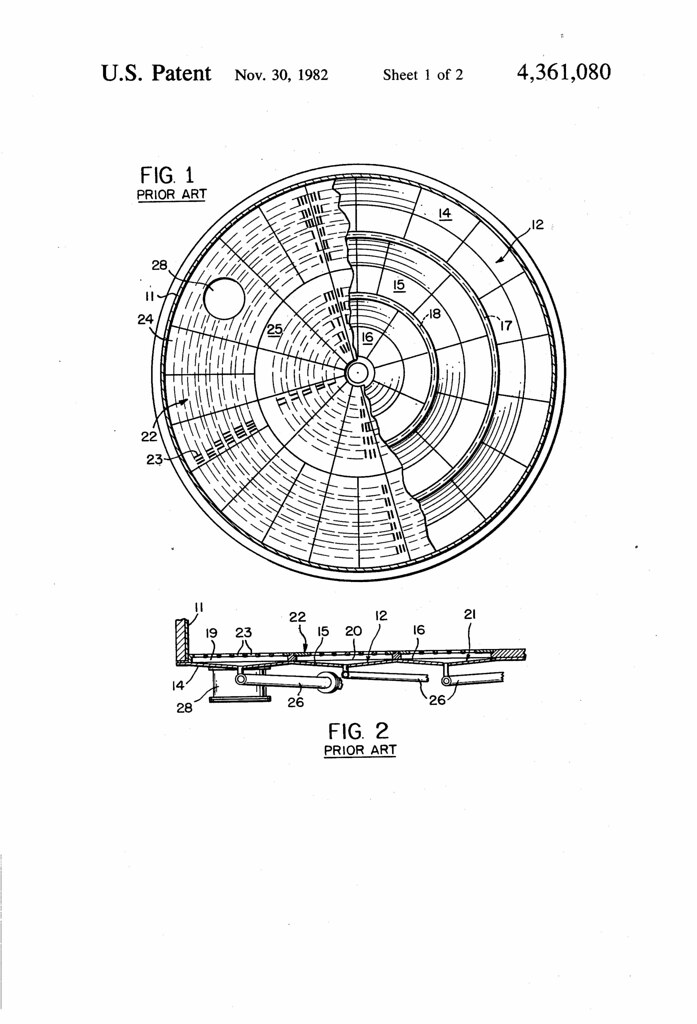
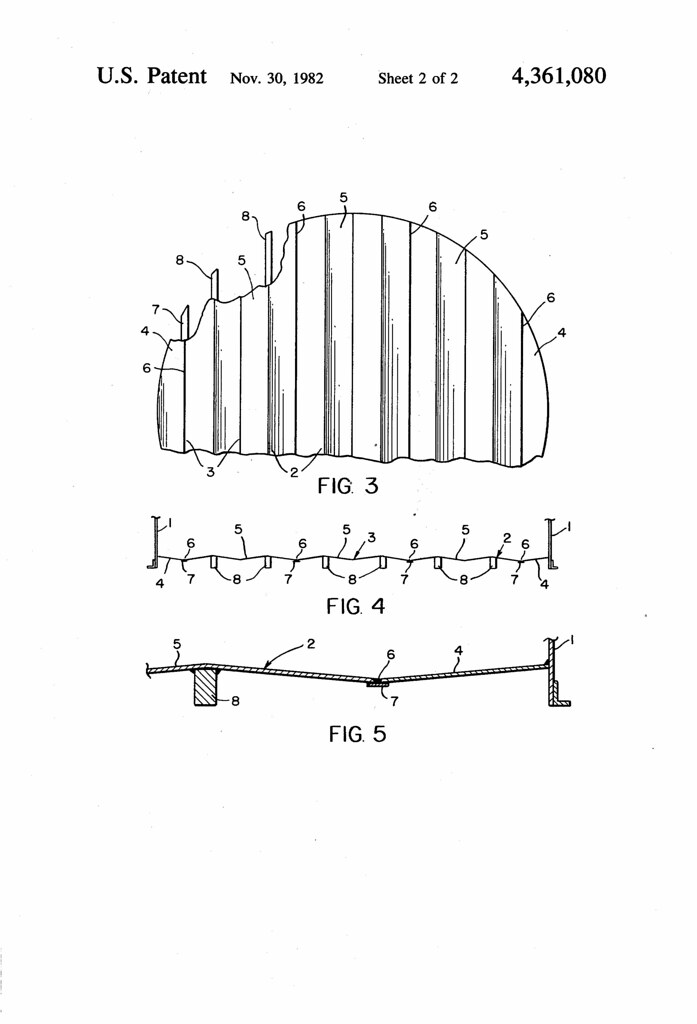
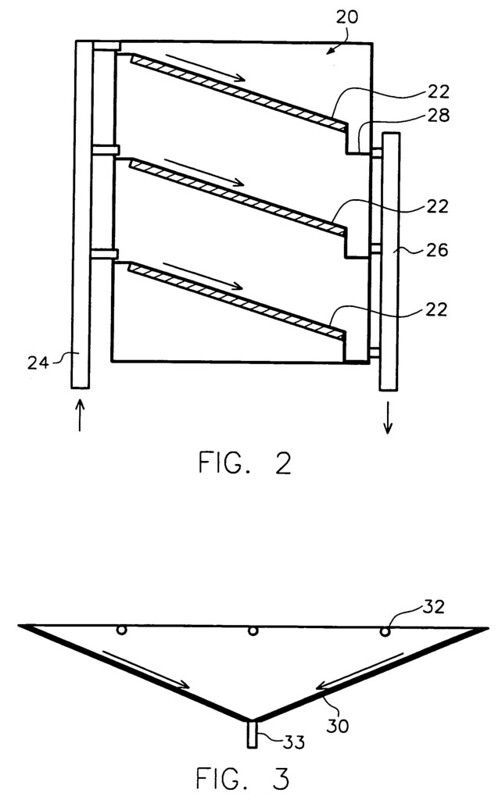
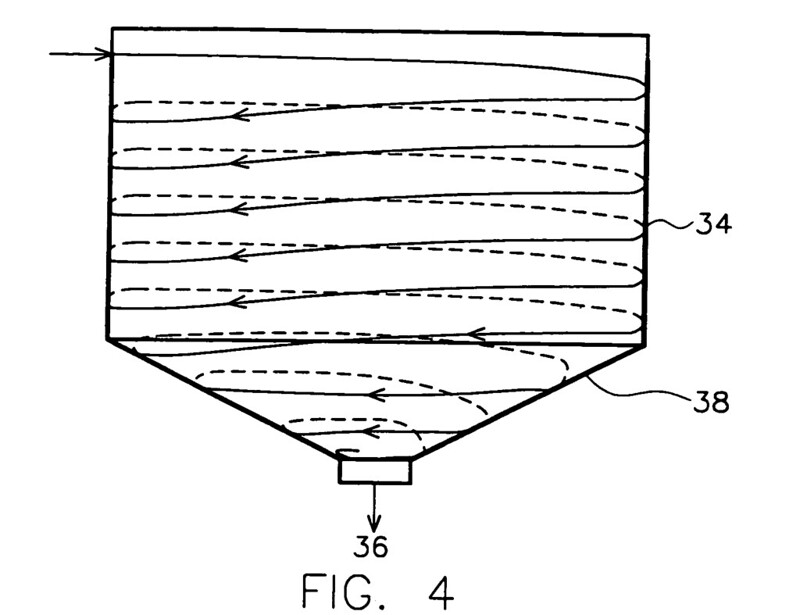
Today in 1982, US Patent 4361080 A was issued, an invention of David K. Smith, Nigel Harlow, and Samuel W. Maxfield, for their “Floor For Lautering Vessels.” Here’s the Abstract:

Disclosed is a real floor for a lauter tun comprising a plurality of elongated linear troughs, each trough extending unobstructed across the bottom of the vessel and each forming a relatively shallow upward opening V-shape. The elements making up the floor are shaped to provide the lauter tun floor with a circular profile.

Untitled
Untitled

Filed Under: Beers, Breweries, Just For Fun, Politics & Law, Related Pleasures Tagged With: Brewing Equipment, History, Law, Patent, Science of Brewing

Patent No. 1162515A: Process For Treating Cement Beer-Fermenting Tanks

November 30, 2015 By Jay Brooks

patent-logo
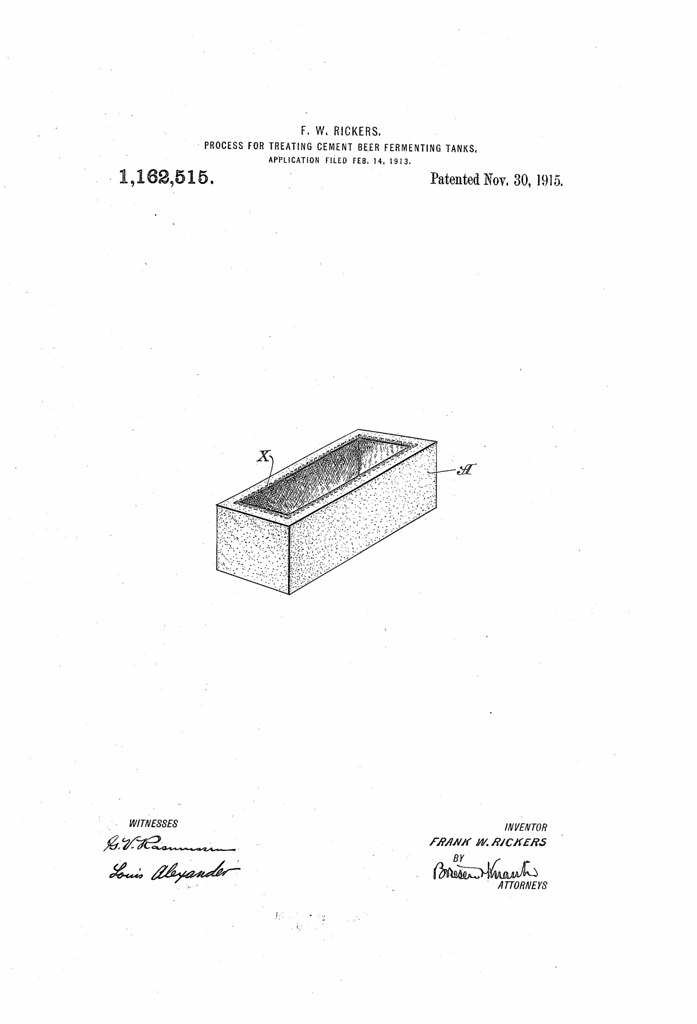
Today in 1915, US Patent 1162515 A was issued, an invention of Frank W. Rickers, assigned to the Schaefer Brewing Co., for his “Process For Treating Cement Beer-Fermenting Tanks.” There’s no Abstract, although in the description it includes this summary:

The object of the present invention is the production of a beer fermenting tank constructed of hydraulic cement or cement concrete or reinforced cement concrete which shall avoid the disadvantages incident to those previously constructed, and which shall be economical to construct, and which shall be substantially permanent when constructed.

Untitled

Filed Under: Beers, Breweries, Just For Fun, Politics & Law, Related Pleasures Tagged With: Brewing Equipment, History, Law, Patent

Patent No. 6968773B1: Vessel And Wort Processing Method For Producing Beer

November 29, 2015 By Jay Brooks

patent-logo
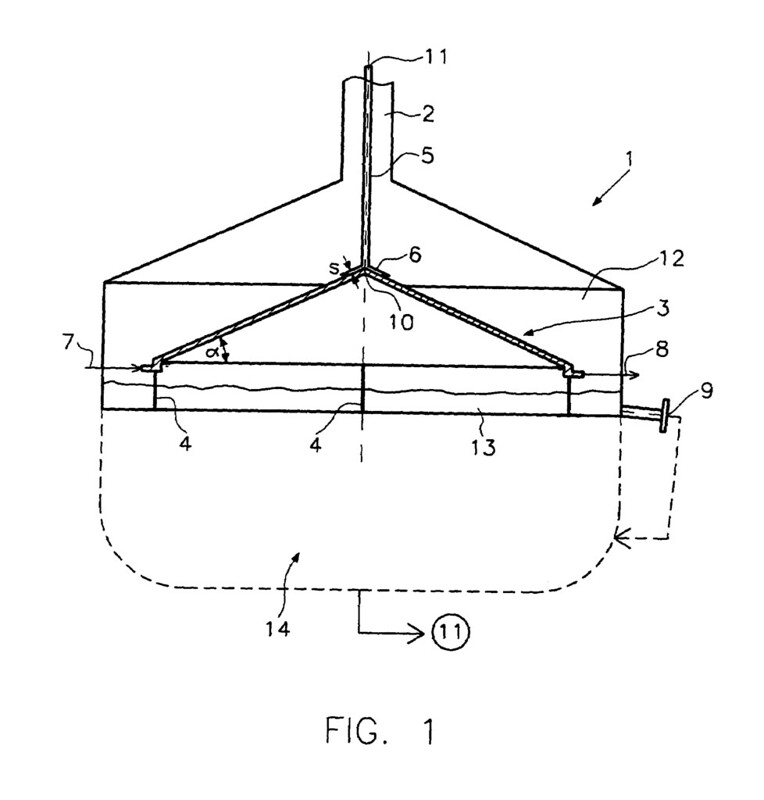
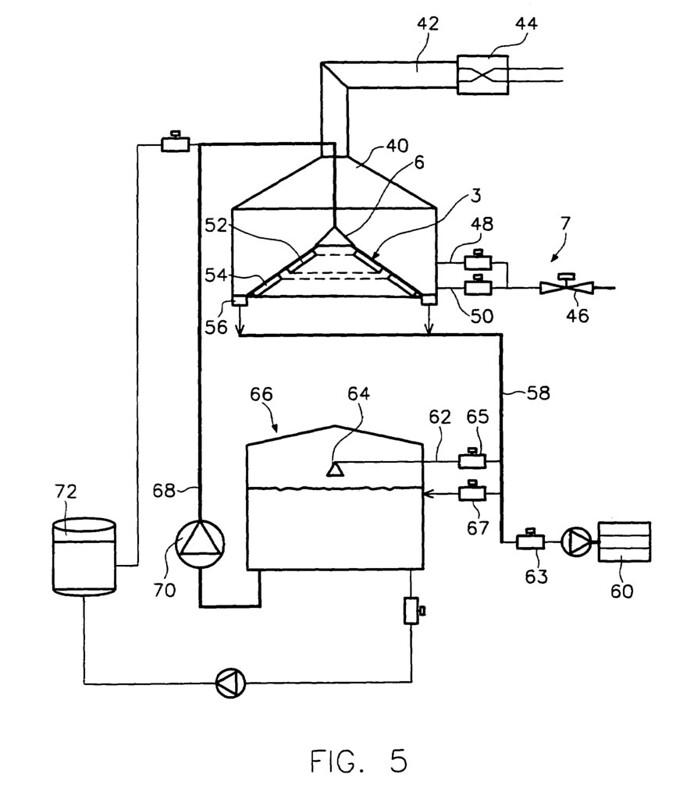
Today in 2005, US Patent 6968773 B1 was issued, an invention of Kurt Stippler and Klaus-Karl Wasmuht, assigned to Anton Steinecker Maschinenfabrik Gmbh, for their “Vessel and Wort Processing Method for Producing Beer.” Here’s the Abstract:

A vessel and a method for thermally treating wort in beer brewing, wherein a wort guiding screen or cone is placed inside the vessel and a feed pipe ending above the wort guiding screen or cone is used to discharge wort from above onto the wort guiding screen or cone. The wort boiling method has the wort discharged onto an inclined, heated guiding surface from which it flows down and spreads into a sheet and is thereby heated.

Untitled

Untitled

Untitled
Untitled

Filed Under: Beers, Breweries, Just For Fun, Politics & Law, Related Pleasures Tagged With: Brewing Equipment, History, Law, Patent, Science of Brewing, Wort

Patent No. 2138529A: Hop Separator

November 29, 2015 By Jay Brooks

patent-logo
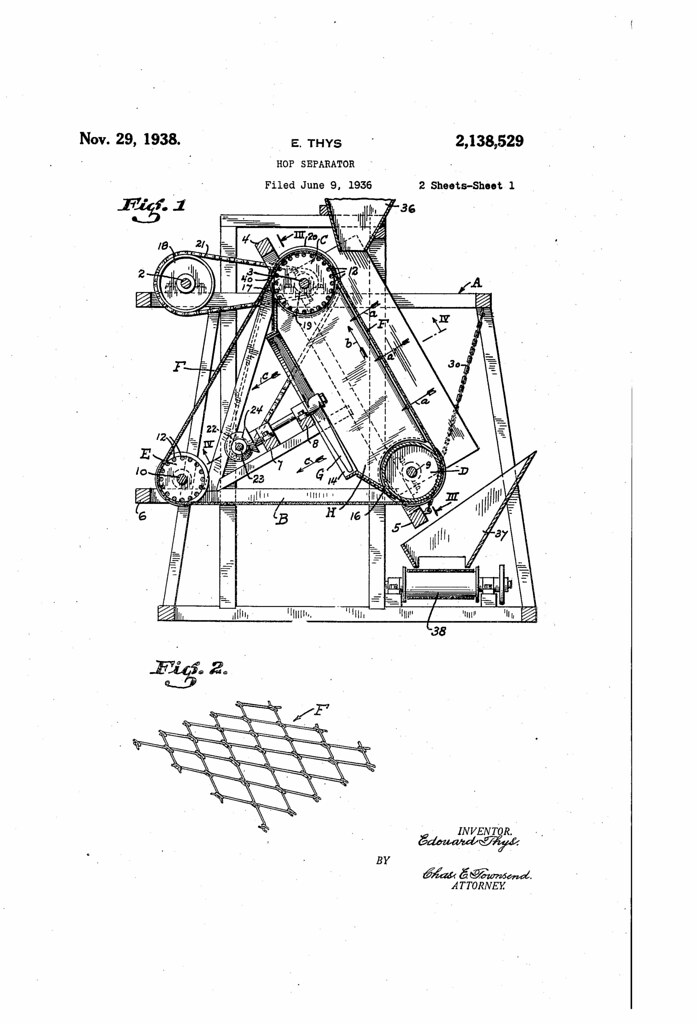
Today in 1938, US Patent 2138529 A was issued, an invention of Edouard Thys, for his “Hop Separator.” There’s no Abstract, although in the description it includes this summary:

This invention relates to separators and especially to a machine for separating leaves and like foreign material from hops, the present application being a continuation in part of my co-pending application entitled Hop picking machine, filed November 13, 1935, Serial Number 49,531.

The picking of hops by means of machinery is now a comparatively old art as machine picking has been in continuous use on a comparatively a large scale in California and other States at least since 1910. The type of machine generally employed consists of a series of revolving drums from the surface of which project V-shaped flexible wire fingers. The vines to be picked are l passed over and under the drums by a conveyor and as the vines pass over and under the drums they are combed by the V-shaped fingers and the hops are removed during the combing operation. A great many leaves and stems are also m removed and some of the hops are broken, thereby forming petals, hence after the picking operation has been completed it becomes necessary’ to separate the hops from the leaves, petals and stems as the cleaner the hops the higher the market value of the same.

The present invention relates. to a machine for separating the hops from the leaves, petals, stems, etc., the object being to improve and simplify the separation of hops of this character; to provide a pervious inclined belt upon which the hops, leaves, etc., are delivered; to provide means in the form of fans, or the like, placed under the belt so as to maintain a sufficient suction to cause the. lighter material, such as leaves, petals, etc., to adhere to the surface of the belt while the inclination of the belt will permit the hops to roll down and off the belt; to arrange the belt in such a manner that the air blast produced by the discharge side of the fans may be utilized to release the leaves, petals, etc., from the belt; and, further, to provide means for adjusting the inclination of the belt to insure rolling and gravity separation of the hops from the leaves and other organic matter.

Untitled
Untitled

Filed Under: Beers, Just For Fun, Politics & Law, Related Pleasures Tagged With: Brewing Equipment, History, Hops, Law, Patent

Patent No. 20130314244A1: Draft Beer Supply Chain Systems And Methods

November 28, 2015 By Jay Brooks

patent-logo
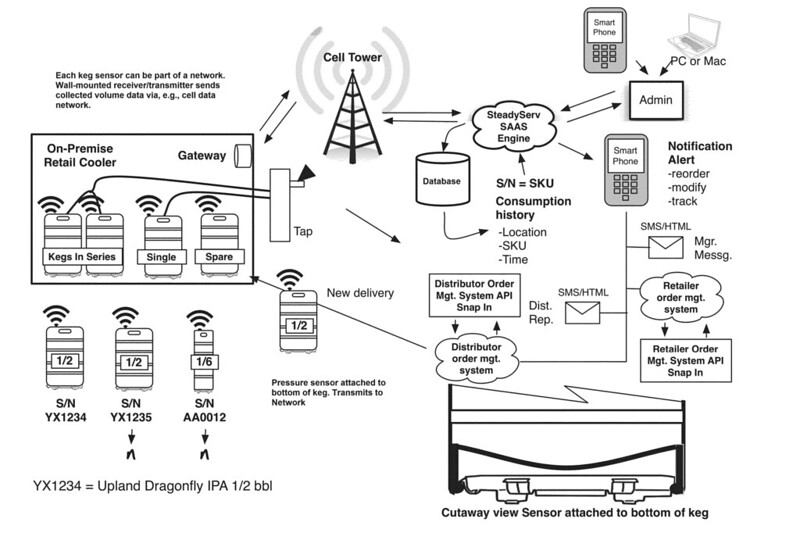
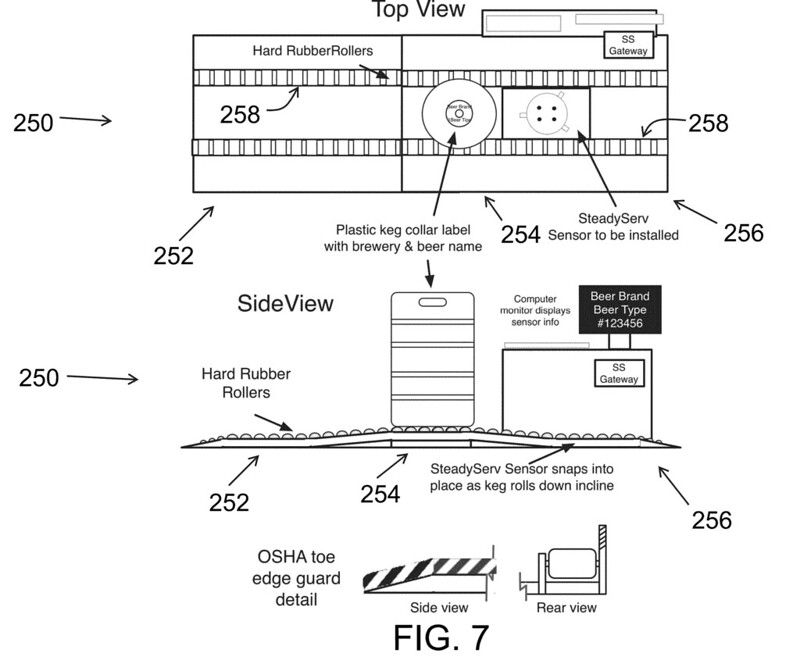
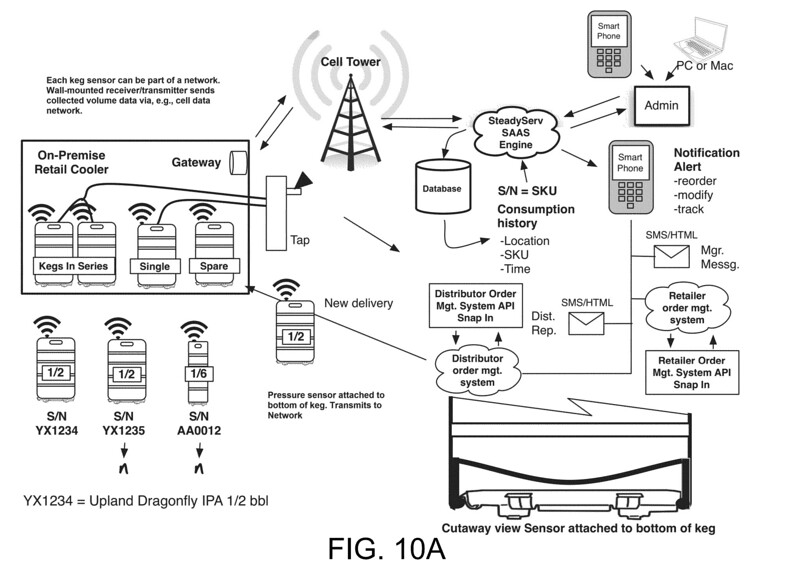
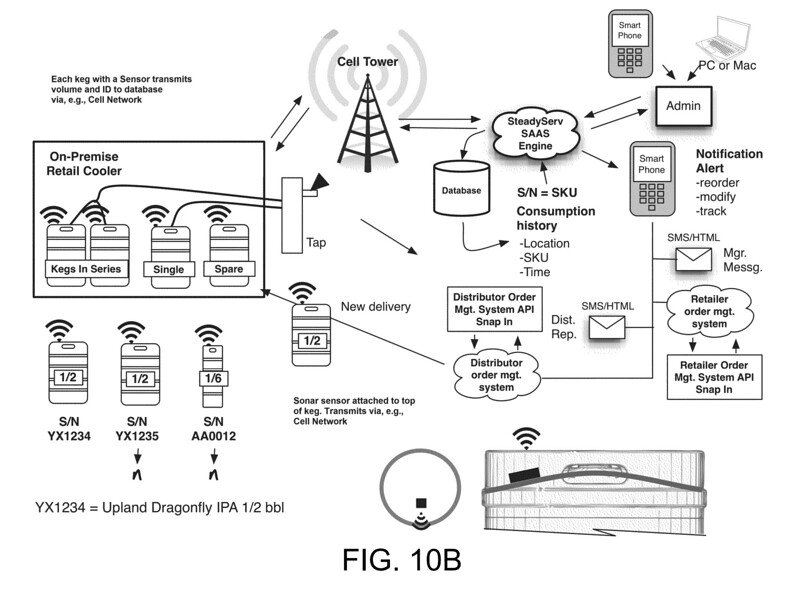
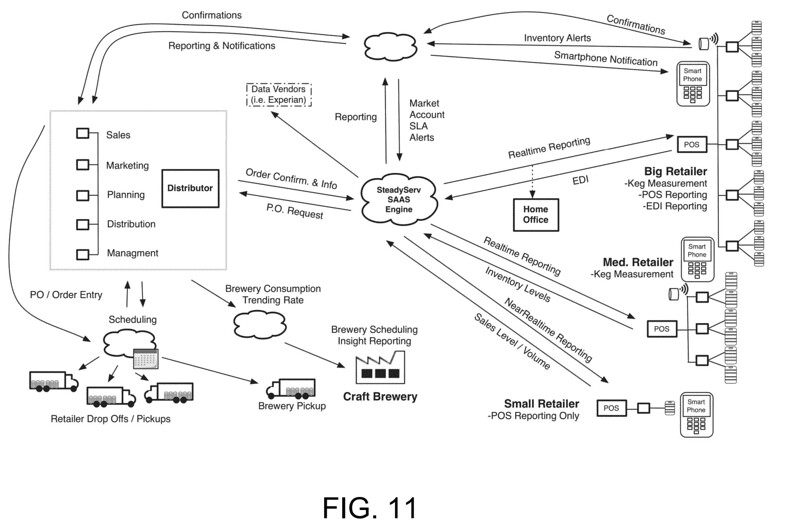
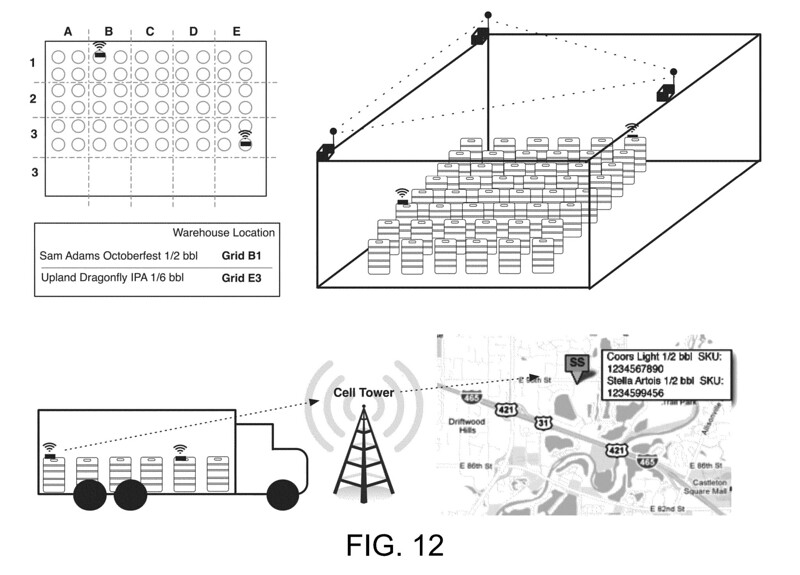
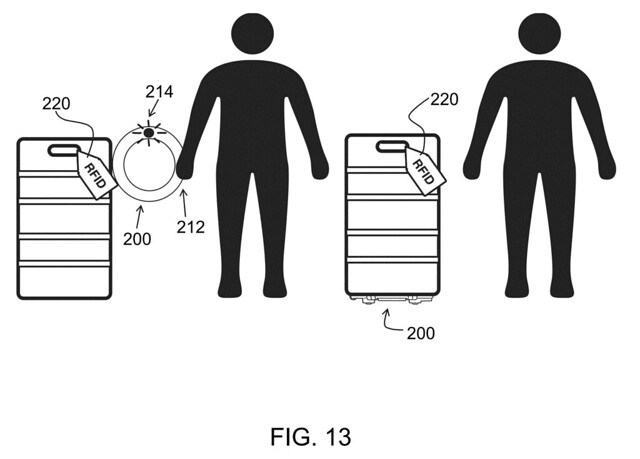
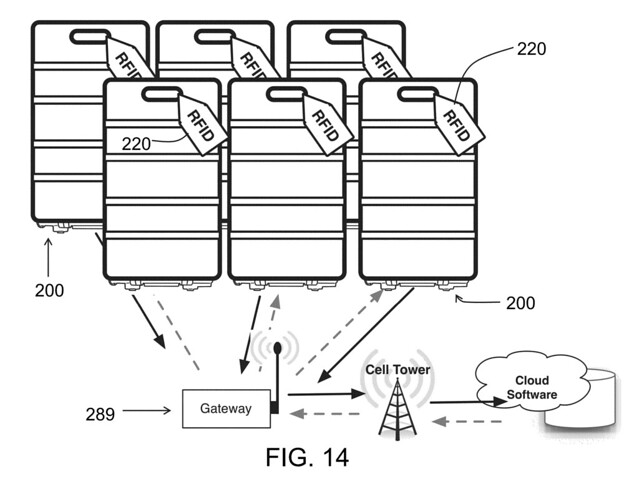
Today in 2013, US Patent 20130314244 A1 was issued, an invention of Steve Hershberger, Steve Kremer, Matt Mayer, and Mark Kosiarek, assigned to SteadyServ Technologies, LLC, for their “Draft Beer Supply Chain Systems and Methods.” Here’s the Abstract:

Supply chain systems and methods are disclosed for monitoring fluid levels in liquid containers, such as kegs. Embodiments include sensors that fit within a keg’s false bottom, measure the weight of the keg, and transmit the weight information to a computer database via a wireless network. Other embodiments include an RFID device with information about a characteristic of the liquid within a keg (such as brand and/or type of beer) that may be attached to the keg and paired with the sensor so the sensor can transmit information about the characteristic of the liquid in the keg. In alternate embodiments, the sensor’s transmitter is short range and an uplink/gateway is used to receive information from the sensor and relay that sensor’s information to a broader wireless network. Multiple containers in close proximity may each be fitted with an RFID device and sensor and communicate their individual information to the database.

Untitled
Untitled
Untitled
Untitled
Untitled
Untitled
Untitled
Untitled

Filed Under: Beers, Just For Fun, Politics & Law, Related Pleasures Tagged With: Bars, Business, Distributors, Law, Patent

Patent No. 3065885A: Beer Barrel Tapping Device

November 27, 2015 By Jay Brooks

patent-logo
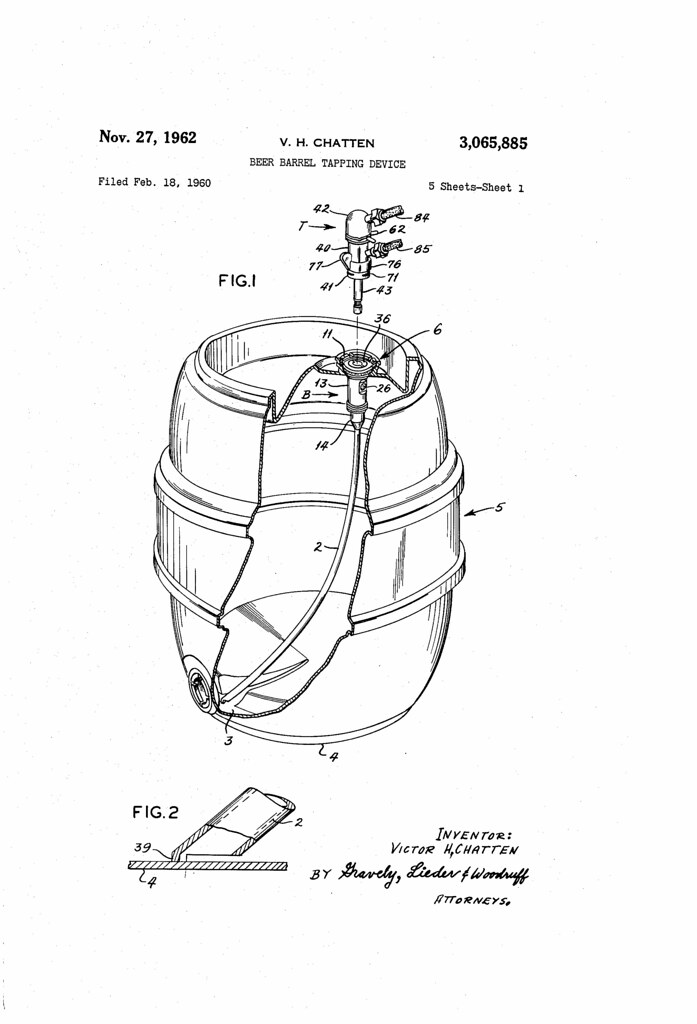
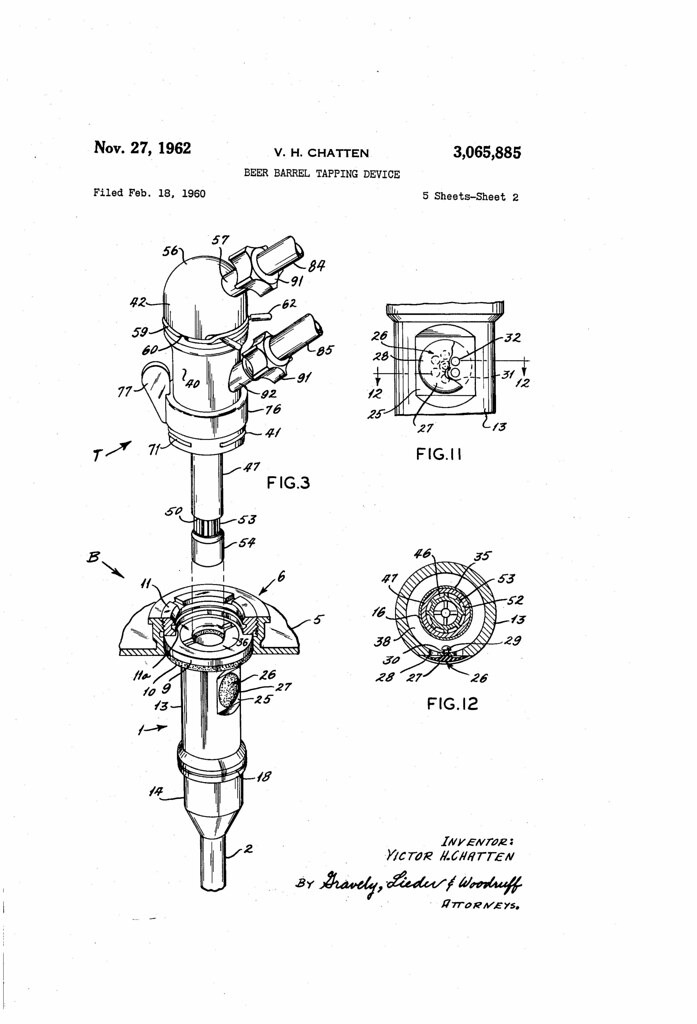
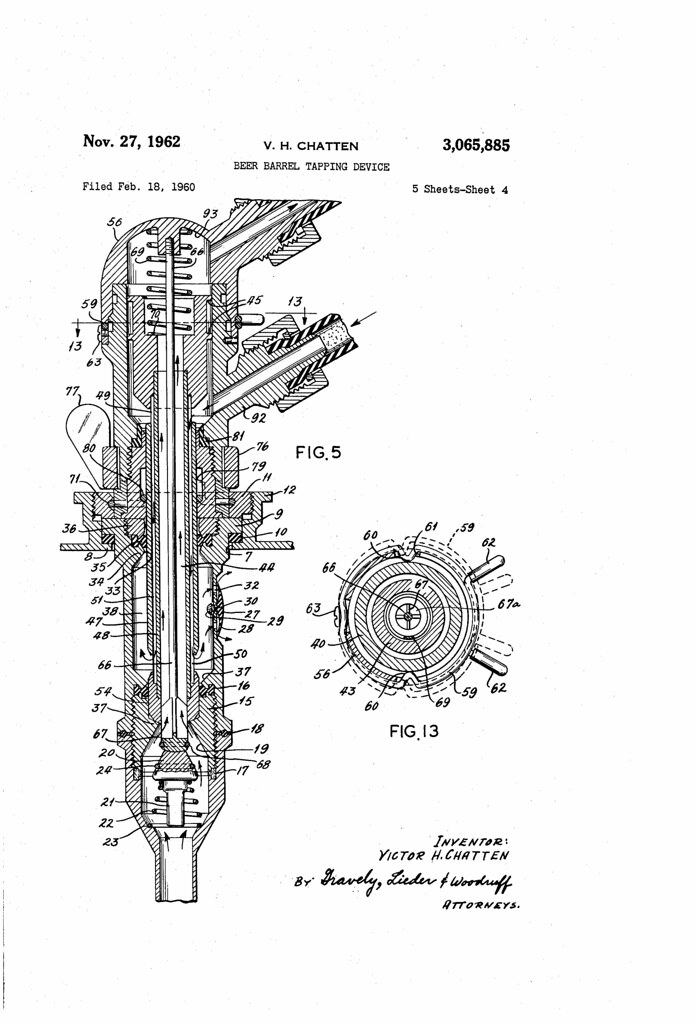
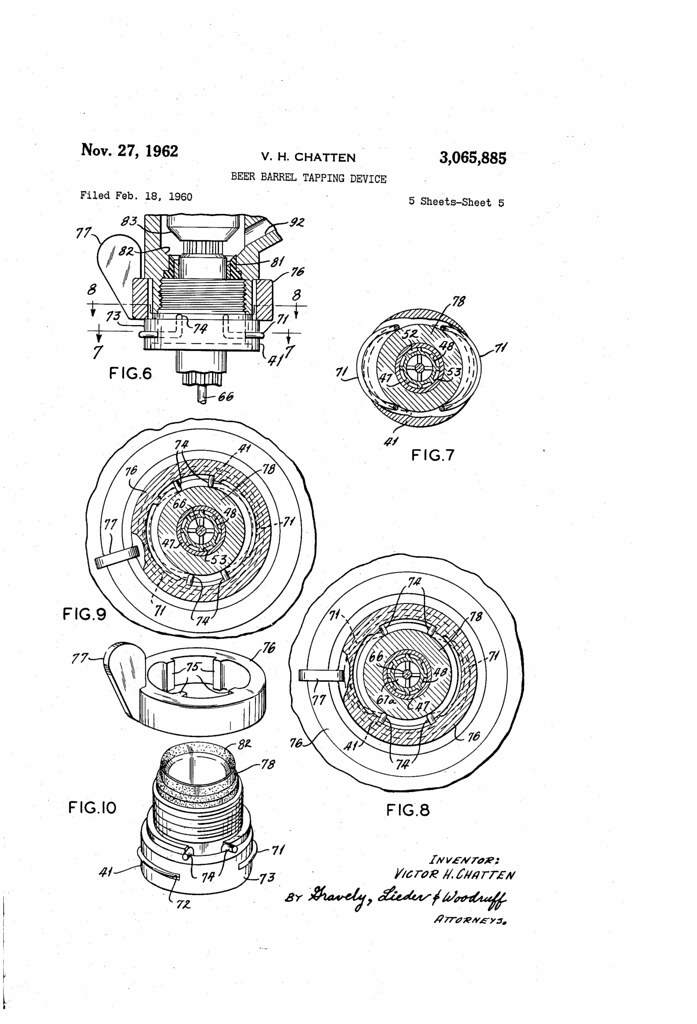
Today in 1962, US Patent 3065885 A was issued, an invention of Victor H. Chatten, assigned to Anheuser Busch, for his “Beer Barrel Tapping Device.” There’s no Abstract, although in the description it includes this summary:

This invention relates to a new and improved device for tapping beer barrels, and in particular, relates to a barrel unit and tap unit which can be used in connection with barrels or kegs of the type in common use today. These barrels have an upper opening of standard size.

One of the principal objects of the present invention is to provide a beer barrel tapping arrangement wherein only a single top connection is made by a speed coupling requiring only a straight push to make the connection. Another object is to eliminate the tilt base and to draw the beer to the last several ounces. Another object is to provide a barrel unit which does not displace much beer and which does not have to be removed for the high speed cleaning operation performed on automatic equipment. Another object is to provide a convenient flushing valve for a beer barrel tapping unit and to eliminate all valves except for the dual v-alve which supplies the CO gas and draws off the beer.

Untitled
Untitled
Untitled
Untitled
Untitled

Filed Under: Beers, Just For Fun, Politics & Law, Related Pleasures Tagged With: History, Kegs, Law, Patent

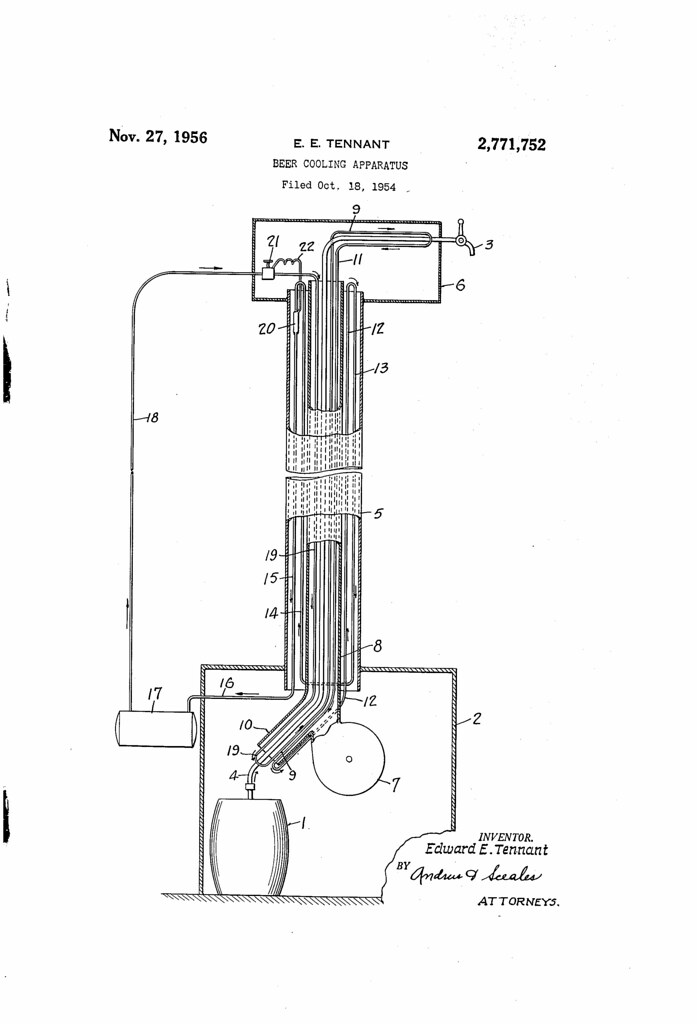
Patent No. 2771752A: Beer Cooling Apparatus

November 27, 2015 By Jay Brooks

patent-logo
Today in 1956, US Patent 2771752 A was issued, an invention of Edward E. Tennant, assigned to the Schlitz Brewing Co., for his “Beer Cooling Apparatus.” There’s no Abstract, although in the description it includes this summary:

This invention relates to a beverage cooling system and apparatus and particularly has reference to apparatus for cooling or maintaining a carbonated beverage, like beer, in a properly cooled condition while transporting the same a substantial distance from the source or keg to the dispensing tap.

Untitled

Filed Under: Beers, Breweries, Just For Fun, Politics & Law, Related Pleasures Tagged With: Brewing Equipment, History, Law, Patent, Science of Brewing

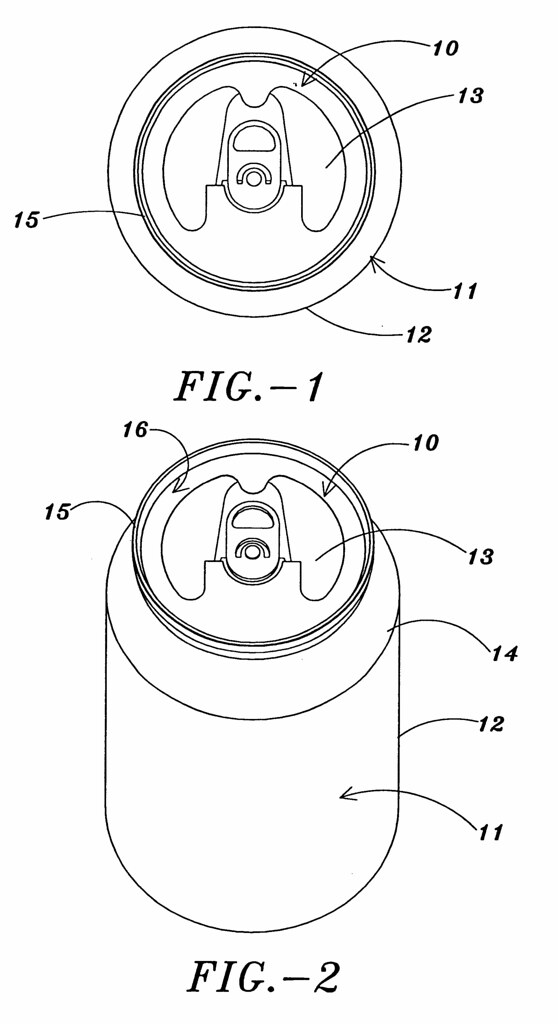
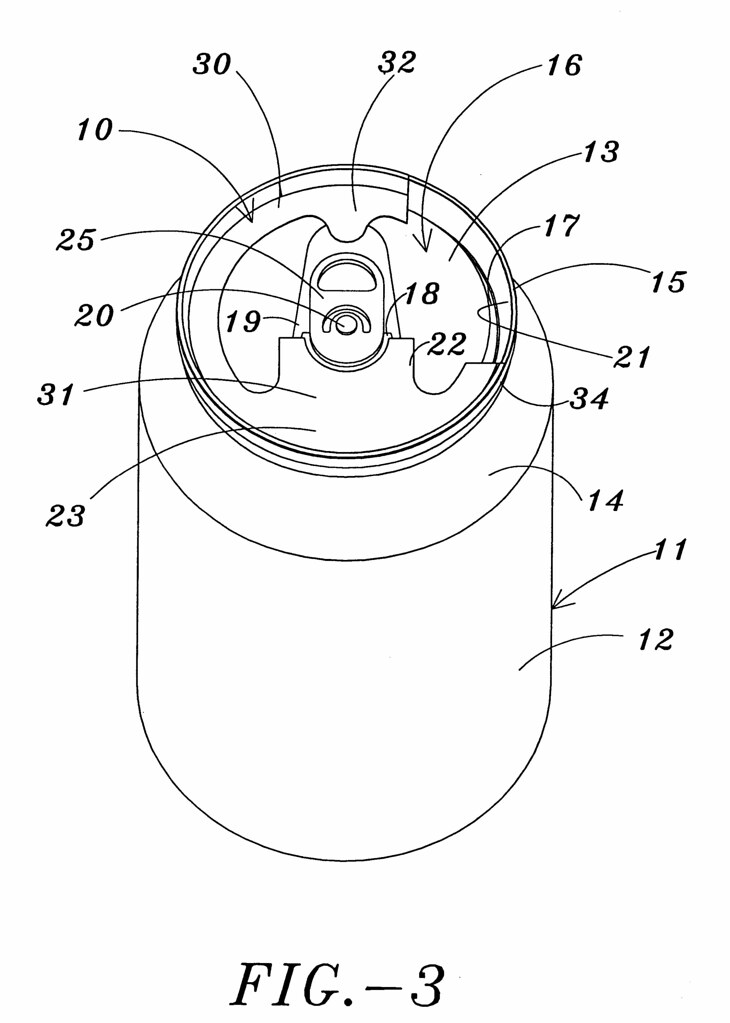
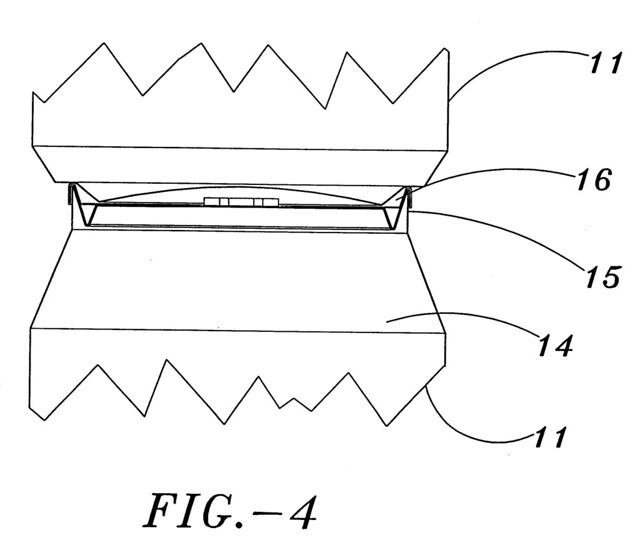
Patent No. 6321927B2: Beverage Can Seal

November 27, 2015 By Jay Brooks

patent-logo
Today in 2001, US Patent 6321927 B2 was issued, an invention of Michael Cavella, for his “Beverage Can Seal.” Here’s the Abstract:

A seal for use on a container such as a beverage or food storage container and more specifically such as a soft drink, beer, or soup can where the seal prevents contamination of the rim or lip, trough and area adjacent to and surrounding the drinking aperture as well as between the drinking aperture and the nearest rim. The seal covers the inner surface of the rim but does not restrict use of 6-pack rings or the like, nor does the seal interfere with stacking of the cans. The seal further includes a peel tab.

Untitled

Untitled
Untitled

Filed Under: Beers, Breweries, Just For Fun, Politics & Law, Related Pleasures Tagged With: Cans, History, Law, Packaging, Patent

« Previous Page
Next Page »

Find Something

Northern California Breweries

Please consider purchasing my latest book, California Breweries North, available from Amazon, or ask for it at your local bookstore.

Recent Comments

  • Bob Paolino on Beer Birthday: Grant Johnston
  • Gambrinus on Historic Beer Birthday: A.J. Houghton
  • Ernie Dewing on Historic Beer Birthday: Charles William Bergner 
  • Steve 'Pudgy' De Rose on Historic Beer Birthday: Jacob Schmidt
  • Jay Brooks on Beer Birthday: Bill Owens

Recent Posts

  • Historic Beer Birthday: John J. Schlawig February 27, 2026
  • Beer In Ads #5134: Lord Bushkill On Bushkill Bock February 27, 2026
  • Historic Beer Birthday: William Henry Beadleston February 27, 2026
  • Beer In Ads #5133: Going… Going… SB Bock February 26, 2026
  • Beer Birthday: Art Larrance February 26, 2026

BBB Archives

Feedback

Head Quarter
This site is hosted and maintained by H25Q.dev. Any questions or comments for the webmaster can be directed here.