Brookston Beer Bulletin

Jay R. Brooks on Beer

  • Home
  • About
  • Editorial
  • Birthdays
  • Art & Beer

Socialize

  • Dribbble
  • Email
  • Facebook
  • Flickr
  • GitHub
  • Instagram
  • LinkedIn
  • Pinterest
  • RSS
  • Twitter
  • YouTube

Powered by Genesis

Historic Beer Birthday: James Moffat

September 25, 2025 By Jay Brooks

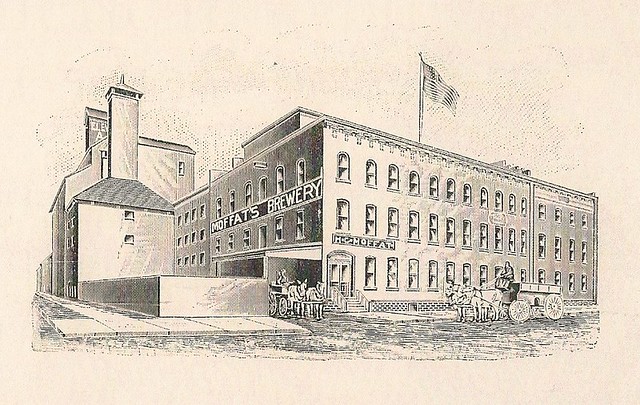
moffats
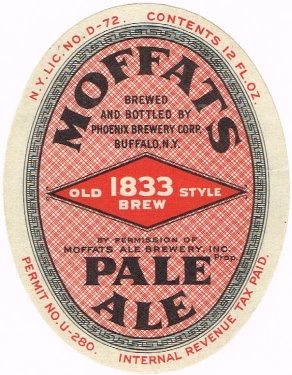
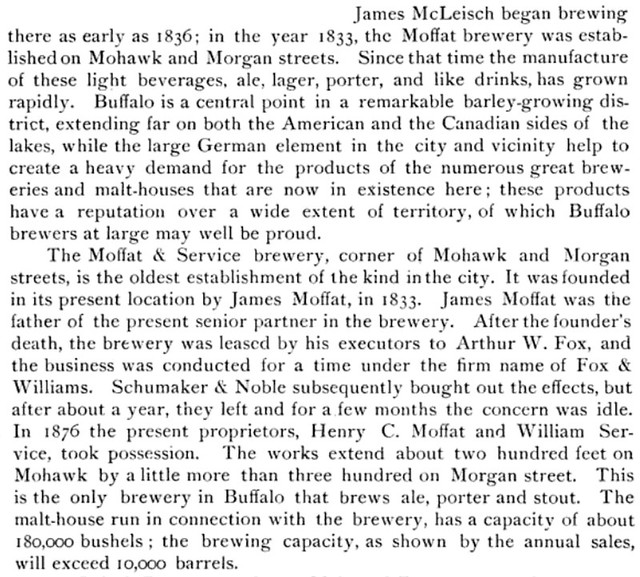
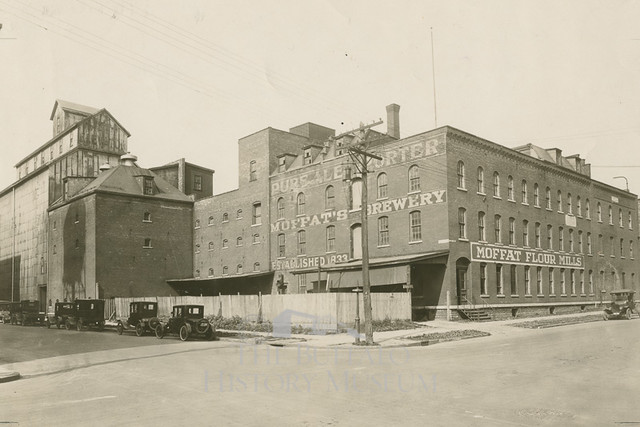
Today is the birthday of James Moffat (September 25, 1808-April 4, 1863). He was the son of John Moffat, and helped his father in founding one of the earliest breweries in Buffalo, New York in 1833. It was later called the James Moffat Brewery, and after that the Moffat & Service Brewery. His son, who took over after James died, renamed it the Henry C. Moffat Brewery in 1890, which was closed by Prohibition in 1920. It briefly reopened after repeal, in 1934, as Moffat’s Ale Brewery, but closed for good the same year.
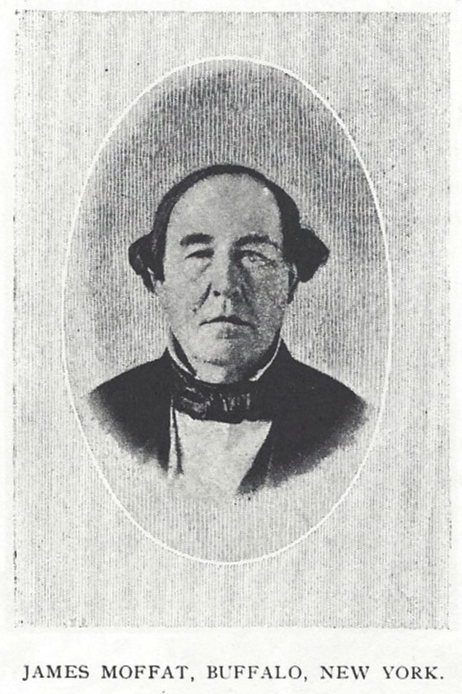
This account of his brewery is from “100 Years of Brewing,” published over 40 years after he died:
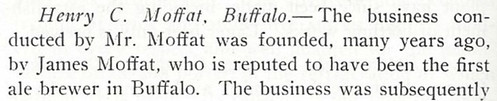
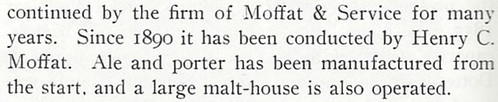
moffats-drawing

According to John & Dave’s Buffalo Brewing History, John Moffat, along with his son James, acquired what was Buffalo’s second brewery and named it the Moffat Brewery.

Kane, Peacock and Relay brewery was short lived however and a 1909 article in the Buffalo Evening Times indicates John Moffat and his son James purchased the brewing operation around 1833. Also, the 1836 Buffalo City Directory lists Moffat as a brewer at that location. The 1839 Directory lists James Moffat & Co. as a “Brewery, Soap and Candle Factory”. The Moffat Brewery continued in operation until son James died and it was sold to Arthur Fox and became the Fox and Williams Brewery. In 1876 it was sold back to the Moffat family and continued in operation at the same location until the advent of Prohibition forced their closure in 1920. After Prohibition the Phoenix Brewery continued brewing “Moffats Pale Ale” through an agreement with the Moffat family.
And “History of the City of Buffalo and Erie County, Volume 2,” published in 1884, has this to say about Buffalo’s earliest brewers, including Moffat:
buffalo-brewers

moffats-brewery

Filed Under: Birthdays, Breweries, Just For Fun Tagged With: History, New York

Beer In Ads #5086: Ehrhart’s Party Store Bock Beer

September 24, 2025 By Jay Brooks

Last year I decided to concentrate on Bock ads. Bock, of course, may have originated in Germany, in the town of Einbeck. Because many 19th century American breweries were founded by German immigrants, they offered a bock at certain times of the year, be it Spring, Easter, Lent, Christmas, or what have you. In a sense they were some of the first seasonal beers. “The style was later adopted in Bavaria by Munich brewers in the 17th century. Due to their Bavarian accent, citizens of Munich pronounced ‘Einbeck’ as ‘ein Bock’ (a billy goat), and thus the beer became known as ‘Bock.’ A goat often appears on bottle labels.” And presumably because they were special releases, many breweries went all out promoting them with beautiful artwork on posters and other advertising.

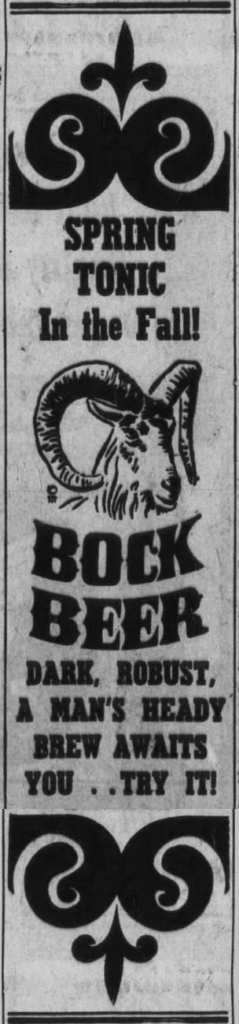
Wednesday’s ad is for an unknown Bock Beer, which was published on September 24, 1965. This one was not for a specific brand of bock beer, it was instead for a liquor store called Ehrhart’s Party Store. I cut out the middle of the ad, which consisted of some other ads for root beer along with information about the store and its hours. Surprisingly, sixty years after this ad ran, the store is still a going concern in Bucyrus, Ohio. This ad ran in The Bucyrus Telegraph-Forum, which serves Bucyrus, Crawford County and Ohio.

Filed Under: Art & Beer, Beers, Just For Fun Tagged With: Advertising, Bock, History, Ohio

Beer In Ads #5085: Celebrated Miller’s Bock Beer

September 23, 2025 By Jay Brooks

Last year I decided to concentrate on Bock ads. Bock, of course, may have originated in Germany, in the town of Einbeck. Because many 19th century American breweries were founded by German immigrants, they offered a bock at certain times of the year, be it Spring, Easter, Lent, Christmas, or what have you. In a sense they were some of the first seasonal beers. “The style was later adopted in Bavaria by Munich brewers in the 17th century. Due to their Bavarian accent, citizens of Munich pronounced ‘Einbeck’ as ‘ein Bock’ (a billy goat), and thus the beer became known as ‘Bock.’ A goat often appears on bottle labels.” And presumably because they were special releases, many breweries went all out promoting them with beautiful artwork on posters and other advertising.

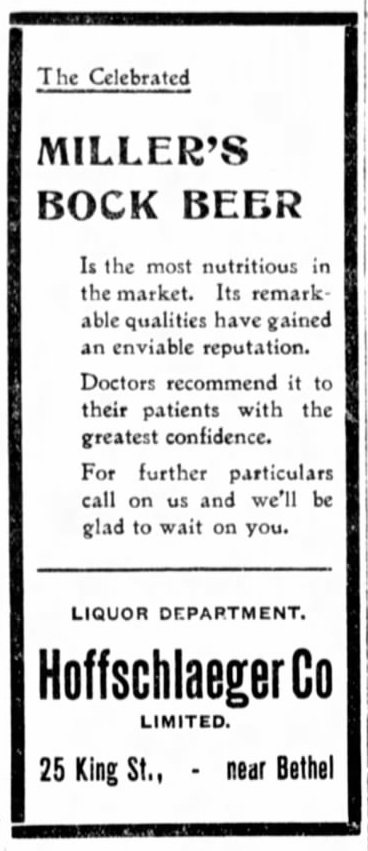
Tuesday’s ad is for Miller Bock Beer, which was published on September 23, 1903. This one was for the Miller Brewing Co. of Milwaukee, Wisconsin, which was originally founded in 1855. This ad ran in The Honolulu Star Bulletin, of Honolulu, Hawaii because the ad was really for the liquor department of the Hoffschlaeger Co., which also made whiskey. Miller apparently only made a bock from 1888-1920. I do love the remark about it being the “most nutritious in the market.” Plus, “Doctors recommend it to their patients with the greatest confidence,”

Filed Under: Art & Beer, Beers, Breweries, Just For Fun Tagged With: Advertising, Bock, Hawaii, History, Miller Brewing, Wisconsin

Historic Beer Birthday: Lord Chesterfield

September 22, 2025 By Jay Brooks

lord-chesterfield
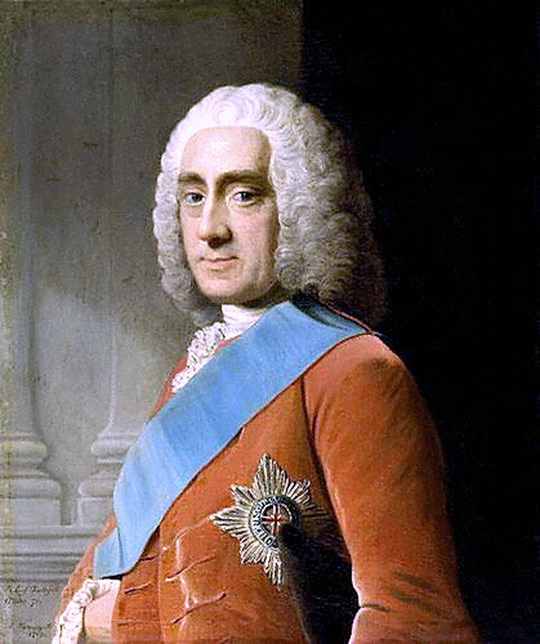
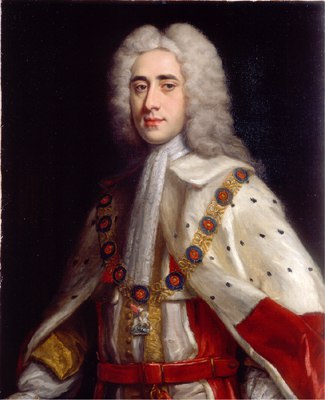
Today is the birthday of Lord Chesterfield, whose full name was Philip Stanhope, 4th Earl of Chesterfield (September 22, 1694-March 24, 1773). He “was a British statesman, and a man of letters, and wit. He was born in London to Philip Stanhope, 3rd Earl of Chesterfield, and Lady Elizabeth Savile, and known as Lord Stanhope until the death of his father, in 1726. Educated at Trinity Hall, Cambridge, he subsequently embarked on the Grand Tour of the Continent, to complete his education as a nobleman, by exposure to the cultural legacies of Classical antiquity and the Renaissance, and to become acquainted with his aristocratic counterparts and the polite society of Continental Europe.

In the course of his post-graduate tour of Europe, the death of Queen Anne (r. 1702–1714) and the accession of King George I (r. 1714–1727) opened a political career for Stanhope, and he returned to England. In the British political spectrum he was a Whig and entered government service, as a courtier to the King, through the mentorship of his relative, James Stanhope, 1st Earl Stanhope, the King’s favourite minister, who procured his appointment as Lord of the Bedchamber to the Prince of Wales.

Chesterfield
Today he’s arguably best known for two things. The first is the numerous letters written to his illegitimate son Phillip Stanhope. They consisted of 400 private correspondences written over thirty years, first published a year after Lord Chesterfield’s death as “Letters to His Son on the Art of Becoming a Man of the World and a Gentleman.” From that correspondence, many quotations have become well-known, such as “Whatever is worth doing at all is worth doing well,” “Never seem more learned than the people you are with. Wear your learning like a pocket watch and keep it hidden. Do not pull it out to count the hours, but give the time when you are asked,” “Take care of the minutes and the hours will take care of themselves,” and “Know the true value of time; snatch, seize, and enjoy every moment of it. No idleness, no delay, no procrastination; never put off till tomorrow what you can do today.” Then there’s “Young men are apt to think themselves wise enough, as drunken men are apt to think themselves sober enough” and “Choose your pleasures for yourself, and do not let them be imposed upon you. Follow nature and not fashion: weigh the present enjoyment of your pleasures against the necessary consequences of them, and then let your own common sense determine your choice.”

lord-chesterfield-1728
Portrait by Jonathan Richardson from 1728.
Here’s the description from the Oxford edition of Chesterfield’s collected letters:

Not originally intended for publication, the celebrated and controversial correspondences between Lord Chesterfield and his son Philip, dating from 1737, were praised in their day as a complete manual of education, and despised by Samuel Johnson for teaching “the morals of a whore and the manners of a dancing-master.” Reflecting the political craft of a leading statesman and the urbane wit of a man who associated with Pope, Addison, and Swift, Lord Chesterfield’s Letters reveal the author’s political cynicism, his views on good breeding, and instruction to his son in etiquette and the worldly arts. The only annotated selection of this breadth available in paperback, these entertaining letters illuminate the fascinating aspects of eighteenth-century life and manners.

Yuengling-Lord-Chesterfield
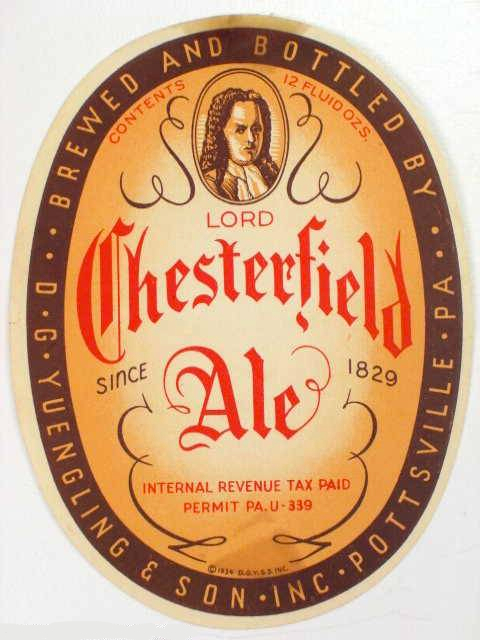
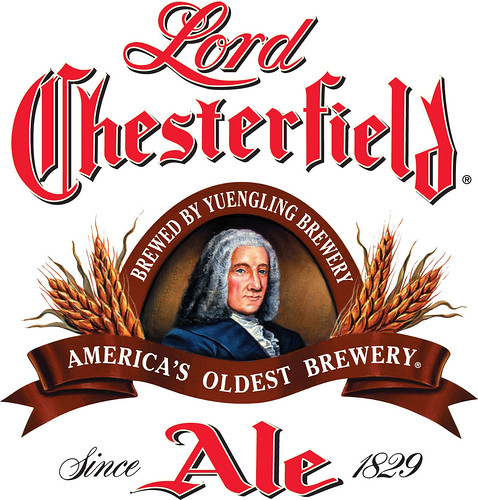
The second thing he’s known for today is Yuengling Brewery’s Lord Chesterfield Ale, which the brewery first brewed in 1829, the year they were founded as the Eagle Brewery.

lord-chesterfield-1934
The Lord Chesterfield Ale label in 1934.
lord-chesterfield-3

Filed Under: Beers, Birthdays, Just For Fun Tagged With: England, Great Britain, History, Pennsylvania

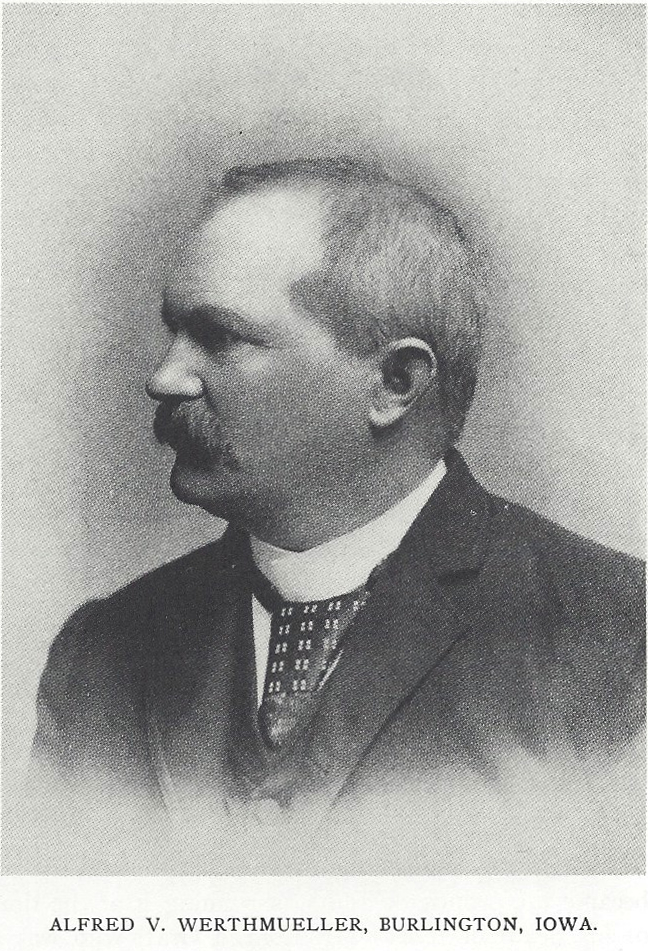
Historic Beer Birthday: Alfred Werthmueller

September 22, 2025 By Jay Brooks

iowa
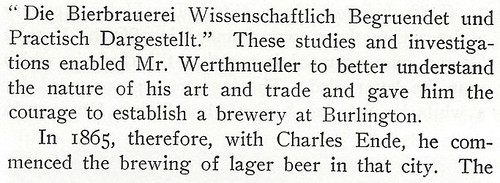
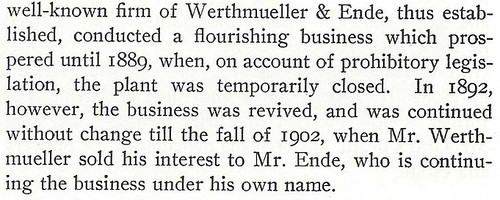
Today is the birthday of Alfred Vinzenz Werthmueller (September 22, 1835-?). Werthmueller was born in Germany, and with a partner, brewed the first lager in the state of Iowa. He became part of the Wertmueller & Ende Co. Brewery in 1892 and appears to have been bought out by his partner, Charles Ende, when in 1902 the name changed to the Ende Brewing Co. It started out in Burlington, Iowa as the Union Brewery in 1856, and closed in 1915.

Arthur-Werthmueller

I can find almost no information about Werthmueller or even the brewery he was a partner in for ten years. He’s referred to as a brewer in USBA convention minutes, and for the Ninth Convention was still in Iowa, but during the Tenth Convention he’s listed as a representative of G. Bosch & Co. I can’t find any information about G. Bosch & Co., although there was a Bosch Brewery in Michigan from 1874 to 1973. But it was founded by a Joseph Bosch, so it may have been a different company. But that’s all I could find, and nothing about his later life or where he ended up.

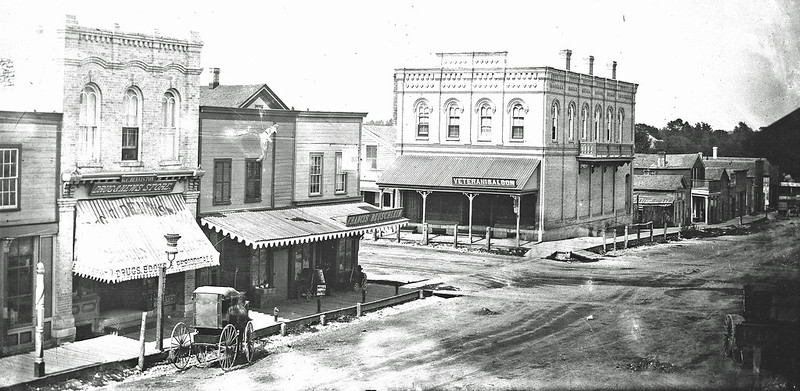
burlington-1889
Burlington, Iowa in 1889.

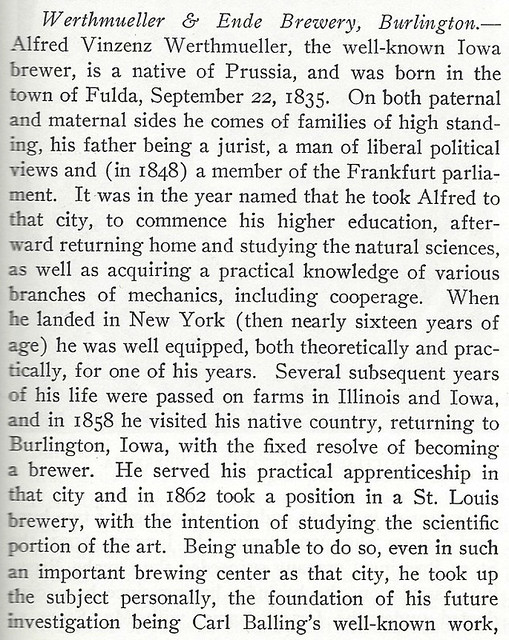
Here’s an account of the brewery from “100 Years of Brewing:”

Filed Under: Birthdays Tagged With: History, Iowa

Historic Beer Birthday: Clarence C. Geminn

September 22, 2025 By Jay Brooks

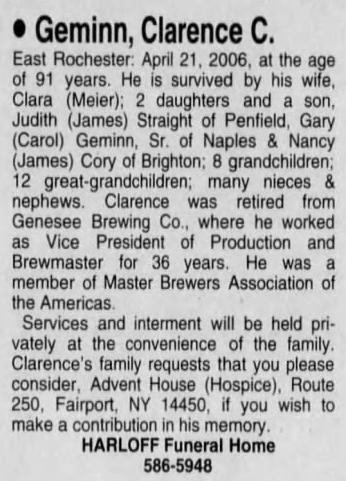
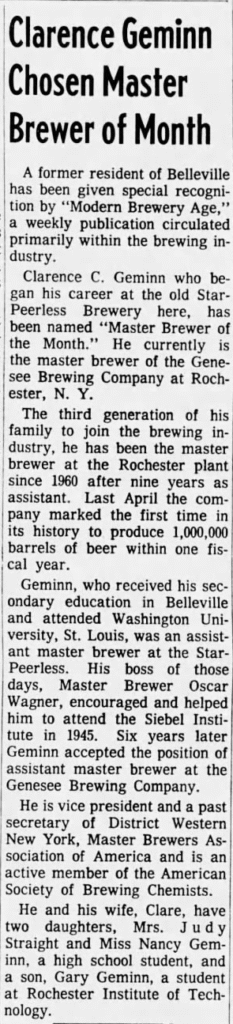
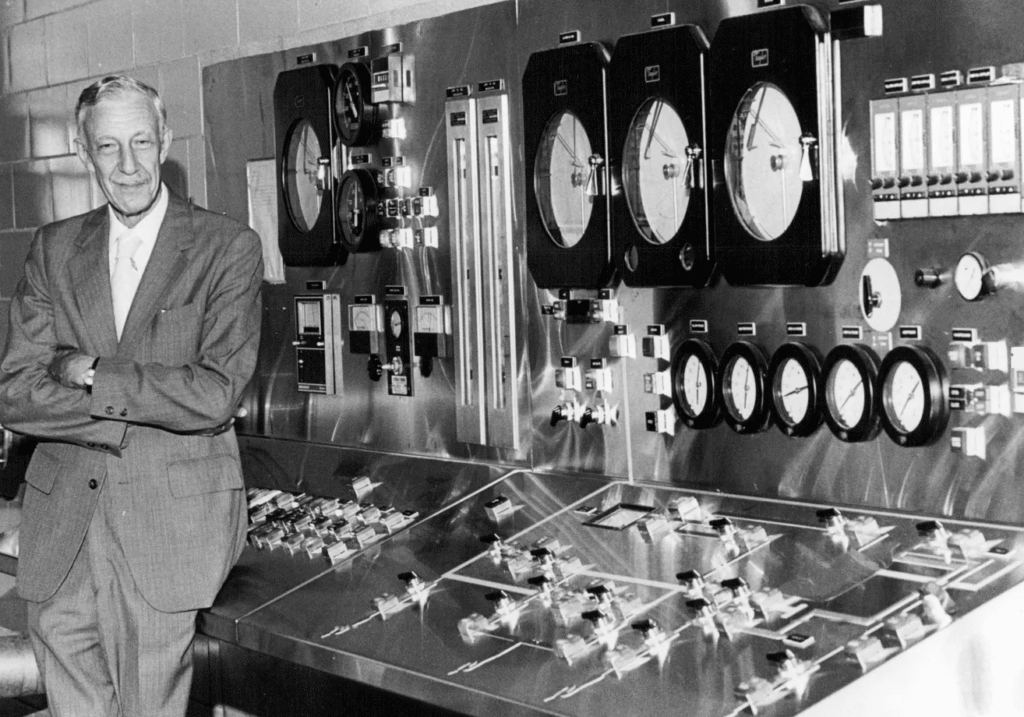
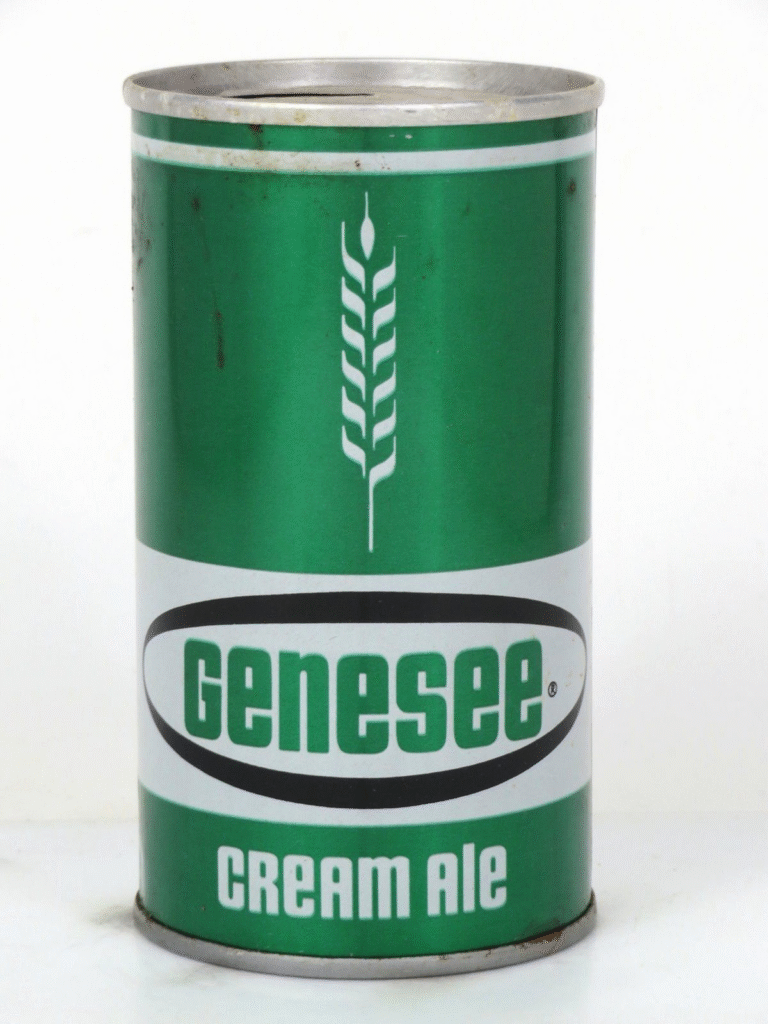
Today is the birthday of Clarence C. Geminn (September 22, 1915-April 21, 2006). He was born in Belleville, Illinois, and his German immigrant grandfather worked in a brewery and his father became a brewer at the Star-Peerless Brewing Co. in St. Louis, and Clarence apprenticed there, too, before getting his beer education at the Siebel Institute. After his graduation in 1951, he was hired by Genesee Brewing in Rochester, New York, and in 1959 became their Brewmaster. The following year at Genesee he developed the recipe for Genesee Cream Ale, which not only became their best-selling beer, it was also for a time the best-selling beer in America, all the more amazing because it was distributed primarily in the Northeast. Tom Acitelli has a nice history of the beer he wrote for All About Beer entitled “How Cream Ale Rose: The Birth of Genesee’s Signature.” In 1995, he retired after 36 years as brewmaster.

This is his obituary that’s been posted at his Find-a-Grave page:

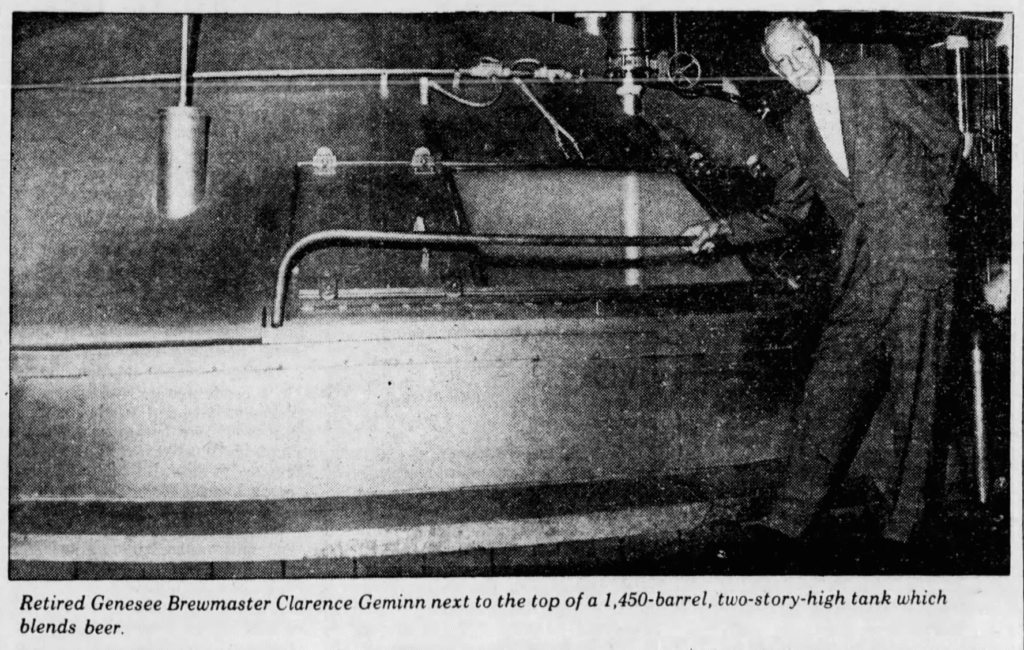
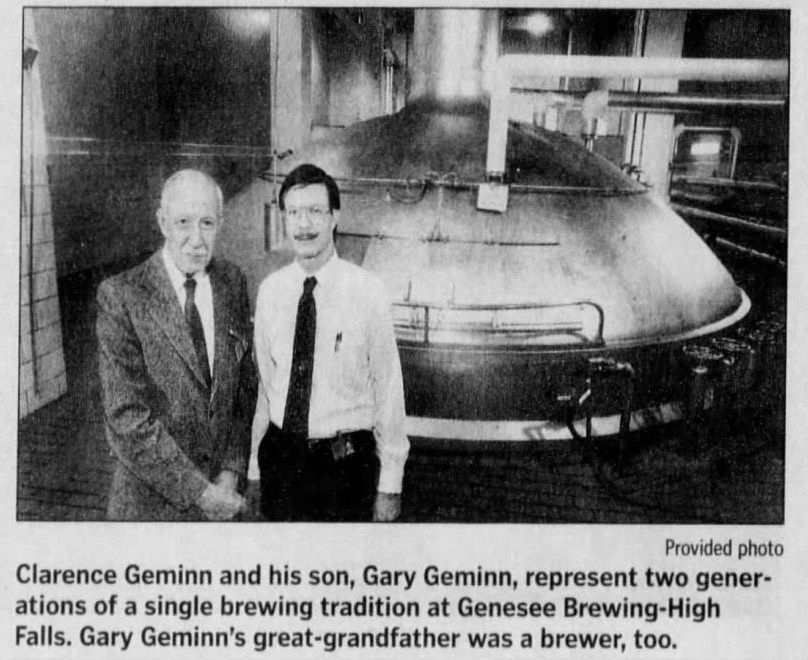
It’s a trade that is often passed through the family, and it’s not unusual to hear that the son of a brewmaster has married the daughter of a brewmaster of another brewery. Keeps it in the family. Clarence Geminn, who’s of German descent, was brewmaster of Genesee Brewery from 1959 to 1978, one of only four brewmasters at Genesee since it started brewing in 1933. Born in Belleville, Ill., near St. Louis, his father was a brewmaster and his grandfather a brewery worker. In 1934, Geminn started work as an apprentice brewer at the same brewery where his father worked, the Star-Peerless Brewing Co. in St. Louis. Later, he went to the Siebel Institute, now in Chicago, and took a nine-month course to obtain a brewmaster’s diploma.

“It’s sort of a finishing school after you’ve had the practical training,” Geminn said. In 1951 he left Star-Peerless for Genesee. “You could see the handwriting on the wall. That little brewery wasn’t going to make it.” Geminn knew about Genesee because he met William Hoot at Siebel. Hoot is now president of Genesee and Wehle’s cousin. THE ROLE of the brewmaster has changed, Geminn said. Operations such as bottling are outside the realm of the brewmaster, and there are positions above the brewmaster, such as vice president of production, the position Geminn now holds. When Geminn worked in St. Louis, all the trappings of a brewmaster’s power were evident. “In the old days, the brewmaster had a residence on the property. He had free rent and free light. The brewmasters had their own formulas and they were very secretive. That’s where they got their power. “The owner must have known what was going on, but sometimes he didn’t. There were some tricks of the trade, like how you add the yeast and how to blend to achieve a uniform product that was the brewmaster’s secret.” – But even when Geminn came to Genesee in 1951, not all the traditions were gone. Asked if the brewery workers tipped their hats to him, Giminn smiled and said: “Yes, I had that happen to me. Nobody would come into my office until they took their hat off, and the foremen would practically click their heels.”

And here’s his obituary from the Democrat and Chronicle of Rochester, New York on April 24, 2006.

And this article about Geminn is from the Belleville News Democrat of Illinois from March 10, 1964.

Filed Under: Beers, Birthdays, Breweries, Just For Fun Tagged With: Genesee, History, New York

Historic Beer Birthday: Jacob Birk

September 21, 2025 By Jay Brooks

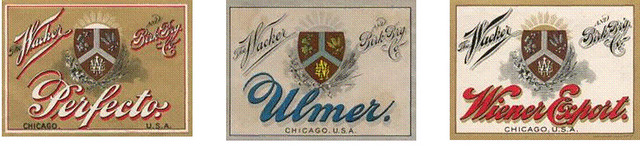
wacker-and-birk birk-bros
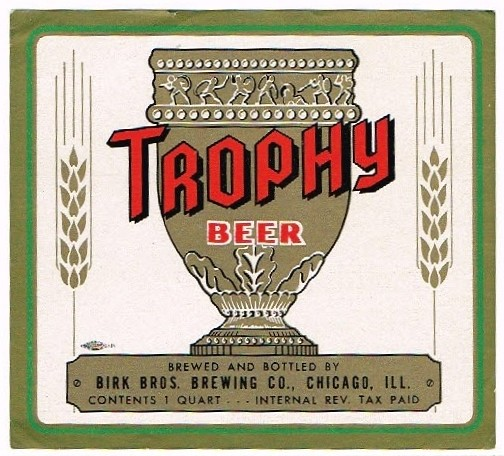
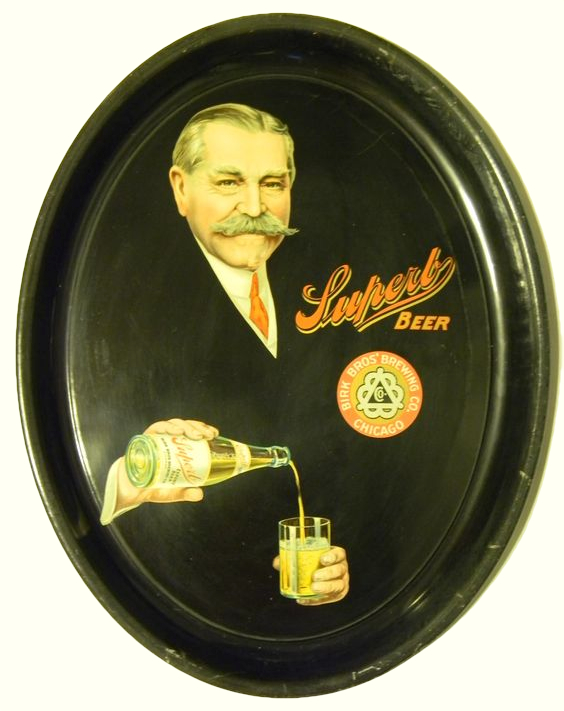
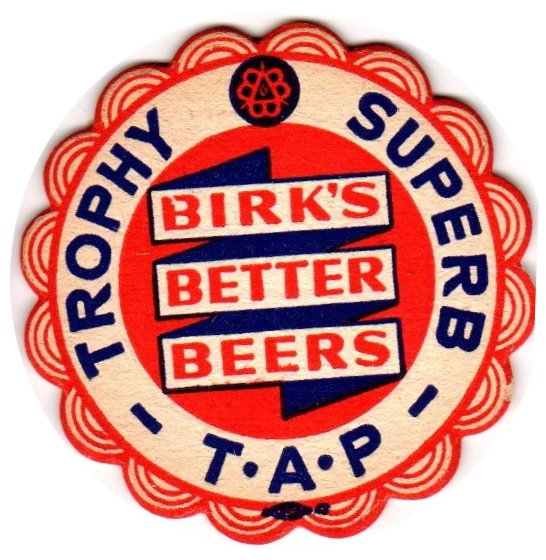
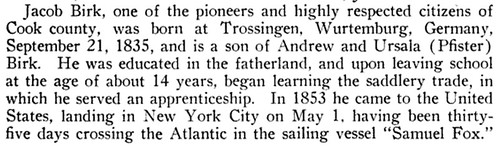
Today is the birthday of Jacob Birk (September 21, 1835-March 2, 1920). Birk was born in Württemberg, Germany, but made his way to Chicago, Illinois when he was 19, in 1854. He first partnered with Frederick Wacker to form Wacker & Birk Brewing Co., then later purchased the Corper & Nocklin Brewery and set it up for his sons to run when he retired as the Birk Bros. Brewing Co. Birk & Water was closed by prohibition, but Birk Bros. reopened after repeal and continued on until 1950.

Here’s some biographical info from “Historical Review of Chicago and Cook County and Selected Biography,” by A.N. Waterman:

Birk, his father having been born in Germany and being in early manhood a harnessmaker. He came to Chicago in 1854, prospered in trade and business, and for many years conducted a hotel on West Lake street. In 1881 he became associated with Fred Wacker & Son, then engaged in the malting business, and in the following year became associated with the firm in brewing operations under the firm name of the Wacker & Birk Brewing Company. In 1891 the business was sold to the English corporation, the Chicago Breweries, Limited, and Jacob Birk and his two sons, William A. and Edward J., incorporated the Birk Brothers’ Brewing Company. Since the founding of the company, at that time, William A. has been president and Edward J. Birk, secretary and treasurer. The basis of the complete and extensive plant was the Corper & Nockin brewery, purchased in 1891, and since remodeled and enlarged. The elder Birk retired from his connection with the business in 1895.

And here’s another account, from the “History of Cook County, Illinois,” published in 1909:

wacker-and-birk

The first brewery Birk was involved in was Wacker & Birk:

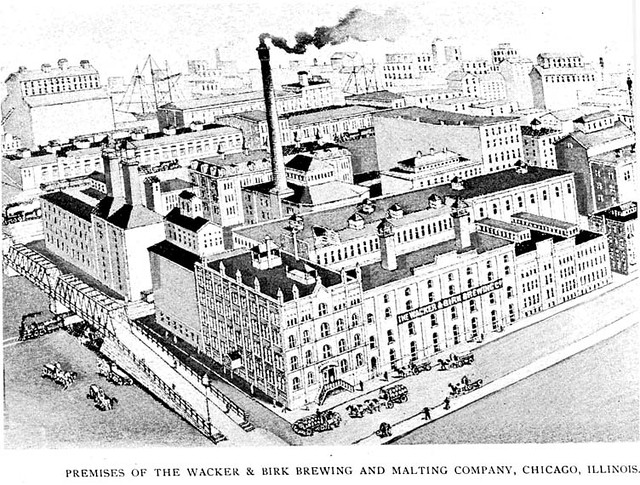
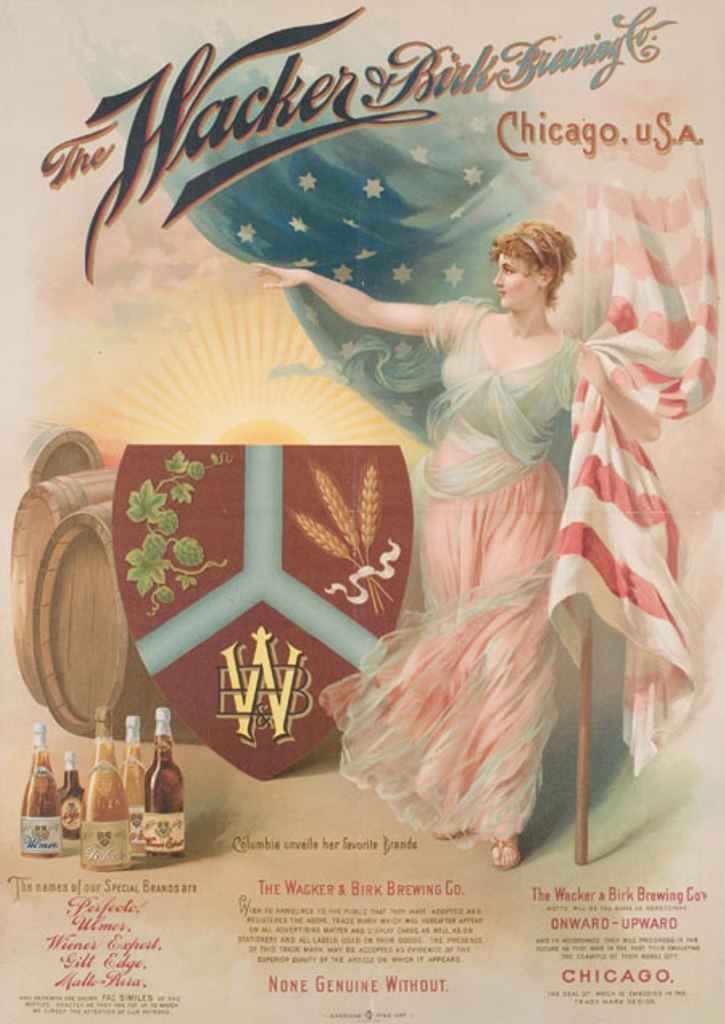
The Chicago brewery Frederick Wacker started was originally called Seidenschwanz & Wacker, and was located on Hinsdale, between Pine and Rush streets. It was founded in 1857, but the following year it became known as Wacker & Seidenschwanz, and was on N. Franklin Street. That version lasted until 1865. Beginning that same year, its name changed once again to the Frederick Wacker Brewery, and its address was listed as 848 N. Franklin Street, presumably in the same location as its predecessor. Sixteen years later, in 1882, it relocated to 171 N. Desplaines (now Indiana Street) and it became known as the Wacker & Birk Brewing & Malting Co. Just before prohibition the name was shortened to the Wacker & Birk Co., although it appears to have closed by 1920.

wacker-poster

wackerbirklabels

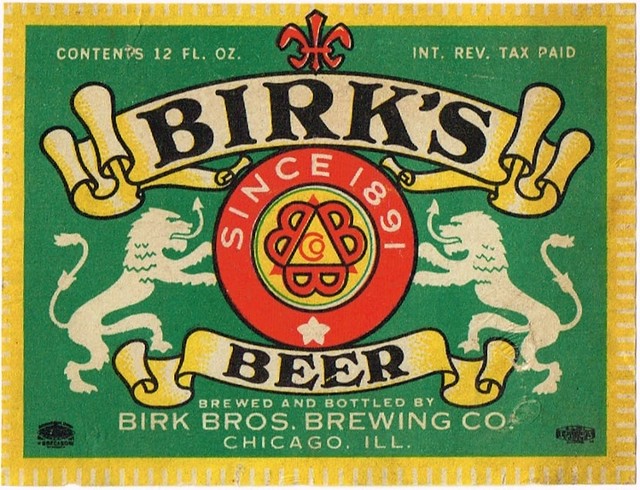
And the second was Birk Bros. Brewing, though most of its history I could find was in the above accounts.

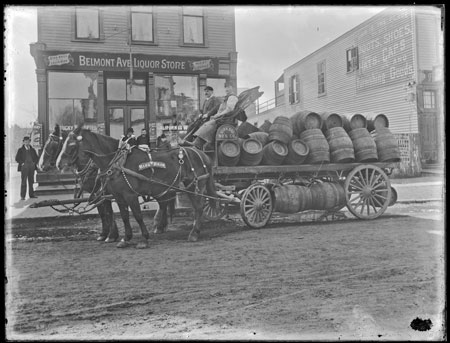
Birk Brothers Brewing Company delivery wagon on Belmont Avenue, around 1895.
Birks-Beer-Labels-Birk-Bros-Brewing-Company

Filed Under: Birthdays Tagged With: Chicago, History, Illinois

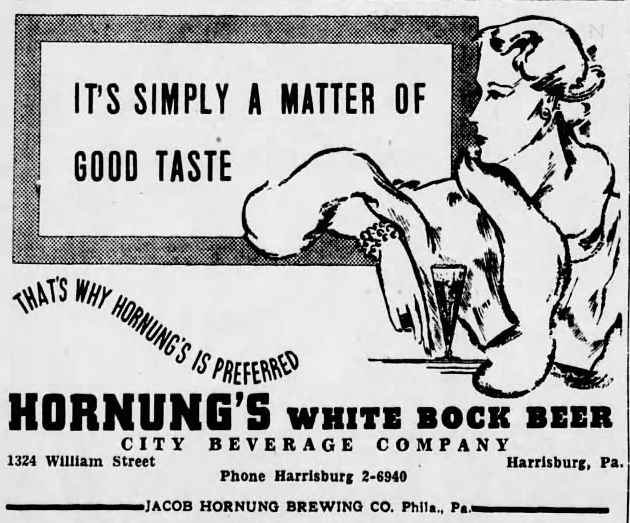
Beer In Ads #5084: It’s Simply A Matter Of Good Taste

September 20, 2025 By Jay Brooks

Last year I decided to concentrate on Bock ads. Bock, of course, may have originated in Germany, in the town of Einbeck. Because many 19th century American breweries were founded by German immigrants, they offered a bock at certain times of the year, be it Spring, Easter, Lent, Christmas, or what have you. In a sense they were some of the first seasonal beers. “The style was later adopted in Bavaria by Munich brewers in the 17th century. Due to their Bavarian accent, citizens of Munich pronounced ‘Einbeck’ as ‘ein Bock’ (a billy goat), and thus the beer became known as ‘Bock.’ A goat often appears on bottle labels.” And presumably because they were special releases, many breweries went all out promoting them with beautiful artwork on posters and other advertising.

Saturday’s ad is for Hornung’s White Bock Beer, which was published on September 20, 1935. This one was for the Jacob Hornung Brewing Co. of Philadelphia, Pennsylvania, which was originally founded in 1885. This ad ran in The Harrisburg Telegraph, of Pennsylvania’s capital city. Curiously, this same ad ran today in a variety of newspapers across Pennsylvania and nearby states, including the Trenton Evening Times, the Evening News of Hanover, and the York Dispatch, to name a few. The only difference in the ads is the local distributor listed.

Filed Under: Art & Beer, Beers, Breweries, Just For Fun Tagged With: Advertising, Bock, History, Pennsylvania

Beer Birthday: Pete Coors

September 20, 2025 By Jay Brooks

coors-red-rectangle
Today is the 79th birthday of Peter Hanson Coors (September 20, 1946- ). Pete Coors is the great-grandson of Adolph Coors, who founded Coors Brewing Co. in 1873. He has worked for his family’s brewery since 1971. After their merger with Molson in 2005, and then a joint venture with SABMiller in 2008, Pete is currently the chairman of MillerCoors and the Vice-Chairman of the Board of Directors. I met him briefly during a malt press junket a few years ago to Western Colorado. Join me in wishing Pete a very happy birthday.

Here’s his short bio from the MillerCoors website:

Pete joined Adolph Coors Company in 1971 where he held a number of executive and management positions. He previously served as chairman of the board of Adolph Coors Company from 2002 to 2005, and was chief executive officer from May 2000 to July 2002. He served as a director of Coors Brewing Company, the company’s US-based subsidiary, beginning in 1973. In 2002, he was named executive chairman, and was chief executive officer from 1992 to 2000. He has been a director of both US Bancorp and of Energy Corp. of America since 1996. Peter received his Bachelor of Science degree from Cornell University and a Master degree in Business Administration from the University of Denver.

pete-coors-beer

And this is his Wikipedia entry:

Coors was born in Golden, Colorado. He is the great-grandson of Adolph Coors, the brewing entrepreneur, and the son of Holly Coors (née Edith Holland Hanson) and Joseph Coors. He graduated from Phillips Exeter Academy and then from Cornell University with a degree in engineering. A member of the Psi Upsilon Fraternity, Coors was elected to the Sphinx Head Society during his final year at Cornell. He also received his MBA from the University of Denver in 1970.

Coors has worked all of his life in various positions at his family’s Coors Brewing Company.

In 1993 Coors became vice chairman and CEO of the company, and in 2002 he was named Chairman of Coors Brewing Company and Adolph Coors Company. In 2004, Pete Coors “made $332,402 in salary and a $296,917 bonus as chairman of Adolph Coors. He also received 125,000 stock options with a potential value of $13 million,” according to the Rocky Mountain News. However, he stepped down temporarily from these positions in 2004 to run for the US Senate. After the 2005 merger with Molson, Coors became a Class A Director in the newly formed Molson Coors Brewing Company. In October 2006, he was appointed by the University of Colorado Hospital Board of Directors as chairman of the board for the new University of Colorado Hospital Foundation.

He has served on the boards of U.S. Bancorp, H. J. Heinz Company, HOBY (Hugh O’Brian Youth Leadership) Colorado, and Energy Corp. of America. He is also involved in civic organizations such as the Denver Area Council of the Boy Scouts of America and the National Western Stock Show Association. He is also part of the ownership group of the Colorado Rockies. He is a member at Augusta National Golf Club in Augusta, Georgia. In 1997, Coors was granted an Honorary Doctorate from Johnson & Wales University, where he is a trustee. He sits on the Board of Trustees of the American Enterprise Institute.

pete-coors-biz

Filed Under: Birthdays, Breweries Tagged With: Colorado, Coors, History

Beer In Ads #5083: Löwenbräu Bock-Bier

September 19, 2025 By Jay Brooks

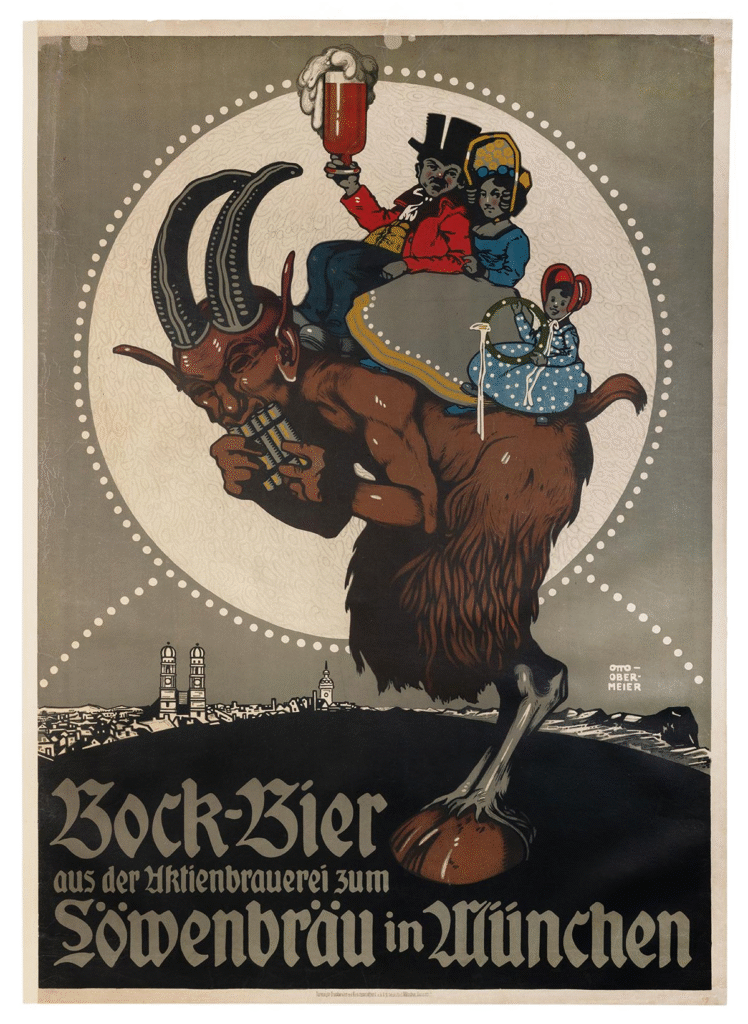
Last year I decided to concentrate on Bock ads. Bock, of course, may have originated in Germany, in the town of Einbeck. Because many 19th century American breweries were founded by German immigrants, they offered a bock at certain times of the year, be it Spring, Easter, Lent, Christmas, or what have you. In a sense they were some of the first seasonal beers. “The style was later adopted in Bavaria by Munich brewers in the 17th century. Due to their Bavarian accent, citizens of Munich pronounced ‘Einbeck’ as ‘ein Bock’ (a billy goat), and thus the beer became known as ‘Bock.’ A goat often appears on bottle labels.” And presumably because they were special releases, many breweries went all out promoting them with beautiful artwork on posters and other advertising.

Friday’s ad is for Löwenbräu Bock, which is from the 1920s and was created for the Löwenbräu Brewery of Munich, Germany, which was originally founded in 1383. The artist who created the poster was Otto Obermeier (1883-1958), who was born in Germany. I’m not sure when it was completed, though my best guess is the 1920s or 30s. The poster is described like this on one auction site: “A giant anthropomorphic goat playing a pan flute ferries a German family on its back, the father holding a frothy glass of bock beer, in front of a full moon.”

Filed Under: Art & Beer, Beers, Breweries, Just For Fun Tagged With: Advertising, Bock, Germany, History

« Previous Page
Next Page »

Find Something

Northern California Breweries

Please consider purchasing my latest book, California Breweries North, available from Amazon, or ask for it at your local bookstore.

Recent Comments

  • Bob Paolino on Beer Birthday: Grant Johnston
  • Gambrinus on Historic Beer Birthday: A.J. Houghton
  • Ernie Dewing on Historic Beer Birthday: Charles William Bergner 
  • Steve 'Pudgy' De Rose on Historic Beer Birthday: Jacob Schmidt
  • Jay Brooks on Beer Birthday: Bill Owens

Recent Posts

  • Beer In Ads #5137: Bock Is Back… Look For It March 1st February 28, 2026
  • Historic Beer Birthday: John Holme Ballantine February 28, 2026
  • American Craft Beer Hall of Fame: 2nd Year Inductees February 28, 2026
  • Beer Birthday: Jeff Bell February 28, 2026
  • Beer In Ads #5136: American Bock Beer Is Being Served Today! February 28, 2026

BBB Archives

Feedback

Head Quarter
This site is hosted and maintained by H25Q.dev. Any questions or comments for the webmaster can be directed here.