Brookston Beer Bulletin

Jay R. Brooks on Beer

  • Home
  • About
  • Editorial
  • Birthdays
  • Art & Beer

Socialize

  • Dribbble
  • Email
  • Facebook
  • Flickr
  • GitHub
  • Instagram
  • LinkedIn
  • Pinterest
  • RSS
  • Twitter
  • YouTube

Powered by Genesis

Historic Beer Birthday: Hans Adolf Krebs

August 25, 2025 By Jay Brooks

science
Today is the birthday of Hans Adolf Krebs (August 25, 1900-November 22, 1981). He was a German-born British physician and biochemist. He was the pioneer scientist in study of cellular respiration, a biochemical pathway in cells for production of energy. He is best known for his discoveries of two important chemical reactions in the body, namely the urea cycle and the citric acid cycle. The latter, the key sequence of metabolic reactions that produces energy in cells, often eponymously known as the “Krebs cycle,” earned him a Nobel Prize in Physiology or Medicine in 1953. And it’s the Krebs cycle that is his relation to brewing, as it’s also known as the respiratory phase, the second aerobic state of the fermentation process immediately following the lag period.

krebs-signature

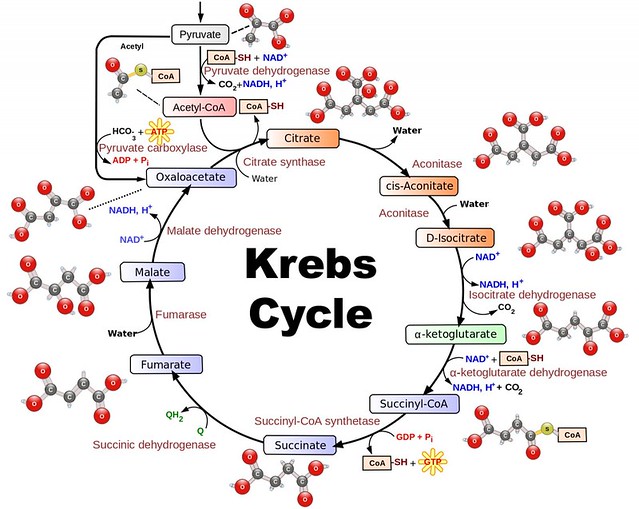
Here’s a description of the Krebs cycle from Life Fermented:

The Krebs cycle, also known as the tricarboxylic acid (TCA) cycle or the citric acid cycle, is a circular and repeating set of reactions which requires oxygen. In beer making, this would occur in the first stage of fermentation when the yeast is pitched into a well aerated wort, and carries on until all oxygen is used up.
Pyruvate (are you tired of this word yet?) is first converted to acetyl-CoA (pronounced “Co-A”) in the following reaction:

pyruvate + 2 NAD+ + CoA-SH → acetyl-CoA + CO2 + NADH, with the help of the pyruvate dehydrogenase (PDH) complex. Note that this is the first time CO2 is produced, and yet more NADH is generated.

This acetyl-CoA then enters into a cycle of reactions which nets two molecules of CO2, one GTP (guanosine triphosphate, another unit of energy equivalent to ATP), three NADH, and one FADH2 (flavin adenine dinucleotide, which functions similarly to NADH). After the cycle completes, another acetyl-CoA molecule enters and the cycle repeats itself.

But wait, this just made more NADH, and we need to regenerate NAD+ so glycolysis can continue. Both the NADH and FADH2 now donate their electrons to a process called the electron transport chain/ oxidative phosphorylation. The result is a return of NAD to the NAD+ state, and a large amount of ATP cellular energy.

Because the Krebs cycle is so efficient at producing ATP energy units, this is the yeast’s preferred pathway. But, you’ll notice a rather conspicuous absence: ethanol. This is only formed in the absence of oxygen.

NPG x88332; Sir Hans Adolf Krebs

Here’s a biography of Krebs, from the Nobel Prize website:

Sir Hans Adolf Krebs was born at Hildesheim, Germany, on August 25th, 1900. He is the son of Georg Krebs, M.D., an ear, nose, and throat surgeon of that city, and his wife Alma, née Davidson.

Krebs was educated at the Gymnasium Andreanum at Hildesheim and between the years 1918 and 1923 he studied medicine at the Universities of Göttingen, Freiburg-im-Breisgau, and Berlin. After one year at the Third Medical Clinic of the University of Berlin he took, in 1925, his M.D. degree at the University of Hamburg and then spent one year studying chemistry at Berlin. In 1926 he was appointed Assistant to Professor Otto Warburg at the Kaiser Wilhelm Institute for Biology at Berlin-Dahlem, where he remained until 1930.

In I930, he returned to hospital work, first at the Municipal Hospital at Altona under Professor L. Lichtwitz and later at the Medical Clinic of the University of Freiburg-im-Breisgau under Professor S. J. Thannhauser.

In June 1933, the National Socialist Government terminated his appointment and he went, at the invitation of Sir Frederick Gowland Hopkins, to the School of Biochemistry, Cambridge, where he held a Rockefeller Studentship until 1934, when he was appointed Demonstrator of Biochemistry in the University of Cambridge.

In 1935, he was appointed Lecturer in Pharmacology at the University of Sheffield, and in 1938 Lecturer-in-Charge of the Department of Biochemistry then newly founded there.

In 1945 this appointment was raised to that of Professor, and of Director of a Medical Research Council’s research unit established in his Department. In 1954 he was appointed Whitley Professor of Biochemistry in the University of Oxford and the Medical Research Council’s Unit for Research in Cell Metabolism was transferred to Oxford.

Professor Krebs’ researches have been mainly concerned with various aspects of intermediary metabolism. Among the subjects he has studied are the synthesis of urea in the mammalian liver, the synthesis of uric acid and purine bases in birds, the intermediary stages of the oxidation of foodstuffs, the mechanism of the active transport of electrolytes and the relations between cell respiration and the generation of adenosine polyphosphates.

Among his many publications is the remarkable survey of energy transformations in living matter, published in 1957, in collaboration with H. L. Kornberg, which discusses the complex chemical processes which provide living organisms with high-energy phosphate by way of what is known as the Krebs or citric acid cycle.

Krebs was elected a Fellow of the Royal Society of London in 1947. In 1954 the Royal Medal of the Royal Society, and in 1958 the Gold Medal of the Netherlands Society for Physics, Medical Science and Surgery were conferred upon him. He was knighted in 1958. He holds honorary degrees of the Universities of Chicago, Freiburg-im-Breisgau, Paris, Glasgow, London, Sheffield, Leicester, Berlin (Humboldt University), and Jerusalem.

He married Margaret Cicely Fieldhouse, of Wickersley, Yorkshire, in 1938. They have two sons, Paul and John, and one daughter, Helen.

And in the Microbe Wiki, on a page entitled “Saccharomyces cerevisiae use and function in alcohol production,” under a section called “Fermentation of alchohol,” the Krebs cycle is placed in its portion in the fermentation process:

Saccharomyces cerevisiae is able to perform both aerobic and anaerobic respiration. The process begins with the yeast breaking down the different forms of sugar in the wort. The types of sugars typically found in wort are the monosaccharides glucose and fructose. These sugars contain a single hexose, which is composed of 6 carbon atoms in the molecular formula C6H12O6. Disaccharides are formed when two monosaccharides join together. Typical disaccharides in the wort are galactose, sucrose, and maltose. The third type of fermentable sugar in the wort is a trisaccharide. This trisaccharide is formed when three monosccharides join together. Maltotriose is the trisaccharide commonly found in the wort and is composed of three glucose molecules. The wort does contain other sugars such as dextrins but it is not fermentable by yeast10. These dextrins contain four monosaccarides joined together. In order for the yeast to use the disaccharides and trisaccharides they first must be broken down to monosaccharides. The yeast does this by using different enzymes both inside and outside the cell. The enzyme invertase is used to break down sucrose into glucose and fructose. The invertase catalyzes the hydrolysis of the sucrose by breaking the O-C (fructose bond). The other enzyme used is maltase, which breaks down maltose and maltotriose into glucose inside the cell. The enzyme does this by catalyzing the hydrolysis of the sugars by breaking the glycosidic bond holding the glucose molecules together.

Once the sugars are broken down into monosaccharides the yeast can use them. The primary step is called glycolysis. In this process the glucose is converted to pyruvate using different enzymes in a series of chemical modifications. The electrons from glucose end up being transferred to energy carrying molecules like NAD+ to form NADH. ATP is also formed when phosphates are transferred from high-energy intermediates of glycolysis to ADP. In the presence of oxygen aerobic respiration can occur. This occurs in the mitochondria of the yeast. The energy of the pyruvate is extracted when it goes through metabolic processes like the Krebs cycle. The products of this type of metabolism are ATP, H2O, and CO2. However if there is no oxygen present and an abundance of sugars, as in the wort, the yeast undergo alcoholic fermentation. This type of metabolism yields much smaller amounts of energy when compared to aerobic respiration. However, because of the large supply of sugars from the different grains the wort is a very good environment for fermentative growth. The alcoholic fermentation begins with the two pyruvate acquired from glycolysis. These two pyruvate are decarboxylated by pyruvate decarboxylase to form two acetaldehydes and CO2. The CO2 is the gas that is observed during fermentation as bubbles that float to the top of the wort creating the kräusen or beer head, the foam that is very characteristic of a freshly poured beer. Pyruvate decarboxylase is a homotetramer meaning it contains four identical subunits. This also means that is has four active sites. The active sites are where the pyruvate reacts with the cofactors thiamine pyrophosphate (TPP) and magnesium to remove the carbon dioxide9. The final step to form alcohol is the addition of a hydrogen ion to the aldehyde to form ethanol. This hydrogen ion is from the NADH made during glycolysis and converts back to NAD+. The ethanol is originally believed to serve as an antibiotic against other microbes. This form of defense ensures that bacteria do not grow in the wort, thus ruining the beer with off flavors. However recently with the boom of craft beer different bacteria have been purposefully added to create what is known as sour beer. The sour taste comes from the waste products of the bacteria.

krebs_cycle_from_wikimedia-tweaked

To learn more about the Krebs cycle check out this video from the University of Oklahoma’s Chemistry of Beer – Unit 7 – Chemical Concepts: Krebs Cycle:

Filed Under: Beers, Birthdays, Breweries, Just For Fun, Related Pleasures Tagged With: History, Science, Science of Brewing

Historic Beer Birthday: Johan Kjeldahl

August 16, 2025 By Jay Brooks

carlsberg-crown
Today is the birthday of Johan Gustav Christoffer Thorsager Kjeldahl (August 16, 1849-July 18, 1900) He was a Danish chemist who developed a method for determining the amount of nitrogen in certain organic compounds using a laboratory technique which was named the Kjeldahl method after him.

Kjeldahl worked in Copenhagen at the Carlsberg Laboratory, associated with Carlsberg Brewery, where he was head of the Chemistry department from 1876 to 1900.

He was given the job to determine the amount of protein in the grain used in the malt industry. Less protein meant more beer. Kjeldahl found the answer was in developing a technique to determine nitrogen with accuracy but existing methods in analytical chemistry related to proteins and biochemistry at the time were far from accurate.

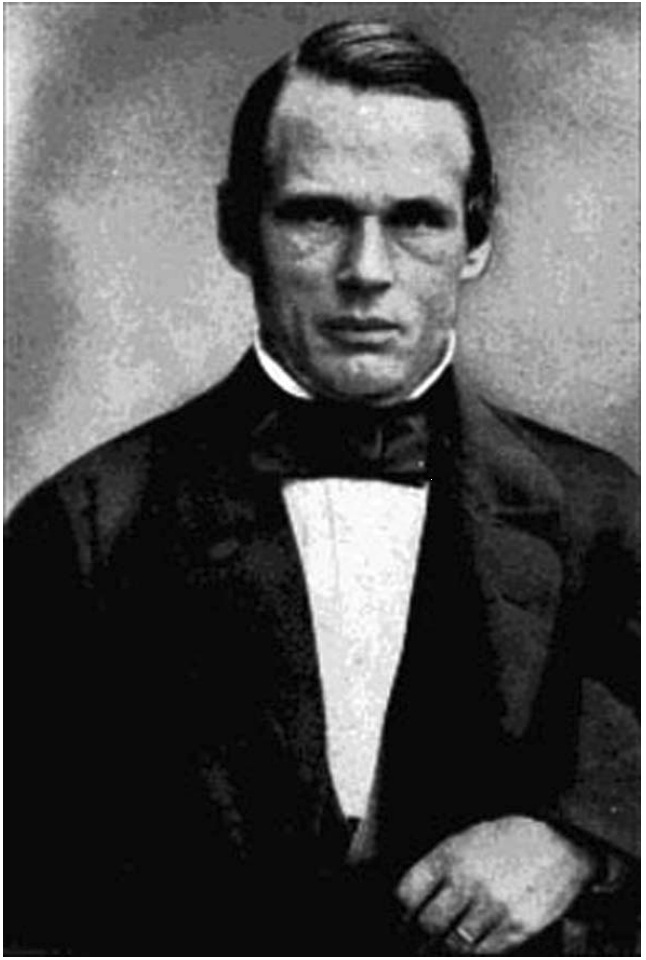
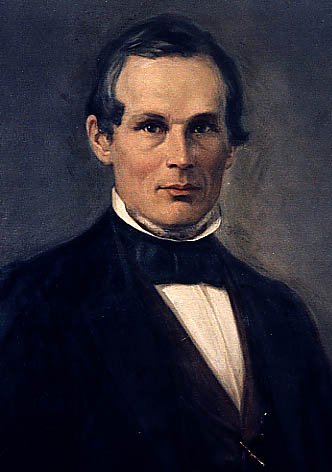
Haslund_Johan_Kjeld
A painting by Otto Haslund of Johan Kjeldahl.

His discovery became known as the Kjeldahl Method

Kjeldahl's_distillation

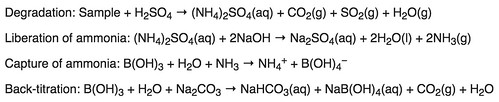
The method consists of heating a substance with sulphuric acid, which decomposes the organic substance by oxidation to liberate the reduced nitrogen as ammonium sulphate. In this step potassium sulphate is added to increase the boiling point of the medium (from 337 °C to 373 °C) . Chemical decomposition of the sample is complete when the initially very dark-coloured medium has become clear and colourless.

The solution is then distilled with a small quantity of sodium hydroxide, which converts the ammonium salt to ammonia. The amount of ammonia present, and thus the amount of nitrogen present in the sample, is determined by back titration. The end of the condenser is dipped into a solution of boric acid. The ammonia reacts with the acid and the remainder of the acid is then titrated with a sodium carbonate solution by way of a methyl orange pH indicator.

In practice, this analysis is largely automated; specific catalysts accelerate the decomposition. Originally, the catalyst of choice was mercuric oxide. However, while it was very effective, health concerns resulted in it being replaced by cupric sulfate. Cupric sulfate was not as efficient as mercuric oxide, and yielded lower protein results. It was soon supplemented with titanium dioxide, which is currently the approved catalyst in all of the methods of analysis for protein in the Official Methods and Recommended Practices of AOAC International.

And Velp Scientifica also has an explanation of his method, which is still in use today.

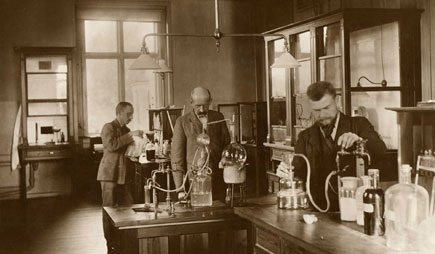
Kjeldahl (center) in his laboratory.

Filed Under: Birthdays, Just For Fun, Related Pleasures Tagged With: Carlsberg, Denmark, History, Science, Science of Brewing

Historic Beer Birthday: Anders Jöns Ångström

August 13, 2025 By Jay Brooks

dark-side-of-moon
Today is the birthday of Anders Jöns Ångström (August 13, 1814–June 21, 1874). He “was a Swedish physicist and one of the founders of the science of spectroscopy.” The Ångström unit (1 Å = 10−10 m) in which the wavelengths of light and interatomic spacings in condensed matter are sometimes measured are named after him. Various types of spectroscopy are employed in the brewing industry.

Anders-Angstrom

Here’s a partial biography of Ångström from Wikipedia:

Anders Jonas Ångström was born in Medelpad to Johan Ångström, and schooled in Härnösand. He moved to Uppsala in 1833 and was educated at Uppsala University, where in 1839 he became docent in physics. In 1842 he went to the Stockholm Observatory to gain experience in practical astronomical work, and the following year he was appointed keeper of the Uppsala Astronomical Observatory.

Intrigued by terrestrial magnetism he recorded observations of fluctuations in magnetic intensity in various parts of Sweden, and was charged by the Stockholm Academy of Sciences with the task, not completed until shortly before his death, of working out the magnetic data obtained by HSwMS Eugenie on her voyage around the world in 1851 to 1853.

In 1858, he succeeded Adolph Ferdinand Svanberg in the chair of physics at Uppsala. His most important work was concerned with heat conduction and spectroscopy. In his optical researches, Optiska Undersökningar, presented to the Royal Swedish Academy of Sciences in 1853, he not only pointed out that the electric spark yields two superposed spectra, one from the metal of the electrode and the other from the gas in which it passes, but deduced from Leonhard Euler’s theory of resonance that an incandescent gas emits luminous rays of the same refrangibility as those it can absorb. This statement, as Sir Edward Sabine remarked when awarding him the Rumford medal of the Royal Society in 1872, contains a fundamental principle of spectrum analysis, and though overlooked for a number of years it entitles him to rank as one of the founders of spectroscopy.

Anders_Ångström_painting

This is the general definition of spectroscopy from Wikipedia:

Spectroscopy is the study of the interaction between matter and electromagnetic radiation. Historically, spectroscopy originated through the study of visible light dispersed according to its wavelength, by a prism. Later the concept was expanded greatly to include any interaction with radiative energy as a function of its wavelength or frequency. Spectroscopic data are often represented by an emission spectrum, a plot of the response of interest as a function of wavelength or frequency.

This abstract from the 2006 paper “Applications of Vibrational Spectroscopy in Brewing” gives an overview of their use by brewers.

The purpose of this chapter is to compile the literature concerning the applications of near‐infrared (NIR), mid‐infrared and Raman spectroscopy in the brewing industry. All these three techniques share the advantages that they are rapid, can be noninvasive and allow direct observation of specific molecular species. As for barley, many researchers have used the NIR reflectance on whole grains in malt evaluation. The NIR determination of α/β‐acids and hop storage index in baled hop samples is reported. NIR spectrophotometric methods have been developed for the determination of yeast concentration and activity in beer making. In addition to the applications in the laboratory of quality control, the overview concerns also the applications of infrared and Raman spectroscopy in monitoring of operation and process control at the essential steps of mashing and wort fermentation in brewery. The results obtained with a short wave NIR spectrophotometer are presented in comparison with long wave NIR spectrophotometers.

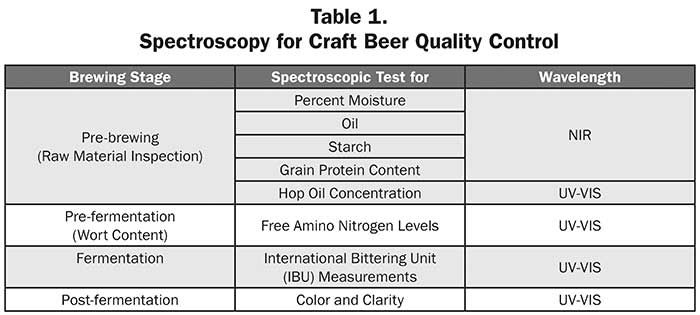
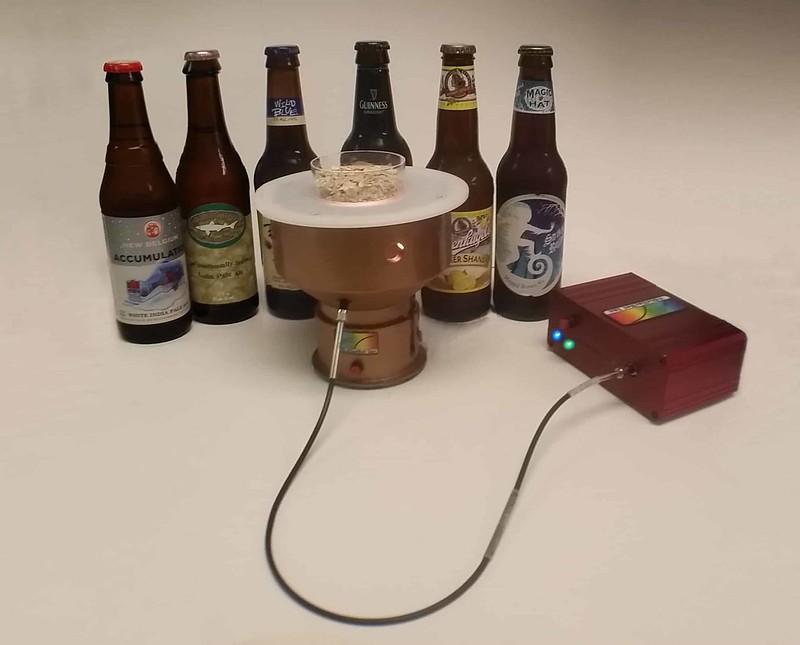
Brewers use spectrometers to measure a number of QC items throughout the brewing process.

Cover_Table1

To get a sense of how much spectrometers are used, this article promoting StellarNet, a company selling them, entitled Spectroscopy Prospects Brewing, is pretty thorough.

NIR-spectrometer-Beer

Filed Under: Birthdays, Just For Fun, Related Pleasures Tagged With: History, Science, Science of Brewing, Sweden

Historic Beer Birthday: Max Schwarz

July 29, 2025 By Jay Brooks

american-brewer-old
Today is the birthday of Max Schwarz (July 29, 1863-February 7, 1901). He was the son of Anton Schwarz, who owned the magazine/journal American Brewer, which he turned into a serious scientific journal, writing many of the articles himself, and is credited with helping the entire industry improve its standards and processes. His son Max took over as publisher of the American Brewer when he passed away.

Max-Schwarz

He was also mentioned in his father’s entry in the Jewish Encyclopedia, published in 1906.

Schwarz’s eldest son, Max Schwarz (b. in Budapest July 29, 1863; d. in New York city Feb. 7, 1901), succeeded him as editor of “The American Brewer” and principal of the Brewers’ Academy. He studied at the universities of Erlangen and Breslau and at the Polytechnic High School at Dresden. In 1880 he followed his father to the United States and became associated with him in many of his undertakings.

Both as editor and as principal of the academy he was very successful. Many of the essays in “The American Brewer,” especially those on chemistry, were written by him. He was a great advocate of the “pure beer” question in America.

And here’s his obituary from the American Brewers Review, Vol. XIV:

american-brewer-letterhead

Filed Under: Birthdays, Just For Fun Tagged With: History, Hungary, Science

Historic Beer Birthday: Jacob Perkins

July 9, 2025 By Jay Brooks

frig
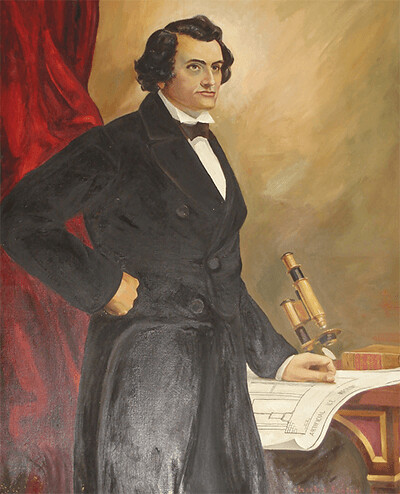
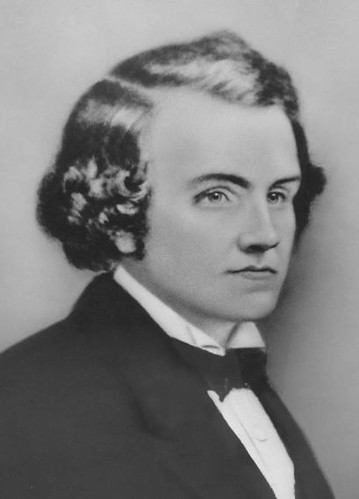
Today is the birthday of Jacob Perkins (July 9, 1766–July 30, 1849). He “was an American inventor, mechanical engineer and physicist. Born in Newburyport, Massachusetts, Perkins was apprenticed to a goldsmith. He soon made himself known with a variety of useful mechanical inventions and eventually had twenty-one American and nineteen English patents. He is known as the father of the refrigerator. He was elected a Fellow of the American Academy of Arts and Sciences in 1813.”

jacob-perkins

While from what I can tell, Perkins didn’t work directly on refrigeration for breweries, but his work on the subject of refrigeration paved the way for all of your beers to be stored colder.

This biography of Perkins is from the History of Refrigeration:

Jacob Perkins (1766 – 1849) was an American inventor, mechanical engineer and physicist. He held many patents, among which was a patent for refrigerator. Because of that he is considered the father of the refrigerator.

Jacob Perkins was born in Newburyport, Massachusetts, and went to school in Newburyport until he was 12. After the school he was an apprentice to a goldsmith in Newburyport called Davis. When Davis died three years later, Jacob continued the business of making gold beads and he also added the manufacture of shoe buckles. When he was twenty-one he was given a job by the master of the Massachusetts mint to make a die for making copper coins – cents bearing an eagle and an Indian. Three years later he improved and made machines for cutting and heading nails for which he was granted a patent in 1795. Jacob married on Nov. 11, 1790 to Hannah Greenleaf of Newbury and they, in time, had nine children. During the War of 1812 he worked on machinery that bored out cannons. He invented a bathometer (or piezometer) which measured the depth of the sea by measuring pressure of the water at certain depth. He also made steel plates and created some of the best steel plates which he used to start a printing business with engraver Gideon Fairman. They printed school books and legal currency for a Boston Bank. Perkins bought from Asa Spencer in 1809 the stereotype technology which was used as a method of prevention from counterfeiting and registered the patent. He later employed Asa Spencer. In 1816 he bid on the printing of currency for the Second National Bank in Philadelphia. At the same time English had a problem with forged notes when the Royal Society, a learned society for science, noticed high quality of American bank currency that was made by Perkins. In 1819, Perkins, Gideon Fairman, and Asa Spencer went to England to try and win the £20,000 reward for “unforgable notes”. After initial disputes they win the job and form the partnership “Perkins, Fairman and Heath” with English engraver-publisher Charles Heath. Partnership was later renamed into “Perkins Bacon”, when Charles Heath’s son-in-law, Joshua Butters Bacon, bought out Charles Heath. Company “Perkins Bacon” printed money for many banks, and postage stamps for many foreign countries.

In 1816, Jacob Perkins had worked on steam power with Oliver Evans in Philadelphia and in 1822 he made an experimental high pressure steam engine that worked at pressures up to 2,000 psi but that was not practical for the manufacturing technology of the time. This technology was used in another invention, the steam gun – an early fully automatic machine gun powered by steam with a high magazine capacity and a firing rate of 1,000 rpm. This idea was rejected by the Duke of Wellington as “too destructive”.

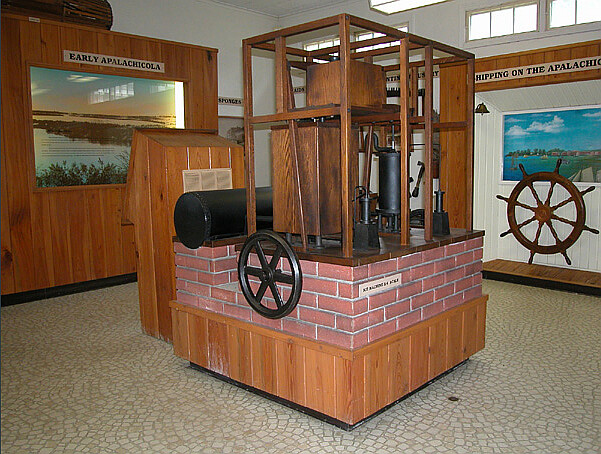
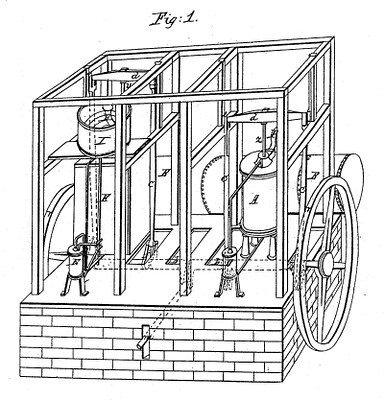
The idea for a refrigerator had come from Oliver Evans, also an American inventor. He conceived it in 1805 but he never built it. Perkins was granted the first patent for the vapor-compression refrigeration cycle, on August 14, 1834 with title: “Apparatus and means for producing ice, and in cooling fluids.”

1826_JacobPerkins_byThomasEdwards_BostonMonthlyMagazine_v1_no11

Here’s the description of his patent:

perkins-patent-ice-machine

jacob-perkins-ice-machine

1835_Perkins_AmericanMagazine_v2_December

Filed Under: Birthdays, Just For Fun, Related Pleasures Tagged With: History, Science

Historic Beer Birthday: William Lassell

June 18, 2025 By Jay Brooks

astronomy
Today is the birthday of William Lassell (June 18, 1799–October 5, 1880). He made great contributions to astronomy throughout his life, but that “hobby” was funded by the fortune he made at his Liverpool brewery. He was initially trained as a merchant, and in 1825 started an apparently successful brewery, and one account states that he “married a widow of a wealthy Liverpool brewer gaining at the same time financial independence.” That may have given him the idea. Perhaps because his life was overshadowed by his astronomical pursuits, there’s very little about his brewery I could find, although I believe it was known as Lassell & Sharman Ltd.

william-lassell-large

Here’s his basic biography from his Wikipedia page:

William Lassell was born in Bolton, Lancashire, a town west of Manchester. He was educated first in Bolton then at Rochdale Academy. After the death of his father, he was apprenticed from 1814 to 1821 to a merchant in Liverpool. He then made his fortune as a beer brewer, which enabled him to indulge his interest in astronomy. He built an observatory at his house “Starfield” in West Derby, a suburb of Liverpool. There he had a 24-inch (610 mm) reflector telescope, for which he pioneered the use of an equatorial mount for easy tracking of objects as the Earth rotates. He ground and polished the mirror himself, using equipment he constructed. The observatory was later (1854) moved further out of Liverpool, to Bradstone.

In 1846 Lassell discovered Triton, the largest moon of Neptune, just 17 days after the discovery of Neptune itself by German astronomer Johann Gottfried Galle. In 1848 he independently co-discovered Hyperion, a moon of Saturn. In 1851 he discovered Ariel and Umbriel, two moons of Uranus.

When Queen Victoria visited Liverpool in 1851, Lassell was the only local she specifically requested to meet.

In 1855, he built a 48-inch (1,200 mm) telescope, which he installed in Malta because of the observing conditions that were better than in often-overcast England. On his return to the UK after several years in Malta he moved to Maidenhead and operated his 24-inch (610 mm) telescope in an observatory there. The 48-inch telescope was dismantled and was eventually scrapped.

Lassell was a Fellow of the Royal Astronomical Society (FRAS) from 1839, won the Gold Medal of the Royal Astronomical Society in 1849, and served as its president for two years starting in 1870. He was elected a Fellow of the Royal Society (FRS) in 1849 and won their Royal Medal in 1858. Lassel was also a Fellow of the Royal Society of Literature (FRSL). He was furthermore elected an honorary Fellow of the Royal Society of Edinburgh (HonFRSE) and of the Society of Sciences of Upsala, and received an honorary LL.D. degree from the University of Cambridge in 1874.

Lassell died in Maidenhead in 1880. Upon his death, he left a fortune of £80,000 (roughly equivalent to £7,200,000 in 2015). His telescope was presented to the Royal Observatory in Greenwich.

The crater Lassell on the Moon, a crater on Mars, the asteroid 2636 Lassell and a ring of Neptune are named in his honour.

This account of Lassell is from A Popular History of Astronomy During the Nineteen Century, by Agnes M. Clerke, published in 1885:

Within seventeen days of its identification with the Berlin achromatic, Neptune was found to be attended by a satellite. This discovery was the first notable performance of the celebrated two-foot reflector[224] erected by Mr. Lassell at his suggestively named residence of Starfield, near Liverpool. William Lassell was a brewer by profession, but by inclination an astronomer. Born at Bolton in Lancashire, June 18, 1799, he closed a life of eminent usefulness to science, October 5, 1818, thus spanning with his well-spent years four-fifths of the momentous period which we have undertaken to traverse. At the age of twenty-one, being without the means to purchase, he undertook to construct telescopes, and naturally turned his attention to the reflecting sort, as favouring amateur efforts by the comparative simplicity of its structure. His native ingenuity was remarkable, and was developed by the hourly exigencies of his successive enterprises. Their uniform success encouraged him to enlarge his aims, and in 1844 he visited Birr Castle for the purpose of inspecting the machine used in polishing the giant speculum of Parsonstown. In the construction of his new instrument, however, he eventually discarded the model there obtained, and worked on a method of his own, assisted by the supreme mechanical skill of James Nasmyth. The result was a Newtonian of exquisite definition, with an aperture of two, and a focal length of twenty feet, provided by a novel artifice with the equatoreal mounting, previously regarded as available only for refractors.

This beautiful instrument afforded to its maker, October 10, 1846, a cursory view of a Neptunian attendant. But the planet was then approaching the sun, and it was not until the following July that the observation could be verified, which it was completely, first by Lassell himself, and somewhat later by Otto Stuve and Bond of Cambridge (U.S.). When it is considered that this remote object shines by reflecting sunlight reduced by distance to 1/900th of the intensity with which it illuminates our moon, the fact of its visibility, even in the most perfect telescopes, is a somewhat surprising one. It can only, indeed, be accounted for by attributing to it dimensions very considerable for a body of the secondary order. It shares with the moons of Uranus the peculiarity of retrograde motion; that is to say, its revolutions, running counter to the grand current of movement in the solar system, are performed from east to west, in a plane inclined at an angle of 35 deg. to that of the ecliptic. Their swiftness serves to measure the mass of the globe round which they are performed. For while our moon takes twenty-seven days and nearly eight hours to complete its circuit of the earth, the satellite of Neptune, at a distance not greatly inferior, sweeps round its primary in five days and twenty-one hours, showing (according to a very simple principle of computation) that it is urged by a force seventeen times greater than the terrestrial pull upon the lunar orb. Combining this result with those of Professor Barnard’s and Dr. See’s recent measurements of the small telescopic disc of this farthest known planet, it is found that while in “mass” Neptune equals seventeen, in “bulk” it is equivalent to forty-nine earths. This is as much as to say that it is composed of relatively very light materials, or more probably of materials distended by internal heat, as yet unwasted by radiation into space, to about five times the volume they would occupy in the interior of our globe. The fact, at any rate, is fairly well ascertained, that the average density of Neptune is about twice that of water.

Filed Under: Birthdays, Just For Fun, Related Pleasures Tagged With: England, Great Britain, History, Science

Historic Beer Birthday: Max Delbrück

June 16, 2025 By Jay Brooks

science

Today is the birthday of Max Emil Julius Delbrück (June 16, 1850-May 4, 1919). He was a German chemist who spent most of his career exploring the fermentation sciences.

max-delbruck

His Wikipedia entry is short:

Delbrück was born in Bergen auf Rügen. He studied chemistry in Berlin and in Greifswald. In 1872 he was made assistant at the Academy of Trades in Berlin; in 1887 he was appointed instructor at the Agricultural College, and in 1899 was given a full professorship. The researches, carried out in part by Delbrück himself, in part under his guidance, resulted in technical contributions of the highest value to the fermentation industries. He was one of the editors of the Zeitschrift für Spiritusindustrie (1867), and of the Wochenschrift für Brauerei. He died in Berlin, aged 68.

And here’s his entry from Today in Science:

Max Emil Julius Delbrück was a German chemist who spent a forty-five year career leading development in the fermentation industry. He established a school for distillation workers, a glass factory for the manufacture of reliable apparatus and instruments, and an experimental distillery. Giving attention to the raw resources, he founded teaching and experimental institutions to improve cultivation of potatoes and hops. He researched physiology of yeast and application in the process of fermentation, production of pure cultures, and the action of enzymes. He started the journals Zeitschrift fur Spiritus-Industrie (1867) and Wochenschrift für Brauerei, for the alcohol and brewery industries, which he co-edited.

Delbrück

Over the years, I’ve found a few great Delbrück quotes:

“Yeast is a machine.”

          — Max Delbrück, from an 1884 lecture

“With the sword of science and the armor of Practice, German beer will encircle the world.”

          — Max Delbrück, from an address about yeast and fermentation in the
               brewery, to the German Brewing Congress as Director of the Experimental
               and Teaching Institute for Brewing in Berlin, June 1884

Delbruck-memorial

Filed Under: Birthdays, Just For Fun, Related Pleasures Tagged With: Germany, History, Science, Science of Brewing

Historic Beer Birthday: William S. Gossett

June 13, 2025 By Jay Brooks

guinness-new
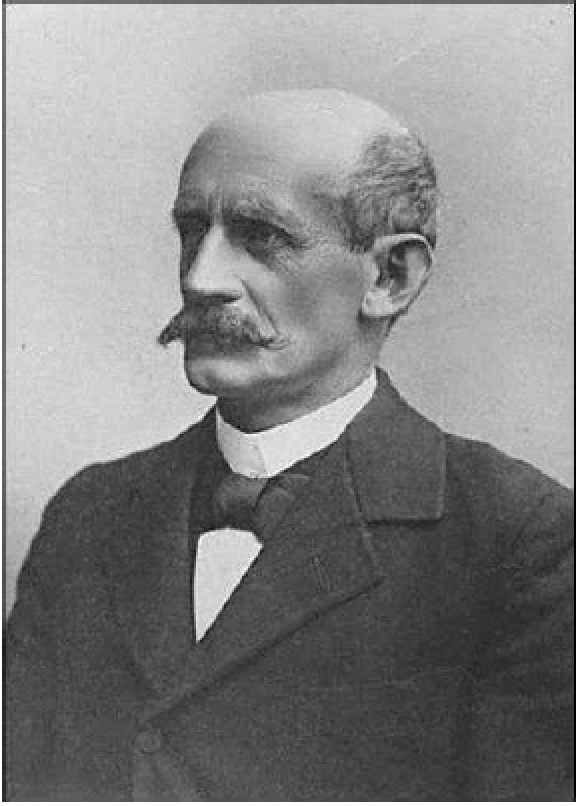
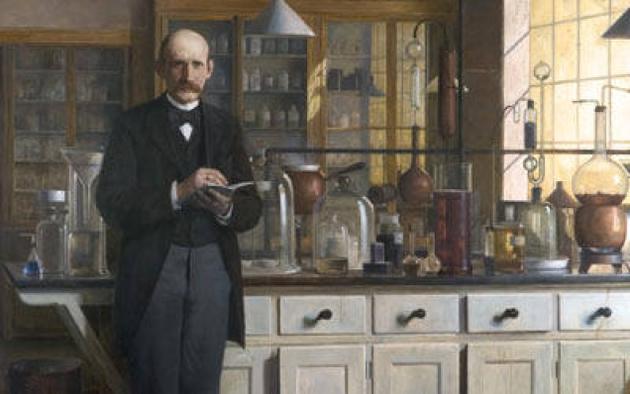
Today is the birthday of William Sealy Gosset (June 13, 1876–October 16, 1937). He “was an English statistician. He published under the pen name Student, and developed the Student’s t-distribution.” He also worked his entire career for Guinness Brewing, and was trained as a chemist, but it was his pioneering work in statistics, in which he was self-taught, that he is best remembered for today.

William_Sealy_Gosset

Here’s his biography, from Wikipedia:

Born in Canterbury, England to Agnes Sealy Vidal and Colonel Frederic Gosset, Gosset attended Winchester College before studying chemistry and mathematics at New College, Oxford. Upon graduating in 1899, he joined the brewery of Arthur Guinness & Son in Dublin, Ireland.

As an employee of Guinness, a progressive agro-chemical business, Gosset applied his statistical knowledge – both in the brewery and on the farm – to the selection of the best yielding varieties of barley. Gosset acquired that knowledge by study, by trial and error, and by spending two terms in 1906–1907 in the biometrical laboratory of Karl Pearson. Gosset and Pearson had a good relationship. Pearson helped Gosset with the mathematics of his papers, including the 1908 papers, but had little appreciation of their importance. The papers addressed the brewer’s concern with small samples; biometricians like Pearson, on the other hand, typically had hundreds of observations and saw no urgency in developing small-sample methods.
Another researcher at Guinness had previously published a paper containing trade secrets of the Guinness brewery. To prevent further disclosure of confidential information, Guinness prohibited its employees from publishing any papers regardless of the contained information. However, after pleading with the brewery and explaining that his mathematical and philosophical conclusions were of no possible practical use to competing brewers, he was allowed to publish them, but under a pseudonym (“Student”), to avoid difficulties with the rest of the staff. Thus his most noteworthy achievement is now called Student’s, rather than Gosset’s, t-distribution.

Gosset had almost all his papers including The probable error of a mean published in Pearson’s journal Biometrika under the pseudonym Student. It was, however, not Pearson but Ronald A. Fisher who appreciated the importance of Gosset’s small-sample work, after Gosset had written to him to say I am sending you a copy of Student’s Tables as you are the only man that’s ever likely to use them!. Fisher believed that Gosset had effected a “logical revolution”. Fisher introduced a new form of Student’s statistic, denoted t, in terms of which Gosset’s statistic was {\displaystyle z={\frac {t}{\sqrt {n-1}}}} z=\frac{t}{\sqrt{n-1}}. The t-form was adopted because it fit in with Fisher’s theory of degrees of freedom. Fisher was also responsible for applications of the t-distribution to regression analysis.

Although introduced by others, Studentized residuals are named in Student’s honour because, like the problem that led to Student’s t-distribution, the idea of adjusting for estimated standard deviations is central to that concept.

Gosset’s interest in the cultivation of barley led him to speculate that the design of experiments should aim not only at improving the average yield but also at breeding varieties whose yield was insensitive to variation in soil and climate, i.e. robust. This principle only appeared in the later thought of Ronald Fisher, and then in the work of Genichi Taguchi during the 1950s.

In 1935, Gosset left Dublin to take up the position of Head Brewer, in charge of the scientific side of production, at a new Guinness brewery at Park Royal in northwestern London. He died two years later in Beaconsfield, England, of a heart attack.

Gosset was a friend of both Pearson and Fisher, a noteworthy achievement, for each had a massive ego and a loathing for the other. He was a modest man who once cut short an admirer with the comment that “Fisher would have discovered it all anyway.”

And this biography is from the MacTutor History of Mathematics archive:

William Sealey Gosset was born on June 13, 1876 in Canterbury, England where he was the oldest of five children. He died at the age of 61 in Beaconsfield, England on October 16, 1937. He attended the Royal Military Academy in Woolwich to b ecome an engineer before he was rejected because of poor eyesight. William Gosset was never employed as a statistician. In a world of quarrelsome statistics, but he got along with everyone. He was a very helpful, quiet, patient and loyal person.

He went to school at Winchester and was well educated before entering the New College in Oxford. Here he won a first degree in chemistry in 1899. After getting his degree as a chemist, he got a job at Guinness brewery in Dublin in 1899, where he did important work on statistics, but her was never hired at a statistician. It was his environment at Guinness’ that made him a statistician. The brewery was interested in how they could make the best beer.

In 1900, the Guinness Research Laboratory was opened, which was head by the most distinguished brewing chemist, Horace Brown. Horace Brown along with the other brews were wondering how to get the raw materials for brewing beer at the cheapest but getting the best. There were many factors that they had to take into account such as varieties of barley and hops, what conditions of dying, cultivation and maturing factors.

After a few years of research, given that they were given a free hand to explore the conditions of brewing. This gave Gosset a chance to work as a statistician. He was able to take the data from the different examples of brewing to help find out which way was the best. As the young brewers work together, it seemed natural for them to take the data to Gosset to solve the numerical problems.

Gosset, in 1903, could calculate standard errors. In 1904 he wrote on the brewing of beer. This report lead to Karl Pearson consulting Gosset. Gosset met Pearson in July of 1905 when they had long talk together. Pearson, in an hour and a half, m ade Gosset understand the theory of standard errors. Gosset went back to the brewery and practiced those method for the next year. The meeting was also successful in which Pearson got Gosset to take up the study of the law of error.

Gosset wrote paper in his spare time under the name “Student.” His paper were on the probability of error of the mean and of the correlation coefficient for publication. Gosset even managed to run cooperative experiments with Hunter a nd Bennett at Ballinacurra, Buffin at Cambridge, and Beaven at Warminster in the testing of seeds against other seeds. Gosset also work with R.A. Fisher. The funny part is that Fisher did not get along Pearson, but Gosset studied under Pearson and also got along with Fisher.

To quickly recap William Gosset, he was born in 1876 and died in 1937. He did mathematical research for beer brewing, but had the problem working with only a small sample size. He work on the concept of probable errror of a mean. He also analysi sed an extended and broad range of problems such as the counting with a haemacytometer, probable error of a correlation coefficient, cereals, agronomy and the Lanarkshire milk experiment.

A very personal friend, McMullen, said this about Gosset, “he was a very kindly and tolerant and absolutely devoid malice. He rarely spoke about personal matters but when his opinion was well worth listening to and not in the least superficia l.”

Pricenomics has a good overview of Gossett’s contributions to mathematics and statistics, entitled The Guinness Brewer Who Revolutionized Statistics.

Filed Under: Birthdays, Just For Fun, Related Pleasures Tagged With: England, Guinness, History, Ireland, Math, Science, Science of Brewing

Historic Beer Birthday: Carl von Linde

June 11, 2025 By Jay Brooks

frig
Today is the birthday of Carl Paul Gottfried Linde (June 11, 1842–November 16, 1934). He “was a German scientist, engineer, and businessman. He discovered a refrigeration cycle and invented the first industrial-scale air separation and gas liquefaction processes. These breakthroughs laid the backbone for the 1913 Nobel Prize in Physics. Linde was a member of scientific and engineering associations, including being on the board of trustees of the Physikalisch-Technische Reichsanstalt and the Bavarian Academy of Sciences and Humanities. Linde was also the founder of what is now known as The Linde Group, the world’s largest industrial gases company, and ushered the creation of the supply chain of industrial gases as a profitable line of businesses. He was knighted in 1897 as Ritter von Linde.”

Carl_von_Linde_1868

His importance to brewing, especially yo lager beers, is undeniable. His first refrigerating machines were built for breweries. This is situation prior to his inventions, from the University of Chicago:

Before the development of mechanical refrigeration technologies, brewers were reliant on ice harvested from lakes and ponds and stored in ice-houses. The invention of mechanical refrigeration machines provided commercial brewers with the technology necessary to keep beer for longer periods of time. Refrigeration technology was also used in special railroad boxcars, permitting brewers to ship their product over longer distances. One of the most successful early designs for a mechanical refrigeration system was invented by Carl von Linde (a professor at Munich Polytechnic School) and was an ammonia-based vapor-compression system.

eCopy, Inc.
One of the drawing from his first patent, in 1873.

This history of the development of Linde’s refrigeration machines is from a brochure prepared by his the company he founded, The Linde Group.

Initial contacts with breweries

After von Linde had published his ideas in 1870 and 1871 in the Polytechnic Association’s “Bavarian Industry and Trade Journal,” which he also edited, a development was set in motion that would determine the direction of the entire rest of his life. His articles on refrigeration technology had aroused the interest of brewers who had been looking for a reliable year-round method of refrigeration for the fermentation and storage of their beer. In the summer of 1871 an agreement was made between von Linde, Austrian brewer August Deiglmayr (Dreher Brewery) and Munich brewer Gabriel Sedlmayr to build a test machine according to Linde’s design at the Spaten Brewery. With their help, Linde’s ideas would be put into practice, so that a refrigeration unit could then be installed at the Dreher Brewery, the largest brewery in Austria, in the hot, humid city of Trieste (now part of Italy).

Building the first Linde ice machine

The construction plans were finally completed in January 1873 and the patent applied for. The Bavarian patent required, however, that the machine be in operation within one year. Therefore von Linde and Sedlmayr placed an order with Maschinenfabrik Augsburg that same month to build it. And with some effort they succeeded in starting operation by the important patent deadline in January 1874. Of course, the first machine did have its difficulties.

The main problem was that von Linde’s mercury seal did not work properly so that the methyl ether used as the refrigerant leaked out of the compressor. In Linde’s words, “This design was not a suitable solution for the requirements of practical use. So it seemed imperative to build a second machine.”

In order to finance it, von Linde assigned part of the patent rights to Sedlmayr, to locomotive builder Georg Krauss and to the director of Maschinenfabrik Augsburg, Heinrich von Buz. In return, they provided the funds needed for the development, building and testing of a new refrigeration machine.

linde-refrigeration-machine
Building the second refrigeration machine

With his student and assistant Friedrich Schipper, von Linde designed a new compressor, which had a significantly simpler and more effective seal. The sealing material used in the newly designed gland construction was glycerin and the more efficient ammonia was used as the refrigerant. The new machine weighed and cost only half as much as its predecessor.

In the spring of 1875 Linde ordered the new compressor from Maschinenfabrik Augsburg and submitted it for a Bavarian patent, which was awarded on March 25, 1876 for ten years. He received the German Reichspatent in August 1877.

“The very first trials with this second compressor yielded fully satisfactory results,” said von Linde, not without pride. The machine was sold to the Dreher Brewery in September 1876, erected under Schipper’s supervision and started up in spring 1877. It ran until 1908, providing refrigeration and dehumidification

Technical breakthrough

But despite this success, Linde created a third design immediately after the second machine was installed at Dreher, turning his attention to gas pumps, which were already widely used. This third, horizontal design proved to be the best cold vapor machine on the market in terms of its price/performance ratio and became the standard type of Linde compressor for decades to come. During the more than six-year development and experimentation phase, a reliable solution also had to be found for distributing the generated cold. After long trials, in executing an order for the Heineken Brewery in Rotterdam, von Linde developed a method of circulating cold saltwater brine in a pipe cooling system (natural convection cooling), which was installed on the ceiling of the refrigeration rooms.

horizontal-twostage-ammonia-compressor
And this inset is about the company’s “First customers and partners: brewers.”

In 1840, many continental European breweries switched to bottom fermented lager production (in contrast to the “English” top-fermented brown beers or ales) because the beer remained fresh longer and customers preferred the taste. The ice machine described by von Linde seemed ideal for achieving the required lower temperatures and to ensure precise cooling control. So it is no wonder that some major brewers showed great interest in this invention.

Gabriel Sedlmayr of the Munich Spaten Brewerey was willing to let von Linde experiment with an early refrigeration machine in his brewery in the early 1870s. The first unit functioned passably well, but was too large and had numerous flaws. The drawings submitted for the patent showed that Sedlmayr himself had a hand in the second version, which was significantly smaller in size and worked well. This unit was sold to the Trieste Dreher Brewery for air cooling.

With Sedlmayr as an intermediary, the Rotterdam Heineken Brewery under its director Feldmann ordered an ice machine in 1877 for ice production. In his collaboration with the Heineken Brewery, Linde developed “natural convection cooling” with a system of cooling pipes under the ceiling of the cellar. Feldmann in turn put von Linde in contact with J. C. Jacobsen, head of the Carlsberg Brewery in Copenhagen, who ordered a large refrigeration unit in 1878.

Karl Lang, technical adviser and supervisory board member of several Rhineland breweries, also played a significant role during the founding period of the “Gesellschaft für Linde’s Eismaschinen.” He introduced Linde to brewery director Gustav Jung, who not only ordered a refrigeration unit but also became, with Lang and banker Moritz von Hirsch, a shareholder and Supervisory Board member of the Linde Company.

The connection between the Linde Company and brewery directors was maintained to some extent over several generations. After the death of Karl Lang in 1894 his position as chairman of the Supervisory Board was taken over by Gustav Jung, followed by his son Adolf Jung in 1886. Carl Sedlmayr took over for his father Gabriel on the Supervisory Board and in 1915, the third generation of this family followed with Anton Sedlmayr. The Jung and Sedlmayr families held their Supervisory Board seats until after the Second World War.

Dr.Carl-von-Linde-1925

Here’s Linde’s entry from the Oxford Companion to Beer, written by Horst Dornbush.

Linde, Carl von
was a 19th-century German engineer and one of the world’s major inventors of refrigeration technology. See refrigeration. Starting in the middle of the 18th century, many people before Linde had tinkered with artificial refrigeration contraptions, but Linde was the first to develop a practical refrigeration system that was specifically designed for keeping fermenting and maturing beer cool—in Linde’s case, Bavarian lagers—during the hot summer months. Linde was born in the village of Berndorf, in Franconia, in 1842, at a time when warm-weather brewing was strictly forbidden in his native Bavaria; no one was allowed to brew beer between Saint George’s Day (April 23) and Michael’s Day (September 29). This was to avoid warm fermentations, which provided ideal habitats for noxious airborne bacteria to proliferate and caused yeasts to produce undesirable fermentation flavors. Both made summer beers often unpalatable. Summer brewing prohibition had been in force since 1553 and was only lifted in 1850, by which time Bavarian brewers had learned to pack their fermentation cellars with ice they had laboriously harvested in the winter from frozen ponds and lakes. There had to be a better way to keep beer cold…and that was just the challenge for a budding mechanical engineering professor like Linde, who had joined Munich’s Technical University in 1868. See weihenstephan. The basic principle of refrigeration had been understood for centuries. Because cold is merely the absence of heat, to make things cold, one must withdraw heat. Compressing a medium generates heat; subsequently decompressing or evaporating it quickly absorbs heat from its environment. Devices based on this principle are now generally known as vapor-compression refrigeration systems; apply this to a fermenting or lagering vessel, and it becomes a beer-cooling system. For Linde, the next question was the choice of refrigerant. Initially he experimented with dimethyl ether but eventually settled on ammonia because of its rapid expansion (and thus cooling) properties. He called his invention an “ammonia cold machine.” Linde had received much of the funding for this development from the Spaten Brewery in Munich, which was also the first customer to install the new device—then still driven by dimethyl ether—in 1873. By 1879, Linde had quit his professorship and formed his own “Ice Machine Company,” which is still in operation today as Linde AG, headquartered in Wiesbaden, Germany. By 1890, Linde had sold 747 refrigeration units machines to various breweries and cold storage facilities. He continued to innovate and invented new devices most of his life, including equipment for liquefying air, and for the production of pure oxygen, nitrogen, and hydrogen. In 1897 he was knighted, and from then on could append the honorific “von” to his surname. He died a prosperous industrialist in Munich in 1934, at the age of 92, and today Linde AG is a leading gases and engineering company with almost 48,000 employees working in more than 100 countries worldwide. For all his many accomplishments, Linde’s pioneering work in artificial beer cooling technology is perhaps his most enduring legacy.

Filed Under: Birthdays, Just For Fun, Related Pleasures Tagged With: Germany, History, Science, Science of Brewing

Historic Beer Birthday: Eduard Buchner

May 20, 2025 By Jay Brooks

nobel-prize
Today is the birthday of Eduard Buchner (May 20, 1860-August 13, 1917). Buchner was a German chemist and zymologist, and was awarded with Nobel Prize in Chemistry in 1907 for his work on fermentation.

Buchner

This is a short biography from The Famous People:

Born into an educationally distinguished family, Buchner lost his father when he was barely eleven years old. His elder brother, Hans Buchner, helped him to get good education. However, financial crisis forced Eduard to give up his studies for a temporary phase and he spent this period working in preserving and canning factory. Later, he resumed his education under well-known scientists and very soon received his doctorate degree. He then began working on chemical fermentation. However, his experience at the canning factory did not really go waste. Many years later while working with his brother at the Hygiene Institute at Munich he remembered how juices were preserved by adding sugar to it and so to preserve the protein extract from the yeast cells, he added a concentrated doze of sucrose to it. What followed is history. Sugar in the presence of enzymes in the yeast broke into carbon dioxide and alcohol. Later he identified the enzyme as zymase. This chance discovery not only brought him Nobel Prize in Chemistry, but also brought about a revolution in the field of biochemistry.

eduard-buchner

Eduard Buchner is best remembered for his discovery of zymase, an enzyme mixture that promotes cell free fermentation. However, it was a chance discovery. He was then working in his brother’s laboratory in Munich trying to produce yeast cell free extracts, which the latter wanted to use in an application for immunology.

To preserve the protein in the yeast cells, Eduard Buchner added concentrated sucrose to it. Bubbles began to form soon enough. He realized that presence of enzymes in the yeast has broken down sugar into alcohol and carbon dioxide. Later, he identified this enzyme as zymase and showed that it can be extracted from yeast cells. This single discovery laid the foundation of modern biochemistry.

buchner-fermentation

One of the most important aspects of his discovery proving that extracts from yeast cells could elicit fermentation is that it “contradicted a claim by Louis Pasteur that fermentation was an ‘expression of life’ and could occur only in living cells. Pasteur’s claim had put a decades-long brake on progress in fermentation research, according to an introductory speech at Buchner’s Nobel presentation. With Buchner’s results, “hitherto inaccessible territories have now been brought into the field of chemical research, and vast new prospects have been opened up to chemical science.”

In his studies, Buchner gathered liquid from crushed yeast cells. Then he demonstrated that components of the liquid, which he referred to as “zymases,” could independently produce alcohol in the presence of sugar. “Careful investigations have shown that the formation of carbon dioxide is accompanied by that of alcohol, and indeed in just the same proportions as in fermentation with live yeast,” Buchner noted in his Nobel speech.

E._Buchner_WS_1911-12

This is a fuller biography from the Nobel Prize organization:

Eduard Buchner was born in Munich on May 20, 1860, the son of Dr. Ernst Buchner, Professor Extraordinary of Forensic Medicine and physician at the University, and Friederike née Martin.

He was originally destined for a commercial career but, after the early death of his father in 1872, his older brother Hans, ten years his senior, made it possible for him to take a more general education. He matriculated at the Grammar School in his birth-place and after a short period of study at the Munich Polytechnic in the chemical laboratory of E. Erlenmeyer senior, he started work in a preserve and canning factory, with which he later moved to Mombach on Mainz.

The problems of chemistry had greatly attracted him at the Polytechnic and in 1884 he turned afresh to new studies in pure science, mainly in chemistry with Adolf von Baeyer and in botany with Professor C. von Naegeli at the Botanic Institute, Munich.

It was at the latter, where he studied under the special supervision of his brother Hans (who later became well-known as a bacteriologist), that his first publication, Der Einfluss des Sauerstoffs auf Gärungen (The influence of oxygen on fermentations) saw the light in 1885. In the course of his research in organic chemistry he received special assistance and stimulation from T. Curtius and H. von Pechmann, who were assistants in the laboratory in those days.

The Lamont Scholarship awarded by the Philosophical Faculty for three years made it possible for him to continue his studies.

After one term in Erlangen in the laboratory of Otto Fischer, where meanwhile Curtius had been appointed director of the analytical department, he took his doctor’s degree in the University of Munich in 1888. The following year saw his appointment as Assistant Lecturer in the organic laboratory of A. von Baeyer, and in 1891 Lecturer at the University.

By means of a special monetary grant from von Baeyer, it was possible for Buchner to establish a small laboratory for the chemistry of fermentation and to give lectures and perform experiments on chemical fermentations. In 1893 the first experiments were made on the rupture of yeast cells; but because the Board of the Laboratory was of the opinion that “nothing will be achieved by this” – the grinding of the yeast cells had already been described during the past 40 years, which latter statement was confirmed by accurate study of the literature – the studies on the contents of yeast cells were set aside for three years.

In the autumn of 1893 Buchner took over the supervision of the analytical department in T. Curtius’ laboratory in the University of Kiel and established himself there, being granted the title of Professor in 1895.

In 1896 he was called as Professor Extraordinary for Analytical and Pharmaceutical Chemistry in the chemical laboratory of H. von Pechmann at the University of Tübingen.

During the autumn vacation in the same year his researches into the contents of the yeast cell were successfully recommenced in the Hygienic Institute in Munich, where his brother was on the Board of Directors. He was now able to work on a larger scale as the necessary facilities and funds were available.

On January 9, 1897, it was possible to send his first paper, Über alkoholische Gärung ohne Hefezellen (On alcoholic fermentation without yeast cells), to the editors of the Berichte der Deutschen Chemischen Gesellschaft.

In October, 1898, he was appointed to the Chair of General Chemistry in the Agricultural College in Berlin and he also held lectureships on agricultural chemistry and agricultural chemical experiments as well as on the fermentation questions of the sugar industry. In order to obtain adequate assistance for scientific research, and to be able to fully train his assistants himself, he became habilitated at the University of Berlin in 1900.

In 1909 he was transferred to the University of Breslau and from there, in 1911, to Würzburg. The results of Buchner’s discoveries on the alcoholic fermentation of sugar were set forth in the book Die Zymasegärung (Zymosis), 1903, in collaboration with his brother Professor Hans Buchner and Martin Hahn. He was awarded the Nobel Prize in 1907 for his biochemical investigations and his discovery of non-cellular fermentation.

Buchner married Lotte Stahl in 1900. When serving as a major in a field hospital at Folkschani in Roumania, he was wounded on August 3, 1917. Of these wounds received in action at the front, he died on the 13th of the same month.

Chemistry-1907-Buchner

Filed Under: Beers, Birthdays, Just For Fun, Related Pleasures Tagged With: Germany, History, Science, Science of Brewing

« Previous Page
Next Page »

Find Something

Northern California Breweries

Please consider purchasing my latest book, California Breweries North, available from Amazon, or ask for it at your local bookstore.

Recent Comments

  • Ernie Dewing on Historic Beer Birthday: Charles William Bergner 
  • Steve 'Pudgy' De Rose on Historic Beer Birthday: Jacob Schmidt
  • Jay Brooks on Beer Birthday: Bill Owens
  • Steve 'Pudgy' De Rose on Beer Birthday: Charles Finkel
  • Steve 'Pudgy' De Rose on Beer Birthday: Bill Owens

Recent Posts

  • Beer Birthday: Shane McNamara January 28, 2026
  • Historic Beer Birthday: John Goetz January 28, 2026
  • Beer Birthday: Jean-Marie Rock January 28, 2026
  • Beer In Ads #5184: The “B”s Are Here, Bruton Bock Beer January 27, 2026
  • Beer Birthday: Logan Plant January 27, 2026

BBB Archives

Feedback

Head Quarter
This site is hosted and maintained by H25Q.dev. Any questions or comments for the webmaster can be directed here.