Brookston Beer Bulletin

Jay R. Brooks on Beer

  • Home
  • About
  • Editorial
  • Birthdays
  • Art & Beer

Socialize

  • Dribbble
  • Email
  • Facebook
  • Flickr
  • GitHub
  • Instagram
  • LinkedIn
  • Pinterest
  • RSS
  • Twitter
  • YouTube

Powered by Genesis

Historic Beer Birthday: Joseph Liebmann

December 20, 2025 By Jay Brooks

S-Liebmann
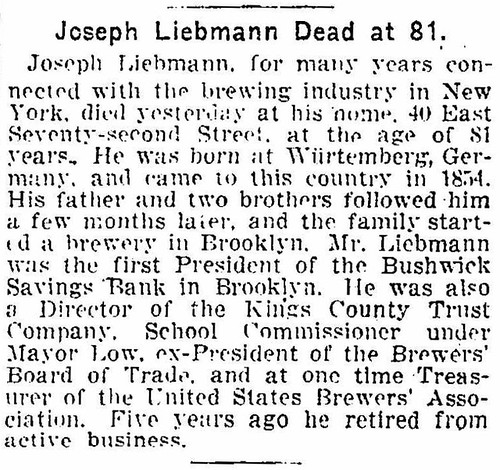
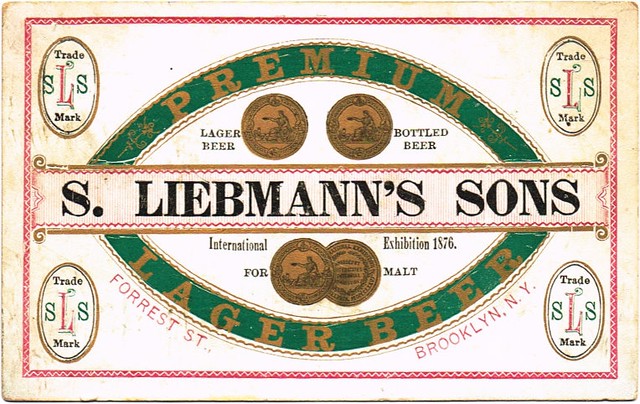
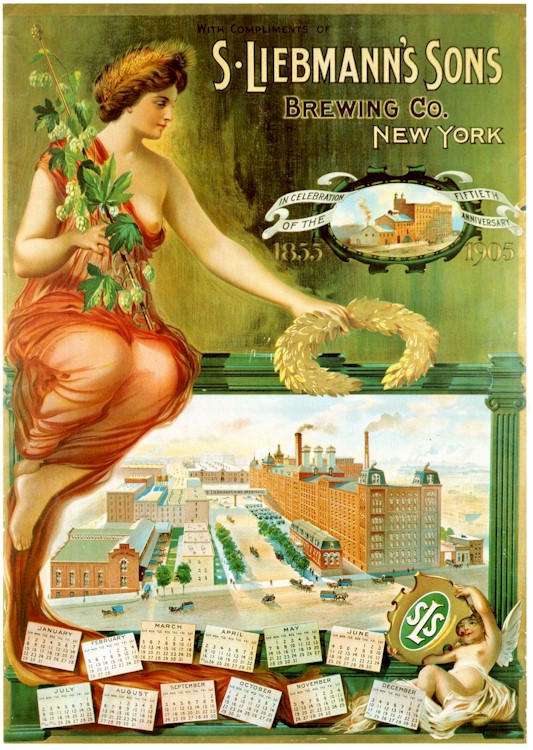
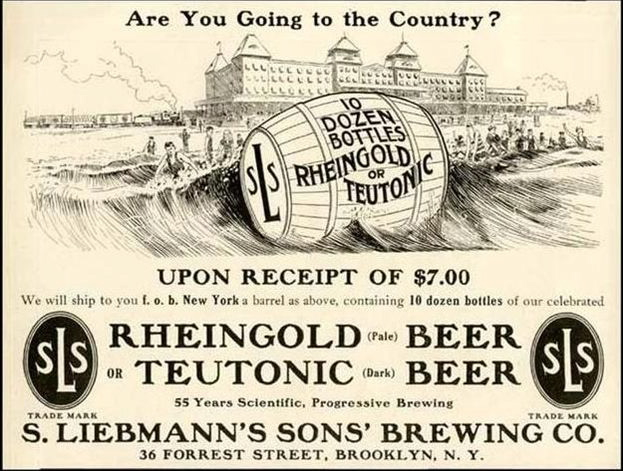
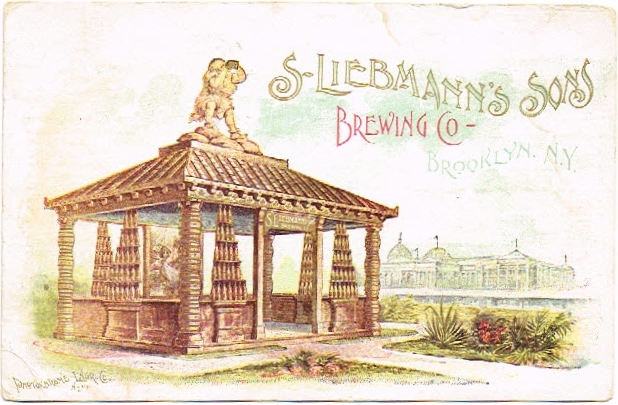
Today is the birthday of Joseph Liebmann (December 20, 1832-March 26, 1913). He was born in Schmiedelfeld, Baden-Wuerttemberg, Germany. His father owned the Castle Schmiedelfeld, but when Joseph was seven, the family moved to Ludwigsburg and operated the Zum Stern Inn there, which also included a brewery. For political reasons, some of the family moved to America around 1850 to build a home, and the rest followed in 1854. Initially he ran the old Maasche Brewery, but later built a new brewery in Bushwick. Originally, it was called the Samuel Liebmann Brewery, but when his sons joined the brewery, it was called the S. Liebmann’s Sons Brewery. When Joseph’s father died in 1872, Joseph and his brothers took over the family brewery, and Henry became brewmaster, while Joseph “was chiefly responsible for financial matters,” though for a time was also president of the family brewery. After prohibition ended, the brothers’ six sons re-opened the brewery as the simpler Liebmann Breweries, but in 1964 they changed the name again to Rheingold Breweries, after their most popular beer. The brewery closed in 1976.

Here’s his obituary from the New York Times:
Joseph-Liebmann-nyt-obit
Liebmanna_Lager_Beer

This is from “The Originators of Rheingold Beer: From Ludwigsburg to Brooklyn – A Dynasty of German-Jewish Brewers,” by Rolf Hofmann, originally published in Aufbau, June 21, 2001:

New Yorkers over the age of fifty will remember the brand name Rheingold Beer and the company’s brilliant publicity stunt in which a bevy of attractive young women competed annually for the privilege of being elected that year’s Miss Rheingold and appearing in ads on billboards and in the subways throughout the New York area.

The beer’s evocative name with its allusion to Germany’s great river, was the culmination of a German-Jewish family enterprise that had its beginnings in 1840 in the town of Ludwigsburg, north of Stuttgart, in what was then the Kingdom of Württemberg. One Samuel Liebmann, a member of a prominent Jewish family in the region, settled there and bought the inn and brewery “Zum Stern.” A liberal and staunch supporter of Republican ideals, Liebmann encouraged other like-minded citizens, including some soldiers from the garrison, to meet in his hospitable surroundings. The ideas fomented there contributed to the local revolution of 1848. It brought the opprobrium of the King down upon Liebmann’s enterprise, and “Zum Stern” was declared off limits to the soldiers. Soon thereafter, in 1850, Samuel Liebmann emigrated to the U.S.

The family settled in Brooklyn and Samuel, together with his three sons, Joseph, Henry, and Charles, opened a brewery once again at the corner of Forest and Bremen Streets. With the responsibilities divided among the family – Henry became the brewing expert, Charles. the engineer and architect, Joseph, finance manager – the company was already flourishing by the time of Samuel’s death in 1872. Success also led to a concern for the company’s Brooklyn surroundings, and the Liebmanns became involved in local welfare – focusing on housing and drainage systems.

Each of the three brothers had two sons, and when the older Liebmanns retired in 1903, the six members of the third generation took over. Other members of the family also contributed to the gradual expansion of the company. In 1895 Sadie Liebmann (Joseph’s daughter), married Samuel Simon Steiner, a trader in high quality hop, an essential ingredient for good beer. Steiner’s father had begun merchandising hop in Laupheim in 1845 and still today, S.S. Steiner, with its headquarters in New York, is one of the leading hop merchants. Under these fortuitous family circumstances, beer production grew constantly. In the early years, the brewery had produced 1000 barrels per year, by 1914 its output stood at 700,000 barrels.

hofmann-rheingold1
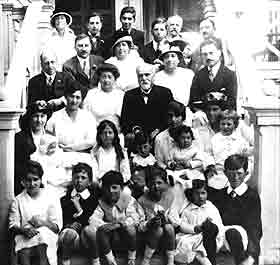
The Liebmann family.
Unfortunately, political developments in the U.S. between 1914 and 1933 were extremely disadvantageous for the Liebmann brewery. The resentment against Germany and anything German during World War I led to an informal boycott of German beers. Following close upon the lean wartime years, was the implementation of Prohibition in 1920 forbidding the manufacturing and trading of alcohol. The Liebmann enterprise managed to survive by producing lemonade and a product they called “Near Beer.”

With the reinstatement of legal alcohol production under President Roosevelt in 1933, opportunities for the brewery opened up, abetted by the anti-Semitic policies of Hitler’s Germany. The pressures on Jewish businessmen there, brought Dr. Hermann Schülein, general manager of the world-renowned LšwenbrŠu brewery, to America. Schulein’s father, Joseph, had acquired two of Munich’s leading breweries at the end of the nineteenth century–Union and Münchner Kindl–and his son had managed the 1920 merger with Löwenbrau. Arriving in New York with this experience behind him, Hermann Schülein became one of the top managers of the Liebmann brewery and was instrumental in its spectacular growth after World War II.

Working with Philip Liebmann (great-grandson of Samuel), Schülein developed a dry lager beer with a European character to be marketed under the brand name “Rheingold.” According to company legend, the name was created in 1883 at a brewery dinner following a performance at the Metropolitan Opera. When the conductor took up his glass, he was so taken with the shade of the beer, that he declared it to be the color of “Rheingold.” For New Yorkers, however, the name Rheingold did not bring to mind the Nibelungen fables, but the pretty young ladies who participated in Schülein’s most brilliant marketing strategy – the selection of each year’s Miss Rheingold by the beer-drinking public of greater New York

At the height of the campaign’s success in the 1950’s and 60’s, the Liebmann Brewery had an output of beer ten times that of Löwenbrau at the same time in Munich.

For thirty years, Rheingold Beer reigned supreme in the New York area, but by 1976, as a local brewery, it could no longer compete with nationwide companies such as Anheuser & Busch, Miller, and Schlitz, and its doors were closed. Only recently, using the same brewmaster, Rheingold is once again being sold in the tri-state area.
S-Liebmanns-Brewing-poster
Here’s an “Origin of Liebmann Brewery” posted by a relative on Ancestry.com:

On May 12 1833 (Sulzbach-Laufen Archive) Samuel and his older brother Heinrich bought a castle/inn Schmiedelfeld, Sulzbach-Laufen, Schwaebisch Hall District that dated from 1739. They renovated the place and created a prosperous farm/estate and in 1837 began a brewery in the cellar. In 1840, he moved to Ludwigsburg, near Stuttgart and purchased the gasthaus [guest house or inn] “Zum Stern” on Seestrasse 9 (later Zum Rebstock) which included a brewery. (source: Translation extract from Dr. Joacim Hahn’s book, History of the Jewish Community of Ludwigsburg)

After supporting a movement to oust King William I of Wurttemberg, and sensing the wavering tolerance of Jewish businessmen, Samuel sent his eldest son Joseph to the US in 1854 to scout out a location to establish a brewery.

Samuel retired in 1868 and turned the family business over to his sons Joseph, Charles, and Henry under the name S. Liebmann’s Sons Brewery.
liebmanns-rheingold
S-Liebmanns-Sons-Cards-Trade-Cards-S-Liebmanns-Sons-Brewing-Company_17585-1

Filed Under: Birthdays, Breweries, Just For Fun Tagged With: Germany, History, New York

Historic Beer Birthday: Charles William Bergner 

December 20, 2025 By Jay Brooks

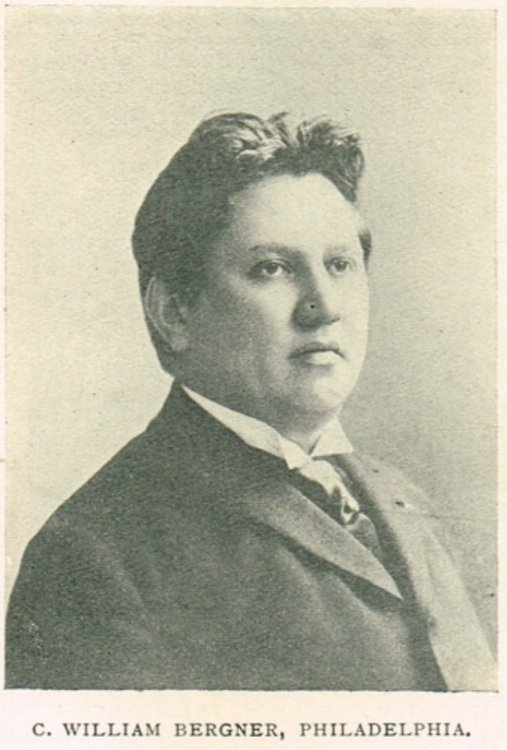
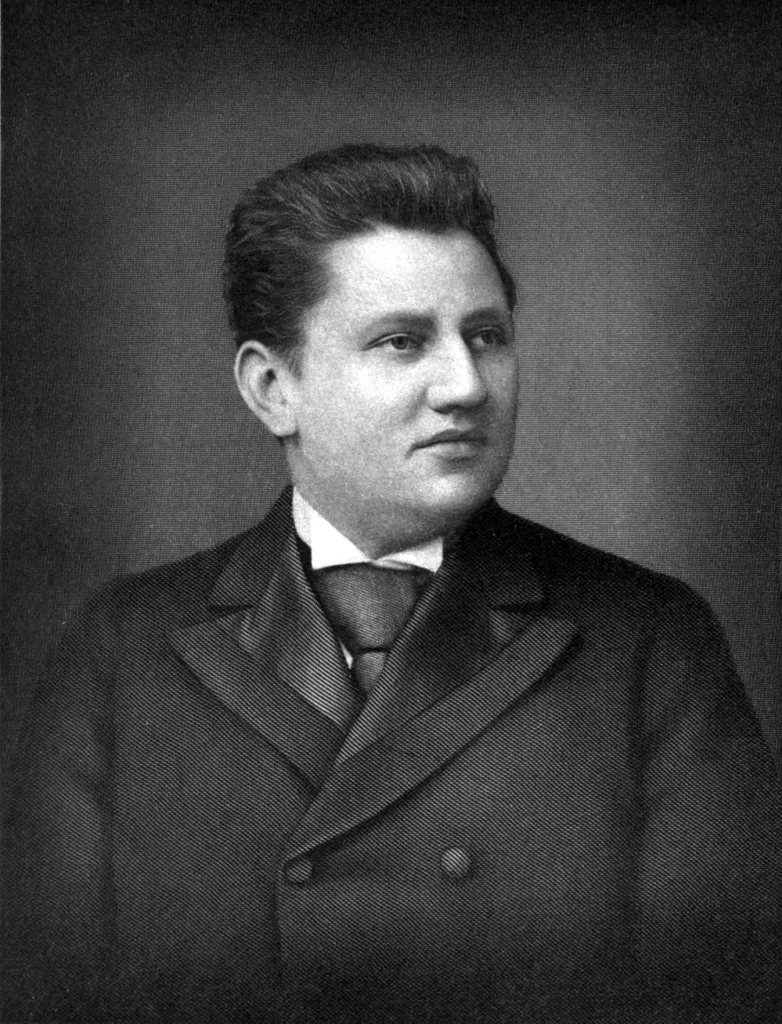
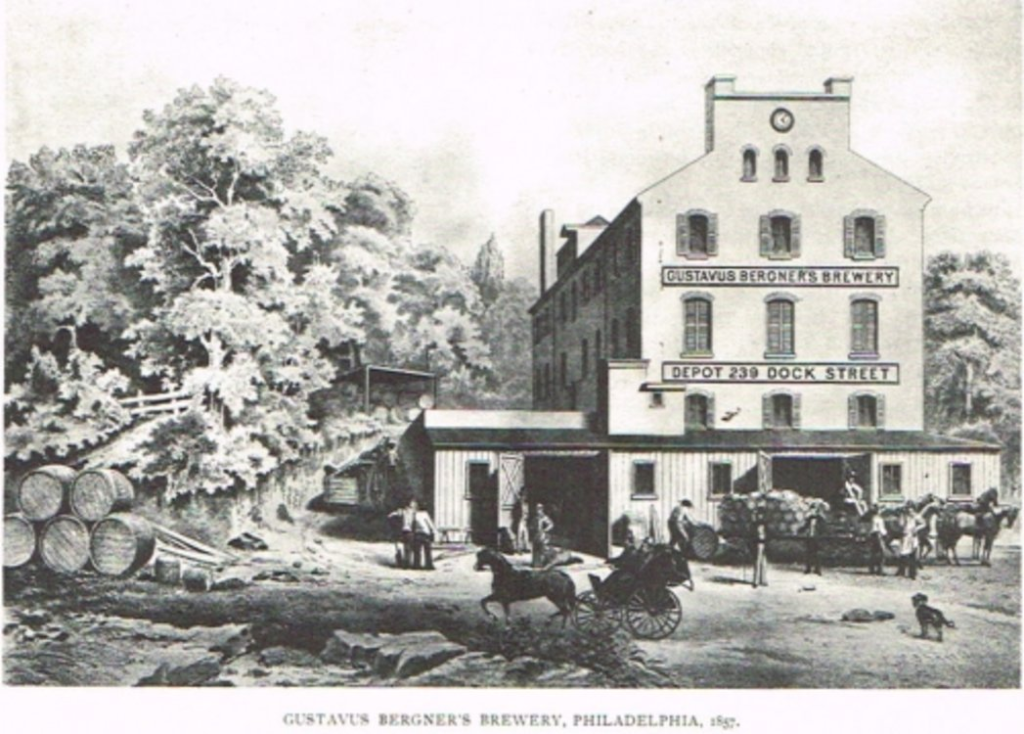
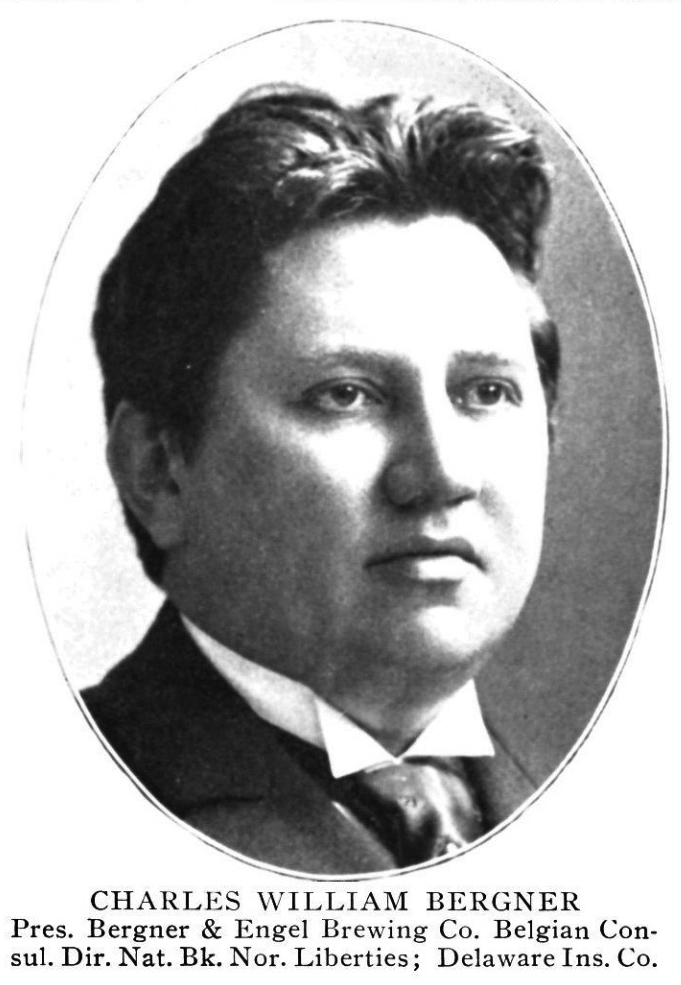
Today is the birthday of Charles William Bergner (December 20, 1854-May 4, 1903). He was the son of Gustavus Bergner, who bought into the brewery Engel & Wolf, and renamed it Bergner & Engel, and it later became the Bergner & Engel Company.” William Bergner, as was best known, was born in Philadelphia, but learned to be a brewer in Germany. “He was president of the United States Brewers’ association from 1897 to 1899, and for many years was president of the Philadelphia Lager Beer Brewers’ association.”

This is his obituary from Ambler Gazette, of May 7, 1903:

Businessman. He co-founded the Bergner and Engel Brewing Company, which was located in the Brewerytown Section of Philadelphia, and was at one point the 3rd largest brewer in the United States.

C.W. Bergner Is Dead. Well-Known Brewer Dies in Philadelphia. Death Results from Paralysis of the Heart–Sketch of His Active and Successful Life–Mastered the Brewing Business–His Many Interests.

Charles William Bergner, president of the Bergner & Engel brewing company, died Tuesday at 10 o’clock a.m. in Philadelphia. His death came suddenly, although he had been in ill health for nearly two years. He had a malady of the stomach, liver and kidneys which brought on an acute affection of the heart that proved fatal.

Last year Mr. Bergner went to the mountains of Scotland by order of his physician and his health was much improved in consequence. He came back feeling quite well and continued so for some months. He left his office a week ago with a sharp attack of indigestion, which developed into paralysis of the heart.

Mr. Bergner was born in Philadelphia, Dec. 20, 1854, and was the only son of Gustavus Bergner, who until his death in May 1883, was president of the Bergner & Engel Brewing company, which he had founded. The son received his early education at a private academy in Philadelphia and at the high school at Lawrenceville, N.J. He afterwards studied at Augsburg and Munich, in Germany, and spent three years in travel in Europe.

Returning to this country he mastered the brewing business in every detail, serving in every part of the great establishment of which his father was the head. This was in 1873. His progress in this practical education was rapid and he assumed duties of greater and greater importance after his father’s death, until in 1891 he was elected president of the company.

Mr. Bergner became interested in several financial and industrial institutions, but at his death he was connected with only two, the Standard Ice company and the bank of the Northern Liberties. Of the former he was president and of the latter a director. He had been a director of the Commercial National bank, the Delaware Insurance company, and the Teutonic Insurance company, and vice president of the Guarantors’ Indemnity Company of Pennsylvania.

He was president of the United States Brewers’ association from 1897 to 1899, and for many years was president of the Philadelphia Lager Beer Brewers’ association. He was consul for the kingdom of Belgium, and in 1888 was vice president of the United States commission to the Brussels exposition. The king of the Belgians conferred upon him the following year the order of Leopold.

He was president of the board of trustees of the Medico-Chirurgical hospital, but resigned that position in January, 1898. He was a life member of the Union League club, a member of the Art club, the Historical society, the Franklin institute and all the German societies of Philadelphia. He sold his house at 1627 Walnut street about a year ago and since then has resided altogether at his country place in Ambler, which was erected over a dozen years ago at great cost and is one of the most beautiful and complete in this region.

A widow, a son, Gustav, and a daughter, Catharine, who is the wife of Charles Bispham, survive him. Mrs. George A. Fletcher, his sister, resides at 216 North Thirty-fourth street, Philadelphia, in winter and at Radnor in summer. Mr. Bergner was very charitable in a quiet and unostentatious way. He did not speculate either in real estate or in stocks.

The funeral will be at noon this Thursday at the family residence, Ambler, and the interment will probably be in West Laurel Hill cemetery.

And this is his entry from The Cyclopædia of American Biography, published in 1918, James E. Homans, editor:

BERGNER, Charles William, president of the Bergner and Engel Brewing Company of Philadelphia, and Belgian consul, b. in Philadelphia, Pa., 20 Dec., 1854; d. at his country home, Ambler, Pa., 4 May, 1903, son of Gustavus William (1832-83) and Catharine Christine (Wehn) Bergner. The Bergners came into prominence in mediæval Europe as early as the First Crusade, and the subsequent history of the family can be traced through a line of distinguished ancestors, dating from that time. The first member of the family to come to America was Charles William Bergner, grandfather of the subject of this review. He was a woolen goods manufacturer, the owner of extensive dye factories, and the Burgomeister (mayor) of Crimmitzschau, Saxony, Germany, where he lived. In 1849 he visited America. While in Philadelphia he loaned a sum of money to a brewing establishment, and the firm becoming insolvent soon afterward, he found himself, as chief creditor, obliged to assume control of the business. Thrust by accident into a vocation about which he knew nothing and being in a strange country, this man, who possessed the loftiest ideals and who, by inheritance and training, was of the highest type, — could not adapt himself to the vastly changed conditions of his life, and soon succumbed under the strain and died. He had succeeded, however, in laying the foundation of the house of Bergner and Engel. Gustavus William Bergner, son of Charles William and Johanne Fredericka (Richter) Bergner, was ambitious for a mercantile career, and at the age of sixteen entered a chinaware firm in Philadelphia, and on account of his exceptional ability was soon afterward offered a partnership in the business. The death of his father, however, prevented his acceptance of this opportunity and made him the head of the brewing enterprise. Under his successful management it became one of the large establishments of its kind. His son, Charles William Bergner, and the second of the name to assume the management of the business, received his early education in the private schools of Philadelphia, and was prepared at Lawrenceville, N. J., to enter Princeton College, but completed his studies in Germany, after which he entered the celebrated brewing schools of Munich and Augsburg, in order to perfect his knowledge of the practical part of the industry. He returned to America in 1873. He, however, had little predilection for an industrial career and wished to adopt a profession, preferring that of the law. Soon after his father’s health failed and the son, prompted by motives of filial duty and affection, took his place in the firm of Bergner and Engel in a modest capacity. Naturally an able business man, he did not long remain in this subordinate position, but was soon promoted to a clerkship and later made head bookkeeper. On the death of his father, 6 May, 1883, and later that of Charles Engel and his son, Theodore, Charles William Bergner (2d) assumed the entire management of the business. In 1890, upon the formation of a stock company, he was elected president of the Bergner and Engel Brewing Company, an office which he filled with unvarying success until his death. Because of his unusual knowledge of every branch of the business, his untiring energy and active interest in all matters pertaining to the brewing industry, and the high-minded persistence with which he carried out the splendid moral standards and business traditions of his ancestors, Mr. Bergner came to be regarded as one of the foremost figures in his line of industry in the United States. For five successive years he was elected president of the Philadelphia Brewers’ Association, and in 1896 was made president of the United States Brewers’ Association, of which organization he had served as president of the board of trustees for many years. He was actively associated with various other industrial and commercial enterprises, and was a director of the National Bank of Northern Liberties and the Delaware Insurance Company. He was also interested in a number of charitable and educational institutions. In 1895 he was appointed Belgian consul in Philadelphia; and as a mark of appreciation for his services at the International Exposition, held in Brussels in 1896, King Leopold of Belgium bestowed upon him “The Order of Leopold.” He was a man of great culture and was passionately fond of music and all the fine arts. He was a bibliophile, and possessed a very fine library and also had a large and valuable collection of rare engravings and etchings. He was a member of the Grolier Society, the Fine Arts Club, the Historical Society, and the Union League Club of Philadelphia. Charles William Bergner was married to Ella Annear, daughter of John and Anne (Wotton) Annear, in Philadelphia, 9 March, 1874. Of this marriage there were four children: Gustavus William Bergner, who is now president of the Bergner and Engel Brewing Company; Catharine Christine, deceased, who married Charles K. Bispham; Anita Ella, and Otto William, both deceased.

Filed Under: Birthdays, Breweries, Just For Fun Tagged With: Pennsylvania, Philadelphia

Beer In Ads #5145: Extra! Just Out! Peter Doelger Bock Beer

December 19, 2025 By Jay Brooks

Last year I decided to concentrate on Bock ads for awhile. Bock, of course, may have originated in Germany, in the town of Einbeck. Because many 19th century American breweries were founded by German immigrants, they offered a bock at certain times of the year, be it Spring, Easter, Lent, Christmas, or what have you. In a sense they were some of the first seasonal beers. “The style was later adopted in Bavaria by Munich brewers in the 17th century. Due to their Bavarian accent, citizens of Munich pronounced ‘Einbeck’ as ‘ein Bock’ (a billy goat), and thus the beer became known as ‘Bock.’ A goat often appears on bottle labels.” And presumably because they were special releases, many breweries went all out promoting them with beautiful artwork on posters and other advertising.

Friday’s ad is for Peter Doelger Bock Beer, which was published on December 19, 1911. The brewery was the Peter Doelger First Prize Brewery of New York, New York, which was originally founded in 1870. It was located in the Jamaica Plain area of Boston, and today the site of the brewery is where the Boston Beer Co. operates one of its breweries. This ad ran in The New York Times also of New York, New York.

Filed Under: Art & Beer, Beers, Breweries, Just For Fun Tagged With: Advertising, Bock, History, New York, New York Times

Historic Beer Birthday: Frederick Sehring

December 19, 2025 By Jay Brooks

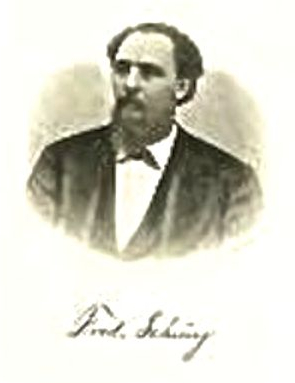
fred-sehring
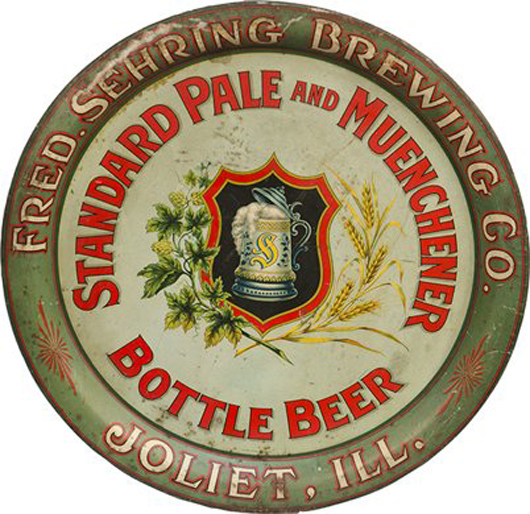
Today is the birthday of Frederick Sehring (December 19, 1834-July 2, 1892). He was born in Germany, but came to America with his parents when he was thirteen, in 1847, and settled in Joliet, Illinois. After careers in the service industry and politics, he bought the Columbia Brewery, and eventually incorporated it as the Fred Sehring Brewing Co.

Fred-Sehring-portrait
Here’s a short biography of Sehring from a breweriana website:

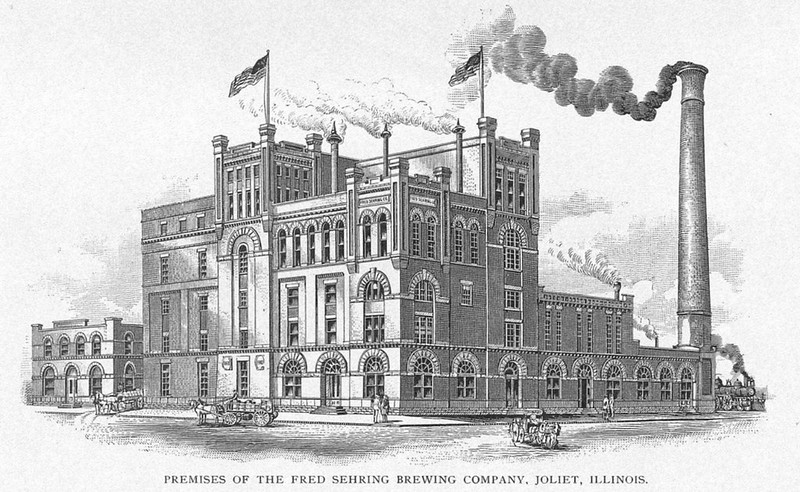
Frederick Sehring was born in 1834 in Hesse, Darmstadt Germany. He moved to the U.S. in 1847, and settled near Joliet. Following a career in the hotel business and county treasurer, he purchased an interest in the Columbia Brewery in 1867. In 1883, he became owner and changed its name to the Fred Sehring Brewing Company. Frederick passed away in 1892, and his son, Louis, who had been superintendent of the brewery, took over. The brewery closed never to reopen in 1919.

fred-sehring-brewery

Here’s an obituary of Sehring from the Genealogical and Biographical Record of Will County:

FRED SEHRING, deceased, late president of the Fred Sehring Brewing Company of Joliet, was born in Langen, Dukedom of Hesse-Darmstadt, Germany, December 19, 1834, and received the rudiments of his education in the excellent schools of his native land. When thirteen years of age, in 1847, he came to America with his parents, Weigand and Margaretha (Keim) Sehring. The Sehring family is one of prominence among the German-Americans of Will County. Its founders here were Weigand Sehring and his wife, who settled in Frankfort Township in 1847. Weigand was a soldier in the war of 1813 in Germany, which decided the fate of Europe. When he came to the United States he engaged in farming. In 1854 he and his family removed to Joliet and engaged in the hotel business, his son being interested with him in this enterprise. In spite of the fact that Fred Sehring had only eight months’ instruction in the schools of America, by diligent application he acquired a good English education and in early life laid the foundation of the broad knowledge that proved so helpful to him in later years. In 1860 he was appointed deputy clerk in the recorder’s office in Joliet, a position which he filled with such ability as to win recognition. In 1863 he was elected county treasurer. This office he filled with such fidelity and success that he was re-elected at the expiration of his term of two years, and served until 1867.

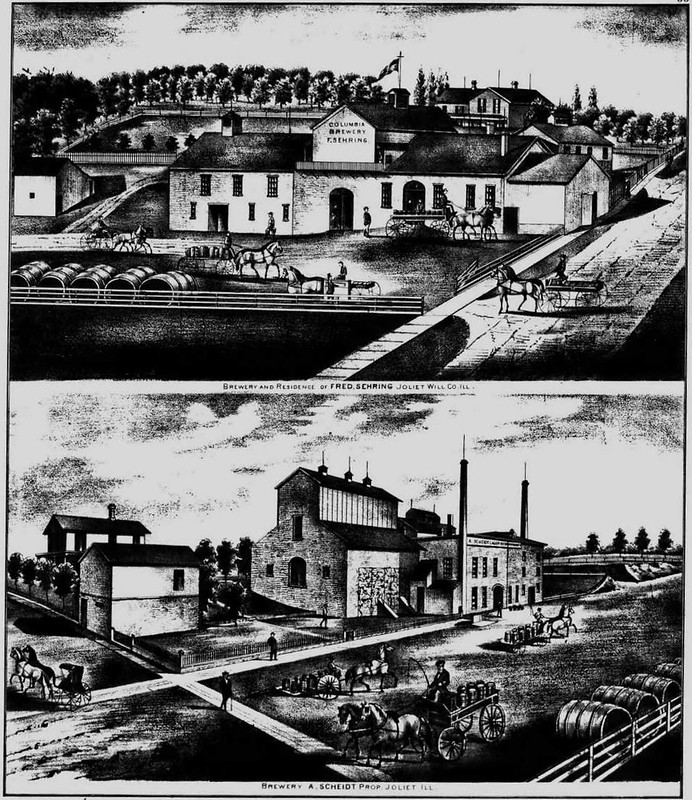
Upon retiring from office he purchased an interest in the brewing firm of Joseph Braun & Co., which founded what is to-day one of the finest plants in the northwest. The total capital at first was only $6,000 and during the 26 first year only three men were employed, but the total output reached one thousand barrels. Two years later it had increased to eighteen hundred barrels. Upon the death of Mr. Braun, in 1870, a change was made in the business, Mr. Sehring securing the active control, and changing the name to Columbia Brewery. The success already gained continued during the ensuing years. He put his whole soul into his business, with a determination that always wins success; yet, while determined, aggressive and pushing, he was upright and honorable in every transaction and recognized no line between meanness and dishonesty. He believed that the man who would purposely cheat his friend would cheat his God. His heart was kind, and full of warm responses to generous natures. The constant increase in the business led Mr. Sehring to make a change. In January, 1883, he incorporated the Fred Sehring Brewing Company, with himself as president, his son Henry, vice-president, his son-in-law, Henry F. Piepenbrink, secretary and treasurer, and his son Louis J., superintendent. The new corporation began with a capital of $50,000. He continued to act as president until his death.
Sehring-columbia-brewery

At the same time he was a director of the Will County National Bank. Fraternally he was a prominent Odd Fellow and frequently represented his lodge in the grand lodge. He was also a Knight Templar Mason, belonging to Joliet Commandery No. 4. Politically he believed in Democratic principles. In 1874 he was elected to the city council, where he served for eight years. During the same year he was the Democratic candidate for the state senate against A. O. Marshall, Republican, and C. Frazier, the Granger candidate. The returns showed Mr. Marshall elected by twelve majority. Mr. Sehring contested the election. The matter was taken into the legislature, where one hundred and forty illegal votes were proved to have been cast against him and which were placed to his credit, by the report of a majority of the committee on the contest; but the Republicans and Grangers combined against him, casting twenty-six votes for Marshall, while twenty-three were cast for him. He favored movements for the benefit of the people and the development of his home town, and proved himself a generous, public-spirited citizen. He died July 2, 1892, and is survived by his wife, who
resides at the old homestead, with her unmarried children, Susan E. and Louis J. Mrs. Fred Sehring was a daughter of Jacob and Barbara Bez, who came from Wurtemberg, Germany, to America in 1853 and settled in Joliet, where she was married to Mr. Sehring January 16, 1855. Besides her son and daughter who reside with her she has two daughters and two sons, viz.: Maggie, wife of Henry F. Piepenbrink; Henry, a member of the Sehring Brewing Company; Anna C., who is the wife of Dr. A. A. Poehner and resides in San Francisco, Cal.; and George F., who is teller in the Will County National Bank, and was married in 1896 to Miss Louisa Kramer, of this city.

A record of the life of Fred Sehring would not be complete without mention of his wife. Though her sphere was in the home, yet from that place she aided and encouraged her husband in his struggle for success. Thus she assisted in the upbuilding of the business that has made the name of Sehring prominent and influential. From her home she made many errands of mercy to the homes of the poor and needy, but her deeds of devotion and self-sacrifice were always quietly done, being of the kind of which it may be said that the left hand knoweth not the benefactions of the right. Even the weight of advancing years has not lessened her activities. No one has ever left her presence discouraged, and her charitable spirit is so broad that it knows no distinction of creed or nationality.

The death of Mr. Sehring did not prove fatal to the business he had built up. This was left in safe hands, with his sons and son-in-law. The eldest of the sons, Louis J., succeeded him as president, and is still the general manager of the business. He was born in Joliet April 12, 1858, and at an early age learned the rudiments of the brewing business in his father’s brewery. Afterward he served apprenticeships with Bernheimer & Schmidt, of New York City, and the Peter Schoenhofen Brewing Company, of Chicago. Returning to Joliet in October, 1877, he was at once appointed superintendent of the brewery, and has retained the position as manager up to the present time.

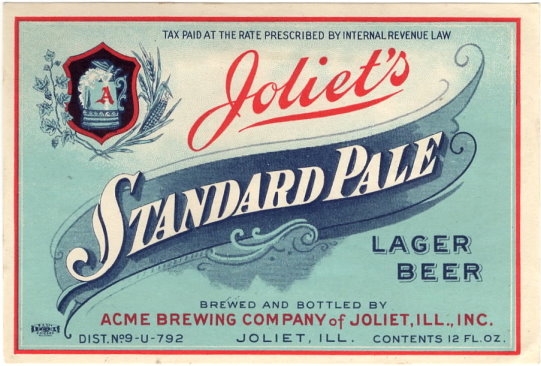
Joliets-Standard-Pale-Lager-Beer-Labels-Acme-Brewing-Company
Fred-Sehring-tray

Filed Under: Birthdays, Breweries, Just For Fun Tagged With: Germany, History, Illinois

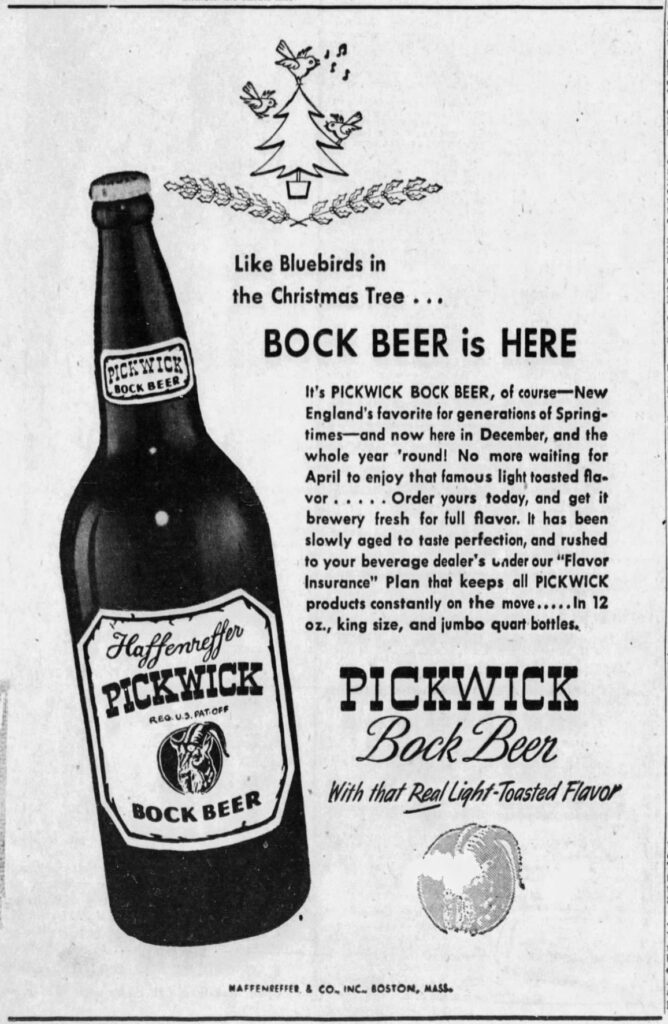
Beer In Ads #5144: Here’s Pickwick’s Holiday Gift To Bock Beer Lovers

December 18, 2025 By Jay Brooks

Last year I decided to concentrate on Bock ads for awhile. Bock, of course, may have originated in Germany, in the town of Einbeck. Because many 19th century American breweries were founded by German immigrants, they offered a bock at certain times of the year, be it Spring, Easter, Lent, Christmas, or what have you. In a sense they were some of the first seasonal beers. “The style was later adopted in Bavaria by Munich brewers in the 17th century. Due to their Bavarian accent, citizens of Munich pronounced ‘Einbeck’ as ‘ein Bock’ (a billy goat), and thus the beer became known as ‘Bock.’ A goat often appears on bottle labels.” And presumably because they were special releases, many breweries went all out promoting them with beautiful artwork on posters and other advertising.

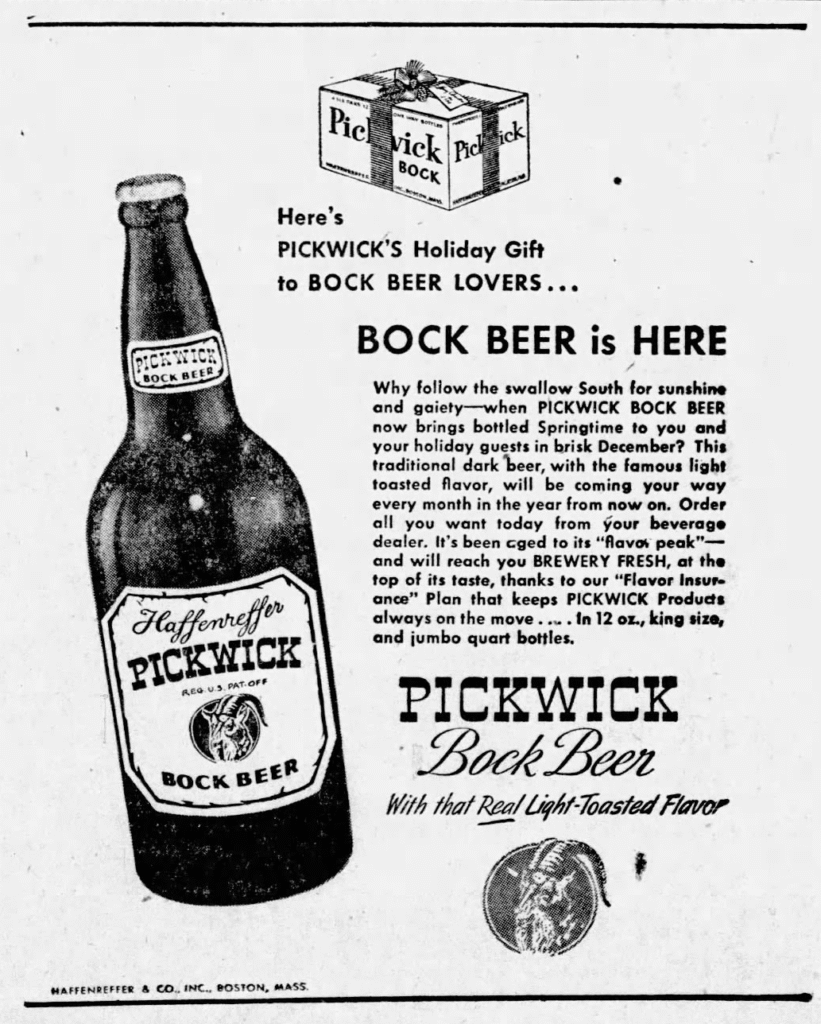
Thursday’s ad is for Pickwick Bock Beer, which was published on December 18, 1953. The brewery was the Haffenreffer Brewery of Boston, Massachusetts, which was originally founded in 1870. It was located in the Jamaica Plain area of Boston, and today the site of the brewery is where the Boston Beer Co. operates one of its breweries. This ad ran in The Morning Union of Springfield, Massachusetts.

Filed Under: Art & Beer, Beers, Breweries, Just For Fun Tagged With: Advertising, Bock, History, Massachusetts

Historic Beer Birthday: George K. Schmidt

December 18, 2025 By Jay Brooks

kg-schmidt
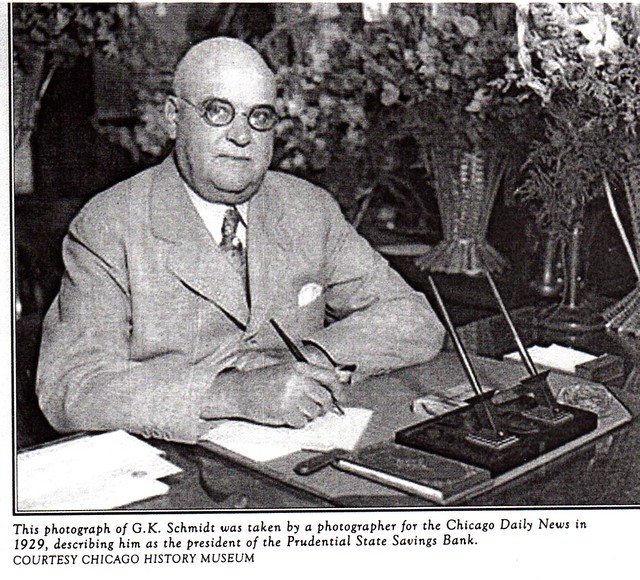
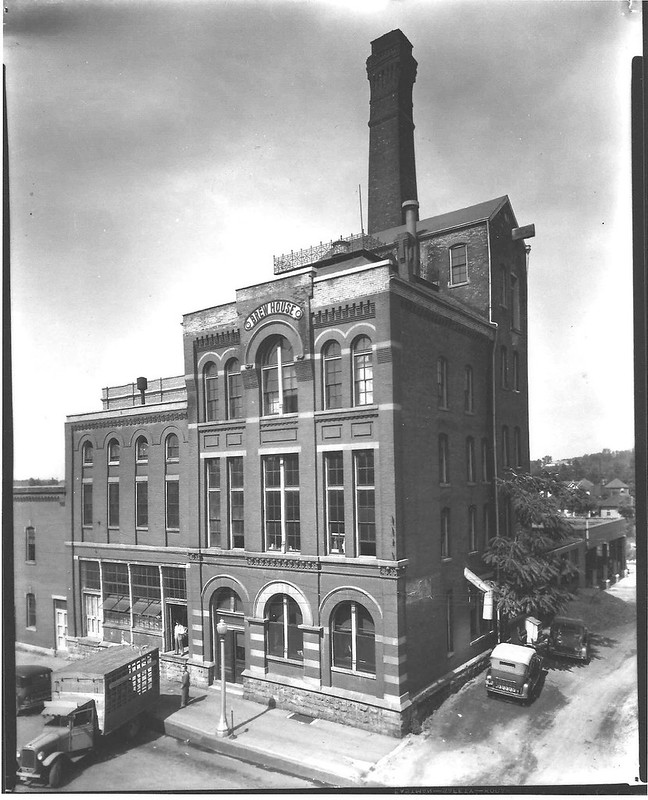
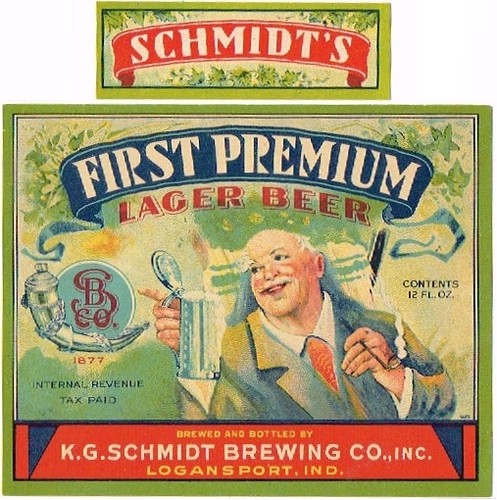
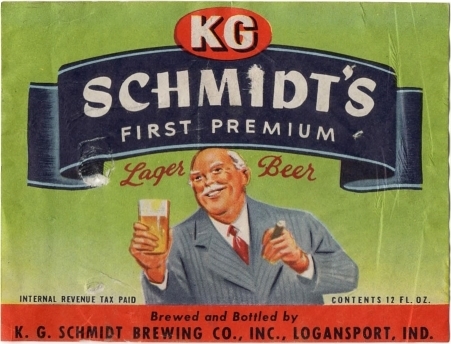
Today is the birthday of George K. Schmidt (December 18, 1869-January 1, 1939). He was the son of Kasper George Schmidt, who founded the K.G. Schmidt Brewery. He and his father also founded a bank and he opened a branch brewery in Logansport, Indiana.
gk-schmidt

Here’s a short biography from Find-a-Grave:

President of Chicago’s Prudential State Savings Bank, Vice-President of Chicago’s Board of Local Improvements, member of Chicago’s Board of Assessors, City Controller of Chicago.

Ran for Mayor of Chicago as the Republican candidate in 1931 against encumbent Mayor “Big Bill” Thompson.

Owned the K G Brewery in Chicago, and the K G Brewery in Logansport, IN which operated until 1951.

County Assessor and City Council Member for Logansport, IN.

A noted outdoorsman whose now famous, pristine duck decoy hunting rig produced by Charles Perdew, the Mason Decoy Factory and Robert Elliston is highly sought after by collectors.

gk-schmidt-brewery-logansport
The brewery Schmidt built in Indiana.

First-Premium-Lager-Beer-Labels-KG-Schmidt-Brewing-Company
KG-Schmidts-Lager-Beer--Labels-KG-Schmidt-Brewing-Company

Filed Under: Birthdays, Breweries, Just For Fun Tagged With: History, Illinois, Indiana

Historic Beer Birthday: Henry Boddington

December 18, 2025 By Jay Brooks

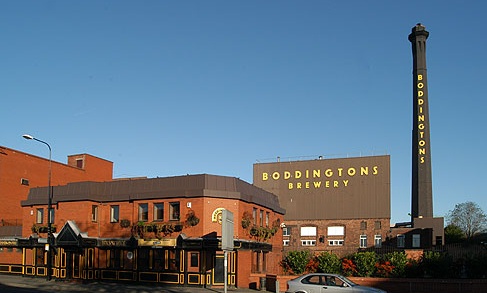
boddingtons
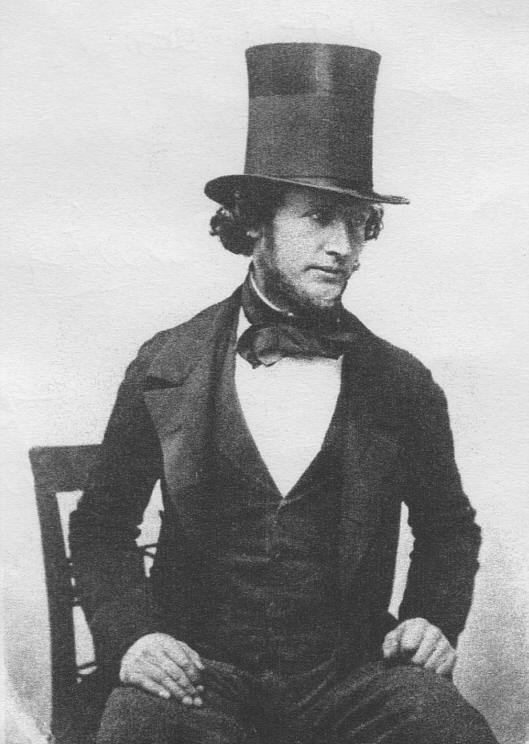
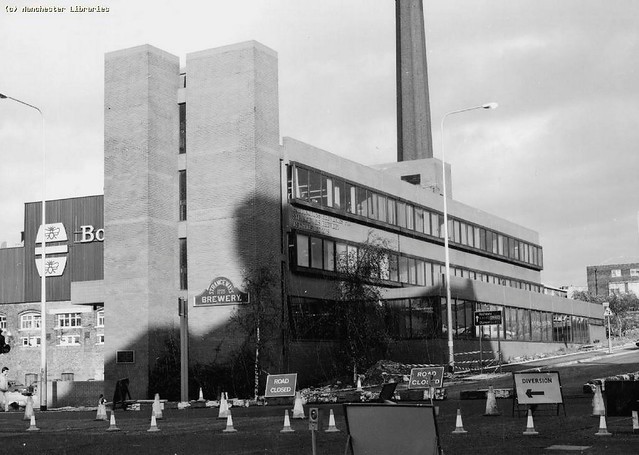
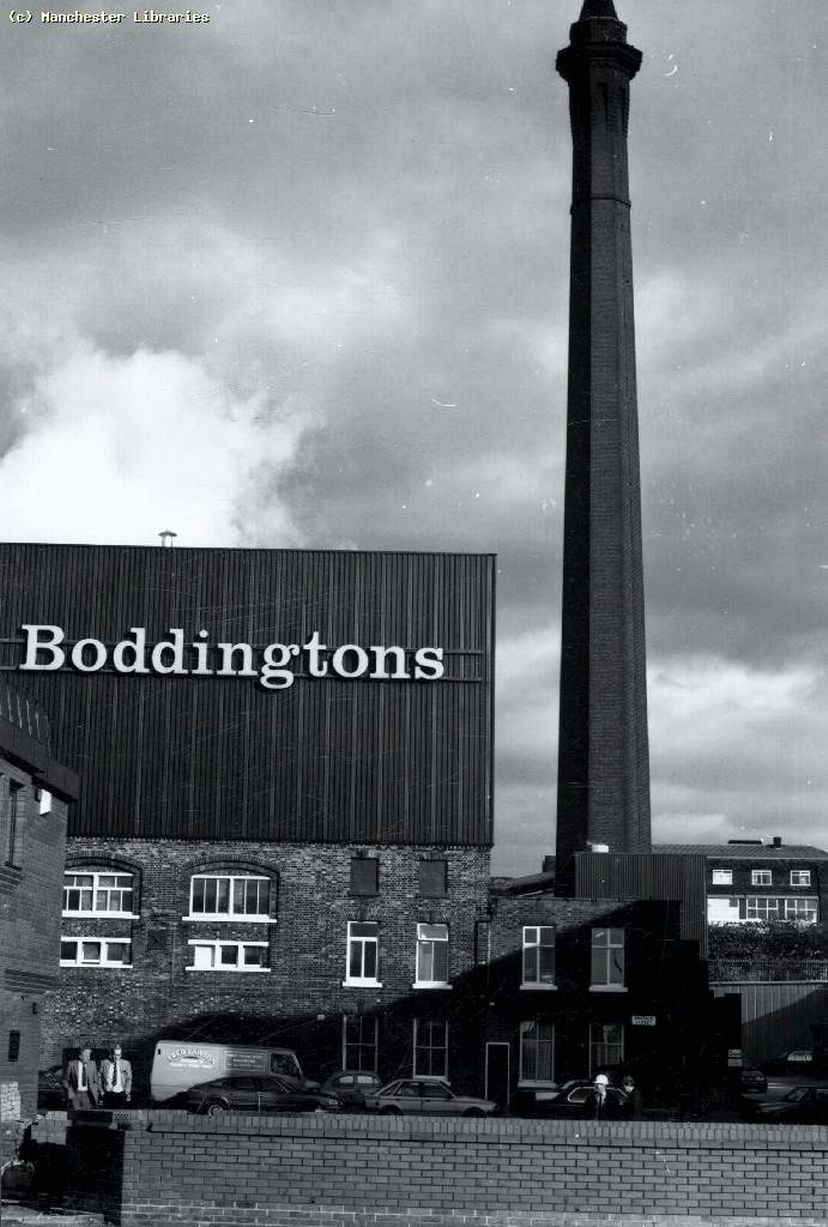
Today is the birthday of Henry Boddington (December 18, 1813-August 19, 1886). After joining the Strangeways Brewery in Manchester as a salesman in 1832, Boddington became a partner sixteen years later, in 1848, but in 1853, he bought out the partners and became the sole owner, renaming it Boddington’s.

henry_boddington
Here’s a short biography of Boddington:

Although Boddington’s ale is associated with Manchester, his family were originally from Middle Barton in Oxfordshire.

He was born in Thame in 1813, where his father was the miller. Times were hard in agriculture and the corn-milling business suffered.

The family decided to escape the poverty of rural Oxfordshire for the booming Manchester of the industrial revolution.

Henry began as a salesman for a brewery, and through a wise marriage he gained a foothold in the Strangeways brewery, which he went on to control. Under his leadership it became one of the biggest brewers in the north of England.

boddingtons-1

This biography of Boddington is from the “Oxford Dictionary of National Biography,” written by R. G. Wilson:

Henry Boddington was born in a mill cottage at Thame where his father, John Boddington, was the miller. He also acted as parish overseer, surveyor of the roads and master of the workhouse where the family lived from 1826. Young Henry was educated at a dame school in the town and assisted his father in various ways, notably with compiling the 1831 census returns for Thame. Henry’s older brother John went north to find his fortune, becoming a clerk at the Strangeways brewery of Hole, Potter and Harrison in Manchester in 1831 and the rest of the family followed in the hope of better prospects.

Henry became a commercial traveller for the brewery, progressed in the business and in 1847 became a partner on the departure of Hole. By 1852 he had become sole proprietor, his success assisted by his marriage to Martha Slater, daughter of a Salford dyer and banker. In the next two decades Strangeways’ output made it a major northern brewery with an empire later extending as far as Birmingham and Burton-on-Trent.

His marriage to Martha produced eight children and his second wife, Eliza Nanson, bore him four more. He retired to Silverdale near Carnforth where he died in 1886. His sons carried on the business, all prosperous and influential public figures in Manchester life. Henry Slater Boddington (1849–1925), for instance, was a director of the Manchester Ship Canal.

Boddingtons remained a family company until 1989 when it was sold to Whitbread and is now part of the Anheuser-Busch Inbev conglomerate, the leading global brewer.

Boddys

This is Wikipedia’s history of Boddington’s with the part concerning him:

Strangeways Brewery was founded in 1778 by two grain merchants, Thomas Caister and Thomas Fry, just north of what is now Manchester city centre. Their principal customers were the cotton workers of Manchester, then a burgeoning mill town. Henry Boddington, born in 1813 in Thame, Oxfordshire, joined the brewery in 1832 as a travelling salesman when the brewery was in the possession of Hole, Potter and Harrison. Like most Manchester breweries at the time, it was a modestly sized operation. Boddington had become a partner by 1848, alongside John and James Harrison, and by this time the company went under the name John Harrison & Co. In January 1853, Boddington borrowed money to become its sole owner. Between Boddington’s takeover until 1877, the brewery’s output increased tenfold from 10,000 to 100,000 barrels a year, making it not only Manchester’s largest brewery but one of the largest in the North of England, with over 100 tied houses. By 1883 Henry Boddington & Co. was a limited liability company. Henry Boddington’s estate was valued at almost £150,000 when he died in 1886.

boddingtons-3

And here’s a longer history of the Boddington’s brewery, by Barry McQueen, town crier of Blackpool:

Encouraged by the growth of industrial Manchester, Thomas Caister and Thomas Fray established Strangeways brewery in 1778 on a site just past New Bridge Street to the north of the River Irk.
In 1813, Henry Boddington was born. At the age of 19, he became a traveller for the brewery, and was further promoted within the company, until he was made a partner by John Harrison, the then owner in 1847.

In 1853 Henry became the sole owner of Strangeways brewery, boosting production to 16,731 barrels a year. By 1872 the brewery produced 50,000 barrels a year, a figure which had doubled by 1877.

In 1877, a serious fire badly damaged the Strangeways brewery, which by this time had become the largest beer producer in Manchester. Henry Boddington introduced his son (also called Henry) to the management and thus Henry Boddington & Sons was born.

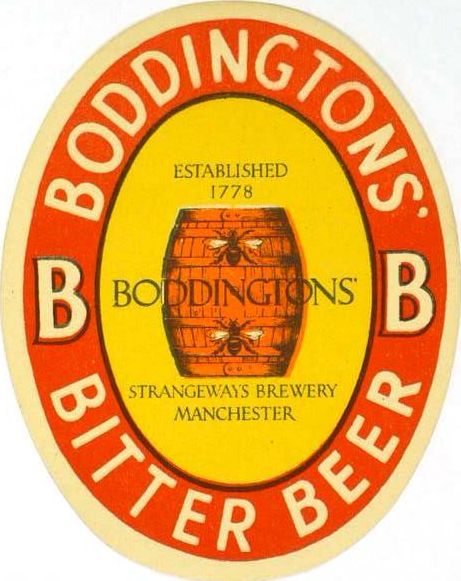
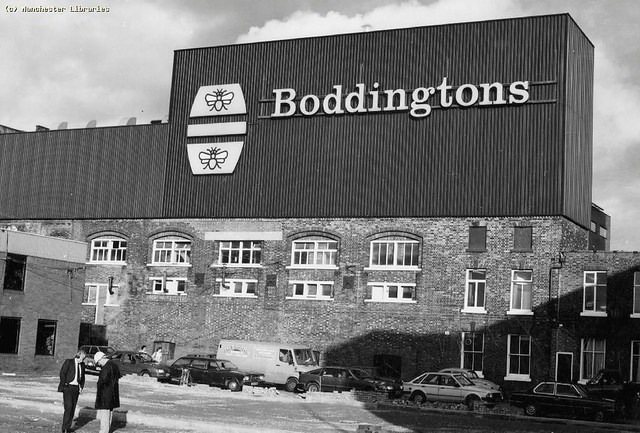
Following the death of Henry Boddington Snr. in 1886, the company become public limited with the name ‘Boddingtons Breweries Ltd.’, and in 1900 introduced the famous two bees and a barrel logo which is still used today. The logo was adopted from Manchester’s coats of arms with the two bees representing the two B’s of Boddingtons Breweries.

In 1908 Robert Slater Boddington became chairman, before his death in 1930 passed ownership to his sons, Geoffrey and Philip.

World War I followed, and on the night of December 22, 1940, German bombs destroyed Strangeways brewery, prompting the brothers to rebuild it bigger and better than ever.

Boddington_Bitter_Beer_1957

After Philip’s death in 1952, Geoffrey continued as chairman of Boddingtons Breweries until his retirement in 1970 when he is replaced by Ewart Boddington. After his retirement in 1980, Erwant is replaced by Denis Cassidy, the first time the brewery had not been ran by a member of the Boddingtons family since 1853.

In October 1989 the brewing interests of Boddingtons were sold to Whitbread for £50.7 million, although the pub division was kept by the Boddington group. The move took Boddingtons from being a household name in Manchester with a production of 200,000 barrels a year and turned it into a Worldwide favourite with production in excess of 750,000 barrels, all at its Manchester Strangeways brewery!

In 1994, Boddingtons were the first brewers to introduce canned beer with a Draughtflow dispense system, which prompted the launch of Boddingtons Export in 1995 and Boddingtons Manchester Gold in 1996.

Sales of Boddies are at an all time high, so much so that over 90% of Strangeways’ production is now spent brewing the ale. As a result, Whitbread transferred brewing of Oldham Best bitter to its Burtonwood brewery in Warrington.

boddingtons-2

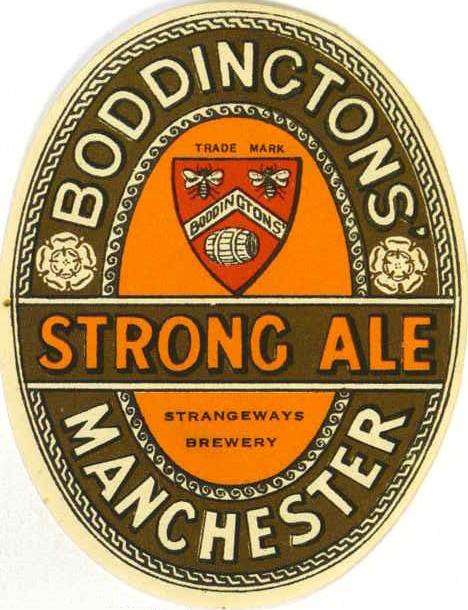
Boddington_Strong_Ale_1941

Filed Under: Birthdays, Breweries, Just For Fun Tagged With: England, Great Britain, History

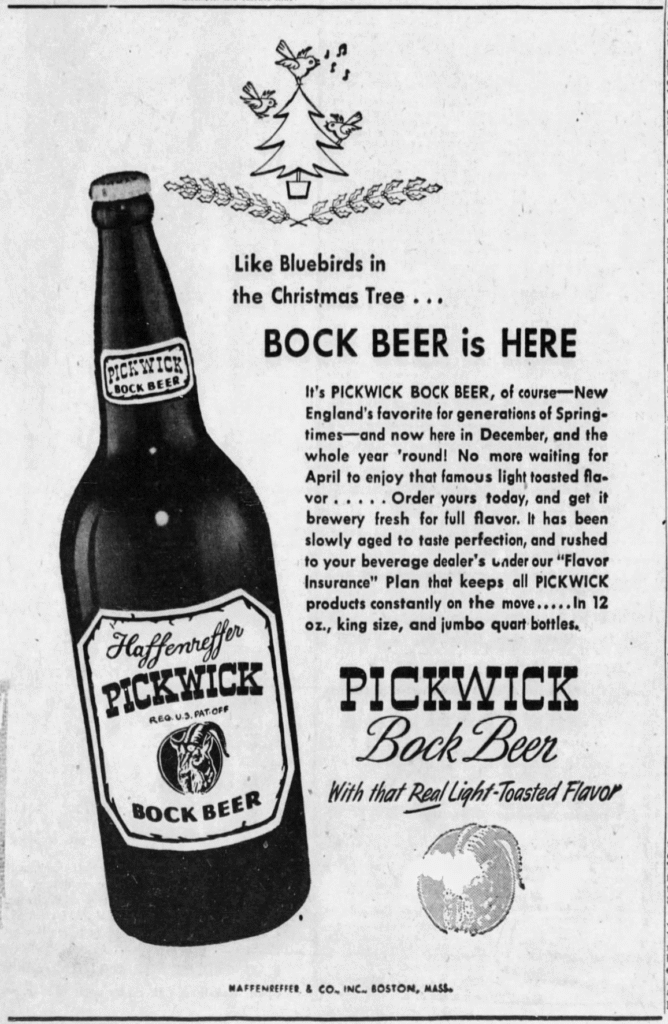
Beer In Ads #5143: Like Bluebirds In The Christmas Tree Bock … Beer Is Here

December 17, 2025 By Jay Brooks

Last year I decided to concentrate on Bock ads for awhile. Bock, of course, may have originated in Germany, in the town of Einbeck. Because many 19th century American breweries were founded by German immigrants, they offered a bock at certain times of the year, be it Spring, Easter, Lent, Christmas, or what have you. In a sense they were some of the first seasonal beers. “The style was later adopted in Bavaria by Munich brewers in the 17th century. Due to their Bavarian accent, citizens of Munich pronounced ‘Einbeck’ as ‘ein Bock’ (a billy goat), and thus the beer became known as ‘Bock.’ A goat often appears on bottle labels.” And presumably because they were special releases, many breweries went all out promoting them with beautiful artwork on posters and other advertising.
Wednesday’s ad is for Pickwick Bock Beer, which was published on December 17, 1953. The brewery was the Haffenreffer Brewery of Boston, Massachusetts, which was originally founded in 1870. It was located in the Jamaica Plain area of Boston, and today the site of the brewery is where the Boston Beer Co. operates one of its breweries. This ad ran in The Boston Globe of Boston, Massachusetts.

Filed Under: Art & Beer, Beers, Breweries, Just For Fun Tagged With: Advertising, Bock, History, Massachusetts

Historic Beer Birthday: Thomas Cooper

December 17, 2025 By Jay Brooks

coopers
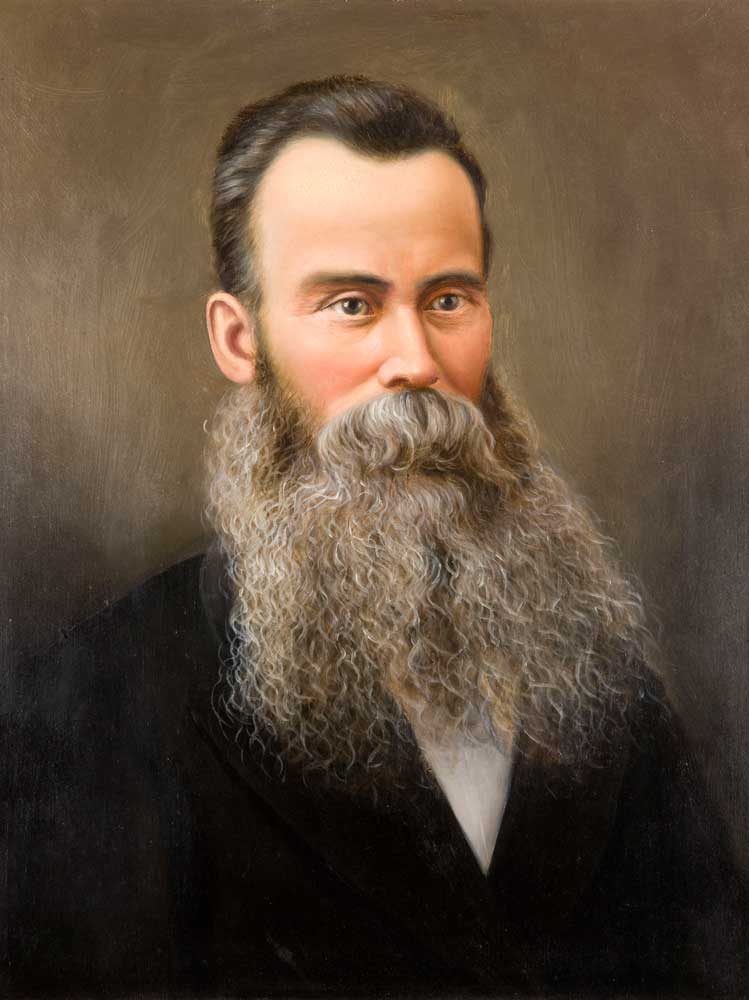
Today is the birthday of Thomas Cooper (December 17, 1826-December 30, 1897). He was born in England, but moved to Australia when he was 26. He initially worked a variety of jobs, but in 1862 founded the brewery known today as Coopers Brewery “at his home in the Adelaide suburb of Norwood. He brewed his first recorded batch on 13 May 1862.”

Thomas_Cooper

This biography of Cooper is from the Cooper Brewery Wikipedia page:

[He] was born in Carleton, North Yorkshire, the youngest of 12 children of Christopher and Sarah (née Booth). His parents died when he was young (Sarah in 1830 and Christopher in 1832), and he was raised by his sister Ann. Thomas was apprenticed to a shoe-maker, and by the late 1840s, six of the seven living children had moved to Skipton. John, a shuttlemaker, lived in Bradford; Jane and Mary married; Ann was a housekeeper; Elizabeth and Martha were domestic servants.

In 1849 he married Ann Laycock Brown (1827–1872) in the Wesleyan Chapel in Skipton. Their first child, William (1850–1882), was born in 1850, and Sarah Ann (1851–1852) in 1851. In 1852, Thomas, the pregnant Ann, and their two children emigrated to South Australia, setting sail from Plymouth on the SS Omega on 29 May 1852. During the 86-day voyage, Sarah Ann was one of the six children who died, but their third child was born as they rounded the Cape of Good Hope, and was named Sarah Ann (1852–1854) in memory of her sister. The family arrived in Port Adelaide on 24 August 1852. Their first home was a rented two-room cottage near the Rising Sun Inn on Bridge Street in the then village of Kensington, about three miles east of the city. In the ten years before he commenced brewing in Norwood, Thomas worked initially as a shoemaker, then as a mason, and then as a dairyman, while Ann bore four more children: Mary Ann (1855–1856); John Thomas (1857–1935); Christopher (1859–1910); and Annie Elizabeth (1861–1921). In 1856 he purchased land in George Street, Norwood, and using his new skills as a mason, built a house which he described to his brother as having “6 rooms & Cellar & Passage” and 12 ft ceilings “on acct of Sumr heat”. In the same letter, and many others, he urged his brother and family to join him in South Australia, but this never eventuated.
On 13 May 1862, Thomas brewed his first recorded batch. He did all the work himself (purchasing, calling for orders, brewing, washing, filling, corking and wiring the bottles, delivering the finished product), possibly with the help of then 12-year-old son William, while continuing to attend the cows, run the dairy, and do the daily milk deliveries. Being unlicensed, in early June he sought “professional advice on the sale of beer” from a solicitor, which his ledger records as having cost 7s 6d. Towards the end of 1862 Thomas realised that to make a living as a brewer, he would need to increase his brewing capacity, so he mortgaged his property to Frederick Scarfe, the Mayor of Norwood, a butcher, and a customer of Thomas’s ale, for £300, and built a new brewhouse. In January 1863 he sold his cows and the milk delivery run. Although with half-a-dozen breweries in Adelaide, there was a lot of competition, Thomas’s ale was unique in that he used no sugar, “consequently, ours being pure, the Doctors recommend it to their patients”. Although one of the smaller South Australian brewers, Thomas gained a reputation for quality. By 1867 he had over 120 customers, some quite notable (e.g. Samuel Davenport, John Barton Hack, George Hawker, Dr Penfold and the Lord Bishop of Adelaide, but he did not supply public houses, “apparently because it was against his principles”.

Ann bore four more children before dying suddenly in 1872: Joseph Brown (1863–1888); Jane Amelia (1865–1943); Margaret Alice (1868–1869) and Samuel (1871–1921). She was survived by all five of her sons, and two of her six daughters.

Thomas remarried in 1874, and Sarah Louisa Perry bore eight children: Stanley Reasey (1875–1938); Thomas Perry (1876–1876); Francis Scowby (1877–1878) Frederic (1878–1952); Edward Booth (1880–1881); Charles Edward (1881–1936); Lily Louise (1881–1893); and Walter Astley (1882–1909).

When he died in 1897, Thomas was survived by his wife, and nine of his nineteen children – seven of his sons, and two of his daughters.

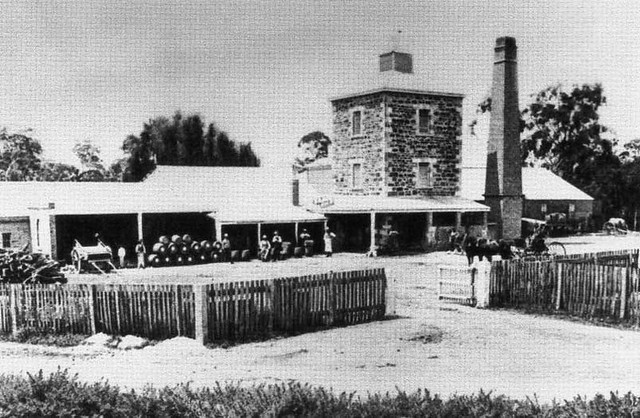
breweryandthomascoopershouse

This story is of Coopers’ beginnings is from the brewery website:

When Thomas Cooper used an old family recipe to brew his first batch of ale back in 1862, it would be fair to describe him as a novice craft brewer. Apparently he’d only intended it to be a tonic for his sick wife, but the resulting ale was so flavoursome that friends and neighbours soon came to appreciate it for more than just its ‘restorative’ properties. As demand for his naturally conditioned ales grew throughout the fledgling colony of South Australia, Thomas Cooper’s growing passion for brewing soon became his profession.

Before Thomas passed away, he handed over the reigns of the brewery to four of his sons, and so began a proud family tradition that has continued in an unbroken chain of six generations, for more than 150 years. While we’re still using Thomas Cooper’s original recipe, successive generations of Coopers have made improvements along the way.

The fusion of traditional Coopers brewing methods with cutting edge production technology has helped us grow our capacity and deliver consistent brew quality and flavour. As a result, we now have the ability to produce our naturally conditioned ales and stouts for a global audience, with absolute confidence that whenever one of our signature beers is poured, the drinker will enjoy a quality Coopers brew. This marriage of century-old brewing techniques and modern innovation is what makes Coopers unique in Australia’s brewing landscape.

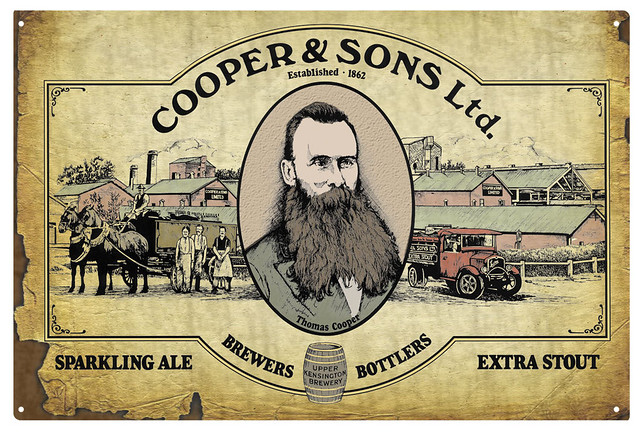
Metal-Sign-Thomas-Cooper

This more modern history is by Martin Wooster, which was part of a longer travel piece he did for All About Beer in 2000 about Australian breweries, entitled “In the Shadows of Giants:”

The brewery that has done the most to provide Australians with choice and diversity is Coopers of Adelaide. But even when given clear directions, it’s a hard brewery to find. It’s quietly nestled in the shady Adelaide suburb of Leabrook, hidden beneath towering jacaranda and lilly pilly trees. For a brewery that’s been making beer on its site for over 100 years, it’s an amazingly quiet place.

The Coopers story begins in 1862, when Thomas Cooper, a British emigrant, decided to make some ale to help his ailing wife Ann deal with a fever. Ann Cooper came from a brewing family, and Thomas Cooper used her recipe. In south Australia’s relatively hot climate, Cooper had to adapt the British recipe, making his ale bottle conditioned to last longer and adding sugar to spark the secondary fermentation. The result was a style known as “sparkling ale.”

Cooper then followed with Coopers Extra Stout. Like the ale, the stout is bottle conditioned and can age for a long time. The Lord Nelson Hotel in Sydney serves five-year-old Coopers Extra Stout⎯when it mellows and develops port-like notes.

Thomas and Ann Cooper had 10 children; when she died in 1874, Thomas Cooper married Sarah Perry and had 10 more children. Eleven of these children survived into adulthood, ensuring that there were lots of Coopers to continue the family name. Coopers is the only Australian brewery controlled by descendants of its founder. “We wouldn’t want to be the generation that sold the brewery,” says marketing director Glenn Cooper.

Like most family-owned breweries, Coopers has gone through hard times. Coopers refused to adapt to changing times; it did not make lager until 1968, and until 1982, secondary fermentation for its ale and stout still took place in giant wooden casks called “puncheons.” While many younger drinkers thought that the cloudy beers were something only grandpa drank, Coopers stubbornly stuck to its traditional ways. The result was that, even when Australian beer was at its blandest, consumers knew that a good beer didn’t have to be a lager.

Coopers paved the way for us,” said Blair Hayden, managing director of the Lord Nelson Hotel, Sydney’s only brewpub. “It showed Australians that there was something else to drink besides lagers.”

What saved Coopers was homebrewers. Homebrewing was legalized in Australia in 1973, and Coopers at first sold sacks of wort that could be fermented with the addition of yeast. But customers found the sacks cumbersome, so in 1977 Coopers was the first brewery to market malt extracts for homebrewers. Coopers engineers also built the canning equipment needed to mass produce the extracts, and created a special lid to ensure that the Coopers yeast packets were securely fastened to the cans.

According to Glenn Cooper, Coopers currently has 35 percent of the world market for homebrew kits and 80 percent of the Australian market. Sales, he says, are largest in countries with high beer taxes, such as Canada and the Scandinavian nations.
In the 1990s, Coopers has diversified into many other areas. In the early 1990s, it began to enter the honey business through its Leabrook Farms subsidiary. Why honey? “Like malt extract, it’s a heavy, viscous substance,” Glenn Cooper said. Another Coopers division makes gourmet vinegars.

The core of Coopers business remains its beers. Under the leadership of head of brewing operations Tim Cooper (who abandoned a career as a cardiologist to work in the family brewery), Coopers now has 10 beers, adding several filtered beers and a dark ale to its portfolio. In 1998, the company released Extra Strong Vintage Ale, the first vintage-dated beer ever issued in Australia. Production of the ale, which is designed to age for up to 18 months, is limited to 25,000 cases, for sale only in Australia.

Production, Glenn Cooper says, is increasing by 18 percent a year. And Coopers beers are becoming more available in America. They are available in most Outback Steakhouses, and, repackaged under the Old Australia label, are also sold in most Trader Joe’s stores.

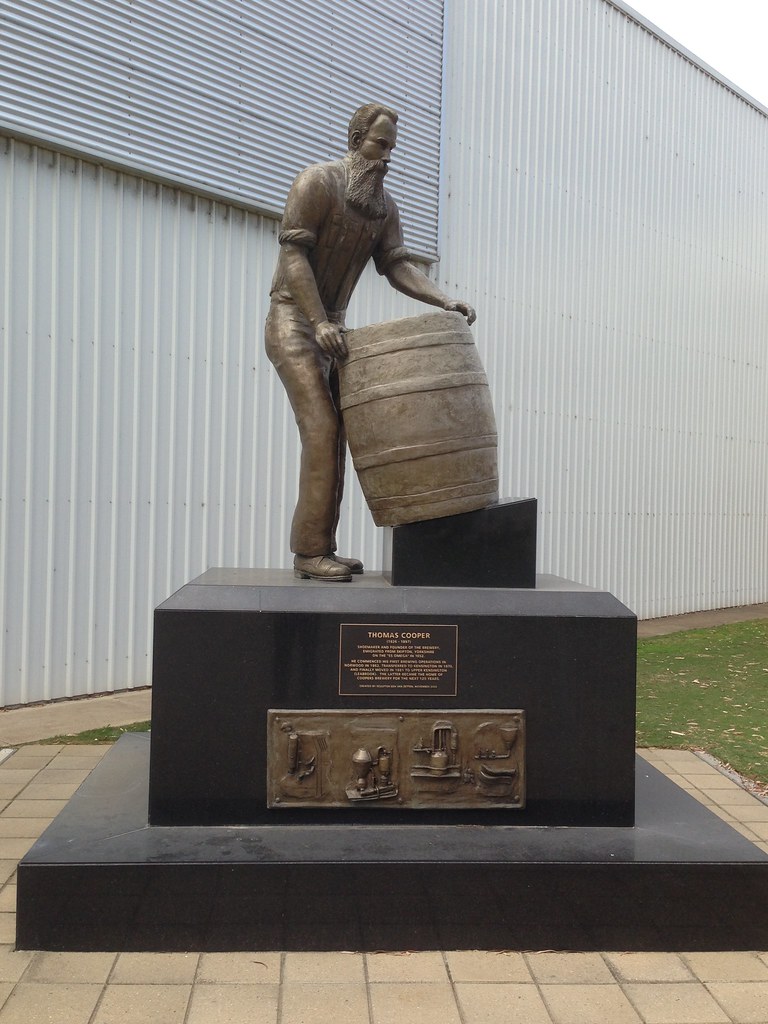
thomas-cooper-statue-adelaide
This statue of Thomas Cooper is at the side of the Coopers Brewery today.

Filed Under: Birthdays, Breweries, Just For Fun Tagged With: Australia, England, History

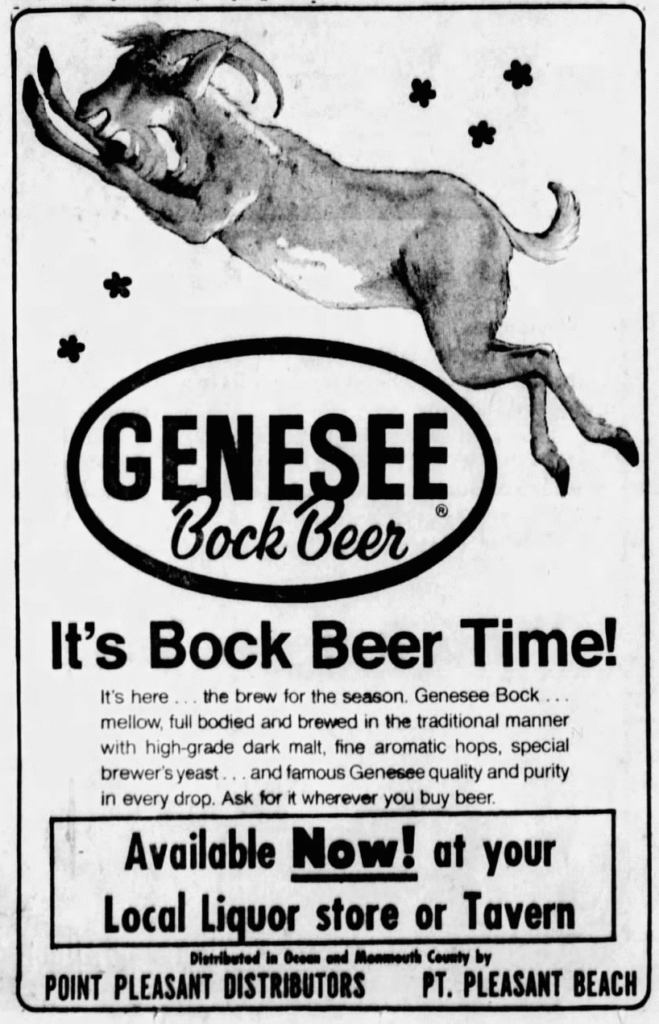
Beer In Ads #5142: It’s Bock Beer Time!

December 16, 2025 By Jay Brooks

Last year I decided to concentrate on Bock ads for awhile. Bock, of course, may have originated in Germany, in the town of Einbeck. Because many 19th century American breweries were founded by German immigrants, they offered a bock at certain times of the year, be it Spring, Easter, Lent, Christmas, or what have you. In a sense they were some of the first seasonal beers. “The style was later adopted in Bavaria by Munich brewers in the 17th century. Due to their Bavarian accent, citizens of Munich pronounced ‘Einbeck’ as ‘ein Bock’ (a billy goat), and thus the beer became known as ‘Bock.’ A goat often appears on bottle labels.” And presumably because they were special releases, many breweries went all out promoting them with beautiful artwork on posters and other advertising.

Tuesday’s ad is for Genesee Bock Beer, which was published on December 16, 1977. This ad was for Genesee Brewing Co. of Rochester, New York, which was originally founded in 1878. This ad ran in The Asbury Park Press of Asbury Park, New Jersey.

Filed Under: Art & Beer, Beers, Breweries, Just For Fun Tagged With: Advertising, Bock, History, New Jersey, New York

« Previous Page
Next Page »

Find Something

Northern California Breweries

Please consider purchasing my latest book, California Breweries North, available from Amazon, or ask for it at your local bookstore.

Recent Comments

  • Bob Paolino on Beer Birthday: Grant Johnston
  • Gambrinus on Historic Beer Birthday: A.J. Houghton
  • Ernie Dewing on Historic Beer Birthday: Charles William Bergner 
  • Steve 'Pudgy' De Rose on Historic Beer Birthday: Jacob Schmidt
  • Jay Brooks on Beer Birthday: Bill Owens

Recent Posts

  • Beer Birthday: Paul Segura March 16, 2026
  • Beer Birthday: Steve Hindy March 16, 2026
  • Beer In Ads #5166: Hey! It’s Bock Beer Day To-Morrow! March 16, 2026
  • Märzen Madness 2026 March 16, 2026
  • Historic Beer Birthday: William Peter Sr. March 16, 2026

BBB Archives

Feedback

Head Quarter
This site is hosted and maintained by H25Q.dev. Any questions or comments for the webmaster can be directed here.