Brookston Beer Bulletin

Jay R. Brooks on Beer

  • Home
  • About
  • Editorial
  • Birthdays
  • Art & Beer

Socialize

  • Dribbble
  • Email
  • Facebook
  • Flickr
  • GitHub
  • Instagram
  • LinkedIn
  • Pinterest
  • RSS
  • Twitter
  • YouTube

Powered by Genesis

Batman On Drinking Circa 1966

August 17, 2009 By Jay Brooks

batman
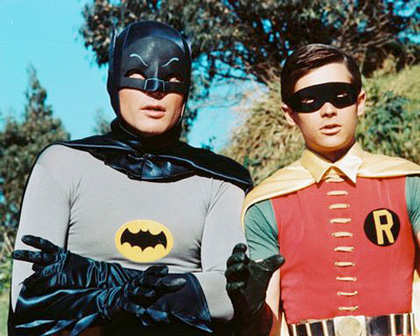
Sunday afternoon I turned on the television determined to find something new that I could watch with the kids. Left to their own devices my kids would watch the same cartoons over and over and over again. Even good ones (we had been watching The Tick and the old Fleischer Superman series) grow old very quickly on endlessly repeated viewings. As luck would have it, we caught the very beginning of the 1966 film Batman, based on the popular Batman television series starring Adam West and Burt Ward. It ran for three seasons from 1966-68 and, needless to say, I was a fan. I was seven the year it began, the same age as my son Porter is now, and it quickly became my favorite TV show.

So I thought this would be perfect for the kids to watch with me, and in truth it was. Porter was particularly thrilled with the ham-fisted acting, the ludicrous plot and the oh-so cheesy special effects. It was fun watching it again through his eyes. But as I’d not seen it in quite some time, it was an interesting time capsule of the Sixties. The way they watered-down Batman as a do-gooder not only authorized by the City of Gotham, but embraced by both the establishment and the citizens seemed almost quaint given the dark vigilante themes explored in later versions of the Batman legend. The characters could not have been more square, establishment and unintentionally funny. In the midst of Vietnam, social unrest and political upheaval, television was escapist fare in way I don’t think it’s managed since that time. But despite adopting the bright, garish technicolors of the younger generation, everything about the show was correct and proper, reflecting not the growing baby boomer sentiments, but the established morals and mores of the generation before that, my parents generation, who were born before World War II. In fact, the way they portrayed young people on the show as hippies, beatniks and other unsavory stereotypes was downright hostile and seems almost laughable were it not such an unsubtle attack on them.

As a first-grader in 1966, I noticed none of this, of course, but undoubtedly this was the reason my parents let me watch the show at all, since it was devoid of any message they didn’t approve of and in fact probably more matched their own moral compass. But all of that is my long-winded set up to a scene in the film which surprised the hell out of me yesterday, though upon reflection it really shouldn’t have.
batman-and-robin

Batman and Robin were down at the docks, the place where nefarious types always congregate, and Batman had climbed in a window in some shady building that housed a bar only to discover a bomb. And not just any bomb, but one of those round, black cartoon bombs with a fuse sticking out of the top that burns nearly forever. For several minutes Batman runs around holding the bomb out in front of him looking for a safe place to dispose of it, only to be thwarted at every turn. It’s hilarious, really; every place he runs he finds a baby stroller, a group of nuns, boy scouts, or something along those lines. I can only imagine the brainstorming session that yielded that scene. Eventually, he finds a safe place, and throws the bomb into the water. Robin catches up with him and they discuss what just happened and Batman’s unwillingness to let innocent people die. And in that exchange, Batman sums up what I imagine was the prevailing way that people at that time regarded people who drink too much.

Robin: You risked your life to save that riff-raff at the bar?

Batman: They may be drinkers, Robin, but they’re also human beings … and may be salvaged. I had to do it.

The way he says “human beings,” he practically chokes on the words, like he’s hard pressed to actually believe they could be human, but still knows he should believe it because it makes him a better person. But it’s not even their humanity that saves them, but instead the fact that they may have the potential to change their wicked ways, to “be salvaged.” That Robin seemed surprised that the “riff-raff” bar folk might be worth saving, I think, says quite a lot. Holy propaganda, Batman!

Wow, to be someone who patronized a bar circa 1966 was to be the lowest of the low, only barely redeemable, a belief many neo-prohibitionists still appear to believe. At least most rational people no longer adhere to such nonsense. Happily, bars have changed, people have changed, and the beer they serve in them has, too. In fact, even Batman has changed. I’d bet even he’d drink a nice craft beer when he’s in his alter-ego guise as Billionaire Bruce Wayne. Thank goodness the Sixties are over.

Filed Under: Editorial, Just For Fun Tagged With: drinking attitudes

Asheron’s Call Brewing

August 16, 2009 By Jay Brooks

dice-2
Now don’t get me wrong. I am a geek of many stripes. So I mean no disrespect to my (possibly) geekier brethren who play online games in MMORPGs (which stands for Massively Multiplayer Online Role-Playing Games), the most popular of which are probably World of Warcraft, Second Life, Civilization IV and Runescape, to name but a few of the literally hundreds of them. I confess I’m no stranger to D&D, but it’s been nearly 30 years since I picked up an 8-sided die. When such games went online, they left me behind. It wasn’t that they weren’t without interest, but I recognized that I needed another time suck like a hole in the head, and simply stayed away. These online worlds have since increased exponentially in terms of detail, sophistication and complexity.

Asheron's_Call

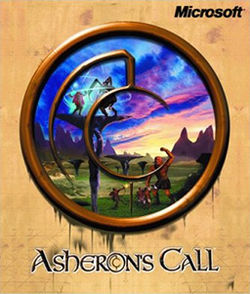
Which brings me to Asheron’s Call, a ten-year old MMORPG. Originally created by Microsoft, since 2004 it’s been maintained and expanded by Turbine that takes place in the land of Dereth and its surrounding islands. In addition to the “official” game site, there are several fansites that add additional dimensions to the game. One of these is called Asheron’s Call Vault. Like all of these games, your character (or Avatar) needs some kind of nourishment to survive so there’s food you can find or make to eat. But Asheron’s Call added another way to nourish yourself: brewing beer. Here’s an overview:

Serious Beer Drinking
(Brews that can make you stronger)

Break out the beer mugs, open up the pubs 24 hours a day, and get ready to drink some brew that can make you smarter, healthier, more coordinated, or more focused!

Up until the invention of these brews, tinker characters relied on those brave Olthoi Queen slayers, to bring them back eggs to bake up tasty treats that increased their attributes. The downsides to these were that first, the eggs were not terribly abundant, they were heavy, and the resulting effects only lasted 15 minutes. There did not seem to be recipes for all attributes, either.

Then an intrepid hunter found some Tusker Spit one day, and brought it to his cook, who went to Sanamar to shop for goods, and happened upon some wonderful recipes for brewing! Some time later, Moarsmuck was discovered, and cooks had additional recipes at their disposal.

The advantages to these brews over Olthoi Food is obvious. They are longer lasting, which means hunters can take them into the field and use them while hunting. The core ingredients of Tusker Spit and Moarsmuck are far easier to come by, and more abundant than Olthoi Eggs, so one needn’t save the brew for “Special Occasions”.

So, whether you prefer the hearty tangy bite of the saliva from a Tusker, or the more mellow, slightly slimy taste of the Moarsman’s remains, below you will find recipes for all six of the wonderful brews that you can take along with you on a daily basis, and shower on your favorite tinker character without reservation.

To brew beer, you need to go on a Quest for the Brewmaster’s Bible, pieces of which are hidden in four separate places. Once you acquire the Brewmaster’s Bible, you can learn “the arcane secrets of that most magical craft known to all Isparian-kind as Brewing!”

Here’s an excerpt from the beginning of the bible:

There are four main ingredients in any good brew: barley, yeast, hops, and water. The color of your barley controls the color of your brew. Amber barley nets you an amber brew, dark barley gets you a nice stout, and plain barley will give you a clear lager.

Yeast is used to ferment your beer. The higher the quality of the yeast the better. Dried yeast tends to get you a much higher quality brew than liquid yeast.

As for hops, the greener the better! Hops provide that bitter taste that makes beer so deliciously delicious. But some beers can be too bitter – bordering on undrinkable (though no beer is truly undrinkable, truth be told). These beers are usually crafted from yellowish, nasty hops. Discerning beer drinkers prize only those beers made from the greenest of hops.

And the final ingredient – the one that ties it all together – is water. Many people ignore the importance that water plays in the brewing process, but those of us who have spent our lives mastering this craft truly understand that without this life-giving liquid, we would have no beer at all!

The basic process for brewing is simple: First you fill your Brew Kettle with Water. Then you add Barley to create a Wort. Once that is done, you add Hops to finish your Wort. Once the Wort is finished, you add your Yeast. At this point, you have a Fermented Brew.

Now, you can do one of two things with a Fermented Brew. You can keg it or you can add an additive. Kegging a Fermented Brew will get you a nice, tasty beer of which you can be very proud. But the truly spectacular beers obtain their unique flavors from those additives which set them apart from the rest of the pack. On Ispar, I had any number of additives in my possession that allowed me to create those beers which made my family so famous. So far, the harsh climate of these wintry islands has not allowed me to find many additives worthy of the great craft of brewing.

The process itself is nicely complex and reasonably accurate, for a RPG. Here’s a visual overview:

First, get yourself a brew kettle: kettle

Fill it with water (water) + barley (barley) = fullkettle A Full Kettle.

There are even different kinds of barley you can use, including plain, amber and roasted. If you have a baking pan, you can even roast your own barley.

Then add hops (ultra green hops) + yeast (yeast).

And depending on the recipe, you also add something called a “monster component” such as Moarsmuck or Tusker Spit: muck

There appear to be literally dozens, easily more than a hundred, different beers one could brew, such as Amber Ape Brew, Angree’s Angry Ale, Apothecary Zongo’s Stout, Distasteful Dark Wort, Duke Raoul’s Distillation, Glorious Lager or Putrid Tusker Spit Ale. Depending on the kind of beer, it can add to your character’s coordination, endurance, focus, quickness or strength; just like in real life.

These can either be put in a keg (keg) or bottles (bottles) to create the final product = beer (beer).

And that’s just one infinitesimal piece of the world of Asheron’s Call. I have enough trouble keeping up in the real world, but I can’t help but be impressed by the beer in Asheron’s Call. I have to wonder, though, just what does Tusker spit taste like?

Filed Under: Beers, Breweries, Just For Fun Tagged With: Games

A Good Tip: Don’t Lose A Friend To Booze

August 16, 2009 By Jay Brooks

pint
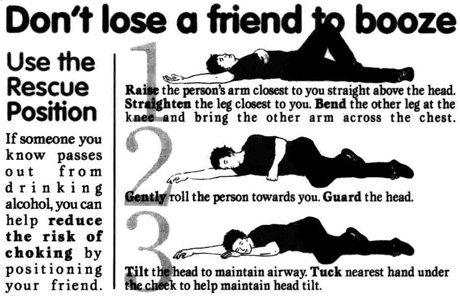
Accompanying a story about the JD Wetherspoons pub chain offering very cheap pints, the chart below offers some sound advice on keeping your over-indulging buddy stay alive. In a sense, it seems to be their commentary on what offering cheap pints will do, making it funny, but it’s also a good tip should you ever encounter someone passed out. It could happen. Now you’ll know what to do.

rescue-position

The original story ran in Bad Idea, a UK magazine which bills itself as “the magazine of journalism, ideas and opinion for intelligent young Britain. Reinvigorating the form of narrative journalism, it’s the new stomping ground for ambitious young British writers, a braggadocious melting pot of tragedy, parties, love, death, cybersex and stretched cricket metaphors.” Which still makes me wonder if they’re serious or have their tongue firmly in their cheek.

Filed Under: Just For Fun Tagged With: Health & Beer, Humor, UK

Short Pour Film Festival

August 16, 2009 By Jay Brooks

short-pour-films
According to the press release, “The “First Ever” short-film festival on the subject of BEER will debut at the Monterey Beer Festival on June 5th, 2010, from 12:30pm to 5pm.” Do you love beer? Have you ever thought about being a filmmaker? Or perhaps you’re already a professional or even amateur filmmaker. If so, here’s your chance to showcase your talent with a short (3 minutes or less) film about beer. The deadline for submissions is May 1, 2010 and the form and rules can be found on the Night That Never Ends website. It’s free to enter your film.

There are four separate categories for you to submit a film under:

  1. Live Action Short Films
  2. Animated Short Films
  3. Music Videos
  4. Commercials

Organizer Jeff Moses expects lots of lighthearted looks at brew, including personal stories about drinking beer with friends or visiting breweries. He also anticipates a few entries by “serious brewers” who’ll reveal the exact steps to making beer. I’m anticipating that Greg Koch will have an entry. Moses says being a bona fide beer connoisseur isn’t necessary for the creative process — just having a “connection” to brew should suffice. He also suggests “filmmakers throw back brewskis after shooting and avoid keg stands so they’re actually able to finish their projects.”
ShortPour-logo

The Short Pour Film Fest will take place on June 5th, 2010, during the Monterey Beer Festival (and is free to festival attendees) at the Monterey Fairgrounds, 2004 Fairgrounds Road, Monterey, California, 93940 and will be free of charge to Monterey Beer Festival attendees.

Short Pour Film Fest honors both individuals who have achieved excellence in short filmmaking and amateur filmmakers. This unique short-film festival showcases film making talent on the subject of BEER.

Films will be shown in the historic ”King City Room”, a 10,000 square foot building at the Monterey Fairgrounds (home to The Monterey Jazz Festival & The Monterey Blues Festival).

Filed Under: Events, Just For Fun, Related Pleasures Tagged With: Announcements, Film, Movies, Press Release

Jewel Pet’s Garnet Drinks Beer

August 15, 2009 By Jay Brooks

rocky
I confess I’d never heard of Jewel Pet before now. As far as I can tell, Jewel Pet is one of those saccharinely sweet Japanese cartoons in the Hello Kitty mold. In fact, it was created by the same company, Sanrio. It’s a cartoon for kids in Japan so far at least 52 episodes have been produced. Here’s one description of the show:

In a magical land, small animals learn magic and are then turned into Jewels to travel to the magic forest. While her classmates are busy being transformed into jewels, Ruby, a rabbit, is off playing. The stork delivering the Jewel pets to the forest is overcome by a gust of wind, and the Jewels spill, falling to Earth. Ruby, who is being punished for going off and playing instead of becoming a Jewel with her classmates, is sent to Earth to retrieve her friends.

One fan, with apparently a lot of time on his or her hands was worried their favorite character, a bunny named Garnet, would lose air time as new Jewel Pets were discovered each episode, but was relieved to find that wasn’t the case.

What’s happened, rather, is that a troika of pets (Ruby, Garnet and Sapphy) has taken over. Each episode, after sharing the limelight with the new Pet of the Week, they pretty much banish it from ever rearing its ugly head in town. I’m relieved!

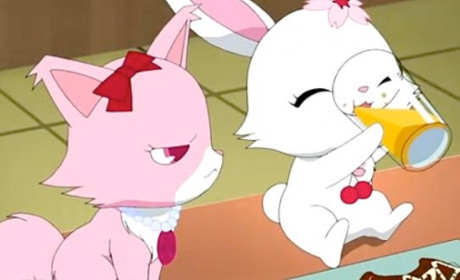
What surprised me about all this is the scene below shows Garnet drinking a beer! Remember this is a show aimed at kids around 8-years old, plus or minus. You have to love the Japanese when they don’t think anything at all about showing beer during a kids show. Apparently nobody screamed about corrupting the young, which almost certainly would have occurred if it had aired here. If you want to watch some episodes in Japanese, there are a few online.

jewel-pet
“That’s beer!! Garnet, stop that bunny!”

Filed Under: Just For Fun Tagged With: Animation, Cartoons, Japan

OBF Parade 2009

July 25, 2009 By Jay Brooks

obf
Here are some of my photos from this year’s Oregon Brewers Festival Parade that marches through Portland to the OBF where a ceremonial keg is tapping, officially opening the festival. This year Portland mayor Sam Adams joined the parade and also tapped the keg. I’m still getting the hang of using Flickr, but here is a slideshow of the parade. Let me know what you think of the new photo format here. You can also the see the photos full screen at the Flickr Slideshow Gallery.

Filed Under: Events, Just For Fun Tagged With: OBF, Photo Gallery, Portland

Mayor Sam Adams Tapping Keg At OBF

July 25, 2009 By Jay Brooks

obf
While there are plenty more photos to share from this year’s Oregon Brewers Festival, I wanted to get out this fun little video I took from the end of the OBF parade on Thursday morning. After marching to the festival, a little ceremony takes place to officially open the festival. First, this year’s brewery host, Full Sail Brewing, hands over the ceremonial keg hammer to next year’s sponsor, who will be Deschutes. The video begins with Gary Fish, owner of Deschutes, accepting the hammer and then handing it over to Portland mayor Sam Adams so that he can tap the keg. Be sure to watch the video at least through to the tapping.


To view it larger, visit the YouTube page.

Filed Under: Events, Just For Fun, News Tagged With: Oregon, Portland, Video

Infinite Beer Can Keychain

July 4, 2009 By Jay Brooks

beer-can-beer
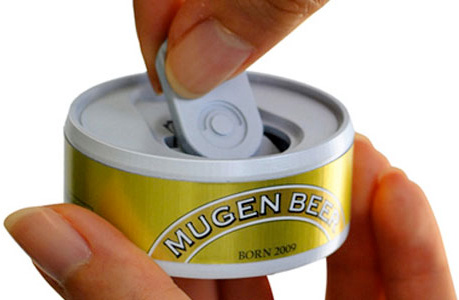
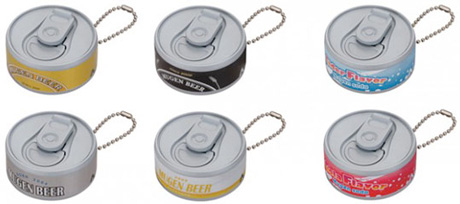
Here’s a fun little item from Japan, albeit a little on the strange side. If you have a Pavlovian response to the sound of a beer can opening, you’re going to love this. It’s called “Mugen Beer,” which means “infinite beer,” presumably because you can open the can over and over again. Pop the cap and you’ll hear one of several sounds like the classic opening crack, pouring, bubbles, drinking sounds and even a “secret sound.”

mugen-1

You can get it in four different color schemes, including yellow, black, grey, white (or red and blue if you prefer a soda can).

mugen-2

You can order your very own online at the Japan Trend Shop, though it is a little pricey at $23 (plus $15 shipping). But can really put a price on that sound?

Filed Under: Just For Fun Tagged With: Cans, Gifts

Beer Tasting Terms

July 1, 2009 By Jay Brooks

pint
My good friend Fal Allen, who’s currently brewing in Singapore (and used to be the GM at Anderson Valley), apparently had a block of time he could devote to thinking about tasting beer. He’s compiled a great list of tasting terms specific to beer. He’s invited people to re-post it so I’m taking him up on it because it’s an interesting topic and worthy of discussion. I’ve also added a couple of additional entries and will continue to add to it if it makes sense.

Here’s Fal’s introduction:

Throughout the later 20th century wine makers have done a fantastic job of convincing people that wine is the complex, sophisticated drink for erudite people with discerning taste – and during that same time period beer marketeers have done just the opposite for their product. It turns out that these marketeers did all of us (brewers and consumers alike) a great disservice. Many people really believe that beer is just a one dimensional pedestrian beverage, suitable only for chugging on a hot day at the beach — well — a big part of my job is to change their minds about that.

Beer can be many things; from thirst quenching, sprightly and light to complex, full and contemplative – and everything between. Today in America (of all places) there is more diversity in beer and more breweries making beers than any other country. From traditional style from around the globe, to experimental style using unusual ingredients, to barrel aged beers that take years to make — beer in all its complexity is blossoming to its full expression. And this passion for a greater beer diversity is spreading around the world.

For all those who are part of this, for all those who want to elevate beer to its proper place, I have gathered together some terms that will help you in your quest. Below is my list of beer tasting terms (those of you familiar with wine terms will recognize some of these terms, but you will also quickly realize that many of these can not be applied to wines. This is because as good as wine may be, wine just does not have the same breadth of flavors and aromas that beer does. Beer has a bigger palate). I hope you enjoy.

So here’s his list, plus a few terms I added, along with a few that other people suggested:

Beer Tasting Terms

Accessible A beer that is easy to drink
Acetaldehyde A green apple aroma or taste. A yeast (or bacteria) by-product. Often a constituent of young beer
Acetic Aroma or flavor similar to vinegar formed by aerobic bacteria producing acetic acid
Acidic A beer with a noticeable sense of acidity. In beer where acid is appropriate the acid should not come from excessive aerobic fermentation (producing acetic acid)
Aftertaste A term for the taste left on the Palate after beer has been swallowed. “Finish” is a synonym.
Aggressive A beer with pronounced or over the top flavors. The opposite of a beer described as “smooth” or “soft”
Alcoholic A beer that has a noticeable or an out of balanced presence of too much alcohol. Often noted as hot or spicy
Almondy Aromas of almonds or Marzipan
Astringent An overly dry or astringent beer or a beer with harsh grainy flavor. Often perceived in the aftertaste
Aroma The smell of a beer. The term bouquet can also be used
Autolytic or Autolysed Aroma of “yeasty” or acacia -like floweriness commonly associated with beers that have been aged on yeast too long. It can also sometimes be described as meaty
Baked A brewer with a high blood alcohol content that has remained so for too long. Often the result of over-consuming their own products.
Balanced A beer that incorporates all its main components in a manner where no one single component stands out. This usually refers to a Hop vs. Malt balance
Banana Aromas like banana or notes of Bazooka Joe Bubble gum – from Isoamyl acetate; a fermentation by-product
Barnyard Used to describe the earthy and sometimes vegetal undertones (often with hints of sweat or urine mixed in). These aromas are most common in spontaneously fermented beers. At low levels some beer drinkers may find this appealing, for others it may offend .At higher levels most people find these notes unpleasing (see Farm Yard)
Big A beer with intense flavor, or that is high in alcohol.
Biscuity A beer descriptor often associated with malt flavor. It is sense of yeasty or bread dough aroma and flavors.
Bite A firm and distinctive perception of hops, tannins, husk or acidity. This can be a positive (as in controlled hop bit) or negative attribute depending on whether the overall perception of the beer is balanced.
Bitter A noticeable flavor of hops, can denote lack of balance (but not always).
Black Currant An aroma or flavor of black currant, raisons or Cassis
Body The sense of feeling in the mouth. The sense of fullness from malt or alcohol in the beer. Some common descriptors are thin, winey, delicate, light, medium, balanced, robust, full, heavy, dense, viscous, overwhelming
Boozy An exaggerated alcohol aroma. Commonly associated with barleywines or other high gravity beers
Bouquet The layers of smells and aromas perceived in a beer.
Bright When describing the visual appearance of the beer, it refers to high clarity, very low levels of suspended solids. Lacking haze
Brussels Lace or Lace When the tracks of liquid that cling to the sides of a glass after the contents have been swirled display a delicate pattern that resembles lace. (see also Legs)
Burnt Having an aroma or flavor of smoke or burnt wood. A negative component that can be caused by excessive temperature during boiling (heating with a gas ring or electrical elements) or from fouled heating surfaces
Buttery A beer with a noticeable yet acceptable level of Diacetyl – giving a rich, creamy mouthfeel & flavors reminiscent of butter. Too much of this flavor is considered a defect. (also see Diacetyl)
Butyric Aromas of rancid butter. Always a flaw
Caramel Aromas or flavors of caramel, browned or burnt sugar, toffee.
Carbonated/Carbonation The amount of carbon dioxide dissolved in the beer (usually between 4.5 and 6 grams per liter). This is what gives beer its effervescence. Some common descriptors are spritzy, sprightly, zesty, prickly, gassy, sharp, round, smooth, creamy, delicate, piquant, champagne-like
Cardboard or Wet Cardboard Having an aroma of wet cardboard (see papery)
Catty Having an aroma of cat urine – always a flaw in beer (similar to skunky)
Chalky having a mouthfeel that is powdery dusty, chalky, or of particulate
Chewy The sense of malt that is tending toward overwhelming on the palate.
Cheesy An aroma of cheese – an element characteristic of aged hops. It is caused by the use of old and improperly stored hops.
Chill Haze A haze formed by protein complexes when the beer is chilled, effects clarity and can effect flavor at higher levels
Chocolaty A term most often used to describe rich brown beers such as Porters and Stouts, it describes the flavors and aromas associated with chocolate or dark malts
Cigar-box A term used to describe aromas of tobacco
Citrus A beer with the aromas and flavor from the citrus family of fruits (grapefruit, orange, lemon, etc), these notes are usually derived from hops .
Clean A beer that is not demonstrating any obvious faults, flaws or unwanted aromas and flavors.
Clear A beer with no visible particulate matter.
Closed A beer that is not very aromatic.
Clovey An aroma associated with German wheat beers that give the perception of cloves spice (Syzygium aromaticum). It is caused by the yeast’s creation of esters and is due to the brewer’s choice of yeast strain.
Cloying A beer with a sticky or sickly sweet character that is not balanced. Often associated with too much malt or not enough hops to balance
Coarse A term for a beer with a rough texture or mouthfeel. Usually applies to the perception of tannins, husk flavors or a harsh bitterness.
Coconut Aroma perception of coconut derived from treatment in American oak in barrel aged beers.
Coffee Having a roasty aroma and or flavor of coffee. Roasty with out being burnt
Color Listed here to reduce entries; a beer’s color can range from light yellow through golden to red , brown, black and even deep inky black.
Compact Opposite of “open”. A beer with a dense perception of flavors and aromas.
Complex A beer that gives a perception of being multi-layered in terms of flavors and aromas.
Cooked A term where the fruity flavors of the beer seem like they have been cooked, baked or stewed.
Cooked Vegetables An unfavorable characteristic in beer. Aromas and flavors of cooked cabbage, parsnip, broccoli or celery. See vegetable below
Corked A tasting term for a beer that has cork taint (only to be found in cork finished beers)
Creamy A term to describe the perception of a smooth, creamy mouthfeel. The perception of creaminess is generally picked up at the sides and back of the throat and through the finish of the beer.
Crisp A pleasing sense of bitterness in the beer.
Crust or Sediment The detritus, generally yeast and protein precipitates, that adhere to the inside (usually bottom) of a aged bottled beer
Definition A beer that is the perfect or original example of the style
Delicate A term that relates to the more subtle notes of a beer – – usually in relation to hops and / or ester aromas, but not always.
Depth A term used to denote a beer with several layers of flavor. An aspect of complexity.
Diacetyl (“D”) A buttery, butterscotch or buttered popcorn flavor or aroma. Acceptable at very low levels (0.1 ppm or less) but considered a fault at higher levels. One of the vicinal diketones (VDK) it is detectable by some people as low as 0.05parts per million. The source can be yeast metabolism or at higher levels may indicate bacterial contamination (esp when coupled with sourness) (also see Buttery)
Dimethyl Sulfide (DMS) A sulfur aroma of cooked corn or rancid cooked cabbage. A yeast or bacteria by-product.
Dirty A beer with off flavors and aromas that most likely resulted from poor hygiene during the fermentation or packaging process
Dry A beer that is lacking the perception of sweetness, especially those beers that finish clean on the palate
Earthy A beer with aromas and flavor reminiscent of earth or soil –such as forest floor or mushrooms.
Edgy A beer with a noticeably level of sharpness that heightens the flavors on the palate.
Elegant A term to describe a beer that possess finesse with subtle flavors that are in balance.
Enteric A term to describe the vinegar-like sourness common to a young lambic.
Estery Aromas of yeast esters from fermentation, often fruity (peach, apple, pear, passion fruit, etc.)
Ethyl Acetate Aromas that are light fruity, pear or solvent-like
Expansive A beer that is considered “big” but still accessible.
Expressive A beer with clearly projects its aromas and flavors.
Farmyard A generally more positive term than “Barnyard” used to describe low levels of the earthy and vegetal undertones of some spontaneously fermented beers. It may develop after maturing in the bottle. (see Barn Yard)
Fat A beer that is full in body and has a sense of viscosity. A beer with too much fat is not balanced and is said to be “flabby” (also see Full)
Finish The sense and perception of the beer after swallowing.
Finesse A very subjective term used to describe a beer of high quality that is well balanced.
Firm A stronger sense of flavor (see tight) .
Flabby Lacking sense of balance, too full or overly thick. The opposite of tight
Flat In relation to carbonated beers flat refers to a beer that has lost its effervescence. In all other beers it denote a beer that is lacking complexity and finesse
Flowery Aromas of fresh flowers often from hops or a combination of hops and yeast esters.
Fresh A beer with a noticeable perception of liveliness
Fruity The high perception of fruit characteristics – including but not limited to pineapple, apricot, banana, peach, pear, apple, mango, prickly pear, nectarine, raisins, currant, plum, dates, prunes, figs, blackberry, blueberry, strawberry
Full or Full Bodied A term usually used in context of beer with heavy weight or body. It can also refer to a beer that is full in flavor as well
Gassy over carbonated with excessive dissolved carbon dioxide (CO2)
Goaty Having the musky aroma of a goat.
Grainy Aromas or flavors of raw grain or cereals, usually a negative descriptor
Grapefruit Aromas of grapefruit and citrus. Hop derived
Grapey A beer with the aromas and flavors reminiscent of fresh grapes
Grassy A term used to describe an herbaceous element in a beer ranging from freshly mown lawn grass to hay, alfalfa, straw or open fields.
Gravity (high or low) The original sugar content of a wort before the yeast ferments it into beer
Green Typically used to describe a beer that is not yet finished maturing in its flavor and aroma profile
Harsh Similar to “coarse” but usually used in a more derogatory fashion to denote a beer that is unbalanced in tannins, husky notes, phenols or acidity.
Hazy Having haze, particulates or cloudiness. Not bright
Head This refers to foam on the top of the beer. The foam head should be thick, dense and tight for most beer styles. Some terms for describing a beers head are; persistent, rocky, fluffy, dissipating, lingering, frothy, tight, dense, smooth
Heavy A beer that is alcoholic and has a big sense of body
Herbaceous The herbal, vegetal aromas and flavors
Hollow A beer lacking the sense of malt or body.
Hoppy Having the character of hops. It can refer to high hop aroma, flavor and bitterness. Hop aromas can range from flowery to fruity, to herbal, but aromas should be clean and fragrant. Hop Flavors have a wide range as well. Bitterness should be clear, clean and sharp
Horsey / Horse Blanket An aroma of mustiness with earthy undertones and often a hint of horse sweat. Usually a by-product of Brettanomyces yeast and is a character of some beers – notably lambic beers.
Hot An overly alcoholic beer.
Husky a flavor of harsh astringent bitterness from grains
Inky A term that may refer to a beer’s dark coloring and opacity – associated with Stout beers
Intense Strong in character, aroma and flavor
Intensity The degree of character or strength of a beer. Some common descriptors are assertive, mild, delicate, refined, balanced, complex, hearty, robust, bold, intense,
Jammy A beer that is rich in fruit flavors
Lean The sense of thinness, somewhat lacking in overall complexity, a kinder term than watery (see watery)
Leathery Having an aroma of leather
Legs The tracks of liquid that cling to the sides of a glass after the contents have been swirled. Often said to be related to the alcohol content of a beer.
Lemony A term referring to the tangy hoppiness of a beer with fruit flavors reminiscent of lemons.
Lightstruck A tasting term for a beer that has had exposure to light causing “skunky” type aroma and flavor.
Linalool The characteristic flowery-peach aroma. Derived form yeast ester production
Liquorice A term used to describe the concentrated flavor from rich sweet beers, some times with hints of wood or Anis.
Luscious Similar to “voluptuous” but more commonly associated with sweet beers that have a rich, concentrated mouthfeel.
Meaty A beer with a yeast bit, also can be described as brothy, cooked meat, meat extract, peptone, yeast broth – often from autolysis of yeast cells
Medicinal Having an aroma of medicine, phenols, plastics or disinfectants. Sometimes referred to as “band-aid” aroma
Mellon having an aroma of ripe melons
Mellow A beer with a soft round texture that is nearing or at the peak of its maturity having had any hard edges rounded out.
Mercaptan Aromas of mercaptans, rotting garlic, dirty drains, fecal, or an outhouse stench. Uncommon in beer and always a flaw.
Metalic Aroma or flavors of metal or rust, especially that of iron
Midpalate A tasting term for the feel and taste of a beer when held in the mouth.
Minerality A sense of mineral notes in the beer, flavors of slate, rock or minerals. Usually from hard water in the brewing process
Molasses Aromas and flavors of raw sugar cane, molasses, or black treacle, treacley, also sometimes referred to as Cracker Jack flavor. Molasses notes may occur in sorghum-based beers (used for making gluten-free beers).
Moldy Aromas that are Cellar-like, leaf-mold, woodsy notes of decay
Mouthfeel A tasting term used to describe the feel of a beer in the mouth. Some common descriptors are creamy, smooth, silky, velvety, opulent, voluptuous, tingly, warming, viscous, oily, coating, thin, watery
Musky A complex aroma of sweat, sweetness, and earthiness, with light under tones of the sea, sandalwood and hair, but lacking the sharper acidic note of horse blanket
Musty Aromas of mold, mildew or decay. A defect at medium or high levels. (see moldy)
Nose A term for the aroma or bouquet of a beer.
Nutty Flavors and aromas of various types of nuts (Brazil nut, hazelnut, walnut, etc.)
Oaky A beer with a noticeable perception of the effects of oak. This can include the sense of vanilla, butteriness, sweet spice, diacetyl , toasted flavor or woodiness.
Oily A generally full bodied beer with a viscous mouthfeel. Unusual in beers.
Opulent A rich tasting beer with a pleasing texture and mouthfeel that is well balanced.
Over Carbonated An excessive amount of carbon dioxide dissolved in the beer (usually over 6 grams per liter). This will cause a carbonic bite and or excessive fizziness
Overtones The more obvious characteristics, aromas and flavors of beer.
Oxidized A negative term describing a beer that has experienced too much exposure to oxygen giving it the typical “wet cardboard” or papery type aroma and flavor. On occasion in aged beers that has been mildly oxidized, it may not be considered a fault if it exhibit sherry like aromas.
Palate A term used for the feel and flavor of a beer in the mouth.
Papery Having an aroma of paper (see Oxidized)
Peppery A beer with the aromas and flavors reminiscent of the fruit from the pepper family of plants such as peppercorn
Perfumy A generally negative term used to describe an aspect of a beer’s aroma or bouquet that seems artificial or overly flowery.
Phenolic Aromas of plastic, burnt plastic, Bakelite or tar. In low levels it is acceptable in certain beer styles (like German Wheat beers)
Phenylethanol Aromas of a Rose-like nature
Plummy A beer with the fruit flavors of plum, more common in aged and darker beers
Powerful A beer with a high level of alcohol that is not excessively alcoholic.
Raisony A beer with the aromas and flavors reminiscent of dried grapes
Resinous Aromas of resin, cedar wood, pine, pinewood, sprucy, terpenoid, sap
Rich A sense of depth or fullness in the beer that is not excessively sweet.
Robust A full bodied beer
Round A beer that has a good sense of body and balance
Salty Mouth coating and slick feel (uncommon in beer)
Sharp A term normally used to describe the acidity of a beer though it can refer to the degree of bitterness derived from a beer’s hops.
Silky A rich mouthfeel of smoothness
Sherry like A term used to describe a beer that exhibits sherry like oxidized aromas
Skunky Aromas like a skunk, see light struck
Smokey A beer exhibiting the aromas and flavors of the various types of smoke, either from smoked malt or from roasted malts or a toasty smoke derived from oak influences.
Smooth A beer with a pleasing texture. Typically refers to a beer with soft notes and flavors and a creamy texture
Soapy Having the aroma or flavor of soap
Soft A beer that is not overly hoppy or overly carbonated
Sour A tart flavor, often acidic, sometimes puckering. Appropriate in some beer styles (Belgian browns, Lambic beers, etc)
Spicy A beer with aromas and flavors reminiscent of various spices. While this can be a characteristic of the yeast strain, many spicy notes are imparted from hop influences or even the use of spices in the beer. Also may be from high alcohol content
Stale Aromas and flavors of old and oxidized beer, flat and papery, possibly over aged, or over pasteurized
Stalky A woody, green herbaceous note in a beer.
Structure A term used to describe the solid components of a beer’s balance; malt sweetness, yeast notes, hop aroma & flavors, all in relation to the overall balance and body of the beer.
Sulfur Aromas of sulfur– when obvious a defect in all beer styles but at very low levels it can add to fullness
Sulfidic Having aromas of strong sulfur, rotten eggs, or natural gas – a defect in all beer styles
Sulfitic Having noticeable aromas of a burnt-match or burnt rubber – a defect in all beer styles
Supple A beer that is not overly dynamic
Sweet A beer with a noticeable sense of malt sugar. Also usually lacking in hop balance
Tannic A beer with aggressive tannins.
Tart A beer with high levels of acidity. As related to sour beers or possibly an infection in other beer styles.
Texture A term for the mouthfeel of beer on the palate.
Thick A beer that is overly full in palate and mouthfeel
Thin A beer that is lacking body and complexity
Tight A beer that is well put together, properly matured and optimally served.
Toasty Notes from malt character like that of toasted bread. Can also be a sense of the charred or smoky taste from an oaked beer in wood aged beers
Toffee Aromas or flavors of caramel, browned sugar, treacle.
Turbid Cloudy and opaque
Under Attenuated A term for a not fully fermented beer. Having flavors or components of wort or wortiness. (see worty)
Undertone The more subtle nuances, aromas and flavors of beer. Having flavors or components of wort or wortiness. (see worty)
Upfront A beer with very perceivable characteristics and quality that do not require much thought or effort to discover.
Vanilla Characteristic aroma reminiscent of vanilla – often oak induced
Vegetal A beer with aromas and flavor reminiscent of vegetation either cooked or raw. In the case of cooked, as in cooked greens or cooked cabbage, parsnip or celery
Viscous thick in a fluid nature, having excessive heaviness of character in the body or mouthfeel
Vinous An aroma, flavor or texture suggesting wine – usually in higher alcohol beers
Voluptuous A beer with a full body and rich texture.
Warm or Warming A beer with noticeable but balanced alcohol as opposed to a beer with excessive alcohol that maybe described as “hot”.
Watery A beer that is excessively “thin” in body
Woody A collective term used to describe the woodsy aroma of a beer that has been treated with oak or other wood.
Worty Having a taste of wort or unfermented beer, usually disagreeably sweet and lacking complexity
Yeasty Often uses to describe a yeast noticeable aroma – can be also be described as somewhat “biscuity”, bready or of fresh yeast, flavor of heated thiamine (see “biscuity” above)
Young Beer that is not matured (see Green)
Zesty A beer with noticeable active carbonation.

Anything missing? What would you add?

Filed Under: Beers, Just For Fun Tagged With: Tasting

When Thursday Is Fryday

June 18, 2009 By Jay Brooks

You probably noticed that last week I was in Boston for a day, judging the Longshot Homebrew Contest finals at the Boston Beer Co. brewery there in Jamaica Plain. After we finished and had a late lunch, the rest of the day was open. My only plan was to try some more beer and, hopefully, some more frites. As we were waiting for judging to begin, several people in the Samuel Adams marketing department had suggestions of places around town with great frites. Armed with several names, I had a mission. And that’s how Thursday became a Fryday.

At lunch, Todd and Jason Alström, from Beer Advocate, mentioned they had to go to Boston Beerworks where they were being interviewed and then afterwards would be pleased to join me on my fry crawl. Bob Townsend, from the Atlanta Journal-Constitution (and my favorite new person from Georgia) also tagged along since he had time to kill until he was meeting a friend for dinner later. So the Frites Foursome hailed a cab and our adventure began.

Out first stop was Boston Beerworks, the one near Fenway Park. Todd and Jason had to meet Boston Globe reporter Joseph P. Kahn so he could interview them about Beer Advocate and their upcoming beer festival. The article was subsequently published yesterday, entitled The Beer Necessities.

The brewery is just inside the door.

New signs hang behind the bar announcing which beers they have on tap. Bob and I waited here while Todd & Jason were interviewed and had some beers and, of course, an order of frites. Here, you can see my review of their frites.

The unsubtle sign above the entrance door, in case you weren’t sure what you’d been drinking as you leave. Our next stop was the first recommendation, Eastern Standard. For some reason I only took a photo of the frites here, oh and their handmade chips, so here’s what it looked like inside.

After that, we stopped for a quick pint at The Other Side, a cool organic dive bar near my hotel.

No frites, but they had a pretty decent beer list, both on tap and in bottles.

The vibe was Toronado meets Santa Cruz Organic Cafe, with loft seating, local art on the walls and an impressive menu of unusual dishes all made with local and natural ingredients.

Our next stop was another recommendation, Brasserie Joe, a French bistro, also attached to a hotel, the Colonnade Hotel.

Another nice place, with a contract beer on tap made by Brooklyn Brewing (tasted like their Pilsner). The frites were appropriately Belgian-style, served in a silver cup lined with a checkerboard paper. After I took photos of the frites for their review, our bartender asked me what I was doing and then, bemused I suspect, brought us over some delicious hot bread and carrots in a horseradish-based sauce. Also, Dann Paquette, from Pretty Things, met us at Brasserie Jo and joined us on our crawl.

Our last stop on the fry crawl was Cambridge Brewing, where we were to meet up with Bob Townsend again and also where Andy Crouch would join us. Bob had ordered some frites, so I was able to try his. They were somewhat different than the ones I had the last time I was there. I had a great talk with Dann there, and he has some exciting things going on. I was dying to try some of his beers, so …

Our last stop of the evening was the nearby Hungry Mother, where I had an opportunity to try two of Dann’s beers. First, I sampled the Jack D’Or, a really wonderful beer. Pretty Things took a saison and really put their own stamp on it, Saison Americain indeed. I also tried the Baby Tree, his interpretation of quadruple. It was likewise outstanding. Between talking beer and philosophy with Dann and how good his beers are, I think Pretty Things may be my favorite new brewery. So far they’re only in Massachusetts, New York and Pennsylvania.


Dann Paquette, Andy Crouch and Todd Alström showing off Pretty Things’ Baby Tree at the Hungry Mother..


Filed Under: Food & Beer, Just For Fun, Related Pleasures Tagged With: Eastern States, Photo Gallery, Travel

« Previous Page
Next Page »

Find Something

Northern California Breweries

Please consider purchasing my latest book, California Breweries North, available from Amazon, or ask for it at your local bookstore.

Recent Comments

  • Bob Paolino on Beer Birthday: Grant Johnston
  • Gambrinus on Historic Beer Birthday: A.J. Houghton
  • Ernie Dewing on Historic Beer Birthday: Charles William Bergner 
  • Steve 'Pudgy' De Rose on Historic Beer Birthday: Jacob Schmidt
  • Jay Brooks on Beer Birthday: Bill Owens

Recent Posts

  • Beer In Ads #5392: Anheuser-Busch Bock Beer November 14, 2026
  • Historic Beer Birthday: William IV, Duke of Bavaria November 13, 2026
  • Historic Beer Birthday: Hans Johann Claussen November 13, 2026
  • Historic Beer Birthday: Abram Nash November 13, 2026
  • Beer Birthday: Don Russell November 13, 2026

BBB Archives

Feedback

Head Quarter
This site is hosted and maintained by H25Q.dev. Any questions or comments for the webmaster can be directed here.