Brookston Beer Bulletin

Jay R. Brooks on Beer

  • Home
  • About
  • Editorial
  • Birthdays
  • Art & Beer

Socialize

  • Dribbble
  • Email
  • Facebook
  • Flickr
  • GitHub
  • Instagram
  • LinkedIn
  • Pinterest
  • RSS
  • Twitter
  • YouTube

Powered by Genesis

Historic Beer Birthday: John Eichler

August 20, 2025 By Jay Brooks

Eichler
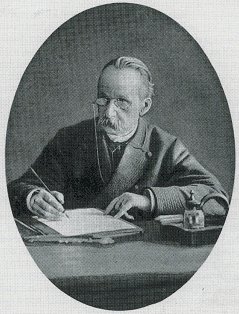
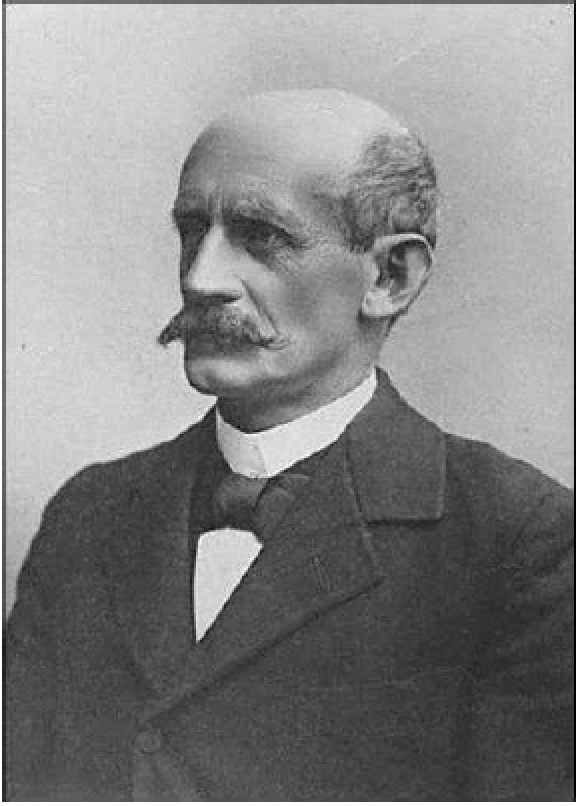
Today is the birthday of John Eichler (August 20, 1829-September 3, 1915). He was born in Rothenburg, Germany and trained as a brewer there, and moved to the U.S. in 1853, settling in New York City. In 1865, he bought Kolb’s Brewery, which had been founded three years before by brothers Henry Kolb and Christian Gottlieb Kolb, renaming it the John Eichler Brewery (and later the John Eichler Brewing Co.). It weathered prohibition, but was bought by Rheingold in 1947.

John-Eichler-portrait

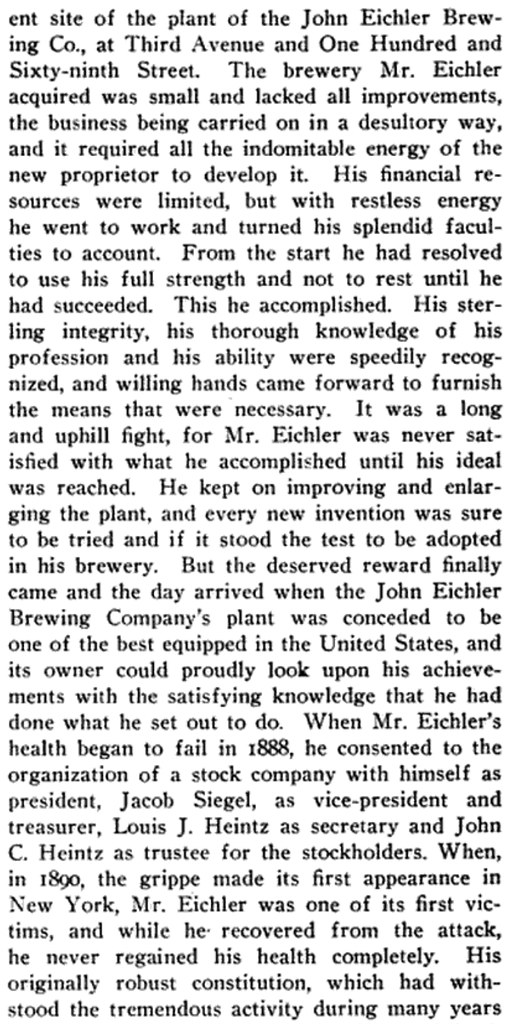
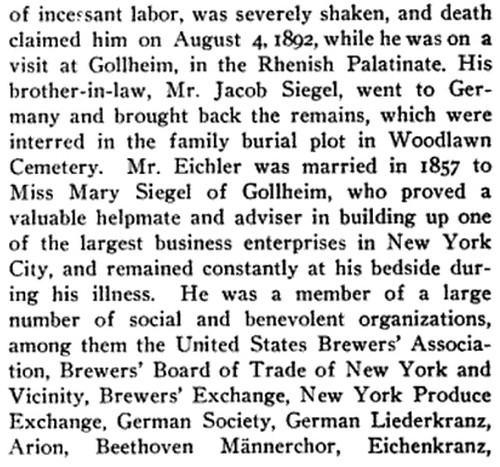
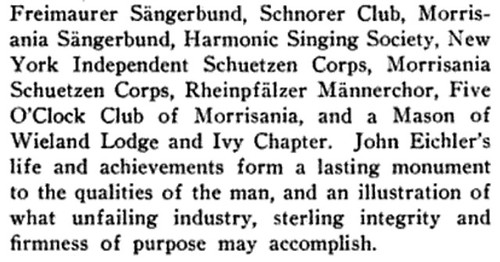
This biography of Eichler is from the “History of German Immigration in the United States and Successful German-Americans,” published in 1905:
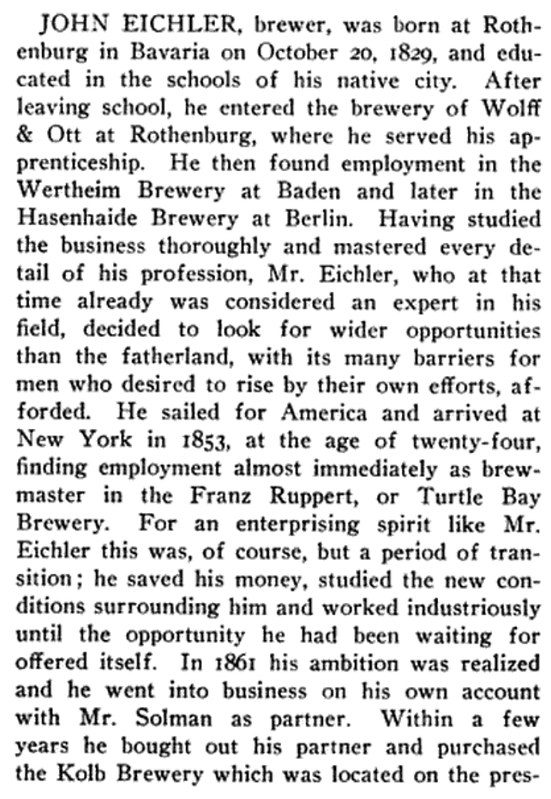
Eichler-bio-1
Eichlers-Extra-Dark-Beer-Labels-John-Eichler-Brewing-Co--Post-Prohibtion
Eichler-bio-2
Eichlers-Extra-Light-Beer-Labels-John-Eichler-Brewing-Company--2nd-Brewery
Eichler-bio-3
Eichler-bio-4

John-Eichler-Brewery

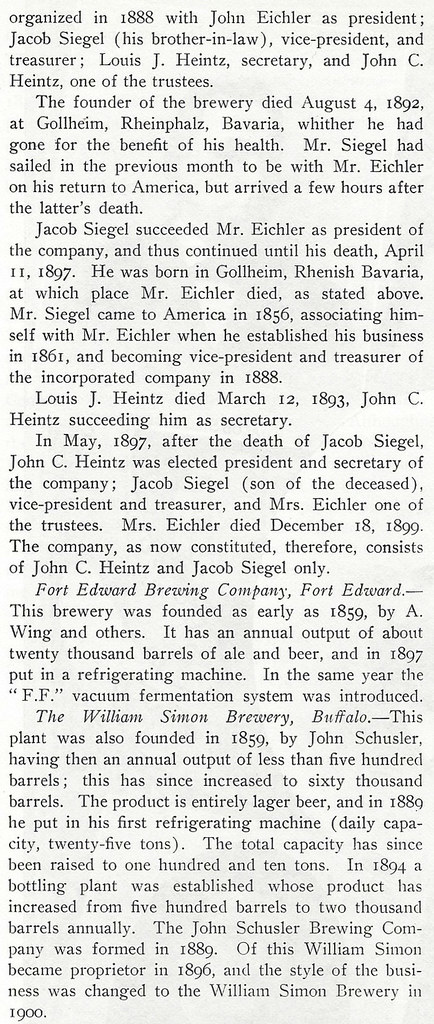
This account of the history of the John Eichler Brewery is from 100 Years of Brewing:
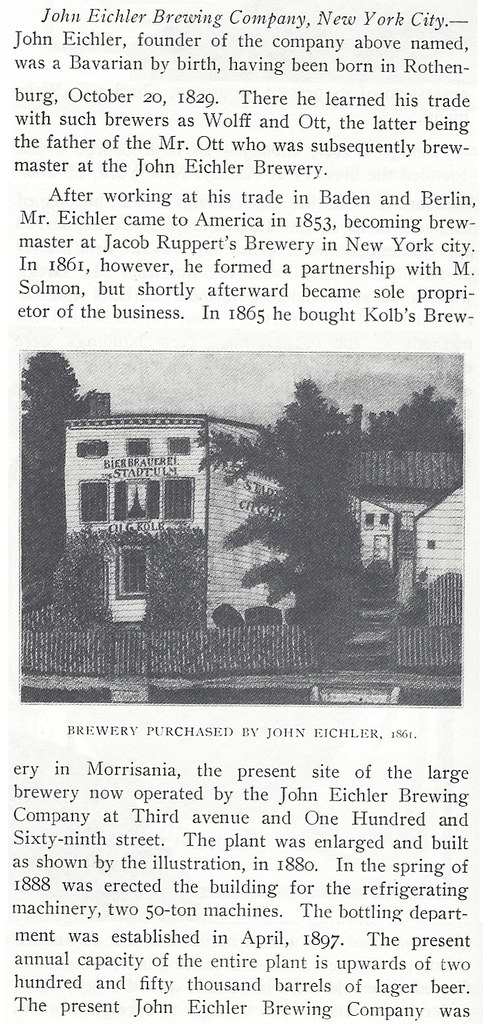
John-Eichler-100yrs-1
Eichler-Bock-Beer-Labels-John-Eichler-Brewing-Company
John-Eichler-100yrs-2

Eichlers-Beer-Serving-Trays-10-16-inches-John-Eichler-Brewing-Co--Post-Prohibtion

Pilsner-Beer-Labels-John-Eichler-Brewing-Company--2nd-Brewery

Filed Under: Birthdays, Breweries, Just For Fun Tagged With: History, New York

Historic Beer Birthday: Bernhard Stroh

August 20, 2025 By Jay Brooks

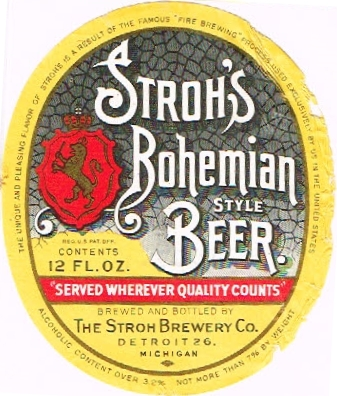
stroh-coa
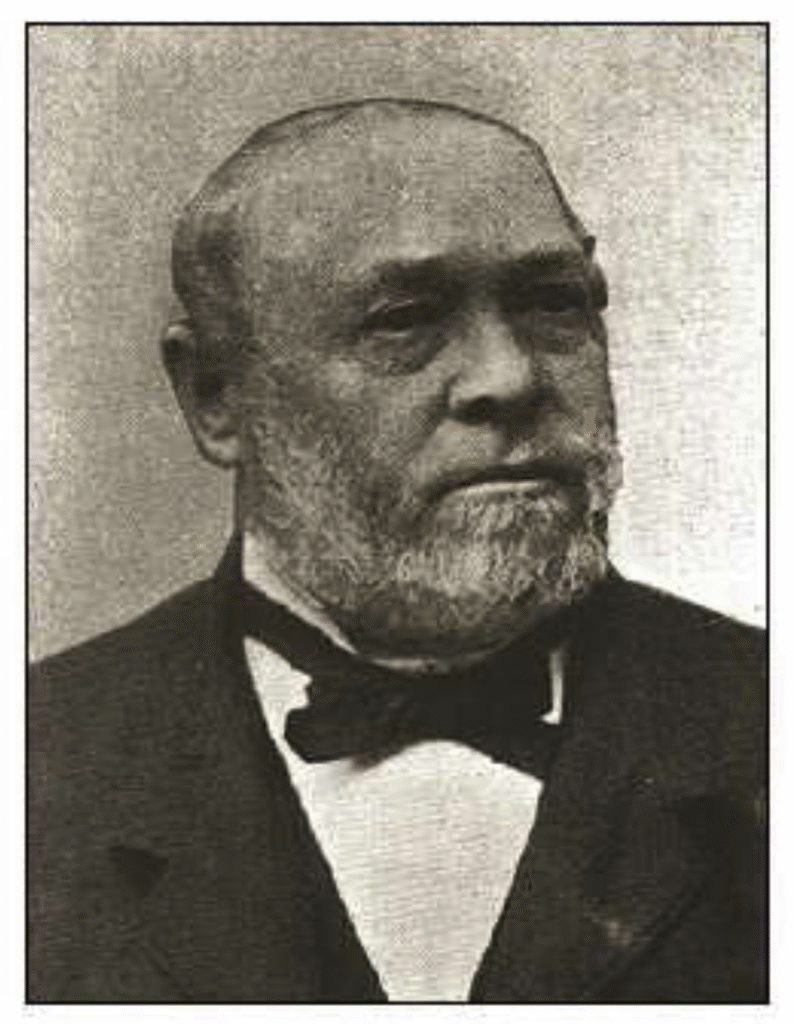
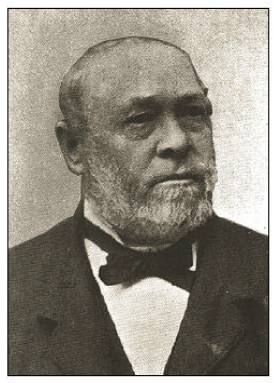
Today is the birthday of Bernhard Stroh (August 20, 1822-June 24, 1882). He was born in Rheinland-Pfalz, Germany, and after a detour in Brazil, emigrated to the U.S. and settled in Detroit.

This biography is from Find-a-Grave:

Businessman. He left Germany in 1848, and joined a group of German settlers in Brazil for three years before arriving in America. He landed in Buffalo, New York heading by way of the Erie Canal. The boat he was on docked in Detroit. So Stroh took it upon him self to venture into the city. He liked what he saw and decided to stay. With a few hundred left from the Brazilian business venture he started a small brewery at 57 Catherine Street in Detroit. Soon after establishing his German brewery local patrons in Detroit aquired a desired taste for his German lager beer. Bernhard Stroh would have his sons personally cart small kegs of beer to his customers by wheelbarrow. For over a century now, local Detroiters have enjoyed the same “fire-brewed” taste that the Stroh Family created over 150 years ago.

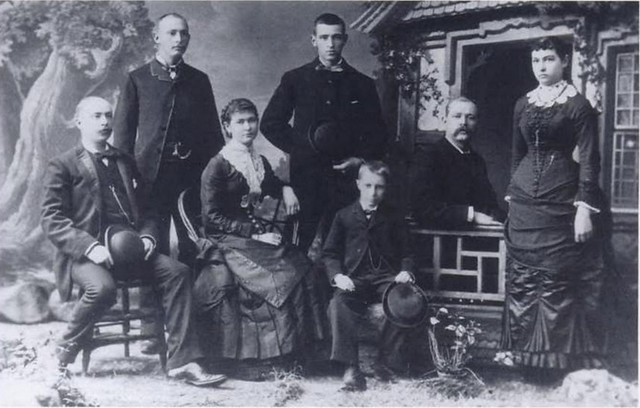
Stroh-family-1871
The Stroh family around 1871.

This is what Wikipedia has to say about Stroh’s early days through Julius Stroh’s tenure:

The Stroh family began brewing beer in a family-owned inn during the 18th century in Kirn, Germany. In 1849, during the German Revolution, Bernhard Stroh (1822-1882), who had learned the brewing trade from his father, emigrated to the United States. Bernhard Stroh established his brewery in Detroit in 1850 when he was 28 and immediately started producing Bohemian-style pilsner, which had been developed at the municipal brewery of Pilsen, Bohemia in 1842. In 1865, he purchased additional land and expanded his business and adopted the heraldic lion emblem from the Kyrburg Castle in Germany and named his operation the Lion’s Head Brewery. (The lion emblem is still visible in its advertising and product labels.)

Bernhard Stroh’s original beer selling operation consisted of a basement brewing operation and was then sold door-to-door in a wheelbarrow. The new beer (Stroh’s) sold door-to-door was a lighter-lager beer, brewed in copper kettles.

Stroh-brewery-1864-scan
The Stroh Brewery around 1864.

This short account about Bernhard is from the Entrepreneur Wiki:

The Stroh family has a long history of brewing beer, which first began in Germany. However, due to the German Revolution, in 1849, Bernhard Stroh moved the business to the United States after three years of living in Brazil. He started his company with a budget of $ 150.00.

Stroh selected Detroit, Michigan as the location for his brewery and settled there in 1850. Stroh was 28 years old at the time. The company was known for making a Pilsner (also known as Pilzen) style beer. Pilsner beers are fire-brewed and lighter than traditional beers. In 1855, the company increased in size, and then shortly thereafter became known as Lion’s Head Brewery. The company had been known as Stroh’s Brewery until this time.

The most popular beer sold, Stroh’s, was first peddled via wheelbarrow. The new beer was brewed in copper kettles to enrich the flavor. The company name was then changed to B. Stroh Brewing Company when Bernhard passed in 1882, and his son, Bernhard Junior, took over the business. In 1988, Forbes estimated that the Stroh family had an estimated worth of 700 million dollars. The brewing company stayed in the Stroh family until the year 2000.

bernhard-stroh

Filed Under: Birthdays, Breweries, Just For Fun Tagged With: Germany, History, Michigan

Historic Beer Birthday: John Hauck

August 20, 2025 By Jay Brooks

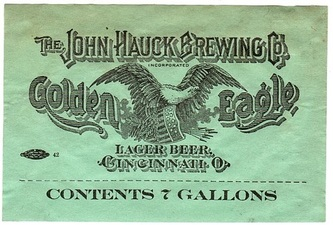
john-hauck-logo
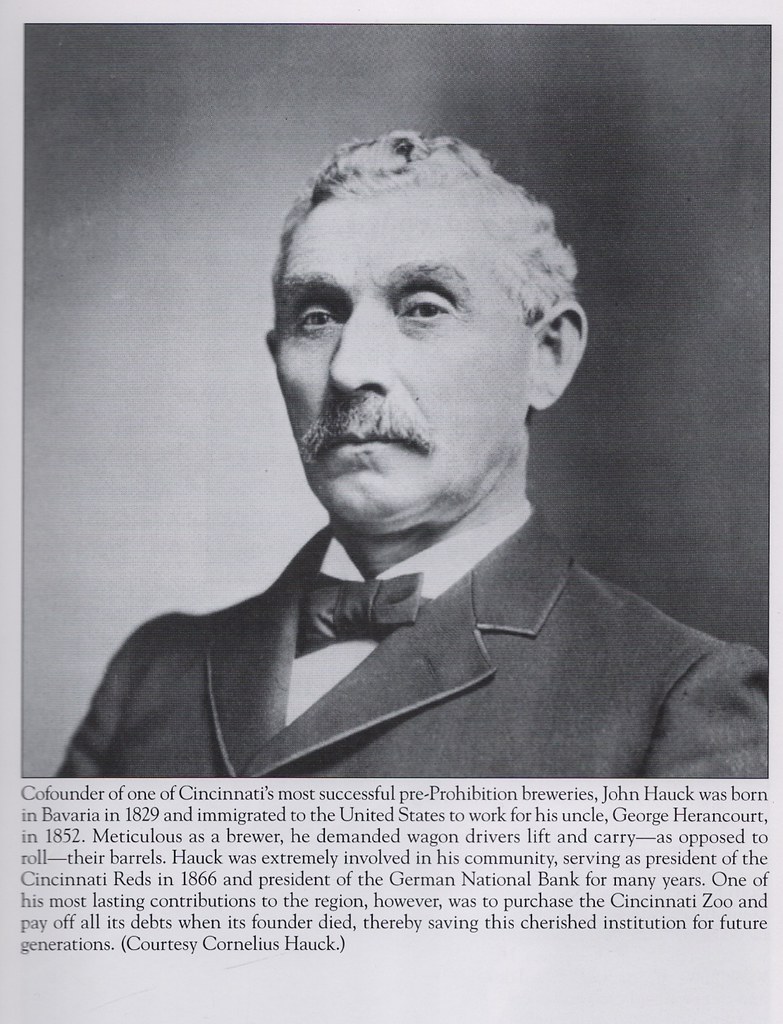
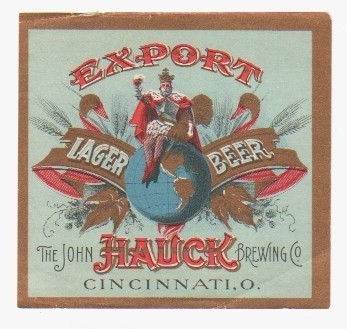
Today is the birthday of John Hauck (August 20, 1829-June 4, 1896). He was born in Bavaria, but came to the U.S. as a young man. He “worked for his uncle, Cincinnati brewer George M. Herancourt, before starting his own brewery in 1863, the John Hauck Brewery

john-hauck-reds

Here’s a short biography from Find-a-Grave:

Brewer. A native of Germany, he was born in Rhenish, Bavaria and came to America when with his family when he was a child. After leaving school, Hauck found employment in a brewery with his uncle, Mr. Herancourt. Hauck returned to Europe for a few years before returning to the United States and worked for another uncle, Mr. Billiad, in a brewery in Philadelphia, Pennsylvania. He moved to Cincinnati, Ohio and established a brewery of his own, the Dayton Street Brewery, which became known for its “Golden Eagle” brand. Hauck’s brewery was extremely successful and he rose to prominence as one of Cincinnati’s famous brewers. His business was later renamed as the John Hauck Beer Bottling Company in 1863 and produced thousands of barrels by the end of the 19th century. Hauck went into business with Conrad Windisch from 1863 to 1870. He was also president of the Western German National Bank in Cincinnati. John’s son, Louis Hauck, became president of the company in 1893. Hauck died in Newport, Kentucky in 1896 when he was 66 years old. His residence on Dayton Street later became a museum.

Hauck’s uncle, George Herancourt, owned the Cincinnati Red Stockings baseball team in 1884 and 1885, but declared bankruptcy in 1885. Hauck “took over as principal owner of the team. He delegated to his son, Louis, the day-to-day management of the club.”

John-Hauck-poster

Here’s a short history of Hauck’s brewery from the Heritage Village Museum“

Cincinnati has been the home to many breweries throughout its history, one of those being the John Hauck Brewing Company. John Hauck was born in Germany in 1829 and moved to America when he was a child. After completing school and returning to Europe for a few years, Hauck came back to America and worked for his uncle in a Philadelphia brewery. He eventually moved to Cincinnati and began his own brewery with John Windisch in 1863, called the Dayton Street Brewery. The brewery was located on Dayton Street close to the Miami-Erie Canal, which they used to fill the steam boilers, providing power to the machinery. In the first year of business, the Dayton Street Brewery produced 10,000 barrels of beer. By 1881, they were producing 160,000 barrels of beer and had become Cincinnati’s second largest brewery. John Hauck bought out Windisch’s shares of the company and renamed it the John Hauck Brewing Company. By 1884, the brewery was covering the entire city block bounded by Central Avenue, Dayton Street, York Street and Kewitt Alley. Hauck’s brewery was highly successful and he rose to prominence as one of Cincinnati prominent brewers. Hauck was a big supporter of the community and supported Cincinnati institutions, such as the Cincinnati Zoological Society. Hauck was also president of the Western German National Bank in Cincinnati. Louis Hauck, John’s son, took control of the brewing company in 1893. John Hauck died in Newport, Kentucky in 1896. The Hauck residence on Dayton Street remains and is owned by the Cincinnati Preservation Association.

Filed Under: Birthdays, Just For Fun Tagged With: History, Ohio

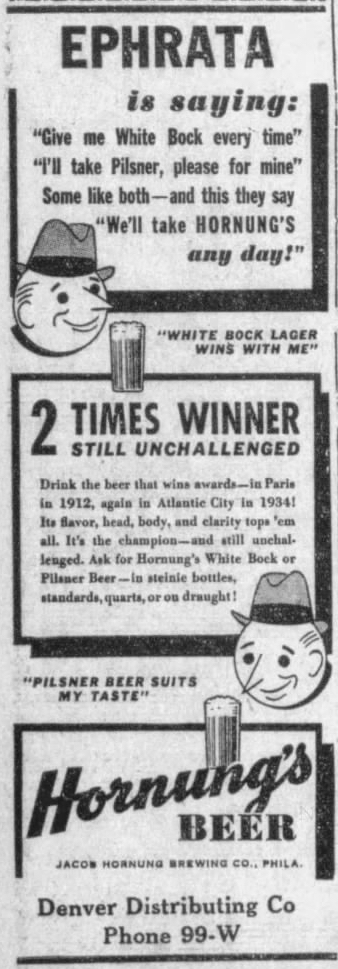
Beer In Ads #5057: Ephrata Is Saying: Give Me White Bock Every Time
August 19, 2025 By Jay Brooks

Last year I decided to concentrate on Bock ads. Bock, of course, may have originated in Germany, in the town of Einbeck. Because many 19th century American breweries were founded by German immigrants, they offered a bock at certain times of the year, be it Spring, Easter, Lent, Christmas, or what have you. In a sense they were some of the first seasonal beers. “The style was later adopted in Bavaria by Munich brewers in the 17th century. Due to their Bavarian accent, citizens of Munich pronounced ‘Einbeck’ as ‘ein Bock’ (a billy goat), and thus the beer became known as ‘Bock.’ A goat often appears on bottle labels.” And presumably because they were special releases, many breweries went all out promoting them with beautiful artwork on posters and other advertising.

Tuesday’s ad is for Hornung’s White Bock Beer, which was published on August 19, 1937. This one was for the Jacob Hornung Brewing Co. of Philadelphia, Pennsylvania, which was originally founded in 1885. This ad ran in The Ephrata Review, of Ephrata, Pennsylvania.

Filed Under: Art & Beer, Beers, Breweries, Just For Fun Tagged With: Advertising, Bock, History, Pennsylvania
Historic Beer Birthday: George Younger

August 19, 2025 By Jay Brooks

george-younger
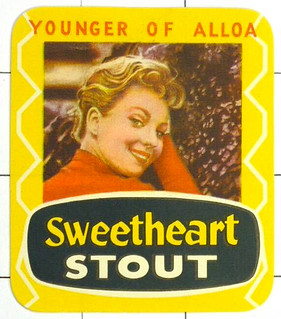
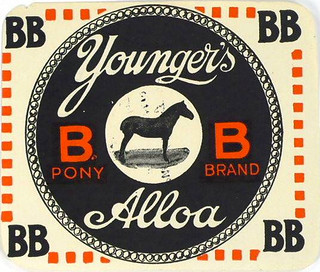
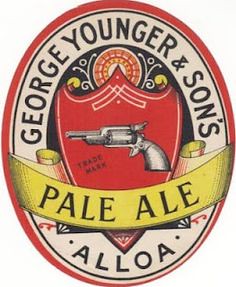
Today is the birthday of George Younger (August 19, 1790-September 25, 1853). He was the son of James Younger and the grandson of George Younger, who founded the brewery that would become George Younger and Son in 1764. It was located in Alloa, Clackmannanshire, in Scotland. There’s surprisingly little information about this George Younger. His father, James, expanded the brewery, and presumably, this George kept it going but there’s almost no details about him or his life that I could find.

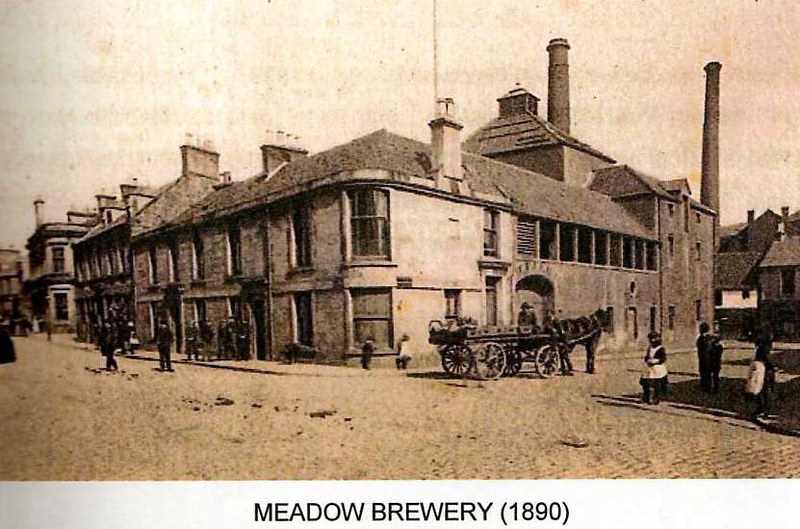
George-Younger-meadow-brewery
Here’s his Meadow Brewery around 1890, before it became known as George Younger & Sons.

Ron Pattinson has a post about Boiling at George Younger in the 1890’s, and also about the early years of George Younger.

younger-sweetheart-stout-1961

youngers-pony-brand-1930

George-Younger-pale-ale

Filed Under: Birthdays, Breweries, Just For Fun Tagged With: England, Great Britain, History

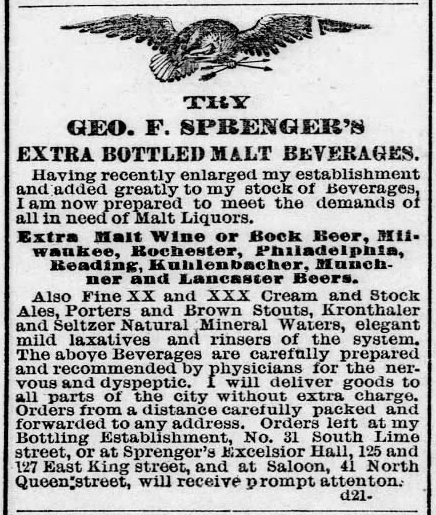
Beer In Ads #5056: Geo. F. Spenger’s Extra Bottled Malt Beverages

August 18, 2025 By Jay Brooks

Last year I decided to concentrate on Bock ads. Bock, of course, may have originated in Germany, in the town of Einbeck. Because many 19th century American breweries were founded by German immigrants, they offered a bock at certain times of the year, be it Spring, Easter, Lent, Christmas, or what have you. In a sense they were some of the first seasonal beers. “The style was later adopted in Bavaria by Munich brewers in the 17th century. Due to their Bavarian accent, citizens of Munich pronounced ‘Einbeck’ as ‘ein Bock’ (a billy goat), and thus the beer became known as ‘Bock.’ A goat often appears on bottle labels.” And presumably because they were special releases, many breweries went all out promoting them with beautiful artwork on posters and other advertising.

Thursday’s ad is for Extra Malt Wine or Bock Beer, or more generally for Geo. F. Sprenger’s Extra Bottled Malt Beverages, which was published on August 18, 1879. This one is for the Sprenger Brewery of Lancaster, Pennsylvania, which was originally founded in 1850. This ad ran in The Lancaster Daily Intelligencer, also of Lancaster, Pennsylvania.

Filed Under: Art & Beer, Beers, Breweries, Just For Fun Tagged With: Advertising, Bock, History, Pennsylvania

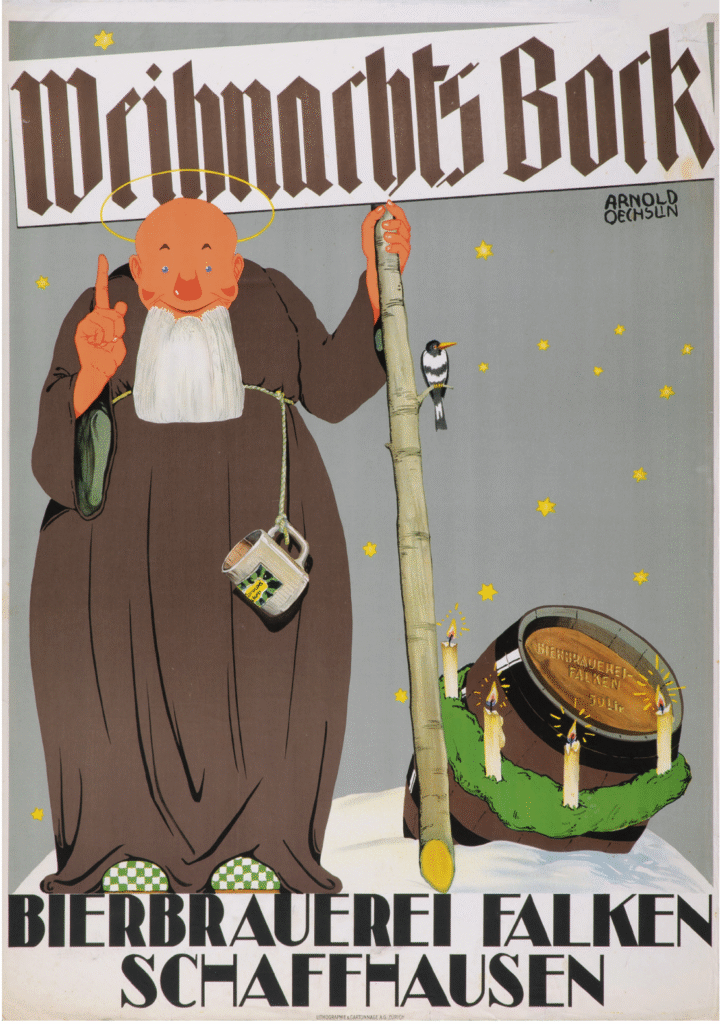
Beer In Ads #5055: Weihnachts Bock Monk

August 17, 2025 By Jay Brooks

Last year I decided to concentrate on Bock ads. Bock, of course, may have originated in Germany, in the town of Einbeck. Because many 19th century American breweries were founded by German immigrants, they offered a bock at certain times of the year, be it Spring, Easter, Lent, Christmas, or what have you. In a sense they were some of the first seasonal beers. “The style was later adopted in Bavaria by Munich brewers in the 17th century. Due to their Bavarian accent, citizens of Munich pronounced ‘Einbeck’ as ‘ein Bock’ (a billy goat), and thus the beer became known as ‘Bock.’ A goat often appears on bottle labels.” And presumably because they were special releases, many breweries went all out promoting them with beautiful artwork on posters and other advertising.

Sunday’s poster is for Falken Schaffhauser’s Weihnachts Bock, and was published in 1931. This one was made for the Bierbrauerei Falken Schaffhausen, or Falcon Brewery, of Schaffhausen, Switzerland. The brewery was founded in 1799, and is still in business today, and is “considered the only independent brewery in the Schaffhausen region,” and is Switzerland’s 5th largest brewery. This one is for their Schaffhauser Weihnachts Bock (Christmas or WInter Bock) and shows a monk taking a walk in the snow. Of course, he took a mug with him because you never know if you’ll run across a keg of bock in the wilderness. It was created by Swiss artist Arnold Oechslin.

Filed Under: Art & Beer, Beers, Breweries, Just For Fun Tagged With: Advertising, Bock, History, Switzerland

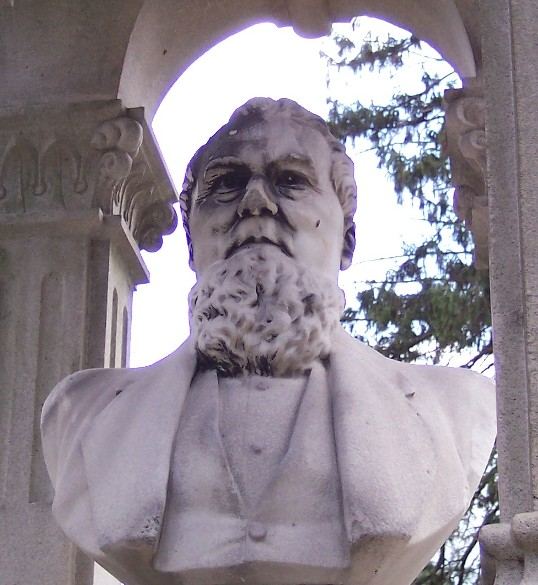
Historic Beer Birthday: Johann Casper Bruckmann

August 17, 2025 By Jay Brooks

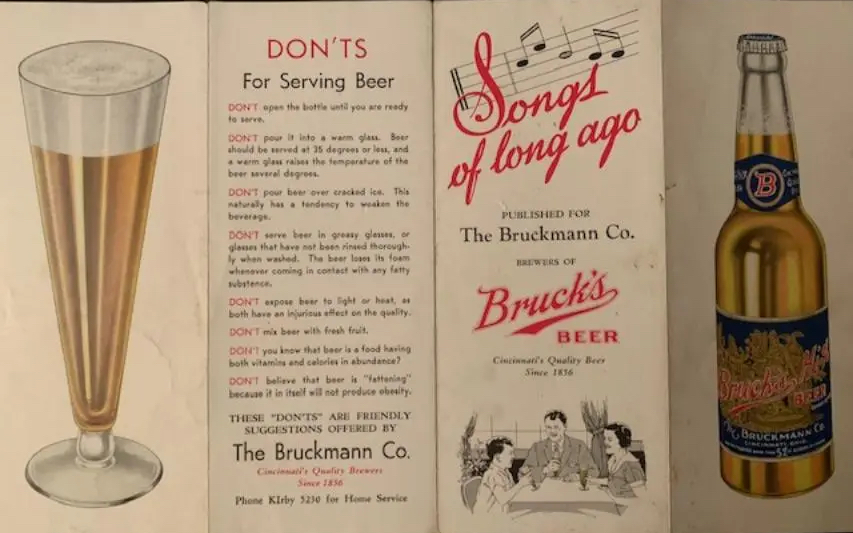
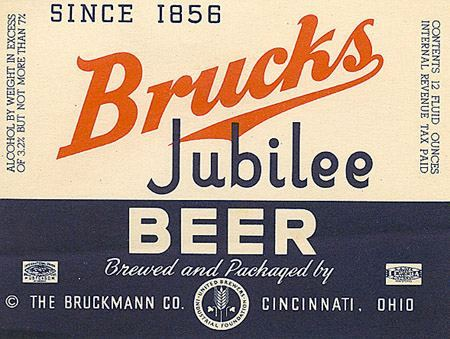
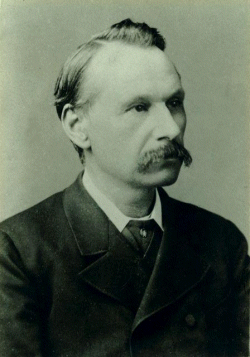
Today is the birthday of Johann (“John”) Casper Bruckmann (August 17, 1829-August 12, 1887). He was born in “Berka von der Hainich, Wartburgkreis, Thuringia, Germany.” the son of Hartmann Bru(e)ckmann and Christina Maria Braun.

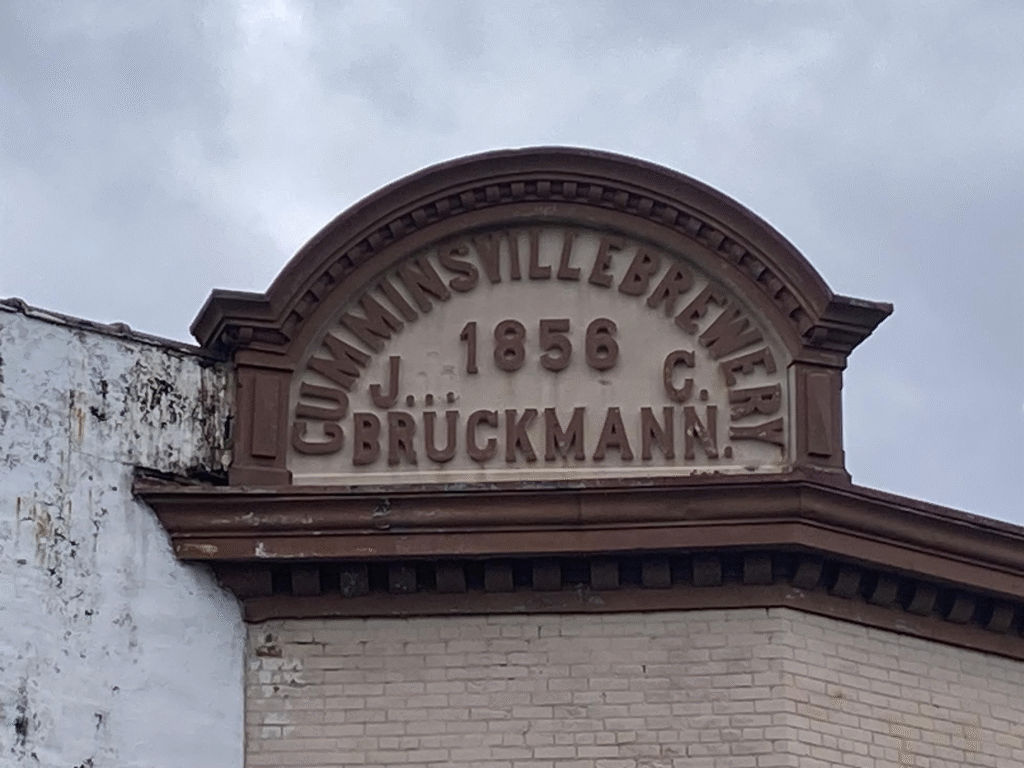
In 1856, with his brother, Frederick Bruckmann, he founded the Cumminsville Brewery, of Cincinnati, Ohio, which was also known as the Frederick Bruckmann Brewery, but by 1872 was called the John C. Bruckmann Brewing Co., although still also known as the Cumminsville Brewery.

Filed Under: Birthdays, Breweries, Just For Fun Tagged With: Germany, History, Ohio

Historic Beer Birthday: Emile A.H. Seipgens

August 16, 2025 By Jay Brooks

netherlands
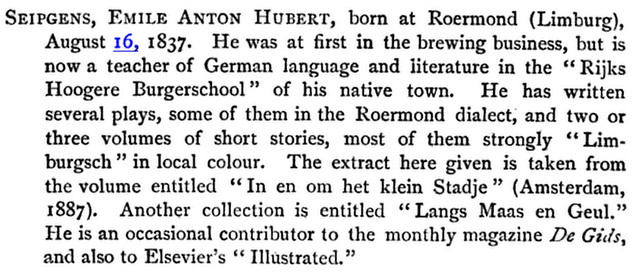
Today is the birthday of Emile Anton Hubert Seipgens (August 16, 1837-June 25, 1896). Seipgens was born in Roermond, the Netherlands. He was the son of a brewer, and after school and some failed jobs, joined his father at the brewery in 1856. By 1859, he was running the brewery along with his brother. But apparently he wasn’t happy there, and in 1874 decided to pursue his dream of becoming a writer. Throughout his life, he wrote poetry, novels, plays and much more.

Seipgens

Here’s a translated biography of his literary career, from Literary Zutphen:

Emile (Anton Hubert) Seipgens, born August 16, 1837 in Roermond, from 1876 until 1883 teacher of German at the Rijks HBS in Zutphen. He founded a literary reading companion for his disciples and was a member of the “Circle of scientific maintenance. He lived Nieuwstad A128-2. Seipgens was an outspoken Limburg author. His work – theater, novels and novellas village – is invariably located in Limburg, and sometimes – his songs – even written in Limburg dialect. Some of his best known and most read titles he wrote in his Zutphense period: The chaplain Bardelo (1880), from Limburg. Novellas and Sketches (1881). In this period made ​​Seipgens, who was first trained to be a priest, then was brewer, then teacher, to eventually become a writer, definitively separated from the Catholic Church. He started on the assembly line to write stories, which he published in magazines such as The Guide , Netherlands and Elsevier . One of those stories, Rooien Hannes , had worked to folk drama and staged by the Netherlands Tooneel great success. Later titles are: In and around the small town (1887), along Maas and Trench (1890), The Killer Star (1892), Jean, ‘t Stumpke, Hawioe-Ho (1893), The Zûpers of Bliënbèèk (1894) and A wild Rosary (1894). In 1892 Seipgens secretary of the Society of Dutch Literature in Leiden, and in that place he died 1896. Posthumously published yet his novel on June 25, Daniel (1897) and the beam A Immortellenkrans (1897). Seipgens, which is one of the earliest naturalists of the Netherlands became completely into oblivion, until the late 70s of the last century actually was a small revival. Which among other things led to reprint the novel The chaplain Bardelo and stories in and around the small town , and to the publication of his biography, written by Peter Nissen: Emile Anton Hubert Seipgens (1837-1896). Of brewer’s son to literary (1987), and the placing of a memorial stone at Seipgens birthplace. But this revival was short-lived. If Emile Seipgens remembered voortleeft, it will have to be on the legend of the rovershoofdman Johann Bückler based ‘operabouffe’ Schinderhannes (1864), which to this day in Roermond is staged!

Seipgens1

And here’s another account from “The Humour of Holland,” published in 1894.

Seipgens-bio

Seipgens2

Filed Under: Birthdays Tagged With: History, Literature, The Netherlands

Historic Beer Birthday: Johan Kjeldahl

August 16, 2025 By Jay Brooks

carlsberg-crown
Today is the birthday of Johan Gustav Christoffer Thorsager Kjeldahl (August 16, 1849-July 18, 1900) He was a Danish chemist who developed a method for determining the amount of nitrogen in certain organic compounds using a laboratory technique which was named the Kjeldahl method after him.

Kjeldahl worked in Copenhagen at the Carlsberg Laboratory, associated with Carlsberg Brewery, where he was head of the Chemistry department from 1876 to 1900.

He was given the job to determine the amount of protein in the grain used in the malt industry. Less protein meant more beer. Kjeldahl found the answer was in developing a technique to determine nitrogen with accuracy but existing methods in analytical chemistry related to proteins and biochemistry at the time were far from accurate.

Haslund_Johan_Kjeld
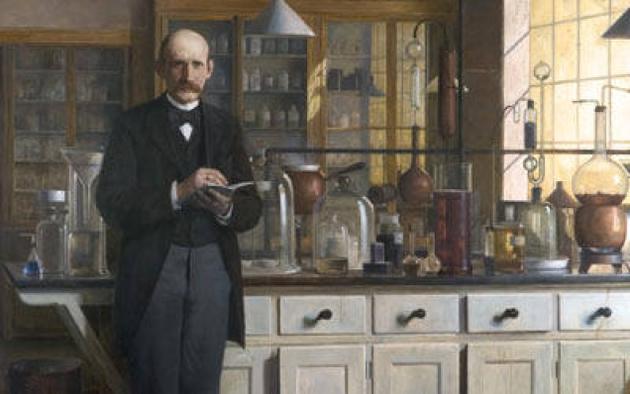
A painting by Otto Haslund of Johan Kjeldahl.

His discovery became known as the Kjeldahl Method

Kjeldahl's_distillation

The method consists of heating a substance with sulphuric acid, which decomposes the organic substance by oxidation to liberate the reduced nitrogen as ammonium sulphate. In this step potassium sulphate is added to increase the boiling point of the medium (from 337 °C to 373 °C) . Chemical decomposition of the sample is complete when the initially very dark-coloured medium has become clear and colourless.

The solution is then distilled with a small quantity of sodium hydroxide, which converts the ammonium salt to ammonia. The amount of ammonia present, and thus the amount of nitrogen present in the sample, is determined by back titration. The end of the condenser is dipped into a solution of boric acid. The ammonia reacts with the acid and the remainder of the acid is then titrated with a sodium carbonate solution by way of a methyl orange pH indicator.

In practice, this analysis is largely automated; specific catalysts accelerate the decomposition. Originally, the catalyst of choice was mercuric oxide. However, while it was very effective, health concerns resulted in it being replaced by cupric sulfate. Cupric sulfate was not as efficient as mercuric oxide, and yielded lower protein results. It was soon supplemented with titanium dioxide, which is currently the approved catalyst in all of the methods of analysis for protein in the Official Methods and Recommended Practices of AOAC International.

And Velp Scientifica also has an explanation of his method, which is still in use today.

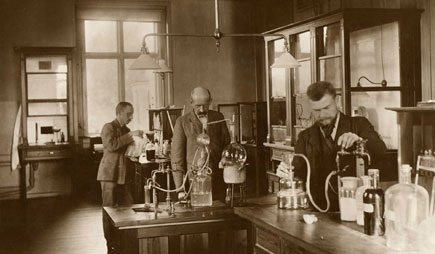
Kjeldahl (center) in his laboratory.

Filed Under: Birthdays, Just For Fun, Related Pleasures Tagged With: Carlsberg, Denmark, History, Science, Science of Brewing

« Previous Page
Next Page »

Find Something

Northern California Breweries

Please consider purchasing my latest book, California Breweries North, available from Amazon, or ask for it at your local bookstore.

Recent Comments

  • Bob Paolino on Beer Birthday: Grant Johnston
  • Gambrinus on Historic Beer Birthday: A.J. Houghton
  • Ernie Dewing on Historic Beer Birthday: Charles William Bergner 
  • Steve 'Pudgy' De Rose on Historic Beer Birthday: Jacob Schmidt
  • Jay Brooks on Beer Birthday: Bill Owens

Recent Posts

  • Beer In Ads #5137: Bock Is Back… Look For It March 1st February 28, 2026
  • Historic Beer Birthday: John Holme Ballantine February 28, 2026
  • American Craft Beer Hall of Fame: 2nd Year Inductees February 28, 2026
  • Beer Birthday: Jeff Bell February 28, 2026
  • Beer In Ads #5136: American Bock Beer Is Being Served Today! February 28, 2026

BBB Archives

Feedback

Head Quarter
This site is hosted and maintained by H25Q.dev. Any questions or comments for the webmaster can be directed here.