Brookston Beer Bulletin

Jay R. Brooks on Beer

  • Home
  • About
  • Editorial
  • Birthdays
  • Art & Beer

Socialize

  • Dribbble
  • Email
  • Facebook
  • Flickr
  • GitHub
  • Instagram
  • LinkedIn
  • Pinterest
  • RSS
  • Twitter
  • YouTube

Powered by Genesis

Daguerreotypes Of Beer

November 18, 2015 By Jay Brooks

daguerreotype-2
Today is the birthday of Louis Daguerre, the inventor of the daguerreotype process of photography, one of the earliest successful methods of creating photographs. He was French, an artist as well as a photographer, and “became known as one of the fathers of photography. Though he is most famous for his contributions to photography, he was also an accomplished painter and a developer of the diorama theatre.” When I took some photography classes in college, my great aunt gave me some daguerreotypes taken by my great-grandfather along with some glass plates that I was able to develop in a dark room. There were even a few showing the construction of the clock tower at Kutztown University (his alma mater and near where I grew up in Pennsylvania), which was finished in 1910. Sadly, none of my family daguerreotypes involve beer, since they were for the most part teetotaling mennonites for a majority of the time they worked the farm after arriving here in 1745 from Berne, Switzerland, fleeing religious persecution. I, on the other hand, am such a disappointment (not really, the farm was sold before I was born and they even drove cars and had the occasional beer by the time I was born).

But first, what is a daguerreotype?
Daguerreotype_process

Here’s the basics from the Wikipedia entry:

The daguerreotype process, or daguerreotypy, was the first publicly announced photographic process, and for nearly twenty years, it was the one most commonly used. It was invented by Louis-Jaques-Mandé Daguerre and introduced worldwide in 1839. By 1860, new processes which were less expensive and produced more easily viewed images had almost completely replaced it. During the past few decades, there has been a small-scale revival of daguerreotypy among photographers interested in making artistic use of early photographic processes.

To make a daguerreotype, the daguerreotypist polished a sheet of silver-plated copper to a mirror finish; treated it with fumes that made its surface light-sensitive; exposed it in a camera for as long as was judged to be necessary, which could be as little as a few seconds for brightly sunlit subjects or much longer with less intense lighting; made the resulting latent image on it visible by fuming it with mercury vapor; removed its sensitivity to light by liquid chemical treatment; rinsed and dried it; then sealed the easily marred result behind glass in a protective enclosure.

Viewing a daguerreotype is unlike looking at any other type of photograph. The image does not sit on the surface of the metal, but appears to be floating in space, and the illusion of reality, especially with examples that are sharp and well exposed is unique to the process.

The image is on a mirror-like silver surface, normally kept under glass, and will appear either positive or negative, depending on the angle at which it is viewed, how it is lit and whether a light or dark background is being reflected in the metal. The darkest areas of the image are simply bare silver; lighter areas have a microscopically fine light-scattering texture. The surface is very delicate, and even the lightest wiping can permanently scuff it. Some tarnish around the edges is normal, and any treatment to remove it should be done only by a specialized restorer.

Several types of antique photographs, most often ambrotypes and tintypes, but sometimes even old prints on paper, are very commonly misidentified as daguerreotypes, especially if they are in the small, ornamented cases in which daguerreotypes made in the US and UK were usually housed. The name “daguerreotype” correctly refers only to one very specific image type and medium, the product of a process that was in wide use only from the early 1840s to the late 1850s.

daguerrotype-coaster

So while I don’t have any daguerreotypes of my own that involve beer, there are a few of them out there, and I’ve selected some of the best ones I came across. A lot of early photographs, as mentioned above, are mis-identified as daguerreotypes when in fact they might be another early photographic process. So the ones I found are identified as daguerreotypes, but of course it’s hard, if not impossible, to be sure. At any rate, this is just for fun, so if you have evidence that one is not strictly speaking, a daguerreotype, let me know, and if you know of one I missed, send me a link to it or as as an attachment.

NYC-hist-society-1906-1905
Munchen Hoffbrau Interior, c. 1896-1905, by Robert L. Bracklow (New York Historical Society).

man-with-beer-1899
Man with Beer, 1899.

4-men-with-beers-1850s
Four men posing with mugs of beer, c. late 1850s.

4-guys-and-their-mugs-of-beer-1880
Four [More] Guys and Their Mugs of Beer, c. 1880.

st-louis-beer-garden-1860
St. Louis Park Beer Garden, South Broadway, c. 1860. Daguerreotype by Thomas M. Easterly.

frances
Self-portrait of Frances Benjamin Johnston, from 1896. “Fannie” was one of the earliest American female photographers and photojournalists.

paper-moon-1910s

Paper Moon, c. 1910. Paper moon backgrounds appear to be a popular backdrop from photographs at events.

paper-moon-2

Another paper moon, date unknown.

Molson-1858
Thomas Coffin Doane, taken at the Molson family brewery after the fire, in Montreal, Quebec, Canada, 1858.

union-house-bar-pre-1858
Union House Bar, Bidwell, California. “A fire destroyed the first Union House (also known as Fitzgerald House) August 2, 1854 along with most of the town. Upon careful study of the dark sign on the right, these are the words: “OFFICE FEATHER RIVER & OPHIR WATER CO”. This company was incorporated Feb. 6 1855. Apparently the second Union House was constructed during the winter and spring of 1855. I believe this daguerreotype was taken in the summer of 1855 after the Union House had been resurrected.”

Filed Under: Beers, Just For Fun, Related Pleasures Tagged With: History, Photography

Patent No. 2262863A: Lauter Tank

November 18, 2015 By Jay Brooks

patent-logo
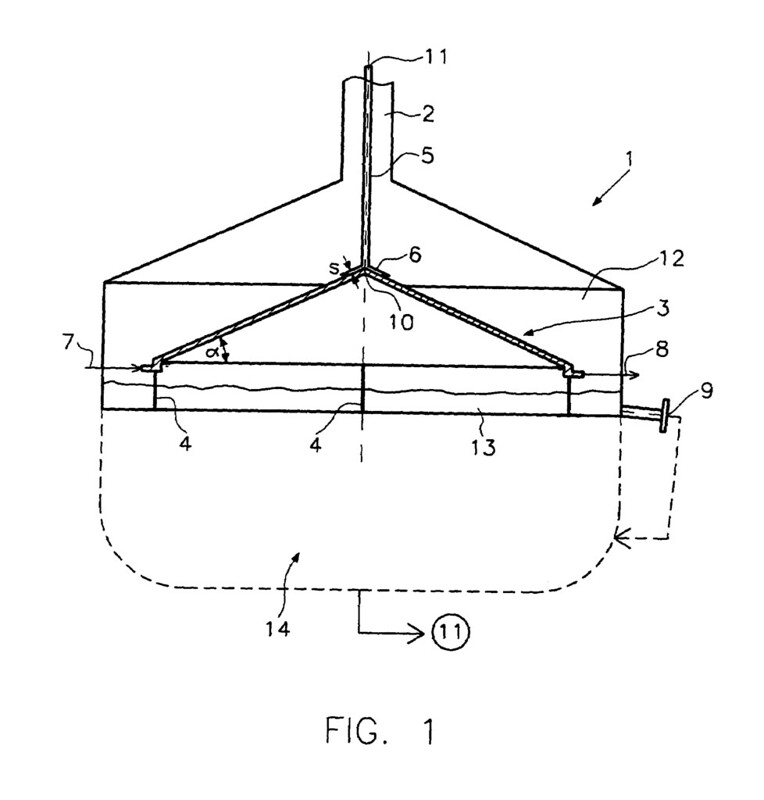
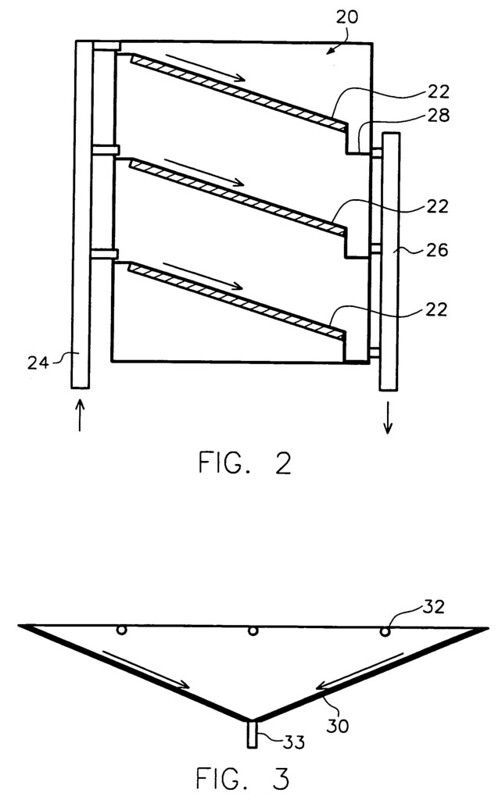
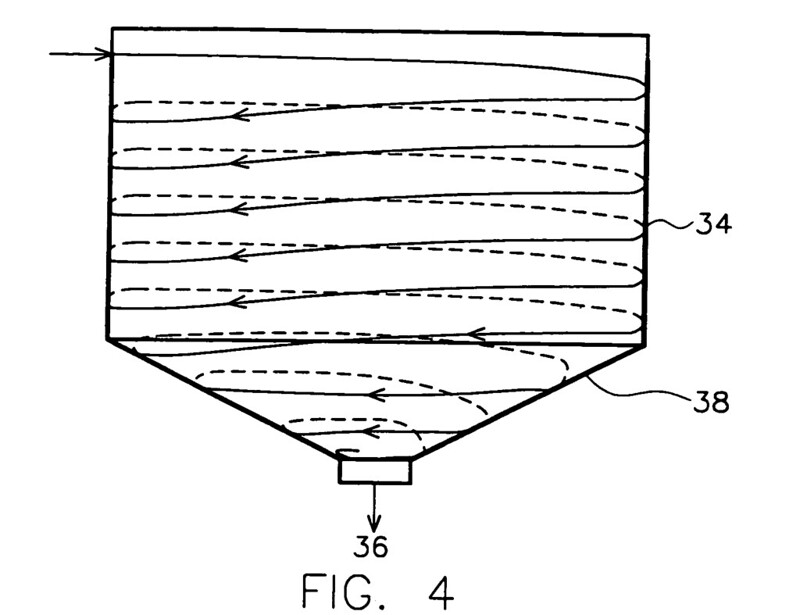
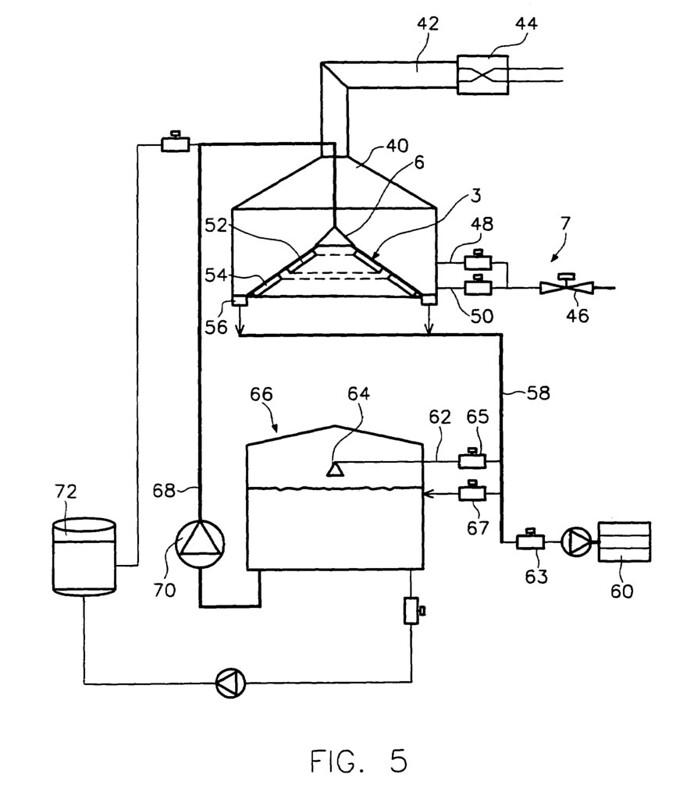
Today in 1941, US Patent 2262863 A was issued, an invention of Robert C. Schock, for his “Lauter Tank.” There’s no Abstract, although in the description it includes this summary:

Lauter tanks, as is known, are provided with two bottoms, a false or inner bottom which is in the nature of a screen or a perforated plate or a slotted plate permitting the wort to pass therethrough, and a lower bottom which collects the wort that has filtered through the false bottom.

It has heretofore been’ proposed to remove the wort which is passed through the false bottom, by a large number of separate pipes, one for each subdivision of the lauter tank, and these pipes, generally speaking about twelve to thirty-two in number, having an equal number of discharge valves or cocks, lone for each pipe. ‘I’he control of the wort by means of such a multiplicity of valves was difficult and not at all times possible.

Furthermore, in some of the lauter tanks heretofore used, the outside bottom was entirely flat and in consequence there would be an adherence of the wort to the bottom, so that the wort would accumulate on such bottoms and bring about a harmful condition of uncleanliness, favorable to the generation of bacteria in undesired quantities, unless carefully cleaned after each use.

The object of the invention here is to provide l an outside bottom which prevents a building up of sediment or under dough, and to replace the said multiplicity of pipes and valves by three valves which can be readily controlled and regulated in accordance with the practice of determining the amount of sugar in the wort, and thereby determining the density of flow of the l wort as it bypasses through the saccharometer chambers, and in the event that the flow in any of the chambers which is so governed by the three valves is not of the desired order, it can be throttled until the flow shall have been equalized.

For this purpose, the improvements in the lauter tank forming the basis of this invention are, first, the provision of three manifolds concentrically arranged to render each of said manifold saccharometer grant. Secondly, the invention consists in providing the outside bottom with a series of concentric channels, each V-shaped in cross-section, the apex of the V being provided with the outlet pipes which discharge the wort into the aforesaid manifolds, such V-shape formation providing the outside bottom with concentrically disposed inclined walls, to enable a free flow of the wort which is passed through the false bottom in such a manner as to maintain the inner walls of these V-shaped circumferential members clean of the wort, by promoting faster running thereof and thus to prevent the formation of undesirable accretions of solid matter from the wort, also to aid in preventing under dough and to prevent any possible generation of undesired bacteria.

Untitled

Filed Under: Beers, Breweries, Just For Fun, Politics & Law, Related Pleasures Tagged With: Brewing Equipment, History, Law, Patent, Science of Brewing, Wort

Beer In Ads #1732: Home Of Gold Medal Beer

November 17, 2015 By Jay Brooks


Tuesday’s ad is for Stegmaier Brewing Co., from between 1933-1945. The “Home of Gold Medal Beer” was Wilkes-Barre, Pennsylvania. I love these grand illustrations of breweries, testaments to industrialization, this one was a postcard. I’m not sure why there’s a passenger train chugging by, maybe that’s how the brewery executives commute to and from work?

Stegmaier_Brewing_Company,_home_of_gold_medal_beer,_Wilkes-Barre,_Pennsylvania

Filed Under: Art & Beer, Beers Tagged With: Advertising, History, Pennsylvania

Patent No. 1832587A: Method Of And Apparatus For Dealcoholizing Beer

November 17, 2015 By Jay Brooks

patent-logo
Today in 1931, US Patent 2061240 A was issued, an invention of Claude B. Schneible, for his “Method of and Apparatus for Dealcoholizing Beer and the Like.” There’s no Abstract, although in the description it includes this summary:

This invention relates to -a method of and apparatus for dealcoholizing beer and the like and will be readily understood from the following description in conjunction with the accompanying drawings.

Untitled
Untitled

Filed Under: Beers, Just For Fun, Politics & Law, Related Pleasures Tagged With: Brewing Equipment, History, Law, Non-Alcoholic, Patent, Science of Brewing

Patent No. 2061240A: Beer Pump

November 17, 2015 By Jay Brooks

patent-logo
Today in 1936, US Patent 2061240 A was issued, an invention of Oscar J. Leins, assigned to the Milwaukee Gas Specialty Co., for his “Beer Pump.” There’s no Abstract, although in the description it includes this summary:

This invention relates to an improvement in beer dispensers or pumps of the type designed for use by the consumers in drawing or dispensing beer or similar beverages from kegs, barrels or similar containers.

Untitled
Untitled

Filed Under: Beers, Just For Fun, Politics & Law, Related Pleasures Tagged With: History, Kegs, Law, Patent

Beer In Ads #1731: World’s Finest Lager

November 16, 2015 By Jay Brooks


Monday’s ad is for Heineken, from maybe the 1950s or 60s, touted in this ad as the “World’s Finest Lager.” I’m not sure about the Enjoy Again!” headline. Were they targeting people who’d only tried Heineken once? They were obviously targeting Americans, using the windmill and tulips so shamelessly.

HI_HEIN_010730_005

Filed Under: Art & Beer, Beers Tagged With: Advertising, Heineken, History

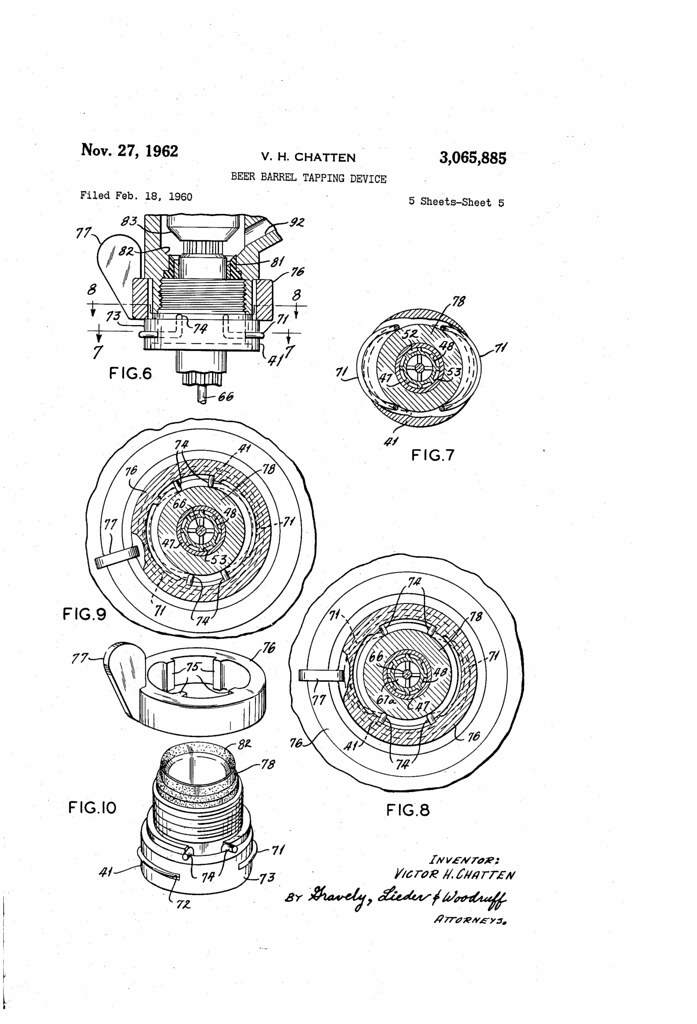
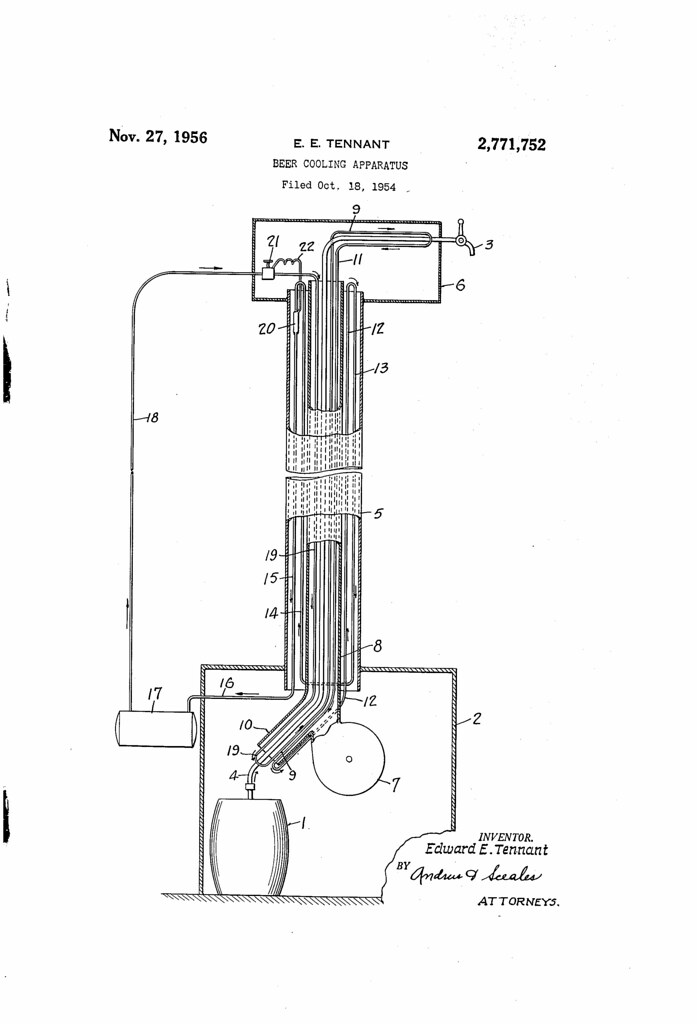
Patent No. 940438A: Beer Faucet

November 16, 2015 By Jay Brooks

patent-logo
Today in 1909, US Patent 940438 A was issued, an invention of Theron Davis, for his “Beer Faucet.” There’s no Abstract, although in the description it includes this summary:

My invention relates to improvements in the type of beer faucet in which a chambered head carries a ball valve which is raised by a finger operated by an exterior lever, so that the beer may flow past the valve, and my invention improves the type of faucet and provides a simple means than has heretofore been employed for guiding the ball, and also provides a very simple` means for removing the washers and guide from the chamber in which the ball valve is located.

Untitled

Filed Under: Beers, Just For Fun, Politics & Law, Related Pleasures Tagged With: History, Kegs, Law, Patent

Beer In Ads #1730: Gulpen Bier

November 15, 2015 By Jay Brooks


Sunday’s ad is for Gulpen Bier, a pilsner, another one from maybe the 1950s or 60s. I believe it’s a Dutch beer, and the tagline appears to translate to “rich in taste, rich in tradition.” I like that their choice of pairing is nuts and salami, not that it wouldn’t taste good, but surely they could have come up with something better.

gulpen

Filed Under: Art & Beer, Beers Tagged With: Advertising, History

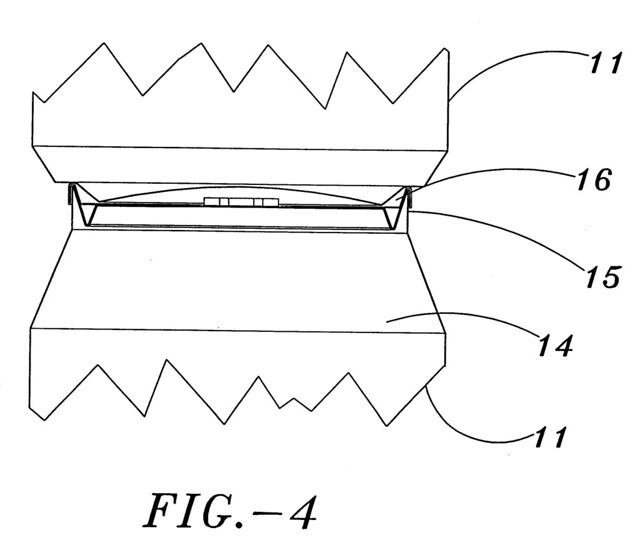
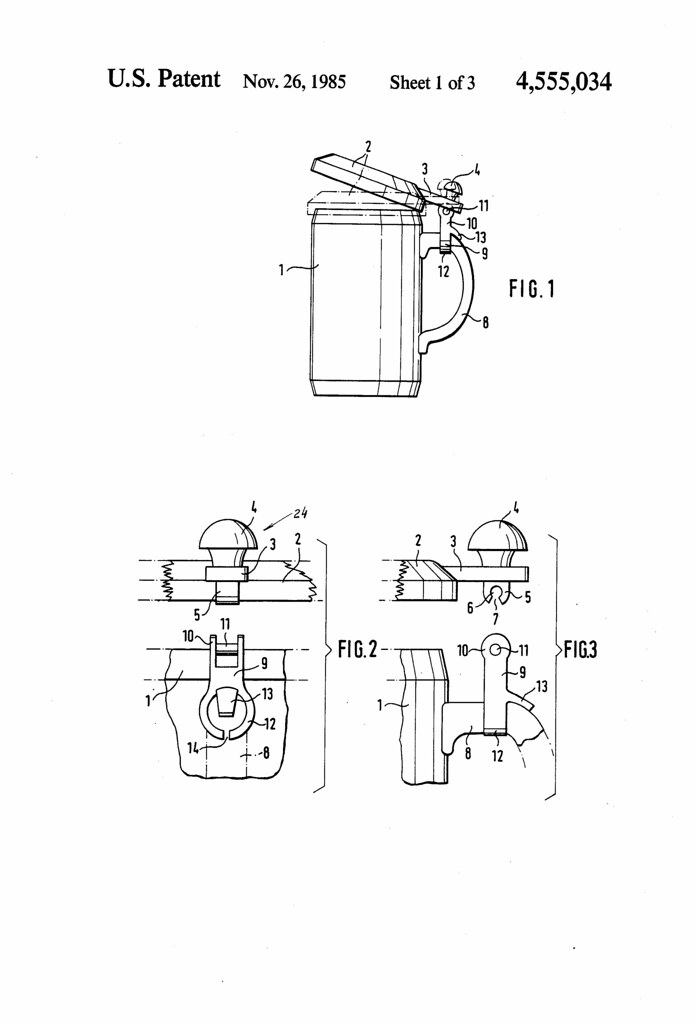
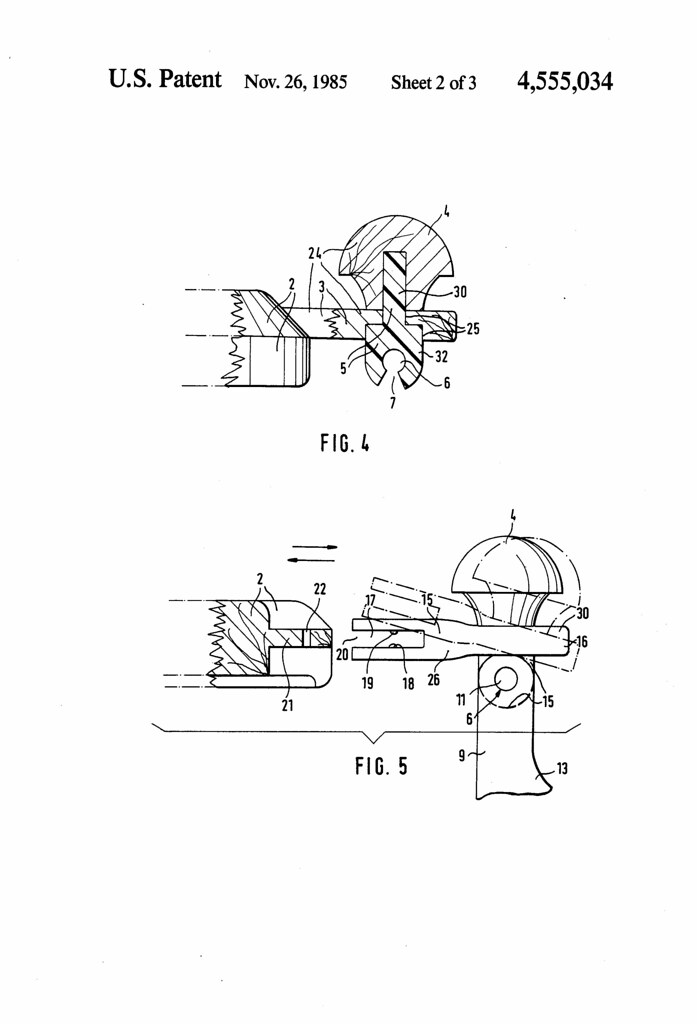
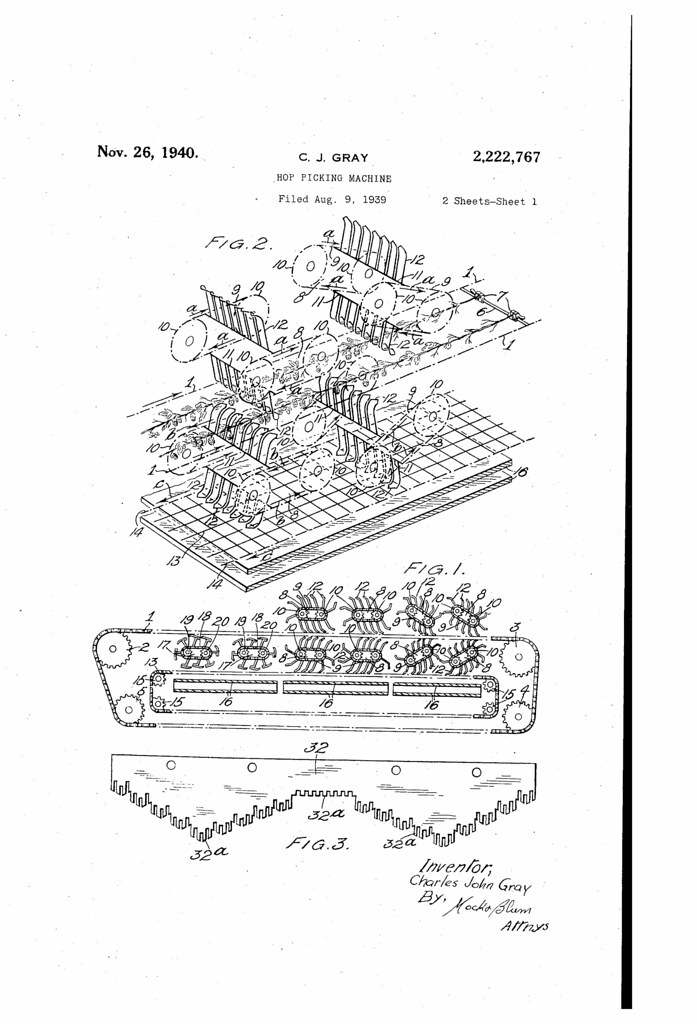
Patent No. 3285365A: Apparatus Particularly For Use In Harvesting Hops

November 15, 2015 By Jay Brooks

patent-logo
Today in 1966, US Patent 3285365 A was issued, an invention of Le Roy T. Longton, for his “Apparatus Particularly for Use in Harvesting Hops.” There’s no Abstract, although in the description it includes this summary:

This invention relates to an apparatus particularly for use in the harvesting of hop vines.

Conventionally, the harvesters of hops stand on a platform of fixed height behind a truck which may move slowly down the rows of hops in a field. The height of the overhead hop trellises varies considerably from field-to-field and may also vary within one field because of ground irregularities and variations in the length of the trellis poles upon which the overhead wires are supported. The result has been that the worker-supporting platform is frequently too high or too low with respect to the vines to be cut by the workers therefore making it difficult for the workers to reach the vines, and generally rendering the operation inefficient. Another problem is the necessity for packing the bulky hop vines in the harvesting truck. conventionally, this has been done by the workers descending from the platform and walking around on the hop vines in the truck to pack or consolidate the vines. This is obviously an inefficient and time-wasting procedure.

It is the general object of this invention to provide a simplified mobile apparatus which will greatly increase the efficiency of the hops harvesting operation by the provision of worker supporting means which is quickly adjustable vertically and also the provision of an adjustable power-operated means for packing the vines down in the body or box of a truck or wagon.

Another object of the invention is to provide an apparatus of the above-mentioned character which is constructed as an attachment unit for a farm tractor and readily mountable thereon.

Another object is to provide a hop vine harvesting attachment for tractors which is hydraulically powered and operated from a hydraulic pump on the tractor and a simple control device in a convenient location to be used by the tractor driver.

Untitled
Untitled
Untitled

Filed Under: Beers, Just For Fun, Politics & Law, Related Pleasures Tagged With: History, Hops, Law, Patent

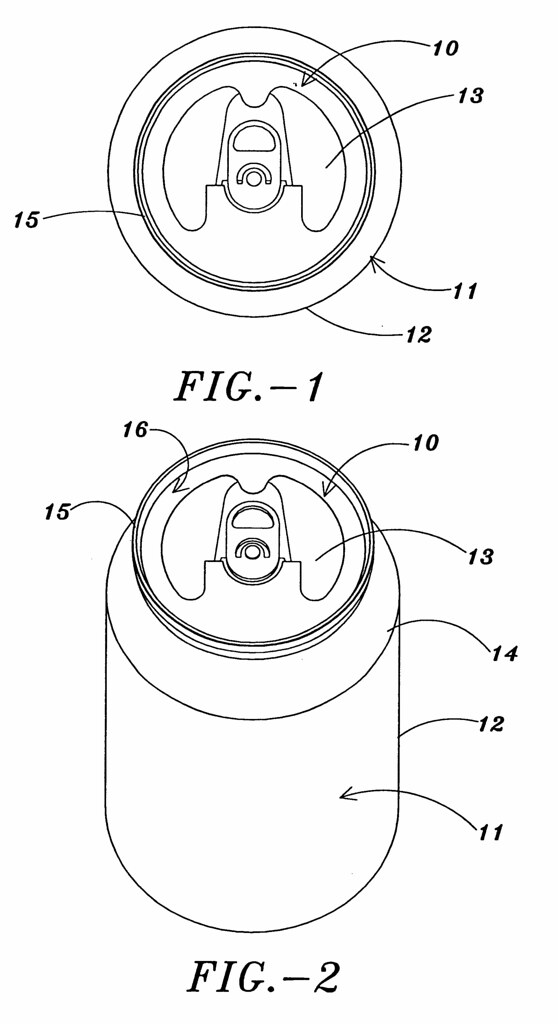
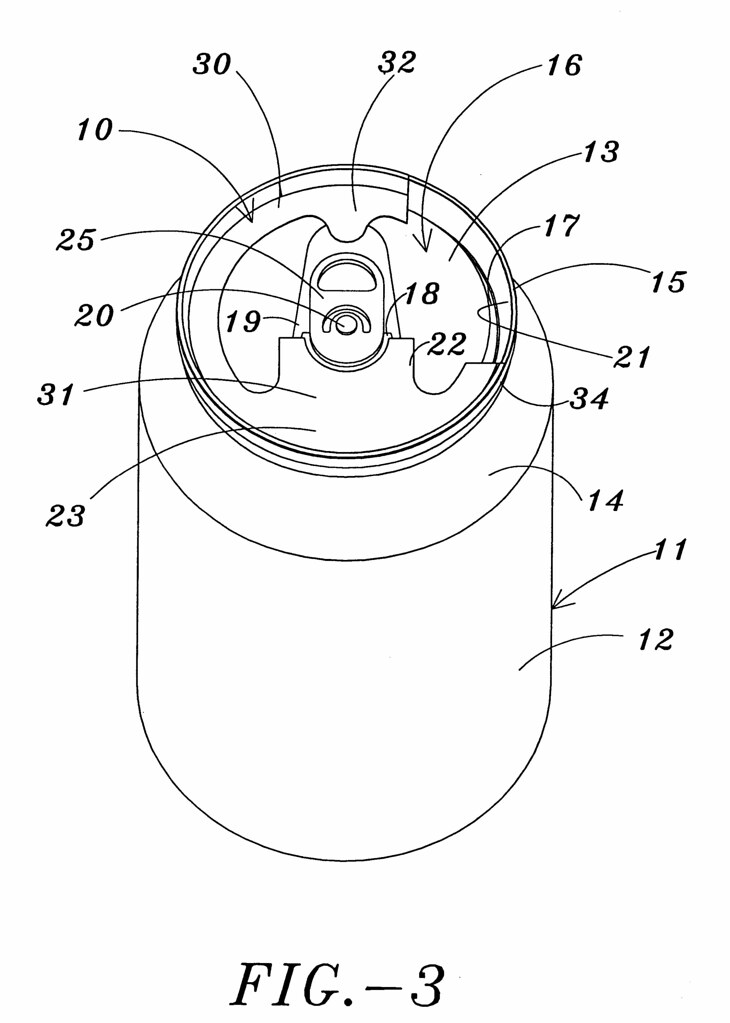
Patent No. D352417S: Beer Keg

November 15, 2015 By Jay Brooks

patent-logo
Today in 1994, US Patent D352417 S was issued, an invention of Richard A. Petroske and James E. Richardson, assigned to the Miller Brewing Company, for their “Beer Keg.” There’s no Abstract, although in the description it includes this summary:

The ornamental design for a beer keg, as shown and described.

Untitled
Untitled
Untitled
Untitled
Untitled

Filed Under: Beers, Breweries, Just For Fun, Politics & Law, Related Pleasures Tagged With: History, Kegs, Law, Miller Brewing, Patent

« Previous Page
Next Page »

Find Something

Northern California Breweries

Please consider purchasing my latest book, California Breweries North, available from Amazon, or ask for it at your local bookstore.

Recent Comments

  • Bob Paolino on Beer Birthday: Grant Johnston
  • Gambrinus on Historic Beer Birthday: A.J. Houghton
  • Ernie Dewing on Historic Beer Birthday: Charles William Bergner 
  • Steve 'Pudgy' De Rose on Historic Beer Birthday: Jacob Schmidt
  • Jay Brooks on Beer Birthday: Bill Owens

Recent Posts

  • Beer Birthday: Mario Celotto August 23, 2026
  • Historic Beer Birthday: George W.C. Oland August 23, 2026
  • Historic Beer Birthday: Carl Funke August 22, 2026
  • Historic Beer Birthday: Benedict Sigg August 22, 2026
  • Beer In Ads #5327: Bock Bier, A Oldbairisch Dirndl Un a luschdiger Bua August 21, 2026

BBB Archives

Feedback

Head Quarter
This site is hosted and maintained by H25Q.dev. Any questions or comments for the webmaster can be directed here.