Brookston Beer Bulletin

Jay R. Brooks on Beer

  • Home
  • About
  • Editorial
  • Birthdays
  • Art & Beer

Socialize

  • Dribbble
  • Email
  • Facebook
  • Flickr
  • GitHub
  • Instagram
  • LinkedIn
  • Pinterest
  • RSS
  • Twitter
  • YouTube

Powered by Genesis

The Yule Lads of Iceland #2: Gully Gawk

December 13, 2023 By Jay Brooks

Hopefully you already saw yesterday’s post with an overview of the Icelandic tradition of the Yule Lads. If you haven’t, go back and read that first so this will make more sense. According to folklore, today — December 13 — is the day when the second Yule Lad arrives.

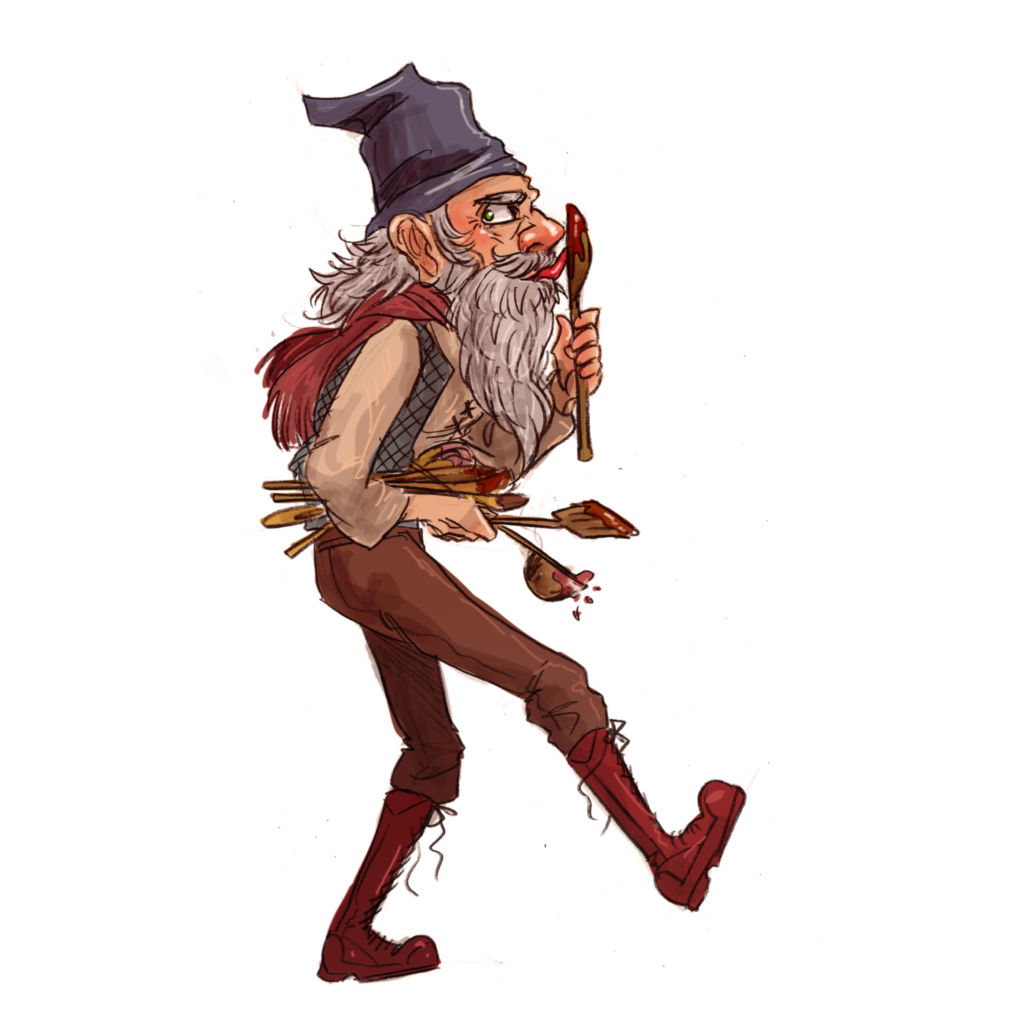
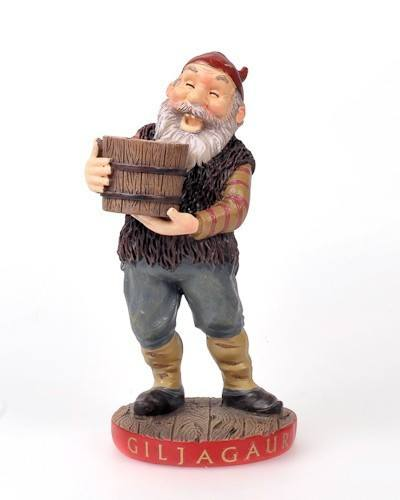
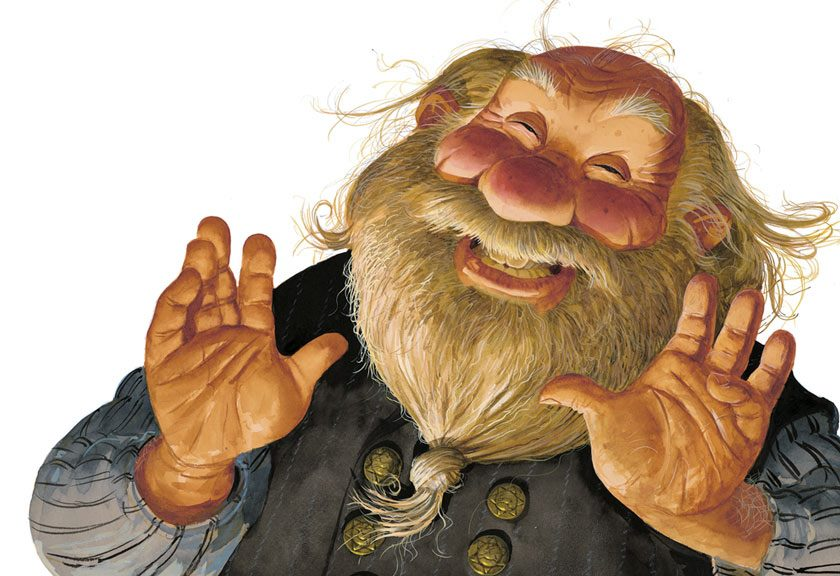
The second Yule Lad’s name is Giljagaur, which translates as Gully Gawk. “His particular brand of mischief involves harassing sheep, but he is ultimately stopped by his stiff peg-legs.”Hides in gullies, waiting for an opportunity to sneak into the cowshed and steal milk.”

Here’s how he’s described in the 1932 Icelandic poem, “Yule Lads,” by Jóhannes úr Kötlum:

The second was Gully Gawk,
gray his head and mien.
He snuck into the cow barn
from his craggy ravine.
Hiding in the stalls,
he would steal the milk, while
the milkmaid gave the cowherd
a meaningful smile.

Gully Gawk arrives each year on December 13, and leaves again on Boxing Day, December 26.

And here’s a more thorough explanation, by Robert Nelson, on Medium.

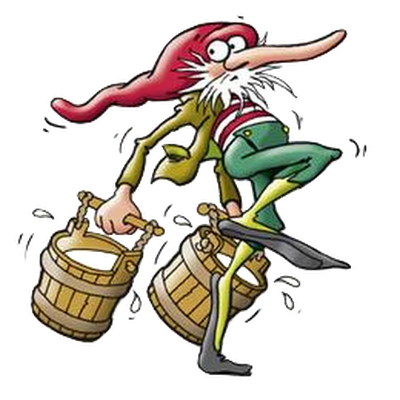
Giljagaur isn’t the only peeper, as we will come to find out later. His particular form of troublemaking is to hide in the “gullies” or the ravines that carve the landscape of Icelandic farms, and wait for an opportune moment to steal into the cowshed and slurp the foam off the top of the milk bucket.

He is also a continuation of the theme that Stekkjarstaur first introduced us to…barnyard milk thieves. Whereas Stekkjarstaur prefers the company of sheep, Giljagaur opts for the relatively more rare milk from cows.

Sheep are the classic Icelandic herd animals. They were brought in the middle ages and continue to visibly dot the Icelandic countryside, and réttir is still a nationally recognized festival where shepherds on horseback (or in an SUV) will head out to the countryside to retrieve their sheep and bring them back to pasture. Cows, on the other hand, were a luxury for the few wealthy kulaks.

Hálldor Laxness, in his seminal Independent People, describes the conflict between husband and wife over whether to buy a cow. Bjartur, the practical and frugal husband, finds the very idea ridiculous, while his new wife Rósa dreams of the comfort a cow might provide.

And here’s another, from Iceland24:

Gully Imp was the second,
With his grey old head.
He crept down from the mountain,
and into the cow shed.

He hid in the stables
– And stole the froth,
While the milkmaid chatted
Up the stable boy.

Giljagaur arrives on Dec 13. His name means “Gully Oaf.” He is usually portrayed with gray hair and wearing very plain colored clothes. As his name implies, he hides in the gullies and ditches and canyons near farmsteads. Then, after the cows have been milked, he sneaks into the barn and skims the rich cream from the top of the milk buckets. He hides again and, after morning milking, sneaks back for another creamy snack.

Sometimes his job is very easy to do, especially if you have young dairymaids and handsome warriors and lots of Viking hormones on hand. Giljagaur waits till the flirting gets started, the young people get distracted, and then he runs in and steals the cream.

He also has a fondness for cows, too. And he speaks bovinese, so he and Búkolla here are swapping some stories. Icelandic cows are a special breed, unchanged since the Vikings brought them to the island. They are quite small and can live in mountainous areas, but they are sweet natured and provide a lot of good quality milk. They also come in an amazing variety of colors, and some even have brindle stripes!

Vikings rarely drank milk. They used it for baking and to make other products that kept well in storage, like cheese, sour milk (tastes like buttermilk) and a thick low-fat curd called “skyr.” They also used the whey from cheesemaking as a way to preserve meat products, a tradition that continues to this day in Iceland. The resulting “pickled” meats were an unpleasant grey in color, but they kept well, tasted quite all right, and were nutritious. The whey itself actually has a taste similar to white wine.

The people of Berk managed to always keep a few cows on hand, but they had to hide them in caves and canyons and then make a difficult trek twice a day to milk them. Now, the dragons know to leave cows alone (a few dragons even like cheese as a treat), so once again Giljagaur can raid the stables.

So, keep your fresh cream locked away and make sure that the dairy personnel who work between Dec 13 and 26 are not the kind to be easily impressed by a well turned out pair of biceps.

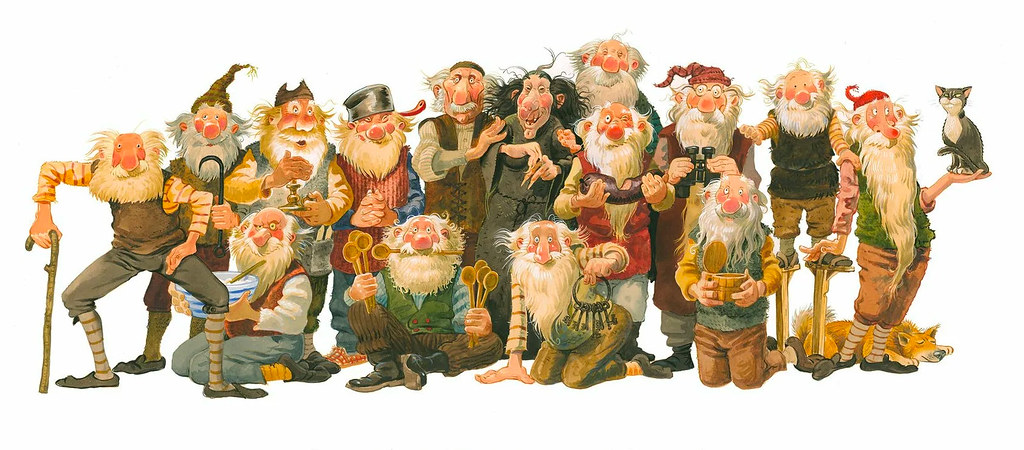
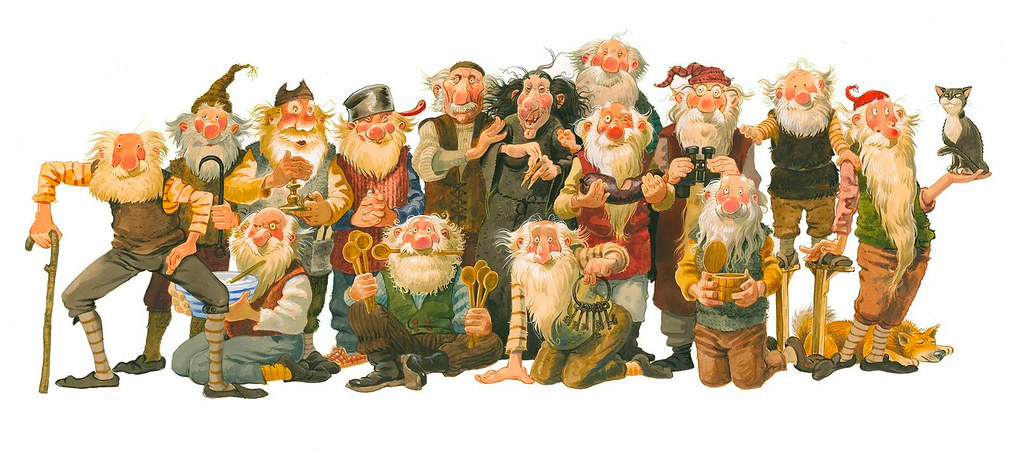
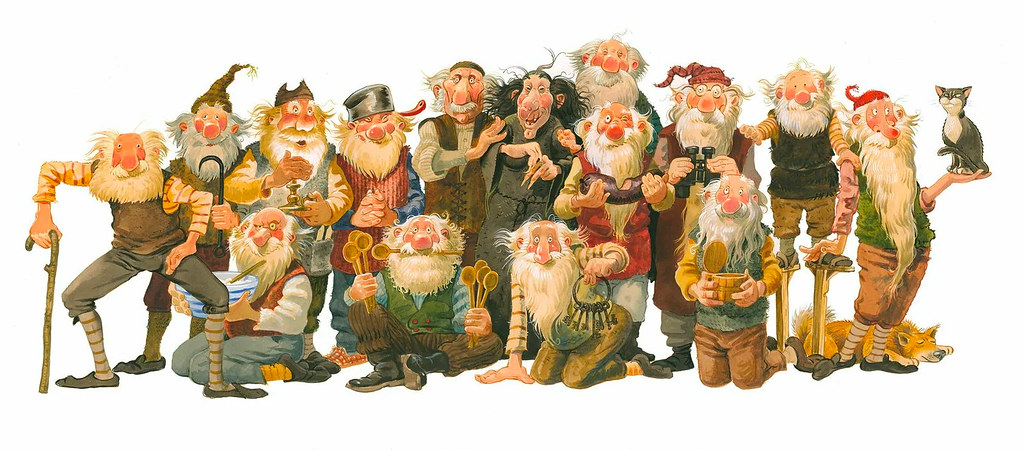
The 13 Yule Lads, Mom, Dad and Cat:
Filed Under: Just For Fun, Related Pleasures Tagged With: Christmas, History, Holidays, Iceland

The Yule Lads of Iceland #1: Sheep-Cote Clod

December 12, 2023 By Jay Brooks

Hopefully you already saw my earlier post with an overview of the Icelandic tradition of the Yule Lads. If you haven’t, go back and read that first so this will make more sense. According to folklore, today — December 12 — is the day when the first Yule Lad arrives.

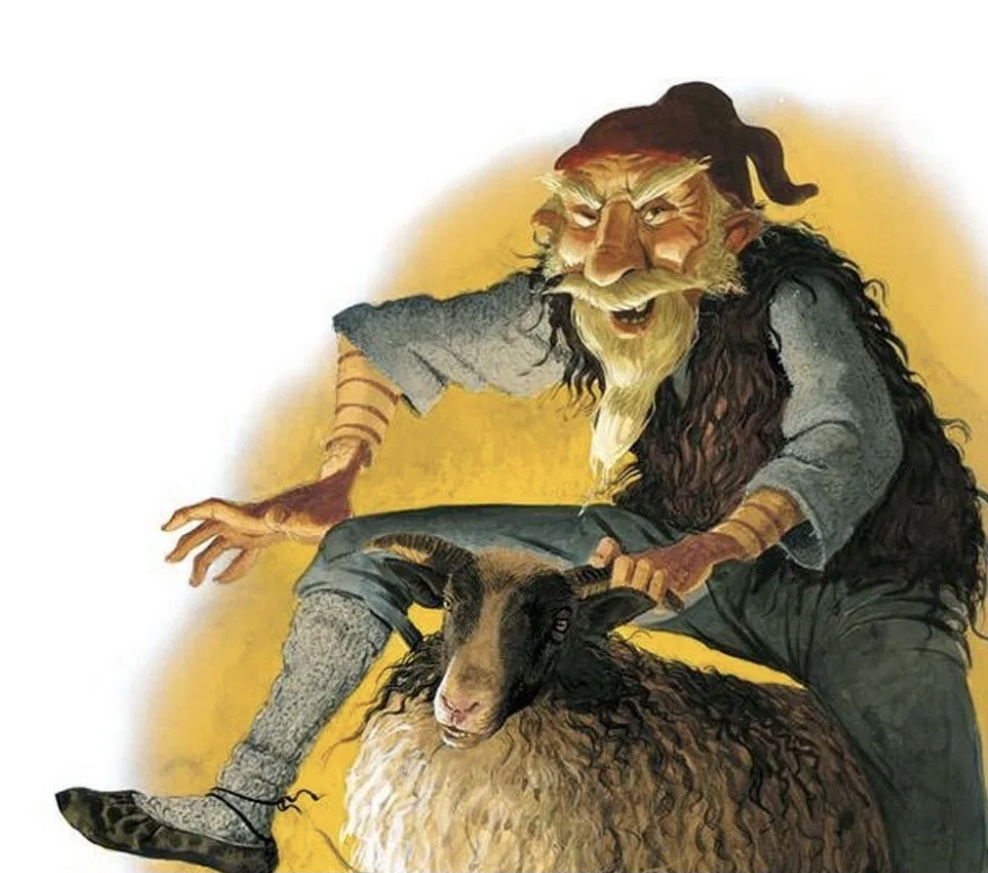
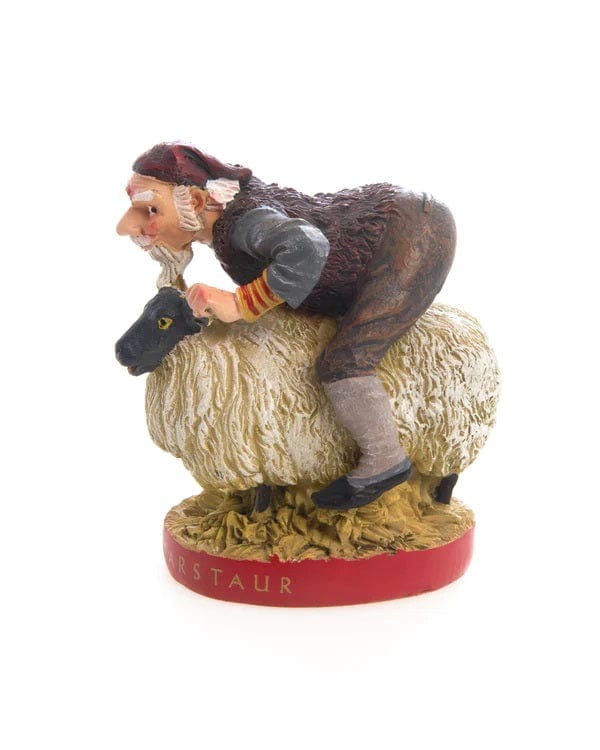
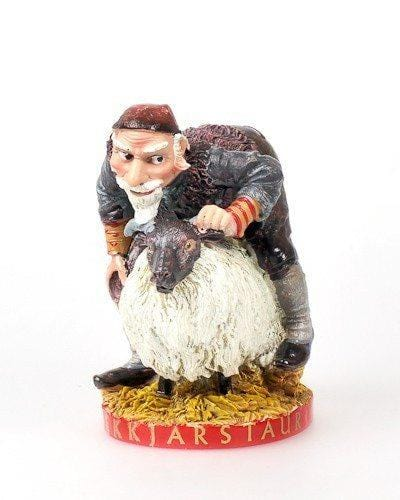
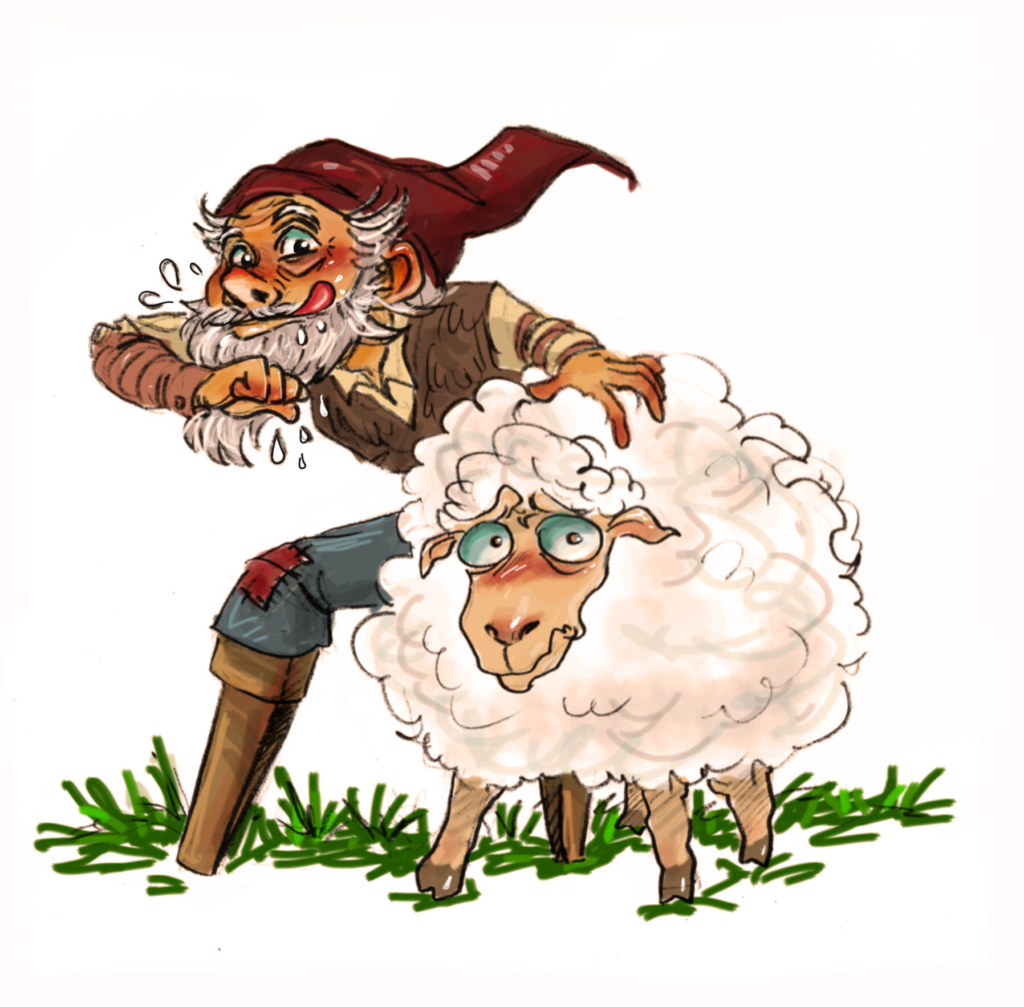
The first Yule Lad’s name is Stekkjarstaur, which translates as Sheep-Cote Clod. His particular brand of mischief involves harassing sheep, but he is ultimately stopped by his stiff peg-legs.

Here’s how he’s described in the 1932 Icelandic poem, “Yule Lads,” by Jóhannes úr Kötlum:

The first of them was Sheep-Cote Clod.
He came stiff as wood,
to prey upon the farmer’s sheep
as far as he could.
He wished to suck the ewes,
but it was no accident
he couldn’t; he had stiff knees
– not too convenient.

Sheep-Cote Clod arrives each year on December 12, and leaves again on Christmas Day, December 25.

And here’s a more thorough explanation, by Robert Nelson, on Medium.

Stekkjarstaur establishes a theme that will run throughout this series; a trouble-making imp breaks into your residence to steal some sustenance. In this case, sheep’s milk. He is, however, quite inept, as the poem shows, as a result of his disability. You see, he has two wooden legs, and as such, cannot properly bend down to suck the milk straight from the ewe’s teet.

By way of explanation, Icelandic farms historically did not look like their Anglo-American counterparts. When settlers arrived in Iceland in the middle ages, they made use of Iceland’s indigenous trees for fuel and building supplies. It takes trees rather long to grow in Iceland anyhow, but the armies of sheep that were brought to pasture in Iceland prevented any new forests from growing on the island until planned and protected plantings in the 20th century.

Farms were sod-houses, often not very large. For smaller, yeoman farms, sheep would probably live in the same structure, or possibly an adjacent structure, as the family. Very close living quarters. And so, Stekkjarstaur isn’t just raiding a barn. He’s raiding a residence.

And here’s another, from Iceland24:

Gimpy was the first,
Stiff like a tree.
He snuck into the stables,
And fooled the farmer’s sheep.

He wanted to suck milk from them,
– They did not care for that,
And because he had peg-legs
– It did not go too well.

Stekkjarstaur harbours a stiff temperament, is stiff temperament, is stiffly set in his ways and very conservative. Some claim he secretly practices yoga, but this has never been confirmed.

He’s the tallest of the brothers. That cross of troll, elf and human ancestry gave him a very long and rather stiff pair of legs. Legend says he walks as though they were made of wood, and he has to use a long walking stick to be able to walk properly. Some folk art portrays him as having two wooden prosthetic limbs, but I go more for him just having long, straight legs. They do help him take enormous strides, so he can travel further than anyone else in his family.

His specialty is in terrifying sheep and, on occasion, stealing them. So, starting on this evening and running through Christmas, Vikings make sure their sheep are well locked away or the next morning they might have some very terrified sheep … or, even missing sheep.

The 13 Yule Lads, Mom, Dad and Cat:

Filed Under: Just For Fun, Related Pleasures Tagged With: Christmas, History, Holidays, Iceland

The Yule Lads of Iceland

December 12, 2023 By Jay Brooks

Because I’ve been “collecting” dates for several decades, I was already familiar with Iceland’s peculiar tradition of the Yule Lads (sometimes referred to as Yuletide Lads) and have been listing them on my daily calendar for many years. Essentially it’s an ancient tradition in their folklore that for thirteen days in the lead up to Christmas, beginning on December 12, a different Yule Lad appears each day with his own story and brand of mischief that he gets up to while he’s visiting, and then they leave, again one per day, in the thirteen days following Christmas. But after visiting Iceland earlier this year, I decided to do my part to make them more widely known, because they’re an awfully cool and fun tradition that more people should know about and celebrate.

Origins of the Yule Lads

So who are the Yule Lads, and where did they originate? According to Wikipedia, “[t]he first mention of the Yule Lads can be found in the 17th-century Poem of Grýla. Grýla had appeared in older tales as a troll but had not been linked to Christmas before. She is described as a hideous being who is the mother of the gigantic Yule Lads, a menace to children.”

“In the late 18th century, a poem mentions 13 of them. In the mid-19th century, author Jón Árnason drew inspiration from the Brothers Grimm and began collecting folktales. His 1862 collection is the first mention of the names of the Yule Lads. In 1932, the poem “Yule Lads” was published as a part of the popular poetry book Christmas is Coming (Jólin koma) by Icelandic poet Jóhannes úr Kötlum. The poem was popular and established what is now considered the canonical 13 Yule Lads, their names, and their personalities.”

The lads themselves were the offspring of two giants, Grýla and Leppalúði.

Grýla is an ogress, first mentioned in 13th-century texts such as Íslendinga saga and Sverris saga, but not explicitly connected with Christmas until the 17th century. She is enormous, and her appearance is repulsive.

The oldest poems about Grýla describe her as a parasitic beggar. She walks around asking parents to give her their disobedient children. Her plans can be thwarted by giving her food or chasing her away. Originally, she lived in a small cottage, but in later poems, she appears to have been forced out of town and into a remote cave.

Current-day Grýla can detect children who are misbehaving year-round. She comes from the mountains during Christmas time to search nearby towns for her meal. She leaves her cave, hunts children, and carries them home in her giant sack. She devours children as her favourite snack. Her favorite dish is a stew of naughty kids, for which she has an insatiable appetite. According to legend, there is never a shortage of food for Grýla.

According to folklore, Grýla has been married three times. Her third husband Leppalúði is said to be living with her in their cave in the Dimmuborgir lava fields, with the big black Yule Cat and their sons. Leppalúði is lazy and mostly stays at home in their cave. Grýla supposedly has dozens of children with her previous husbands, but they are rarely mentioned nowadays.

The Yule Cat

Naturall, Grýla and Leppalúði, and the Yule Lads have a family pet, Jólakötturinn — or simply The Yule Cat, who similarly terrorizes unruly children, especially ones without any new clothing.

The Yule cat (Icelandic: Jólakötturinn, also called Jólaköttur and Christmas cat) is a huge and vicious cat from Icelandic Christmas folklore that is said to lurk in the snowy countryside during the Christmas season and eat people that do not receive any new clothing to wear before Christmas Eve. In other versions of the story, the cat just eats the food of people without new clothes. Jólakötturinn is closely associated with other figures from Icelandic folklore, as the house pet of the ogress Grýla and her sons, the Yule Lads.

The Popular Poem

While the idea of the Yule Lads in Icelandic folklore has been around for centuries, what cemented it into modern Iceland’s culture was a poem written in 1932 by Jóhannes úr Kötlum, who “was an Icelandic author/poet and a member of parliament. The poem was included in collection of poetry for children called Jólin Koma (which essentially means “Christmas is Coming”) and is titled “The Yules Lads.” It remains very popular to this day. Before this poem was published , the Yule Lads differed from story to story, but this poem had the effect of fixing the thirteen Yule Lads and their story into the one that’s agreed upon today. Here’s the introduction:

Let me tell the story
of the lads of few charms,
who once upon a time
used to visit our farms.

Thirteen altogether,
these gents in their prime
didn´t want to irk people
all at one time.

They came from the mountains,
as many of you know,
in a long single file
to the farmsteads below.

Creeping up, all stealth,
they unlocked the door.
The kitchen and the pantry
they came looking for.

Grýla was their mother –
she gave them ogre milk –
and the father Leppalúdi;
a loathsome ilk.

They hid where they could, with a cunning look or sneer,
ready with their pranks
when people weren´t near.

They were called the Yuletide lads
– at Yuletide they were due –
and always came one by one,
not ever two by two.

And even when they were seen,
they weren´t loath to roam and play their tricks – disturbing
the peace of the home.

The poem continues by detailing each of Grýla and Leppalúði’s thirteen children, who arrive — one each day — beginning on December 12, with the last one arriving on Christmas Eve, December 24. Then beginning on Christmas Day, they begin to leave — again one each day — which takes until January 6 until the final one leaves.

They used to me a lot more violent, in the way most fairy and folktales were originally, but the modern Yule Lads, and the Yule Cat, are more mischievous and pull pranks rather than do actual harm. As such, they’ve become a pretty fun tradition in Iceland, and the wider world. Does this have anything to do with beer? Not really, although there is a tenuous connection with one of the Lads. But it’s enough for me to have some fun with it, and so I will be sharing each of the thirteen Yule Lads beginning today and continuing until the last one’s arrival on December 24. Enjoy.

Filed Under: Just For Fun, Related Pleasures Tagged With: Christmas, History, Holidays, Iceland

Beer In Ads #4632: Casey Stengel Fined For Appearing In Ad With Miss Rheingold 1962

November 28, 2023 By Jay Brooks

Tuesday’s ad is for “Rheingold Beer,” from 1962. This ad was made for the Rheingold Brewery, which was founded by the Liebmann family in 1883 in New York, New York. At its peak, it sold 35% of all the beer in New York state. In 1963, the family sold the brewery and in was shut down in 1976. In 1940, Philip Liebmann, great-grandson of the founder, Samuel Liebmann, started the “Miss Rheingold” pageant as the centerpiece of its marketing campaign. Beer drinkers voted each year on the young lady who would be featured as Miss Rheingold in advertisements. In the 1940s and 1950s in New York, “the selection of Miss Rheingold was as highly anticipated as the race for the White House.” The winning model was then featured in at least twelve monthly advertisements for the brewery, beginning in 1940 and ending in 1965. Beginning in 1941, the selection of next year’s Miss Rheingold was instituted and became wildly popular in the New York Area and beyond. In 1962, Kathy Kersh won the contest and became Miss Rheingold for that year. She was born Kathleen Kroeger Kersh on December 15, 1942 in Los Angeles, California (though one source claimed it was Hawaii). She attended a theatrical school, studying dance and acting. In 1959, she won the title of Miss Junior Rose Bowl, and became a professional model, and later an actress and singer. After her year as Miss Rheingold 1962, she married actor Vince Edwards, best known as Dr. Ben Casey on the TV show of the same name. But they were married for only four months before divorcing, and her daughter was born shortly thereafter when she became a single mother. Some of her more memorable appearances were on Burke’s Law, My Favorite Martian, The Beverly Hillbillies, The Man from U.N.C.L.E., and a small part in the film “The Americanization of Emily.” In 1967, she signed a record deal with Power Records, and released two singles. After a small role as Cornelia, one of the Joker’s henchmen, on Batman, she married Burt Ward, who played Robin. That marriage last two years, and afterwards she attended business school and embarked on successful a career in commercial real estate. As far as know, she still lives in Sherman Oaks, California. In these newspaper items, from April, just a few days after the opening day for the baseball season that year, Miss Rheingold 1962, Kathy Kersh, did an ad on the field at the Polo Grounds in Manhattan with the manager of the New York Mets, legendary baseball player and manager, Casey Stengel. But according to these two articles, that was against the rules of baseball, which prohibit appearing in a commercial advertisement wearing your uniform, and Stengel did just that. So Commissioner Ford Frick fined Stengel $500.

And this version of the story was published April 23, 1962.

Filed Under: Art & Beer, Beers, News, Related Pleasures Tagged With: Advertising, History, Rheingold

Buddy’s Beer Garden

November 11, 2023 By Jay Brooks

looney-tunes
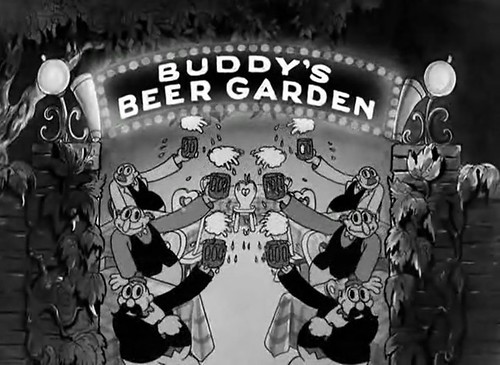
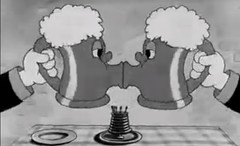
On the eve of the repeal of prohibition, anticipation must have been running pretty high. On November 11, 1933, Warner Brothers cartoon studios released their newest Looney Tunes animated short film, “Buddy’s Beer Garden.”

“It is a Looney Tunes cartoon, featuring Buddy, the second star of the series. It was supervised by Earl Duvall, here credited as ‘Duval,’ was one of only five Warner Bros. cartoons directed by him, and one of only three Buddy shorts. Musical direction was by Norman Spencer.”

buddysbeergarden
Here’s the description of the film from Wikipedia:

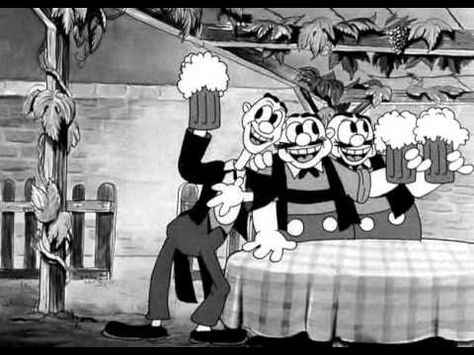
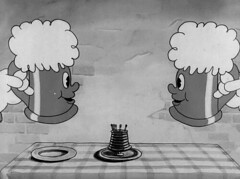
We enter Buddy’s beer garden, where are gathered many merry patrons, singing “Oh du lieber Augustin”, mugs in hand. The happy opening scene fades to one of an equally merry Buddy, who balances a tray and sings of the good cheer his beer brings (to the tune of “Auf Wiederseh’n (We’ll Meet Again)”), as he fixes a tablecloth and sets down two glasses of his ware, while a black dog, pretzels on its tail, behind him barks in tune. A German oom-pah band creates an ambience (and, as the band reappears four times throughout the cartoon, each time they are seen, as a gag, a small member of the group will come out of the largest member’s brass instrument, playing, in succession, a trumpet, maracas, a piano, and a bass drum.) Beer flows on tap, and Buddy ensures that each mug has plenty of foam. Cookie neatly prepares several pretzels, which then are salted by the same little dachshund, and carried thence away. The tongue sandwiches offered as part of the bar’s free lunch sing & lap up mustard; an impatient patron (presumably the same brute who serves as the villain in later shorts, such as Buddy’s Show Boat and Buddy’s Garage) demands his beer, which he instantly gulps down upon its arrival.

buddys-beer-garden
All present take part in “It’s Time to Sing ‘Sweet Adeline’ Again”: some sing, one patron plays his spaghetti as though the noodles were strings on a harp, Buddy makes an instrument out of his steins, &c. Cookie comes around, offering cigars and cigarettes to the patrons, one of whom, the same impatient brute as before, accepts, but not before freshly stroking the girl’s chin. Cookie performs an exotic dance for the entire beer garden, and is joined by the selfsame patron, & a formerly stationery piano. The film goes on: Buddy whistles “Hi Lee Hi Lo”, tossing beer from one mug to another, preparing sandwiches, clearing tables.

buddysbeergarden6
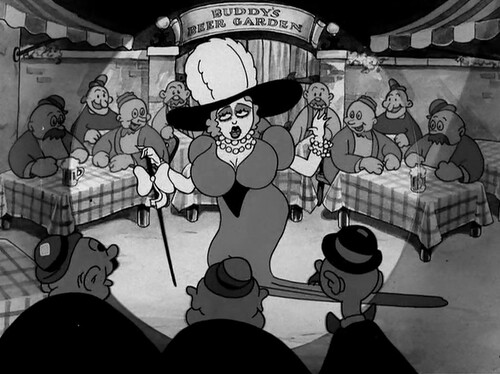
As a final treat for his customers, Our Hero introduces a lady singer (who bears a striking resemblance to Mae West), who reveals herself only after Buddy’s departure and a brief musical interlude. The grand dame attracts the attention of the very same recurring patron, who drunkenly stumbles over to her with the intention of receiving a kiss: as the song (“I Love my Big Time, Slow Time Baseball Man”) ends, he makes his request, but a horned goat, part of a poster advertising “Bock Beer”, but nonetheless quite alive, with its horns stabs the patron’s backside, sending him flying. The patron, on his airborne journey, causes the lady singer to catch her dress on an overhanging tree; the dress tears, & the throaty performer, now grounded, is revealed to be a cross-dressed Buddy. Pleasantly embarrassed, Buddy stalks away, waving blithely to all present; in the final shot, we see that the bird cage strapped to Buddy’s posterior (there to replicate the voluptuousness of his singing persona), in fact houses an exotic bird, which shows itself to have a voice & nose like those of Jimmy Durante, as well as a saying: “Am I mortified!”

buddysbeergarden3
buddys-beer-garden-1
Although it’s fairly small, here’s the entire cartoon to watch. Enjoy.

Filed Under: Just For Fun, Politics & Law, Related Pleasures Tagged With: Cartoons, History, Prohibition

Guy de Maupassant’s “Waiter, A Glass Of Beer!”

August 5, 2023 By Jay Brooks

book
Today is the birthday of French writer Guy de Maupassant. He was a prolific writer, very popular during his lifetime, and “considered one of the fathers of the modern short story and one of the form’s finest exponents.” He wrote half-a-dozen novels and around 240 short stories. One of them was entitled “Waiter, A Glass of Beer!,” although since the original was in French, it’s sometimes translated as “Waiter, A Bock!” It’s a somewhat melancholy tale, but there’s a couple of great quotes in the story, like how the barfly describes his life:

I get up out of bed at noon. I come here, I have a meal, I drink beer, I wait for the evening, I have dinner, I drink beer, and then, about half-past one in the morning, I go home to bed again, because, you see, they close at that hour—which is a nuisance. I have probably spent six years out of the last ten on this seat, in this corner, and the rest of the time in bed—none of it anywhere else. Occasionally I have a chat with some of the guests.

And in the “Bock” version of the story, the barfly is referred to as a “regular” in the beer bar, but in the “glass of beer” version they use an interesting term I hadn’t heard before: a “beerite,” which he describes as “one of those habitual frequenters of beer-palaces who come in the morning when the doors open, and leave when they close for the night.” I may have to try to get that word back into common usage, if indeed it ever was.

Because it’s in the public domain, several versions are available online. I’ve reprinted the Bartelby version below, but you can see others, such as one of the Bock versions at Classic Short Stories or at Google Books’ version at The Complete Short Stories of Guy de Maupassant. Enjoy.

Guy_de_Maupassant_fotograferad_av_Félix_Nadar_1888
A photograph of Guy de Passant taken in 1888.

‘Waiter, a Glass of Beer!’

I WAS going nowhere in particular. I was merely taking a stroll after dinner. I passed the Lyonnais Bank, the Rue Vivienne, and other streets besides. Suddenly I halted before a half-empty beer-palace. With no special object in view—for I was not thirsty—I went in.

Casting a glance about for a comfortable place, I took a seat next to a man who looked rather old, and was smoking a cheap clay pipe, which was as black as coal. Half a dozen glass saucers piled up on the table in front of him indicated the number of glasses he had already consumed. I paid no closer attention to my neighbor, recognizing him at once for a “beerite,” one of those habitual frequenters of beer-palaces who come in the morning when the doors open, and leave when they close for the night. He was untidy, and bald on the top of his head, a shock of long, greasy, pepper-and-salt hair falling upon his coat collar. His clothes, which were too loose, had apparently been made at a time when he was stouter. One suspected that his trousers were not fastened on tight, and that every ten yards the wearer would have to stop and pull up that erratic garment. Had he a waistcoat on? The bare thought of his boots, and of what they might contain, made me shudder. His frayed cuffs were a deep black all round the edges—just like his nails.

No sooner had I sat down beside this individual, than he coolly addressed me:

“How are you?”

I turned toward him in surprise, and looked him over. Then he resumed:

“You don’t recognize me?”

“No.”

“Des Barrets.”

I was dumfounded. It was Count Jean des Barrets, an intimate friend of college days. I shook hands with him, but was too much perturbed to bring out a syllable. At last I stammered:

“And you—how are you?”

To which he placidly replied:

“I might be worse.”

That was all he said. I tried to be civil, and racked my brain for an observation to make. At last I put the question:

“And—er—what are you doing at present?”

He answered in a tone of resignation:

“As you see.”

I felt myself blushing. Nevertheless, I braved it out:

“But every day, I mean?”

After puffing out an enormous cloud of smoke, he replied:

“It’s the same thing every day.”

Thereupon, giving the marble surface of the table a rat-tat-tat with a copper coin, he exclaimed:

“Waiter, two glasses of beer!”

A distant voice repeated, “Two glasses of beer!” A voice still more distant shouted a strident “Here you are!” Then appeared a man in a white apron, carrying two glasses, from which he spilt a few yellow drops as he shuffled speedily across the sanded floor.

Des Barrets emptied his glass at a single draft, and put it back on the table, sucking off the foam which had remained on his mustache. After this he inquired:

“Anything new?”

I really had nothing new to tell him, and so I muttered:

“No, old chap, nothing that I know of. I—I’m in business.”

In the same even tone he asked me:

“Oh! And do you find that amusing?”

“No. But it can’t be helped. A fellow must do something or other.”

“Why so?”

“Well—er—so as to have his time occupied.”

“What’s the use of that? I never do anything, as you see—no, not a thing. If one is poor, I understand that one must work. But as long as one has anything to live upon, then it’s quite unnecessary. Work—why work? Are you doing it for yourself or for others? If you are doing it for yourself, I suppose you enjoy it, and then it’s all right; if you do it for somebody else, you’re an idiot!”

Then, resting his pipe on the marble slab, he again cried out aloud:

“Waiter, a glass of beer!”

Turning back to me, he continued:

“Talking makes me thirsty. I am not used to it. No, I have no occupation; I do nothing but simply grow old. I shall have nothing to grieve for when I die. This beer-palace will be my only parting memory. No wife—no children—no cares—no worry. That’s the best way.”

He drained the tall glass brought him, wiped his mouth with the back of his hand, and took to his pipe once more.

I was stupefied. Presently I said:

“But you have not always been like this?”

“I beg your pardon, always; ever since I left college.”

“But this is no life for you, my dear fellow! Why, it’s horrible! Surely you have something to do—you must have friends—you must be attached to somebody or something?”

“Not at all. I get up out of bed at noon. I come here, I have a meal, I drink beer, I wait for the evening, I have dinner, I drink beer, and then, about half-past one in the morning, I go home to bed again, because, you see, they close at that hour—which is a nuisance. I have probably spent six years out of the last ten on this seat, in this corner, and the rest of the time in bed—none of it anywhere else. Occasionally I have a chat with some of the guests.”

“But when you first came to Paris, what did you do, to start with?”

“I took my degree—at the Café de Médicis.”

“And what did you do next?”

“Next? Oh, I crossed the river, and came here!”

“Why did you take that much trouble?”

“Well, you know, a fellow can hardly stay in the Latin Quarter all his life. The students are too noisy. I shall never move again, now. Waiter, a glass of beer!”

I thought he was making game of me, and so persisted:

“Now, look here, tell me the truth! You have had some great sorrow, haven’t you? some unfortunate love-affair perhaps? You certainly look like a man who has been hard hit by fate. Tell me—how old are you?”

“Thirty-three; but I look at least forty-five.”

His wrinkled face, which was none too clean, might indeed almost have belonged to an old man. From the top of his skull fluttered a wisp or two of hair above some skin of a doubtful color. He had enormous eyebrows, a heavy mustache, and a thick, shaggy beard. There appeared to my vision—I can scarcely tell why—a basin full of dark water, in which he had attempted to wash.

“Yes,” said I, “you look older than you are. Surely you must have had some trouble.”

“None in the world, I tell you. I have aged because I never take any exercise. There’s nothing worse for people than this life in cafés.”

Still I could not believe him:

“Ah, then you’ve been a bit gay! One doesn’t get bald like that without running after the women a good deal.”

He tranquilly shook his head, sowing his coat collar with little white particles that fell from his last remaining locks.

“No,” he remarked, “I have always behaved myself.” And raising his eyes to the chandelier overhead, he added, “If I’m bald, the gas is to blame. It’s frightfully bad for the hair. Waiter, a glass of beer!—You don’t seem thirsty?”

“No, thanks. But really, your case is interesting. When did this—er—apathy set in? It isn’t normal; it isn’t natural. There’s something beneath all this.”

“Well, yes—it dates back a long way. I’ll tell you about it.”…

“Waiter, a glass of beer!”

The glass that was brought him he gulped down at one swallow. Only, in taking up his pipe again, as his hand trembled, he let it drop, and it broke. This caused him a gesture of despair, and drew from him the complaint:

“Well, now, that’s really a tragedy, that is. It’ll take me a month to color another.”

And through the immense room, now full of tobacco-smoke and beer-drinkers, resounded again his everlasting cry:

“Waiter, a glass of beer!” Only this time he added, “And a new pipe!”

Filed Under: Beers, Just For Fun, Related Pleasures Tagged With: Literature

Beer In Ads #4477: Miss Rheingold 1959, Royal Dutch Treat For Seven American Beauties

June 23, 2023 By Jay Brooks

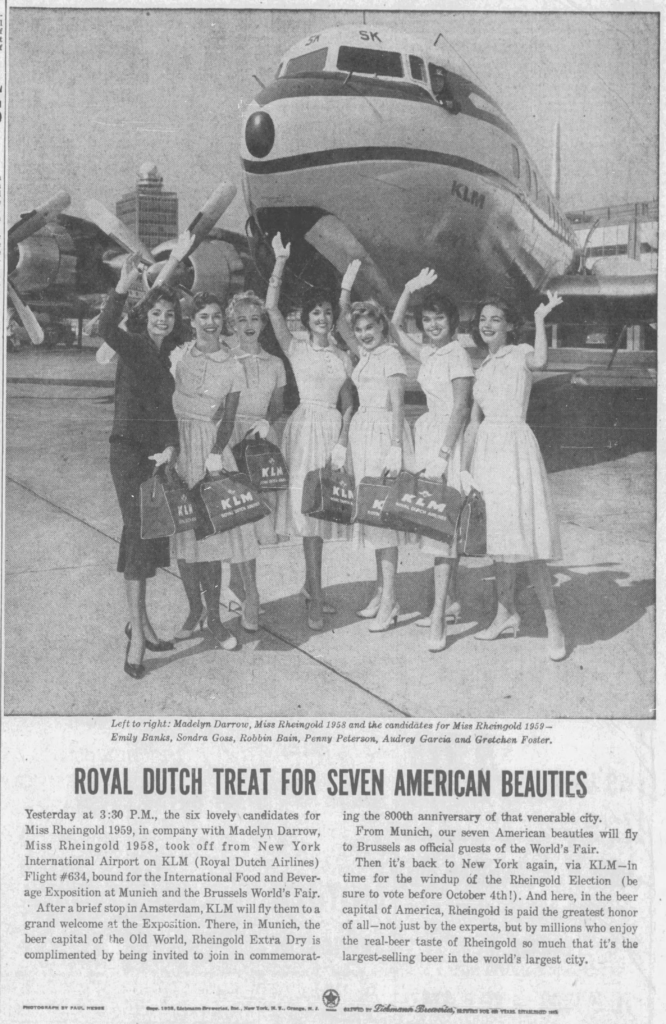
Friday’s ad is for “Rheingold Beer,” from 1958. This ad was made for the Rheingold Brewery, which was founded by the Liebmann family in 1883 in New York, New York. At its peak, it sold 35% of all the beer in New York state. In 1963, the family sold the brewery and in was shut down in 1976. In 1940, Philip Liebmann, great-grandson of the founder, Samuel Liebmann, started the “Miss Rheingold” pageant as the centerpiece of its marketing campaign. Beer drinkers voted each year on the young lady who would be featured as Miss Rheingold in advertisements. In the 1940s and 1950s in New York, “the selection of Miss Rheingold was as highly anticipated as the race for the White House.” The winning model was then featured in at least twelve monthly advertisements for the brewery, beginning in 1940 and ending in 1965. Beginning in 1941, the selection of next year’s Miss Rheingold was instituted and became wildly popular in the New York Area. In this newspaper item, from September 1958, we see Miss Rheingold 1958, Madelyn Darrow, along with the six finalists for Miss Rheingold 1959 on the airport tarmac about to board a KLM flight to Europe to attend the International Food and Beverage Exposition in Munich, Germany, followed by a visit to the 1958 Brussels World’s Fair. Waving in front of the plane, from left to right are Madelyn Darrow, Miss Rheingold 1948, Emily Banks, Sondra Goss, Robbin Bain, Penny Peterson, Audrey Garcia and Gretchen Foster.

And below is a slightly lighter version of the ad that allows you to see more detail.

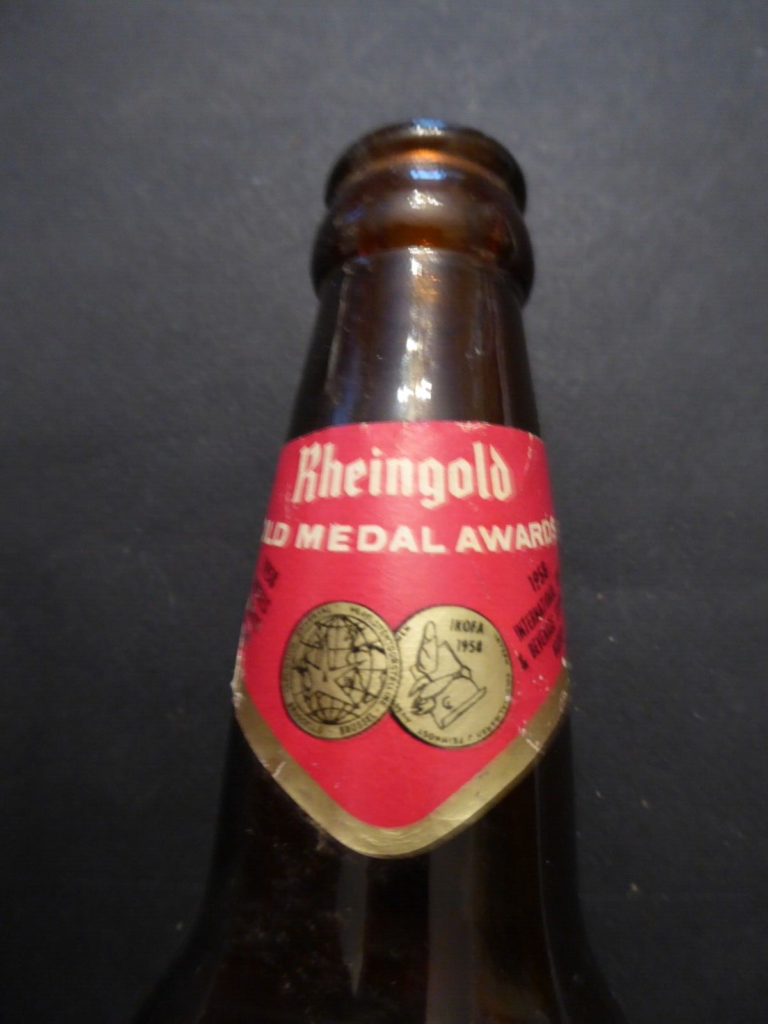
Another interesting thing that happened is that at the International Food and Beverage Exposition in Munich, apparently Rheingold won a gold medal for their beer, because their neck label after the event included the following

And here’s a close up of the neck label.

Filed Under: Art & Beer, Beers, Related Pleasures Tagged With: Advertising, History, Rheingold

Beer In Ads #4383: Brains May Be Nice, But Beauty Pays Real Cash

March 17, 2023 By Jay Brooks

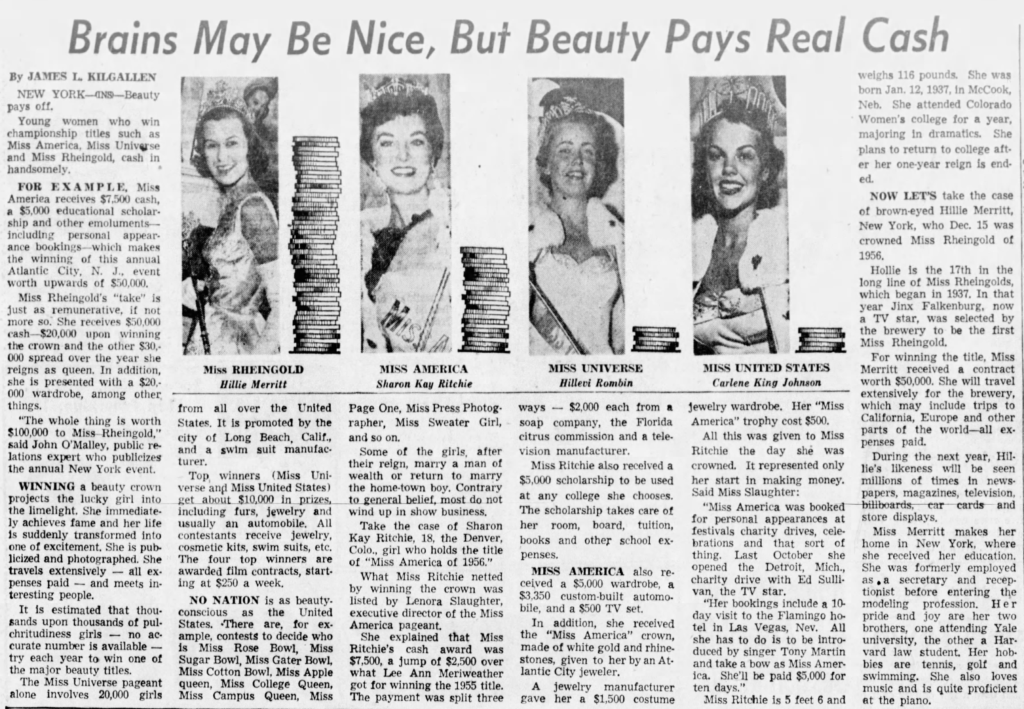
Friday’s ad is for “Rheingold Beer,” from 1956. This ad was made for the Rheingold Brewery, which was founded by the Liebmann family in 1883 in New York, New York. At its peak, it sold 35% of all the beer in New York state. In 1963, the family sold the brewery and in was shut down in 1976. In 1940, Philip Liebmann, great-grandson of the founder, Samuel Liebmann, started the “Miss Rheingold” pageant as the centerpiece of its marketing campaign. Beer drinkers voted each year on the young lady who would be featured as Miss Rheingold in advertisements. In the 1940s and 1950s in New York, “the selection of Miss Rheingold was as highly anticipated as the race for the White House.” The winning model was then featured in at least twelve monthly advertisements for the brewery, beginning in 1940 and ending in 1965. Beginning in 1941, the selection of next year’s Miss Rheingold was instituted and became wildly popular in the New York Area. Hillie Merritt was elected as Miss Rheingold 1955. Not to take anything away from the other Miss Rheingolds, but her story is pretty amazing. She was born Hildegarde Ercklentz in Hamburg, Germany in 1934 but she moved to New York when her father was given a position there with the German bank he worked for. In 1941, they had to flee the United States and lived for a time in Japan, before finally making it back to Hamburg after the war and then by 1950 was living once again in New York City. The story of that journey was written by her and published as “Journey Interrupted” in 2016. By 1955, she was Mrs. Hillie Merritt (although it may actually have been Merrill), with a one-year old son, and decided on a lark to enter the contest. Soon after the year she divorced and then married corporate executive David Mahoney, and they became a prominent couple in the NY social scene and in philanthropic circles. In 1990, they founded the Harvard Mahoney Neuroscience Institute, which Hildegarde Mahoney took charge of after her husband’s death in 2000 and she’s still running the charity today. In this interesting newspaper article, from December, they’re examining how much money you can make from winning beauty pageants. Highlighting several different contest, such as Miss America, Miss Universe, and Miss United States, Miss Rheingold 1956, Hillie Merritt, is the winner my a wide margin in terms of how much money she’s make. Another interesting tidbit, if not entirely surprising, is that “no nation is as beauty-conscious as the United States,” and then lists off a plethora of additional beauty contests.

Filed Under: Art & Beer, Beers, Related Pleasures Tagged With: Advertising, History, Rheingold

A Tale Of Pretty Polly Perkins

March 10, 2023 By Jay Brooks

While looking through the Internet Archive today, I came across this odd bit of temperance literature from England. It’s a six-page story published in 1890 to persuade people from partaking of the demon alcohol and instead suggesting Mason’s Extract of Herbs “for the speedy production of herb or botanic beer, a non-intoxicating beverage.” Unsurprisingly, it was published by Newball & Mason, makers of the apparently non-alcoholic beer. It’s called “A Tale of Pretty Polly Perkins.”

The name, I believe, comes from an earlier song called Pretty Polly Perkins of Paddington Green that was first published in 1864. According to Wikipedia, “it was almost universally known in England until around the mid-1950s, when it began to fade as being too old-fashioned.” So here’s the story in full. It’s worth a read.

Page 1.
Page 2.
Page 3.
Page 4.
Page 5.
Page 6.
Back Cover.

The back cover shows a bottle of Mason’s Original Herb or Botanic Beer. What was it exactly? I’m not sure, but the Monterey Bay Herb Company has a history of it on their Facebook page:

Herbal History: Mason’s Botanical Beer

“The little busy bee improves the shining hour and prefers Mason’s Extract of Herbs before the laborious old fashioned method of extracting it itself.”

Newball & Mason’s original Extract of Herbs, also known as “Botanic Beer,” was promoted as a refreshing tonic and non-alcoholic alternative to beer in keeping with the Temperance movement which prevailed at the time. The company was formed in 1859 through a partnership between Thomas Ayres Newball and his apprentice, 15-year old Thomas Mason. In 1875, the younger Thomas opened a factory on Park Row in Nottingham, from which he produced his “extract of herbs.”

Advertisements for Mason’s Extract of Herbs appeared regularly in newspapers and on posters and handbills circulated in street railways throughout London. The ads always contained the familiar tagline,”The little busy bee improves the shining hour and prefers Mason’s Extract of Herbs before the laborious old fashioned method of extracting it itself’ and instructed the reader to “Send 9 stamps for sample bottle, enough to make eight gallons.”

In 1880, Thomas took on an apprentice of his own, Benjamin Deaville, who later became a partner in the company. Over the next several years, the company would move twice more until landing in New Basford where the two men established Maville Works, a merging of their names. Here the company diversified to also produce coffee, flavorings, fruit essences, dried herbs and household chemicals.

Benjamin became the sole proprietor after Thomas died in 1911, and he remained chairman and managing director until his death in 1938. Newball and Mason relocated to Staffordshire in 1957, where it continued to operate until 1970.

Wondering what Mason’s botanical beer was made of? Like most formulas of the period, it was a closely guarded secret. But, because few things stay secret forever (and the label’s illustration provides a clue)…the primary ingredients were yarrow, dandelion, comfrey and horehound.

Ad for Mason’s Extract from around 1900.

So it’s made with “yarrow, dandelion, comfrey and horehound,” ingredients more at home in a gruit. How exactly did that concoction create a beverage that tasted in any way like beer, enough that they felt comfortable calling it beer, botanic beer or otherwise?

Below is some more information from an advertising leaflet produced in the 1890s.

Newball & Mason’s original extract of herbs or ‘botanic beer’ was promoted as a wholesome, refreshing drink, a tonic. Most importantly (in line with the Temperance movement of the time which disapproved of alcohol drinking and campaigned determinedly against it), it was marketed as a non alcoholic (and much cheaper) alternative to beer.

In the advertisement an image of bees buzzing round a bottle and the clump of flowers to the left (dandelion, white dead nettle, burdock and comfrey) suggest the natural and healthy origin of the extract. Another image shows a smiling, young, male scientist holding a glass of the extract, endorsing the product. Newball & Mason were manufacturing chemists & botanic druggists based at the Hyson Green Works, Nottingham.

I love the line “no other extract makes beer like it.” That I believe. And here’s one more account of the extract, from a local history group in Nottingham, England:

The company of Newball and Mason was originally founded by Thomas Ayres Newball and Thomas Mason. In 1850 Thomas Ayres Newball had opened a chemist shop at 36 Derby Road, Nottingham and in 1859, at the age of fifteen, Thomas Mason became his apprentice. After several years, Thomas Mason opened his own shop on Derby Road and it was at this time that he invented the ‘extract of herbs’, a concentrated essence that could be made up into the non-alcoholic beverage, ‘Botanic Beer’. In the 1870’s the two businesses were amalgamated to form Newball and Mason, chemist and druggist, with premises near the Market Place and at 10 Derby Road (Morris’s Trade Directory for 1877). With the growing popularity of botanic beer, in 1875 Thomas Mason opened a factory on Park Row in Nottingham, to produce his ‘extract of herbs’. Benjamin Deaville joined the company as an apprentice in 1880 and after serving a three year apprenticeship, he decided to concentrate on the manufacturing side of the business, later becoming a partner in the company.

In 1890, the company moved into a larger factory on Terrace Street in Hyson Green and in 1902, they moved again to a former lace factory on Beech Avenue, New Basford. This factory was known as the ‘Maville Works’, combining the names of Mason and Deaville. By this time, Newball and Mason had diversified to produce not only the ‘extract of herbs’ but also coffee, fruit essences and flavourings, household chemicals, culinary and medicinal herbs, the latter being grown on the company’s herb and fruit farm in Bunny. In 1911, Thomas Mason died and Benjamin Deaville became the sole proprietor. In 1925 he decided to form a private limited company and held the position of chairman and managing director until his death in 1938.

THE INGREDIENTS : yarrow, dandelion, comfrey and horehound. All grow wild in Ryde Cemetery so if you fancy taking up brewing…!

Based on this ad from the 1890s, it looks it was also sold in the U.S., as well.

Filed Under: Art & Beer, Beers, Just For Fun, Politics & Law, Related Pleasures Tagged With: History, Literature, Prohibitionists

The First Tavern In America

March 4, 2023 By Jay Brooks

Today, March 4, in 1634 is when the first licensed tavern in Colonial America opened in Boston, which is why today is also considered “American Tavern Day.” Given that record-keeping was spotty back then, you probably won’t be surprised that it’s not absolutely certain it was the first, although it seems to have been the first in New England at least. Apparently, there is some evidence that another may have opened earlier in Jamestown, Virginia, but I’ve not seen the evidence for that, so here we are.

The account of it opening comes from Boston magistrate John Winthrop, who wrote in his journal under the date 4 March 1634 that “Samuel Cole set up the first house for common entertainment,” this being the first public house or tavern in the colony.

This definitely not Samuel Cole’s Inn but it is typical of taverns of that time period and often shows up in stories about early taverns.

This account is from 1917, and appeared in the book “Old Boston Taverns and Tavern Clubs,” by Samual Adams Drake.

SAMUEL COLE’S INN

Samuel Cole came to Boston in the fleet with Governor Winthrop, and he with his wife Ann were the fortieth and forty-first on the list of original members of the First Church. He requested to become a freeman October 19, 1630, and was sworn May 18, 1631. He was the ninth to sign the roll of the Ancient and Honorable Artillery Company in 1637 and in the same year was disarmed for his religious views. In 1636 he contributed to the maintenance of a free school and in 1656 to the building of the town house. In 1652 he was one of those chosen to receive monies for Harvard College. In 1634 he opened the first ordinary, or inn. It was situated on Washington Street, nearly opposite the head of Water Street. Here, in 1636, Sir Henry Vane, the governor, entertained Miantonomo and two of Canonicus’s sons, with other chiefs. While the four sachems dined at the Governor’s house, which stood near the entrance to Pemberton Square, the chiefs, some twenty in all, dined at Cole’s Inn. At this time a treaty of peace was concluded here between the English and the Narragansetts.

In 1637, in the month of June, there sailed into Boston Harbor the ship Hector, from London, with the Rev. John Davenport and two London merchants, Theophilus Eaton and Edward Hopkins, his son-in-law, two future governors of Connecticut. On the same vessel was a young man, a ward of King Charles I., James, Lord Ley, a son of the Earl of Marlborough (who had just died). He was also to hold high positions in the future and attain fame as a mathematician and navigator.

The Earl of Marlborough, while in Boston, was at Cole’s Inn, and while he was here was of sober carriage and observant of the country which he came to view. He consorted frequently with Sir Henry Vane, visiting with him Maverick, at Noddle’s Island, and returning to England with Vane in August, 1637.

His estate in England was a small one in Teffont Evias, or Ewyas, Wilts, near Hinton Station, and in the church there may still be seen the tombs of the Leys. He also had a reversion to lands in Heywood, Wilts.

In 1649 he compounded with Parliament for his lands and giving bond was allowed to depart from England to the plantations in America.

On the restoration of Charles II. in 1661, the Earl returned to England and in the next year was assisted by the King to fit out an expedition to the West Indies. In 1665 he commanded “that huge ship,” the Old James, and in the great victorious sea fight of June 3 with the Dutch was slain, with Rear Admiral Sansum, Lords Portland, Muskerry, and others.

He died without issue and the title went to his uncle, in whom the title became extinct, to be revived later in the more celebrated Duke, of the Churchill family.

It was shortly after the Earl’s departure that Cole was disarmed for his sympathy for his neighbor on the south, Mrs. Ann Hutchinson, and he was also fined at the same time for disorders at his house. In the following spring he was given permission to sell his house, to which he had just built an addition, and he disposed of it to Capt. Robert Sedgwick in February, 1638.

Cole then removed to a house erroneously noted by some as the first inn, situated next his son-in-law, Edmund Grosse, near the shore on North Street. This he sold in 1645 to George Halsall and bought other land of Valentine Hill.

Although it was always known as Cole’s Inn, writer Henry Wadsworth Longfellow mentions it throughout his play “John Endicott,” but calls it the “The Three Mariners.” For example, from Act IV:

Now let us make a straight wake for the tavern Of the Three Mariners, Samuel Cole commander; Where we can take our ease, and see the shipping, And talk about old times.

Filed Under: Just For Fun, Related Pleasures Tagged With: Bars, Boston, History, Massachusetts, New England

« Previous Page
Next Page »

Find Something

Northern California Breweries

Please consider purchasing my latest book, California Breweries North, available from Amazon, or ask for it at your local bookstore.

Recent Comments

  • Bob Paolino on Beer Birthday: Grant Johnston
  • Gambrinus on Historic Beer Birthday: A.J. Houghton
  • Ernie Dewing on Historic Beer Birthday: Charles William Bergner 
  • Steve 'Pudgy' De Rose on Historic Beer Birthday: Jacob Schmidt
  • Jay Brooks on Beer Birthday: Bill Owens

Recent Posts

  • Beer In Ads #5240: Rieker’s Bock Beer Is Now On The Market May 3, 2026
  • Historic Beer Birthday: Herman Adolph Schalk May 3, 2026
  • Beer In Ads #5239: The National Drink May 2, 2026
  • Beer Birthday: Anders Kissmeyer May 2, 2026
  • Beer Birthday: Bruce Paton May 2, 2026

BBB Archives

Feedback

Head Quarter
This site is hosted and maintained by H25Q.dev. Any questions or comments for the webmaster can be directed here.