Brookston Beer Bulletin

Jay R. Brooks on Beer

  • Home
  • About
  • Editorial
  • Birthdays
  • Art & Beer

Socialize

  • Dribbble
  • Email
  • Facebook
  • Flickr
  • GitHub
  • Instagram
  • LinkedIn
  • Pinterest
  • RSS
  • Twitter
  • YouTube

Powered by Genesis

Blaming Overeating On Drinking

September 15, 2015 By Jay Brooks

beer-belly-can
You know what makes you fat? It’s not food. It’s drinking alcohol. Wait, what? Yup, according to a study financed by the NIH, conducted by the Indiana Alcohol Research Center, and published earlier this year in the journal Obesity, researchers claim that what they’ve dubbed “the apéritif phenomenon” may be causing our obesity epidemic. Except that they’re not.

The self-described “internationally recognized news website” Inquisitr, under the category “Celebrity Health,” published an article entitled “Alcohol Sensitizes Brain’s Response To Food Aromas, Say Scientists — Is Liquor Responsible For Rising Obesity?” Naturally, Alcohol Justice gleefully tweeted the bad news as “new evidence points to alcohol’s role in U.S. obesity epidemic.” Except that, as I mentioned, the evidence does nothing of the kind.

The study that the article is based on is entitled The apéritif effect: Alcohol’s effects on the brain’s response to food aromas in women. Here’s the abstract:

Objective
Consuming alcohol prior to a meal (an apéritif) increases food consumption. This greater food consumption may result from increased activity in brain regions that mediate reward and regulate feeding behavior. Using functional magnetic resonance imaging, we evaluated the blood oxygenation level dependent (BOLD) response to the food aromas of either roast beef or Italian meat sauce following pharmacokinetically controlled intravenous infusion of alcohol.

Methods
BOLD activation to food aromas in non-obese women (n = 35) was evaluated once during intravenous infusion of 6% v/v EtOH, clamped at a steady-state breath alcohol concentration of 50 mg%, and once during infusion of saline using matching pump rates. Ad libitum intake of roast beef with noodles or Italian meat sauce with pasta following imaging was recorded.

Results
BOLD activation to food relative to non-food odors in the hypothalamic area was increased during alcohol pre-load when compared to saline. Food consumption was significantly greater, and levels of ghrelin were reduced, following alcohol.

Conclusions
An alcohol pre-load increased food consumption and potentiated differences between food and non-food BOLD responses in the region of the hypothalamus. The hypothalamus may mediate the interplay of alcohol and responses to food cues, thus playing a role in the apéritif phenomenon.

The Indiana Alcohol Research Center “focuses on the elucidation of the biomedical and psychosocial factors that contribute to alcohol abuse and alcoholism,” which suggests to me they’re another group like the NIAAA, or National Institute on Alcohol Abuse and Alcoholism (whose grant created the IARC), is exclusively interested in exploring the negative aspects of alcohol. And just like the NIAAA, it’s right there in their charter.

Curiously, yesterday the full text of the article was also online, but today it’s restricted. They start with the premise that “consuming alcohol prior to a meal (their “apéritif phenomenon”) increases food consumption,” but of course that’s the point of an apéritif, or at least to enhance and make the experience of the food and/or the food and the drink better.

But as they conclude, this “pre-loading” of alcohol is what makes us want to eat more, which they believe that their study shows. When I briefly looked at the entire article, their longer discussion of the findings, as is quite common, suggested caution in drawing too many conclusions and suggesting further study was warranted. As the shorter conclusion states, these “food cues” play “a role in the apéritif phenomenon,” which is not exactly the same as saying “drinking is responsible for American obesity.”

But that didn’t stop author Alap Naik Desai from making such speculation, fueling the prohibitionist response that of course “Liquor [is] Responsible For [the] Rising Obesity” in the United States.

A research conducted by Indiana University indicated that exposure to alcohol enhanced the brain’s sensitivity and heightened its response to food aromas. In simpler words, food seemed much more appealing and appetizing, which, of course, led to extra consumption. Connecting the dots, one could also summarize that alcohol consumption was responsible for increased intake of food and hence a hidden cause of obesity.

I’m not sure which dots he’s referring to, since that’s a fairly absurd statement that isn’t contained in the study itself. But beyond that, the study involved just 35 female test subjects, no men at all. And it seems hard to extrapolate anything meaningful that could be applicable to the human population from so few people. Also, they claim that people “responded enthusiastically to food aromas after the body had been exposed to alcohol,” but not from drinking it, simply from having smelled it. Despite the lack of causation, or a robust sample size or even anything resembling reality, the lead author of the study, William Eiler, apparently told Desai that “this poses a major risk to those trying to keep their weight down.” Seriously, “a major risk” because 35 women seemed more hungry after sniffing alcohol? Desai continues. “With America weighing down under an obesity epidemic and two out of every three American adults consuming alcohol, there is an immediate need to find more connecting factors between the brain, food, and alcohol, advise the scientists.”

Except that this idea is easily demolished by one simple fact. Even in countries where alcohol consumption per capita exceeds the United States, which according to the World health Organization is 36 countries, the obesity rates do not follow the same pattern, which you’d expect if alcohol “pose[d] a major risk to those trying to keep their weight down.” According to WHO, Belarus, Andorra, Lithuania, Czech Republic, Grenada, Austria, Ireland, France, Saint Lucia, Estonia, Luxembourg, Germany, Russia, Slovakia, Portugal, Hungary, Croatia, Poland, Belgium, Denmark, Australia, the Bahamas, Slovenia, United Kingdom, Bulgaria, Switzerland, Spain, Latvia, Finland, New Zealand, the Netherlands, Gabon, Romania, Nigeria, Saint Kitts and Nevis and Cyprus all consume more alcohol per capita than the U.S., based on data for fifteen years, from 1990-2010.

And as for the most obese countries, we’re number one according to several sources, including Business Insider, the Telegraph and NationMaster. Although there are some sources that claim in 2013, Mexico took the title from us, yet it, too, is conspicuously absent from the list of countries that drink more than we do, meaning they drink less but are more obese.

Of those 36 countries that the WHO data makes clear drink more per capita than we do, only half of them appear on the OECD list of the top obese nations, from their 2012 Obesity Update report. If alcohol was causing people to eat more, than it seems clear people who drink more should likewise be eating more, too, and we’d see a direct correlation between both sets of numbers.

The three sources other than the WHO list also include on their lists of the most obese nations; Brazil, China, Colombia, Egypt, Iceland, India, Indonesia, Jamaica, Malaysia, Mauritania, Nauru, Nigeria, Pakistan, Qatar, Saudi Arabia, Spain, Sweden, Tonga, Turkey, UAE, and Zimbabwe, of which only two — Nigeria and Spain — drink more than we do. Again, if any of this were true, it seems obvious that there would be an easily recognizable correlation between both alcohol consumption and the obesity rates, but there isn’t, strongly suggesting there isn’t one at all.

I suspect the researchers know this, but the journalist who took the study and twisted it to fit a narrative probably did not. He finishes with this conclusion. “With America weighing down under an obesity epidemic and two out of every three American adults consuming alcohol, there is an immediate need to find more connecting factors between the brain, food, and alcohol, advise the scientists.” But is that what they’re advising? Because the evidence doesn’t quite measure up to that scary headline. If this were true, wouldn’t doctors be prescribing alcohol for their patients who need to eat more. I’d also say his article seems irresponsible, since it promotes an idea that it doesn’t actually support, and misrepresents the facts to get more people clicking on the link. It’s so bad that only a prohibitionist would fall for it, because facts don’t matter in propaganda, only making alcohol look bad.

Filed Under: Editorial, Politics & Law, Related Pleasures Tagged With: Health & Beer, Prohibitionists, Science, Statistics

Taco Bell Introduces Beer

September 15, 2015 By Jay Brooks

taco-bell
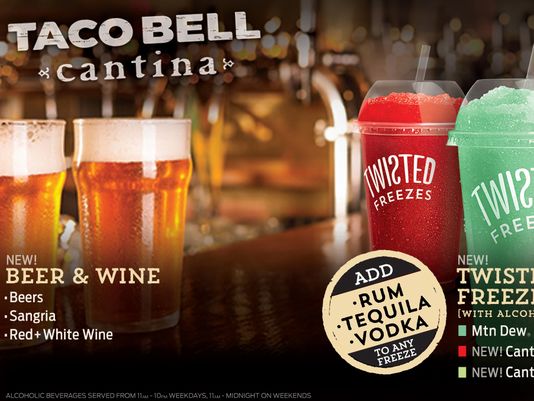
Taco Bell announced today the opening of their first Taco Bell Cantina in Wicker Park, Chicago. The new restaurant had a soft opening today, with a grand opening scheduled for September 22. A second one will open in San Francisco later this month. One aspect about the new concept, known as “urban” restaurants, that stands out is they will serve beer, along with wine, rum, vodka and tequila.

From the press release:

“These new urban restaurants are a critical part of our growth strategy in markets where people experience our brand differently,” said Brian Niccol, chief executive officer, Taco Bell Corp. “Today’s consumers are living in more urban settings and our new restaurants cater to their lifestyle in adapting our traditional restaurant concept to fit their modern needs.”

The Taco Bell Urban Concept incorporates five consumer trends that balance relevancy and brand authenticity:

  1. Urbanization: The Taco Bell Urban Restaurant Concept reflects the Millennial trend of seeking more urban environments to live, work and play. These restaurants are ideally suited to fit in with pedestrian areas without drive-thrus.
  2. Digitization: Every point of the customer’s ordering journey is optimized through technology, including digital menu boards, TV monitors and Taco Bell mobile ordering and payment app pick up.
  3. Localization: Taco Bell incorporated the local architecture of the neighborhoods each restaurant serves.
    • The Wicker Park restaurant’s brick walls and prismatic glass were restored to help preserve the 100-year-old building. The location also features a mural designed by local artist, Revise CMW, which serves as a nod to the neighborhood’s history as an artistic hub.
    • The San Francisco restaurant, located near AT&T Park, features a patio and mobile pick-up window to cater to the quick pace, tech savvy and vibrant community.
  4. Green: The new urban locations will be more energy efficient with systems including LED lighting, use of reclaimed elements where possible and recycling.
  5. Transparency: An open kitchen design and food served in open face baskets gives customers a look inside Taco Bell’s quality ingredients.

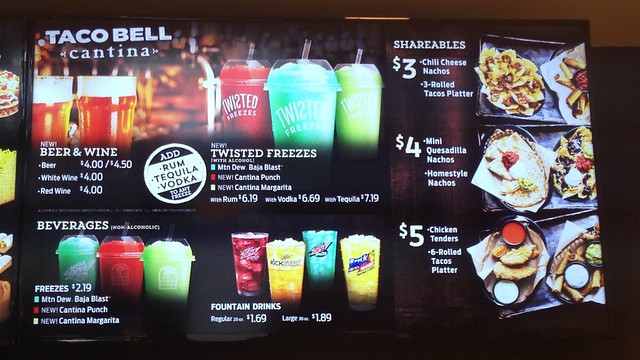
Taco Bell Cantina restaurants will be the first and only Taco Bell restaurants to serve alcohol to customers who are of legal drinking age. The San Francisco restaurant will serve beer and wine only, while Wicker Park will serve beer, wine, sangria and twisted Freezes. Cantina restaurants will also feature a new tapas-style menu of shareable appetizers – including nachos and rolled tacos – during designated hours each evening, in addition to the full standard Taco Bell Menu.

taco-bell-essay-beer-wine-liquor-alcohol-wicker-park-chicago

According to the Chicago Tribune:

The menu features three 16-ounce frozen drinks that look straight out of the Kwik-E-Mart; spike your cherry-red Cantina Punch, electric-yellow Cantina Margarita or Ninja-Turtle-green Mountain Dew Baja Blast with your choice of Captain Morgan rum ($6.19), Ketel One vodka ($6.69) or Don Julio tequila ($7.19).

You’ll also find Steelhead wine ($4) in individual-size twist-off bottles, and two taps pouring Dos Equis ($4) and Fat Tire ($4.50).

Toast to the fact you’re drinking in a Taco Bell over a new menu of what the brand is calling Shareables — essentially, appetizer baskets. Choose from regular or chili-cheese nachos, quesadilla triangles, mini taquitos (called “rolled tacos”) and, surprisingly, chicken tenders, which are actually the best of the bunch.

The new T-Bell also comes with exposed brick, an open kitchen and a fancy new name: Taco Bell Cantina.

But give up your dreams of a drink after closing time at your local bar. Taco Bell Cantina will serve wine, beer and liquor until only 10 p.m. Sunday to Thursday, and midnight Friday and Saturday. 1439 N. Milwaukee Ave.

tacobellbooze

Expect to see Alcohol Justice and the prohibitionists going apoplectic over this news.

Filed Under: Beers, Food & Beer, News, Politics & Law, Related Pleasures Tagged With: Announcements, Press Release, Restaurants

Patent No. 20110225686P1: Hop Plant Named ‘HBC 342’

September 15, 2015 By Jay Brooks

patent-logo
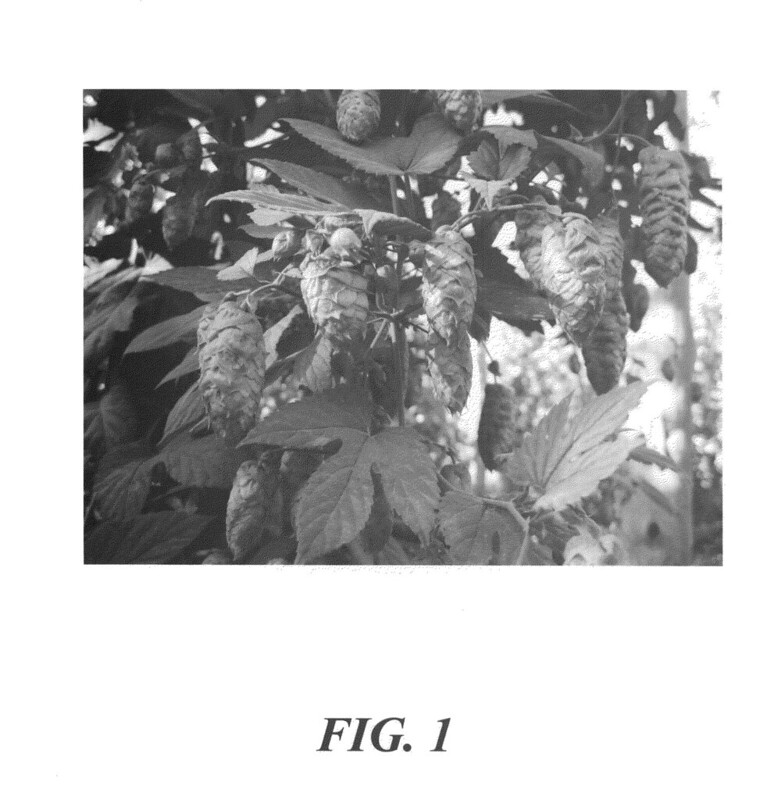
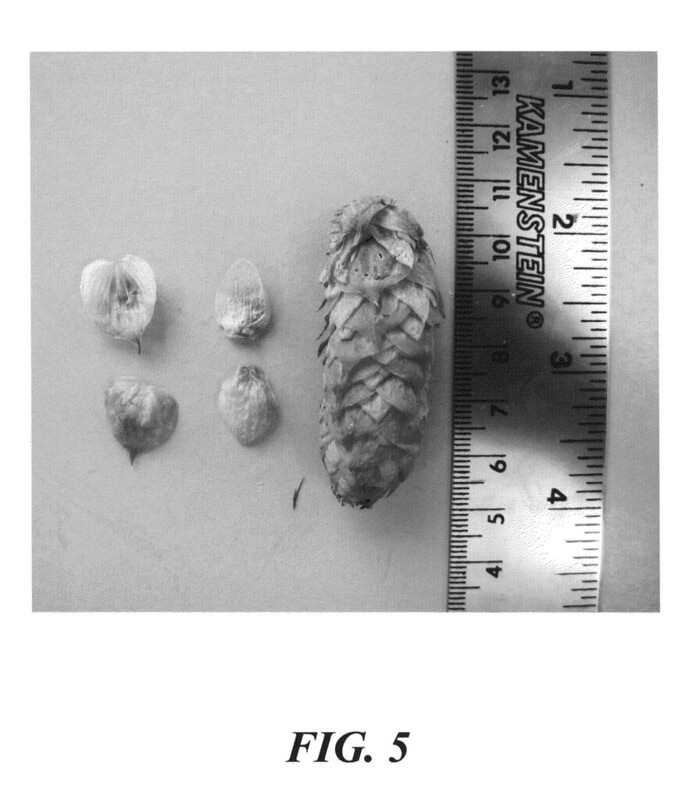
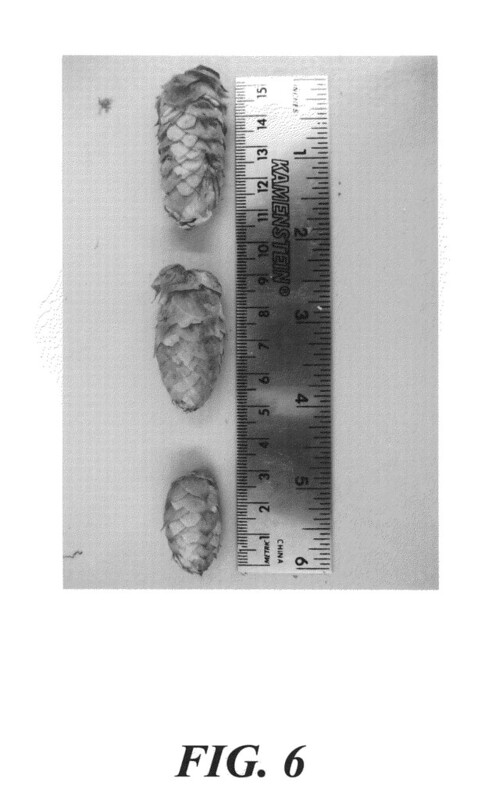
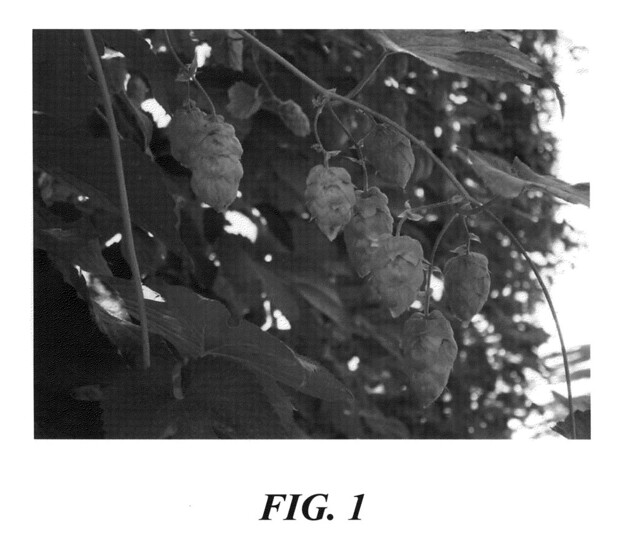
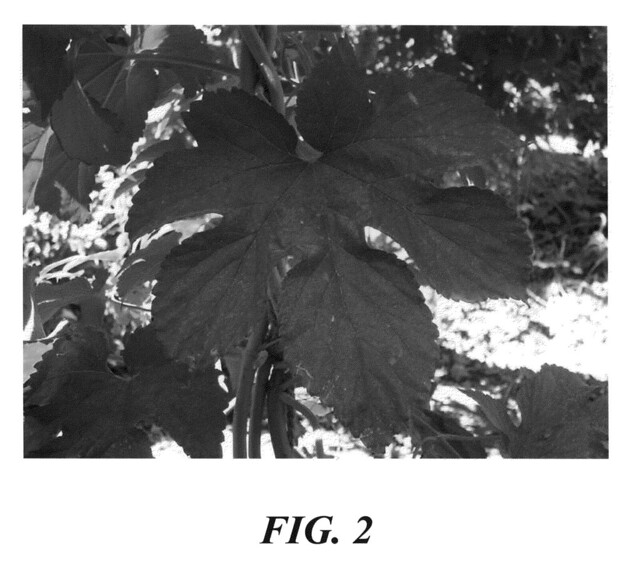
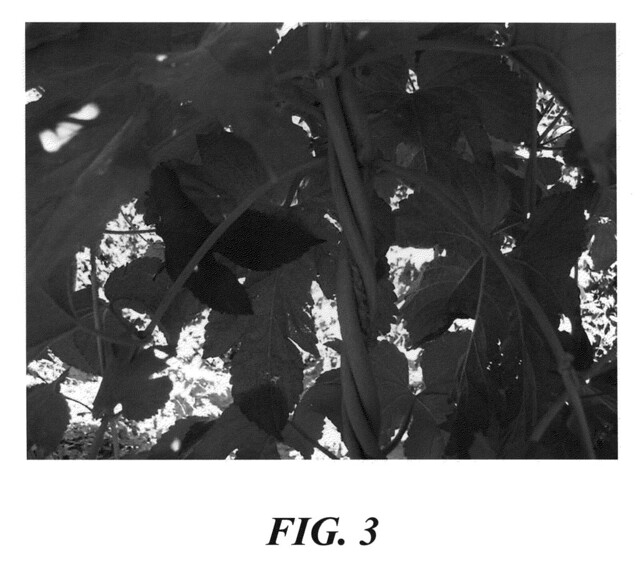
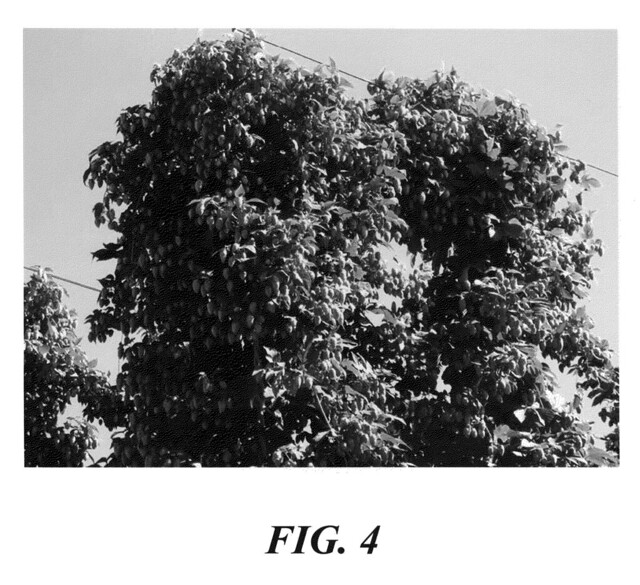
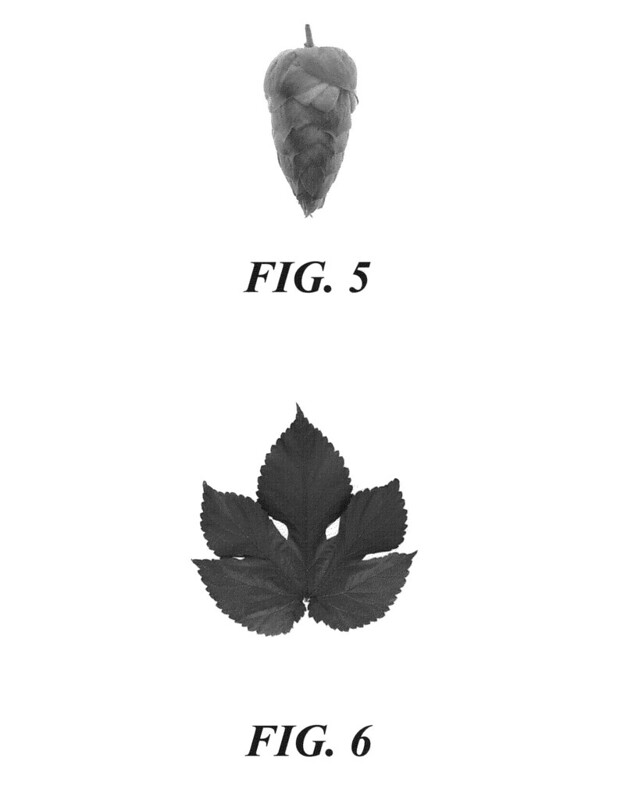
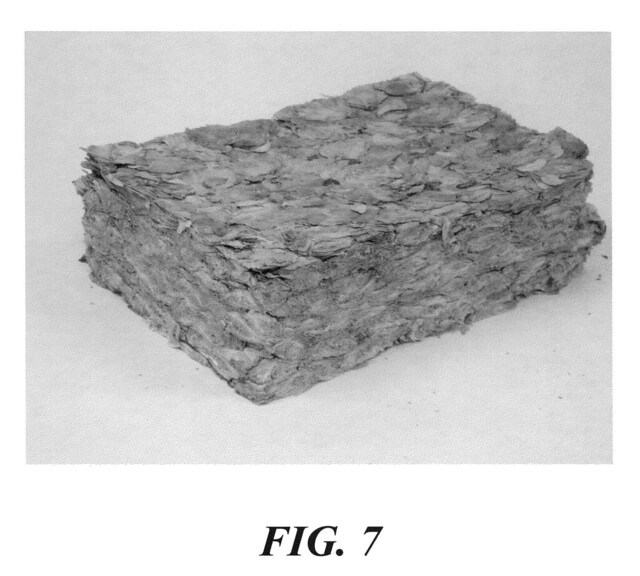
Today in 2011, US Patent 20110225686 P1 was issued, an invention of Eugene G. Probasco and Jason Perrault, for their “Hop Plant Named ‘HBC 342.’” Here’s the Abstract:

A new hop plant named ‘HBC 342’ is disclosed. The cones of ‘HBC 342’ mature in late September to early October, and yield a crop of 2400 to 3000 pounds per acre. ‘HBC 342’ is used for its late maturity, high alpha acid content and exceptional yield.

Patented one year and a day after ‘HBC 394’ (a.k.a. Citra) by the same pair, this one has yet to be given a name, as far as I know, although it has been used in some commercial beers. For example, Stone Brewing used in a collaboration they did with Jamil Zainasheff and Julian Shrago that was called Beachwood/Heretic/Stone Unapologetic IPA and also a draft beer they brewed at Stone Liberty Station, and called The Lupulin Loop. Also Sacramento’s New Helvetia created Little Beast/Sloppy Sessions IPA with the hop. At least one source says its aromatics give the aroma of watermelon, while HopUnion refers to it as a “High alpha variety with a pleasant aroma,” describing is as exhibting “Mild citrus, tropical fruit and melon notes.”

Untitled
Untitled
Untitled
Untitled
Untitled
Untitled

Filed Under: Beers, Just For Fun, Politics & Law, Related Pleasures Tagged With: History, Hops, Law, Patent

Patent No. 6790112B2: Recreational Floatation Device With Integral Cup Holder

September 14, 2015 By Jay Brooks

patent-logo
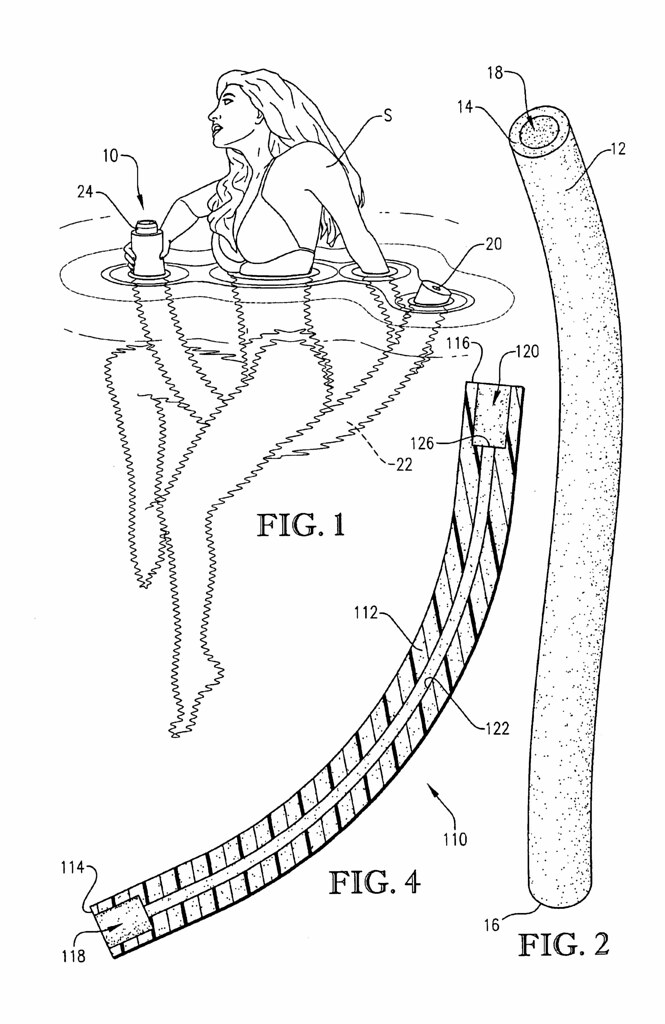
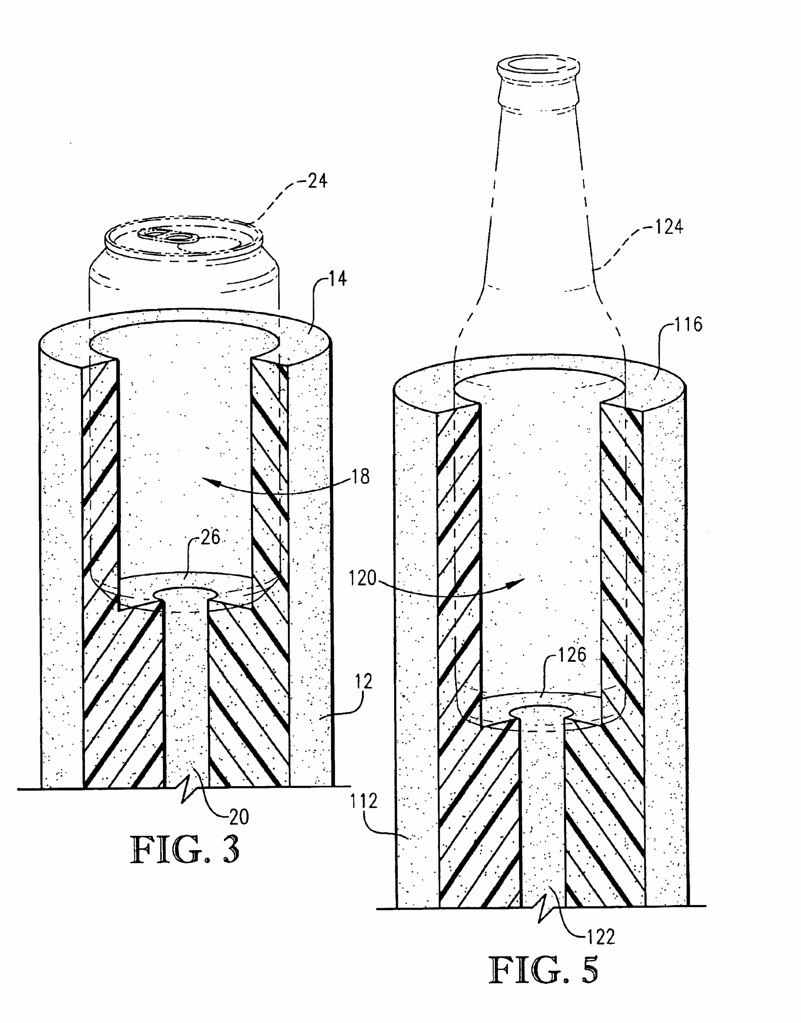
Today in 2004, US Patent 6790112 B2 was issued, an invention of Donald P. Kirk, assigned to Captain Noodle, Inc., for his “Recreational Floatation Device With Integral Cup Holder.” Here’s the Abstract:

A recreational flotation device (10) is provided which is designed to support a user (S) floating in water while affording a convenient holder for beverage containers. The device (10) comprises an elongated body (12) formed of synthetic resin material and having a density such that the body will float in water (e.g., extruded polyethylene). The body (12) presents a pair of opposed butt ends (14, 16), with at least one of the butt ends (14,16) being recessed to define a receptacle (18) integral with the body (12) for receiving a beverage container (24) therein. A preferred alternative device (110) is provided wherein the body (112) includes a pair of differently dimensioned receptacles (118,120) respectively located at the ends (114, 116) and integrally formed with the body (112).

So this is without a doubt one of the stranger beer-related patents I’ve come across. Who thinks I have to have my beer with me in the pool, it’s just too hard to keep it on the edge of the pool. Although I suppose if you were floating down a river it might come in handy.
Untitled
Untitled

Filed Under: Beers, Just For Fun, Politics & Law, Related Pleasures Tagged With: Humor, Law, Patent

Patent No. PP21289P3: Hop Plant Named ‘HBC 394’ (a.k.a. Citra)

September 14, 2015 By Jay Brooks

patent-logo
Today in 2010, US Patent PP21289 P3 was issued, an invention of Eugene G. Probasco and Jason Perrault, assigned to the Hop Breeding Company, L.L.C., for their “Hop Plant Named ‘HBC 394.’” Here’s the Abstract:

A new hop plant named ‘HBC 394’ is disclosed. The cones of ‘HBC 394’ mature in early September, and yield a crop of 1200 to 1600 pounds per acre. ‘HBC 394’ is used in brewing for its bittering and aromatic properties.

You undoubtedly know this hop by its more familiar trade name: Citra. But is as so often the case with new hops, when it was first patented, it had not yet been named. Brian Yeager has a nice write-up of that process, mentioning Citra specifically, from 2011 in All About Beer magazine, entitled Hop Forward, Breeding tomorrow’s hops… today.
Untitled
Untitled
Untitled
Untitled
Untitled
Untitled

Filed Under: Beers, Just For Fun, Politics & Law, Related Pleasures Tagged With: History, Hops, Law, Patent

Patent No. 0472298B1: Keg For Draft Beer

September 13, 2015 By Jay Brooks

patent-logo
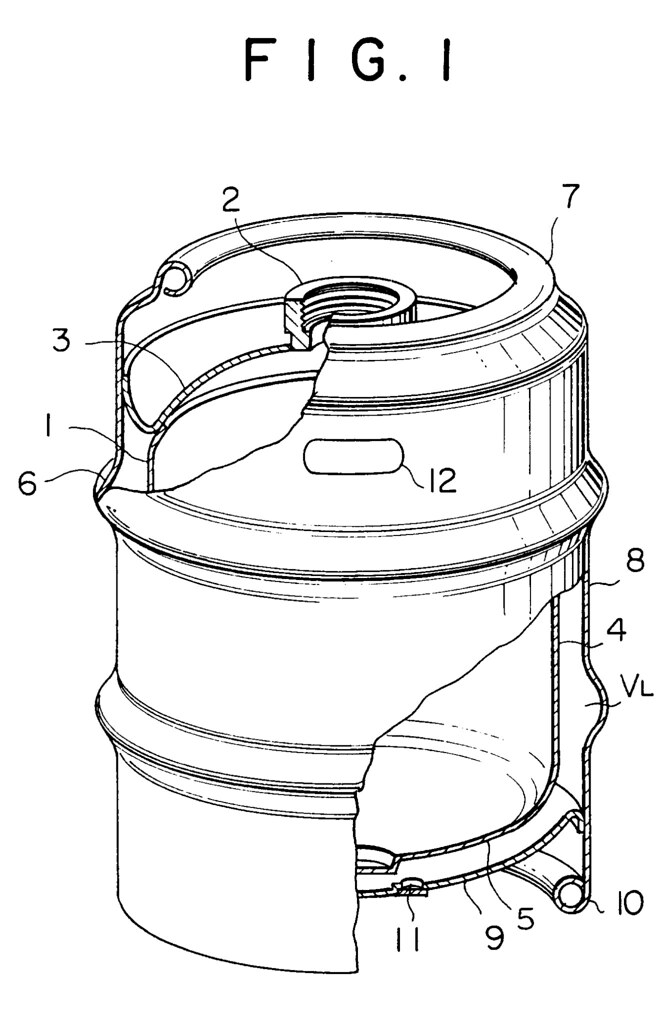
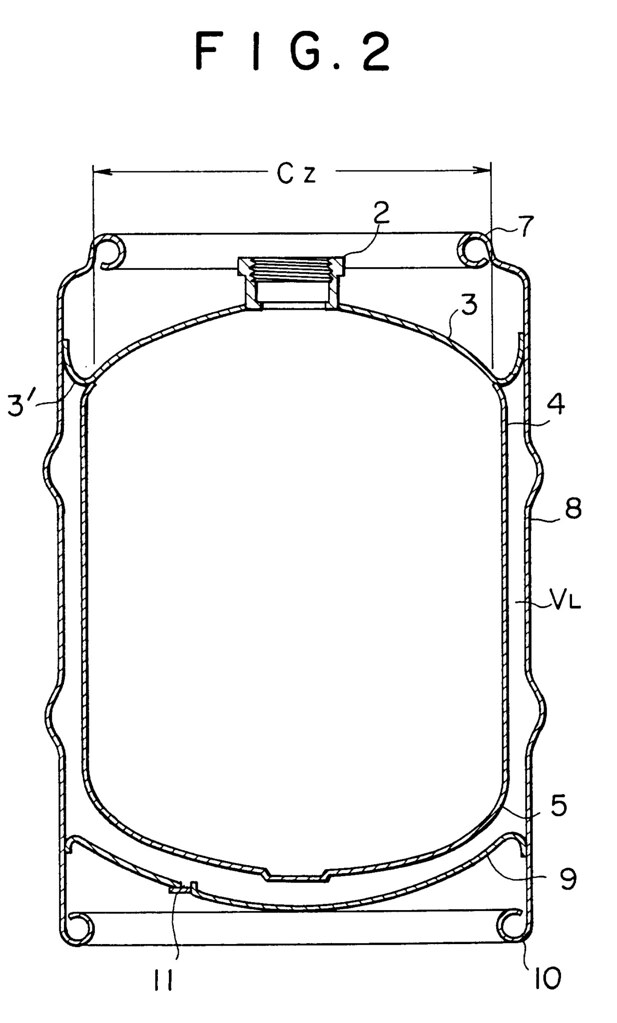
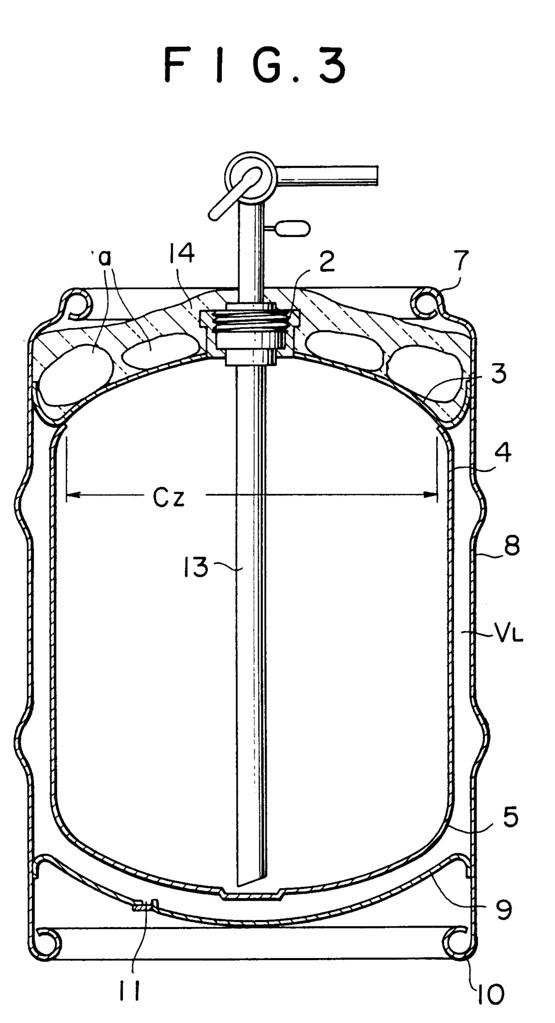
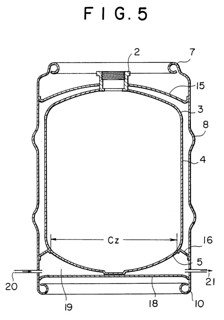
Today in 1995, US Patent 0472298 B1 was issued, an invention of Yutaka Fujimoto, Takaaki Furuhashi, Katsuoki Kawanishi, and Ryo Sakazume, assigned to Sapporo Breweries Limited, for their “Keg For Draft Beer.” There’s no Abstract, although in the description it includes this summary:

A keg for a liquid to facilitate cooling of the liquid retained in the keg and to keep the temperature of the cooled liquid in the keg, comprising:
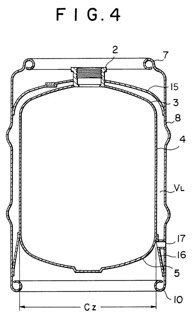
   a keg body for retaining the liquid therein and having an upper face (3), a lower face (5), a side face (4) and a mouth piece (2) for providing the liquid into the keg body and ejecting the liquid therefrom, said keg body being formed of a keg inner cylinder (1) for constituting a container for the liquid and a keg outer cylinder (6), said keg inner and outer cylinders being laminated together to form a space and air being removed from the space to form a vacuum adiabatic layer (VL) therebetween; characterized in that the keg outer cylinder (6) substantially covers the keg inner cylinder (1) except one of the upper and lower fades (3, 5) of the keg body, and in that a cooling face (Cz) is formed on said one of the upper and lower faces (3, 5) of the keg body where the inner cylinder (1) is not covered so that the liquid inside the inner cylinder (1) can be cooled through the cooling face and the temperature of the liquid inside the inner cylinder is kept by the adiabatic layer defined between the inner and outer cylinders.

Untitled
Untitled
Untitled
Untitled Untitled

Filed Under: Beers, Just For Fun, Politics & Law, Related Pleasures Tagged With: History, Japan, Kegs, Law, Patent

Patent No. 2481897A: Device For Separating Leaves, Stems, And Other Material From Hops

September 13, 2015 By Jay Brooks

patent-logo
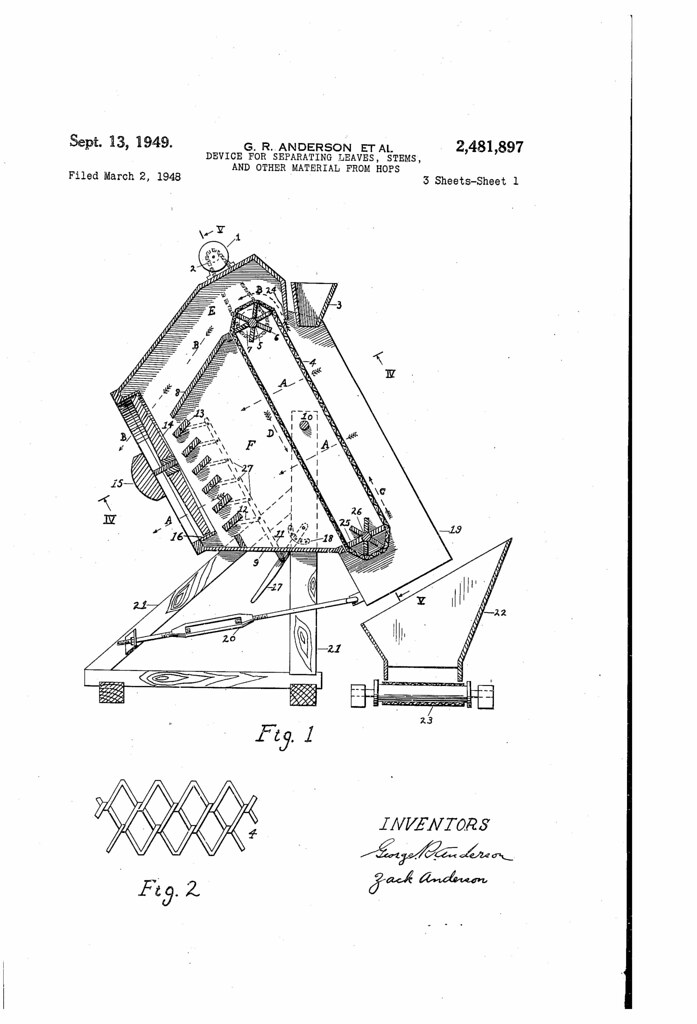
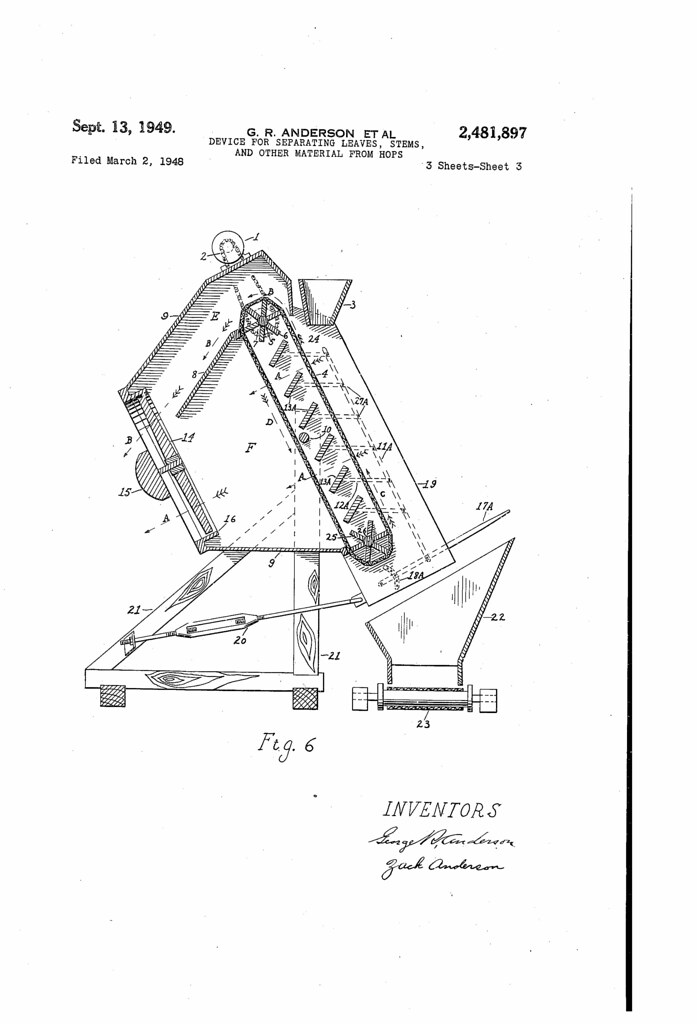
Today in 1949, US Patent 2481897 A was issued, an invention of Zack Anderson, for his “Device For Separating Leaves, Stems, and Other Material From Hops.” There’s no Abstract, although in the description it includes this summary:

This invention pertains to separators and particularly to a machine for separating leaves, stems, and other material from hops.

The present invention relates to a machine for separating the hops from the leaves, stems, and other material more efficiently than has heretofore been accomplished. Due to novel features of the machine the separating action is positive and precise. These novel features also enable the machine to accomplish precise results under varying hop-crop conditions.

Untitled
Untitled
Untitled

Filed Under: Beers, Just For Fun, Politics & Law, Related Pleasures Tagged With: Brewing Equipment, History, Hops, Law, Patent

Patent No. 264185A: Refrigerator

September 12, 2015 By Jay Brooks

patent-logo
Today in 1882, US Patent 264185 A was issued, an invention of James Miller of Oakland, California, for his “Refrigerator.” There’s no Abstract, although in the description it includes this summary:

My invention relates to the class of refrigerators; and it consists generally in the construction and arrangement of peculiar vessels, providing for the holding of the substance to be kept cool, and a surrounding and underlying water-space.

It consists particularly in a deep vessel with vertical sides, and provided with a centrally perforated false bottom, upon which a holding-vessel of smaller diameter and extending above the exterior vessel is placed, whereby a surrounding and underlying water-space is formed.

It further consists in the provision of an airtight cover for the holding-vessel, all of which will hereinafter fully appear.

The object of my invention is to provide a simple, economical, and effective refrigerating device for containing any substance or article which should be kept cool.

I can’t say for certain if this was even used by breweries, but the shape seems to suggest that it may have been.
Untitled

Filed Under: Breweries, Just For Fun, Politics & Law, Related Pleasures Tagged With: Brewing Equipment, History, Law, Patent

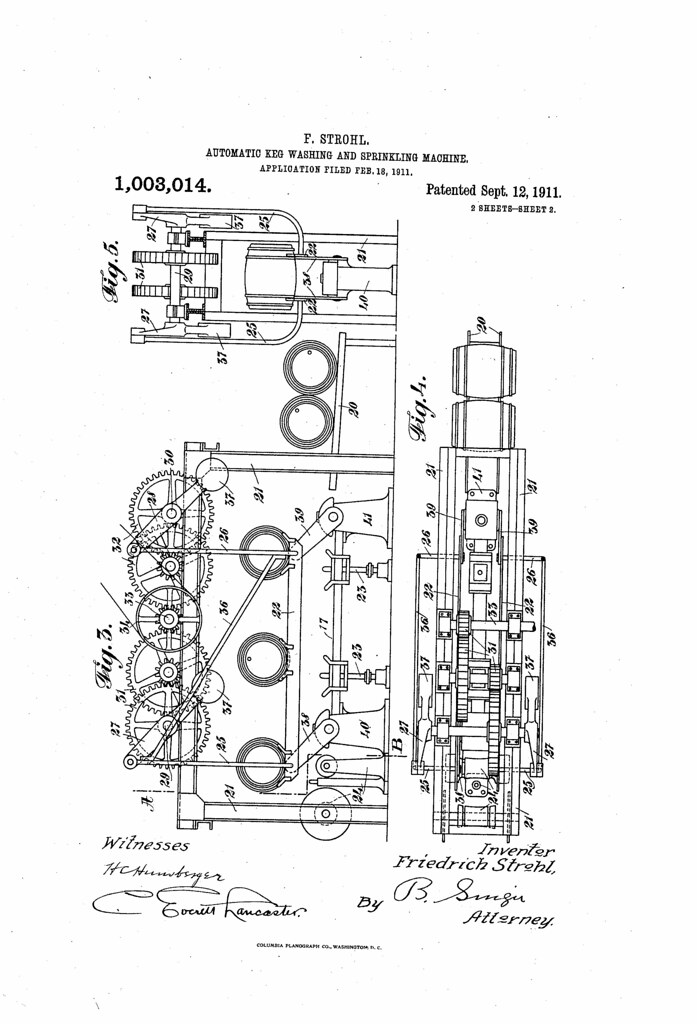
Patent No. 1003014A: Automatic Keg Washing And Sprinkling Machine

September 12, 2015 By Jay Brooks

patent-logo
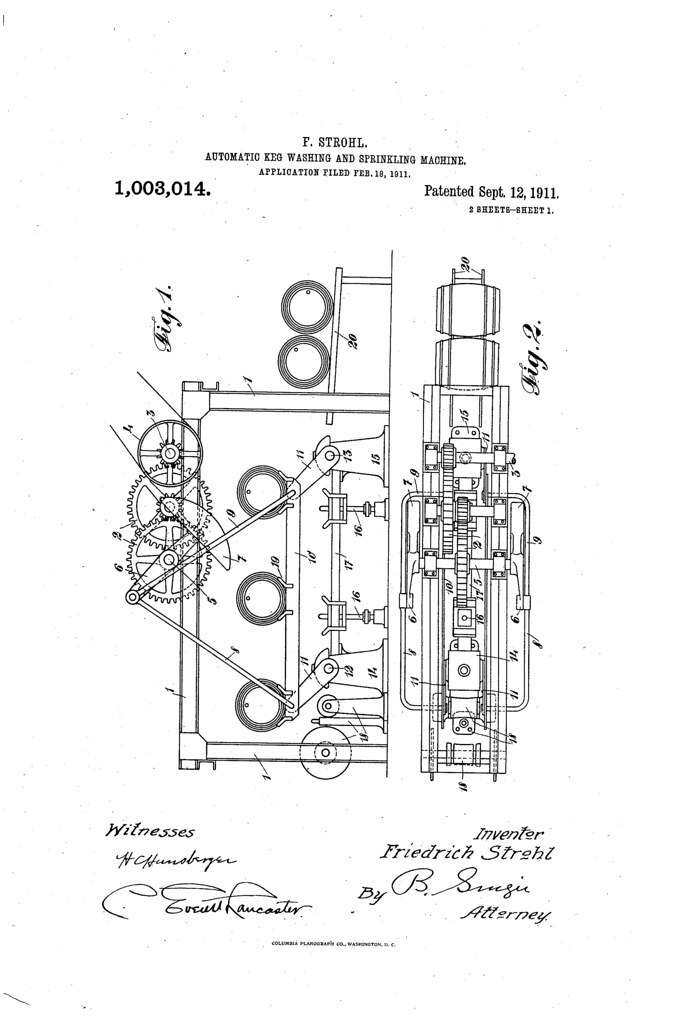
Today in 1911, US Patent 1003014 A was issued, an invention of Friedrich Strohl, for his “Automatic Keg Washing and Sprinkling Machine.” There’s no Abstract, although in the description it includes this summary:

This invention relates to a combination can-piercing device and drinking cup.

One of the principal objects of the invention is the provision of :a drinking cup provided with can-piercing instrumentalities depending from its bottom wall, guide means for attaching the cup to the top of a beverage can and sealing means associated with the cup and guide means to prevent leakage between the top of the can and the outside of the cup after the top of the can has been pierced.

Untitled
Untitled

Filed Under: Beers, Breweries, Just For Fun, Politics & Law, Related Pleasures Tagged With: Brewing Equipment, History, Kegs, Law, Patent

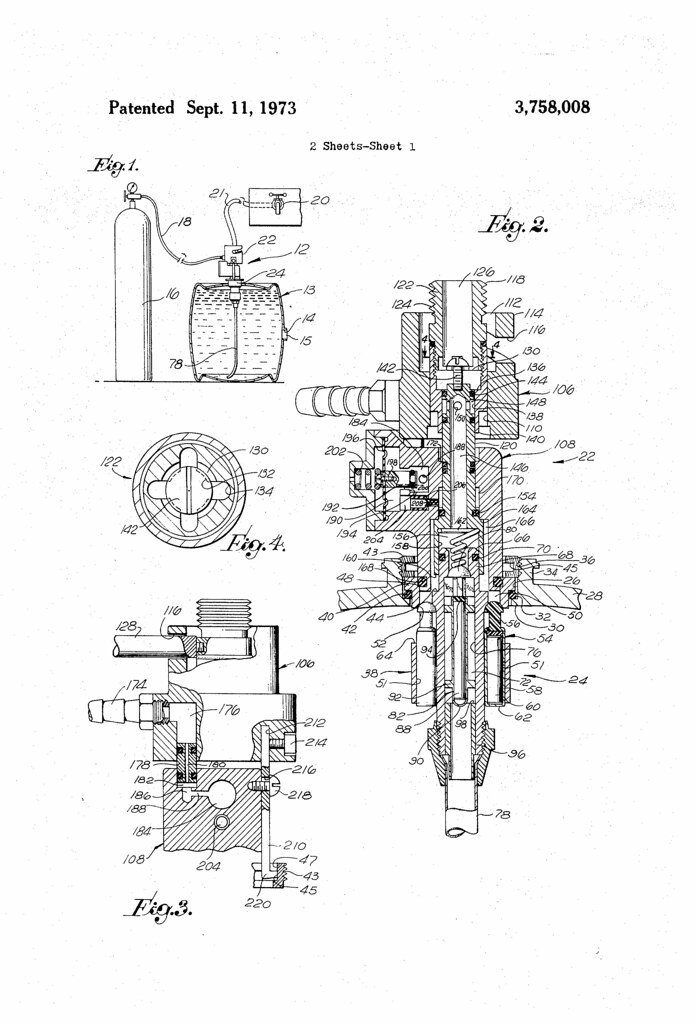
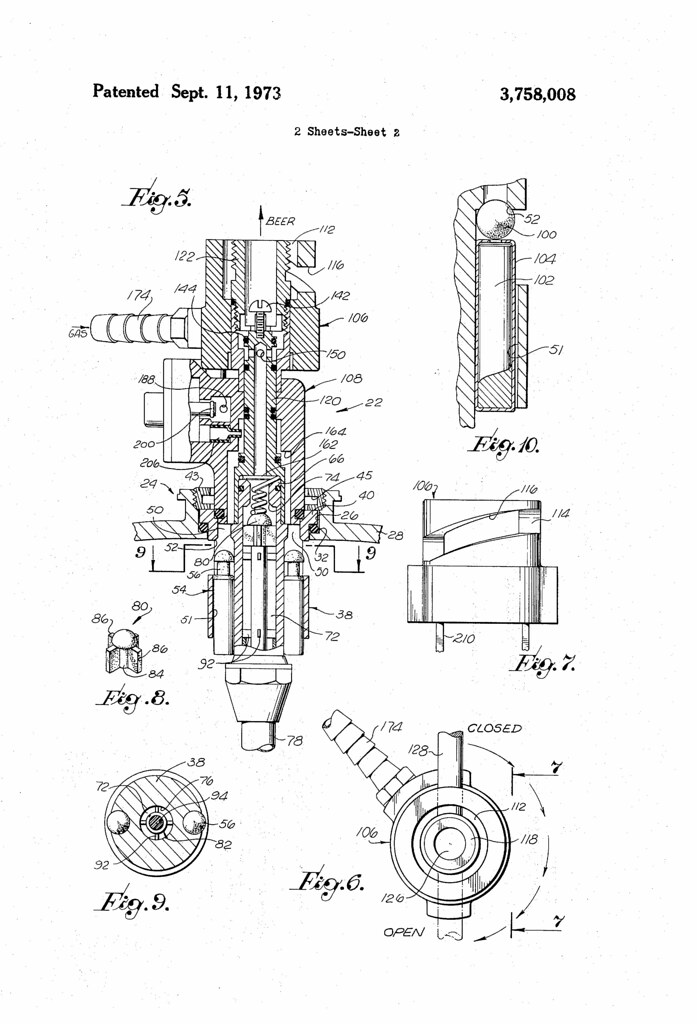
Patent No. 3758008A: Tapping Assembly For Beer Kegs

September 11, 2015 By Jay Brooks

patent-logo
Today in 1973, US Patent 3758008 A was issued, an invention of Mack S. Johnston, for his “Tapping Assembly for Beer Kegs and the Like.” Here’s the Abstract:

A keg adapter for beer kegs and the like with gas and liquid passageways containing normally closed valves, which when opened permit compressed gas to be admitted to the keg and beer to be withdrawn therefrom, said valves being biased toward the closed position by actuators which contain permanent magnets. A tapper is connected to a source of compressed gas and to a beer faucet and contains a tap rod, which, when manually actuated, seals the tapper to the adapter and interconnects the gas source and the faucet with the interior of the keg.

Untitled
Untitled

Filed Under: Beers, Just For Fun, Politics & Law, Related Pleasures Tagged With: History, Kegs, Law, Patent

« Previous Page
Next Page »

Find Something

Northern California Breweries

Please consider purchasing my latest book, California Breweries North, available from Amazon, or ask for it at your local bookstore.

Recent Comments

  • Bob Paolino on Beer Birthday: Grant Johnston
  • Gambrinus on Historic Beer Birthday: A.J. Houghton
  • Ernie Dewing on Historic Beer Birthday: Charles William Bergner 
  • Steve 'Pudgy' De Rose on Historic Beer Birthday: Jacob Schmidt
  • Jay Brooks on Beer Birthday: Bill Owens

Recent Posts

  • Beer In Ads #5240: Rieker’s Bock Beer Is Now On The Market May 3, 2026
  • Historic Beer Birthday: Herman Adolph Schalk May 3, 2026
  • Beer In Ads #5239: The National Drink May 2, 2026
  • Beer Birthday: Anders Kissmeyer May 2, 2026
  • Beer Birthday: Bruce Paton May 2, 2026

BBB Archives

Feedback

Head Quarter
This site is hosted and maintained by H25Q.dev. Any questions or comments for the webmaster can be directed here.