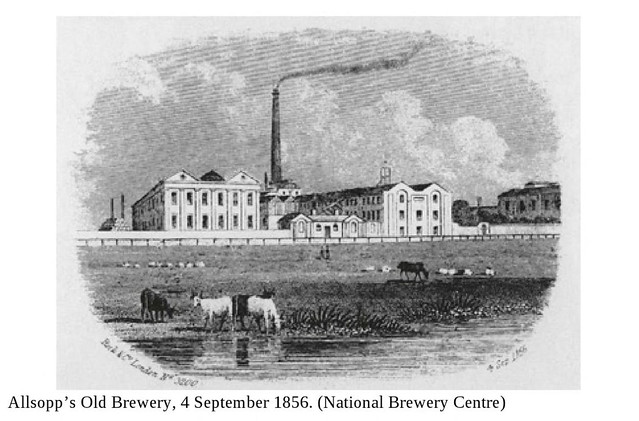
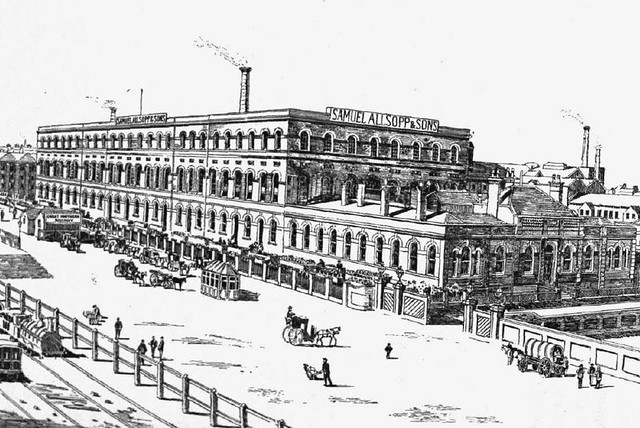
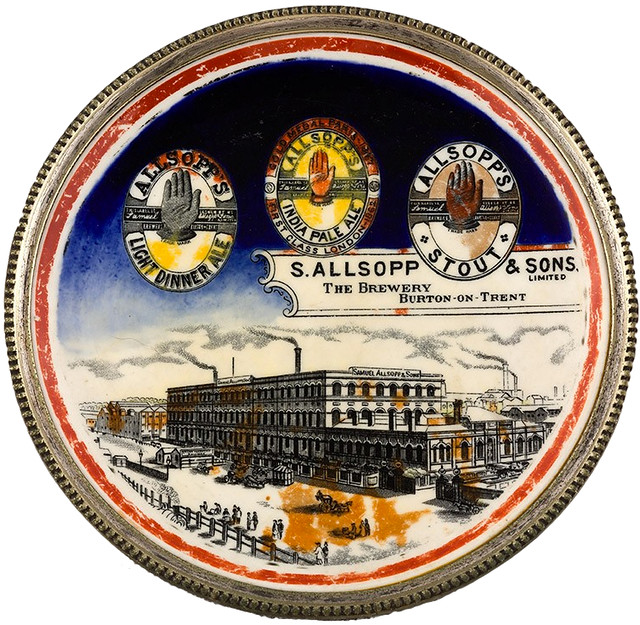
Today is the birthday of Samuel Allsopp (August 12, 1780-February 26, 1838). He purchased the brewery started in the 1740s by his uncle, Benjamin Wilson, in 1807. Bringing his family into the business, he renamed it Samuel Allsopp & Sons. When he died in 1838, the Burton-on-Trent brewery passed to his son Henry Allsopp.
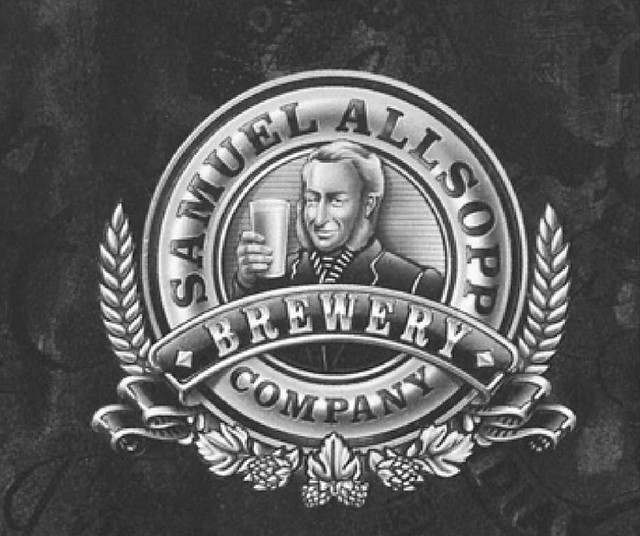
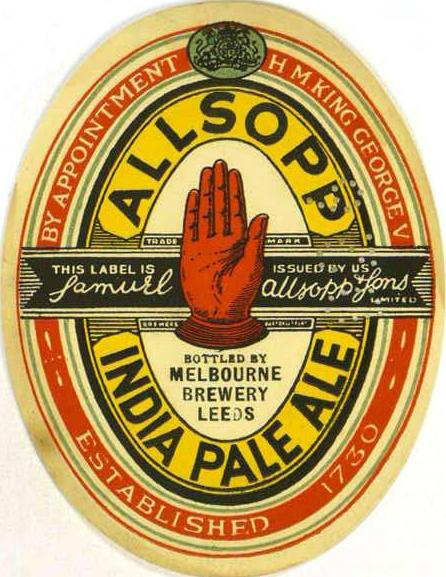
While I couldn’t find any pictures of Samuel Allsop, the logo of the Samuel Allsop Brewery Co., from 1994-98, used his likeness.
“Ind Coope & Samuel Allsopp Breweries: The History of the Hand,” by Ian Webster, includes this memoriuam from shortly after Allsopp’s death:
Here’s a history of Allsopp’s brewery from Wikipedia:
Allsopp’s origins go back to the 1740s, when Benjamin Wilson, an innkeeper-brewer of Burton, brewed beer for his own premises and sold some to other innkeepers. Over the next 60 years, Wilson and his son and successor, also called Benjamin, cautiously built up the business and became the town’s leading brewer. In about 1800, Benjamin Junior took his nephew Samuel Allsopp into the business and then in 1807, following a downturn in trade because of the Napoleonic blockade, he sold his brewery to Allsopp for £7,000.
Allsopp struggled at first as he tried to replace the lost Baltic trade with home trade, but in 1822 he successfully copied the India Pale Ale of Hodgson, a London brewer, and business started to improve.
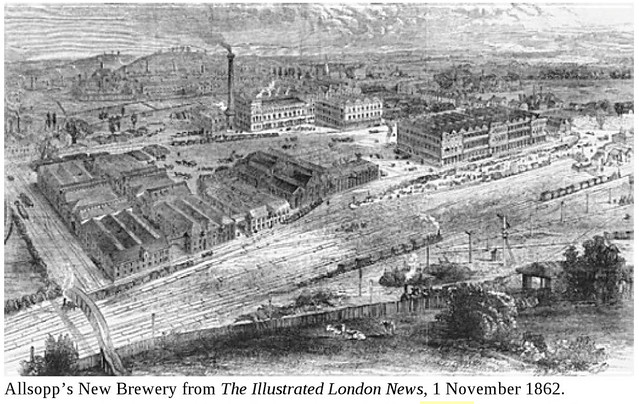
After Samuel’s death in 1838, his sons Charles and Henry continued the brewery as Allsopp and Sons. In 1859 they built a new brewery near the railway station, and added a prestigious office block in 1864. By 1861 Allsopps was the second largest brewery after Bass. Henry Allsopp retired in 1882 and his son Samuel Charles Allsopp took over. Allsopps was incorporated as a public limited company in 1887 under the style Samuel Allsopp & Sons Limited . There were scuffles at the doors of the bank in the City as potential investors fought for copies of the prospectus, but within three years, these investors were demanding their money back as the returns were so much lower than predicted. Under Samuel Allsopp, ennobled as the 2nd Lord Hindlip on the death of his father, Allsopps lurched from crisis to crisis. With the difficult trading conditions for beer at the beginning of the 20th century, many Burton breweries were forced to close down or amalgamate. After a failed attempt at a merger with Thomas Salt and Co and the Burton Brewery Company in 1907, Allsopps fell into the hands of the receivers in 1911. The company’s capital was restructured and it continued trading. In 1935 Samuel Allsopp & Sons merged with Ind Coope Ltd to form Ind Coope and Allsopp Ltd. The Allsopp name was dropped in 1959 and in 1971 Ind Coope was incorporated into Allied Breweries.
And here’s another history from “The Brewing Industry: A Guide to Historical Records,” edited by Lesley Richmond and Alison Turton, published in 1990:
Last year I decided to concentrate on Bock ads. Bock, of course, may have originated in Germany, in the town of Einbeck. Because many 19th century American breweries were founded by German immigrants, they offered a bock at certain times of the year, be it Spring, Easter, Lent, Christmas, or what have you. In a sense they were some of the first seasonal beers. “The style was later adopted in Bavaria by Munich brewers in the 17th century. Due to their Bavarian accent, citizens of Munich pronounced ‘Einbeck’ as ‘ein Bock’ (a billy goat), and thus the beer became known as ‘Bock.’ A goat often appears on bottle labels.” And presumably because they were special releases, many breweries went all out promoting them with beautiful artwork on posters and other advertising.
Monday’s ad is for Gambrinus Bock Beer, which was published on August 11, 1913. This one is for the Gambrinus Brewing Co. of Portland, Oregon, which was originally founded in 1875. This ad ran in The Oregon Labor Press, now known as the NW Labor Press, and is written for the members of over three dozen local unions in Oregon and Southwest Washington.
Despite this being an ad for Gambrinus Bock Beer, there were some more ads right next to the Bock ad that were interesting, too. First, there’s an ad for the International Union of the United Brewery Workmen of America. Then, below that, there’s another ad for the Bartenders International League of America (now known as the Hotel Employees and Restaurant Employees Union), that also shows a pin for bartender union members to wear at work.
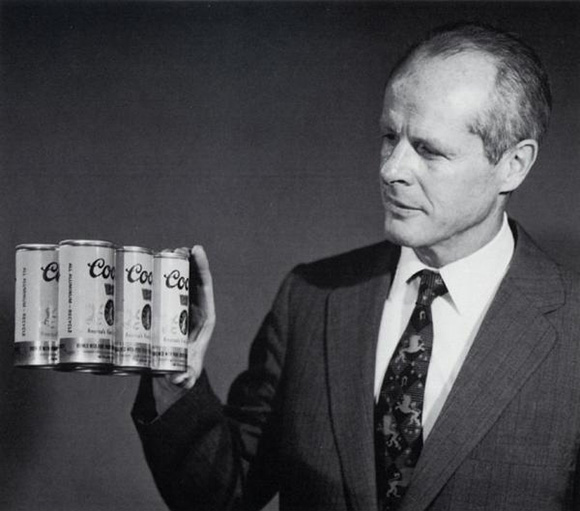
Today is the birthday of William Kistler “Bill” Coors (August 11, 1916-October 13, 2018). Bill Coors was born in Golden, Colorado, and is the grandson of Adolph Coors, who founded the Coors Brewing Company in 1873. He worked for the family business all his life, and ran the brewery from 1961–2003.
Here’s a short description of Coors from the Leadership Initiative of the Harvard Business School:
Under Coors’ leadership, the brewery underwent a period of massive growth. Though it was a regional brewery, it held the top market share in 10 of the 11 western states in which its product was distributed, becoming the 4th largest brewer in the United States in the mid-1970s. Despite several union confrontations and product boycotts as a result of Coors’ political opinions, Coors took the firm public and established a national presence for its products.
And this is from the Academy of Achievement in Washington, D.C.:
From 1961 to 2003, William K. Coors served as Chairman of the Adolph Coors Company of Golden, Colorado. The grandson of brewery founder Adolph Coors, he joined the family firm in 1939, where he pioneered the development of the recyclable aluminum can. He assumed the chairmanship and presidency of the Coors Company in 1961, shortly after his older brother, Adolph Coors III, was murdered in a bungled kidnapping attempt. Rising above this senseless tragedy, William Coors led the company through an unprecedented period of expansion, one that ultimately transformed a little known local brewery into the nation’s third largest, a massive, vertically integrated business that included Coors Transportation, Coors Container (the largest single can plant in the world) and the Coors Food Products Company. He led the way in making the Coors Company energy self-sufficient, and expanded the company’s program of aluminum recycling, at one point recovering and recycling as much as 85 percent of its cans, while handling a third of the nation’s recycled aluminum. Even after retiring from the Board of Directors in 2003, he remained active in the company, working well into his 90s as a senior technical adviser.
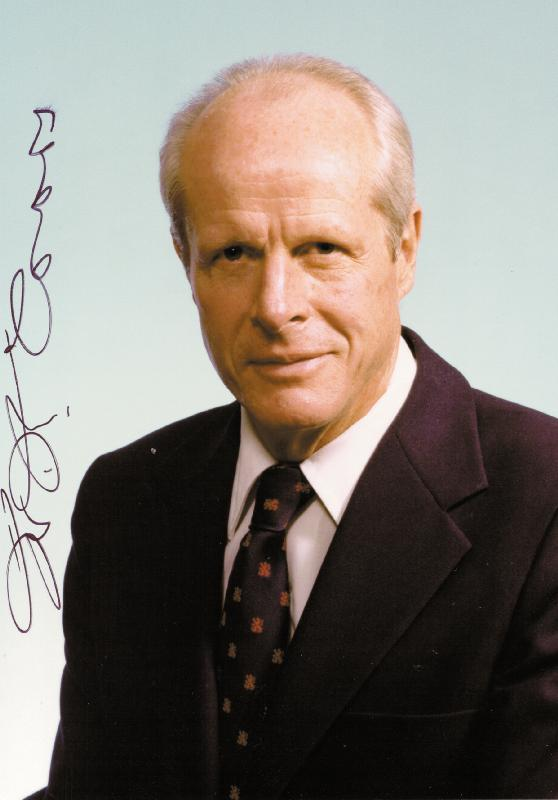
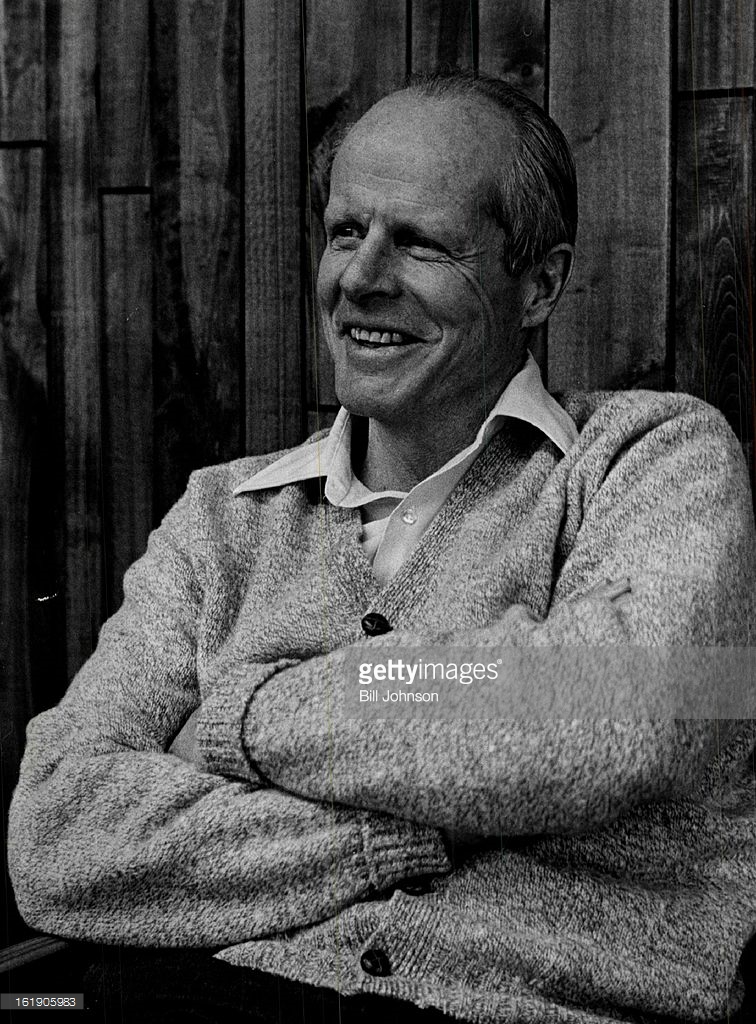
William Coors on March 12, 1976, by photographer Bill Johnson.
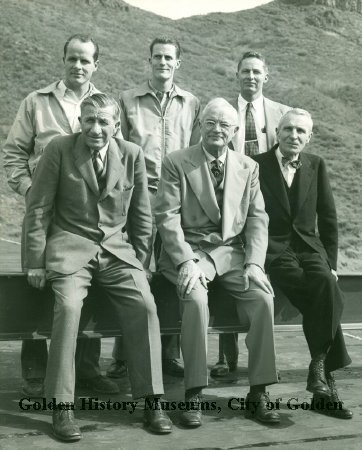
The Adolph Coors Company Board of Directors posing together at the dedication of the new headhouse at the brewery in Golden, Col., on April 16, 1952. Three men are standing and three men are seated on top of the headhouse. Standing in back left to right are brothers, William K. Coors, Joseph Coors, and Adolph Coors III. Seated in front left to right are brothers Grover Coors, Herman Coors, and Adolph Coors II (from the Golden History Museum).
And here’s a short video about Bill Coors, from his induction into the Colorado Business Hall of Fame in 1996.
Today is the 67th birthday of Austrian beer writer Conrad Seidl. Our paths have crossed several times over the years, usually at judging events, and we’ve also contributed to some of the same international beer books. But during a press trip to Belgium in 2013, I finally had a chance to spend more time with Conrad and get to know him a bit better, which was great. He’s an amazing person — absolutely one-of-a-kind — and great fun to enjoy a beer with. Join me in wishing Conrad a very happy birthday.
Me and Conrad in Minneapolis during CBC in 2022.
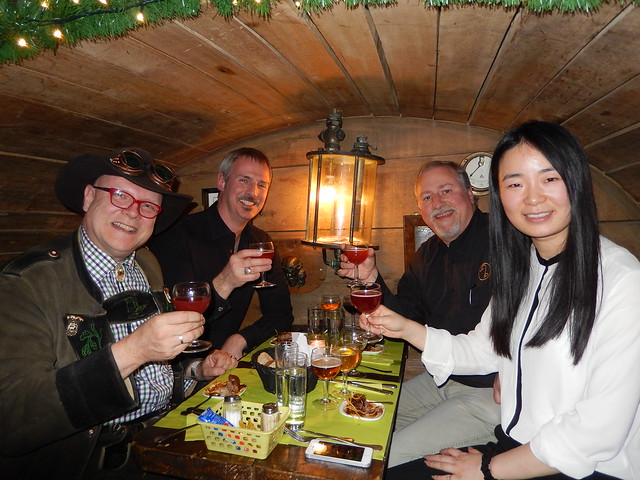
Conrad, with Stephen Beaumont, me and Michelle Wang, during a beer dinner in Antwerp several years ago.
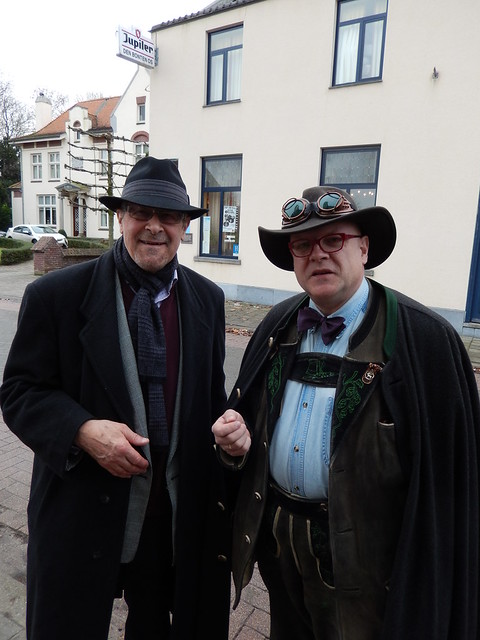
Roger Protz and Conrad, in Belgium, 2013.
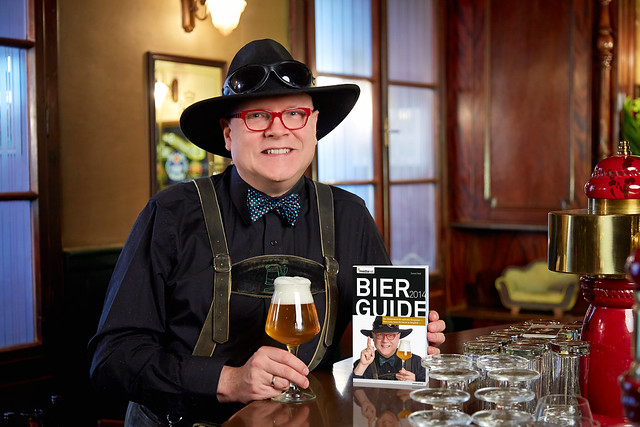
A press photo of Conrad and the 2014 edition of his “Bier Guide.”
Last year I decided to concentrate on Bock ads. Bock, of course, may have originated in Germany, in the town of Einbeck. Because many 19th century American breweries were founded by German immigrants, they offered a bock at certain times of the year, be it Spring, Easter, Lent, Christmas, or what have you. In a sense they were some of the first seasonal beers. “The style was later adopted in Bavaria by Munich brewers in the 17th century. Due to their Bavarian accent, citizens of Munich pronounced ‘Einbeck’ as ‘ein Bock’ (a billy goat), and thus the beer became known as ‘Bock.’ A goat often appears on bottle labels.” And presumably because they were special releases, many breweries went all out promoting them with beautiful artwork on posters and other advertising.
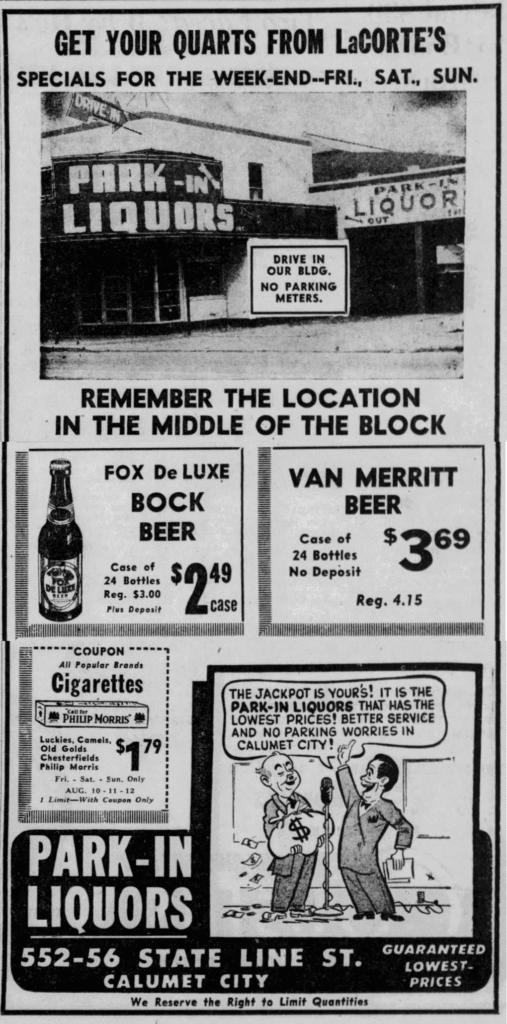
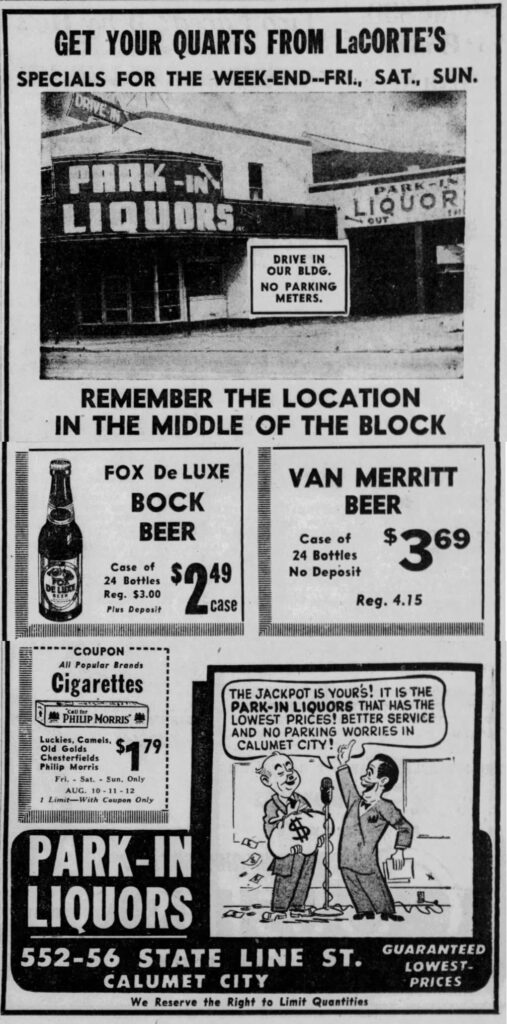
Sunday’s ad is for Fox De Luxe Bock Beer, which was published on August 10, 1951, though strictly speaking it was for a liquor store called LaCorte’s Park-In Liquors, located at 552-56 State Line St., in Calumet City, Illinois. [I checked, it appears to be the site of a Wendy’s today.] The ad was actually advertising a variety of alcohol, some twelve different products, but I cut them all out except the one bock beer and its neighbor. The bock is from the Peter Fox Brewing Co. of Chicago, Illinois, which was originally founded in 1896 as the Hoffman Bros. This ad ran in The Hammond Times, an afternoon paper serving Hammond, Whiting, and East Chicago, Indiana, though now is headquartered in Munster, and it just a few miles (less than 4) from the liquor store.
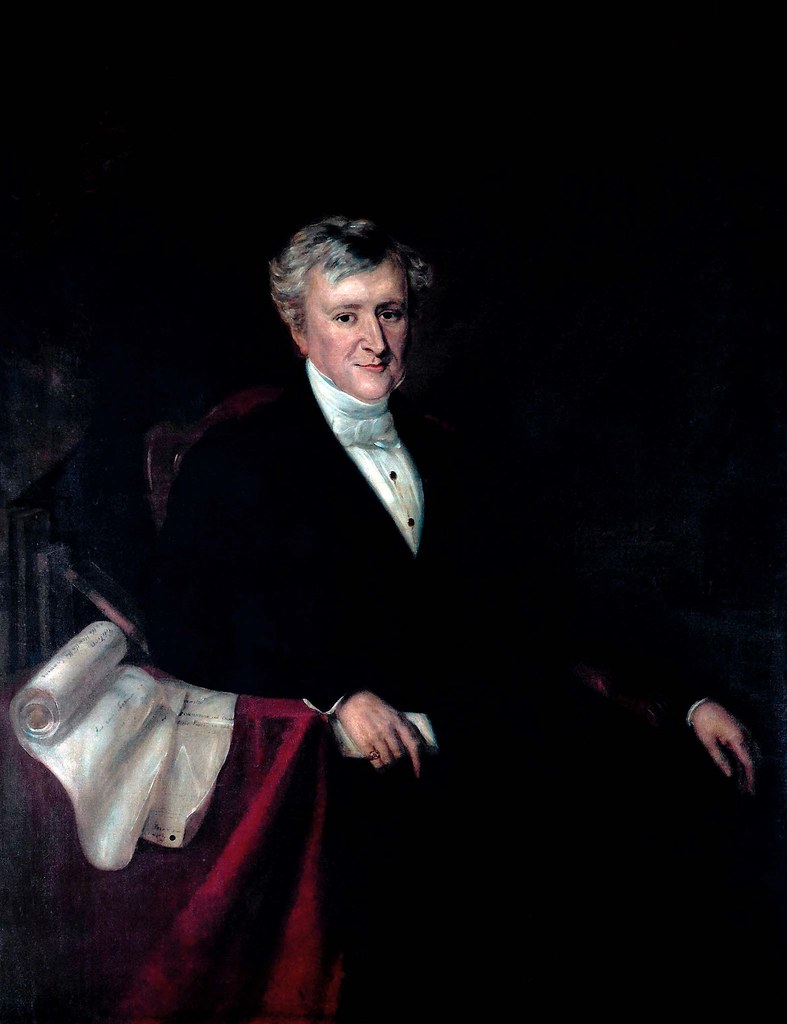
Today is the birthday of Edward Greenall (August 10, 1758-August 20, 1835). He was the son of Thomas Greenall, who founded Greenall’s Brewery in 1762.
There’s not too much biographical information about Edward, but he is mentioned briefly in Thomas Greenall & Family:
The eldest son of Thomas Greenall was Edward (1758-1835), who purchased the Walton Hall estate. He had five sons of whom Thomas, Peter and Gilbert entered the family firm. It was Edward’s youngest son, Gilbert Greenall (1806-1894) who first lived at Walton Hall.
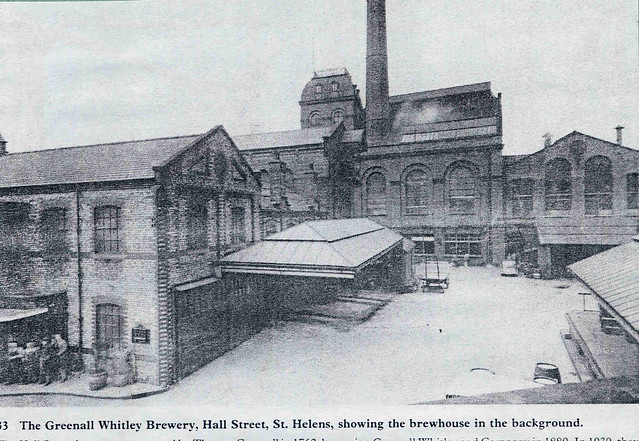
Greenall’s Brewery was founded by Thomas Greenall in 1762. Initially based in St Helens, the company relocated to Warrington in 1787.
It bought the Groves & Whitnall Brewery in Salford in 1961, Shipstone’s Brewery in Nottingham in 1978 and Davenport’s Brewery in Birmingham in 1986. For much of the 20th century, the company traded as Greenall Whitley & Co Limited. The St Helens brewery was demolished in the 1970s to make way for a new shopping centre. The Warrington brewery on the edge of Stockton Heath was bought by Bruntwood, renamed Wilderspool Business Park and is now let to office occupiers.
The company ceased brewing in 1991 to concentrate on running pubs and hotels.
In 1999, the tenanted wing of the Greenall’s operation was sold to the Japanese bank, Nomura for £370 million and the main Greenall’s operation, involving 770 pubs and 69 budget lodges, was sold to Scottish and Newcastle for £1.1billion. Greenalls started to focus its resources on its De Vere and Village Leisure hotel branding at that time.
In February 2005, Greenalls sold The Belfry to The Quinn Group for £186 million.
The Greenall family connection remained as Lord Daresbury, the descendant of the original founder, remained the non-executive chairman. This tie was severed in 2006 when Daresbury stepped down from the post and much of the family’s interest was sold.
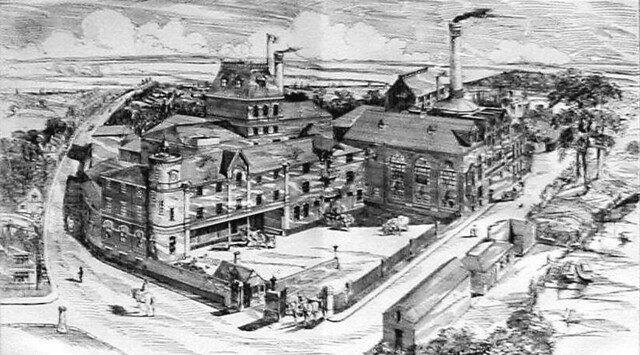
The Greenall, Whitley & Co. Ltd. Brewery, in St. Helens, in 1902.
Patriarch Thomas Greenall learned the brewing trade from his wife’s family in the 1750s and founded his own brewery in northwestern England at St. Helens in 1762. Brewing was a highly competitive business, with rivals ranging from the lone homebrewer to inns and pubs that brewed their own ales to wholesale brew masters like Greenall. Though the founder dabbled in nail making, coal mining, and yarn spinning throughout the late 18th century, brewing remained the family’s core interest. By the turn of the century, Thomas had brought sons Edward, William, and Peter into the business. The Greenalls began to purchase their own pubs and inns as early as 1800, helping to accelerate a gradual elimination of their competition. In Britain, it was customary for bars owned by breweries to carry only the beers brewed by the parent company. For nearly two centuries, these “tied houses” were a profitable segment of Greenall’s business.
In 1788, Greenall formed a separate partnership with William Orrett and Thomas Lyon to purchase the Saracen’s Head Brewery in nearby Wilderspool. Business was so good that within just three years the three partners undertook a £4,400 expansion of the operation.
The family business interests endured a rapid succession of generations in the first two decades of the 19th century. In 1805, both Thomas Greenall and William Orrett died. By 1817, the passing of William and Peter Greenall left only Edward to operate the growing St. Helens brewery. Just a year later, Thomas Lyon died. His nephew and heir, also Thomas, was interested in the Wilderspool brewery only as an investment. In 1818, 60-year-old Edward assigned eldest son Thomas to manage the family’s half interest in Wilderspool and charged younger son Peter with management of the family brewery at St. Helens.
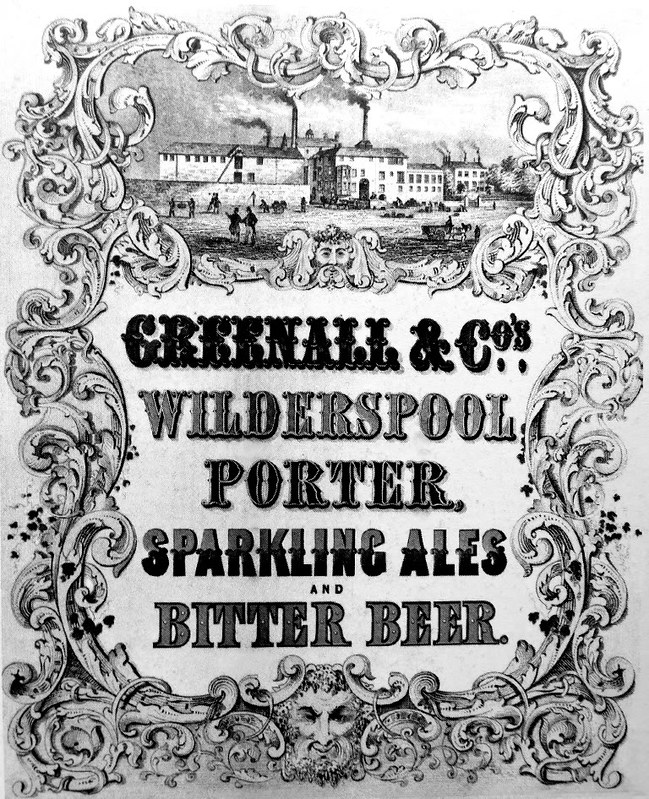
While Peter pursued politics, eventually winning election to Parliament, Thomas proved to be the brewer of his generation. By this time, the family businesses had grown to the point that the Greenalls served as chairmen, guiding the overall direction of the company but leaving daily management concerns to other top executives. Throughout this period, ownership of the pubs and inns through which Greenall’s porters, sparkling ales, and bitters were dispensed was a key to maintaining a strong competitive position.
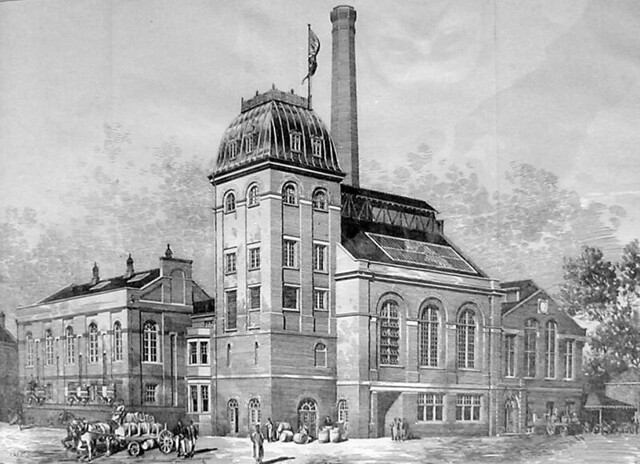
And this is Greenall Whitley & Co’s., Wilderspool Brewery, in Warrington in 1887.
And continuing Funding Universe’s history, this portion, entitled “Consolidation of Family Holdings in Mid-19th Century” is where Gilbert comes in and runs the company:
When both Peter and Thomas died in the late 1840s, their younger brother, Parliamentarian Gilbert Greenall, inherited the family’s St. Helens and Wilderspool holdings. Gilbert appointed his nephew, John Whitley, to manage the Wilderspool brewery in 1853 and set out himself to rebuild, retool, and enlarge the St. Helens operation mid-decade.
Longtime silent partner Thomas Lyon died in 1859 and his estate sold his stake in the Wilderspool brewery to Gilbert Greenall, making the Greenall family the sole owners of both the St. Helens and the Wilderspool operations. Gilbert marked the occasion by changing the unified firm’s name to Greenall & Company. Not long thereafter, Greenalls eliminated its last major local competitor by acquiring the Dentons Green Brewery in St. Helens. In 1880, Gilbert (who was made a baronet in 1876 by Queen Victoria) merged the St. Helens and Wilderspool breweries as Greenall Whitley & Company Limited and installed himself as the corporation’s first chairman. Though operating under the same corporate umbrella, the two houses retained their separate identities and brands. By 1882, Greenall’s annual sales volume totaled nearly 90,000 barrels of beer and the company owned about 200 pubs.
Sir Gilbert guided the expansion and modernization of the Wilderspool brewery as well as a flurry of acquisitions in the waning years of the 19th century. His four-year, £6,750 modernization program brought in state-of-the-art brewing and bottling equipment, upgraded the company’s railway access, and expanded the operation’s office space. Acquisitions included the Halewood, Richardson’s, and Spring breweries, bringing with them more than two dozen pubs. A rapid series of untimely deaths accelerated the family’s succession plans when in the space of just two years both Sir Gilbert and his second-in-command, Peter Whitley, died, propelling the chairman’s son, also Gilbert, into the leadership of two growing breweries at the young age of 27.
The new chairman suffered a trial by fire in the first two decades of the 20th century. He began the transition from horse-drawn transportation to gasoline-driven vehicles as early as 1908, adopting some of the first vehicles of their type. World War I brought extreme deprivation to the United Kingdom. Rationing of all foods–including brewing ingredients–and manpower shortages made this period a difficult one for Greenall Whitley, but the company emerged from the conflict unscathed.
The St. Helens brewery in the 1930s.
Greenall Whitley resumed its acquisition strategy in the period between the World Wars, purchasing nine pubs in 1919 alone. Four years later, the brewery diversified into wine and liquors through the acquisition of Gilbert & John Greenall Limited, a distillery owned by another branch of the family. Though the business remained concentrated in the northwest region of Britain, acquisitions gave Greenall Whitley a growing share of the area’s breweries and pubs in the early 1930s. The purchase of three operations in as many years added nearly 90 ale houses and inns to the company roster.
After four decades as chairman, Lord Gilbert Greenall (who had been given the hereditary title First Baron Daresbury of Walton by King George V in 1927) died in 1938, passing leadership of Greenall Whitley to his son Edward. In his nine years of service to the company, Edward made a special effort to restore and preserve the company’s historic pubs, as well as maintain high standards of quality in the breweries.
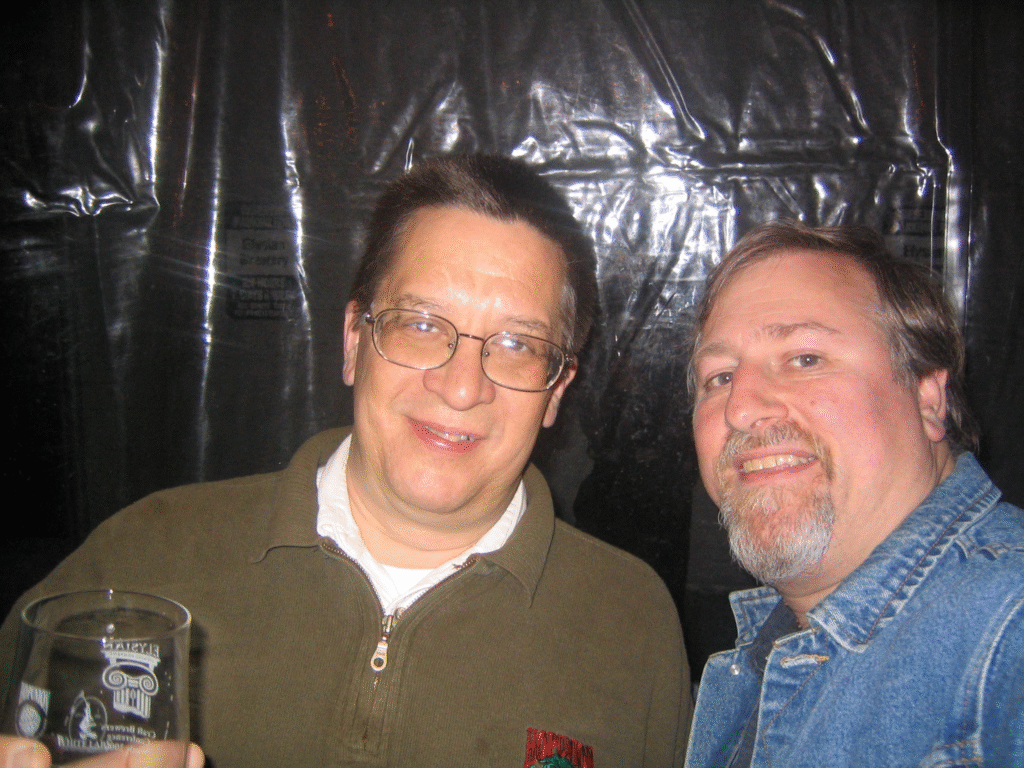
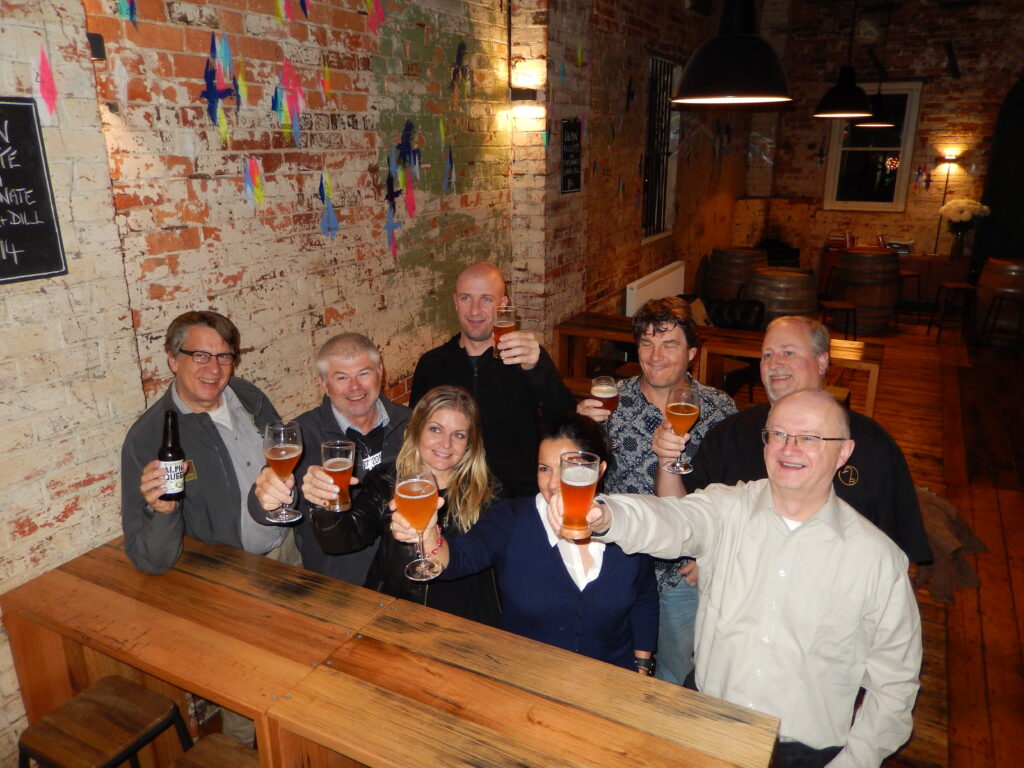
Today is Chuck Skypeck’s 71st birthday. Chuck was a founder of Bosco’s, a brewpub which has three locations in Tennessee and Arkansas, and also Ghost River Brewing. I met Chuck at BA functions many years ago and he’s always been one of the warmest, most genuine people I know. A few years ago, he joined the Brewers Association staff as Technical Brewing Projects Coordinator, and a few years ago we judged together in Melbourne, Australia, at the Australian International Beer Awards. Join me in wishing Chuck a very happy birthday.
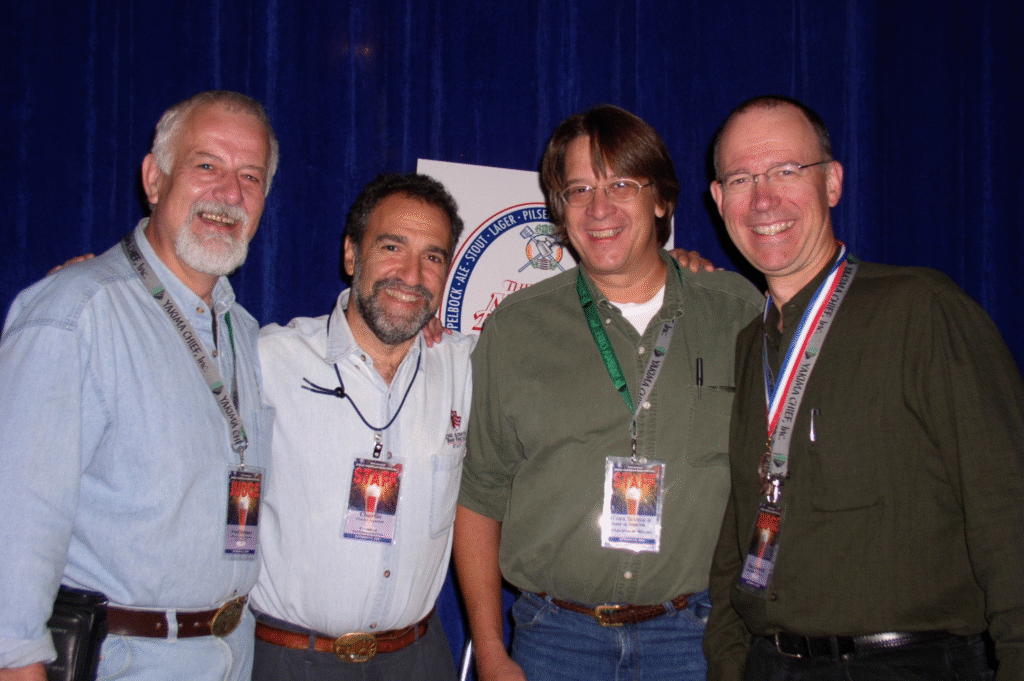
Fred Scheer, Charlie Papazian, Chuck Skypeck, and Ray Daniels at GABF 2002.
Chuck and me at the Craft Brewers Conference in Seattle in 2006.
Chuck, me and a few others judging a couple of years ago in Melbourne at the Australian International Beer Awards.
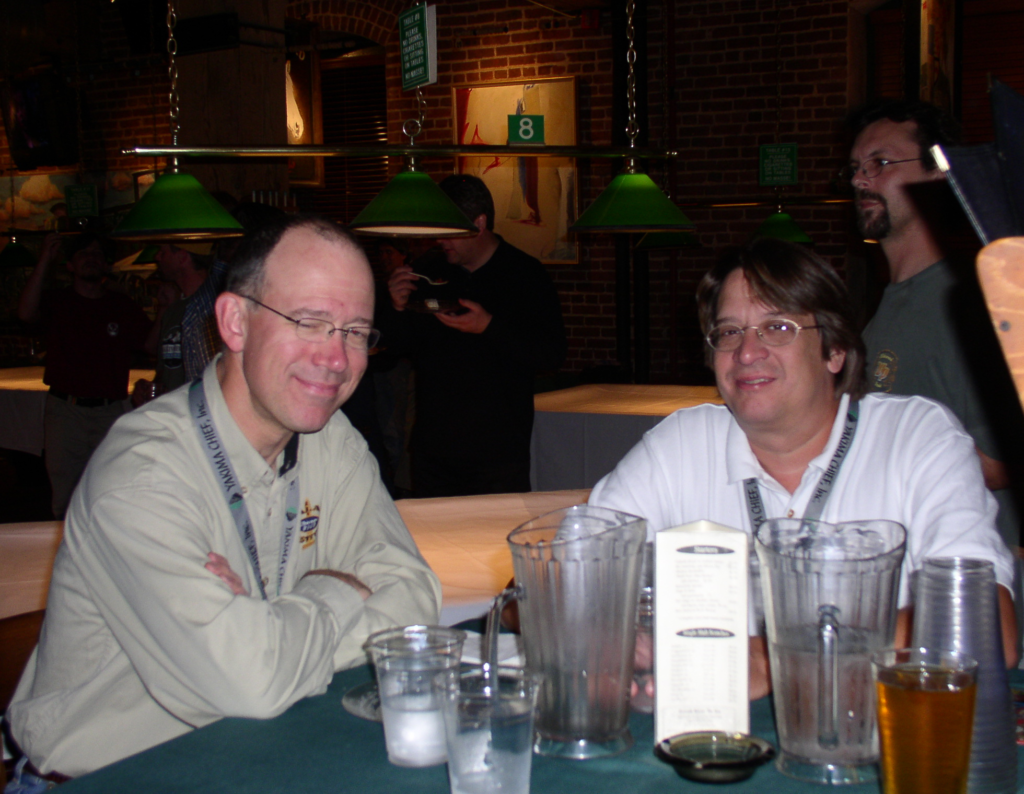
Ray Daniels and Chuck Skypeck relaxing at a well-used table at the Wynkoop during the opening brewer’s reception for GABF when it was still just upstairs in 2002.
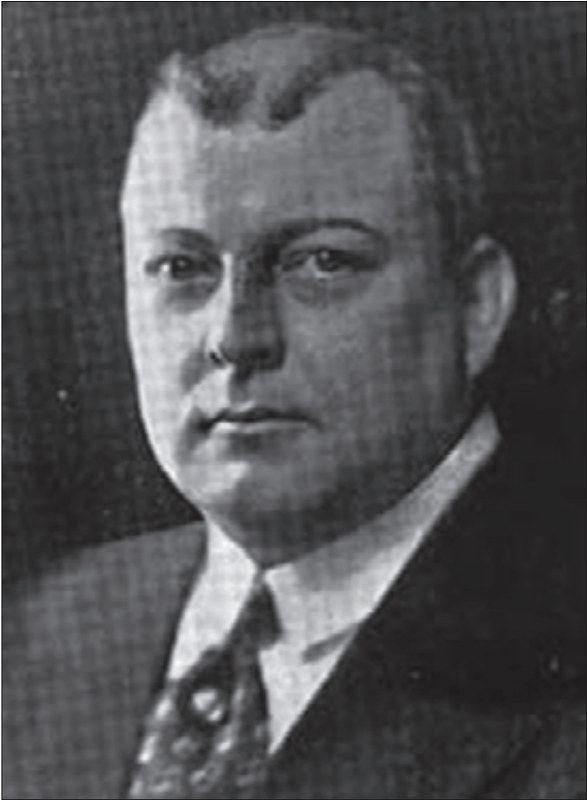
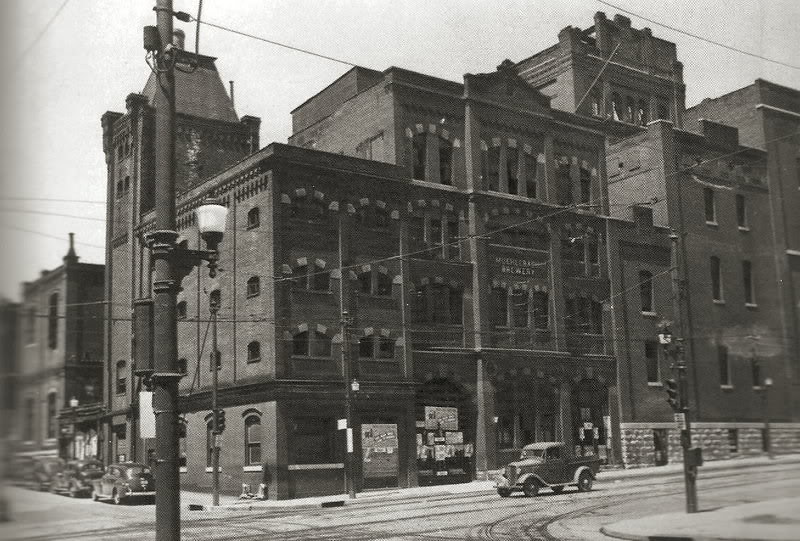
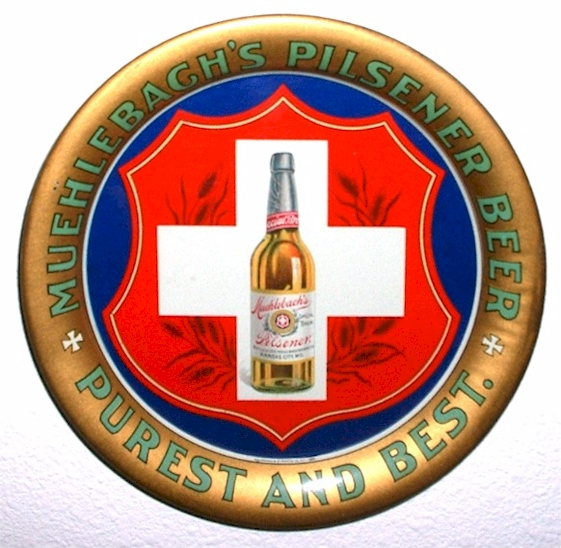
Today is the birthday of George Edward Muelebach (August 10, 1881-January 11, 1955). He was the son of George Muelebach, who emigrated to Kansas City, Missouri, from Switzerland and founded the George Muehlebach Brewing Co. in 1868, along with his brother John Muelebach (some sources say Peter). But George E. took over the brewery upon his father’s death in 1905. In 1915, he also opened the now-historic Muehlebach Hotel, which may have taken a lot of his focus, as well as his minor league baseball team, the Kansas City Blues. By the time of George E’s passing, he had retired to California as vice-president. A year after his death, the brewery was sold to Schlitz, who closed the Kansas City brewery in 1973.
This is a short biography of Muehlebach from Find-a-Grave:
George Muehlebach built and operated the Muehlebach Hotel in Kansas City, Mo., which was visited by every United States President from Theodore Roosevelt. His most famous presidential connection was Harry S. Truman, who used the hotel as the White House headquarters during frequent visits to his nearby hometown of Independence, Mo. Truman stayed in Independence but conducted business in the penthouse suite of the Muehlebach hotel. It was here that he predicted his upset victory to staffers during election night 1948, and it was here that he signed the Truman Doctrine legislation aid for Turkey and Greece on 22 May 1947.
Muehlebach was also the owner of a minor league baseball team, the Kansas City Blues (American Association). His team won the AA pennant in 1918, 1923 and 1929. In 1936, the Blues became a farm club of the New York Yankees. They won the AA championships five times in the 1930s and 1940s. The official website of Minor League Baseball calls the Blues teams of 1929 and 1939 two of the 100 greatest Minor League Baseball teams ever.
And this is his obituary:
And this biography was written by Barbara Magerl for the Missouri Valley Historical Society’s Special Collections:
George Edward Muehlebach assumed leadership of the Muehlebach Brewing Company in 1905 at the young age of 23, when George Muehlebach, his Swiss-born father and founder of the brewery died. Educated at Sts. Peter & Paul Catholic School and Webster School, young George graduated from Spaulding’s Commercial College by age 17. Summer jobs at the brewery at 18th and Main had familiarized him with all operations of the brewery, which was founded in 1868. Under Muehlebach’s leadership the brewery’s size and sales doubled between 1905 and 1913.
A Kansas City promoter, he built the Muehlebach Hotel at 12th and Baltimore in 1916, became a bank director, board member of Research Hospital, and a member of several prestigious clubs.
As a teenager, George had played first base on the Muehlebach Brewing Company’s Pilseners baseball team, spawning a keen interest in the sport. He owned the Kansas City Blues, twice American Association champions, from 1917 to 1932.
Muehlebach built a half-million dollar ballpark at 22nd and Brooklyn in 1923, the only park in its league free of billboards. Under various names, Muehlebach Stadium was Kansas City’s ballpark until the Truman Sports Complex was built.
After producing non-alcoholic drinks during Prohibition, Muehlebach Brewing closed in 1929. When Prohibition ended, George E. Muehlebach was the city’s first Liquor Control Director. He returned to brewing in 1938 as vice-president and general manager of a partnership with Schlitz Brewery at Third and Oak Streets.
A personally modest man known for his fairness and generosity, George Muehlebach died on January 11, 1955. Today the Hotel Muehlebach is a reminder of his role in Kansas City.
The Muehlebach was the White House headquarters for Harry S. Truman during his frequent visits to his home in nearby Independence, Missouri. Truman stayed in Independence but conducted business in the Presidential Suite in the hotel’s penthouse. Truman signed the Truman Doctrine legislation aid for Turkey and Greece at the hotel on May 22, 1947.
Truman predicted his upset victory to staffers at the hotel during election night 1948 (although he spent the night out of the media spotlight at the Elms Hotel in Excelsior Springs, Missouri). The Presidential Suite was later renamed the Harry S. Truman Presidential Suite following his terms of office.
In 1959 the Society of American Registered Architects (SARA), founded by architect Wilfred Gregson in 1956 with the mission of “Architect Helping Architect”, held its first national conference at the Hotel Muehlebach. Gregson reported to those assembled: “You are the ones who have made the first great step toward a unified profession of architects. You are a living report that will go to every part of these fifty United States”. In the fall of 1974, President Gerald Ford stayed at the Muehlebach when he was in town as the keynote speaker for the National FFA Convention. He shook hands with many of the FFA band members that were standing in a rope line in the lobby. The band members were also staying at the hotel the same week.
Immediately following the 1976 Republican Convention, Robert A. Heinlein was the Guest of Honor at the 34th World Science Fiction Convention held at the Radisson Muehlebach and the Hotel Phillips, directly across the Street. He was booked into the Muehlebach’s Harry S. Truman Presidential Suite for the 5-day convention held during the 1976 Labor Day weekend.
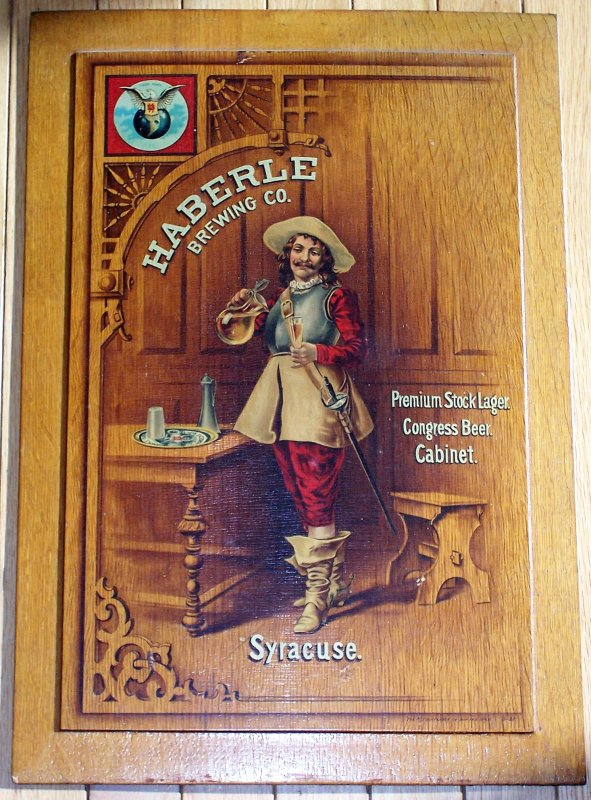
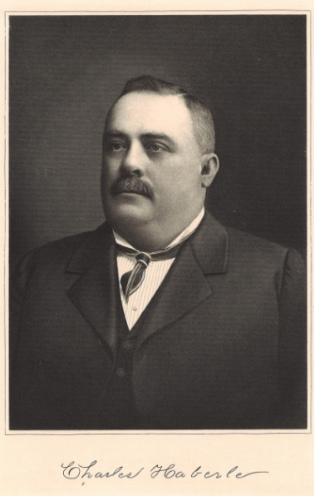
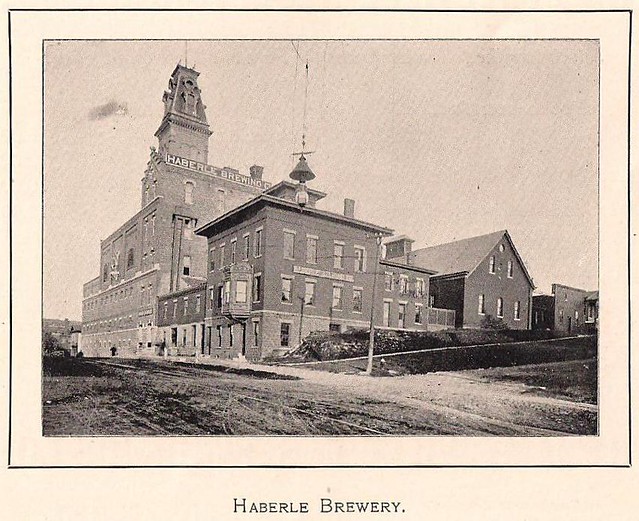
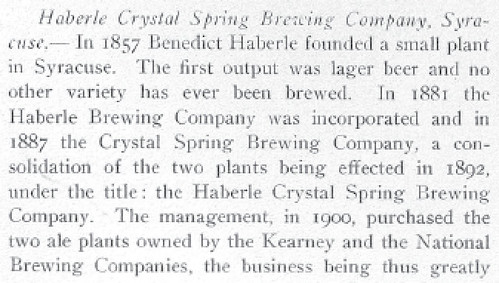
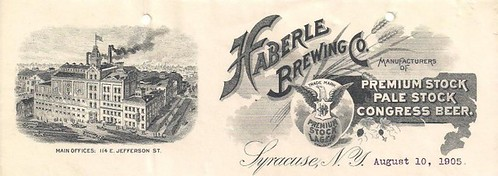
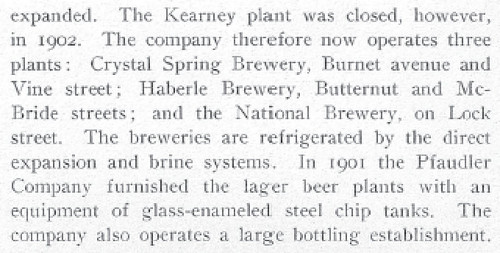
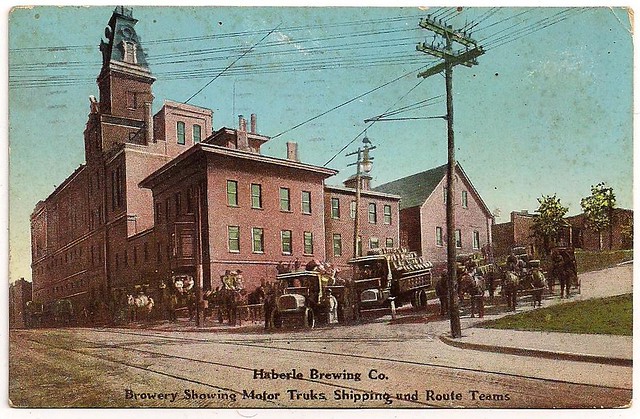
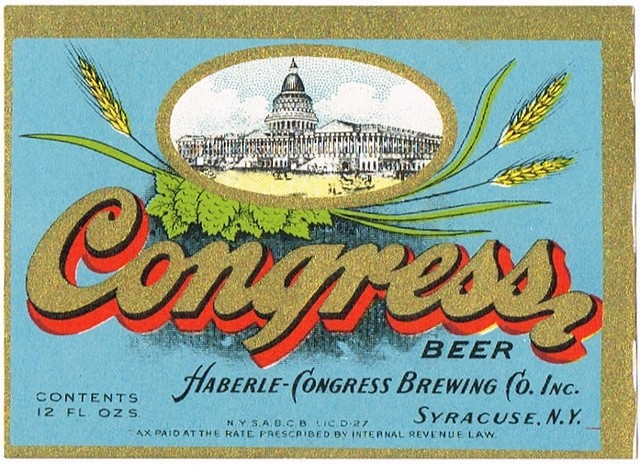
Today is the birthday of Charles Haberle (August 10, 1860-October 27, 1910). He was the brother of Frank B. Haberle, and the son of Benedict Haberle, who founded the Benedict Haberle Brewing Co. in 1857. Charles worked in the family business throughout his life, eventually becoming superintendent. When Charles’ father Benedict died in 1881, it was incorporated as the Haberle Brewing Co. After merging with the Crystal Spring Brewing Co. in 1892, the name was again changed to the Haberle-Crystal Spring Brewing Co. (and also the Haberle Brewery) until 1920, when it was closed by prohibition. It reopened in 1933 as the Haberle Congress Brewing Co., and it remained in business until 1961, when it closed for good.
Charles Haberle, superintendent of the Haberle Brewing Company’s plant, one of the best known business men of Syracuse, died early this morning at his home, 603 James st., after five weeks’ illness. For the last week Mr. Haberle’s condition occasioned considerable alarm among his family and friends. At 6 o’clock last night he lost consciousness and remained in that state up to the time of his death. During Mr. Haberle’s illness, his cheerfulness and good spirits were remarkable and although he suffered greatly he refused to give up fighting for life until he realized that the end was near. He then gave up, sinking into a stupor from which he did not rally. Mr. Haberle was born in Syracuse August 10, 1860, and had spent his entire life in the city of his birth. After completing a grammar school education he entered the brewing plant, at that time in charge of his father, and beginning at the bottom worked up through the different departments of the business until he reached the position of superintendent. Mr. Haberle was prominent in Masonic circles, being a member of Syracuse Lodge 501, F. and A. M.; Central City Chapter 70, R. and A. M.; Central City Commandery 25 K. T.; Central City bodies, A. and A. S. Rite; Central City Council 13, R. and S. M.; the Masonic Temple Club and Keder Khan Grotto. He was also a member of the Elks and of the Anglers Association of Onondaga. Besides his wife, Julia Fisher Haberle, he is survived by three sons, Benjamin F., Karl and Warren Haberle; three sisters, Mrs. Charles Schwartz, Mrs. William Biehler and Mrs. William Woese, and two brothers, Frank B. and William Haberle, all of Syracuse.
And this account is about the brewery, from 100 Years of Brewing:
Last year I decided to concentrate on Bock ads. Bock, of course, may have originated in Germany, in the town of Einbeck. Because many 19th century American breweries were founded by German immigrants, they offered a bock at certain times of the year, be it Spring, Easter, Lent, Christmas, or what have you. In a sense they were some of the first seasonal beers. “The style was later adopted in Bavaria by Munich brewers in the 17th century. Due to their Bavarian accent, citizens of Munich pronounced ‘Einbeck’ as ‘ein Bock’ (a billy goat), and thus the beer became known as ‘Bock.’ A goat often appears on bottle labels.” And presumably because they were special releases, many breweries went all out promoting them with beautiful artwork on posters and other advertising.
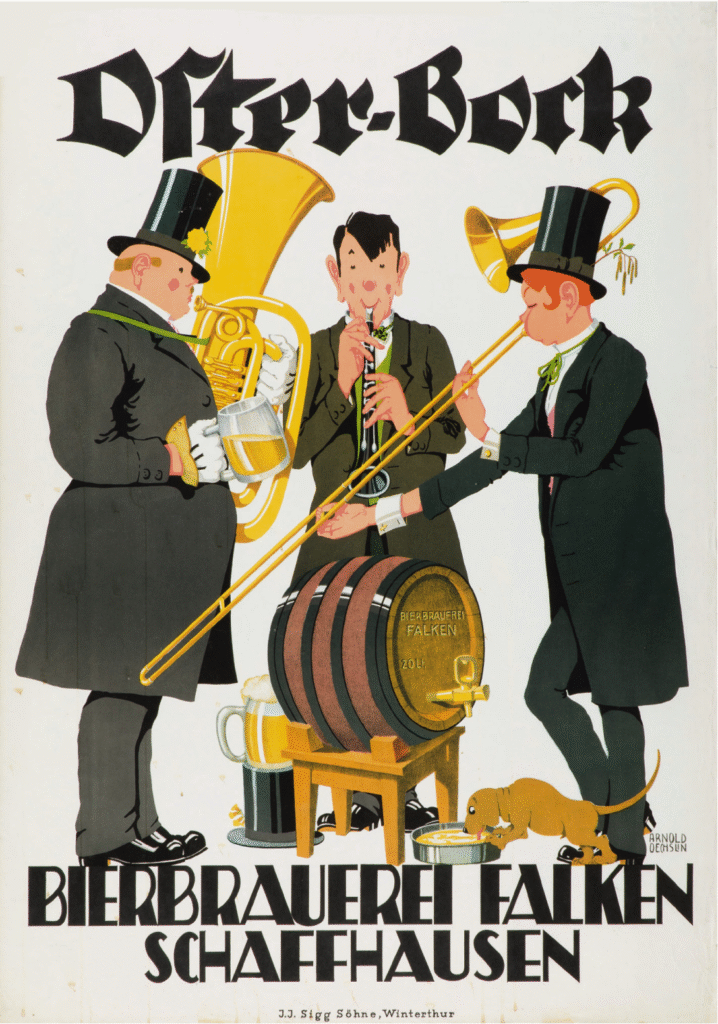
Tuesday’s poster is for Falken Schaffhauser’s Oster-Bock, and was published in 1931. This one was made for the Bierbrauerei Falken Schaffhausen, or Falcon Brewery, of Schaffhausen, Switzerland. The brewery was founded in 1799, and is still in business today, and is “considered the only independent brewery in the Schaffhausen region,” and is Switzerland’s 5th largest brewery. This one is for their Schaffhauser Oster-Bock (Easter Bock) and shows three musician playing around a small cask of beer, while a dog laps up the drippings from a bowl below the tap. It was created by Swiss artist Arnold Oechslin.