Brookston Beer Bulletin

Jay R. Brooks on Beer

  • Home
  • About
  • Editorial
  • Birthdays
  • Art & Beer

Socialize

  • Dribbble
  • Email
  • Facebook
  • Flickr
  • GitHub
  • Instagram
  • LinkedIn
  • Pinterest
  • RSS
  • Twitter
  • YouTube

Powered by Genesis

The Remaining Heritage Breweries

July 21, 2011 By Jay Brooks

copper-kettle
Charlie Papazian had an interesting series of posts (See Part 1, Part 2 and Part 3) a few years back that I thought was worth revisiting about what he refers to as “heritage breweries,” a term that he used to describe the few small breweries that not only survived prohibition but are still in business today, over 75 year later. According to his research, when prohibition summarily closed down thriving businesses in 1919, at a stroke 1,179 breweries were out of business, or at least no longer allowed to make their primary product: beer.

Of the ones that reopened thirteen years later, when prohibition was repealed only a handful managed to make it into the present, braving untold challenges, merger-manias, fickle consumers and ever more oppressive attacks by neo-prohibitionists unconvinced of prohibition’s massive failure. Papazian divides the heritage brewers into four types:

  1. Small, Independent and owned by the original family Heritage Brewers.
  2. Small breweries that have survived that are no longer owned by the original family, yet still independent of the large brewing companies.
  3. Breweries that have survived but are no longer owned by the original family, nor independent of a large brewing company.
  4. Small brewery that may remotely be considered a Heritage Brewery, though original family ownership and location is far removed from the current operation.

Of the first type, those still owned by the original family, only four remain.

  1. August Schell Brewing, New Ulm, Minnesota. (Founded in 1860)
  2. Matt Brewing / Saranac Brewery, Utica, New York. (Founded in 1888)
  3. Straub Brewery, St. Mary, Pennsylvania. (Founded in 1831)
  4. Yuengling Brewery, a.k.a. D. G. Yuengling and Son Inc., Pottsville, Pennsylvania. (Founded in 1829)

For the second type, breweries still considered independent but no longer owned by their original founders or their family, there are a mere seven left.

  1. Anchor Brewing, San Francisco, California. (Founded in 1896)
  2. Dundee Ales & Lagers, f.k.a. J.W. Dundee, High Falls Brewing, and Genesee Brewing (prior to 2000), Rochester, New York. (Founded in 1857)
  3. Iron City Brewing, f.k.a. Pittsburgh Brewing, Pittsburgh, Pennsylvania. (Founded in 1861)
  4. Lion Brewery, Wilkes-Barre, Pennsylvania. (Founded in 1905)
  5. Minhas Craft Brewery, Monroe, Wisconsin. (Founded in 1845 as the Blumer Brewery but from 1947 and on it was known as the Joseph Huber Brewing Co. before being bought by the Canadian Mountain Crest Brewing Co. of Calgary, Alberta in 2006)
    Minhas was not listed in Charlie’s original list, and I can only speculate as to why. Despite their parent company, Mountain Crest, having been founded only in 2003, it appears to be very well-funded and seems to do business along the lines of a very big brewer and not a small one. Likewise, Minhas, after taking over Huber five years ago, has operated it like a big, rather than small, beer business.
  6. Spoetzl Brewery (Shiner Beer), Shiner, Texas. (Founded in 1909)
  7. Stevens Point Brewing, Stevens Point, Wisconsin. (Founded in 1857)

Of the third type, breweries “no longer owned by the original family, nor independent of a large brewing company,” only one remains, and I’m not sure if it really does fit in the third group.

  1. Jacob Leinenkugel Brewing, Chippewa Falls, Wisconsin. (Founded in 1867.) Bought by Miller Brewing, now MillerCoors, in 1988.

I say that because it seems to me that while MillerCoors does own the brewery outright, the family, led today by Jake Leinenkugel, does maintain a certain amount of autonomy and makes a lot of their own decisions about the business. I interviewed Jake a number of years ago for an article I wrote for American Brewer magazine, and that was certainly the impression I was left with. It may not be “owned” by the family any longer, but they do seem to control their own destiny, and that has to count for something.

The fourth, and final category, as outlined by Papazian, is one in which the “original family ownership and location is far removed from the current operation.” Of this type, there are only two remaining.

  1. Cold Springs Brewery, (Originally established as the Mississippi Brewing Company, changed to Gluek Brewing Company sold to G. Heileman, then original brewery was demolished and then restablished itself as Cold Springs in 1997, changed back to Gluek and then back again to Cold Springs Brewery again recently), Cold Springs, Minnesota. (Founded in 1857)
  2. Dixie Brewing, New Orleans, Louisiana. The beer is said to be contract brewed at other locations. (Founded in 1907)

Totaled up, there are only thirteen breweries still in existence that were in business 92 years ago, when prohibition began. Twelve, if you discount brands that are contract brewed, such as Dixie is now post-Katrina. Now that’s just small breweries, but the picture’s not much rosier even if you include everybody, big and small.

  1. Anheuser-Busch InBev, St. Louis, Missouri or New York City, or Leuven, Belgium. (Founded in 1852 as Bavarian Brewery, name changed to E. Anheuser & Co. in 1860, incorporated as Anheuser-Busch in 1875)
    Given the takeover by InBev in 2008 and August Busch IV no longer a member of the board, essentially that would place ABI in Type 4.
  2. MillerCoors, Chicago, Illinois.
    Whether to consider them together or separately, that it is the question.

    • Coors Brewing, Golden, Colorado (Founded in 1873)
      Merged with Molson to form MolsonCoors in 2004, merged their U.S. operations with Miller in 2008 to form MillerCoors. Despite all that mergering, Pete Coors is still involved in running at least part of the company his family founded, but it’s a bit of a crapshoot where they’d fit in Papazian’s categories.
    • Miller Brewing, Milwaukee, Wisconsin (Founded in 1855)
      Founder Frederick Miller’s granddaughter, who hated alcohol, sold the company to W.R. Grace in 1966. In 1969, Phillip Morris acquired Miller but sold it to the South African Breweries in 2002 to form SABMiller, and they also merged their U.S. operations with Coors in 2008 to form MillerCoors. That would put them, too, in category 4.
  3. Pabst Brewing, Greenwich, Connecticut or San Antonio, Texas or Milwaukee, Wisconsin. (Founded in 1844)
    The Pabst family sold out back in the 1950s, if I recall correctly, and it was recently bought by Greek billionaire Dean Metropoulos. They haven’t owned an actual brewery in years, contracting all of their many brands of beer so it’s unclear, like Dixie, if they should be included at all. If so, they’re a clear Type 4.

Even pulling everybody, big or small, contract beer company or actual brewery, that’s still only 18 remaining from the original 1,179 left. That’s only 1.5% still in business after 82 years. Back out the big guys, and it’s 1.2%. I’m an inveterate pessimist, so I find that sad. I know that’s business in general, and many of the brewery mergers are the result of the cannibalistic nature of many of the big brewers (and corporate business more generally), but I’m a romantic pessimist, the worst kind. As much as I don’t really like the beers so many of the fallen breweries (and many of the remaining big ones, too) make, I still think we lose some part of our history every time yet another one closes or is bought out.

Filed Under: Breweries, Editorial Tagged With: History, Prohibition

Happy International Brewers Day

July 18, 2011 By Jay Brooks

ibd-circle100
Today is the 4th annual holiday celebrating brewers around the world, International Brewers Day, which I created in 2008. While I haven’t been able to put as much effort into it as I might have liked, someday I will. In the meantime, some parts of the international brewing community are carrying on with celebrations, most notably in Australia. For now, a quiet celebration involving beer and any brewer you happen to encounter today is in order.

ibd-banner-grn460-pln

You could see the original idea, the plan and why I chose July 18 at the old International Brewers Day website, but unfortunately it’s currently down. I’ll have to get that moved and back up again one of these days.

Here was my original driving thought:

Brewers have given so many of us the pleasure of their artistry and enriched our lives with their beer since civilization began. So I think it’s time we recognized their efforts by celebrating their lives, their commitment and their craft. We’re all beer people, but without the brewers what would we be drinking?

Did I mention that hugging brewers is a big part of the holiday?

hugged180

As the old Czech saying goes:

“Blessed is the mother who gives birth to a brewer.“

Filed Under: Beers, Breweries, Events, Just For Fun, Related Pleasures Tagged With: beer saints, brewers, Holidays, International

Travel + Leisure Chooses The Best American Beer Cities

July 14, 2011 By Jay Brooks

travel+leisure
Travel + Leisure magazine, in their July 2011 issue, made their picks for America’s Best Beer Cities. Actually, the title is a bit misleading. It’s not really the “best” cities so much as the most “popular;” and most popular according to the magazine’s readers; and not all of their readers but specifically the ones who took the time to answer the poll. Looking more closely, the readers polled were asked to choose among 35 pre-chosen cities, too, meaning there was no chance for any town not on the starting list, too. Asheville, NC, for example, was presumably not among the 35 cities on Travel + Leisure’s list.

So that’s a very different thing and probably accounts for what I can only describe as some odd, but interesting, inconsistencies with other similar polls. Certainly Portland deserves the top spot, though it probably goes without saying I’d place San Francisco a tad higher than ninth. But Philly fourth from the cellar — along with San Diego even lower? — that seems like a travesty.

It does, however, tell us how people who like travel enough to subscribe to a periodical devoted to it perceive which cities are best for beer. Undoubtedly, many people voted for their local city so in a sense it’s partly a reflection of the magazine’s geographic readership. But that probably doesn’t tell the whole story. When asked to rank 35 cities, most people (apart from the very well traveled) I’d wager have not been to all of the cities. That would mean they’d be inclined to go with what they’d heard or read about the cities they hadn’t personally visited. They’d make a value judgment based on that particular city’s perception of beer-worthiness. Seen through that prism, it’s a more interesting list, to me at least. It also means I need to visit Savannah. What’s your take on the list?

Travel + Leisure’s 2011 Poll: America’s Best Beer Cities

  1. Portland, OR
  2. Denver, CO
  3. Seattle, WA
  4. Providence, RI
  5. Portland, ME
  6. Savannah, GA
  7. Boston, MA
  8. Austin, TX
  9. San Francisco, CA
  10. Nashville, TN
  11. Kansas City, MO
  12. Minneapolis/St. Paul, MN
  13. Charleston, SC
  14. Chicago, IL
  15. Anchorage, AK
  16. New Orleans, LA
  17. Philadelphia, PA
  18. San Diego, CA
  19. Phoenix/Scottsdale, AZ
  20. Houston, TX

Filed Under: Breweries, Just For Fun Tagged With: Lists, Travel

Minnesota Government Shutdown Also Stops Beer Production In State

July 13, 2011 By Jay Brooks

minnesota
Here’s a weird consequence of our stunted economy; when the state government in Minnesota shut down July 1, MillerCoors “had 39 ‘brand label registrations’ that expired last month, and the employees who process renewals were laid off when state government shut down July 1 in a budget dispute,” according to an AP story published today online entitled MillerCoors becomes casualty of Minnesota shutdown. Area wholesalers and then retailers could be out of the effected brands in as little as a few days, the story cautions. Hopefully, there’s enough craft beer in the pipeline to satisfy demand and maybe even create a few converts in the process.

Filed Under: Beers, Breweries, News, Politics & Law Tagged With: Law, Minnesota

Wyoming Beer

July 10, 2011 By Jay Brooks

wyoming
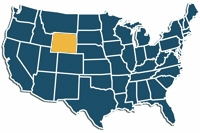
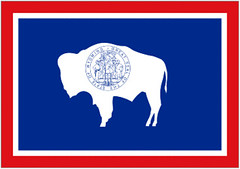
Today in 1890, Wyoming became the 44th state.

Wyoming
State_Wyoming

Wyoming Breweries

  • Altitude Chophouse and Brewery
  • Bitter Creek Brewery
  • Grand Teton Brewing
  • Lander Brewing Company
  • Library Sports Grille and Brewery
  • Shadows Pub & Grill
  • Snake River Brewing
  • Snowy Mountain Brewery
  • Suds Brothers Brewery
  • Thai Me Up Restaurant & Brewery
  • Wind River Brewing
  • Wonder Bar
  • Wyoming State Brewing
  • Wyoming Territory Brewing

Wyoming Brewery Guides

  • Beer Advocate
  • Beer Me
  • Rate Beer

Guild: None Known

State Agency: Wyoming Department of Revenue Liquor Division

maps-wy

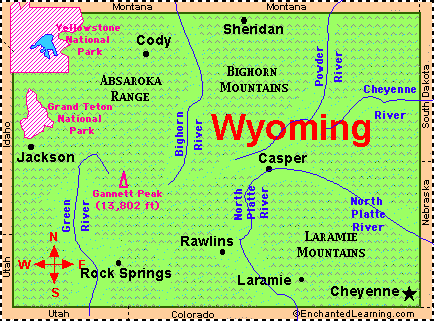
  • Capital: Cheyenne
  • Largest Cities: Cheyenne, Casper, Laramie, Gillette, Rock Springs
  • Population: 493,782; 50th
  • Area: 97818 sq.mi., 10th
  • Nickname: Equality State
  • Statehood: 44th, July 10, 1890

m-wyoming

  • Alcohol Legalized: May 19, 1933
  • Number of Breweries: 14
  • Rank: 37th
  • Beer Production: 477,598
  • Production Rank: 49th
  • Beer Per Capita: 27.8 Gallons

wyoming

Package Mix:

  • Bottles: 44%
  • Cans: 47%
  • Kegs: 8.7%

Beer Taxes:

  • Per Gallon: $0.02
  • Per Case: $0.05
  • Tax Per Barrel (24/12 Case): $0.62
  • Draught Tax Per Barrel (in Kegs): $0.62

Economic Impact (2010):

  • From Brewing: $817,405
  • Direct Impact: $138,644,265
  • Supplier Impact: $26,743,631
  • Induced Economic Impact: $46,510,064
  • Total Impact: $211,897,960

Legal Restrictions:

  • Control State: No
  • Sale Hours: 6.00 a.m.-2.00 a.m.
  • Grocery Store Sales: No
  • Notes: Clubs holding liquor licenses may be exempt from the hours of operation here specified by local ordinance or regulation of the appropriate licensing authority, but it doesn’t seem to happen in practice.

wyoming-map

Data complied, in part, from the Beer Institute’s Brewer’s Almanac 2010, Beer Serves America, the Brewers Association, Wikipedia and my World Factbook. If you see I’m missing a brewery link, please be so kind as to drop me a note or simply comment on this post. Thanks.

For the remaining states, see Brewing Links: United States.

Filed Under: Beers, Breweries Tagged With: Wyoming

IPA Day Holiday Set For August 4

July 7, 2011 By Jay Brooks

IPA-Day
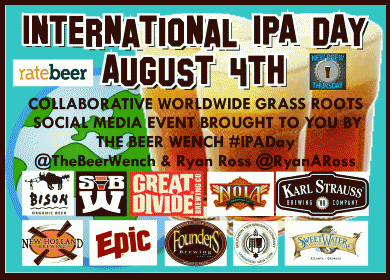
There’s nothing I love more than a new holiday, especially one celebrating a personal favorite: IPAs. The brainchild of Ashley V. Routson and Ryan A. Ross, August 4th has been designated as the date for the new holiday.

From the announcement:

Announcing International #IPADay: A Social Celebration of Craft Beer

Attention all craft beer evangelists, brewers, bloggers, and suds-savvy citizens! On Thursday, August 4th 2011, you are cordially invited to participate in the largest international craft beer celebration and virtual conversation the world has ever seen.

International #IPADay is a grassroots movement to unite the voices of craft beer enthusiasts, bloggers, and brewers worldwide through social media. On Thursday August 4th, craft beer drinkers across the social sphere and across the globe will raise pints in a collective toast to one of craft beer’s most iconic styles: the India Pale Ale. This celebrated style represents the pinnacle of brewing innovation with its broad spectrum of diverse brands, subcategories, and regional flavor variations – making it the perfect style to galvanize craft beer’s social voice.

#IPADay is opportunity for breweries, bloggers, businesses and consumers to connect and share their love of craft beer. Getting involved is easy; the only requirements are an appreciation for great beer and the will to spread the word. Anyone can participate by enjoying IPA with friends, making some noise online with the #IPADay hashtag, and showing the world that craft beer is more than a trend!

Tips on How to Take Part:

  1. Organize an #IPADay event at your brewery, brewpub, restaurant, bar, home, or office (Ex: An IPA dinner/cheese pairing/comparative or educational tasting/cask night/tap takeover…). Share your events on the official #IPADay forum at http://www.ratebeer.com.
  2. On August 4th, share your photos, videos, blog posts, tasting notes, recipes, and thoughts with the world. Be sure to include the #IPADay hashtag in your posts Facebook, Twitter, YouTube, WordPress, RateBeer, Foursquare, Yelp, Untappd or any other social media site.
  3. See what other people are saying by searching “#IPADay” on Google, search.twitter.com, et cetera…
  4. Track down your favorite IPA’s, ones you’ve been meaning to try, and ones you’ve never heard of; share them with friends and share your thoughts with the world.
  5. Have a good time and know that by sharing your experiences online, you’re strengthening the craft beer community at large.

Mark your calendars, stock up on hops and get ready for IPA Day, coming to a bar or refrigerator near you on August 4.

IPA-Day-390x280

Filed Under: Beers, Breweries, Just For Fun, News Tagged With: Blogging, Holidays

Area Code Beer

July 7, 2011 By Jay Brooks

telephone
After Anheuser-Busch InBev‘s recent acquisition of Goose Island for just under $40 million, it seems they may be taking a page from the Chicago microbrewery’s success. One of Goose Island’s most popular beers is 312 Urban Wheat Ale, named for the Chicago telephone area code.

Officially known as the Telephone Numbering Plan, it was first implemented only in large metropolitan areas in the late 1940s, and was nationwide by 1966. Until the number of area codes exploded due to fax machines, beepers (remember beepers?) and then mobile phones, many cities became closely associated with their area codes, being recognizable at once to anyone in the know. Thanks to such positive associations — not to mention being a tasty brew — Goose Island’s 312 became their best-selling beer, especially in their local market.

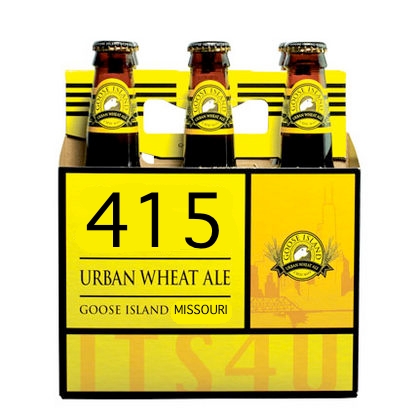
It appears that ABI is hoping such positive associations with local area codes will work as well in other cities as it has in Chicago. Earlier this year, in May, they applied for a federal trademark for the area codes in fourteen metropolitan areas. So far they’re seeking a trademark for 202 (Washington, D.C.), 214 (Dallas), 216 (Cleveland), 303 (Denver), 305 (Miami), 314 (St. Louis), 412 (Pittsburgh), 415 (San Francisco), 602 (Phoenix), 615 (Nashville), 619 (San Diego), 702 (Las Vegas), 704 (Charlotte), and 713 (Houston). I’m a bit surprised that both New York (212) and Philadelphia (215) are both missing from the list. Both seem more well-known to me than several on the original list. So far, there’s no information about ABI’s plans for the trademarks, whether it’s to market the Urban Wheat branded for specific markets or to do different beers in each city. But it’s certainly possible we could see some version of the beer below at some point in the future. Stay tuned.

415-mockup

Filed Under: Beers, Breweries, News Tagged With: Anheuser-Busch InBev, Beer Labels, Rumors

Idaho Beer

July 3, 2011 By Jay Brooks

idaho
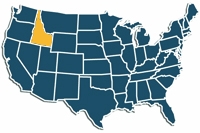
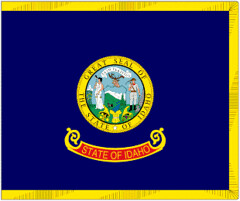
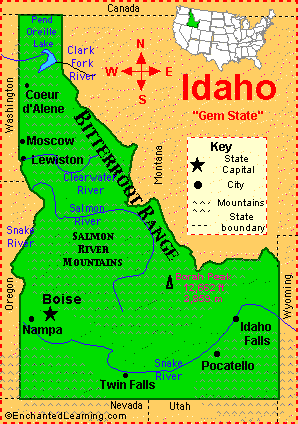
Today in 1890, Idaho became the 43rd state.

Idaho
State_Idaho

Idaho Breweries

  • Bertram’s Salmon Valley Brewery and Restaurant
  • Bi-Plane Brewing
  • Crescent Brewery
  • Grand Teton Brewing
  • Highlands Hollow Brewhouse
  • Laughing Dog Brewing
  • Messenger Pizza & Brewery
  • MickDuff’s Brewing Company
  • MJ Barleyhoppers Brewery and Sports Pub
  • The Moscow Brewing Company
  • Payette Brewing
  • Portneuf Valley Brewing
  • Ram Restaurant & Brewery of Boise
  • Salmon River Brewery
  • Sawtooth Brewery
  • Simian Brewing Company
  • Sockeye Grill & Brewery
  • Sun Valley Brewing
  • Table Rock Brewpub and Grill
  • Von Scheidt Brewing
  • Wallace Brewing

Idaho Brewery Guides

  • Beer Advocate
  • Beer Me
  • Rate Beer

Guild: None

State Agency: Idaho State Liquor Dispensary

maps-id

  • Capital: Boise
  • Largest Cities: Boise, Nampa, Pocatello, Idaho Falls, Meridian
  • Population: 1,293,953; 39th
  • Area: 83574 sq.mi., 14th
  • Nickname: Gem State
  • Statehood: 43rd, July 3, 1890

m-idaho

  • Alcohol Legalized: June 21, 1933
  • Number of Breweries: 21
  • Rank: 24th
  • Beer Production: 1,052,167
  • Production Rank: 39th
  • Beer Per Capita: 21.4 Gallons

idaho

Package Mix:

  • Bottles: 29.8%
  • Cans: 59.6%
  • Kegs: 10.2%

Beer Taxes:

  • Per Gallon: $0.15
  • Per Case: $0.34
  • Tax Per Barrel (24/12 Case): $4.65
  • Draught Tax Per Barrel (in Kegs): $4.65

Economic Impact (2010):

  • From Brewing: $75,208,210
  • Direct Impact: $370,722,291
  • Supplier Impact: $148,157,431
  • Induced Economic Impact: $213,005,676
  • Total Impact: $731,885,398

Legal Restrictions:

  • Control State: No
  • Sale Hours: On Premises: 10:00 a.m. to 1:00 a.m., 2:00 a.m. in some counties
    Off Premises:
  • Grocery Store Sales: Yes
  • Notes: Alcoholic beverages exceeding 16% ABV can only be sold in Idaho State Liquor Dispensary stores, or contracted stores.

idaho-map

Data complied, in part, from the Beer Institute’s Brewer’s Almanac 2010, Beer Serves America, the Brewers Association, Wikipedia and my World Factbook. If you see I’m missing a brewery link, please be so kind as to drop me a note or simply comment on this post. Thanks.

For the remaining states, see Brewing Links: United States.

Filed Under: Beers, Breweries Tagged With: Idaho

Best Beers In America 2011

June 30, 2011 By Jay Brooks

usa
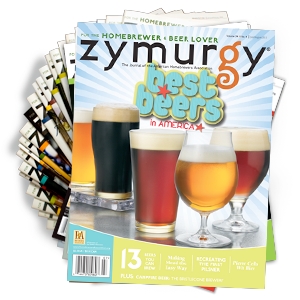
The readers of Zymurgy magazine were asked to send in a list of their 20 favorite commercially available beers. With a record number of votes in the poll’s third year, 1,306 different beers from 433 breweries made the full list. The results were not exactly shocking, and most of the beers and breweries that got the most votes were what you’d expect, I think, but it’s an interesting list all the same. The results are also printed in the latest issue.

Zymurgy-2011

Top Rated Beers
(T indicates tie)

Six of the top ten are California beers, with sixteen making the list.

1. Russian River Pliny the Elder
2. Bell’s Two Hearted Ale
T3. Dogfish Head 90 Minute IPA
T3. Founders Kentucky Breakfast Stout
5. Bell’s Hopslam
6. Stone Arrogant Bastard
7. Sierra Nevada Celebration
T8. Sierra Nevada Torpedo
T8. Stone Ruination
10. Sierra Nevada Pale Ale
11. Stone Sublimely Self Righteous
12. Sierra Nevada Bigfoot Barleywine
13. Goose Island Bourbon County Stout
T14. Great Lakes Edmund Fitzgerald Porter
T14. Oskar Blues Dale’s Pale Ale
T16. Dogfish Head 60 Minute IPA
T16. New Glarus Belgian Red
18. North Coast Old Rasputin
19. Bell’s Expedition Stout
T20. Deschutes The Abyss
T20. Left Hand Milk Stout
T20. Odell IPA
T20. Samuel Adams Noble Pils
T20. Surly Furious
T20. Troegs Nugget Nectar
T26. Rogue Dead Guy Ale
T26. Samuel Adams Boston Lager
28. Anchor Steam
T29. Bear Republic Racer 5
T29. Ommegang Three Philosophers
T29. Oskar Blues Ten Fidy
T29. Three Floyds Alpha King
T29. Three Floyds Dark Lord
T34. Avery Maharaja
T34. Dogfish Head Indian Brown
T34. Dogfish Head Palo Santo Marron
T34. Three Floyds Gumballhead
T38. Dogfish Head 120 Minute IPA
T38. Lost Abbey Angel’s Share
T38. New Belgium La Folie
T38. New Belgium Ranger
T38. Oskar Blues Old Chub
T43. Ballast Point Sculpin IPA
T43. Great Divide Yeti
T43. New Belgium 1554
T43. Russian River Blind Pig
T43. Ska Modus Hoperandi
T48. Alesmith Speedway Stout
T48. Dark Horse Crooked Tree
T48. Green Flash West Coast IPA
T48. Summit EPA
T48. Victory Prima Pils

Brewery Rankings

Based on the total number of votes a beer from the same brewery received, the following list is of the top 50 breweries based on the voting. Seven California breweries made the list, with six from Colorado, and two apiece from Michigan and Oregon.

1. Dogfish Head Craft Brewery, Milton, Del.
2. Bell’s Brewery, Kalamazoo, Mich.
3. Sierra Nevada Brewing Co., Chico, Calif.
4. Stone Brewing Co., Escondido, Calif.
5. Russian River Brewing Co., Santa Rosa, Calif.
6. Founders Brewing Co., Grand Rapids, Mich.
7. New Belgium Brewing Co., Fort Collins, Colo.
8. Boston Beer Co. (Samuel Adams), Boston, Mass.
9. Three Floyds Brewing Co., Munster, Ind.
10. Oskar Blues Brewing Co., Longmont, Colo.
11. Goose Island Beer Co., Chicago, Ill.
T12. Lagunitas Brewing Co., Petaluma, Calif.
T12. New Glarus Brewing Co., New Glarus, Wis.
14. Deschutes Brewery, Bend, Ore.
15. Great Lakes Brewing Co., Cleveland, Ohio
16. Odell Brewing Co., Fort Collins, Colo.
17. Avery Brewing Co., Boulder, Colo.
18. Great Divide Brewing Co., Denver, Colo.
19. Victory Brewing Co., Downington, Pa.
20. Surly Brewing Co., Minneapolis, Minn.
21. Rogue Ales, Newport, Ore.
22. Firestone Walker Brewing Co., Paso Robles, Calif.
T23. Brooklyn Brewery, Brooklyn, N.Y.
T23. North Coast Brewing Co., Fort Bragg, Calif.
T24. Bear Republic Brewing Co., Healdsburg, Calif.
T24. Left Hand Brewing Co., Longmont, Colo.

Best Portfolio

They also determined which breweries got the most votes for different beers that they produce, and called that list “best portfolio.” The number following their name is how many of their beers got at least one vote.

1. Dogfish Head Craft Brewery, 28 beers
2. Sierra Nevada Brewing Co., 23 beers
T3. Avery Brewing Co., 18 beers
T3. Goose Island Beer Co., 18 beers
T3. Lagunitas Brewing Co., 18 beers
T3. Boston Beer Co./Samuel Adams, 18 beers
7. Bell’s Brewery, 17 beers
T8. Founders Brewing Co., 15 beers
T8. Great Divide Brewing Co., 15 beers
T8. Southern Tier Brewing Co., 15 beers
T11. Brooklyn Brewery, 14 beers
T11. Odell Brewing Co., 14 beers
T11. Rogue Ales, 14 beers
T14. New Belgium Brewing Co., 13 beers
T14. Russian River Brewing Co., 13 beers
T14. Stone Brewing Co., 13 beers
T17. Deschutes Brewery, 12 beers
T17. Three Floyds Brewing Co., 12 beers
T19. Boulevard Brewing Co., 11 beers
T19. Dark Horse Brewing Co., 11 beers
T19. New Glarus Brewing Co., 11 beers
T22. Alpine Beer Co., 10 beers
T22. AleSmith Brewing Co., 10 beers
T22. Great Lakes Brewing Co., 10 beers
T25. Cigar City Brewing Co., 9 beers
T25. Firestone Walker Brewing Co., 9 beers
T25. Flying Dog Brewing Co., 9 beers
T25. Harpoon Brewery, 9 beers
T25. The Lost Abbey, 9 beers
T25. Shorts Brewing Co., 9 beers
T25. Ska Brewing Co., 9 beers
T25. Sprecher Brewing Co., 9 beers
T25. Summit Brewing Co., 9 beers
T25. The Bruery, 9 beers

Top Imports

With a lot of ties, a few imports also received votes as readers’ favorite beers.

1. Rodenbach Grand Cru, Belgium
T2. Fullers ESB, England
T2. Guinness, Ireland
T2. Rochefort 10, Belgium
T5. Duvel, Belgium
T5. Saison Dupont, Belgium
T5. St. Bernardus Abt 12, Belgium
T8. Ayinger Celebrator Doppelbock, Germany
T8. Cantillon Gueuze, Belgium
T8. Chimay Grande Reserve, Belgium
T8. Orval, Belgium
T8. Samuel Smith’s Nut Brown, England
T8. Unibroue La Fin du Monde, Canada

Spirit of Homebrew

And finally, the “Spirit of Homebrew” list is compiled by taking the number of votes a brewery received and dividing it by their annual production. The idea is to reward smaller breweries for having big reach. I was amazed to see that four of the five are from California. Congratulations to Pat, from Alpine, for being the biggest little guy.

1. Alpine Beer Co., Alpine, Calif
2. Russian River Brewing Co., Santa Rosa, Calif.
3. AleSmith Brewing Co., San Diego, Calif.
4. The Bruery, Placentia, Calif.
5. Jolly Pumpkin Artisan Ales, Dexter, Mich.

Filed Under: Beers, Breweries, Just For Fun, News Tagged With: Lists, Press Release

Beer Good For Economic Growth Worldwide

June 27, 2011 By Jay Brooks

sales-chart-up
My wife’s a political news junkie and reads such arcane fare as Foreign Policy, a magazine covering global politics and economics. She forwarded me Chug for Growth , an article detailing how the beer industry is having a positive effect on economies around the world, especially in emerging nations. Here’s how it begins:

The myth of the smug teetotaler is no joke. Many of the most popular theories of economic growth in wealthy countries, dating back to the Protestant work ethic of Max Weber, emphasize the abstemious and sober virtues of the well-to-do. And from the 18th-century Gin Acts in Britain to Prohibition in 1920s America to a certain class of modern-day economists, there’s a long tradition of blaming intemperance for the persistence of poverty.

But in fact, mounting evidence suggests that beer in particular, and the beer industry that surrounds it, may be as good for growth as excess sobriety. In some of the world’s toughest investment climates, beer companies today are building factories, creating jobs, and providing vital public services, all in the pursuit of new customers for a pint. It’s the brewery as economic stimulus: a formula even a frat boy could love.

The article goes on to detail how beer is good for both the big brewers and the local economies where they’re building or acquiring new breweries. They can add “tax revenue, lease payments, numerous local jobs, and increased demand for local agricultural produce.” And it sells even in the most challenged economies, as “even the poorest of the poor will spend money on alcohol.” I could have done without the lecture on alcohol abuse, while of course ignoring the positive health benefits of moderate consumption, but apart from that it makes a strong case for beer not only being recession-proof, but even a recession-beater in some places.

The article concludes with some interesting speculation about economic growth centuries ago, and whether it, too, may have been caused not, as been previously thought, by the Christian work ethic, but by breweries themselves as is happening today.

Indeed, beer may have been a force for growth for a long time. [Researchers] Colen and Swinnen note that beer consumption is higher in Protestant countries. What if the early success of Protestant-dominated economies wasn’t about Weber’s famed work ethic at all, but about the impact of breweries? Of course, it may be just as outlandish to argue that progress is driven by hops and barley as by the fear of eternal damnation — but at least it’s more fun to discuss over a pint.

I’m all for that.

Filed Under: Beers, Breweries, Editorial, News, Politics & Law Tagged With: Economics, International

« Previous Page
Next Page »

Find Something

Northern California Breweries

Please consider purchasing my latest book, California Breweries North, available from Amazon, or ask for it at your local bookstore.

Recent Comments

  • Bob Paolino on Beer Birthday: Grant Johnston
  • Gambrinus on Historic Beer Birthday: A.J. Houghton
  • Ernie Dewing on Historic Beer Birthday: Charles William Bergner 
  • Steve 'Pudgy' De Rose on Historic Beer Birthday: Jacob Schmidt
  • Jay Brooks on Beer Birthday: Bill Owens

Recent Posts

  • Historic Beer Birthday: Frederick Kirschner May 21, 2026
  • Beer Birthday: Nick Matt May 21, 2026
  • Historic Beer Birthday: Oliver Hughes May 20, 2026
  • Historic Beer Birthday: Benjamin, Lord Iveagh May 20, 2026
  • Historic Beer Birthday: Eduard Buchner May 20, 2026

BBB Archives

Feedback

Head Quarter
This site is hosted and maintained by H25Q.dev. Any questions or comments for the webmaster can be directed here.