Brookston Beer Bulletin

Jay R. Brooks on Beer

  • Home
  • About
  • Editorial
  • Birthdays
  • Art & Beer

Socialize

  • Dribbble
  • Email
  • Facebook
  • Flickr
  • GitHub
  • Instagram
  • LinkedIn
  • Pinterest
  • RSS
  • Twitter
  • YouTube

Powered by Genesis

Historic Beer Birthday: George Kenneth Hotson Younger

September 22, 2025 By Jay Brooks

george-younger-sons
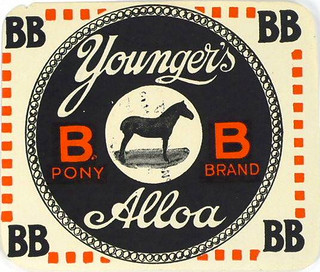
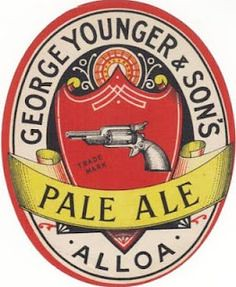
Today is the birthday of George Kenneth Hotson Younger (September 22, 1931-January 26, 2003). “Younger’s forebearer, George Younger (baptised 1722), was the founder of George Younger and Son of Alloa, [Scotland] the family’s brewing business (not to be confused with Younger’s of Edinburgh). He was the great-great-great-great-great-grandfather of the brewery founder. “Younger’s great-grandfather, George Younger, was created Viscount Younger of Leckie in 1923. Younger was the eldest of the three sons of Edward Younger, 3rd Viscount Younger of Leckie.”
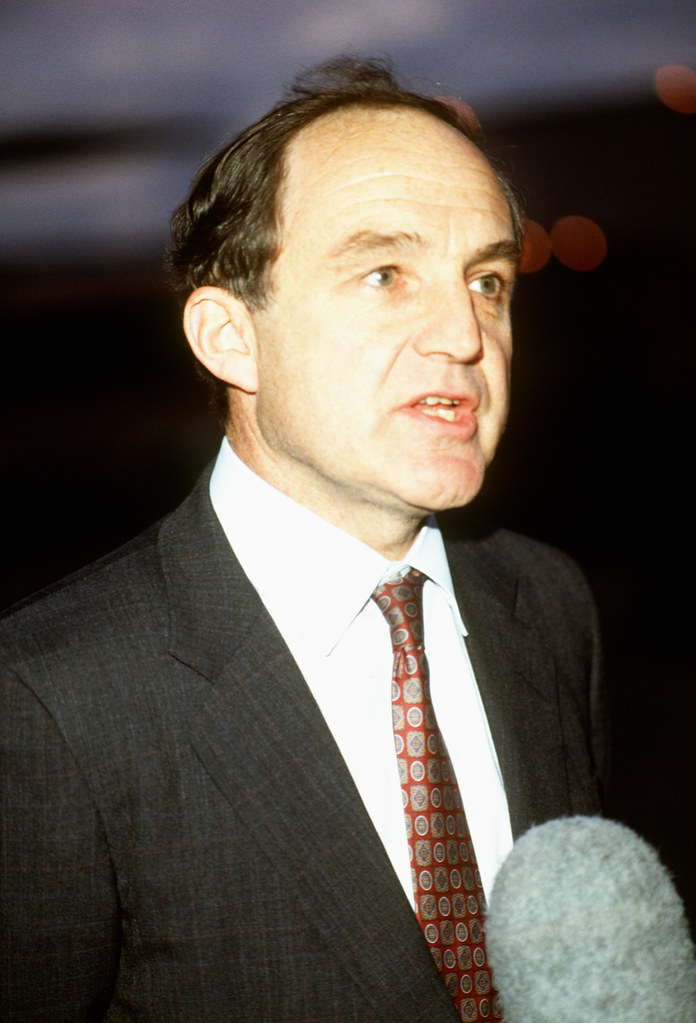
George Younger

Here’s his biography, from Wikipedia:

He was born in Stirling in 1931 and educated at Cargilfield Preparatory School, Winchester College, and New College, Oxford, where he obtained a Master’s degree. Joining the British Army, he served in the Korean War with the Argyll & Sutherland Highlanders. On 7 August 1954, he married Diana Tuck, daughter of a Royal Navy captain; they had 4 children.

He first stood for Parliament, unsuccessfully, in North Lanarkshire in the 1959 General Election. Subsequently, he was initially selected to stand for the Kinross and West Perthshire seat in a by-election in late 1963, but agreed to stand aside to allow the new Prime Minister Alec Douglas-Home the chance to enter the House of Commons.

Following in the footsteps of his great-grandfather the 1st Viscount, Younger became Member of Parliament for Ayr in 1964 and served as Margaret Thatcher’s Secretary of State for Scotland for seven years. He subsequently succeeded Michael Heseltine as Secretary of State for Defence in 1986 when Heseltine resigned from the cabinet over a dispute about helicopters known as the Westland crisis.

Younger quit the cabinet in 1989, and joined the Royal Bank of Scotland, becoming its chairman in 1992. He was created a life peer as Baron Younger of Prestwick of Ayr in the District of Kyle and Carrick on 7 July 1992, five years before succeeding to the viscountcy. As such, he continued to sit in the House of Lords after the passage of the House of Lords Act 1999 which expelled most of the hereditary peers.
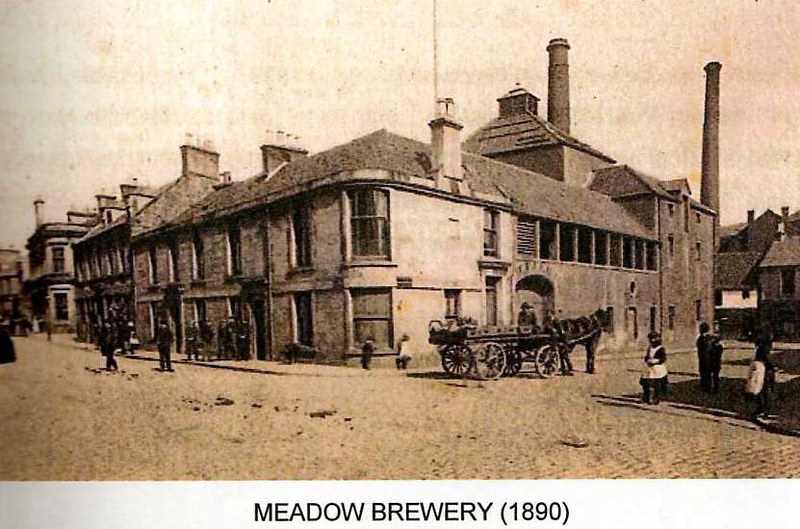
George-Younger-meadow-brewery


This is the Meadow Brewery around 1890, before it became known as George Younger & Sons.

This is part of Younger’s obituary from the Independent, the small portion that’s about his time working for the family brewery business, must of the rest is about his political career, which appears to be the primary focus of his life, the beer was apparently just an afterthought, something he had to do.

George Kenneth Hotson Younger was born at Leckie in 1931. After Cargilfield, where he was head boy, he went to Winchester. None of the honours which were later to come his way gave him such pleasure as being Warden of Winchester. After National Service in Germany and Korea with the Argyll and Sutherland Highlanders, he went up to New College, where he read Modern History. Joining the family firm of George Younger and Company, part of Bass, he rose to be a senior sales manager – following the tradition of his great-great-great-uncle William McEwan, who combined a career as a politician with that of successful brewer (best remembered for Mc- Ewan’s Export). As the Edinburgh University Public Orator put it at the degree ceremony for Younger’s doctorate honoris causa in 1992,

There was not for this son an immediate short cut to the boardroom. Instead he worked through the company in a range of roles from labourer to sales manager for Glasgow. He played a significant part not only in brightening up the design of its canned beers but also in the dramatic reorganisation of Scottish brewing which first brought together several of central Scotland’s brewers into United Caledonian Breweries and then merged them with Tennants to form Tennant Caledonian Breweries Ltd, of which George Younger was a director from 1977 to 1979.
Filed Under: Birthdays, Breweries, Just For Fun Tagged With: Great Britain, Scotland

Historic Beer Birthday: Thomas Greenall

September 21, 2025 By Jay Brooks

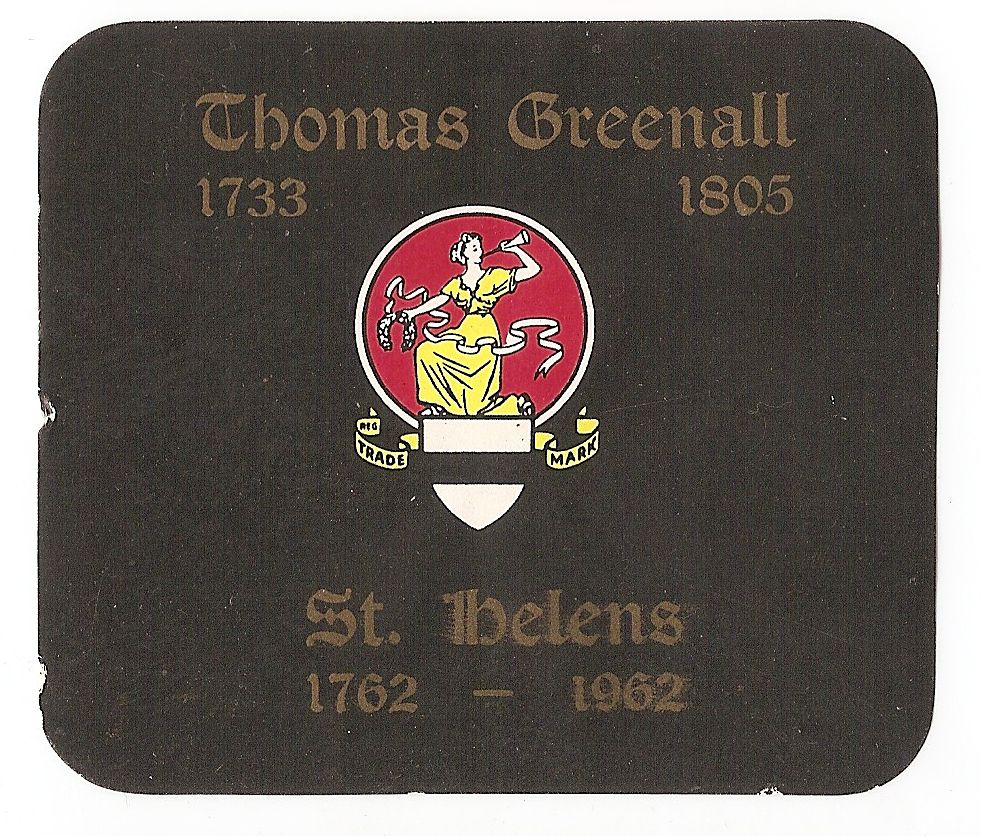
greenalls
Today is the birthday of Thomas Greenall (September 21, 1733-January 18, 1805). He founded Greenall’s Brewery in 1762.

Here’s a history of the brewery, from Wikipedia:

Greenall’s Brewery was founded by Thomas Greenall in 1762. Initially based in St Helens, the company relocated to Warrington in 1787.

It bought the Groves & Whitnall Brewery in Salford in 1961, Shipstone’s Brewery in Nottingham in 1978 and Davenport’s Brewery in Birmingham in 1986. For much of the 20th century, the company traded as Greenall Whitley & Co Limited. The St Helens brewery was demolished in the 1970s to make way for a new shopping centre. The Warrington brewery on the edge of Stockton Heath was bought by Bruntwood, renamed Wilderspool Business Park and is now let to office occupiers.

The company ceased brewing in 1991 to concentrate on running pubs and hotels.

In 1999, the tenanted wing of the Greenall’s operation was sold to the Japanese bank, Nomura for £370 million and the main Greenall’s operation, involving 770 pubs and 69 budget lodges, was sold to Scottish and Newcastle for £1.1billion. Greenalls started to focus its resources on its De Vere and Village Leisure hotel branding at that time.

In February 2005, Greenalls sold The Belfry to The Quinn Group for £186 million.

The Greenall family connection remained as Lord Daresbury, the descendant of the original founder, remained the non-executive chairman. This tie was severed in 2006 when Daresbury stepped down from the post and much of the family’s interest was sold.

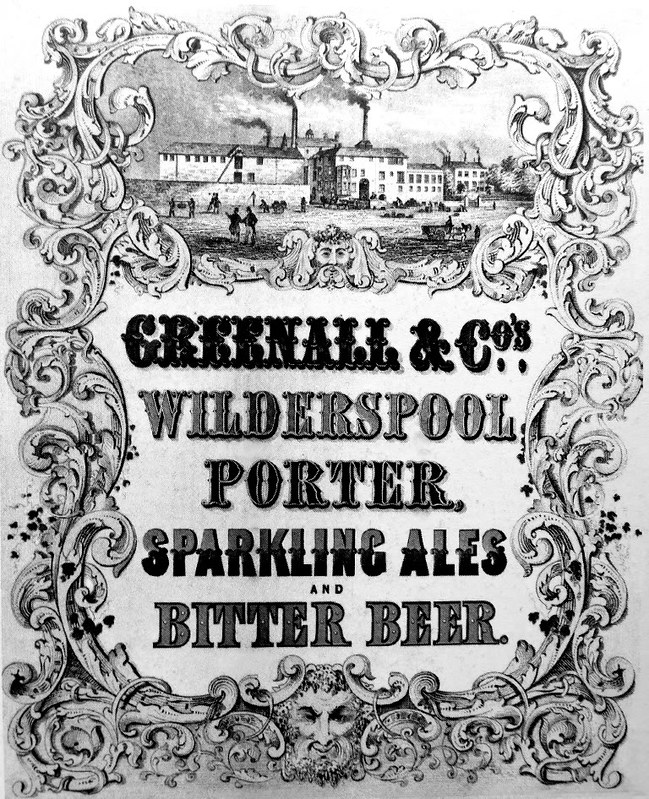
wilderspoolsparkling

And this is from Funding Universe:

Patriarch Thomas Greenall learned the brewing trade from his wife’s family in the 1750s and founded his own brewery in northwestern England at St. Helens in 1762. Brewing was a highly competitive business, with rivals ranging from the lone homebrewer to inns and pubs that brewed their own ales to wholesale brew masters like Greenall. Though the founder dabbled in nail making, coal mining, and yarn spinning throughout the late 18th century, brewing remained the family’s core interest. By the turn of the century, Thomas had brought sons Edward, William, and Peter into the business. The Greenalls began to purchase their own pubs and inns as early as 1800, helping to accelerate a gradual elimination of their competition. In Britain, it was customary for bars owned by breweries to carry only the beers brewed by the parent company. For nearly two centuries, these “tied houses” were a profitable segment of Greenall’s business.

In 1788, Greenall formed a separate partnership with William Orrett and Thomas Lyon to purchase the Saracen’s Head Brewery in nearby Wilderspool. Business was so good that within just three years the three partners undertook a £4,400 expansion of the operation.

The family business interests endured a rapid succession of generations in the first two decades of the 19th century. In 1805, both Thomas Greenall and William Orrett died. By 1817, the passing of William and Peter Greenall left only Edward to operate the growing St. Helens brewery. Just a year later, Thomas Lyon died. His nephew and heir, also Thomas, was interested in the Wilderspool brewery only as an investment. In 1818, 60-year-old Edward assigned eldest son Thomas to manage the family’s half interest in Wilderspool and charged younger son Peter with management of the family brewery at St. Helens.

While Peter pursued politics, eventually winning election to Parliament, Thomas proved to be the brewer of his generation. By this time, the family businesses had grown to the point that the Greenalls served as chairmen, guiding the overall direction of the company but leaving daily management concerns to other top executives. Throughout this period, ownership of the pubs and inns through which Greenall’s porters, sparkling ales, and bitters were dispensed was a key to maintaining a strong competitive position.

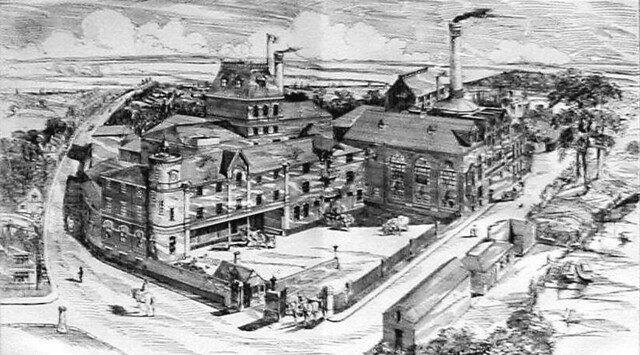
GREENALL_WHITLEY_1


And this is Greenall Whitley & Co’s., Wilderspool Brewery, in Warrington in 1887.

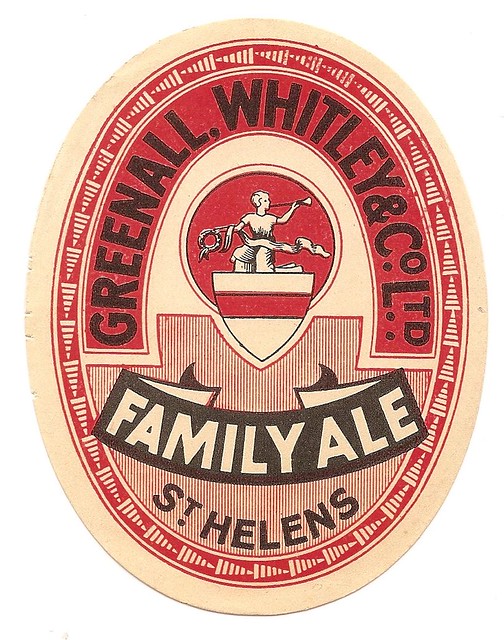
Greenall-family-ale-2

This account from The Groves & Whitnall’s Globe Works begins with Thomas:

Thomas Greenall became manager of his mother-in-law’s brewery in St Helens, Lancashire, in 1754, and went on to build his own in Hardshaw, St Helens, in 1762. In 1786 he bought the Saracen’s Head Brewery at Wilderspool, Warrington, in partnership with William Orrett and Thomas Lyon. In 1787, the partners acquired an interest in the brewery of Edward Greenall and Co in Cunliff Street, Liverpool, which ceased trading in 1814. In 1807, Orrett’s son sold his interest to Lyon and Greenall. On the death of Thomas Lyon, nephew of the original partner, in 1859, Greenall and Company was formed.

greenalls-sign

Filed Under: Birthdays, Breweries, Just For Fun Tagged With: England, Great Britain

Beer Birthday: John Gillooly

September 21, 2025 By Jay Brooks


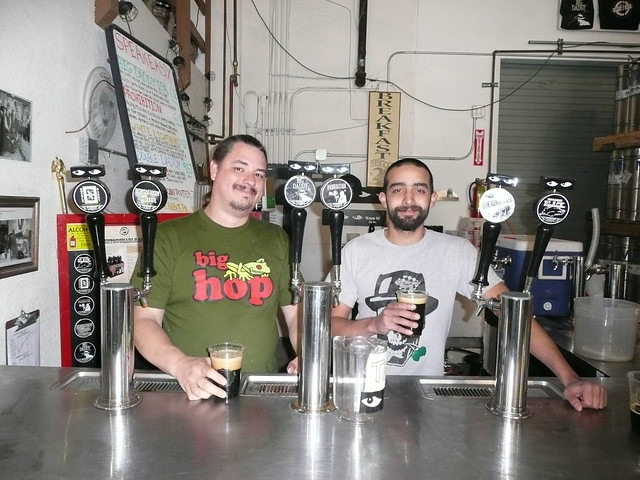
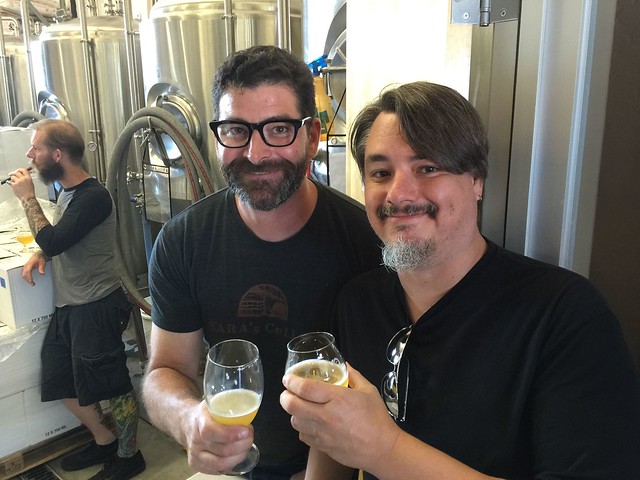
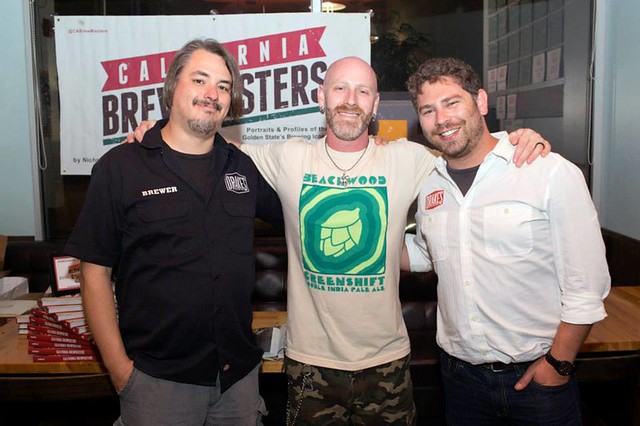
Today is the birthday of John Gillooly, who until recently was the brewmaster at Drake’s Brewing. I’m not sure where I first met John. It probably was when he was brewing at Speakeasy, but I feel like I must have run into him when he was at Golden Pacific years before. In between he spent time at Trumer, Dogfish Head and Sonoma’s sadly short-lived Siena Red. More recently, he left to open his own place in the East Bay, which is called Brix Factory Brewing. Join me in wishing John a very happy birthday.

P1130876
John with Kushal Hall during a visit to Speakeasy in 2009.
gillooly-clifford
Tim Clifford, from Sante Adairius, with John, in 2015.
gillooly-shrango-gingold
At Beachwood BBQ & Brewing in 2014, John, Julian Shrango and photographer Nick Gingold.
gillooly-tasty-henhouse
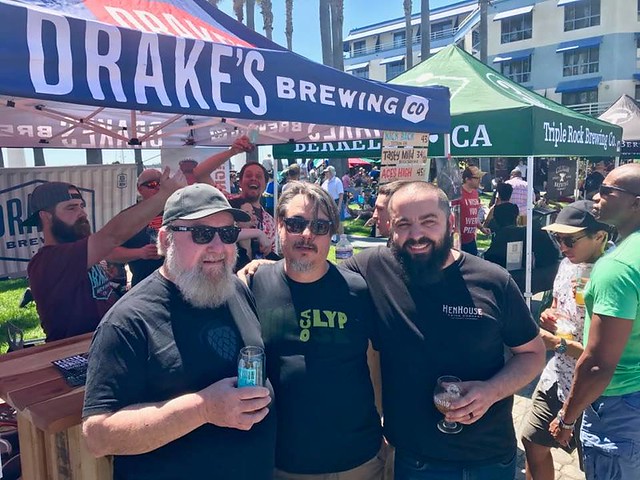
Tasty, John and Collin McDonnell at Drake’s Session Fest.

[NOTE: Last three photos purloined from Facebook.]

Filed Under: Birthdays, Just For Fun Tagged With: Bay Area, California, Northern California

Beer In Ads #5084: It’s Simply A Matter Of Good Taste

September 20, 2025 By Jay Brooks

Last year I decided to concentrate on Bock ads. Bock, of course, may have originated in Germany, in the town of Einbeck. Because many 19th century American breweries were founded by German immigrants, they offered a bock at certain times of the year, be it Spring, Easter, Lent, Christmas, or what have you. In a sense they were some of the first seasonal beers. “The style was later adopted in Bavaria by Munich brewers in the 17th century. Due to their Bavarian accent, citizens of Munich pronounced ‘Einbeck’ as ‘ein Bock’ (a billy goat), and thus the beer became known as ‘Bock.’ A goat often appears on bottle labels.” And presumably because they were special releases, many breweries went all out promoting them with beautiful artwork on posters and other advertising.

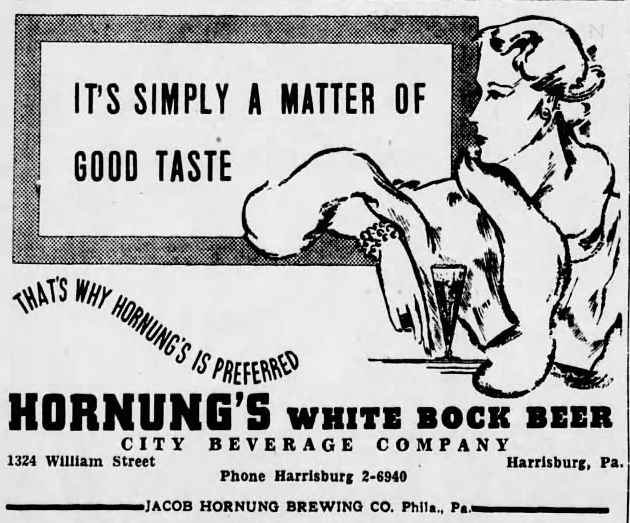
Saturday’s ad is for Hornung’s White Bock Beer, which was published on September 20, 1935. This one was for the Jacob Hornung Brewing Co. of Philadelphia, Pennsylvania, which was originally founded in 1885. This ad ran in The Harrisburg Telegraph, of Pennsylvania’s capital city. Curiously, this same ad ran today in a variety of newspapers across Pennsylvania and nearby states, including the Trenton Evening Times, the Evening News of Hanover, and the York Dispatch, to name a few. The only difference in the ads is the local distributor listed.

Filed Under: Art & Beer, Beers, Breweries, Just For Fun Tagged With: Advertising, Bock, History, Pennsylvania

Beer Birthday: Marc Lemay

September 20, 2025 By Jay Brooks

dubuisson bush
Today is the birthday of Marc Lemay, who ran Brasserie Dubuisson Frères in Pipaix, Belgium, although he’s more recently retired. I first met Marc at a beer dinner in Chicago a number of years ago, and we’ve stayed in touch ever since. Best of all, after another dinner at the Belgium Brewers Guild house in the Grand Place several years ago — where inexplicably no frites were served, a unpardonable sin, especially in Belgium — and so afterwards, Marc took me too his favorite late night frites spot in Brussels (which I’ve been back to several times since). Marc’s a terrific person (plus I love his beer). Join me in wishing Marc a very happy birthday.

Untitled
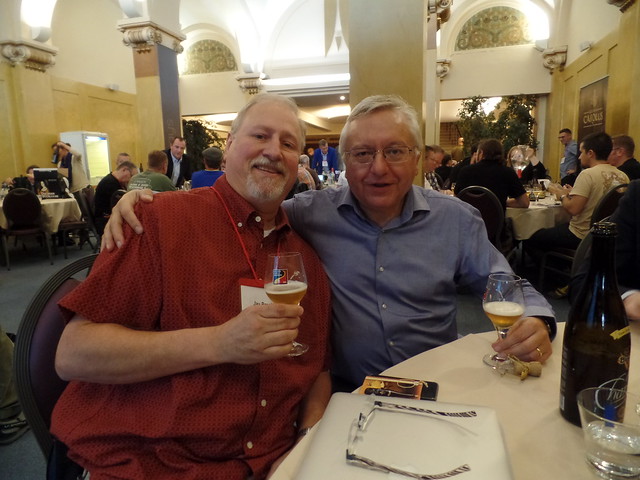
Me and March at the European Beer Bloggers Conference in 2015.

DSC_8677
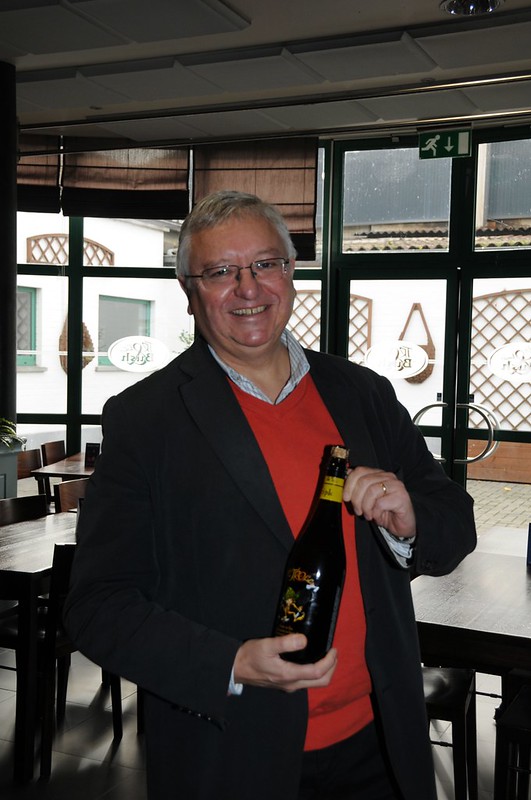
Marc in 2013 showing off a bottle of Cuvee des Trolls.

P1200302
Marc with Wendy Littlefield during a beer dinner in Chicago in 2010.

DSC_8814
Marc at a dinner in Brussels in the Belgian Beer Guild’s hall in the Grand Place.

DSC_8683
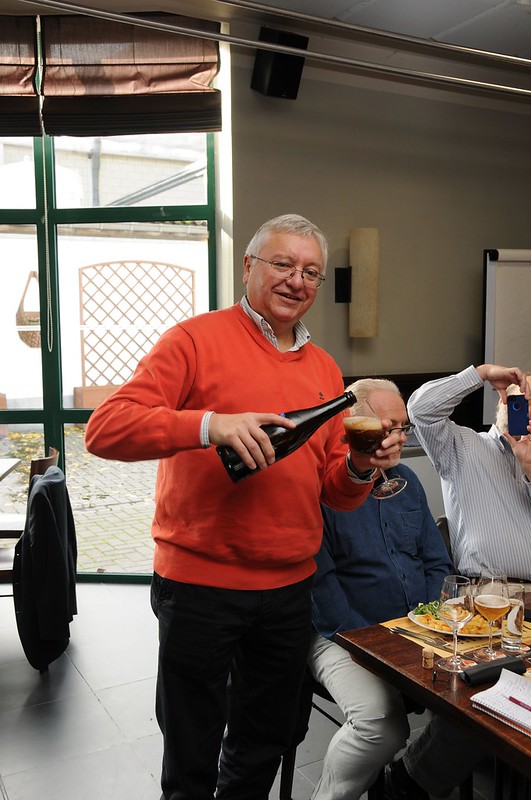
Pouring us some beer during a lunch at the Dubuisson brewery.

Filed Under: Birthdays, Just For Fun Tagged With: Belgium

Beer In Ads #5083: Löwenbräu Bock-Bier

September 19, 2025 By Jay Brooks

Last year I decided to concentrate on Bock ads. Bock, of course, may have originated in Germany, in the town of Einbeck. Because many 19th century American breweries were founded by German immigrants, they offered a bock at certain times of the year, be it Spring, Easter, Lent, Christmas, or what have you. In a sense they were some of the first seasonal beers. “The style was later adopted in Bavaria by Munich brewers in the 17th century. Due to their Bavarian accent, citizens of Munich pronounced ‘Einbeck’ as ‘ein Bock’ (a billy goat), and thus the beer became known as ‘Bock.’ A goat often appears on bottle labels.” And presumably because they were special releases, many breweries went all out promoting them with beautiful artwork on posters and other advertising.

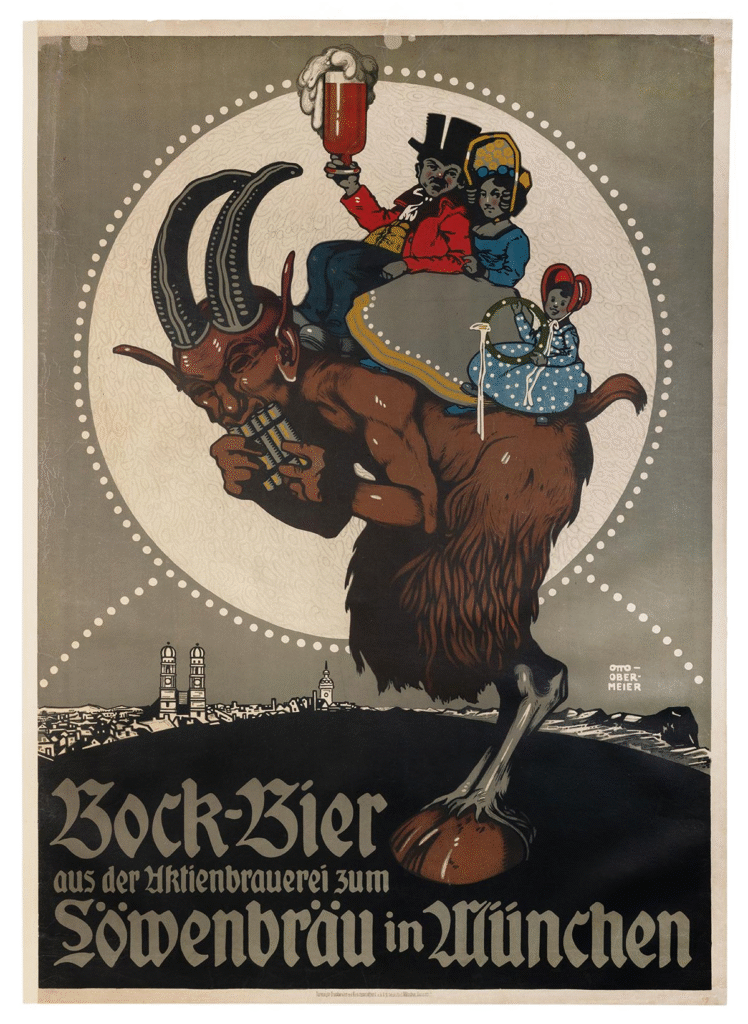
Friday’s ad is for Löwenbräu Bock, which is from the 1920s and was created for the Löwenbräu Brewery of Munich, Germany, which was originally founded in 1383. The artist who created the poster was Otto Obermeier (1883-1958), who was born in Germany. I’m not sure when it was completed, though my best guess is the 1920s or 30s. The poster is described like this on one auction site: “A giant anthropomorphic goat playing a pan flute ferries a German family on its back, the father holding a frothy glass of bock beer, in front of a full moon.”

Filed Under: Art & Beer, Beers, Breweries, Just For Fun Tagged With: Advertising, Bock, Germany, History

Historic Beer Birthday: Coletta Möritz, Die Schützenliesl

September 19, 2025 By Jay Brooks

Schutzenliesl-circle-2
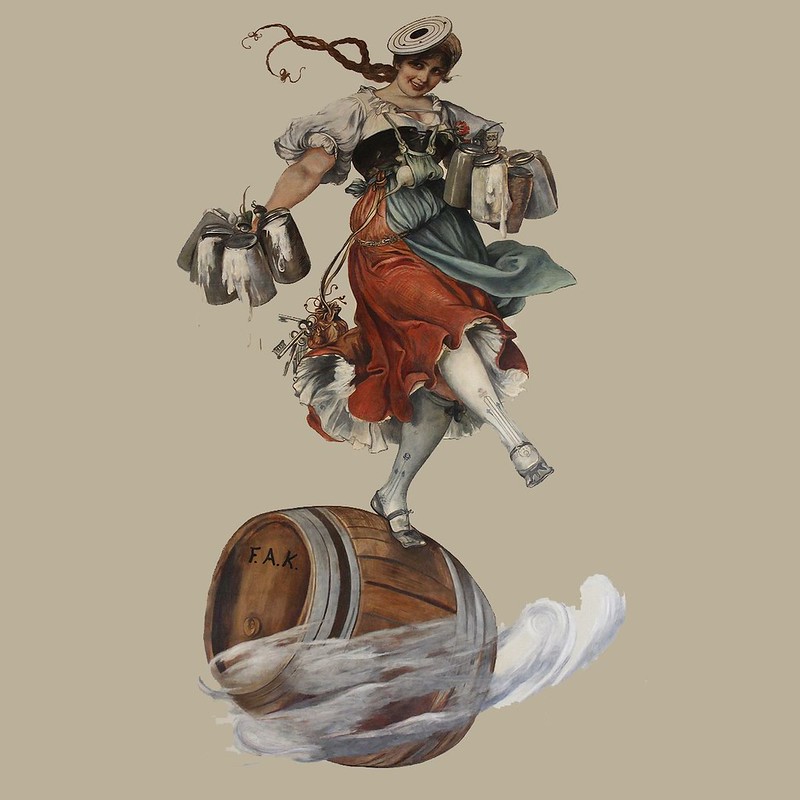
Today is the birthday of Coletta Möritz (September 19, 1860-November 30, 1953). Möritz was essentially Bavaria’s first pin-up girl, nicknamed “the beauty of Munich,” a waitress discovered by painter Friedrich August Kaulbach, who painted her on top of a barrel holding eleven mugs of beer, while instead of wearing a cap on her head, has a target instead. That’s because after doing a sketch of Möritz in 1878, when she was 18, he painted a large banner, roughly 9 x 16 feet, which hung outside a beer tent for a national shooting competition in July of 1881, in the same spot in Munich where Oktoberfest is held. The painting was called “Die Schützenliesl,” (which means “the shooting Liesl,” which was a popular German name derived from Elizabeth, or sometimes “the Marksmen’s Lisa”) and was an immediate hit. For the rest of her life — she lived to be 93 — Coletta was known as die Schützenliesl, and was also painted by other well-known artists while continuing to work as a waitress.

Kaulbach_Die-Schützenliesl
The original painting by Friedrich August Kaulbach, completed in 1881.

The Schützenliesl painting has gone on to become a Bavarian cultural symbol, used on beer labels, postcards and as a logo. In 1905, an operetta, “Die Schützenliesel,” was written by Austrian composer Edmund Eysler, with the libretto by Leo Stein and Carl Lindau.

Her story appears well-known in Germany, Austria and Eastern Europe, but much less so everywhere else. You can find it all over German websites, such as the Falk Report, Über das Leben der Münchner “Schützenliesl” Coletta, Augsburger Allgemeine, two articles on Merkur — Bavaria’s First Pin-up Girl and “I am the great-grandson of Schützenliesl” — and the Croatian Pivnica.

A photograph of Coletta when she was 22.

Here’s one of the few accounts I could find in English, from a newsletter for the German-American Society of Sarasota:

Over 150 years ago, on September 19, 1860, there was born in the village of Ebenried, Bavaria, a child who was to become one of the most admired and colorful figures in the history of Bavaria and beyond. Born Colletta Möritz, she would become “die Schützenliesl” (the Marksmen’s Lisa), beloved by all who knew her, as well as by those who knew her only through pictures of her that circulated widely. Even to this day, after she is long gone from the public scene, the well-known song “Die Schützenliesl” is played – and sung heartily.

When Colletta’s unmarried mother, Marianne Möritz, found village life too confining, she moved with her child to the capital city of Munich. As soon as Colletta grew to school age, she was given over to the poor sisters in the Au (Armen Schulschwestern) for child care and schooling. These sisters had a convent, the only one in those days where girls were trained to become teachers. Colletta yearned to become a handicraft teacher (one who would teach skills such as knitting and sewing). Her mother, meantime, became independent by opening her own second-hand shop in Munich.

As Colletta was growing up she met many Munich artists who frequented her mother’s shop, looking for old costumes to use for historical paintings or for decorating their studios. It was not just at her mother’s shop, however, where Colletta met these artists, but also at her first place of employment, where she worked as a beer hall girl. (She had failed to continue her dream of becoming a teacher because of money problems.) So by age 16 she was serving beer at the Sterneckerbräu, a popular beer hall frequented by the same artists she had seen at her mother’s shop.

The beer hall proprietor observed this new beer Mädchen and was delighted with the fact that she was such a quick learner, that she could carry 12 Maβ of beer from the basement to the Gaststube, and he noted that in spite of the hard work and menial pay, she was always cheerful. (Note: one Maβ of beer is 1 liter). Colletta was so successful at her job that she became a Kellnerin (waitress) for George Probst, who owned the Brauhauskeller. Although well known and admired, Colletta’s fame was yet to grow from these early contacts. At this point she was just a likeable and pretty beer hall girl – if unusually popular with guests.

Colletta’s world began to explode in 1881, when the 7th Deutsche Bundesschieβen was organized in Munich. A Bundesschieβen is a national shooting match, and this one became a festival of huge proportions. Marksmen from far and wide attended these shooting competitions. It so happened that one of the artists who had come to know Colletta as a beer hall girl was the famous painter Friedrich August Kaulbach. One day Kaulbach was sitting in the Sterneckerbräu tent, before the festival opened, when he suddenly had an idea – he would paint Colletta on a beer tent sign. He asked Colletta to model for him; having her hold mugs of beer in her hands and having her lift a foot as though she was dancing on a barrel. To develop the theme of the “Liesl” as a “marksmen Lisa” he added a marksman’s target to the side of her head. After he made the sketch, he took it to his studio and painted it – ready for display

Positioned on the festival field, called the Theresienwiese, were placed four beer tents (really houses), with names like “Zum wilden Jäger” (to the wild hunter), “Zum blinden Schützen” (to the blind marksman, “Zum goldenen Hirschen” (to the golden stag), and “Zur Schützenliesl” (to the marksmen Lisa). This “Gastwirtschaft” – Zur Schützenliesl – displayed prominently the Kaulbach painting. There she was, the famous Kellnerin, with her swinging skirt, and carrying 11 – not the typical 12 – overflowing mugs of Sterneckerbräu beer. The Schützenliesl, dancing on a barrel, seemed to be floating through the Bavarian beer heaven. When the Schützenfest began, hordes of people tried to get a seat in the Schützenliesl Gastwirtschaft. They wanted to sit under the Schützenliesl picture and have the real Schützenliesl bring a Maβ of beer to them. Not only did the Schützenliesl conquer the hearts of the marksmen themselves, but of all the festival visitors. Whether they were Munich natives or visitors from outside Munich, they headed for the Schützenliesl Gastwirtschaft. There the beer was flowing like a river.

Later, as an old woman, Colletta recalled, “During the whole festival, our tent was packed because everyone wanted their beer served by the Schützenliesl”. The Augsburger Abendzeitung (an Augsburg newspaper, 26 July 1881) reported on that scene: “Attached to the festival tent is the Wirtschaft to the Schützenliesl of Mr. Massinger. The idyllic tower with the red-covered roof and the stork perching on top of it would have been enough to catch the eye of those looking for a Wirtschaft. But then our F.A. Kaulbach draws a ’Liesl’ on it, one so fresh, so voluptuous, so seducing as no marksman has ever seen. It is curious but this lifeless picture seems to be the main attraction. Every nook and cranny was filled with people. One day about 8 o’clock in the evening, the proprietor raced in among the masses, pale from shock, saying that the beer supply was used up to the last drop and thousands of unfortunate beer drinkers were sitting there with their tongues drooping. After a fearful hour, only a few had left their hard-won places, the rattling of a beer wagon could be heard. The steeds raced mightily toward the tent and after a 30-minute battle, the beer was back.” According to a Munich newspaper, 16,300 Maβ of beer were drunk in the Schützenliesl Wirtschaft on the last evening of the shooting contest.

The famous Kaulbach painting of the Schützenliesl hangs today in the Festsaal of the “Münchner Haupt”, short for “Königlich privilegierte Haup.”

Toni-Aron_Beautiful-Coletta
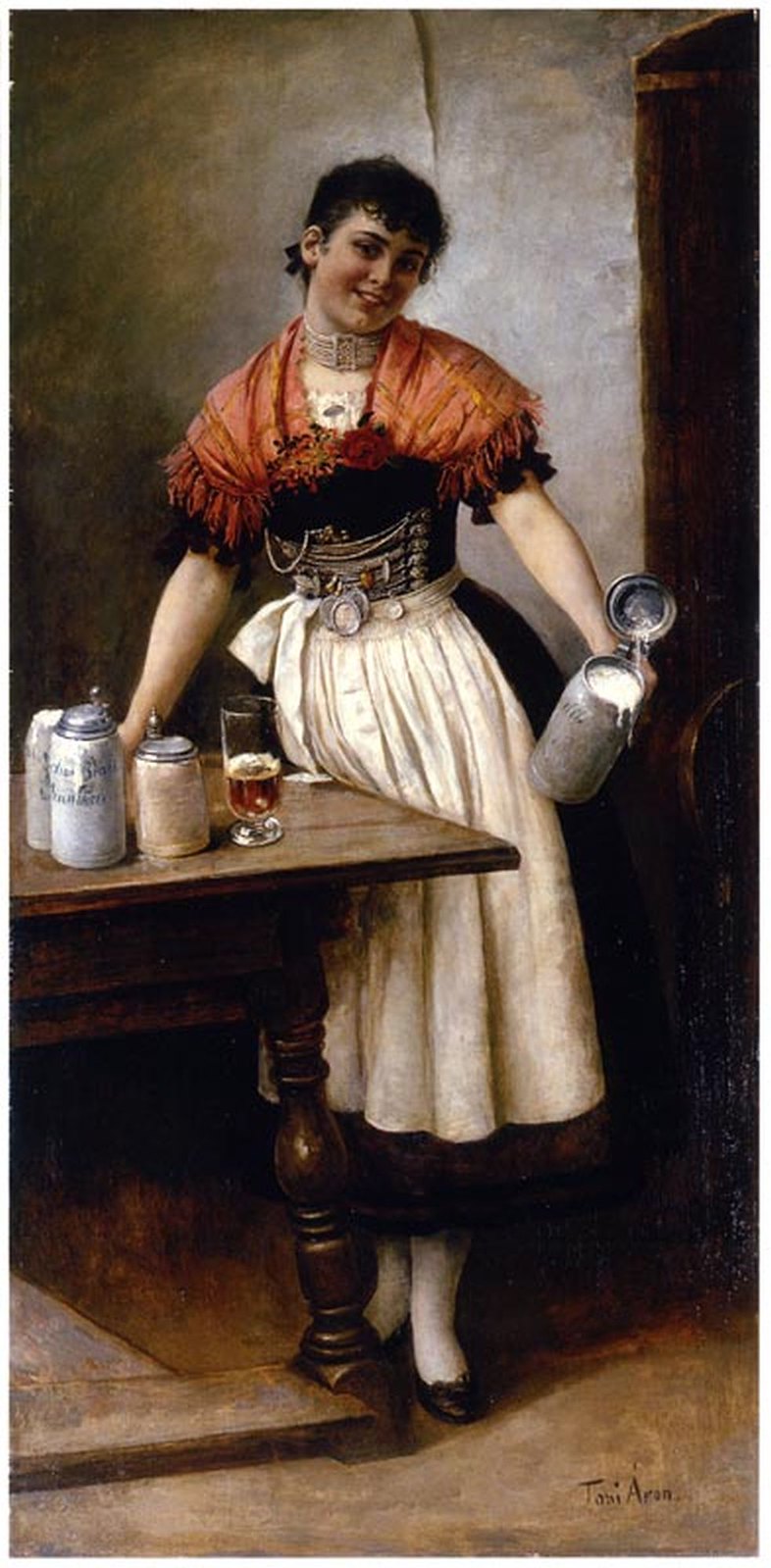
Another painting of Möritz, entitled “Beautiful Coletta,” was done by Toni Aron in 1885, a commission by Löwenbräu.

Here’s a translation of an article entitled “‘Schützenliesl’ is symbolic figure,” from an Exhibition of the House of Bavarian History:

In Bavaria the 19th century the inn was a place dominated by men. But what would the Bavarian festival culture without the female member? For International Women’s Day on March 08, we tell the story of Schützenliesl that it has brought to successful businesswoman and advertising icon from simple Biermadl. Even today it is a well known symbolic figure.

Coletta Möritz (1860-1953) was born near Pöttmes in Aichach-Friedberg, an illegitimate child of a small farmer’s daughter and worked after moving her mother at 16 years as Biermadl, ie auxiliary waitress at Sternecker Brau im Tal in Munich.

There perverted also members of the society of artists “tomfoolery”, among them Friedrich August Kaulbach (1850-1920), which struck the attractive beer girl. So he asked in 1878 Coletta Möritz to stand him for a sketch model. The motive of this sketch it was then that the young Coletta could be for advertising icon

The “Schützenliesl” (here a Landshuter Protect disc of 1881), a dashing beer waitress, is a popular symbol of the Bavarian festival culture. For over a hundred years, it keeps popping up in beer commercials and was immortalized in the eponymous song – an early “Wiesnhit”. Behind the legendary figure hides the waitress and hostess later Coletta Möritz (1860-1953), who came from near Pöttmes. In 1878 the young “Biermadl” was none other than the Bavarian prince and painter Friedrich August von Kaulbach model. For the VII. German federal shooting, which took place in late July 1881 the Theresienwiese, painted Kaulbach the Beautiful Coletta then as “Schützenliesl”. The colossal painting served as exterior decoration of the across Bierbude, in which the young woman also availed itself. For that time the picture was a bold presentation, it excited at the festival and beyond once a stir. Logically also be seen on the few months later bombarded memory disk Landshuter fire Schützengesellschaft that invoked the spirit of the Federal shooting again the “Schützenliesl”.

Hasselhosrt-Schützenfest
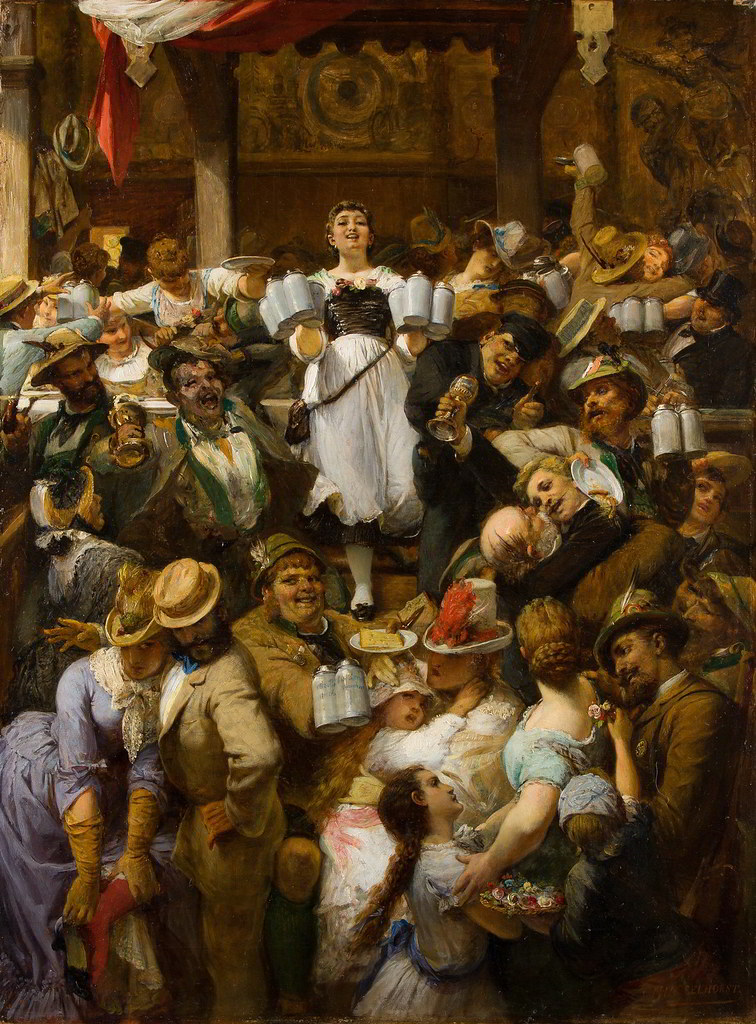
And here’s a third painting she modeled for, entitled Schützenfest, created by Johann Heinrich Hasselhorst in 1887.

After World War 2, a German songwriter Gerhard Winkler wrote a song entitled “Schützenliesl” in 1952. It was the first post-war Oktoberfest hit and remains a staple of the songs sung in the tents during Oktoberfest. The version below is performed by Franzl Lang, and is from 1981.

Coletta was married twice, and had twelve children. She worked in restaurants and beer halls her entire life, and lived to be 93. Throughout Europe, she’s a famous figure, although especially at Oktoberfest.

Coletta in her later life.

Filed Under: Art & Beer, Beers, Birthdays, Just For Fun Tagged With: Germany, History, Music, Oktoberfest

Beer Birthday: Justin Crossley

September 19, 2025 By Jay Brooks

bn-grenade
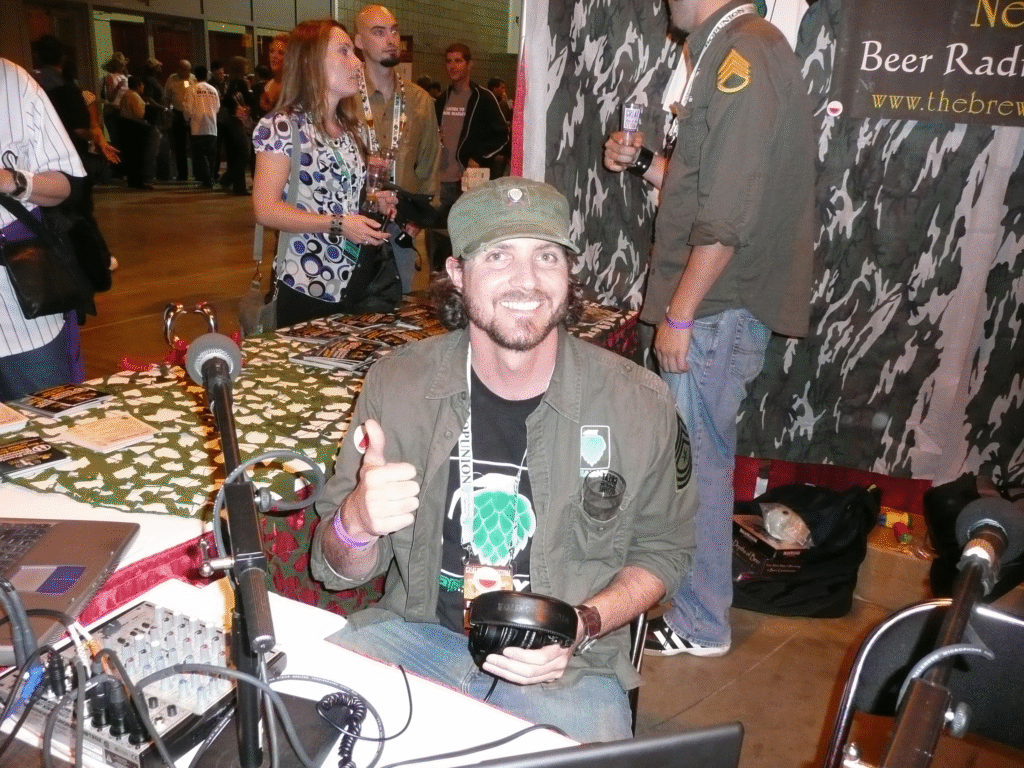
Today is the 48th birthday of Justin Crossley, the man behind the mic at The Brewing Network, one of the industry’s best voices. He’s an avid homebrewer and talker, a deadly combination, especially on radio. He also filmed Porter’s Porter Day a couple of years ago and it will fun to see the result of that project. Of course, he’s also opened the Hop Grenade, the next piece of the growing Brewing Network empire. He recently took a working camper van trip around the country, which lasted a year. Join me in wishing Justin a very happy birthday.

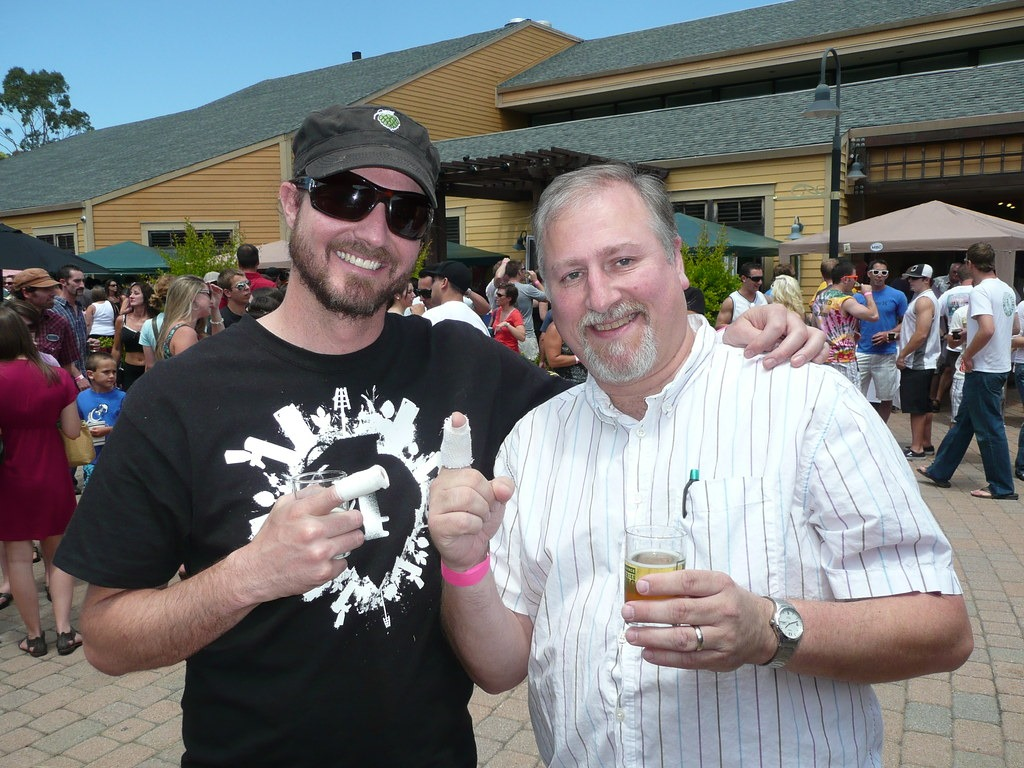
Justin and me showing off our injured fingers at the last Marin Breastfest held at Marin Brewing.
Justin all thumbs at Stone Brewing during the CBC Reception in 2008.
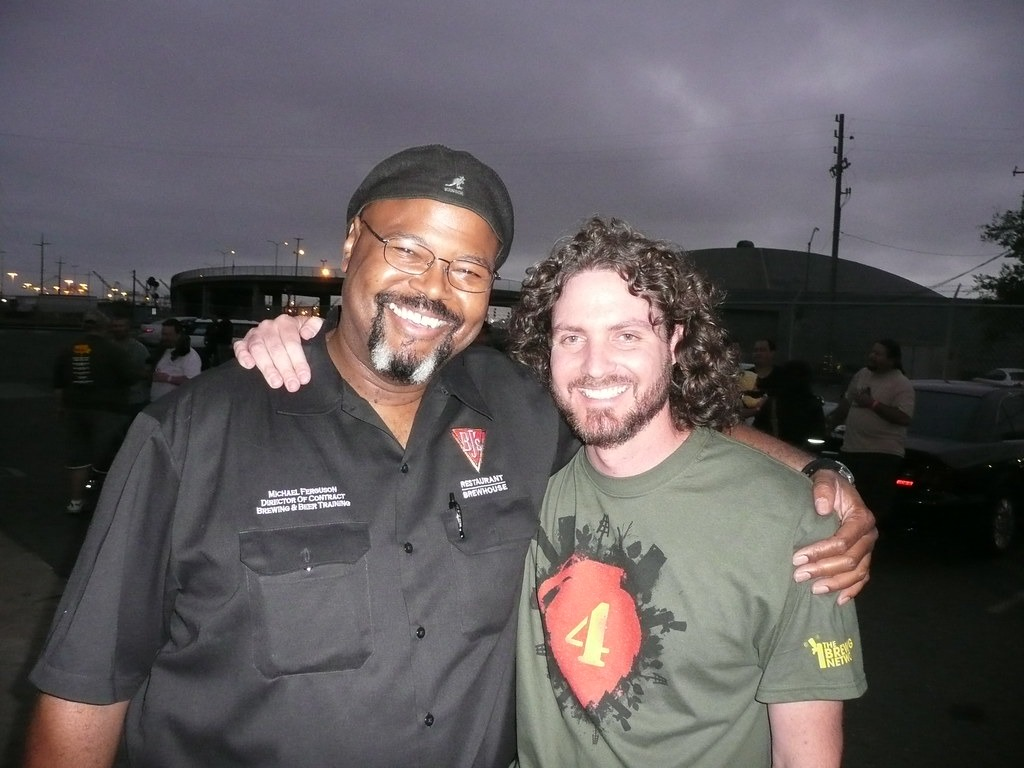
With Michael Ferguson, from BJ’s, at Oakland’s Linden Street Brewery during the AHA convention a couple of years ago.
Okay, what’s with the thumbs? About to do a broadcast from GABF in 2007.

Filed Under: Birthdays, Just For Fun Tagged With: Beer Radio, California, Northern California, Podcasting, San Francisco

Beer In Ads #5082: Lucerne Bockbier

September 18, 2025 By Jay Brooks

Last year I decided to concentrate on Bock ads. Bock, of course, may have originated in Germany, in the town of Einbeck. Because many 19th century American breweries were founded by German immigrants, they offered a bock at certain times of the year, be it Spring, Easter, Lent, Christmas, or what have you. In a sense they were some of the first seasonal beers. “The style was later adopted in Bavaria by Munich brewers in the 17th century. Due to their Bavarian accent, citizens of Munich pronounced ‘Einbeck’ as ‘ein Bock’ (a billy goat), and thus the beer became known as ‘Bock.’ A goat often appears on bottle labels.” And presumably because they were special releases, many breweries went all out promoting them with beautiful artwork on posters and other advertising.

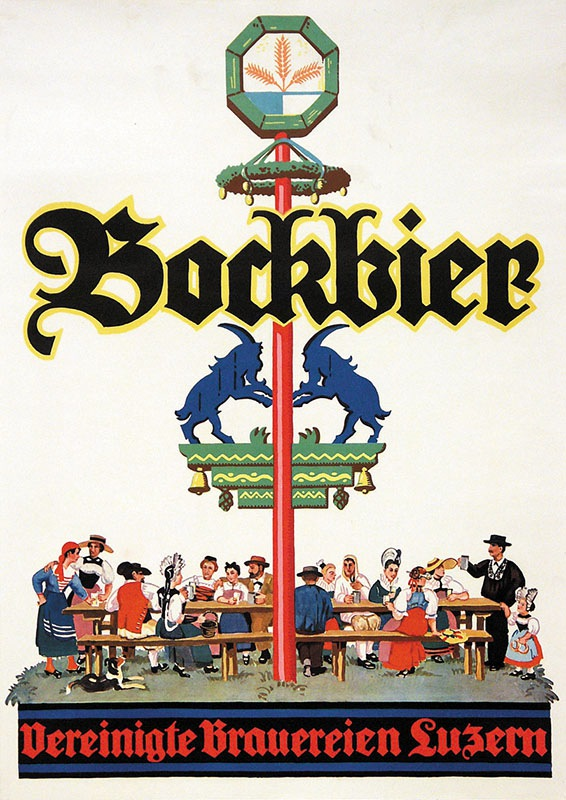
Thursday’s ad is for Bockbier, which is from the 1920s and was created for the Vereinigte Brauereien Luzern (or “United Breweries Lucerne”) of Lucerne, Switzerland, which was formed in 1922 by the merger of two local breweries. In 1937, it was renamed the Lucerne Brewery Eichhof, and in 1960 shortened again to Brewery Eichhof. Since 2008, it has been part of Heineken. I don’t know who the artist was that created the poster.

Filed Under: Art & Beer, Beers, Breweries, Just For Fun Tagged With: Advertising, Bock, History, Switzerland

Historic Beer Birthday: Elmer Hemrich

September 18, 2025 By Jay Brooks

hemrich-gold-seal
Today is the birthday of Elmer E.L. Hemrich (September 18, 1890-January 20, 1937). He was raised in the Seattle, Washington area, and was the son of Alvin Hemrich, a prominent businessman and brewery owner in Seattle. His son worked for several of his businesses, before strking out on his own and founding Elmer E. Hemrich’s Brewery in 1935. Unfortunately, an unexpected heart attack killed him two years later, in 1937, and his brother Walter took over his brewery.

Here’s his father’s business history. In 1891, he moved to the Seattle, Washington area, and began working for breweries there and in Canada, including the Seattle Brewing & Malting Co. His brother Andrew (Elmer’s uncle) bought the Bay View Brewery in Seattle, and later Alvin bought the North Pacific Brewery (also known as the old Slorah brewery), and renamed it the Alvin Hemrich Brewing Co. in 1897. Two of his brothers soon joined him in the enterprise, and it was renamed again, this time to Hemrich Brothers Brewing Company. They did well enough that he began buying out other area breweries. When prohibition closed the brewery, they were ready, having retooled their plants for near-beer and also having divested into some other businesses. They reopened when prohibition was repealed, and two of Alvin’s sons went into the family business, too, including Elmer, but their father died just two years later.

There’s also a photograph of Alvin M. Hemrich and his son, Elmer E. Hemrich, taken around 1910 that can be seen at Brewery Gems’ biography of Alvin Hemrich, shared with him by the Hemrich family. As is typical for Pacific Northwest breweries, Gary Flynn has a thorough composite biography culled from numerous sources at his Brewery Gems website.

Filed Under: Birthdays, Just For Fun Tagged With: History, Washington

« Previous Page
Next Page »

Find Something

Northern California Breweries

Please consider purchasing my latest book, California Breweries North, available from Amazon, or ask for it at your local bookstore.

Recent Comments

  • Bob Paolino on Beer Birthday: Grant Johnston
  • Gambrinus on Historic Beer Birthday: A.J. Houghton
  • Ernie Dewing on Historic Beer Birthday: Charles William Bergner 
  • Steve 'Pudgy' De Rose on Historic Beer Birthday: Jacob Schmidt
  • Jay Brooks on Beer Birthday: Bill Owens

Recent Posts

  • Beer In Ads #5219: Good Old Point Special Bock Beer April 12, 2026
  • Beer In Ads #5218: The “Butter-In” Of The Season April 12, 2026
  • Beer In Ads #5217: The King Of All Beers April 11, 2026
  • Historic Beer Birthday: Gambrinus April 11, 2026
  • Beer In Ads #5216: The Finest Bock, As Usual April 11, 2026

BBB Archives

Feedback

Head Quarter
This site is hosted and maintained by H25Q.dev. Any questions or comments for the webmaster can be directed here.