Brookston Beer Bulletin

Jay R. Brooks on Beer

  • Home
  • About
  • Editorial
  • Birthdays
  • Art & Beer

Socialize

  • Dribbble
  • Email
  • Facebook
  • Flickr
  • GitHub
  • Instagram
  • LinkedIn
  • Pinterest
  • RSS
  • Twitter
  • YouTube

Powered by Genesis

Historic Beer Birthday: Henry Wagstaff

May 22, 2025 By Jay Brooks

tui
Today is the birthday of Henry Wagstaff (May 22, 1836-October 19, 1911). He was born in Derbyshire, England, after trying his hand as a policeman and a grocer, moved to New Zealand when he was 48, in 1883. A few years later, in 1889, Wagstaff and Edward Russell founded the Wagstaff Brewery in Mangatainoka, on the North Island. It became quite successful, but in 1903, Wagstaff sold his shares and moved back to England, returning in 1911, but died later that same year. Tui Brewery, of course, continued on without Wagstaff and today is owned by DB Breweries.

There’s not much about him apart from some failed businesses and whispers of infidelity, and he appears to have been quite a character. When his Tui Brewery celebrated its 125th anniversary recently, a book of the brewery’s history was created, and a few pages can be seen online, including the first page discussing Henry Wagstaff.

wagstaff-booklet-1
wagstaff-booklet-2

wagstaff-founders
I think this is Wagstaff in the gray beard at the center of this photo.

It’s also unclear when the brewery name changed from the Wagstaff Brewery to Tui Brewery.

Filed Under: Birthdays, Breweries, Just For Fun Tagged With: England, History, New Zealand

Historic Beer Birthday: Louis de Luze Simonds

May 20, 2025 By Jay Brooks

simonds
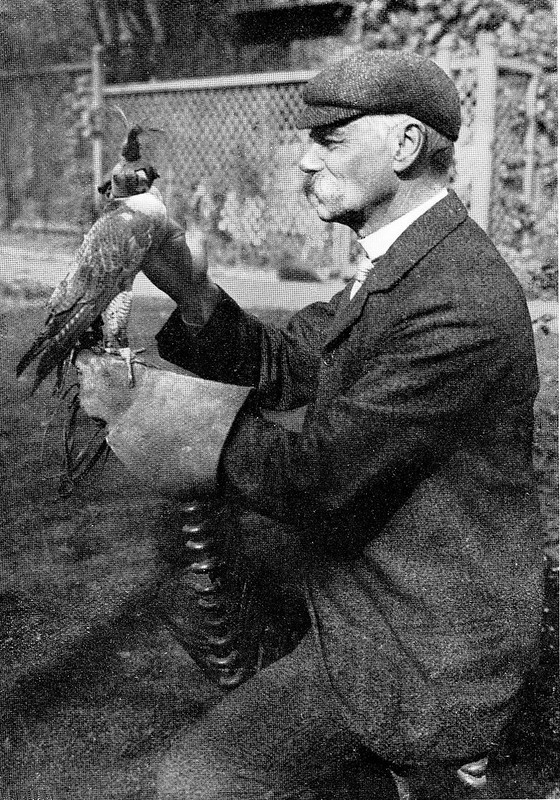
Today is the birthday of Louis de Luze Simonds (May 20, 1852-1916). Though he was born in New York, at 19 his father, Frederick William Simonds, and his uncle, Henry Adolphus Simonds (who was a partner in the family brewery H & G Simonds) decided he would be groomed to take over the UK brewery since Uncle Louis had no heirs. He moved to England and began working for the brewery in 1872, and later became chairman, a post he held until his death from the flu epidemic in 1916.

Simonds-L-de-L-1907

The Simonds family maintains a website chronicling their brewery and members of the family through history, which includes a biography of Louis de Luze Simonds.

simonds-brewery

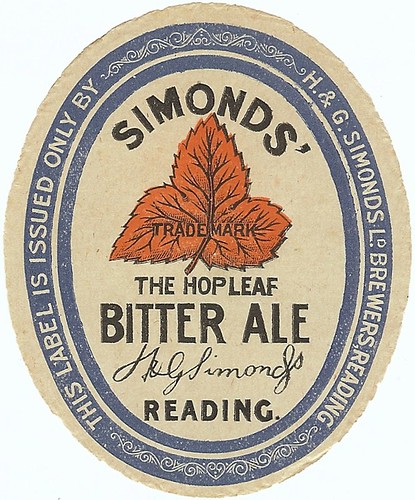
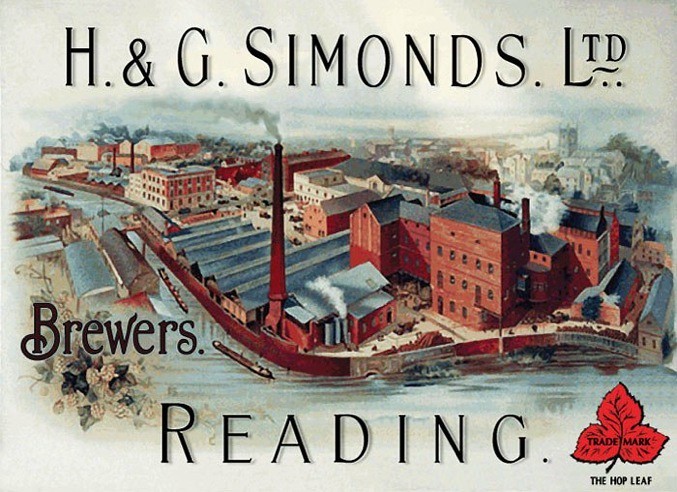
“The Simonds brewery was founded in Broad Street in Reading by William Blackall Simonds in 1785 (although his father had a brewing arm of his malting business as early as 1760). The company moved to Bridge Street, where it remained until 1978. The site is now occupied by The Oracle shopping centre. Simonds became a very early limited company in 1885, taking the name of H & G Simonds from William’s two sons, Henry and George. The latter was the father of a later director, George Blackall Simonds, a sculptor.”

“The company amalgamated with Courage & Barclay in 1960 and dropped the Simonds name after ten years. Eventually the firm became part of Scottish & Newcastle who sold the brands to Wells & Young’s Brewery in 2007 and closed the Reading brewery three years later.”

Simonds-L-de-L-1916-1

Filed Under: Birthdays, Breweries Tagged With: England, History

Historic Beer Birthday: John Hinchliffe

May 19, 2025 By Jay Brooks

hinchcliffe
Today is the birthday of John Hinchliffe (May 19, 1850-March 18, 1915). His father, also named John Hinchliffe, was born in Yorkshire, England but moved to New Jersey and founded the Hinchliffe Brewing & Malting Company in 1863. The brewery eventually employed his three sons, including John Hinchliffe Jr., who was later president. In 1890, it joined a consolidation of five local breweries in Paterson which became known as the Paterson Brewing & Malting Co. The brewery was closed by prohibition and never reopened.

This obituary comes from the American Brewers Review in 1915:

HinchliffePortraits

This brewery history is from the Paterson Historic Preservation Society:

The Hinchliffe Brewing & Malting Company was one of at least a dozen of breweries to operate out of Paterson in the pre-Prohibition Era. Owned and operated by John Hinchliffe & sons, who had previously founded the Eagle Brewery in Paterson in 1861 (on the Eve of the Civil War), Hinchliffe Brewing built the impressive brick structure that still stands on Governor Street in 1899. Designed by Charles Stoll & Son, notable “brewer’s architects” from Brooklyn, New York, building lasted eight months and once completed she was the largest in the city. Advertising broadsides from the era feature products such as their “East India Ale,” Porters, and Brown Stouts. The Brewery had a three-story ice factory located behind it, and at full capacity could produce 75,000 barrels per year. In 1917, the Brewery was converted to cold storage for supplies headed to the battlefields of World War I.

Glassware and advertising from Hinchliffe Brewery are considered collectibles due to their pre-Prohibition origins. Unfortunately, the Brewery would not survive the 18th Amendment and the Volstead Act, as the Hinchliffe family closed operations to conform with the law of the land.

Hinchcliffe-Brewery

And this history is by Peter Blum:

Hinchliffe-Brewery-by-Blum

hinchcliffe-brewing-malting

And this is from the City of Paterson, New Jersey’s website:

The Hinchliffe Brewing and Malting Company was formed in 1890 by the well-known Hinchliffe brothers, the three sons of the English founder of the Eagle Brewery in 1861. The Eagle was likely the earliest medium-scale brewery in Paterson. John Hinchliffe began under the name Hinchliffe & Co., and was later changed to Shaw, Hinchliffe & Penrose in 1867 following association with those gentlemen. While business did well, in 1878 Penrose withdrew from the firm to which then the name changed to Shaw & Hinchliffe. Soon afterward in 1881, Shaw went abroad due to illness and died there, leaving the firm under its founder, John Hinchliffe, who again was alone in the endeavor until his death in 1886. His sons John, William and James inherited the property and the business, to which they put their minds and in 1890 set out together. They hired the well-known firm of Charles Stoll & Son of Brooklyn to draw up plans for the city’s largest and most modern brewing facility. The brew house stood five stories tall, built of brick and iron and trimmed with granite, and behind was a modern ice making facility three stories tall. A four-story cold storage facility was also constructed at the time fronting Governor Street.

The 1890s was the high time for the brewing industry in Paterson. The four main breweries in Paterson consolidated as the Paterson Consolidated Brewing Co. and in 1899 the Hinchliffe brothers also joined and became board leaders of the organization. John Hinchliffe died in 1915, the same year that more than 30 of Paterson’s saloons were closed due to the lack business. The brewing industry in Paterson was soon thereafter crippled and dissolved by the Temperance movement and prohibition era of the 1920-30s.

On January 15, 1904, a fire broke out at the Hinchcliffe Brewery Malt House. One firefighter died when he fell from a ladder during efforts to put out the blaze, and at least three others were injured. The website Paterson Fire History has photographs and newspaper clippings from the fire.

Hinchliffe-Brewery-1904-fire

Hinchcliffe-pure-malt

Filed Under: Birthdays, Breweries, Just For Fun Tagged With: England, Great Britain, History, New Jersey

Historic Beer Birthday: Gilbert Greenall, 1st Baronet

May 11, 2025 By Jay Brooks

greenalls
Today is the birthday of Gilbert Greenall (May 11, 1806-July 10, 1894). He was the grandson of Thomas Greenall, who founded Greenall’s Brewery in 1762. While mostly involved in politics, Gilbert did assume control of the brewery after his father died, and also had numerous other business interests.

gilbert-greenall-1886
This is his biography from his Wikipedia page:

Sir Gilbert Greenall, 1st Baronet DL, was a British businessman and Conservative politician who sat in the House of Commons between 1847 and 1892.

Greenall was the sixth and youngest son of Edward Greenall of Walton Hall, Cheshire. His grandfather was Thomas Greenall, who had established a brewery in St Helen’s in 1762, on which the family wealth was based. Greenall assumed control of the family brewery business and also had interests in the St Helens Canal and Railway Company and in Parr, Lyons and Greenall Bank, based in Warrington. He was and a J.P. for Lancashire and Cheshire.

In 1847 Greenall was elected as Member of Parliament (MP) for Warrington, a seat he held until 1868, when he was unseated through an error of the Mayor’s poll-clerk. In 1873 he was appointed High Sheriff of Cheshire and in 1874, he was reelected MP for Warrington. In 1876 he was created a Baronet, of Walton Hall in the County of Chester. He lost his seat at Warrington in 1880, but was re-elected in 1885 and remained until he retired at the 1892 general election.

Greenall married, firstly, Mary, daughter of David Claughton, in 1836. After her death in 1861 he married, secondly, Susannah, daughter of John Lovis Rapp. He died in July 1894, aged 88, and was succeeded in the baronetcy by his only son from his first marriage, Gilbert, who was created Baron Daresbury in 1927. Susannah, Lady Greenall, died in 1896.

wilderspoolsparkling

Here’s a history of the brewery, from Wikipedia:

Greenall’s Brewery was founded by Thomas Greenall in 1762. Initially based in St Helens, the company relocated to Warrington in 1787.

It bought the Groves & Whitnall Brewery in Salford in 1961, Shipstone’s Brewery in Nottingham in 1978 and Davenport’s Brewery in Birmingham in 1986. For much of the 20th century, the company traded as Greenall Whitley & Co Limited. The St Helens brewery was demolished in the 1970s to make way for a new shopping centre. The Warrington brewery on the edge of Stockton Heath was bought by Bruntwood, renamed Wilderspool Business Park and is now let to office occupiers.

The company ceased brewing in 1991 to concentrate on running pubs and hotels.

In 1999, the tenanted wing of the Greenall’s operation was sold to the Japanese bank, Nomura for £370 million and the main Greenall’s operation, involving 770 pubs and 69 budget lodges, was sold to Scottish and Newcastle for £1.1billion. Greenalls started to focus its resources on its De Vere and Village Leisure hotel branding at that time.

In February 2005, Greenalls sold The Belfry to The Quinn Group for £186 million.

The Greenall family connection remained as Lord Daresbury, the descendant of the original founder, remained the non-executive chairman. This tie was severed in 2006 when Daresbury stepped down from the post and much of the family’s interest was sold.

GREENALL_WHITLEY_3
The Greenall, Whitley & Co. Ltd. Brewery, in St. Helens, in 1902.

And this is from Funding Universe:

Patriarch Thomas Greenall learned the brewing trade from his wife’s family in the 1750s and founded his own brewery in northwestern England at St. Helens in 1762. Brewing was a highly competitive business, with rivals ranging from the lone homebrewer to inns and pubs that brewed their own ales to wholesale brew masters like Greenall. Though the founder dabbled in nail making, coal mining, and yarn spinning throughout the late 18th century, brewing remained the family’s core interest. By the turn of the century, Thomas had brought sons Edward, William, and Peter into the business. The Greenalls began to purchase their own pubs and inns as early as 1800, helping to accelerate a gradual elimination of their competition. In Britain, it was customary for bars owned by breweries to carry only the beers brewed by the parent company. For nearly two centuries, these “tied houses” were a profitable segment of Greenall’s business.

In 1788, Greenall formed a separate partnership with William Orrett and Thomas Lyon to purchase the Saracen’s Head Brewery in nearby Wilderspool. Business was so good that within just three years the three partners undertook a £4,400 expansion of the operation.

The family business interests endured a rapid succession of generations in the first two decades of the 19th century. In 1805, both Thomas Greenall and William Orrett died. By 1817, the passing of William and Peter Greenall left only Edward to operate the growing St. Helens brewery. Just a year later, Thomas Lyon died. His nephew and heir, also Thomas, was interested in the Wilderspool brewery only as an investment. In 1818, 60-year-old Edward assigned eldest son Thomas to manage the family’s half interest in Wilderspool and charged younger son Peter with management of the family brewery at St. Helens.

While Peter pursued politics, eventually winning election to Parliament, Thomas proved to be the brewer of his generation. By this time, the family businesses had grown to the point that the Greenalls served as chairmen, guiding the overall direction of the company but leaving daily management concerns to other top executives. Throughout this period, ownership of the pubs and inns through which Greenall’s porters, sparkling ales, and bitters were dispensed was a key to maintaining a strong competitive position.

GREENALL_WHITLEY_1
And this is Greenall Whitley & Co’s., Wilderspool Brewery, in Warrington in 1887.

And continuing Funding Universe’s history, this portion, entitled “Consolidation of Family Holdings in Mid-19th Century” is where Gilbert comes in and runs the company:

When both Peter and Thomas died in the late 1840s, their younger brother, Parliamentarian Gilbert Greenall, inherited the family’s St. Helens and Wilderspool holdings. Gilbert appointed his nephew, John Whitley, to manage the Wilderspool brewery in 1853 and set out himself to rebuild, retool, and enlarge the St. Helens operation mid-decade.

Longtime silent partner Thomas Lyon died in 1859 and his estate sold his stake in the Wilderspool brewery to Gilbert Greenall, making the Greenall family the sole owners of both the St. Helens and the Wilderspool operations. Gilbert marked the occasion by changing the unified firm’s name to Greenall & Company. Not long thereafter, Greenalls eliminated its last major local competitor by acquiring the Dentons Green Brewery in St. Helens. In 1880, Gilbert (who was made a baronet in 1876 by Queen Victoria) merged the St. Helens and Wilderspool breweries as Greenall Whitley & Company Limited and installed himself as the corporation’s first chairman. Though operating under the same corporate umbrella, the two houses retained their separate identities and brands. By 1882, Greenall’s annual sales volume totaled nearly 90,000 barrels of beer and the company owned about 200 pubs.

Sir Gilbert guided the expansion and modernization of the Wilderspool brewery as well as a flurry of acquisitions in the waning years of the 19th century. His four-year, £6,750 modernization program brought in state-of-the-art brewing and bottling equipment, upgraded the company’s railway access, and expanded the operation’s office space. Acquisitions included the Halewood, Richardson’s, and Spring breweries, bringing with them more than two dozen pubs. A rapid series of untimely deaths accelerated the family’s succession plans when in the space of just two years both Sir Gilbert and his second-in-command, Peter Whitley, died, propelling the chairman’s son, also Gilbert, into the leadership of two growing breweries at the young age of 27.

The new chairman suffered a trial by fire in the first two decades of the 20th century. He began the transition from horse-drawn transportation to gasoline-driven vehicles as early as 1908, adopting some of the first vehicles of their type. World War I brought extreme deprivation to the United Kingdom. Rationing of all foods–including brewing ingredients–and manpower shortages made this period a difficult one for Greenall Whitley, but the company emerged from the conflict unscathed.

St_Helens_GW_1930s_aa
The St. Helens brewery in the 1930s.

Greenall Whitley resumed its acquisition strategy in the period between the World Wars, purchasing nine pubs in 1919 alone. Four years later, the brewery diversified into wine and liquors through the acquisition of Gilbert & John Greenall Limited, a distillery owned by another branch of the family. Though the business remained concentrated in the northwest region of Britain, acquisitions gave Greenall Whitley a growing share of the area’s breweries and pubs in the early 1930s. The purchase of three operations in as many years added nearly 90 ale houses and inns to the company roster.

After four decades as chairman, Lord Gilbert Greenall (who had been given the hereditary title First Baron Daresbury of Walton by King George V in 1927) died in 1938, passing leadership of Greenall Whitley to his son Edward. In his nine years of service to the company, Edward made a special effort to restore and preserve the company’s historic pubs, as well as maintain high standards of quality in the breweries.

greenalls-sign

Filed Under: Birthdays, Breweries, Just For Fun Tagged With: England, Great Britain, History

Historic Beer Birthday: Robert Cain

April 29, 2025 By Jay Brooks

cains-robt
Today is the birthday of Robert Cain (April 29, 1826-July 19, 1907). He “was the founder of the firm Robert Cain and Sons, a brewer in Liverpool, England,” which today is simply known as Cains.

cains-robert
This is his biography from his Wikipedia page:

He was born on Spike Island, County Cork, Ireland on 29 April 1826, the son of James Cain (1797–1871), a private soldier in the 88th Foot, a regiment of the British Army. There is some dispute over the identity of Cain’s mother. Later family records and stories claim that his mother was Mary Deane, the daughter of Alexander Deane, an architect and mayor of Cork. However, in the entry for his brother William in the Liverpool register of births his mother’s maiden name is listed as Mary Kirk (died 1864).

The story of the life of Robert Cain and Cains Brewery is told in Christopher Routledge’s 2008 history of the brewery, Cains: The Story of Liverpool in a Pint, which unpicks many of the mythologies that have developed around the Cain family. Many of these mythologies seem to date back to the 1920s and 1930s, when Cain’s sons William Cain and Charles Nall-Cain were given titles in the British honours system, and centre on the idea that the brewery’s founder had a background in the Irish gentry. Such a background would have made his sons more acceptable to the British establishment at the time. However, according to Routledge, Robert Cain was born in poverty in 1826, the son of a private soldier who would soon be forced to leave the army and travel to England to find work. Cain arrived in Liverpool with his parents in late 1827 or early 1828 and grew up in the slums of the Islington area of the city with his older sister Hannah and two younger siblings, Mary and William. When he was in his early teens Cain was indentured to a cooper on board a ship carrying palm oil from West Africa.

After working out his indenture Cain returned to Liverpool in 1844 where he set himself up first as a cooper and soon after, as a brewer. According to Routledge he met Ann Newall, the daughter of James Newall, a shoemaker, and they were married on 4 April 1847 in St. Philip’s Church, Hardman Street, Liverpool. He began brewing around 1848 on Limekiln Lane in the Scotland Road area, but soon expanded his operation to a nearby brewery on Wilton Street and finally moved to the existing Mersey Brewery (now known as the Robert Cain Brewery or Cains Brewery) on Stanhope Street, Liverpool in 1858. At the same time as he was developing his brewing business, Cain also made shrewd property deals and ran a hotel near to the brewery on Stanhope Street; as the company grew it expanded by buying out smaller brewers and taking control of their pubs.

Cain became one of Liverpool’s most successful businessmen with a passion for using the most modern techniques and equipment. He expanded the brewery several times, most notably in 1887 and in 1900–1902, when the landmark redbrick part of the brewery was constructed. By the time of his death on 19 July 1907 Cain was one of Britain’s richest men, leaving a personal estate of £400,000 (around £28 million at 2005 prices). He also had political influence, working behind the scenes to help the Conservative Party maintain control of Liverpool throughout the late nineteenth century. In fact he was so influential in the area of Toxteth Park, Liverpool where he lived that he became known as “King of the Toxteths”. Contemporary reports of his funeral and burial at St. James’s Cemetery suggest as many as 3,000 people attended.

The company, Robert Cain and Sons, owned over 200 pubs in Liverpool but is most notable for having built three of the most gloriously extravagant pubs in Britain: The Philharmonic Dining Rooms, The Vines and The Central. These highly ornate and elaborate pubs, built to celebrate Robert Cain’s own success and to demonstrate the skill of Liverpool craftsmen, remain landmark Liverpool buildings in the twenty-first century.

Robert_Cain_(brewer)
And this partial history is from the brewery’s Wikipedia page:

The Cains brewery was founded by Irishman Robert Cain in 1858 when he bought an established brewery. Cain had begun his brewing career aged 24 when he purchased a pub and brewed his own ales.

Within 25 years of founding his brewery, Cain had established 200 pubs, including the Philharmonic Dining Rooms, the Vines and the Central Commercial Hotel, which are currently listed as being of architectural merit. His personal mansion had each window arch inscribed with his monogram. In 1887 construction began on a second brewery.

In 1921, 14 years after Cain’s death, the Cains brewery merged with Walkers of Warrington, becoming Walker Cains. Then in 1923 the original Stanhope Street Brewery was sold to Higsons, who continued to brew Cains ales.

In 1985, Higsons was bought by Boddingtons of Manchester. Five years later Boddingtons opted to concentrate on pub ownership and sold all its breweries to Whitbread, at which point the Stanhope Street site was closed.

The company merged with Peter Walker & Son in 1921 to form Walker Cains. Peter Walker & Son had a large brewery in Warrington so sold its Liverpool brewery to Higsons in 1923. Boddingtons of Manchester took over in 1985. In 1990 Whitbread acquired Boddington’s brewing operations and closed the then Higsons Brewery in 1990. It was reopened by GB Breweries, who became part of Bryggerigruppen in 1991, and in 2002 was sold to Gardener-Shaw for £3.4 million.

The brewery closed in June 2013 with debts totalling more than £8m.

Cains-Mersey-Brewery-Liverpool

This account is from the Brewery’s website:

Liverpool in the first half of the 19th Century was one of the world’s most thriving ports – awash with visitors from all over the globe, money and opportunity.

This was reflected in the stunning rise of Robert Cain, from an entrepreneurial 24-year-old brewing his own ale in one pub, to a rich and influential businessman with the title of Lord Brocket and an estate of 200 pubs.

Purchasing the brewery and establishing Cains in 1858, he commissioned the current premises around 30 years later, determined that the business would endure a lot longer than he could.

And so his legacy is still evident today, not only in the beers which still bear his name, but in the distinctive design of the brewery itself – The ‘Terracotta Palace’ – and the stunning interiors of famous Liverpool pubs such as The Vines, The Central Commercial Hotel and The Philharmonic Dining Rooms, all listed as having special architectural merit.

Born in County Cork, Robert Cain took the path of many poor Irish immigrants and arrived in Liverpool to seek his fortune.

As a wide-eyed teenager arriving in the bustling city he could never have imagined a life which would see him create an enduring Liverpool brand, become wealthy, accept the title of Lord Brocket and marry the daughter of a former Lord Mayor of Liverpool.

When he died in 1907, over 3,000 people are reputed to have attended his funeral.

So how did this man make his fortune, what drove him to continually thrive to make his brewery, pubs and beers the most tasteful and memorable they could be?

Determined to establish the brewery, Robert Cain started with one pub at the age of 24, brewing his beer on the premises and saving towards the brewery he desperately needed to achieve his dream.

As well as this determination, Robert Cain was a perfectionist and a man with a strong belief in himself. If something had his name associated with it, he wanted it to be stylish and impeccable.

Even his self-designed home had his own initials etched into the glass of every single window.

It was this characteristic which led to the detail he insisted on in his pubs. Detail which has seen celebrated venues such as The Philharmonic Dining Rooms as famous for their ornate marble lavatories and incredible ceilings as they are for their beers.

He certainly left everyone involved with the brewery over the next two centuries a lot to live up to.

cains-formidable-coaster

And this account is by Chris Routledge, from his book Cains: The Story of Liverpool in a Pint, and provided to St. James Cemetery in Liverpool:

Robert Cain was born on April 29, 1826 on Spike Island, which is in the entrance to Cork Harbour on the south coast of Ireland. His father James Cain was a soldier in the 88th Regiment of the British Army, known as the 88th Foot “Connaught Rangers.” After his father left the army because of ill health the family moved to Liverpool and Robert went to sea on the Palm oil ships working the West African coast. Palm oil had replaced slaves as Liverpool’s primary trade with that part of Africa and the conditions were hostile and unpleasant. Many sailors died in minor battles and skirmishes, or from Malaria; it was known as the “white man’s graveyard.”

Robert Cain survived his time at sea and arrived in Liverpool in the late 1840s to set himself up as a brewer. He married Ann Newall, the daughter of a shoemaker in 1847 and in 1850 the couple began brewing on Limekiln Lane in the Scotland Road/Vauxhall area of the city. Within a few years the quality of Cain’s brews was such that he expanded the operation, moving to a small brewery on nearby Wilton Street. By 1858 the brewery needed to expand again and supported by his growing collection of pubs Cain bought Hindley’s brewery on Stanhope Street, Toxteth, where the current Cain’s brewery now stands.

The Stanhope Street brewery, which Cain named the Mersey Brewery, was much larger than Cain’s previous breweries and included a great deal of brewing equipment. Over the following decades Cain updated and developed the site, pulling down nearby court-style slum housing to expand. By the 1880s, when Cain and his large family (he had 11 children) were living in a mansion on Aigburth Road, the brewery was one of the largest in the city. Cain himself was an important figure in the powerful Constitutional Association and had considerable influence on local politics. He recruited brewery workers to campaign on behalf of Conservative candidates for the Council and became known as “King of the Toxteths.” He was generally well-liked and respected by his workers and the Cain family were well known in the area of Aigburth and St. Michaels.

Like other Victorian gentlemen Cain enjoyed having his portrait painted and was a patron of the arts. He sat for the well-known Liverpool artist William Daniels for at least two portraits and was also painted by George Hall Neale, a Manx painter who lived and worked in Liverpool in the late nineteenth century. Cain was also a collector of rare plants and was especially fond of orchids.

By 1896, when the company became Robert Cain and Sons Ltd, Cain was one of the wealthiest and most powerful men in the city. Cain’s “Superior Ales and Stouts” were available across Liverpool. After the death of his wife he moved to an even larger house near Hoylake and was followed by most of his children, who lived in their own flamboyant mansions nearby. As the twentieth century began Cain began to move control of the business to his sons Charles and William, who later became noted philanthopists, supporting medical charities, including the Women’s Hospital and the Bluecoat Hospital, as well as providing money for aircraft during World War I. William Cain donated his house at Hoylake, known as Wilton Grange, to the nation as a convalescent home for injured officers. Both sons became baronets and Charles Cain became Lord Brocket in 1933.

Robert Cain fell ill in late 1906 and after six months of declining health he died at home on July 19, 1907 during a heatwave. His lavish funeral on July 23 took place on a day of thunderstorms and torrential rain, but despite the bad weather a crowd of three thousand attended and had to be restrained by the police at the gates of St James’s. Official mourners included aldermen, city dignitaries and businessmen, including the brewer Daniel Higson, whose company would later buy Cain’s brewery and operate it for almost 70 years. Also in attendance was Cain’s friend George Hall Neale. Interestingly Cain’s father James, who died in poverty in 1871, and with whom Cain had very little contact after the 1840s, is also buried separately at St. James’s.

cains-christmas

Filed Under: Birthdays, Just For Fun Tagged With: England, Great Britain, History

Historic Beer Birthday: Matthew Vassar

April 29, 2025 By Jay Brooks

vassar
Today is the birthday of Matthew Vassar (April 29, 1792-June 23, 1868). Vassar was born in England, specifically in East Dereham, Norfolk. While he’s best know for having founded one of the first women’s colleges in America, Vassar College, the money came from operating his brewery, M. Vassar & Co., which when he first built it in Poughkeepsie it was the largest brewery in the Americas.
vassar_matthew0212

Here’s a short biography from Find a Grave:

Business Magnate. Self-made man with only a very basic formal education. When his father’s brewery burned in 1811 and he discontinued business, Matthew Vassar started his own brewery independently. As business increased he became involved in many things. Among others, in 1842 he became President of the Hudson River Railroad. In 1861, inspired by a niece, he endowed the first women’s college in the United States, with $408,000 and 200 acres of land east of Poughkeepsie which is where present-day Vassar College still stands. A lasting legacy for him which is also humorously embodied in an old song, “And so you see, to old V.C. Our love shall never fail. Full well we know that all we owe To Matthew Vassar’s ale.”

Vassar-Brewer-tinbox

For much more thorough biographies, there’s Wikipedia, the Vassar Encyclopedia, and the Vassar Quarterly has a long article about the brewery, The Brew that Built Vassar.

vassars-Brewer-brewery

There’s also another piece in a blog concentrating on the Hudson Valley, The Rise and Fall of M. Vassar and Co..

m-vassar-and-co
This is the larger brick brewery on the waterfront Vassar built in 1836, just above the Main Street Landing. The waterfront facility had a brewing capacity of 60,000 barrels annually.

Portrait_of_Matthew_Vassar_by_Charles_Loring_Elliott
Portrait of Matthew Vassar, by Charles Loring Elliott.

Filed Under: Birthdays, Breweries, Just For Fun Tagged With: Education, England, History

How Is Lager Beer Made?

June 21, 2019 By Jay Brooks

question-mark

This is an interesting piece of history I stumbled upon regarding lager beer in England. In the 19th century, there was a weekly publication called “Replies,” subtitled “A Weekly Journal of Question and Answer.” I don’t know how long it was published, but the one I came across is for Saturday, June 21, 1879. It apparently cost twopence and new issues came out every Saturday. As far as I can tell, the majority of the publication consisted of people writing in with questions, and the editors answering them, although there were also sections of current events going on, specific columns, and, naturally, ads.
replies-header

The question I came across, you’ve probably guessed, was “How Is Lager Beer Made?” The query was made by someone named Edith.

how-is-lager-beer-made-1

So there answer also referenced her initial query, which I managed to track down. That questions, the same question, with a less-satisfying answer (to the editors, at least) was given on May 24, 1879, roughly a month before the above answer.

how-is-lager-beer-made-0

Filed Under: Beers, Just For Fun Tagged With: England, Great Britain, History

A Vade Mecum For Malt-Worms

June 20, 2019 By Jay Brooks

malt-worm

Ned Ward was “a satirical writer and publican in the late 17th and early 18th century, based in London.” He is believed to have been born some time in 1667, but died June 20, 1731. “His most famous work is The London Spy. Published in 18 monthly installments starting in November 1698, it was described by its author as a ‘complete survey’ of the London scene. It was first published in book form in 1703.”

Ned_Ward_by_Michael_Vandergucht

But he also wrote a work entitled “A Vade Mecum For Malt-Worms,” published 1715. The book has a long subtitle, part of which is “A Guide to Good Fellows. Being a Description of the Manners and Customs of the most Eminent Publick Houses, in and about the Cities of London and Westminster.” The Dedication is priceless:

Malt-Worms-03
Malt-Worms-04

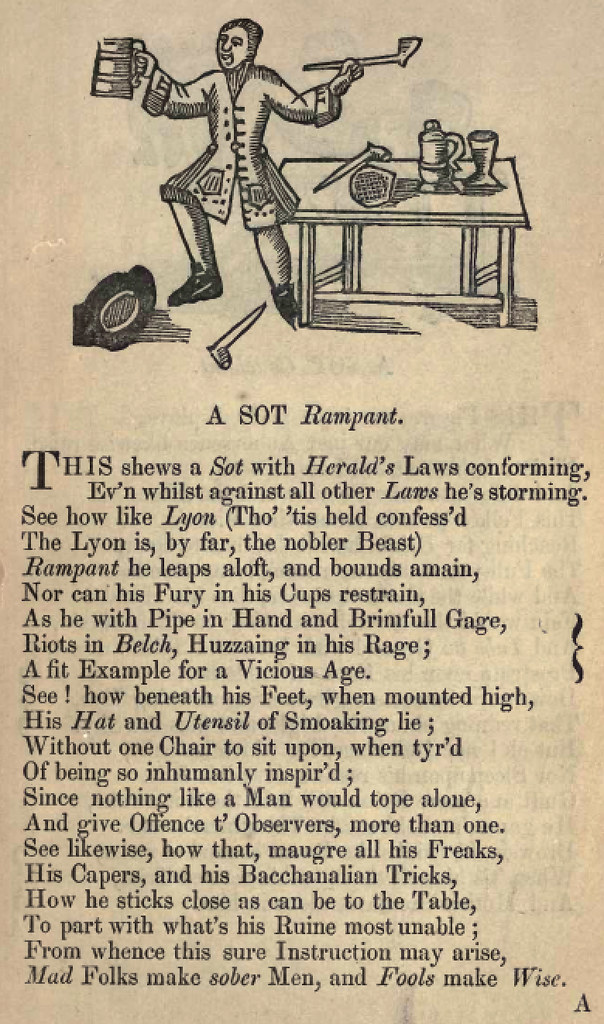
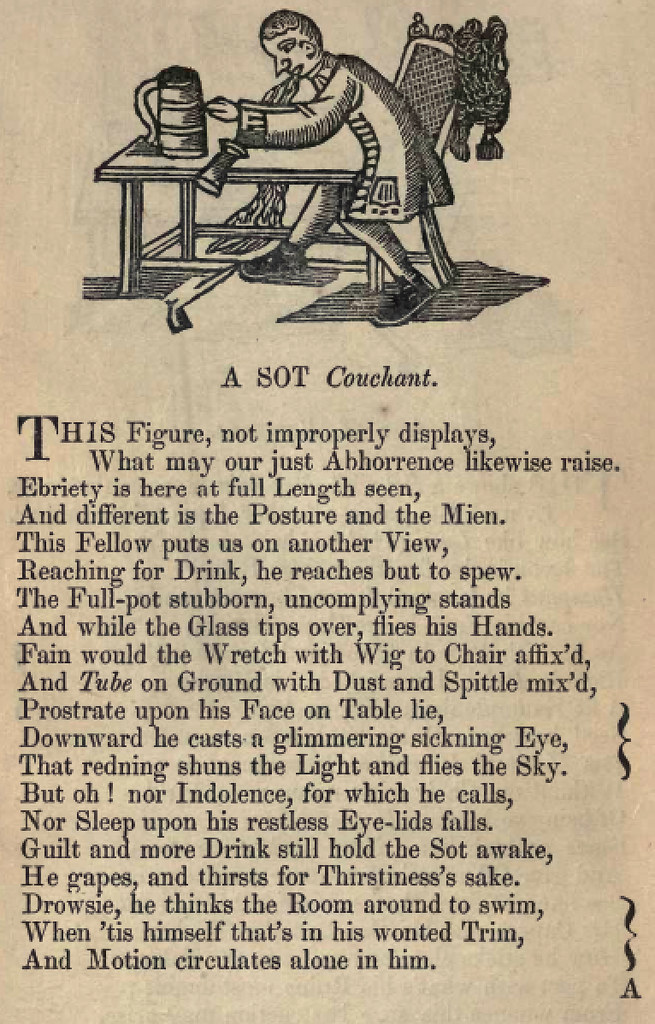
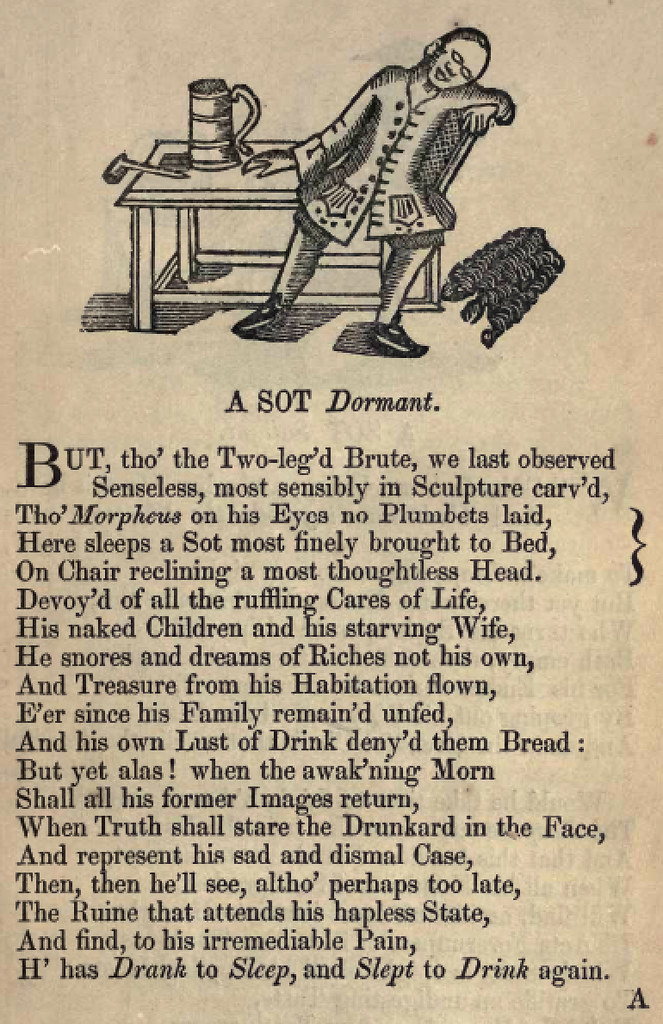
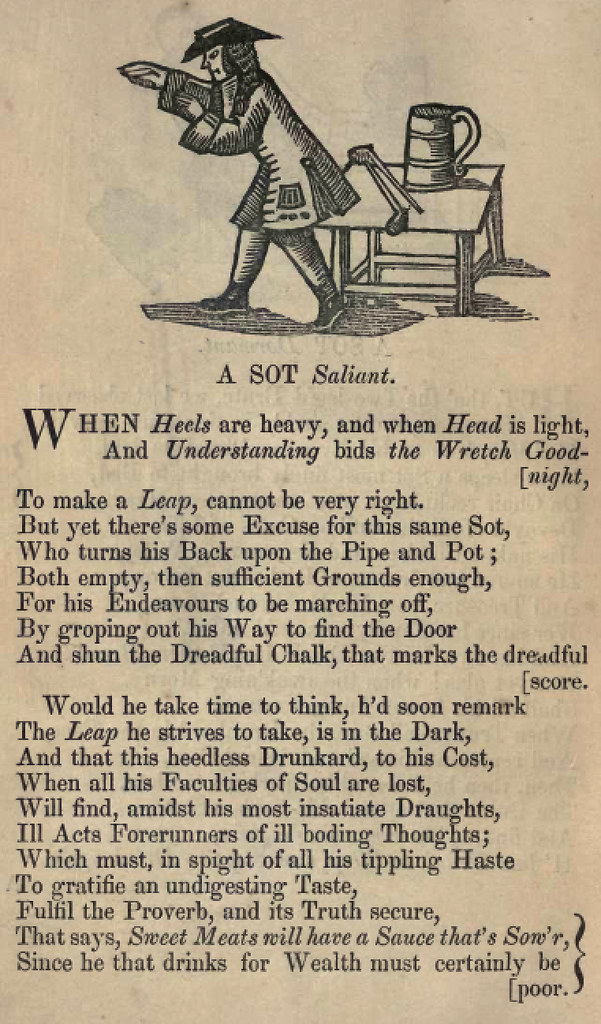
The first part of the book includes these descriptions of different kinds of drinkers, or sot:

Malt-Worms-05
Malt-Worms-06
Malt-Worms-07
Malt-Worms-08

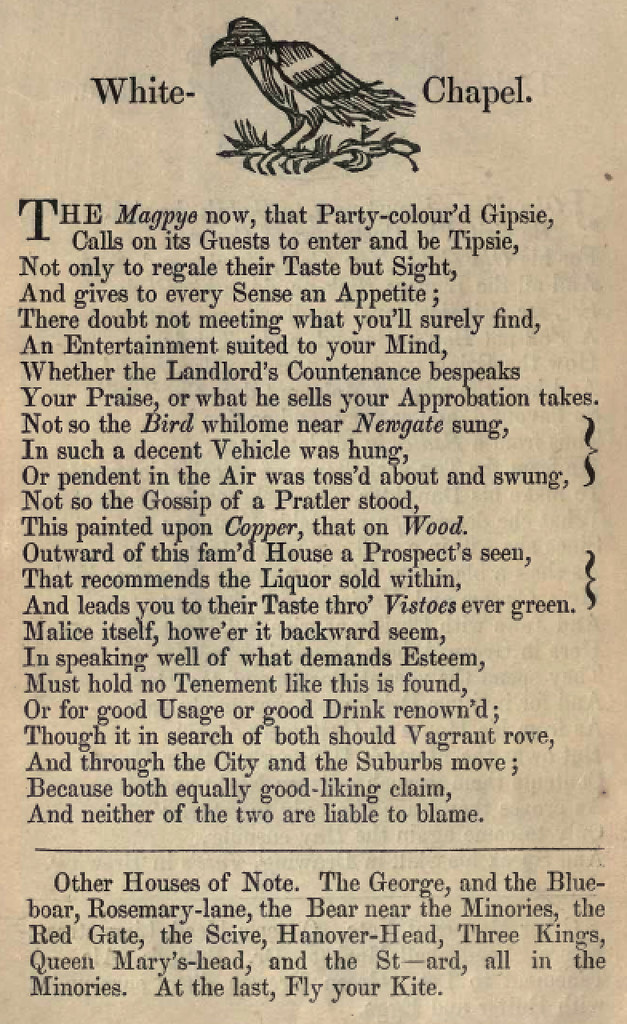
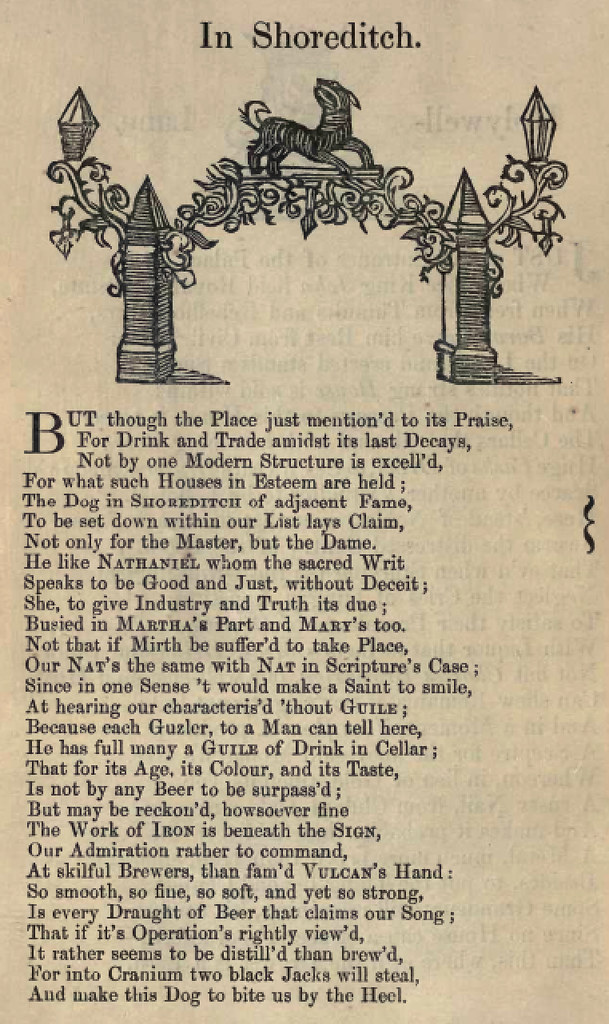
But the majority of the book, in two parts, is taken up by what are essentially reviews or descriptions of London taverns, with colorful portraits of the patrons one might find at each one. Essentially, it’s an early Good Beer Guide to London. The whole book is in the public domain, so you can download it or take a look at it online at the Internet Archive. Here are a couple of representative examples.

Malt-Worms-14
Malt-Worms-18

Filed Under: Just For Fun, Related Pleasures Tagged With: England, Great Britain, History, London, Pubs

Beer In Ads #2999: Birra Metzger Waving Waiter

May 20, 2019 By Jay Brooks

This image has an empty alt attribute; its file name is 3993724870_6a0224e391.jpg

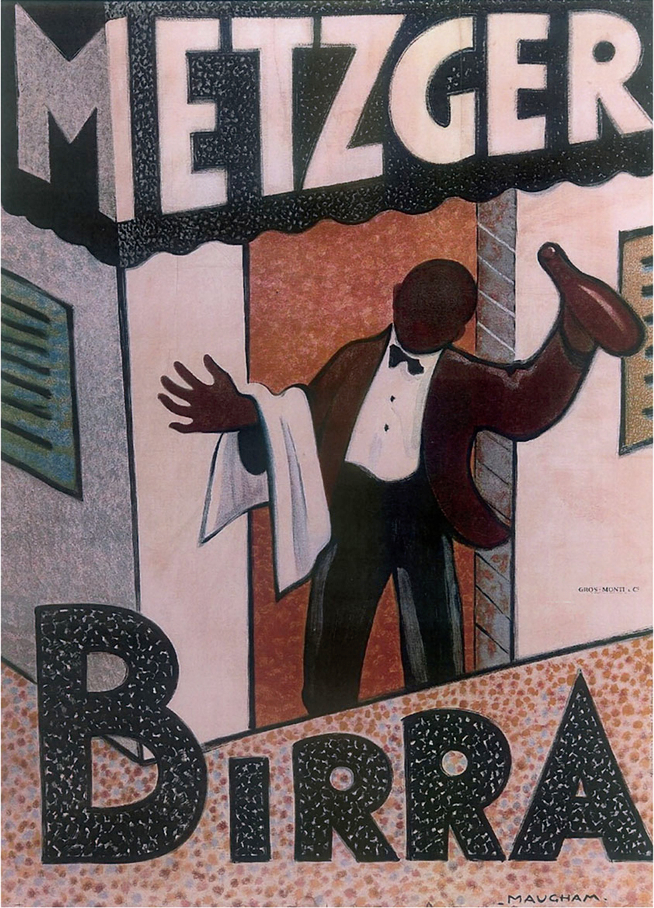
Monday’s ad is for Birra Metzger, from around 1930. From the late 1800s until the 1960s, poster art really came into its own, and in Europe a lot of really cool posters, many of them for breweries, were produced. This poster is for Birra Metzger, founded in Turin, Italy, in 1848. The brewery was bought in 1944, but closed in 1975. In the last few years, however, it’s been relaunched as Metzger 1848. It was created by British painter Daphne Mabel Maugham, who emigrated to Turin, Italy, in 1925.

birra-metzger-maugham

Filed Under: Art & Beer, Beers Tagged With: Advertising, England, Great Britain, History, Italy

Edward Lear’s Beer Nonsense

May 12, 2019 By Jay Brooks

edward-lear

Today is the birthday of English artist, illustrator, musician, author and poet Edward Lear (May 12, 1812–January 29, 1888). He is “known mostly for his literary nonsense in poetry and prose and especially his limericks, a form he popularised. His principal areas of work as an artist were threefold: as a draughtsman employed to illustrate birds and animals; making coloured drawings during his journeys, which he reworked later, sometimes as plates for his travel books; as a (minor) illustrator of Alfred, Lord Tennyson‘s poems. As an author, he is known principally for his popular nonsense collections of poems, songs, short stories, botanical drawings, recipes, and alphabets. He also composed and published twelve musical settings of Tennyson’s poetry.”

1862-a-book-of-nonsense

Given the time he lived, not to mention the place, you probably won’t be surprised to learn that beer and ale come up in his work from time to time. Here are a few examples of that from his nonsense books.

Lear-B
Lear-old-columbia-2
edward-lear-1
Lear-X
Lear-owl-2
Lear-Old-man-owl
Here’s an original sketch of the same Old Man with an Owl panel.
Lear-porter

Filed Under: Beers, Just For Fun Tagged With: England, Great Britain, Literature, Poetry

« Previous Page
Next Page »

Find Something

Northern California Breweries

Please consider purchasing my latest book, California Breweries North, available from Amazon, or ask for it at your local bookstore.

Recent Comments

  • Bob Paolino on Beer Birthday: Grant Johnston
  • Gambrinus on Historic Beer Birthday: A.J. Houghton
  • Ernie Dewing on Historic Beer Birthday: Charles William Bergner 
  • Steve 'Pudgy' De Rose on Historic Beer Birthday: Jacob Schmidt
  • Jay Brooks on Beer Birthday: Bill Owens

Recent Posts

  • Beer In Ads #5227: It’s Here! Bock Beer By Bosch April 20, 2026
  • Beer Birthday: Drew Beechum April 20, 2026
  • Beer Birthday: Des De Moor April 20, 2026
  • Beer Birthday: Brenden Dobel April 20, 2026
  • Historic Beer Birthday: Henry Becker April 19, 2026

BBB Archives

Feedback

Head Quarter
This site is hosted and maintained by H25Q.dev. Any questions or comments for the webmaster can be directed here.