Brookston Beer Bulletin

Jay R. Brooks on Beer

  • Home
  • About
  • Editorial
  • Birthdays
  • Art & Beer

Socialize

  • Dribbble
  • Email
  • Facebook
  • Flickr
  • GitHub
  • Instagram
  • LinkedIn
  • Pinterest
  • RSS
  • Twitter
  • YouTube

Powered by Genesis

Session #61: What Makes Local Beer Better?

March 2, 2012 By Jay Brooks

locavore-text
Our 61st Session is hosted by Matt Robinson — a.k.a. The Hoosier Beer Geek — and he’s asking us to consider the question What Makes Local Beer Better? Here’s how he puts it:

The topic I’ve been thinking about is local beer. The term is being used by just about every craft brewer in the country. What does it really mean though? Is it more of a marketing term or is there substance behind the moniker? This month I want to think about what makes local beer better? I’m not just talking about the beer itself, although it’s the focal point, but what makes local beer better? My connection to local beer is far from thinking that my beer is actually “local.” Maybe you don’t agree with me, and you can write about that. Bonus points for writing about your favorite local beer and the settings around it being local to you.
session_logo_all_text_200

I’ve been thinking about this one a bit lately, too, mostly in terms of what most people aren’t talking bout, which is that for many, possibly most, climates the two most common agricultural ingredients of beer cannot be grown and what that means for their ultimate status as local products.

I’ll ignore the question about whether local beer is better, because as far as I’m concerned, that’s not as interesting to me personally. Bad beer can be made halfway around the world as easily as next door, and vice versa. To my way of thinking, good beer is the result of a skilled brewer, using good ingredients, regardless of where they happen to be brewing.
local-beers-logo

There used to a phrase you’d hear as the craft beer movement was gathering steam in its early days: “Think Globally, Drink Locally.” A play on words of “Think Globally, Act Locally,” a phrase that was coined in the late 1960s or 70s (no one’s quite sure); it originally related to town planning and the environment.

But it’s no surprise that early craft brewing placed an emphasis on drinking local, since for most of beer’s history it was only a local product. Beer didn’t used to travel very well, or very far. That’s why at its peak in the 1870s, there were over 4,000 breweries in the United States alone. Every town had at least one brewery to slake the thirst of its residents. When you went to the next town, you drank their beer. When you went to the nearest big city, you could drink perhaps dozens of different beers from their local breweries.
locavore-badge

The First Locavores

In fact, I think craft breweries presaged the newer locavore movements taking place in most communities over the last few years. When the word “locavore” was chosen as Oxford’s 2007 “word of the year,” it was only two years old, having been coined right here in the Bay Area by a group of four women in San Francisco. The original idea was to restrict your diet to food grown or produced within a 100-mile radius. But it also emphasizes that local ingredients are fresher, more nutritious, taste better and are ultimately better for the environment, too. And that message certainly seems to spreading. Are there many towns today that don’t have a farmer’s market?

That’s also the same idea that early craft breweries were trying to get across. Fresh beer tastes better. So the closer to the source one is, the fresher the beer is likely to be, not to mention the economic advantages. By buying local, there’s the added benefit of keeping the money circulating in your local economy and not sending it to a corporate headquarters hundreds of miles away.

Many early microbreweries recognized that advantage from the beginning, and worked tirelessly to be good local citizens, and most I know of are still very active in their local communities, raising money for good causes, donating kegs for worthy events, giving their spent grain to local farmers to feed their livestock and partnering with other local businesses for the benefit of the places where they both live and work.

What Makes a Beer Local?

In 2012, it’s immensely satisfying that no one in America has to travel very far to find local beer. Several years ago, the Brewers Association crunched the numbers and determined that more than half of all Americans lived within 10 miles of a brewery. Since then, hundreds of breweries have opened (with literally hundreds more in various stages of planning) so that factoid is only getting closer. I wouldn’t be surprised to learn it’s more like 75% live within 10 miles of a brewery now.

But as terrific as that is, there is an elephant sitting at the bar, wondering what it means to be a local beer. What exactly makes a beer local? The obvious answer, of course, is that it’s brewed right here. Brewpubs, which brew where they serve, are the most local you can get, from that point of view. And breweries that only deliver their beer in a local area likewise would have to be considered local.

But as many people are beginning to point out, some of the ingredients that go into beer come from all over the world. Beer is an agricultural product, and its two most well known ingredients — barley and hops — do not grow well everywhere. They need the right climate to flourish. Hops grow best in Washington and Oregon, and also in parts of England, Germany, the Czech Republic and even New Zealand. One of pilsner’s signature ingredients is Saaz (or Zatec) hops, which grow best in the area around the Czech Republic. You can grow them other places, but they take on different characteristics when you do that. Beer brewed with the same hop variety grown in different places will often taste slightly different.

And barley does grow in a lot of places, but most it for brewing comes from Europe, the Ukraine, Russia, Canada and Australia. If you want specialty malts, they’re mostly likely available only from where they’re created. Even if you grow your own barley, you have to go through the malting process, which is typically done by a maltster. And there’s not a malthouse in many places, either.

The point is, there are a lot of places where it’s simply not possible to get all the ingredients to brew beer locally, and that raises the specter about whether a beer brewed locally, but with ingredients flown in from around the world, still can be considered a local beer.

Because beer is mostly water, the majority of your bottle will always be almost entirely local, both by weight and by volume. The malt and hops and yeast constitute a very small portion of the finished beer. But as more and more people are taking seriously eating and drinking locally, it’s hard to ignore that arguably beer’s most important ingredients may not come from down the street.

Not that some breweries aren’t trying to address this. Thirsty Bear, in San Francisco, a little while back created a beer using all locally sourced ingredients, which they called Locavore Pale Ale. Likewise, the relatively new Almanac Beer Co. is creating all of their beers with mostly local ingredients, and working toward making that all. And Sierra Nevada releases annually their Estate Brewer’s Harvest Ale, which they make using both malt and hops grown on their own property in and around Chico.

In California, we are fortunate enough to have the right climate where both hops and barley can grow, even though the majority of it is grown elsewhere. But in many other states that traditionally haven’t grown these crops, brewers and farmers are trying to do just that, with an eye toward making their beers even more local.

But in some locations, there isn’t anything that can be done. Alaska isn’t going to start growing hops and barley anytime soon, but I’d have a hard time considering a beer brewed there not being a local beer. Regardless of whether or not 100% of the ingredients are local, it does still have local character. The water, the air, the industry, the people brewing it and selling it, the economy: those are all very local.

For me that’s enough. In the end, I personally don’t think it diminishes beer’s ability to be seen as local. While I believe this is a debate worth having, undoubtedly there will always be some purists who won’t be able to budge from a position that if all the ingredients aren’t local, then it can’t be considered local. If they choose not to drink those beers for that reason alone, that’s a shame. Because with beer, the most important thing is how good it tastes. If it’s all local, that’s just a bonus. Or as friend of mine once quipped, “If I can drink it, it’s local.”
buylocal

Filed Under: Beers, Breweries, Editorial, Just For Fun, The Session Tagged With: California, local

South Korea Beer

March 1, 2012 By Jay Brooks

korea_south
Today in 1919, South Korea gained their Independence from Japan.

South Korea
south-korea-color

South Korea Breweries

  • Hite Brewery Company Limited
  • Hotel Ariana
  • Jinro Coors Brewing
  • O’Kim’s Brauhaus
  • Oktoberfest
  • Oriental Brewery Company
  • Rosenbrau

South Korea Brewery Guides

  • Beer Advocate
  • Beer Me
  • Rate Beer
  • Wikipedia’s Beer and breweries in South Korea

Other Guides

  • CIA World Factbook
  • Official Website
  • U.S. Embassy
  • Wikipedia

Guild: Korea Microbrewery Association

National Regulatory Agency: Korean Food and Drug Administration

Beverage Alcohol Labeling Requirements: Labels must include the following information:

  • Name of the product
  • Country of origin
  • Type of product
  • Importer’s name and address
  • Importer’s business license number
  • Date of bottling
  • Alcohol percentage and product volume: Tolerance of +/- 0.5% with regards to accuracy of alcohol content
  • Location where product may be exchanged or returned in the instance of a defective product
  • Instructions for storage, if applicable
  • Mode of distribution, must specify one of the three: “Discount store sale only,” “Restaurant sale only,” or “Sale for home use only” (taxes on beverages vary depending on the mode of distribution)

Drunk Driving Laws: BAC 0.05%

South-Korea

  • Full Name: Republic of Korea
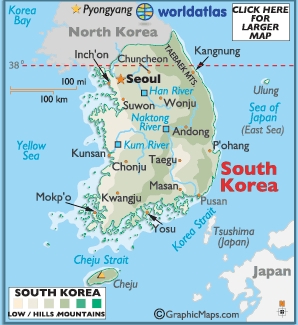
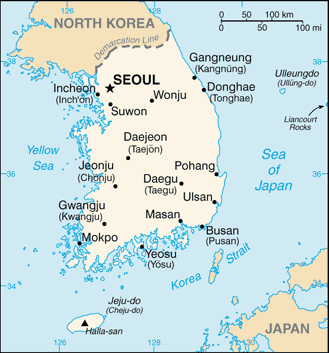
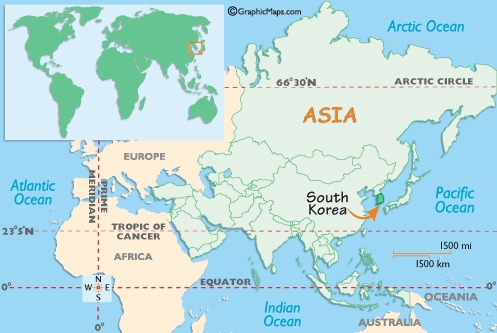
  • Location: Eastern Asia, southern half of the Korean Peninsula bordering the Sea of Japan and the Yellow Sea
  • Government Type: Republic
  • Language: Korean, English (widely taught in junior high and high school)
  • Religion(s): Christian 26.3% (Protestant 19.7%, Roman Catholic 6.6%), Buddhist 23.2%, other or unknown 1.3%, none 49.3%
  • Capital: Seoul
  • Population: 48,860,500; 25th
  • Area: 99,720 sq km, 109th
  • Comparative Area: Slightly larger than Indiana
  • National Food: Kimchi and Bulgogi
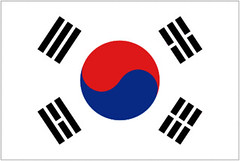
  • National Symbols: Korean Tiger; Hibiscus; Pine tree; Taegeuk, Namdaemun
  • Nickname: Hanguk; Choson, the Land of the Morning Calm
  • Affiliations: UN, African Union, Commonwealth
  • Independence: From Japan, March 1, 1919 / Liberation Day, August 15, 1945, regained independence from Japan after World War II

south-korea-coa

  • Alcohol Legal: Yes
  • Minimum Drinking Age: 19 (If a person is at least 20 according to Korean age reckoning, that person may drink alcohol)
  • BAC: 0.05%
  • Label Requirements: N/A
  • Number of Breweries: 21

korea-south-kso047_f

  • How to Say “Beer”: mek-ju (maek-joo) / 맥주 / 발포성 음료
  • How to Order a Beer: 맥주 한 병 더 주세요 / Mekju han byung du juseyo (in a bottle) [Mayk-joo hahn-jahn, joo-se-yoh]
  • How to Say “Cheers”: Chukbae / Kong gang ul wi ha yo / Konbe
  • Toasting Etiquette: The most common toast is “gonbae,” which is the equivalent of “cheers!” If the toast is proposed as “wonshot” (one shot), guests are expected to empty their glasses in one drink. Formal toasts are usually made only by the host. Visitors may offer to pay for the bill, but the host will usually decline the offer.

    The most common South Korean toast you will hear is ‘Gun-bae.’ When you raise your glass, be sure to do so with your right hand. To confer extra respect toward the person being toasted, support your right arm with your left hand. Be aware that the minute you drain your glass, it is a cue to your host that you would like a ‘refill.’

korea-south-map

Alcohol Consumption By Type:

  • Beer: 18%
  • Wine: 1%
  • Spirits:81%
  • Other: <1%

Alcohol Consumption Per Capita (in litres):

  • Recorded: 11.80
  • Unrecorded: 3.00
  • Total: 14.80
  • Beer: 2.14

WHO Alcohol Data:

  • Per Capita Consumption: 11.8 litres
  • Alcohol Consumption Trend: Stable
  • Excise Taxes: Yes
  • Minimum Age: 19
  • Sales Restrictions: No
  • Advertising Restrictions: Advertising
  • Sponsorship/Promotional Restrictions: No

Patterns of Drinking Score: 3

Prohibition: None

south-korea-asia

Filed Under: Beers, Breweries Tagged With: Asia, South Korea

Bosnia and Herzegovina Beer

March 1, 2012 By Jay Brooks

bosnia
Today in 1992, Bosnia and Herzegovina gained their Independence from Yugoslavia.

Bosnia and Herzegovina
bosnia-color

Bosnia and Herzegovina Breweries

  • Bihacka Pivovara
  • Grudska Pivovara d.o.o.
  • Hercegovačka Pivovara
  • Pivara Tuzla

Bosnia and Herzegovina Brewery Guides

  • Beer Advocate
  • Beer Me
  • Rate Beer
  • Wikipedia’s Beer and breweries in Bosnia and Herzegovina

Other Guides

  • CIA World Factbook
  • Official Website
  • U.S. Embassy
  • Wikipedia

Guild: None Known

National Regulatory Agency: None

Beverage Alcohol Labeling Requirements: Not Known

Drunk Driving Laws: BAC 0.05%

Bosnia

  • Full Name: Bosnia and Herzegovina
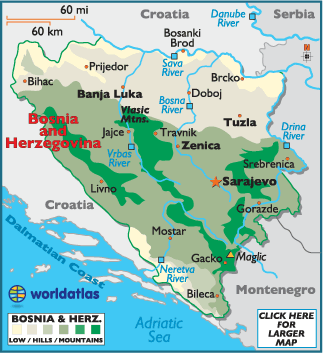
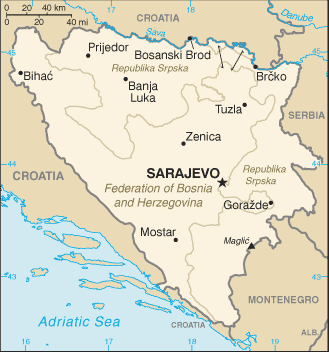
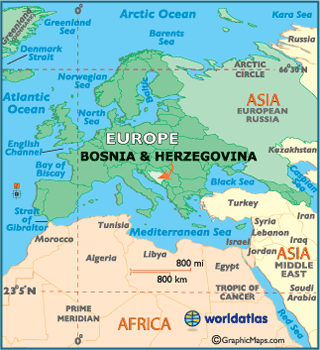
  • Location: Southeastern Europe, bordering the Adriatic Sea and Croatia
  • Government Type: Emerging Federal Democratic Republic
  • Language: Bosnian (official), Croatian (official), Serbian
  • Religion(s): Muslim 40%, Orthodox 31%, Roman Catholic 15%, other 14%
  • Capital: Sarajevo
  • Population: 4,622,292; 122nd
  • Area: 51,197 sq km, 129th
  • Comparative Area: Slightly smaller than West Virginia
  • National Food: Bosnian pot, Ćevapi, and Pljeskavica
  • National Symbol: Lilium bosniacum
  • Affiliations: UN
  • Independence: From Yugoslavia, March 1, 1992

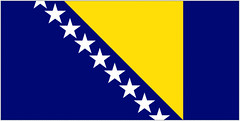
bosnia-coa

  • Alcohol Legal: Yes
  • Minimum Drinking Age: 16 (to drink); 18 (to buy)
  • BAC: 0.05%
  • Label Requirements: N/A
  • Number of Breweries: 9

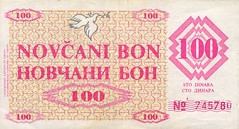
BosniaHerzegovinaP6g-100Dinara-1992_f

  • How to Say “Beer”: pivo
  • How to Order a Beer: Molim vas, još jedno pivo /
    Još jedno pivo, molim
  • How to Say “Cheers”: Zivjeli
  • Toasting Etiquette: N/A

bosnia-map

Alcohol Consumption By Type:

  • Beer: 23%
  • Wine: 4%
  • Spirits: 73%

Alcohol Consumption Per Capita (in litres):

  • Recorded: 9.63
  • Unrecorded: 0.00
  • Total: 9.63
  • Beer: 2.22

WHO Alcohol Data:

  • Per Capita Consumption: 9.6 litres
  • Alcohol Consumption Trend: Stable
  • Excise Taxes: N/A
  • Minimum Age: 16
  • Sales Restrictions: No
  • Advertising Restrictions: Yes (some)
  • Sponsorship/Promotional Restrictions: N/A

Patterns of Drinking Score: 3

Prohibition: None

bosnia-eu

Filed Under: Beers, Breweries Tagged With: Bosnia, Europe

Next Session To Consider What Makes Local Beer Better?

February 27, 2012 By Jay Brooks

session-the
I’m a little behind the eight-ball in getting the word out, but our 61st Session is coming up fast; this Friday to be exact. Our host, Matt Robinson — a.k.a. The Hoosier Beer Geek — is asking us to consider the question What Makes Local Beer Better? Here’s how he puts it:

The topic I’ve been thinking about is local beer. The term is being used by just about every craft brewer in the country. What does it really mean though? Is it more of a marketing term or is there substance behind the moniker? This month I want to think about what makes local beer better? I’m not just talking about the beer itself, although it’s the focal point, but what makes local beer better? My connection to local beer is far from thinking that my beer is actually “local.” Maybe you don’t agree with me, and you can write about that. Bonus points for writing about your favorite local beer and the settings around it being local to you.

buy-fresh-buy-local

So get yourself home to your local community by this Friday — March 2, 2012 — and put on your local thinking cap. Then start waxing philosophical on what exactly that means. Local food — and beer — mother fucker!

local-food-motherfucker

Filed Under: Beers, Breweries, Just For Fun, News, The Session Tagged With: Announcements

Dominican Republic Beer

February 27, 2012 By Jay Brooks

dominican_republic
Today in 1844, the Dominican Republic gained their Independence from Haiti.

Dominican Republic
dom-rep-color

Dominican Republic Breweries

  • Cervecería Bohemia
  • Cervecería Nacional Dominicana
  • Cervecería Vegana SA

Dominican Republic Brewery Guides

  • Beer Advocate
  • Beer Me
  • Rate Beer

Other Guides

  • CIA World Factbook
  • Official Website
  • U.S. Embassy
  • Wikipedia

Guild: Asociacion Dominicana de Cerveza

National Regulatory Agency: Dirección General de Normas y Sistemas de Calidad

Beverage Alcohol Labeling Requirements: See Below

Labels must include the following information:

  • Food name
  • Net weight by volume
  • Name and address of the producer, wholesaler, importer, exporter, or retailer
  • Country of origin
  • Lot identification
  • Minimum duration date and preserving instructions, if applicable

And should also include the following:

  • List of Ingredients
  • List should be given in decreasing percentages of ingredient (if water is added, it must also be indicated in the list of ingredients)
  • Food additives, if any

Drunk Driving Laws: BAC Zero (0.05% for professional drivers)

Dominican-Republic

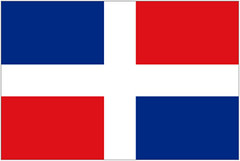
  • Full Name: Dominican Republic
  • Location: Caribbean, eastern two-thirds of the island of Hispaniola, between the Caribbean Sea and the North Atlantic Ocean, east of Haiti
  • Government Type: Democratic Republic
  • Language: Spanish (official)
  • Religion(s): Roman Catholic 95%, other 5%
  • Capital: Santo Domingo
  • Population: 10,088,598; 85th
  • Area: 48,670 sq km, 132nd
  • Comparative Area: Slightly more than twice the size of New Hampshire
  • National Food: Sancocho
  • National Symbols: Palmchat (official), Ashy-faced Owl, Hispaniolan Parrot; Bayahibe Rose; West Indian Mahogany
  • Affiliations: UN, OAS
  • Independence: From Haiti, February 27, 1844

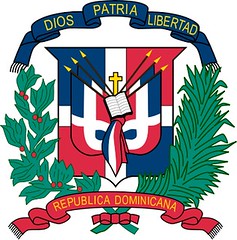
dominican-republic-coa

  • Alcohol Legal: Yes
  • Minimum Drinking Age: 18
  • BAC: 0.00%
  • Label Requirements: N/A
  • Number of Breweries: 3

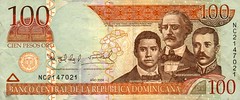
DominicanRepublicPNew-100Pesos-2006-diw_f

  • How to Say “Beer”: Cerveza
  • How to Order a Beer: Una cerveza, por favor
  • How to Say “Cheers”: Salud
  • Toasting Etiquette: N/A

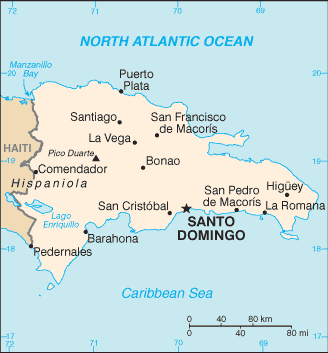
dominican-republic-map

Alcohol Consumption By Type:

  • Beer: 47%
  • Wine: 2%
  • Spirits: 51%
  • Other: <1%<

Alcohol Consumption Per Capita (in litres):

  • Recorded: 5.76
  • Unrecorded: 0.65
  • Total: 6.41
  • Beer: 2.69

WHO Alcohol Data:

  • Per Capita Consumption: 5.8 litres
  • Alcohol Consumption Trend: Stable
  • Excise Taxes: Yes
  • Minimum Age: 18
  • Sales Restrictions: Time, intoxicated persons, petrol stations
  • Advertising Restrictions: No
  • Sponsorship/Promotional Restrictions: No

Patterns of Drinking Score: 2

Prohibition: None

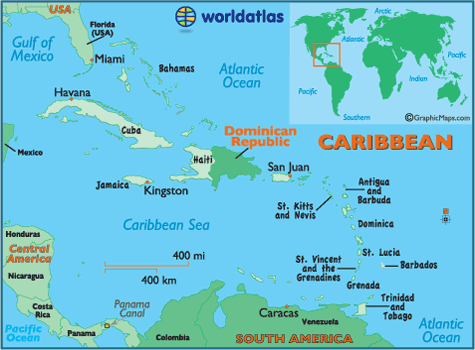
dom-rep-carib

Filed Under: Beers, Breweries Tagged With: Caribbean, Dominican Republic

Estonia Beer

February 24, 2012 By Jay Brooks

estonia
Today in 1918, Estonia gained their Independence from Russia.

Estonia
estonia-color

Estonia Breweries

  • AS A. Le Coq Tartu Õlletehas
  • The Beer House
  • Nigula Ölu
  • Saku Õlletehas
  • Saku Õlletehas
  • Viru Õlu AS

Estonia Brewery Guides

  • Beer Advocate
  • Beer Me
  • Rate Beer

Other Guides

  • CIA World Factbook
  • Official Website
  • U.S. Embassy
  • Wikipedia

Guild: None Known

National Regulatory Agency: None

Beverage Alcohol Labeling Requirements: Not Known

Drunk Driving Laws: BAC 0.02%

Estonia

  • Full Name: Republic of Estonia
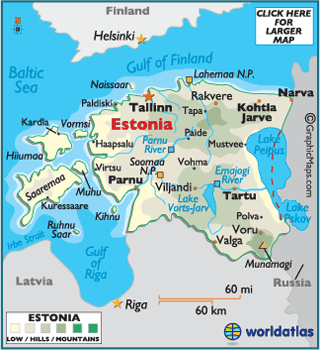
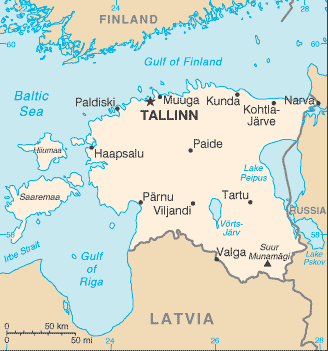
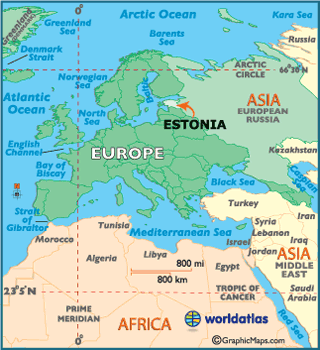
  • Location: Eastern Europe, bordering the Baltic Sea and Gulf of Finland, between Latvia and Russia
  • Government Type: Parliamentary Republic
  • Language: Estonian (official) 67.3%, Russian 29.7%, other 2.3%
  • Religion(s): Evangelical Lutheran 13.6%, Orthodox 12.8%, other Christian (including Methodist, Seventh-Day Adventist, Roman Catholic, Pentecostal) 1.4%, unaffiliated 34.1%, other and unspecified 32%, none 6.1%
  • Capital: Tallinn
  • Population: 1,274,709; 156th
  • Area: 45,228 sq km, 133rd
  • Comparative Area: Slightly smaller than New Hampshire and Vermont combined
  • National Food: Verivorst with Mulgikapsad (sauerkraut stew)
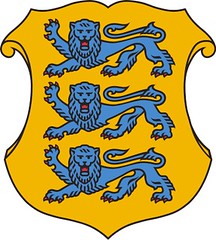
  • National Symbols: Barn Swallow; Cornflower; Oak tree; Limestone
  • Affiliations: UN, EU, NATO
  • Independence: From Russia, February 24, 1918 / From USSR, August 20, 1991

estonia-coa

  • Alcohol Legal: Yes
  • Minimum Drinking Age: 18
    Drinking in public is prohibited for everyone. Stores may sell alcohol only between 10 a.m. and 10 p.m.
  • BAC: 0.02%
  • Label Requirements: N/A
  • Number of Breweries: 9

EstoniaP84-25Krooni-2002-donatedoy_f

  • How to Say “Beer”: õlu
  • How to Order a Beer: Ooks ur-loo, pah-lun
  • How to Say “Cheers”: Tervist / Terviseks (“to your health”)
  • Toasting Etiquette: N/A

estonia-map

Alcohol Consumption By Type:

  • Beer: 34%
  • Wine: 7%
  • Spirits: 57%
  • Other: 2%

Alcohol Consumption Per Capita (in litres):

  • Recorded: 13.77
  • Unrecorded: 1.80
  • Total: 15.57
  • Beer: 5.53

WHO Alcohol Data:

  • Per Capita Consumption: 13.80 litres
  • Alcohol Consumption Trend: Increase
  • Excise Taxes: Yes
  • Minimum Age: 18
  • Sales Restrictions: Time, places
  • Advertising Restrictions: Yes
  • Sponsorship/Promotional Restrictions: Yes

Patterns of Drinking Score: 3

Prohibition: None

estonia-eu

Filed Under: Beers, Breweries Tagged With: Estonia, Europe

It’s Official: February Declared California Beer Month

February 23, 2012 By Jay Brooks

california
It’s been rumored for weeks, maybe longer, but I got the word a few days ago that the California Senate would vote this morning between 9 and 10 o’clock on SCR 66, introduced by Senate majority leader Ellen Corbett, a resolution to declare February California Beer Month. Rick Sellers, who writes at Pacific Brew News and lives in Sacramento, was on hand and a few minutes ago tweeted that the senate passed the resolution 36-0!

Here’s the text of the resolution:

SCR 66, as introduced, Corbett. California Craft Brewery Month. This measure would proclaim the month of February 2012 as California Craft Brewery Month.

WHEREAS, California is the birthplace of the craft brewing movement, when Fritz Maytag acquired the Anchor Brewing Company in 1965 and began brewing authentic, handcrafted beers;
and

WHEREAS, California is the home of the first microbrewery, beginning with Jack McAuliffe who built a small brewery in Sonoma from scratch, and began selling New Albion ales in 1977;
and

WHEREAS, The second largest craft brewer in the country, Sierra Nevada Brewing Company, was founded in Chico, California, in 1979, and spurred the craft brewery movement around the country; and

WHEREAS, In 1977, Governor Jerry Brown signed Assembly Bill 3610 to amend the state’s tied-house laws to remove the restriction on on-premises sales of craft beer. Following this change in law, California became home to three of the first five brewpubs in America; and

WHEREAS, The second brewpub in America was opened by the Mendocino Brewery in Hopland, California; the third brewpub, opened in September 1984, was Buffalo Bill’s in Hayward, California; and the fifth, opened by John Martin in March 1986, was Triple Rock Brewery in Berkeley, California; and

WHEREAS, The California craft brewery industry has an annual impact of $500 million on the state’s economy in direct wages and benefits; and

WHEREAS, The California craft brewery industry creates more than 17,000 jobs, which in turn creates billions of dollars in positive economic impact; and

WHEREAS, The California craft brewery industry creates more revenue for the state and federal governments than many other industries, generating more than $36 million in taxes in 2010; and

WHEREAS, California now has more breweries than any other state in the country, including over 280 small, independently owned craft breweries; and

WHEREAS, California is now known and recognized internationally for the quality of its craft breweries. Year after year, Californian breweries win more medals at the World Beer Cup, the largest international beer competition in the world, and the Great American Beer Festival, the largest beer competition in the United States, than breweries found in other states; and

WHEREAS, Brewery tourism is increasingly popular and contributes to the economic impact of the state’s tourism industry; and

WHEREAS, The California craft brewery industry is a leader in the stewardship of natural resources and the environment, and has made a major commitment to implement sustainable practices that are environmentally sound, including some of the largest solar arrays in the private sector, and the use of fuel cells and other innovative conservation techniques and processes; and

WHEREAS, Despite the challenges of intense global competition, the state’s craft brewery industry is strong and growing, and is a major contributor to the economic vitality of California; now, therefore, be it Resolved by the Senate of the State of California, the Assembly thereof concurring, That the Legislature hereby proclaims the month of February 2012 as California Craft Brewery Month; and be it further Resolved, That the Secretary of the Senate transmit copies of this resolution to the author for appropriate distribution.

And not a moment too soon, only 23 days into the month. Now that’s political efficiency. I’ll post more details as they become available. At least this year there’s an extra day in the month to celebrate. Happy California Beer Month everybody.

Filed Under: Beers, Breweries, Just For Fun, News, Politics & Law Tagged With: California, Holidays

Homebrewing: The Ultimate DIY

February 23, 2012 By Jay Brooks

homebrewing
This will be obvious to anyone who’s ever home brewed, but it’s still nice to see it laid out. Dave Conz, who’s an assistant research professor at the Center for Nanotechnology in Society and the Consortium for Science, Policy, and Outcomes (and a lecturer in interdisciplinary studies in the School of Letters and Sciences at Arizona State University) penned an article, What Beer Can Teach Us About Emerging Technologies, where he makes the case that the legalization of homebrewing led to the rise in commercial brewers and breweries, along with a wave of innovation and creativity. Hard to disagree with that. To my mind, homebrewing is easily the ultimate DIY.

Filed Under: Breweries, Just For Fun Tagged With: Arizona, Homebrewing, Science of Brewing

Saint Lucia Beer

February 22, 2012 By Jay Brooks

st_lucia
Today in 1979, Saint Lucia gained their Independence from the United Kingdom.

Saint Lucia
st-lucia-color

Saint Lucia Breweries

  • Piton Beer
  • Piton Beer: Vieux Fort, Saint Lucia
  • Plantation Brewing House
  • Windward & Leeward Brewery Ltd. (Heineken)

Saint Lucia Brewery Guides

  • Beer Advocate
  • Beer Me
  • Rate Beer

Other Guides

  • CIA World Factbook
  • Official Website
  • U.S. Embassy
  • Wikipedia

Guild: None Known

National Regulatory Agency: None

Beverage Alcohol Labeling Requirements: Not Known

Drunk Driving Laws: Unknown

St-Lucia

  • Full Name: Saint Lucia
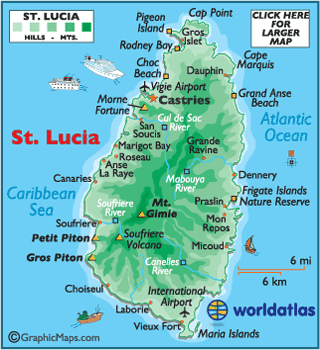
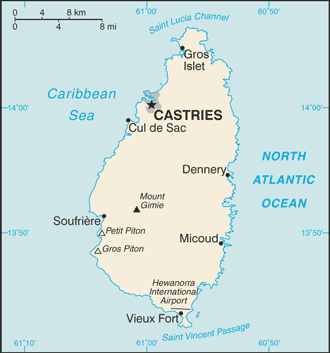
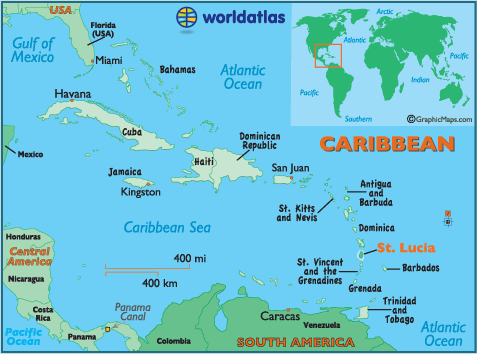
  • Location: Caribbean, island between the Caribbean Sea and North Atlantic Ocean, north of Trinidad and Tobago
  • Government Type: Parliamentary democracy and a Commonwealth realm
  • Language: English (official), French patois
  • Religion(s): Roman Catholic 67.5%, Protestant 18.2% (Seventh-Day Adventist 8.5%, Pentecostal 5.7%, Anglican 2%, Evangelical 2%), other Christian 5.1%, Rastafarian 2.1%, other 1.1%, unspecified 1.5%, none 4.5%
  • Capital: Castries
  • Population: 162,178; 186th
  • Area: 616 sq km, 193rd
  • Comparative Area: Three and a half times the size of Washington, DC
  • National Food: Green Fig & Salt Fish Pie
  • National Symbol: St. Lucian Parrot
  • Nickname: Helen of the West or Helen of the West Indies
  • Affiliations: UN, Commonwealth, OAS
  • Independence: From the UK, February 22, 1979

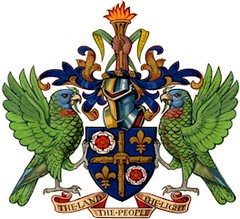
Saint_Lucia_Coat_of_Arms

  • Alcohol Legal: Yes
  • Minimum Drinking Age: 18
  • BAC: N/A
  • Label Requirements: N/A
  • Number of Breweries: 2

EastCaribbeanStatesPNew(L-St Lucia)-5Dollars-(2003)_f

  • How to Say “Beer”: beer
  • How to Order a Beer: One beer, please
  • How to Say “Cheers”: Cheers
  • Toasting Etiquette: N/A

st-lucia-map

Alcohol Consumption By Type:

  • Beer: 27%
  • Wine: 6%
  • Spirits: 65%
  • Other: 2%

Alcohol Consumption Per Capita (in litres):

  • Recorded: 11.35
  • Unrecorded: 0.50
  • Total: 11.85
  • Beer: 3.49

WHO Alcohol Data:

  • Per Capita Consumption: 11.4 litres
  • Alcohol Consumption Trend: Stable
  • Excise Taxes: N/A
  • Minimum Age: 18
  • Sales Restrictions: N/A
  • Advertising Restrictions: N/A
  • Sponsorship/Promotional Restrictions: N/A

Patterns of Drinking Score: 2

Prohibition: None

st-lucia-carib

Filed Under: Beers, Breweries Tagged With: Caribbean, Saint Lucia

Celebrator 24th Anniversary Party

February 21, 2012 By Jay Brooks

sf-bw-2012
Steve Atkinson, who does great video work for the Celebrator and others, put together this fun video from last night’s SF Beer Week closing celebration at the Trumer Brauerei in Berkeley. I should give you fair warning; you will have to suffer through not one, but two interviews with yours truly. Enjoy.

Filed Under: Beers, Breweries, Events, Just For Fun, SF Beer Week Tagged With: Bay Area, California, Video

« Previous Page
Next Page »

Find Something

Northern California Breweries

Please consider purchasing my latest book, California Breweries North, available from Amazon, or ask for it at your local bookstore.

Recent Comments

  • Bob Paolino on Beer Birthday: Grant Johnston
  • Gambrinus on Historic Beer Birthday: A.J. Houghton
  • Ernie Dewing on Historic Beer Birthday: Charles William Bergner 
  • Steve 'Pudgy' De Rose on Historic Beer Birthday: Jacob Schmidt
  • Jay Brooks on Beer Birthday: Bill Owens

Recent Posts

  • Historic Beer Birthday: Frederick Kirschner May 21, 2026
  • Beer Birthday: Nick Matt May 21, 2026
  • Historic Beer Birthday: Oliver Hughes May 20, 2026
  • Historic Beer Birthday: Benjamin, Lord Iveagh May 20, 2026
  • Historic Beer Birthday: Eduard Buchner May 20, 2026

BBB Archives

Feedback

Head Quarter
This site is hosted and maintained by H25Q.dev. Any questions or comments for the webmaster can be directed here.