
Wednesday’s ad is for Orval, from 1931, though some sources say it’s from the 1920s. From the late 1800s until the 1940s, poster art really came into its own, and in
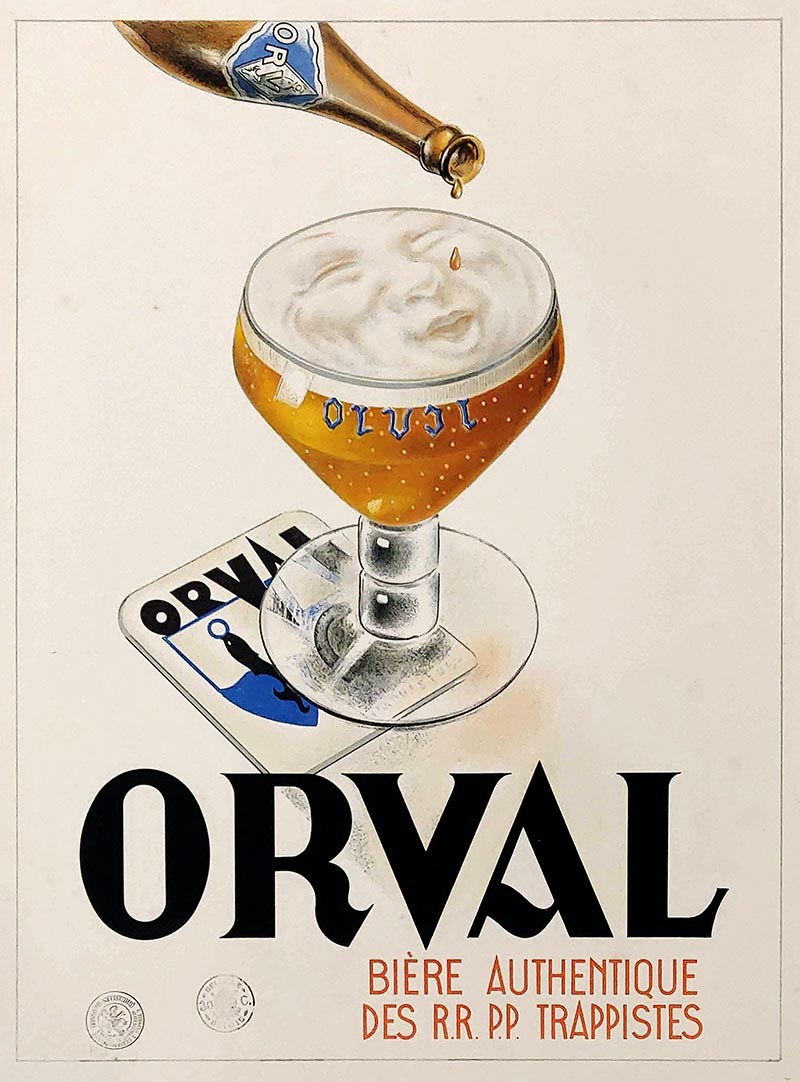

Wednesday’s ad is for Orval, from 1931, though some sources say it’s from the 1920s. From the late 1800s until the 1940s, poster art really came into its own, and in


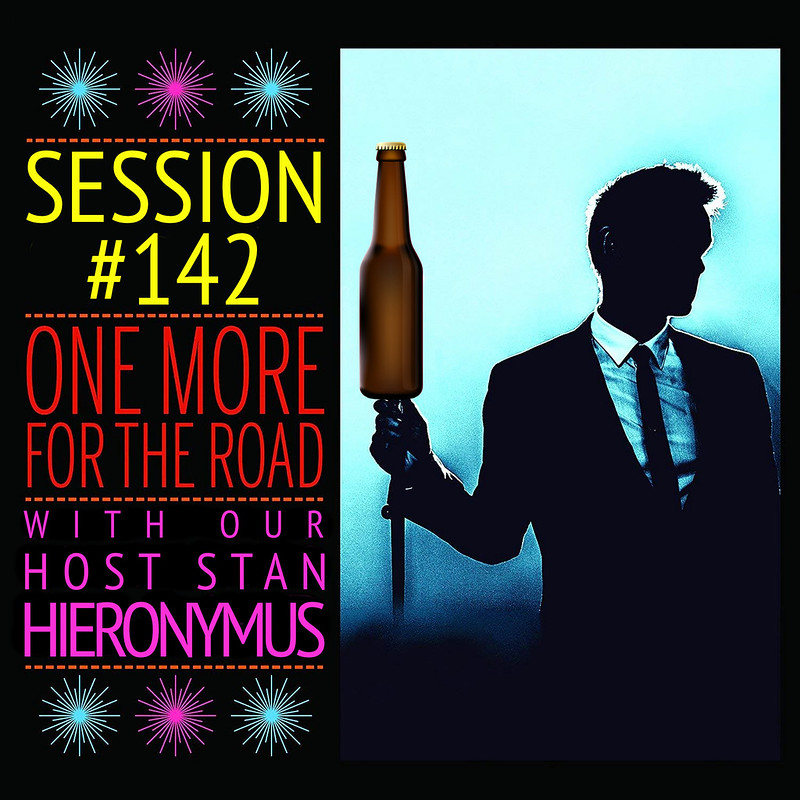
For our 142nd and final Session, our host is Stan Hieronymus, who founded the Session, and writes the Appellation Beer Blog. I could think of no better person than the man who started it all with the first Session back in March of 2007. For Stan’s topic this month, he’s chosen One More For the Road, which he sums up as going out with a bang, um … I mean beer; going out with a beer. So what beer would you choose? If you only have one to pick — and you do — what would it be? How would (will) you decide? You only have one more beer to drink, make it count.
Here are Stan’s simple instructions, in full:
When Jay Brooks and I exchanged emails about the topic this month I flippantly suggested “Funeral Beers” [which] seemed appropriate. You can call it “Last Beers” if you’d rather not think about how your friends might toast you when you no longer are participating. Or “One more for the road”* because that has a soundtrack.
Pick a beer for the end of a life, an end of a meal, an end of a day, an end of a relationship. So happy or sad, or something between. Write about the beer. Write about the aroma, the flavor, and write about what you feel when it is gone.
For me, it’s the end of The Session itself, a bittersweet event because I’ve been helping to shepherd the project almost since its beginning and feel a deep sense of loss over its conclusion. That’s despite the fact that I also helped pull the plug, but because the writing was (or in this case no longer was) on the wall and it seemed to have run its course. But that didn’t make it any easier to decide. I think it was the right thing to do, but I’m still sad about it. So what beer did I decide to mark the last Session? I opened one of our garage refrigerators and looked for something appropriate, finally settling on something sour to match my mood. It’s one of my favorite beers, one of the early sour beers I really fell in love with, and over the years I’ve been surprised to learn that not many people love it as much as I do — finding it okay, or good, but not great. I think they’re wrong, but hey, tastes are somewhat individual. Plus, I think it just occupies a special place in my heart because it was one of the first sour beers I loved. I’m talking about Duchesse de Bourgogne, a West-Flemish red brown ale brewed by Brouwerij Verhaeghe, in Vichte, West-Vlaanderen, Belgium.
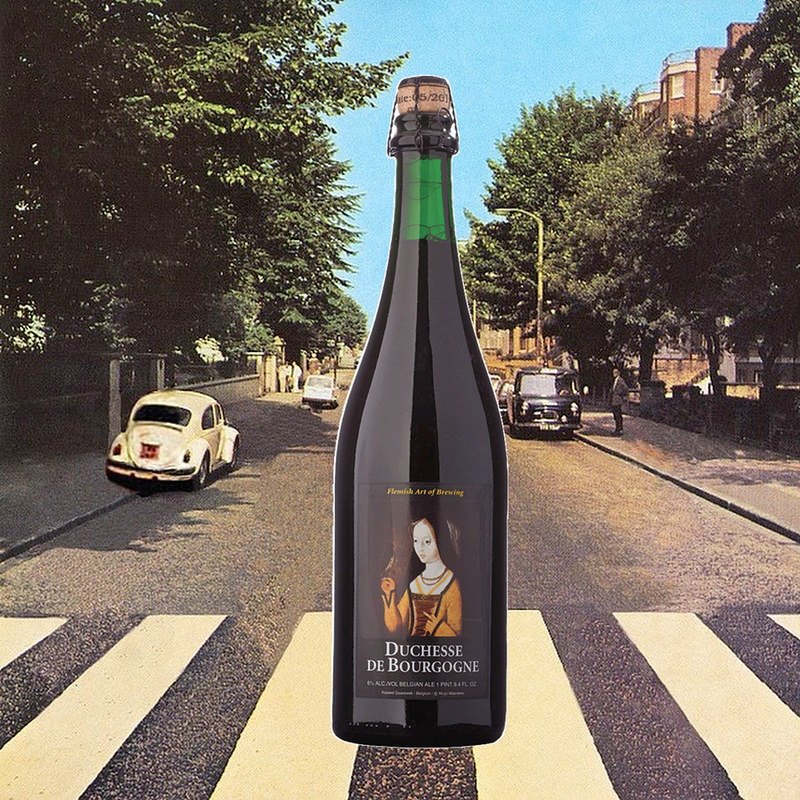
I don’t actually remember when or where I first tried Duchesse de Bourgogne, but I know I was immediately smitten. I remember how vinegary it was, especially in the aroma, but also the sweetness and malt character, with loads of fruit, how heavy on the tongue, the weight of it on my mouth. And ultimately, how satisfying it felt to drink it.
This is the brewery’s description of their beer:
“Duchesse de Bourgogne” is an ale of mixed fermentation. It is a sweet-fruity ale with a pleasant fresh aftertaste. This ale is brewed with roasted malts and with hops with a low bitterness. After the main fermentation and the lagering, the “Duchesse de Bourgogne” matures further for many months in oak casks. The tannins in the oak give the “Duchesse de Bourgogne” its fruity character. “Duchesse de Bourgogne” has a full, sweet and fresh taste: it is a ruby red jewel of 6.2 % alc. vol., that best is served in a chalice-shaped glass between 8 and 12°C. A perfect beer.
And this is how it’s described on Wikipedia:
Duchesse de Bourgogne is a Flanders red ale-style beer produced by Brouwerij Verhaeghe in Vichte, Belgium. After a primary and secondary fermentation, this ale is matured in oak barrels for 18 months. The final product is a blend of a younger 8-month-old beer with an 18-month-old beer. The name of the beer is meant to honour Duchess Mary of Burgundy, the only daughter of Charles the Bold. She was born in Brussels in 1457, and died in a horse riding accident. Like all Flemish red ales, Duchesse de Bourgogne has a characteristically sour, fruity flavour similar to that of lambic beers.
The beer, of course, was named for Mary of Burgundy. Several years ago, I wrote this about Mary:
Beer aside, the history of the Duchesse is fascinating. Her anglicized name was Mary of Burgundy, though she was born in Brussels on February 13, 1457, the only child of Charles the Bold, Duke of Burgundy, and his wife Isabella of Bourbon. Needless to say she was quite a catch, especially after her father died in battle (at the siege of Nancy, not a particularly awful sounding name) in 1477, when she was nineteen. Louis XI of France tried to take Burgundy and the Low Countries for himself but was frustrated when Mary signed the “Great Privilege,” by which she gave Flanders, Brabant, Hainaut, and all of Holland autonomous rule (leaving for herself the remainder of the Low Countries, Artois, Luxembourg, and Franche-Comté). She then married Archduke Maximilian of Austria, who was later the Holy Roman Emperor Maximilian I, and part of the Hapsburg Austrian dynasty. This sparked a long-standing dispute over the Low Countries between France and the Hapsburg family.
One of Mary’s favorite hobbies was falconing, which was popular among royals in the day. Falconry is basically training and hunting using a falcon. While engaged in this pursuit, in 1482, Mary’s horse tripped, tossing her onto the ground where the horse then landed on top of her, breaking her back. A few days later she died. Mary was only 25. The beer label’s portrait pays homage to her love of falconry and her ultimate death because of it.
Her young son Philip became heir after her death, though Maximilian was in charge until he reached adulthood. King Louis forced Maximilian to sign the Treaty of Arras the same year, and it gave Franche Comté and Artois to France. But Philip was a virtual prisoner until 1485, and then it took Max another eight years to take back control of their lands in the Low Countries. The Treaty of Senlis, in 1493, finally established peace in the area, but Burgundy and Picardy remained French.
So during her short life, Mary had such great impact on European politics that they can be felt even now in the present. So it’s quite appropriate that she have so wonderful a beer that bears her name and her portrait. It’s a fitting legacy.
Unfortunately, I don’t drink it all the time, just once in a while. Maybe I don’t want to ruin the experience by drinking it every day, or even once a week. As a once in a while beer, it stays special, every time. I usually try to keep a bottle in the ‘frig at all times, so when I want one, it’s already there, waiting for me. But it has been almost a year, maybe longer, since I’d cracked open a bottle of Duchesse de Bourgogne. I was looking forward to it, but also I always wonder how it will taste this time, will it taste the same? As good as I remember it? But it’s always an adventure.
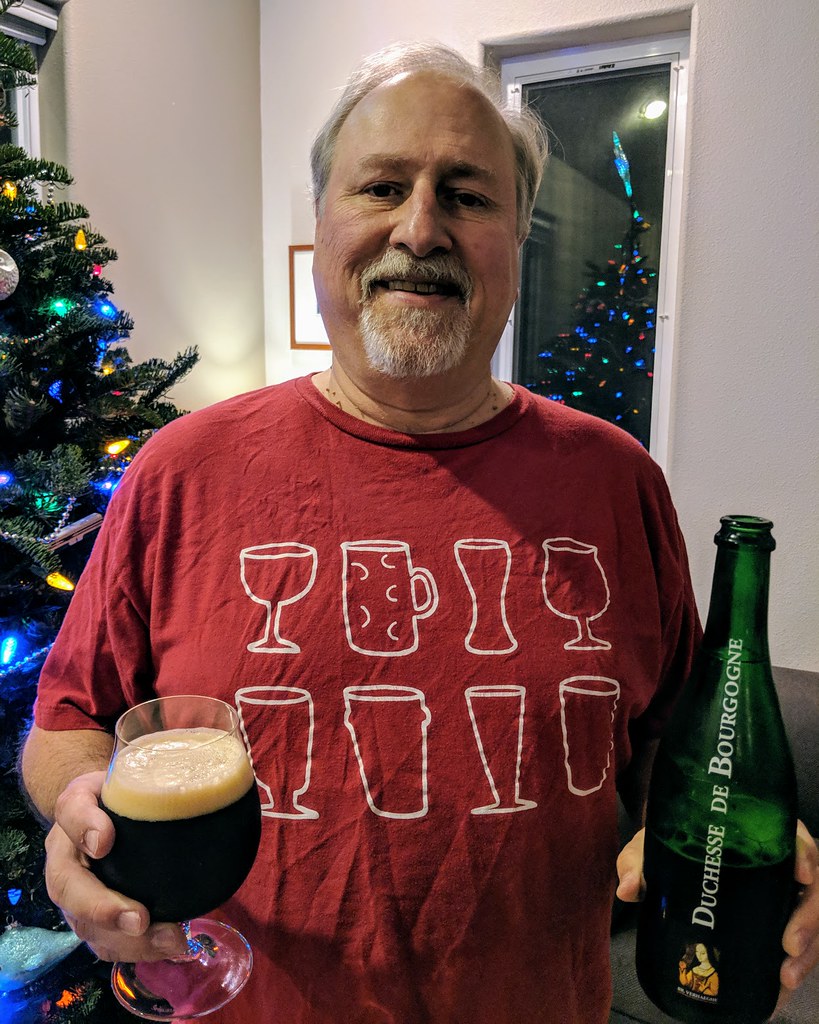
So how did this bottle of Duchesse de Bourgogne fare? After a long week, driving half a high school basketball team back and forth to another town, an hour away, four days in a row, then scoring each game, plus trying to do all of my other work took its toll. Finally, Sunday came, a day of rest … eventually. The Packers actually won for a change, which certainly improved my mood. By nightfall, it was quiet enough to open a bottle and spend some time with it. So I opened the cage, popped the cork, and poured a glass of Duchesse de Bourgogne. I let Sarah nose it, and she predictably hated it. She loves most beer, but has never warmed to sour beers in any way, although she loves Kombucha. I hate sour foods, but love it in beer. People certainly don’t make sense. I’m living proof of that.
But I loved the nose. A little less vinegar than I remembered from before, but still there, and still loads of fruit; plums, cherries, maybe burgundy. But it’s the flavors I really respond to, it’s just thick and chewy; lays on my tongue like a weight, until swallowed. I like to let it sit there, roll it around, keep the flavors assaulting my taste buds until they start to dissipate, like chewing gum you’ve been chewing for too long. Then flush it down my throat, feel the sourness burn all the way down, as it evaporates on my tongue, preparing the way for another sip. I love this beer. I remember why as that second sip repeats the first, as complex flavors abound, with vinous notes, wood, dark fruit, figs, tart cherries, a smidge of vanilla, port wine, both sweet and sour dancing together. This is a beer that ideally you should take as long as possible to finish, it should not be hurried. It changes as it warms, which adds yet another element to the experience, so it’s not quite the same beer it was in the first few sips as it is when you drain the last remnants of the bottle. And when it’s empty, I’m a little sad, which is how I feel about the Session ending, too. So for this Session, it’s perfect. A perfect beer, a perfect end.
So that’s it. It’s been great fun, a great run. 142 Sessions over 11+ years. Thanks to everybody who hosted and everybody who participated, and especially Stan. Thanks, Stan.

So this post will be chiefly for the literary, and especially poetry lovers, among you, a small subset of beer lovers who also enjoy art. Visual poetry is “a development of concrete poetry but with the characteristics of intermedia in which non-representational language and visual elements predominate. In other words, it was experimental or avant-garde poetry in which the arrangement of the text also was a part of the poem’s meaning, which was communicated both visually and through the text itself.
Two Mexican poets in the 1920s, José D. Frias and José María González de Mendoza were both expatriates living in France and became friends, later exchanging humorous letters between themselves and their literary friends. Today is Mendoza’s birthday, which is what reminded me of this.
In 1923, the pair wrote a letter from Paris to fellow poet Francisco Orozco Muñoz that included four visual poems. They were based on the work of French poet Guillaume Apollinaire, who a few years before wrote a book of visual poetry entitled Calligrammes: Poems of Peace and War 1913-1916. They also were influenced by Japanese Haiku, which had become popular at the time in their literary circles, as opposed to Apollinaire’s more cubist or l’esprit nouveau poetry.
Three of the visual poems were written by Frias and translated visually by Mendoza. But the fourth poem was done entirely by Mendoza, and it’s the one below. All four poems contain witty references to the fact that Muñoz was living in Brussels.
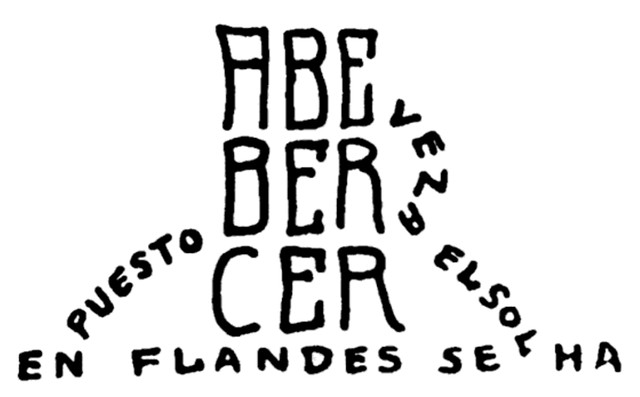
The text is in the shape of a mug of beer, sitting on a table, and reads, according to several books on visual poetry, “Let’s Have a Beer” followed by “The Sun Has Already Set in Flanders.”

This is fun. The Belgian Brewers’ Association has released a set of 60 beer emojis, each one a different member beer in its proper proprietary and logo glass.
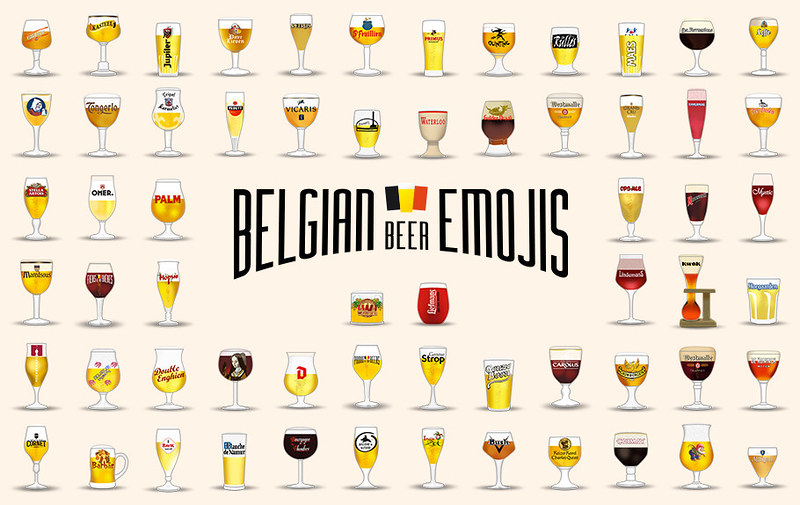
While not technically emojis (they’s not approved by the Unicode Consortium, and are really virtual stickers) they’re still pretty cool. They can be downloaded at Apple’s app store or Google Play. While the website and news stories mention 60 different ones, I count 118 emojis for iMessage and stickers for WhatsApp or Facebook Messenger, unless I’m missing duplicates. Sadly, I don’t see one for Orval, which is a shame.
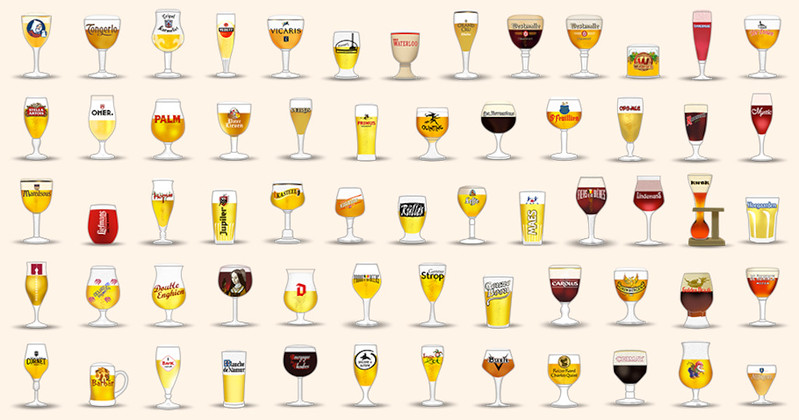
I’m not sure how useful they are, but it’s certainly a fun idea. Now if only I get them to work, but that’s another story.


I was at a conference in Sacramento most of the day, but it was hard to escape the jaw-dropping news that Anheuser-Busch InBev has acquired another brewery to add to its growing portfolio. That kind of news is becoming almost routine, but this time the brewery they bought is a little surprising. Brouwerij Bosteels, who until this deal was a member of the Belgian Family Brewers, makes a trio of high profile, well-known beers: Kwak, Tripel Karmeliet and DeuS. Until now, the brewery had been in the same family — the Bosteels — for over 200 years, and seven generations, having been founded Evarist Bosteels in 1791.
While the price was not disclosed, the rumor is $225 million, or “15 times enterprise value to Ebitda,” according to The Street, by way of reports coming out of Belgium. Antoine Bosteels will continue to run the family business
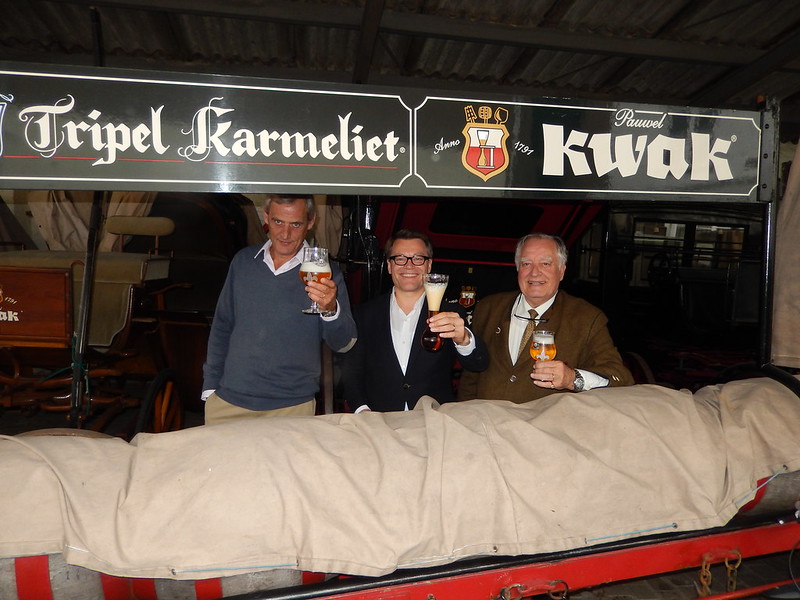
Antoine Bosteels (center, with his father to the right) during a visit to the brewery in 2013.
Via Craft Business Daily, Korneel Warlop, who is the Manager External Communication BeLux & Global at Anheuser-Busch InBev, said “Bosteels will continue brewing its heritage brands Tripel Karmeliet, Kwak and DeuS in the original brewery in Buggenhout, Belgium.
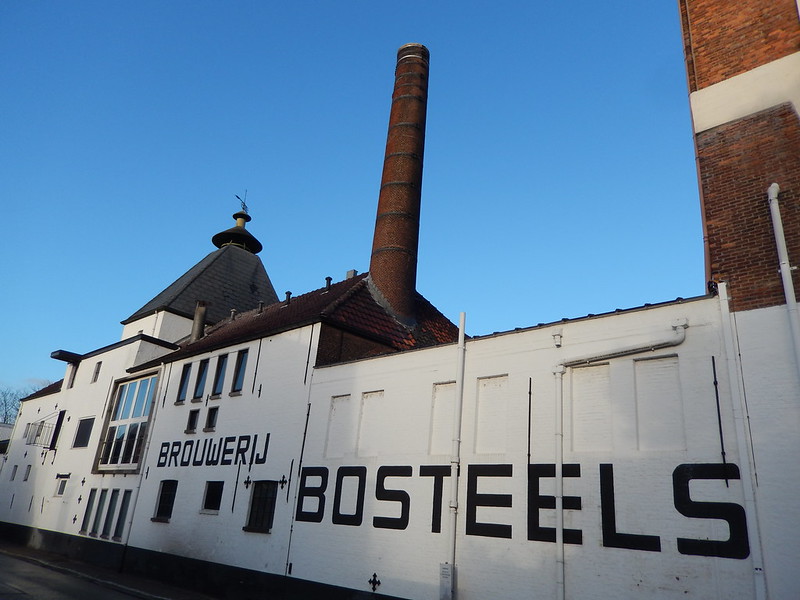
The Bosteels brewery during a second trip there, also in 2013.

If that headline surprised you, it really shouldn’t have. But like the beer made from John’s beard, or the chicha Dogfish Head made using human spit, it just sounds unappetizing. Until you remember that it’s all sterilized and boiled so the finished product is as sanitary as any other beer.
So when I saw the headline from Reuters, “Belgian scientists make novel water-from-urine machine,” and another, First We Feast, “Scientists Have Finally Discovered a Way to Turn Human Urine Into Beer,” my first thought was “sure, why not.” The story, it turns out, is about a team of researchers at Ghent University who have invented a “machine that turns urine into drinkable water and fertilizer using solar energy, a technique which could be applied in rural areas and developing countries.” The explanation of how it works, from Reuters:
While there are other options for treating waste water, the system applied at the University of Ghent uses a special membrane, is said to be energy-efficient and to be applicable in areas off the electricity grid.
“We’re able to recover fertilizer and drinking water from urine using just a simple process and solar energy,” said University of Ghent researcher Sebastiaan Derese.
The urine is collected in a big tank, heated in a solar-powered boiler before passing through the membrane where the water is recovered and nutrients such as potassium, nitrogen and phosphorus are separated.
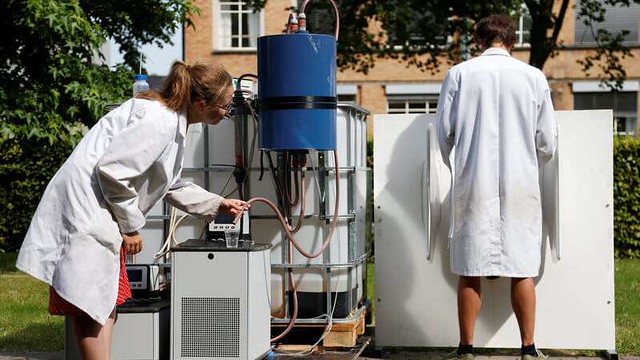
First We Feast added:
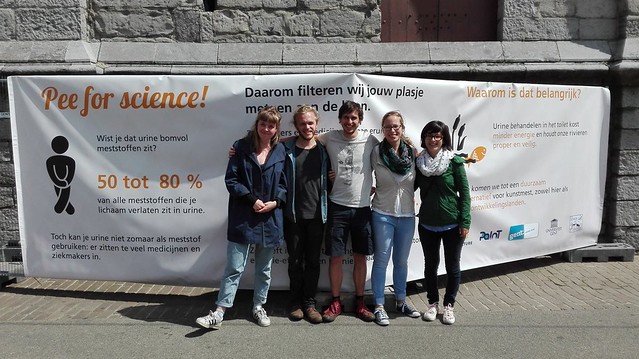
The scientists recently put their invention to the test during a 10-day festival in Ghent. Using the hashtag #PeeForScience, the team encouraged festival-goers to stop by their stand and donate to the cause by relieving themselves. The researchers ended up collecting a whopping 1,000 liters of pee from everyone who participated.
The team believe its machine will have its biggest impact in rural areas, wherever water is scarce and throughout the third world. But apparently as in other projects the Ghent team was involved in, they’ll use some of the water collected to make beer. Program director Derese called this part of the plan “from sewer to brewer.”
There’s many old jokes about American beer being horse piss, so maybe now it really can be. If it reduces costs even a little, you know the megabrewers would be willing to give it a try.

Merchant du Vin, which was started by Charles and Rose Ann Finkel, is an importer of beer. But not just another importer, but one of the earliest in America to begin bringing in some of the world’s best beers. Like many people, one my first introductions to Belgian beer was Orval, which they started importing in 1978, along with others like Lindemans, Rochefort, Westmalle and others. This year, they’ve decided to promote Orval by creating “Orval Day” to celebrate the beer. It’s certainly one of my favorites. So it may be a marketing ploy, but so are many other holidays, and I think the beer is so good that it deserves its own day.
Here’s the info about Orval Day from Merchant du Vin’s website:
On March 26th, devotees of Orval Trappist Ale – and even some folks who haven’t tried it yet – will convene upon their favorite bar to celebrate one of the world’s most unique beers. Orval was the first Brett beer to land on US shores, and has become the favorite beer for many star American brewers. Orval sells one beer, brewed to exquisite perfection within the walls of Notre Dame d’Orval Monastery in Belgium. It’s delicious when it leaves the brewery, but also evolves in the bottle for five years or more. A portion of the proceeds from Orval Day will be donated to MAP International.
2016 will be the first year of Orval Day: visit our events page to find a great beer.
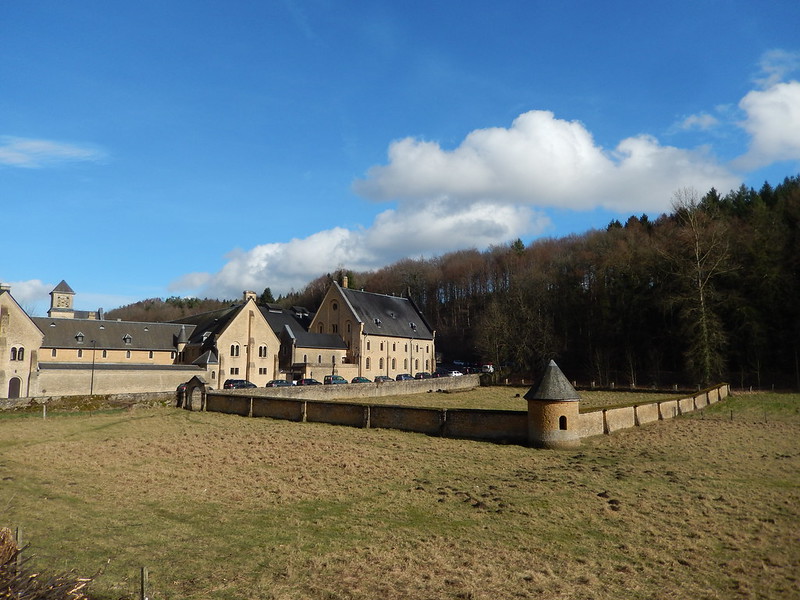
I last visited Orval in early 2014, so I thought I’d share a few of the photos I took of the brewery and abbey during that trip. Enjoy. And happy Orval Day.

Today is Wendy Littlefield’s 60th birthday. Wendy, along with her husband, ran the Belgian export company Vanberg & DeWulf, until quite recently, when the business was sold, although they continued for the next year with the company before starting the next chapter. Their portfolio included such great beer lines as Dupont, Castelain and Dubuisson (Bush). They were also the original founders of Brewery Ommegang. Four years ago was their 30th anniversary of being involved in the beer industry and bringing great beer to America. Plus, they’re great fun to hang out and drink with, especially in Belgium. Join me in wishing Wendy a very happy birthday.
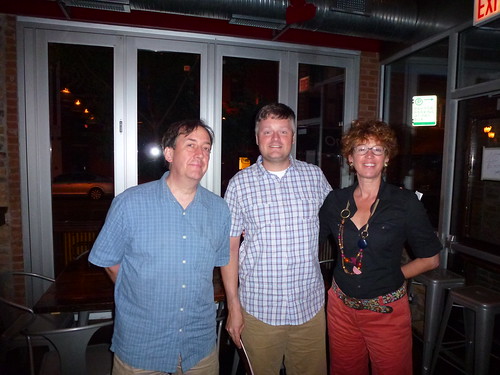
Michael Roper, owner of the Hopleaf, Jonathan Surratt, and Wendy, when we had dinner there a couple of years ago.
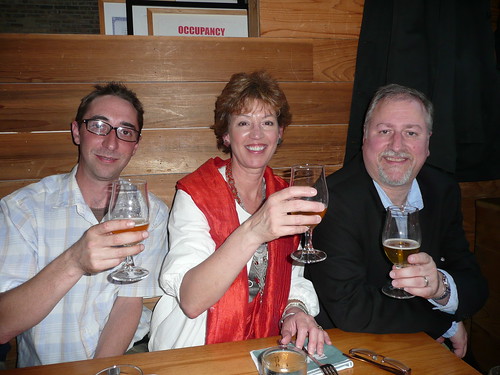
At an Avec beer dinner a few years ago.
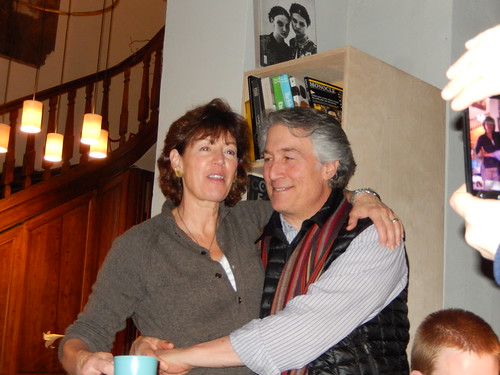
Wendy with husband Don Feinberg in Ghent at a beer dinner with Dilewyns last week.
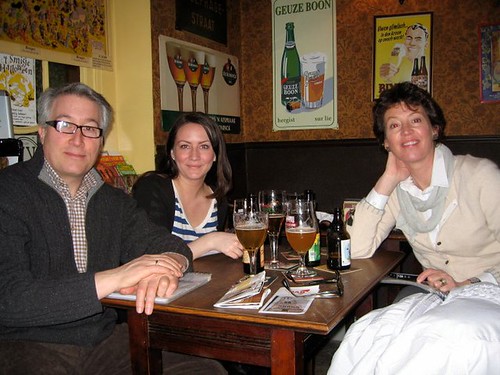
Don Feinberg, Anne (from New York’s Ginger Man) and Wendy in Belgium.
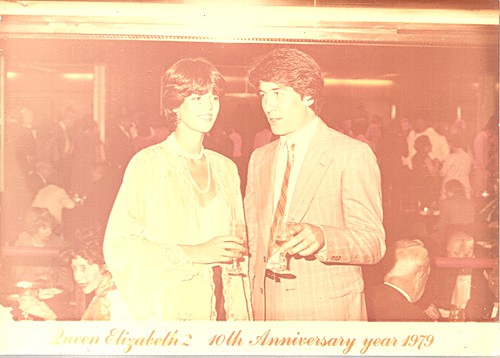
Wendy and Don in 1979.
NOTE: Photos purloined from Vanberg & DeWulf’s website and Facebook.

I first made Johann, the founder of Seef Bier, in San Francisco, when he was here to do a presentation with his importer and the Belgian Trade Delegation as he was beginning to import his beer to the U.S. And I quite like Seef, and have since I first tried it. I saw him most recently last month in Belgium, when he was on hand to pick up the gold medal for Seef he received at the Brussels Beer Challenge. At any rate, this morning he sent me this fun video of Christmas Wishes from Seefbier, a spoof of the popular Christmas carol recorded by Andy Williams, It’s the Most Wonderful Time of the Year. It really is the most wonderful time to drink beer. Enjoy.

Last Saturday, the winners of the 4th annual Brussels Beer Challenge were announced. A little over 1,100 beers were judged in 66 categories by 75 judges, of which I was again privileged to be one. This year the competition was held in Antwerp, and there was a 36% increase in the number of beers this year over last year’s competition, which also required an additional 15 judges. After two days of judging, the awards were announced at De Koninck.
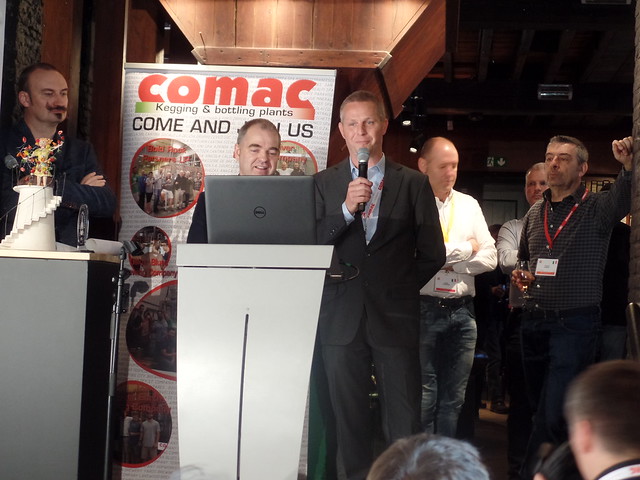
For the second straight year, the United States came out on top, winning the most medals. Here are the top medal winners, by country.
Medals Won by Country:

Category 1: Dark Ale: Abbey / Trappist Style Dubbel
Gold: Nucis, Kamun srl (Italy)
Silver: Diôle Brune, La Brasserie des Carrières (Belgium)
Bronze: Texels Dubbel, Texelse Bierbrouwerij BV (Netherlands)
Bronze: Moreneta Bruna-Brune, Barna Brew (Brouwerij Anders!) (Spain)
Certificate of Excellence: Terenez Brune, La brasserie du bout du monde (France)
Certificate of Excellence: Bon Secours Brune, Brasserie Caulier SPRL (Belgium)
Certificate of Excellence: Paljas Bruin, Brouwerij Henricus (Belgium)
Category 2: Dark Ale: Brown Ale
Gold: Davy Brown Ale, Figueroa Mountain Brewing (US)
Silver: UnderCover – Brown Ale, Coisbo Beer ApS (Denmark)
Bronze: Jopen 4Granen Bokbier, Jopenkerk Bierbrouwerij (Netherlands)
Certificate of Excellence: Bonfire Brown, Saugatuck Brewing (US)
Category 3: Dark Ale: Dark/Black IPA
Gold: Ebers Hopsfall 2015, Land Food & Beverage Soc. Coop. Agricola (Italy)
Silver: Turmoil, Barley Brown’s Beer (US)
Bronze: Bosuil – Tawny Owl, Brouwerij het Uiltje (Netherlands)
Certificate of Excellence: Black, Lucky Bastard (Czech Republic)
Category 4: Dark Ale: Oud Bruin (Flanders Brown Ale)
Silver: Liefmans Goudenband, Brouwerij Liefmans (Belgium)
Category 5: Dark Ale: Strong Dark Ale
Gold: Inglorious Quad, Inglorious Brew Stars (Belgium)
Gold: Edelhert Donker, De Heidebrouwerij 1 (Netherlands)
Bronze: Jopen Ongelovige Thomas – Doubting Thomas, Jopenkerk Bierbrouwerij (Netherlands)
Certificate of Excellence: Eden Quadrupel, De Lustige Brouwers (Belgium)
Category 6: Flavoured Beer: Chocolate
Gold: Zeven Zonden Invidia, Hugel (Belgium)
Silver: Global Mutt Baltic Porter, Wander Brewing (US)
Silver: Big Bad Baptist Imperial Stout, Epic Brewing (US)
Bronze: 7 Fjell Morgenstemning Coffee Stout, 7 Fjell Bryggeri (Norway)
Certificate of Excellence: Midnight Ritual, Moylan’s Brewing (US)
Category 7: Flavoured Beer: Coffee
Gold: Breakfast Stout, Barley Brown’s Beer (US)
Category 8: Flavoured Beer: Fruit Beer
Gold: Malagrika, Birrificio B94 SRL (Italy)
Silver: Boysenberry Fruit Puncheon, Wander Brewing (US)
Bronze: Red & White, Dogfish Head Craft Brewery (US)
Certificate of Excellence: Mort Subite Oude Kriek Lambic, Brouwerij Alken-Maes NV (Belgium)
Category 9: Flavoured Beer: Fruit Lambic
Gold: Kriek Boon Mariage Parfait, Brouwerij Boon N.V. (Belgium)
Silver: Oude Kriek Cuvée René, Brouwerij Lindemans (Belgium)
Bronze: Oude Kriek Oud Beersel, Oud Beersel BVBA (Belgium)
Certificate of Excellence: Timmermans Oude Kriek, Timmermans (Belgium)
Category 10: Flavoured Beer: Herb & Spice
Gold: Fleur Sofronia, MC77 – Birrificio Artigianale (Italy)
Silver: Zinnbach Kung Fu Beer, Shandong ZinnBach Biotechnology Co., LTD (China)
Bronze: Glezia, Glezia Beer (Belgium)
Category 11: Flavoured Beer: Honey Beer
Gold: Humdinger, Joseph Holt Ltd (UK)
Silver: Barbãr Blonde, Brasserie Lefebvre (Belgium)
Bronze: Samuel Adams Honey Queen, Boston Beer Company (US)
Category 12: Flavoured Beer: Pumpkin ale
Silver: Samuel Adams Harvest Pumpkin Ale, Boston Beer Company (US)
Bronze: Samuel Adams Fat Jack, Boston Beer Company (US)
Certificate of Excellence: Saranac Pumpkin Ale, FX Matt Brewing (US)
Category 13: Flavoured Beer: Smoked Beer
Gold: Bax Bier Koud Vuur, Bax Bier Groningen (Netherlands)
Silver: Arsa, Birrificio Birranova (Italy)
Bronze: Roulv, Bryggeriet Frejdahl (Denmark)
Certificate of Excellence: Stray Bird Smoked Porter, Stray Bird Brewery (China)
Certificate of Excellence: Smoked Revolution, Birrificio Birranova (Italy)
Category 14: Flavoured Beer: Sweet/Milk Stout
Gold: Nocturna, Kamun SRL (Italy)
Silver: Steel Toe Stout, Ska Brewing (US)
Bronze: Milk Stout, Left Hand Brewing (US)
Category 15: Flavoured Beer: Wood/Barrel Aged
Gold: Black Butte ^ 3, Deschutes Brewing (US)
Silver: Keyte Jubileum, Brouwerij Strubbe (Belgium)
Bronze: Ska Face, Ska Brewing (US)
Category 16: Lager: American-Style Pilsner
Silver: Salamander Hoppy Violet Potato Lager, Browar Stu Mostów (Poland)
Category 17: Lager: Bohemian-Style Pilsner
Silver: Bohemian Pilsner, Brauerei Lemke Berlin (Germany)
Bronze: Maes Pils, Brouwerij Alken-Maes NV (Belgium)
Category 18: Lager: Dark/Dunkel (including Schwarzbier)
Gold: Bamberg Schwarzbier, Cervejaria Bamberg (Brazil)
Silver: Vadia Preta, Cerveja Vadia (Portugal)
Bronze: Premium Dark, Primátor a.s. (Czech Republic)
Category 19: Lager: German-Style Dunkel Bock/Doppelbock
Gold: Ezelenbok, SNAB Bierbrouwers (Netherlands)
Silver: Bokkepruik, Brouwerij Hommeles (Netherlands)
Bronze: Cerveza Apóstol Premium Tipo Bock, Indsutria de Cervezas y Bebidas SAS (Colombia)
Certificate of Excellence: St. Christoffel Bock, Christoffel Bieren B.V. (Netherlands)
Category 20: Lager: German-Style Helles-/MaiBock/Doppelbock
Silver: San Miguel Selecta XV, Mahou San Miguel (Spain)
Bronze: Samuel Adams Double Bock, Boston Beer Company (US)
Bronze: Alfa Super Dort, Alfa brouwerij (Netherlands)
Certificate of Excellence:
Category 21: Lager: German-Style Märzen
Gold: Oachkatzlschwoaf, Urban Chestnut Brewing (US)
Silver: Octoberfest, Wormtown Brewery (US)
Bronze: Saranac Adirondack Lager, FX Matt Brewing (US)
Certificate of Excellence:
Category 22: Lager: German-Style Pilsner
Gold: Bavik Pils, Brouwerij de Brabandere (Belgium)
Silver: Schwarzbräu Stolz der Bayern Pilsener, Schwarzbräu GmbH (Germany)
Bronze: Cisk Export, Simonds Farsons Cisk (Malta)
Certificate of Excellence: ViaEmilia, Birrificio del Ducato (Italy)
Category 23: Lager: Helles
Gold: Birra Ichnusa Cruda, Heineken Italia (Italy)
Silver: Schwarzbräu Bayerisch Hell, Schwarzbräu GmbH (Germany)
Silver: Schwarzbräu Exquisit, Schwarzbräu GmbH (Germany)
Bronze: Brixia Lager, La Curtense (Italy)
Certificate of Excellence: Estaminet, Brouwerij Palm (Belgium)
Certificate of Excellence: Birra Ichnusa, Heineken Italia (Italy)
Category 24: Lager: Ice
Bronze: Corsaire, Brasserie Lorraine (France)
Category 25: Lager: International Style Pilsner
Gold: Asahi Super Dry, Asahi Breweries, Ltd (Japan)
Silver: Schwarzbräu Schweden Pils, Schwarzbräu GmbH (Germany)
Bronze: Bierland Pilsen, Cervejaria Bierland (Brazil)
Certificate of Excellence: De Leckere Pilsener, De Leckere BV (Netherlands)
Category 26: Lager: Light Lager
Gold: McGargles Fancy Frank’s Lager, Rye River Brewing (Ireland)
Silver: Heineken Light, Heineken International (Netherlands)
Bronze: San Miguel Fresca, Mahou San Miguel (Spain)
Certificate of Excellence: Utica Club Pilsener, FX Matt Brewing (US)
Category 27: Pale & Amber Ale: (Belgian style) Tripel
Gold: Hoegaarden Grand Cru, AB Inbev (Belgium)
Silver: Bersalis Tripel, Oud Beersel BVBA (Belgium)
Bronze: Rangsken, Den Houten Molen (Belgium)
Certificate of Excellence: Gouden Carolus Tripel, Brouwerij Het Anker (Belgium)
Category 28: Pale & Amber Ale: Abbey / Trappist Style Blond
Gold: Maredsous Blond, Duvel Moortgat (Belgium)
Silver: Affligem Blond, Brouwerij Alken-Maes NV (Belgium)
Bronze: 7PK, Vzw De Winning Maatwerk / PK (Belgium)
Certificate of Excellence: ABT Fundum Blond, Columbus Management / Zonderik Beer Company (Belgium)
Category 29: Pale & Amber Ale: Altbier
Gold: Bamberg Altbier, Cervejaria Bamberg (Brazil)
Silver: Samuel Adams Boston Ale, Boston Beer Company (US)
Bronze: Flying Bison Rusty Chain, FX Matt Brewing (US)
Certificate of Excellence:
Category 30: Pale & Amber Ale: Amber
Gold: Brevis Furor, Birrificio dei Castelli (Italy)
Silver: Palm, Brouwerij Palm (Belgium)
Bronze: Doom Bar, Sharp’s Brewery (UK)
Certificate of Excellence: Blue Label Ale, Simonds Farsons Cisk (Malta)
Category 31: Pale & Amber Ale: American IPA (Greater than 6.5 ABV)
Gold: Capivara Little IPA, Cerveja Blumenau (Brazil)
Silver: Odell IPA, Odell Brewing (US)
Bronze: Sculpin, Ballast Point Brewing and Spirits (US)
Certificate of Excellence: Pallet Jack IPA, Barley Brown’s Beer (US)
Category 32: Pale & Amber Ale: American IPA (Less than 6.5 ABV)
Gold: Hopvine IPA, Schooner Exact Brewing (US)
Silver: Be Hoppy, Wormtown Brewery (US)
Bronze: Long White Cloud Pale Ale, Long White Cloud Brewing (New Zealand)
Category 33: Pale & Amber Ale: Best Bitter
Gold: Cutthroat Pale Ale, Uinta Brewing (US)
Silver: 942, Dougall’s (Spain)
Bronze: Punks Do It Bitter, Birrificio Indipendente Elav (Italy)
Certificate of Excellence: Calico, Ballast Point Brewing and Spirits (US)
Category 34: Pale & Amber Ale: Bières de Garde ambrée
Gold: Brassin d’hiver, Brasserie du Mont-Blanc (France)
Silver: Terenez Blonde, La brasserie du bout du monde (France)
Bronze: La Rousse, Brasserie du Mont-Blanc (France)
Certificate of Excellence: Rare Vos, Brewery Ommegang (US)
Category 35: Pale & Amber Ale: Bitter
Gold: Jopen Jacobus RPA, Jopenkerk Bierbrouwerij (Netherlands)
Silver: Patagonia Küne Pale Ale, Cerveza Patagonia (Argentina)
Bronze: ROCK Ale Cut, Schlossbrauerei Friedenfels GmbH (Germany)
Category 36: Pale & Amber Ale: Bitter Blond / Golden Ale
Gold: Seef Bier, Antwerpse Brouw Compagnie NV (Belgium)
Silver: Steenbrugge Blond, Brouwerij de Gouden Boom (Belgium)
Bronze: Maneblusser, Brouwerij Het Anker (Belgium)
Category 37: Pale & Amber Ale: English IPA
Gold: San Blas – English IPA, Lord Chambray (Malta)
Silver: Dales Pale Ale, Oskar Blues Brewery (US)
Bronze: Butcombe Atlantic IPA, Butcombe Brewery (UK)
Certificate of Excellence: BBP Aupa Pale Ale, Basqueland Brewing Company S.L. (Spain)
Category 38: Pale & Amber Ale: Imperial IPA
Silver: The Calling IPA, Boulevard Brewing (US)
Bronze: Dreamcrusher, Deep Ellum Brewing (US)
Category 39: Pale & Amber Ale: Kölsch
Gold: BBP Captain Norbert Kolsch, Basqueland Brewing Company S.L. (Spain)
Category 40: Pale & Amber Ale: Light Bitter Blond / Golden Ale
Gold: Atlantic, Sharp’s Brewery (UK)
Silver: Bax Bier Kon Minder, Bax Bier Groningen (Netherlands)
Bronze: Wild Jo, Brouwerij de Koninck (Belgium)
Category 41: Pale & Amber Ale: Saison
Gold: Saison Dupont Biologique, Brasserie Dupont (Belgium)
Silver: Biir – Country Belgian Farmhouse Ale, Brouwerij Montaigu – BIIR Brewer Assoc. (Belgium)
Certificate of Excellence: Saison, Brouwerij Maximus B.V. (Netherlands)
Category 42: Pale & Amber Ale: Strong Blonde / Golden Ale
Gold: Tank 7 Farmhouse Ale, Boulevard Brewing (US)
Silver: St-Feuillien Grand Cru, Brasserie St-Feuillien (Belgium)
Bronze: Hopruiter, Scheldebrouwerij bvba (BElgium)
Certificate of Excellence: Caulier Triple / Gluten Free, Caulier Developpement SA / NV (Belgium)
Category 43: Pale & Amber Ale: Strong / Extra Special Bitter
Gold: ESB/Amber, Saugatuck Brewing (US)
Silver: Leyenda, Dougall’s (Spain)
Category 44: Red Ale: American Red Ale
Gold: Daylight, Track 7 Brewing (US)
Silver: Route 77, Birrificio il Mastio (Italy)
Bronze: Pastorale, Van Moll (Netherlands)
Certificate of Excellence: Ebers American Pale Ale 2015, Land Food & Beverage Soc. Coop. Agricola (Italy)
Category 45: Red Ale: Irish Red Ale
Gold: McGargles Granny Mary’s Red Ale, Rye River Brewing (Ireland)
Silver: Red Cap Irish Style Red Ale, Kulshan Brewing (US)
Bronze: Barbarossa, Birrificio Svevo di Cisco Vito (Italy)
Certificate of Excellence:
Category 46: Red Ale: Oud Rood (Flanders Red Ale)
Gold: Rodenbach Grand Cru, Brouwerij Rodenbach (Belgium)
Silver: Samuel Adams Kosmic Mother Funk Grand Cru, Boston Beer Company (US)
Bronze: Samuel Adams Stony Brook Red, Boston Beer Company (US)
Certificate of Excellence: Rodenbach, Brouwerij Rodenbach (Belgium)
Category 47: Speciality Beer: Barley Wine
Gold: Olde School Barley Wine, Dogfish Head Craft Brewery (US)
Silver: Fathead Barley Wine, Nebraska Brewing (US)
Bronze: Bohemia Reserva, Ambev S.A. (Brazil)
Certificate of Excellence: SEVEN, Coisbo Beer ApS (Denmark)
Category 48: Speciality Beer: Brut Beer
Bronze: Broeder Jacob Brut Rosé, Brouwerij Broeder Jacob (Belgium)
Category 49: Speciality Beer: Hybrid
Gold: Sun Barley Bio Blonde, Micro Birrificio Castel del Monte (Italy)
Silver: Karibu, Piccolo Birrificio Indipendente Decimoprimo (Italy)
Bronze: Brutus, Brouwerij Maximus B.V. (Netherlands)
Category 50: Speciality Beer: Lambic & Gueuze
Gold: Timmermans Oude Gueuze, Timmermans (Belgium)
Silver: Coolship Resurgam, Allagash Brewing (US)
Bronze: Sour Opal, Firestone Walker Brewing (US)
Certificate of Excellence: Gueuze Boon VAT 77, Brouwerij Boon N.V. (Belgium)
Category 51: Speciality Beer: Speciality Beer
Gold: Nonniversaire, HopSaSam (Belgium)
Silver: Petrus Aged Pale, Brouwerij de Brabandere (Belgium)
Bronze: Gulpener Ur-Hop, Gulpener Bierbrouwerij (Netherlands)
Certificate of Excellence:
Category 52: Speciality Beer: Winter Ales
Gold: Gulpener Wintervrund, Gulpener Bierbrouwerij (Netherlands)
Silver: UnderCover – Christmas Ale, Coisbo Beer ApS (Denmark)
Bronze:
Certificate of Excellence:
Category 53: Stout/Porter: American Stout
Gold: Calix Niger, Birrificio dei Castelli (Italy)
Silver: Obsidian Stout, Deschutes Brewing (US)
Bronze: Darker than your Soul, Saugatuck Brewing (US)
Category 54: Stout/Porter: Baltic Porter
Gold: Ballast Point Baltic Porter, Ballast Point Brewing and Spirits (US)
Bronze: Cornelius Porter, Sulimar Sp z o.o. (Poland)
Category 55: Stout/Porter: Dry Stout
Gold: Stringers Dry Stout, Stringers Beer (UK)
Silver: Dry Stout, Reuben’s Brews (US)
Silver: Dragoon’s Dry Irish Stout, Moylan’s Brewing (US)
Category 56: Stout/Porter: Oatmeal Stout
Gold: De Poet, New Holland Brewing (US)
Silver: Dragonstooth Stout, Elysian Brewing (US)
Certificate of Excellence: Oatmeal Stout, Blue Point Brewing (US)
Category 57: Stout/Porter: Porter
Gold: Magarìa, ‘a Magara (Italy)
Silver: Coconut Porter, Maui Brewing (US)
Bronze: Transporter, Kulshan Brewing (US)
Bronze: Arriaca Imperial Porter, Cervezas Arriaca SL (Spain)
Certificate of Excellence: Malvados Porter, Malvados Beer by Crevezart (Spain)
Certificate of Excellence: Turkunara, P3 Brewing (Italy)
Category 58: Stout/Porter: Russian Imperial Stout
Gold: Ten Fidy, Oskar Blues Brewery (US)
Silver: Mìerula, ‘a Magara (Italy)
Bronze: Ukrainian Imperial Stout, Pravda Beer Theatre (Ukraine)
Certificate of Excellence: Nautilus, Birrificio Mezzavia (Italy)
Category 59: Stout/Porter: Stout Export
Gold: Tsunami Stout, Pelican Pub & Brewery (US)
Silver: Duits & Lauret Stout, Duits & Lauret (Netherlands)
Bronze: Voreia Stout, SIRIS Microbrewery (Greece)
Certificate of Excellence: Asahi Stout, Asahi Breweries, Ltd (Japan)
Category 60: Wheat: Dubbel Wit / Imperial White
Gold: IJwit, Brouwerij ‘t IJ (Netherlands)
Category 61: Wheat: Dunkel Weizen
Bronze: Friedenfelser Dunkles Weizen, Schlossbrauerei Friedenfels GmbH (Germany)
Category 62: Wheat: Dunkel Weizen(doppel)bock
Gold: Texels Bock, Texelse Bierbrouwerij BV (Netherlands)
Bronze: TAP6 Unser Aventinus, Weisses Bräuhaus G. Schneider & Sohn GmbH (Germany)
Certificate of Excellence: Jopen Johannieter, Jopenkerk Bierbrouwerij (Netherlands)
Category 63: Wheat: Gose
Gold: Gose, pFriem Family Brewers (US)
Silver: Sun Barley Bio Blanche, Micro Birrificio Castel del Monte (Italy)
Category 64: Wheat: Weizen
Gold: Weizenbier, Primátor a.s. (Czech Republic)
Bronze: Cornelius Pszeniczny, Sulimar Sp z o.o. (Poland)
Bronze: TAP1 Meine Blonde Weisse, Weisses Bräuhaus G. Schneider & Sohn GmbH (Germany)
Category 65: Wheat: White IPA / Hoppy Weizen
Gold: Weiss Weiss Baby, Figueroa Mountain Brewing (US)
Silver: Lunette, Brasserie de la Pleine Lune (France)
Bronze: Les 4 Surfeurs de l’Apocalypso, Le Trou du diable (Canada)
Certificate of Excellence: Sirena, Birrificio Della Granda (Italy)
Category 66: Wheat: Witbier
Gold: Alkali Wit, Track 7 Brewing (US)
Gold: Montelago Litha, Birrificio il Mastio (Italy)
Silver: Blanche de Namur, Brasserie du Bocq (Belgium)
Bronze: St. Paul White, Brouwerij Sterkens Bierparadijs (Belgium)
Best Belgian Beer
Saison Dupont Biologique, Brasserie Dupont (Belgium)
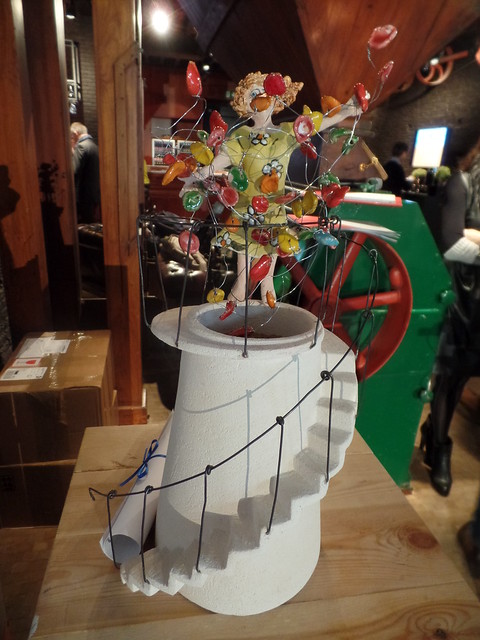
The Comac Trophy: Best in Show
Hopvine IPA, Schooner Exact Brewing (US)