Brookston Beer Bulletin

Jay R. Brooks on Beer

  • Home
  • About
  • Editorial
  • Birthdays
  • Art & Beer

Socialize

  • Dribbble
  • Email
  • Facebook
  • Flickr
  • GitHub
  • Instagram
  • LinkedIn
  • Pinterest
  • RSS
  • Twitter
  • YouTube

Powered by Genesis

Baby Beer Names

January 22, 2017 By Jay Brooks

baby-and-beer
A few years ago I wrote an article for the Brewer’s Association I called Papa’s Got A Brand New Beer that was for Father’s Day. It featured a number of names that beer people have given their kids, celebrating their love of beer. My old friend, Adam Lambert — who I’ve known since he was in college and working part-time for SLO Brewing — recently tweeted “I think we need a blog for beer related kid names.” While setting up an entire new blog on that topic seemed too much, at least for me, I figured a page of People’s Beer Names could work.

bizarro-kids-beer-names

I can only assume there are more that I haven’t run across. If you know of any to add to this list, please let me know by commenting here. I’m especially interested in names that parents have already given, so if you know a name that’s already been bestowed on a child, please let me know who (I don’t need exact name, just something like “employee at x brewery/bar/distributor/etc.”) so I can refer to without naming names.

Here are the names I already either know of, or seem possible.

Boy’s Names

IMG_1468

  • Brett: confirmed — Brett Porter is head brewer at Goose Island/ABI, and formerly with Deschutes
  • Brewer: theoretical — appears in baby name books
  • Bud: fictionally confirmed — Bud Bundy, character on Married… with Children, named after Al Bundy’s favorite beer
  • Cooper: confirmed — son of a man with 20 years in the draft dispensing business
  • E.S.B. initials: unconfirmed — rumored story told to Jay R. Brooks for a name like “Ethan Sebastian Brown”
  • Flanders: possible — for the Belgian beer style, Flanders Red
  • Porter: confirmed — son of Jay R. Brooks, and also the son of Chris Graham, COO of MoreBeer
  • Stout: confirmed — A Facebook friend knows one

Girl’s Names

IMG_1470

  • Abbey: possible — for Abbey-type breweries
  • Amber: confirmed — daughter of Geno Acevedo, El Toro Brewing, and middle name of the daughter of Colorado beer write Dan Rabin
  • Burton: possible — for the beer-brewing city in England
  • Cascade: possible — for the hop variety*
  • Crystal: possible — for the malt variety
  • Genny: possible — for Genesee Cream Ale, nicknamed “Genny”
  • Heather: possible — for the shrub used in brewing
  • India: confirmed — A Facebook friends knows a couple whose daughter got her name at least in part because they love IPAs and homebrew
  • Iris: possible — for Cantillon Iris
  • Kate: possible — for Portsmouth Kate the Great
  • Mara: confirmed — daughter of British beer writer Martyn Cornell, Hebrew for bitter
  • Matilda: possible — for Goose Island Matilda
  • Sierra: confirmed — daughter of Ken Grossman, Sierra Nevada Brewing
  • Sofie: possible — for Goose Island Sofie
  • Vienna: confirmed — daughter Jennifer Talley, Auburn Alehouse

NOTE: * – I’ve seen many suggestions for different hop variety names, but most seem somewhat forced. Understanding that a name could conceivably be anything, I only want to list names that seem reasonable or have actually been given to a kid by his or her parents. For another example, I’ve seen several mentions suggesting “Bock” or “Lambic” as names, but unless someone’s actually named their kid those, they don’t really seem that likely to me. Unfortunately, there’s a lot of suggestions like that out there on the internet. really more bad suggestions than good ones.

Filed Under: Beers, Just For Fun, Related Pleasures Tagged With: Humor, Words

What Can Brown Do For You?

January 19, 2017 By Jay Brooks

session-the
For our 120th Session, our host will be Joe Tindall, who writes The Fatal Glass of Beer. For his topic, he’s chosen Brown Beer, which sounds simple enough, but I’ll just let Joe explain what he means:

The colour brown has certain connotations, some of which I won’t dwell on. But used in reference to beer, it can signify a kind of depressing old fashioned-ness – to refer to a traditional bitter as ‘brown’ seems to suggest it belongs to a bygone corduroy-trousered era. As breweries who pride themselves on their modernity focus on beers that are either decidedly pale or unmistakably black, the unglamorous brown middle ground is consistently neglected.

So for Session 120, let’s buck the trend and contemplate brown beer. This might be brown ale, or the aforementioned English bitter; it could be a malty Belgian brune, a dubbel or a tart oud bruin; even a German dunkel might qualify.

color5-brown

In mid-2015, I was Thinking About Beer Color, so it could be fun to restrict that to just one family of color, the browns. There certainly are a lot of beers that fit into that range. What’s your take on the narrow band on the beer color rainbow. To participate in February’s Session, on or before Friday, February 3, 2017, post your thoughts on what brown has done for you. Just comment on the original announcement or via Twitter. Joe’s Twitter handle is @FatalGlass.

brown-beer-glass

Filed Under: Beers, Just For Fun, The Session Tagged With: Announcements, Beer Styles

Thesaurus Of Beer

January 18, 2017 By Jay Brooks

thesaurus
Today is the birthday of Peter Roget. He was born in 1779, in London, the son of a Swiss clergyman, and became a doctor, but was obsessed with making lists since at least the age of eight. I can certainly relate. Thanks to several bad incidents in his life — both his father and his wife died young, and a favorite uncle committed suicide in front of him — he suffered depression most of his life, and worked on his thesaurus as a coping mechanism. When it was first published in 1852, the full title was Thesaurus of English Words and Phrases Classified and Arranged so as to Facilitate the Expression of Ideas and Assist in Literary Composition. After his death, both his son and then his grandson continued to work on new editions of what become known as Roget’s Thesaurus, the first reference book of its kind, although there are now dozens of similar books available.

I’m not sure if I’m so fascinated by words because I’m a writer, or if I’m a writer precisely because I love words. I have a long list of Beer In Other Languages, exhaustive lists of Drunk Words, slang terms for over-indulging and puke words, for when you really over-indulge. I’ve also looked at The Language Of Hangovers, but finding Beer Slang has proved far more difficult for some reason (although I should point out, that last one is a work in progress that I’ve only worked on a few times since first posting it in 2011).

As most beer historians will point out, beer as a generic term is fairly recent. Just ask Martyn Cornell or Ron Pattinson. And ale and lager as over-simplified subdivisions below beer is even trickier. But the fact remains, apart from wholly slang terms, there aren’t very many words which also mean beer, apart from beer. You might immediately offer “cerveza,” but that is, of course, in Spanish. So, because it’s Thesaurus Day, I checked out a few, and here’s what I found:

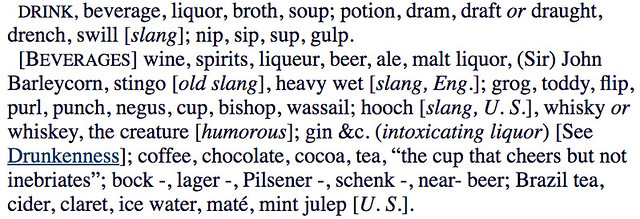
Roget’s Thesaurus

On Roget’s Thesaurus online, a search for “beer” yields this sparse response.

#959 Drunkenness: Nn. beer, barmy beer — beer.


Roget’s International Thesaurus 1922

Roget’s 1922 International Thesaurus is also online, on Bartleby.com, though it’s pretty unsatisfying, too:

thesaurus-rogets-1922-beer


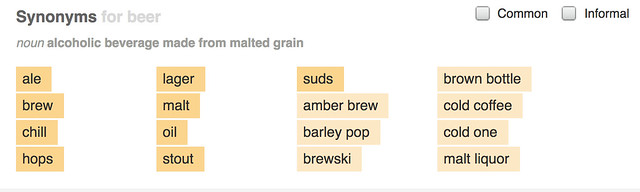
Thesaurus.com

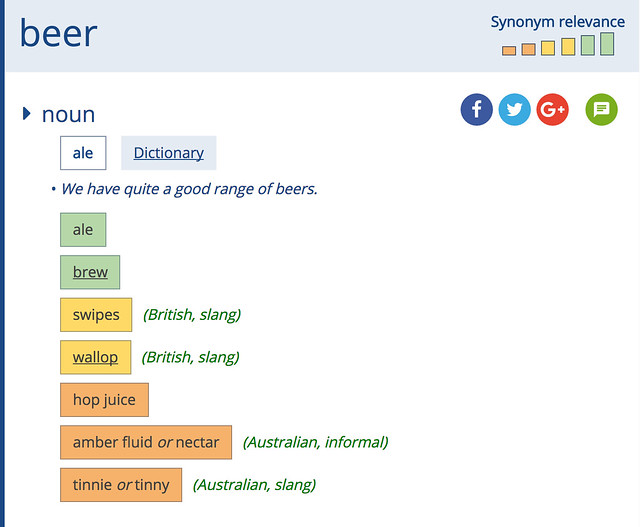
Thesaurus.com, part of the dictionary.com family of reference website, gives this for beer synonyms:

thesaurus-com-beer


Oxford Dictionaries Thesaurus

The Oxford Dictionaries website reveals just this.

SYNONYMS
ale, beverage, brew
informal jar, pint, booze, wallop, sherbet
NZ Australian hop


WordReference Thesaurus

WordReference gives this list of words.

malt beverage, malt liquor, brew, suds, the amber brew, slops, brewskie, the amber nectar (slang), lager, lager beer, bitter, stout, ale, pale ale, alcoholic drink, booze (slang), a pint, a half, draught beer, draft beer, tap beer, cask ale

Curiously, only amber nectar, and booze are listed as “slang,” yet virtually all of them seem like either slang, specific types of beer or modified types of beer, like “draft beer.”


Infoplease Thesaurus

The thesaurus at Infoplease online yields this:

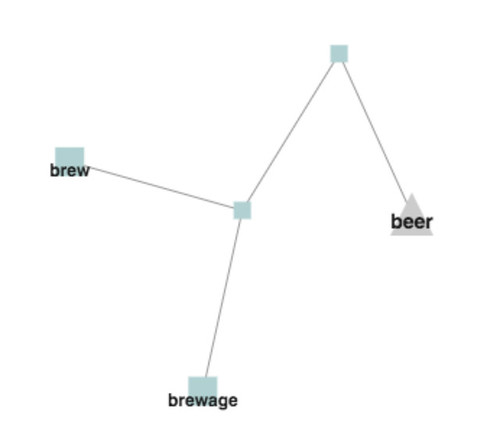
1. beer, brew, brewage

usage: a general name for alcoholic beverages made by fermenting a cereal (or mixture of cereals) flavored with hops


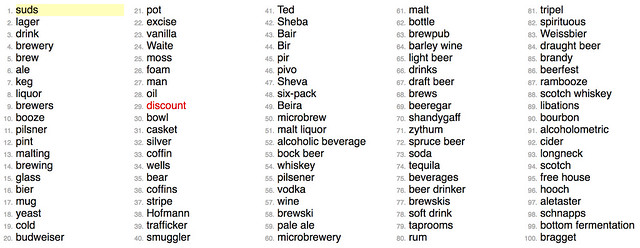
OneLook Thesaurus

The OneLook Thesaurus gives their top 100 beer-related words, though many don’t even make sense. You can even keep going, 100 new words at a time, and not surprisingly they get even less related to beer as you go deeper, some ridiculously so.

thesaurus-onelook-beer


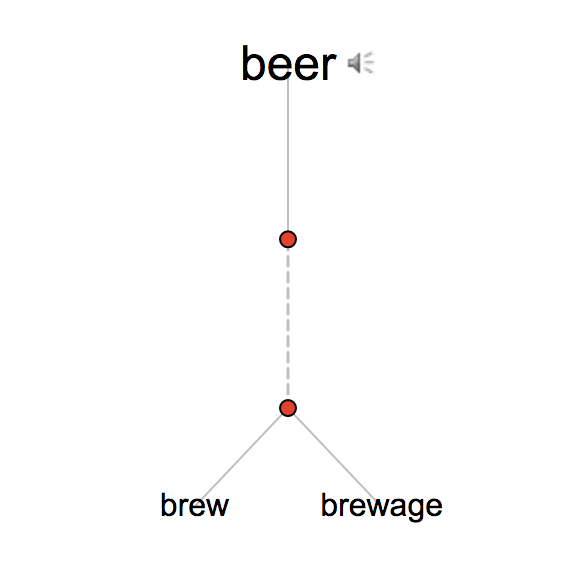
Visual Thesaurus

This is the graph of beer synonyms that the Visual Thesaurus creates:

thesaurus-visual-beer


Graph Words Online Thesaurus

The Graph Words Online Thesaurus gives a very similar answer to the Visual Thesaurus:

thesaurus-graph-words-beer


Collins Dictionary Thesaurus

The Collins Dictionary Thesaurus gives this list of beer synonyms:

thesaurus-collins-beer


Visuwords

Visuwords created a colorful graph of beer words, though very few true synonyms:

thesaurus-visuwords-beer


Snappy Words

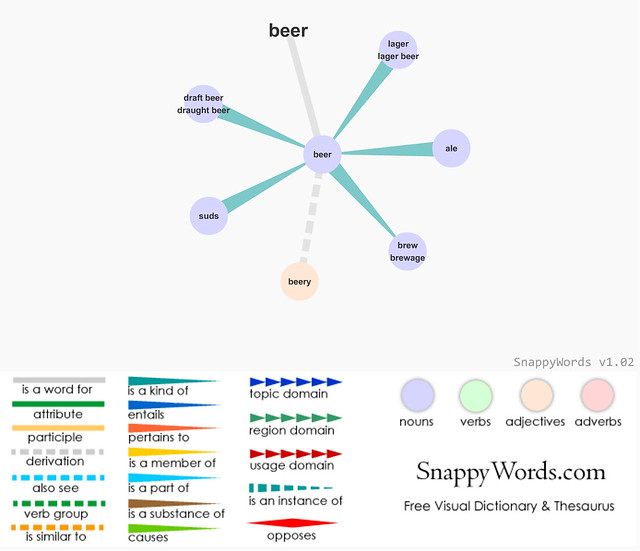
Snappy Words created this similar graph of beer words:

thesaurus-snappy-beer


Also, Wordnik and Power Thesaurus both give extensive answers, pulling from numerous sources, but end up giving almost all of the same answers as everyone else.

The conclusion is pretty much what I expected. There just aren’t many other words that mean beer. Apart from goofy slang and colloquialisms, there’s just no good generic words for it. One strange one that kept coming up was “brewage.” I’ve never heard that come up in conversation, have you? “I’m sitting here enjoying a glass of brewage.” It just doesn’t roll off the tongue. Maybe because it’s too close to sewage. But along with “brew,” it appears to be the most common synonym to come up. How is it possible that one of the most common words for beer is one nobody actually uses? I guess I’ll just have to keep enjoying my beer without any colorful words to substitute. C’est la vie. Happy Thesaurus Day.

Filed Under: Beers, Just For Fun, Related Pleasures Tagged With: History, Language, Words

10 Years Ago: Hunt’s Hop Tea

January 12, 2017 By Jay Brooks

hops teapot
It’s hard to believe the Bulletin has been going for over ten years, just over eleven to be exact (not including on the family blog from a couple of years before that). But this post is from exactly ten years ago, in 2007, and I was reminded of it yesterday when a homebrew blogger linked to it in a discussion of hop utilization. Anyway, it was interesting to see again, and since it was exactly a decade, I thought I’d post Hunt’s Hop Tea again. It is, coincidentally, National Hot Tea Day today. Enjoy.


A few weeks ago while helping Moonlight with their hop harvest, owner/brewer Brian Hunt broke out something I’d never seen before: hop tea. Now I’ve seen regular hop tea before, I’ve even bought some at the health food store and tried it, but this was something totally different. Brian told me the idea grew out of an experiment he was doing to see how hops reacted at different temperatures, which he presented at “Hop School” a few years ago. He discovered in the process that he could make a delicious hop tea and that it varied widely depending on the temperature of the water. Here’s how it works:

  1. Put approximately two-dozen fresh hop cones in a 16 oz. mason jar.
  2. Heat water to __X__ temperature.
  3. Fill jar with heated water and seal cap.
  4. Let the water come down to ambient room temperature.
  5. Refrigerate.
  6. Drink.

There appears to be four main factors that change depending on the temperature of the water. These are:

  1. Color
  2. Float
  3. Bitterness
  4. Tannins

hop-tea-1

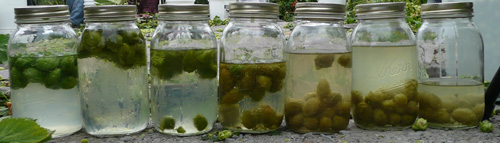
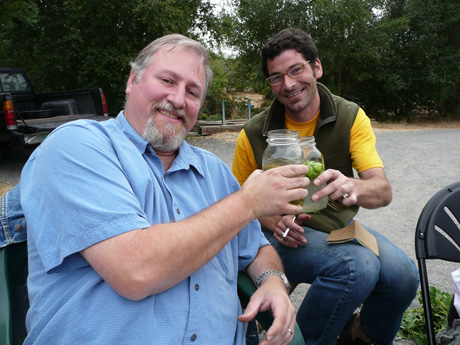
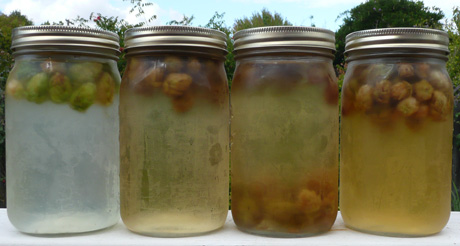
Intrigued by all of this and quite curious, Brian brought out seven examples of his hop tea made with water of different temperatures: 60°, 120°, 130°, 140°, 160°, 180° and 185°. They’re shown above from lower to higher temperature, left to right.

As you can see, the lower the temperature, the more green the hops are and the water remains less cloudy. At the higher temperatures, the hops are stripped of their green, becoming brown, and the water also becomes more brown. Also, as the temperature increases, the hops lose their buoyancy and begin to sink in the water. Although you can’t see it in the photo, the hotter the water, the more hop bitterness and at the upper range, tannins begin to emerge. Here’s what I found:

  • 60°: Fresh, herbal aromas with some hop flavors, but it’s light.
  • 120°: Bigger aromas, less green more vegetal flavors.
  • 130°: Also big aromas emerging, flavors beginning to become stronger, too, but still refreshingly light.
  • 140°: More pickled, vinegary aroma, no longer subtle with biting hop character and strong flavors.
  • 160°: Very big hop aromas with strong hop flavors, too, with a touch of sweetness. Tannins are becoming evident but are still restrained.
  • 180°: Big hop and vinegary aromas, with flavors becoming too astringent and tannins becoming overpowering.
  • 185°: Vinegary aromas, way too bitter and tannins still overpowering.

hop-tea-2
Trying each of the tea samples with Tim Clifford, now owner of Sante Adairius.

hop-tea-3

Brian was kind enough to let me take a small bag of fresh hops with me so I could recreate his experiment at home. I had enough for four samples and made tea at 100°, 140° and 160°. Using two dozen hop cones made the jars look light so I used three-dozen in the last jar, also using 160° water. I tasted them with my wife, hoping to get a civilian opinion, too. Here’s what we found:

  • 100°: Hops still green and floating. The nose was very vegetal and reminded my wife of the water leftover in the pot after you’ve steamed vegetables like broccoli or Brussels sprouts. The mouthfeel is somewhat gritty with light, refreshing flavors and only a little bitterness, which dissipates quickly.
  • 140°: Hops turned brown, but still floating. Light hop aromas with some smokey, roasted aromas and even a hint of caramel. Fresh hop flavors with a clean finish. My wife, however, made that puckering bitter face signaling she found it repugnant.
  • 160°: Hops turned brown, but most has sunk to the bottom of the jar. Strong hop aromas and few negatives, at least from my point of view. My wife was still making that face, cursing me for dragging her into this. Hop bitterness had become more pronounced and tannins were now evident, with a lingering finish.
  • 160° Plus: This sample had 50% more hops. The hops had also turned brown but, curiously, they were still floating. The nose was vegetal with string hop aromas. With a gritty mouthfeel, the flavors were even more bitter covering the tannins just slightly, but they were still apparent, and the finish lingered bitterly.

It seems like either 140° or 160° is the right temperature. Lower than that and you don’t get enough hop character (I’m sure that’s why the hops remain green) but above that the tannins become too pronounced. It appears you have to already like big hop flavor or you’ll hate hop tea. I found it pretty enjoyable and even refreshing though it’s still probably best in small amounts. You do seem to catch a little buzz off of it, which doesn’t hurt. I’m sure the amount of hops is important and more research may be needed on that front. Brian tells me that hop pellets can also be used though I doubt the jar of tea looks as attractive using them. They have the advantage of being available year-round, of course. If you use pellets, you need only about a half-ounce for each pint jar.

If you try to make Hunt’s Hop Tea on your own, please let me know your results. And please do raise a toast to Brian Hunt’s ingenuity.

Filed Under: Food & Beer, Just For Fun, Related Pleasures Tagged With: Bay Area, California, Hops

Session #119: The Discomfort Of Burning Mouth Beer

January 10, 2017 By Jay Brooks

chili-pepper
For our 119th Session, our host is Alec Latham, who writes Mostly About Beer …. For his topic, he’s chosen Discomfort Beer, by which he means a beer which initially tasted funny, or odd, or off, or something, but which later became a favorite. Or maybe it didn’t. I’m not sure if I’m explaining that very well, so I’ll just let Alec take over and describe what he means:

What was your first ever taste of beer like? For me, it was like chilled copper coins mixed with tonic water and was disgusting. This is a process us committed beer drinkers can revisit every time we try something new.

A few years ago, I visited a pub in Pimlico called the Cask and Kitchen. There was a beer called Wild Raven by Thornbridge Brewery. Making assumptions based on the title, I ordered a pint as I love stout. I remember opening the sluices and then seizing up. Something wasn’t right. It had the chocolatey flavour of a stout but there was an intruder – lemon rind hissed in my nostrils and tainted my palate. Citrus grappled with the roast malt. Was it supposed to taste like this? Was it infection? Detergent? I spent some time staring at the floor in a suspended double-take.

That was my first ever Black IPA and at the time I wasn’t sure. Initially, I didn’t like it but whilst deciding whether or not to return it to the bar I kept giving it the benefit of the doubt. The dislike diminished. The acceptance grew. The pint gradually drained.

Black IPA is now one of my favourite styles but it could have gone the other way.

And does a Black IPA still get me blinking at the floor in a state of disquiet? No. Neither does the astringent character of Brett nor the dry bite of Lambic. All styles have been comprehensively “locked in”. Ultimately, familiarity devours discomfort.

For Session 119 I’d like you to write about which/what kind of beers took you out of your comfort zones. Beers you weren’t sure whether you didn’t like, or whether you just needed to adjust to. Also, this can’t include beers that were compromised, defective, flat, off etc because this is about deliberate styles. It would be interesting to see if these experiences are similar in different countries.

I think this could be a good archive for people researching fads, the origins of styles and the dearths of others – but especially how new ones were initially perceived.

Over the past year I’ve had a black barley wine, a braggot, a rye wine, a seaweed and cloudberry Gose, a beer made with Saki yeast and several made with Champagne yeast. I’ve sipped stout with Tonka beans, drank mulled lager and many tea beers – some with the tea complementing the hops – others completely replacing them. This has also been a year where 9 ABV hop-forward beers have become standard (from the UK perspective).

Some of the above I loved, others I liked and some I hated. What remains to be seen is which will catch on and which are just brief social media cameos.

session_logo_all_text_200

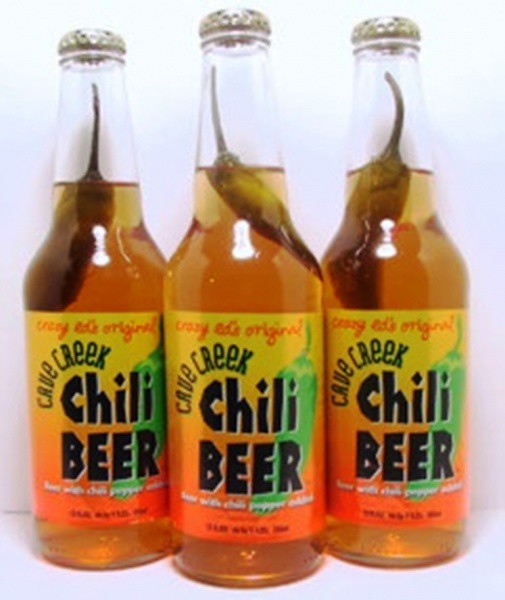
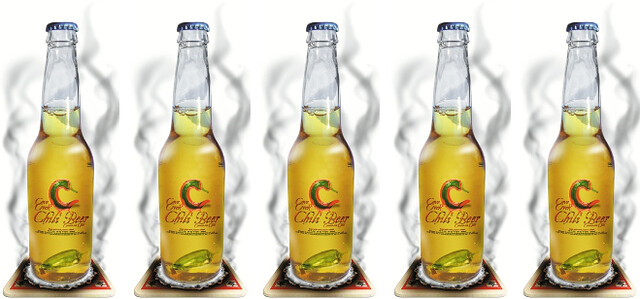
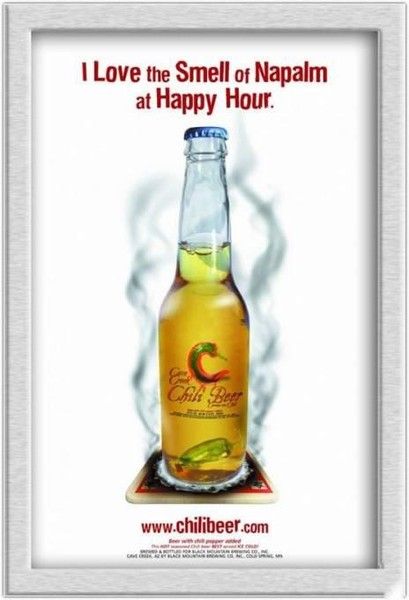
The beer that brings me the most discomfort I first tried in the mid-1990s. It was Ed’s Cave Creek Chili. Every bottle has a whole chili pepper inside of it. Why? Besides being novel, and eye-catching, some people — many people — like hot and spicy food. I am not one of those people, which immediately puts me at a disadvantage. It came across my desk as the chain beer buyer for Beverages & more. And so I tried it, and instantly regretted it. And still do to this day. Besides the pain of the barrage of hot and spicy flavors, these beers completely ruin me for any other beer I might want to drink, or really anything I might to eat too. Basically, it makes me unable to taste anything else for a period of time, and not just a few seconds; more like minutes, sometimes well over an hour.

3-chili-beers

Of course, we brought it in. Just because I don’t like something shouldn’t mean others wouldn’t want to try it. And there was some obvious appeal for people who like that sort of thing, and it sold reasonably well, probably to just the sort of person who loves four-alarm (or is it five-alarm now?) chili or ghost peppers. People who must go to the extremes, who never met a challenge they wouldn’t try.

The beer is still around, though it’s now called Cave Creek Chili Beer, and is brewed in Mexico. As far as I know, it was the first modern chili beer. It was certainly the first one I ever tried. And they appear to even be growing in popularity. Chili Beer was in a subgroup for GABF and World Beer Cup judging, but recently were broken out into their own category. That only happens if they’re getting a growing number of entries each year. I always bow out of judging that category.

To be fair, I don’t like hot or spices in anything, food or liquid. I am unabashedly a spice wuss. I grew up in rural Amish country Pennsylvania, and like to joke that my family only used two spices: salt and lard. But that’s not far off, as most of the dishes I remember eating were fairly bland; corn pie, meatloaf, casseroles, stews, potato soup, stuff with very few spices. Maybe it was just my Mom, but most of her recipes came from other family members, so I don’t think so. Anyway, to this day I don’t even eat mustard or mayonnaise, no pepper, never touch any Indian food, and will eat only the plainest Mexican fare. After over twenty years, my wife will still hand me something, saying it’s not too hot, and I’ll gag from the spiciness. Of course, this usually makes her laugh, so maybe she’s been doing it on purpose all this time.

But that aside, I don’t think that beer should compete with my food, or even my tongue, for attention. It can wash down and compliment or even contrast my food, but if it renders me unable to taste the next bite, then to my way of thinking it’s not doing its job. It should also be pleasant and ultimately enjoyable. And burning the inside of my mouth has never accomplished that, even though I realize that is actually a goal for some people.

But using any more than the barest amount of chili peppers usually results in it overpowering whatever the base style of beer is, effectively removing its beeriness. I have the same issue with many barrel-aged beers, when they take on so much of the barrel character, or whatever had been in the barrel previously, that its essence is gone, having lost its beeriness in the process. If I want bourbon, I’ll just drink bourbon. In any flavored beer, the adjunct or wood should add to the beer, but not mask, remove or overpower its essential beeriness, otherwise it becomes something else entirely. And for almost every chili pepper beer that’s what happens. I have had one or two examples where it was subtle enough that it did just add to the flavors and not overwhelm your senses, but that’s rare enough that it’s an exception rather than a degree of that type of beer. The majority, I feel, want to hurt me, and wear that goal like a badge of honor, daring me to try it. I don’t think of drinking beer as an endurance test, something to make it through, or a challenge to meet.

cave-creek-chili-beer-steaming

So unlike Alec’s experience with Black IPAs, or many people, including myself, warming to a new type of beer, chili beer seems like a love it or hate it kind of beer, with little ground in the middle. And you won’t be surprised to learn I hate them. How could there be any middle ground? Maybe your tolerance for spiciness increases over time, but that has not been my personal experience. My wife has been trying for over twenty years, as did many girlfriends before that. And while I do, believe it or not, eat many more foods today than I did when I was a child and in the intervening years, many people are still shocked at how picky I am and usually chuckle at what I consider to be too spicy. C’est la vie.

So maybe I could, through a concerted effort, patent sampling, building up a tolerance over time, learn to better appreciate chili beers. Then what? They’d still be too much for everyday consumption. I can’t imagine a scenario or situation where that’s a beer I’d ever reach for willingly. What occasion would be appropriate to drink something that will burn my mouth and cause me to be unable to taste anything else? Maybe it’s pure hedonism on my part, but I don’t want to have to work at enjoying a beer. A good beer should, at the very least, just be enjoyable on its own, part and parcel of its beeriness. That is, and rightly should be what beeriness means: something delicious that you want to drink, and is enjoyable during and afterwards, or something that does not cause any discomfort.

napalm

Filed Under: Editorial, Just For Fun, Related Pleasures, The Session Tagged With: Beer Styles

The Brothers Grimm & Fairy Tale Beer

January 4, 2017 By Jay Brooks

fairytale
Today is the birthday of Jacob Grimm, who along with his brother Wilhelm Grimm, created numerous fairy tales under the name the Brothers Grimm. Their best known stories are classics, tales like “Cinderella,”, “The Frog Prince,” “Hansel and Gretel,” “Rapunzel,” “Rumpelstiltskin,” and “Snow White.” We usually think of these old fairy tales as being strictly for kids, probably because of how Disney and others have sanitized them, but the originals are often genuinely frightening, and their moral and purpose was to scare children, the original “scared straight” stories. In a few lesser-known stories, beer is mentioned and in a few cases is actually an important factor in the tale. Here’s a few of these Grimm’s fairy tales involving beer to read to your kids or just enjoy yourself.

Clever Elsie

Clever-Elsie

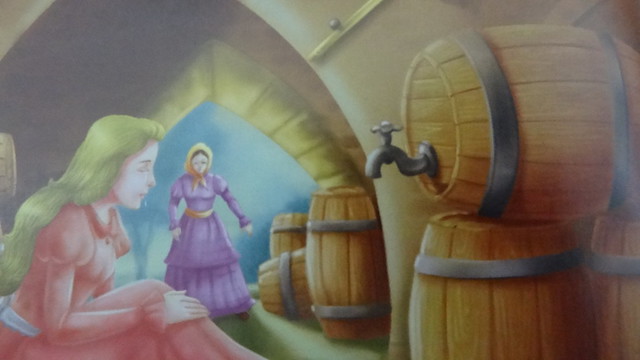
There was once a man who had a daughter who was called Clever Elsie. And when she had grown up her father said: ‘We will get her married.’ ‘Yes,’ said the mother, ‘if only someone would come who would have her.’ At length a man came from a distance and wooed her, who was called Hans; but he stipulated that Clever Elsie should be really smart. ‘Oh,’ said the father, ‘she has plenty of good sense’; and the mother said: ‘Oh, she can see the wind coming up the street, and hear the flies coughing.’ ‘Well,’ said Hans, ‘if she is not really smart, I won’t have her.’ When they were sitting at dinner and had eaten, the mother said: ‘Elsie, go into the cellar and fetch some beer.’ Then Clever Elsie took the pitcher from the wall, went into the cellar, and tapped the lid briskly as she went, so that the time might not appear long. When she was below she fetched herself a chair, and set it before the barrel so that she had no need to stoop, and did not hurt her back or do herself any unexpected injury. Then she placed the can before her, and turned the tap, and while the beer was running she would not let her eyes be idle, but looked up at the wall, and after much peering here and there, saw a pick-axe exactly above her, which the masons had accidentally left there.

Then Clever Elsie began to weep and said: ‘If I get Hans, and we have a child, and he grows big, and we send him into the cellar here to draw beer, then the pick-axe will fall on his head and kill him.’ Then she sat and wept and screamed with all the strength of her body, over the misfortune which lay before her. Those upstairs waited for the drink, but Clever Elsie still did not come. Then the woman said to the servant: ‘Just go down into the cellar and see where Elsie is.’ The maid went and found her sitting in front of the barrel, screaming loudly. ‘Elsie why do you weep?’ asked the maid. ‘Ah,’ she answered, ‘have I not reason to weep? If I get Hans, and we have a child, and he grows big, and has to draw beer here, the pick-axe will perhaps fall on his head, and kill him.’ Then said the maid: ‘What a clever Elsie we have!’ and sat down beside her and began loudly to weep over the misfortune. After a while, as the maid did not come back, and those upstairs were thirsty for the beer, the man said to the boy: ‘Just go down into the cellar and see where Elsie and the girl are.’ The boy went down, and there sat Clever Elsie and the girl both weeping together. Then he asked: ‘Why are you weeping?’ ‘Ah,’ said Elsie, ‘have I not reason to weep? If I get Hans, and we have a child, and he grows big, and has to draw beer here, the pick-axe will fall on his head and kill him.’ Then said the boy: ‘What a clever Elsie we have!’ and sat down by her, and likewise began to howl loudly. Upstairs they waited for the boy, but as he still did not return, the man said to the woman: ‘Just go down into the cellar and see where Elsie is!’ The woman went down, and found all three in the midst of their lamentations, and inquired what was the cause; then Elsie told her also that her future child was to be killed by the pick-axe, when it grew big and had to draw beer, and the pick-axe fell down. Then said the mother likewise: ‘What a clever Elsie we have!’ and sat down and wept with them. The man upstairs waited a short time, but as his wife did not come back and his thirst grew ever greater, he said: ‘I must go into the cellar myself and see where Elsie is.’ But when he got into the cellar, and they were all sitting together crying, and he heard the reason, and that Elsie’s child was the cause, and the Elsie might perhaps bring one into the world some day, and that he might be killed by the pick-axe, if he should happen to be sitting beneath it, drawing beer just at the very time when it fell down, he cried: ‘Oh, what a clever Elsie!’ and sat down, and likewise wept with them. The bridegroom stayed upstairs alone for a long time; then as no one would come back he thought: ‘They must be waiting for me below: I too must go there and see what they are about.’ When he got down, the five of them were sitting screaming and lamenting quite piteously, each out-doing the other. ‘What misfortune has happened then?’ asked he. ‘Ah, dear Hans,’ said Elsie, ‘if we marry each other and have a child, and he is big, and we perhaps send him here to draw something to drink, then the pick-axe which has been left up there might dash his brains out if it were to fall down, so have we not reason to weep?’ ‘Come,’ said Hans, ‘more understanding than that is not needed for my household, as you are such a clever Elsie, I will have you,’ and seized her hand, took her upstairs with him, and married her.

After Hans had had her some time, he said: ‘Wife, I am going out to work and earn some money for us; go into the field and cut the corn that we may have some bread.’ ‘Yes, dear Hans, I will do that.’ After Hans had gone away, she cooked herself some good broth and took it into the field with her. When she came to the field she said to herself: ‘What shall I do; shall I cut first, or shall I eat first? Oh, I will eat first.’ Then she drank her cup of broth and when she was fully satisfied, she once more said: ‘What shall I do? Shall I cut first, or shall I sleep first? I will sleep first.’ Then she lay down among the corn and fell asleep. Hans had been at home for a long time, but Elsie did not come; then said he: ‘What a clever Elsie I have; she is so industrious that she does not even come home to eat.’ But when evening came and she still stayed away, Hans went out to see what she had cut, but nothing was cut, and she was lying among the corn asleep. Then Hans hastened home and brought a fowler’s net with little bells and hung it round about her, and she still went on sleeping. Then he ran home, shut the house-door, and sat down in his chair and worked. At length, when it was quite dark, Clever Elsie awoke and when she got up there was a jingling all round about her, and the bells rang at each step which she took. Then she was alarmed, and became uncertain whether she really was Clever Elsie or not, and said: ‘Is it I, or is it not I?’ But she knew not what answer to make to this, and stood for a time in doubt; at length she thought: ‘I will go home and ask if it be I, or if it be not I, they will be sure to know.’ She ran to the door of her own house, but it was shut; then she knocked at the window and cried: ‘Hans, is Elsie within?’ ‘Yes,’ answered Hans, ‘she is within.’ Hereupon she was terrified, and said: ‘Ah, heavens! Then it is not I,’ and went to another door; but when the people heard the jingling of the bells they would not open it, and she could get in nowhere. Then she ran out of the village, and no one has seen her since.

Frederick and Catherine

frederick-and-catherine

There was once a man called Frederick: he had a wife whose name was Catherine, and they had not long been married. One day Frederick said. ‘Kate! I am going to work in the fields; when I come back I shall be hungry so let me have something nice cooked, and a good draught of ale.’ ‘Very well,’ said she, ‘it shall all be ready.’ When dinner-time drew nigh, Catherine took a nice steak, which was all the meat she had, and put it on the fire to fry. The steak soon began to look brown, and to crackle in the pan; and Catherine stood by with a fork and turned it: then she said to herself, ‘The steak is almost ready, I may as well go to the cellar for the ale.’ So she left the pan on the fire and took a large jug and went into the cellar and tapped the ale cask. The beer ran into the jug and Catherine stood looking on. At last it popped into her head, ‘The dog is not shut up—he may be running away with the steak; that’s well thought of.’ So up she ran from the cellar; and sure enough the rascally cur had got the steak in his mouth, and was making off with it.

Away ran Catherine, and away ran the dog across the field: but he ran faster than she, and stuck close to the steak. ‘It’s all gone, and “what can’t be cured must be endured”,’ said Catherine. So she turned round; and as she had run a good way and was tired, she walked home leisurely to cool herself.

Now all this time the ale was running too, for Catherine had not turned the cock; and when the jug was full the liquor ran upon the floor till the cask was empty. When she got to the cellar stairs she saw what had happened. ‘My stars!’ said she, ‘what shall I do to keep Frederick from seeing all this slopping about?’ So she thought a while; and at last remembered that there was a sack of fine meal bought at the last fair, and that if she sprinkled this over the floor it would suck up the ale nicely. ‘What a lucky thing,’ said she, ‘that we kept that meal! we have now a good use for it.’ So away she went for it: but she managed to set it down just upon the great jug full of beer, and upset it; and thus all the ale that had been saved was set swimming on the floor also. ‘Ah! well,’ said she, ‘when one goes another may as well follow.’ Then she strewed the meal all about the cellar, and was quite pleased with her cleverness, and said, ‘How very neat and clean it looks!’

At noon Frederick came home. ‘Now, wife,’ cried he, ‘what have you for dinner?’ ‘O Frederick!’ answered she, ‘I was cooking you a steak; but while I went down to draw the ale, the dog ran away with it; and while I ran after him, the ale ran out; and when I went to dry up the ale with the sack of meal that we got at the fair, I upset the jug: but the cellar is now quite dry, and looks so clean!’ ‘Kate, Kate,’ said he, ‘how could you do all this?’ Why did you leave the steak to fry, and the ale to run, and then spoil all the meal?’ ‘Why, Frederick,’ said she, ‘I did not know I was doing wrong; you should have told me before.’

The husband thought to himself, ‘If my wife manages matters thus, I must look sharp myself.’ Now he had a good deal of gold in the house: so he said to Catherine, ‘What pretty yellow buttons these are! I shall put them into a box and bury them in the garden; but take care that you never go near or meddle with them.’ ‘No, Frederick,’ said she, ‘that I never will.’ As soon as he was gone, there came by some peddlers with earthenware plates and dishes, and they asked her whether she would buy. ‘Oh dear me, I should like to buy very much, but I have no money: if you had any use for yellow buttons, I might deal with you.’ ‘Yellow buttons!’ said they: ‘let us have a look at them.’ ‘Go into the garden and dig where I tell you, and you will find the yellow buttons: I dare not go myself.’ So the rogues went: and when they found what these yellow buttons were, they took them all away, and left her plenty of plates and dishes. Then she set them all about the house for a show: and when Frederick came back, he cried out, ‘Kate, what have you been doing?’ ‘See,’ said she, ‘I have bought all these with your yellow buttons: but I did not touch them myself; the pedlars went themselves and dug them up.’ ‘Wife, wife,’ said Frederick, ‘what a pretty piece of work you have made! those yellow buttons were all my money: how came you to do such a thing?’ ‘Why,’ answered she, ‘I did not know there was any harm in it; you should have told me.’

Catherine stood musing for a while, and at last said to her husband, ‘Hark ye, Frederick, we will soon get the gold back: let us run after the thieves.’ ‘Well, we will try,’ answered he; ‘but take some butter and cheese with you, that we may have something to eat by the way.’ ‘Very well,’ said she; and they set out: and as Frederick walked the fastest, he left his wife some way behind. ‘It does not matter,’ thought she: ‘when we turn back, I shall be so much nearer home than he.’

Presently she came to the top of a hill, down the side of which there was a road so narrow that the cart wheels always chafed the trees on each side as they passed. ‘Ah, see now,’ said she, ‘how they have bruised and wounded those poor trees; they will never get well.’ So she took pity on them, and made use of the butter to grease them all, so that the wheels might not hurt them so much. While she was doing this kind office one of her cheeses fell out of the basket, and rolled down the hill. Catherine looked, but could not see where it had gone; so she said, ‘Well, I suppose the other will go the same way and find you; he has younger legs than I have.’ Then she rolled the other cheese after it; and away it went, nobody knows where, down the hill. But she said she supposed that they knew the road, and would follow her, and she could not stay there all day waiting for them.

At last she overtook Frederick, who desired her to give him something to eat. Then she gave him the dry bread. ‘Where are the butter and cheese?’ said he. ‘Oh!’ answered she, ‘I used the butter to grease those poor trees that the wheels chafed so: and one of the cheeses ran away so I sent the other after it to find it, and I suppose they are both on the road together somewhere.’ ‘What a goose you are to do such silly things!’ said the husband. ‘How can you say so?’ said she; ‘I am sure you never told me not.’

They ate the dry bread together; and Frederick said, ‘Kate, I hope you locked the door safe when you came away.’ ‘No,’ answered she, ‘you did not tell me.’ ‘Then go home, and do it now before we go any farther,’ said Frederick, ‘and bring with you something to eat.’

Catherine did as he told her, and thought to herself by the way, ‘Frederick wants something to eat; but I don’t think he is very fond of butter and cheese: I’ll bring him a bag of fine nuts, and the vinegar, for I have often seen him take some.’

When she reached home, she bolted the back door, but the front door she took off the hinges, and said, ‘Frederick told me to lock the door, but surely it can nowhere be so safe if I take it with me.’ So she took her time by the way; and when she overtook her husband she cried out, ‘There, Frederick, there is the door itself, you may watch it as carefully as you please.’ ‘Alas! alas!’ said he, ‘what a clever wife I have! I sent you to make the house fast, and you take the door away, so that everybody may go in and out as they please—however, as you have brought the door, you shall carry it about with you for your pains.’ ‘Very well,’ answered she, ‘I’ll carry the door; but I’ll not carry the nuts and vinegar bottle also—that would be too much of a load; so if you please, I’ll fasten them to the door.’

Frederick of course made no objection to that plan, and they set off into the wood to look for the thieves; but they could not find them: and when it grew dark, they climbed up into a tree to spend the night there. Scarcely were they up, than who should come by but the very rogues they were looking for. They were in truth great rascals, and belonged to that class of people who find things before they are lost; they were tired; so they sat down and made a fire under the very tree where Frederick and Catherine were. Frederick slipped down on the other side, and picked up some stones. Then he climbed up again, and tried to hit the thieves on the head with them: but they only said, ‘It must be near morning, for the wind shakes the fir-apples down.’

Catherine, who had the door on her shoulder, began to be very tired; but she thought it was the nuts upon it that were so heavy: so she said softly, ‘Frederick, I must let the nuts go.’ ‘No,’ answered he, ‘not now, they will discover us.’ ‘I can’t help that: they must go.’ ‘Well, then, make haste and throw them down, if you will.’ Then away rattled the nuts down among the boughs and one of the thieves cried, ‘Bless me, it is hailing.’

A little while after, Catherine thought the door was still very heavy: so she whispered to Frederick, ‘I must throw the vinegar down.’ ‘Pray don’t,’ answered he, ‘it will discover us.’ ‘I can’t help that,’ said she, ‘go it must.’ So she poured all the vinegar down; and the thieves said, ‘What a heavy dew there is!’

At last it popped into Catherine’s head that it was the door itself that was so heavy all the time: so she whispered, ‘Frederick, I must throw the door down soon.’ But he begged and prayed her not to do so, for he was sure it would betray them. ‘Here goes, however,’ said she: and down went the door with such a clatter upon the thieves, that they cried out ‘Murder!’ and not knowing what was coming, ran away as fast as they could, and left all the gold. So when Frederick and Catherine came down, there they found all their money safe and sound.

The Golden Goose

golden-goose

There was a man who had three sons, the youngest of whom was called Dummling,[*] and was despised, mocked, and sneered at on every occasion.

It happened that the eldest wanted to go into the forest to hew wood, and before he went his mother gave him a beautiful sweet cake and a bottle of wine in order that he might not suffer from hunger or thirst.

When he entered the forest he met a little grey-haired old man who bade him good day, and said: ‘Do give me a piece of cake out of your pocket, and let me have a draught of your wine; I am so hungry and thirsty.’ But the clever son answered: ‘If I give you my cake and wine, I shall have none for myself; be off with you,’ and he left the little man standing and went on.

But when he began to hew down a tree, it was not long before he made a false stroke, and the axe cut him in the arm, so that he had to go home and have it bound up. And this was the little grey man’s doing.

After this the second son went into the forest, and his mother gave him, like the eldest, a cake and a bottle of wine. The little old grey man met him likewise, and asked him for a piece of cake and a drink of wine. But the second son, too, said sensibly enough: ‘What I give you will be taken away from myself; be off!’ and he left the little man standing and went on. His punishment, however, was not delayed; when he had made a few blows at the tree he struck himself in the leg, so that he had to be carried home.

Then Dummling said: ‘Father, do let me go and cut wood.’ The father answered: ‘Your brothers have hurt themselves with it, leave it alone, you do not understand anything about it.’ But Dummling begged so long that at last he said: ‘Just go then, you will get wiser by hurting yourself.’ His mother gave him a cake made with water and baked in the cinders, and with it a bottle of sour beer.

When he came to the forest the little old grey man met him likewise, and greeting him, said: ‘Give me a piece of your cake and a drink out of your bottle; I am so hungry and thirsty.’ Dummling answered: ‘I have only cinder-cake and sour beer; if that pleases you, we will sit down and eat.’ So they sat down, and when Dummling pulled out his cinder-cake, it was a fine sweet cake, and the sour beer had become good wine. So they ate and drank, and after that the little man said: ‘Since you have a good heart, and are willing to divide what you have, I will give you good luck. There stands an old tree, cut it down, and you will find something at the roots.’ Then the little man took leave of him.

Dummling went and cut down the tree, and when it fell there was a goose sitting in the roots with feathers of pure gold. He lifted her up, and taking her with him, went to an inn where he thought he would stay the night. Now the host had three daughters, who saw the goose and were curious to know what such a wonderful bird might be, and would have liked to have one of its golden feathers.

The eldest thought: ‘I shall soon find an opportunity of pulling out a feather,’ and as soon as Dummling had gone out she seized the goose by the wing, but her finger and hand remained sticking fast to it.

The second came soon afterwards, thinking only of how she might get a feather for herself, but she had scarcely touched her sister than she was held fast.

At last the third also came with the like intent, and the others screamed out: ‘Keep away; for goodness’ sake keep away!’ But she did not understand why she was to keep away. ‘The others are there,’ she thought, ‘I may as well be there too,’ and ran to them; but as soon as she had touched her sister, she remained sticking fast to her. So they had to spend the night with the goose.

The next morning Dummling took the goose under his arm and set out, without troubling himself about the three girls who were hanging on to it. They were obliged to run after him continually, now left, now right, wherever his legs took him.

In the middle of the fields the parson met them, and when he saw the procession he said: ‘For shame, you good-for-nothing girls, why are you running across the fields after this young man? Is that seemly?’ At the same time he seized the youngest by the hand in order to pull her away, but as soon as he touched her he likewise stuck fast, and was himself obliged to run behind.

Before long the sexton came by and saw his master, the parson, running behind three girls. He was astonished at this and called out: ‘Hi! your reverence, whither away so quickly? Do not forget that we have a christening today!’ and running after him he took him by the sleeve, but was also held fast to it.

Whilst the five were trotting thus one behind the other, two labourers came with their hoes from the fields; the parson called out to them and begged that they would set him and the sexton free. But they had scarcely touched the sexton when they were held fast, and now there were seven of them running behind Dummling and the goose.
Soon afterwards he came to a city, where a king ruled who had a daughter who was so serious that no one could make her laugh. So he had put forth a decree that whosoever should be able to make her laugh should marry her. When Dummling heard this, he went with his goose and all her train before the king’s daughter, and as soon as she saw the seven people running on and on, one behind the other, she began to laugh quite loudly, and as if she would never stop. Thereupon Dummling asked to have her for his wife; but the king did not like the son-in-law, and made all manner of excuses and said he must first produce a man who could drink a cellarful of wine. Dummling thought of the little grey man, who could certainly help him; so he went into the forest, and in the same place where he had felled the tree, he saw a man sitting, who had a very sorrowful face. Dummling asked him what he was taking to heart so sorely, and he answered: ‘I have such a great thirst and cannot quench it; cold water I cannot stand, a barrel of wine I have just emptied, but that to me is like a drop on a hot stone!’

‘There, I can help you,’ said Dummling, ‘just come with me and you shall be satisfied.’

He led him into the king’s cellar, and the man bent over the huge barrels, and drank and drank till his loins hurt, and before the day was out he had emptied all the barrels. Then Dummling asked once more for his bride, but the king was vexed that such an ugly fellow, whom everyone called Dummling, should take away his daughter, and he made a new condition; he must first find a man who could eat a whole mountain of bread. Dummling did not think long, but went straight into the forest, where in the same place there sat a man who was tying up his body with a strap, and making an awful face, and saying: ‘I have eaten a whole ovenful of rolls, but what good is that when one has such a hunger as I? My stomach remains empty, and I must tie myself up if I am not to die of hunger.’
At this Dummling was glad, and said: ‘Get up and come with me; you shall eat yourself full.’ He led him to the king’s palace where all the flour in the whole Kingdom was collected, and from it he caused a huge mountain of bread to be baked. The man from the forest stood before it, began to eat, and by the end of one day the whole mountain had vanished. Then Dummling for the third time asked for his bride; but the king again sought a way out, and ordered a ship which could sail on land and on water. ‘As soon as you come sailing back in it,’ said he, ‘you shall have my daughter for wife.’

Dummling went straight into the forest, and there sat the little grey man to whom he had given his cake. When he heard what Dummling wanted, he said: ‘Since you have given me to eat and to drink, I will give you the ship; and I do all this because you once were kind to me.’ Then he gave him the ship which could sail on land and water, and when the king saw that, he could no longer prevent him from having his daughter. The wedding was celebrated, and after the king’s death, Dummling inherited his kingdom and lived for a long time contentedly with his wife.

Filed Under: Beers, Just For Fun, Related Pleasures Tagged With: Europe, Germany, History, Literature

Beer Birthday: Erika Bolden

January 2, 2017 By Jay Brooks

nagbw-circle
Today is the 31st birthday of Erika Bolden, who among much other beer writing in the Los Angeles area, is the Executive Director of the North American Guild of Beer Writers. She has the Herculean task of keeping the rest of us miscreants in line and on task, and she does it with such grace and style that we hardly notice. She’s also run the awards for the last few years, and has grown the event severalfold. Plus she’s an awesome tent neighbor, as we camped next to Sarah and me at last year’s Firestone Walker Invitational Beer Festival. Join me in wishing Erika a very happy birthday.

Erika-in-London
Erika on the streets of London.

Stan-and-Erika
Stan Hieronymus and Erika.

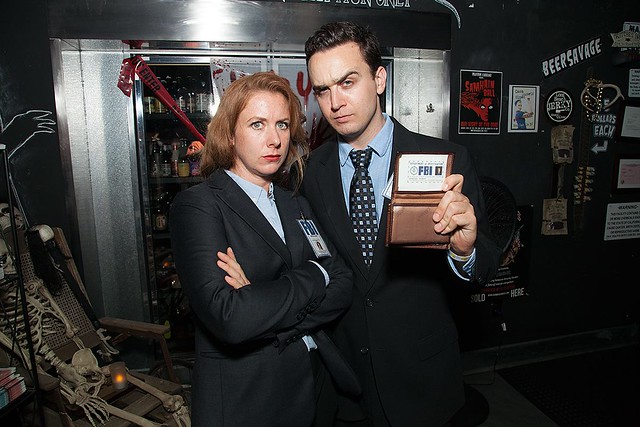
Erika-x-files
Channeling Dana Scully with fiancé Brandon Buck as Fox Mulder.

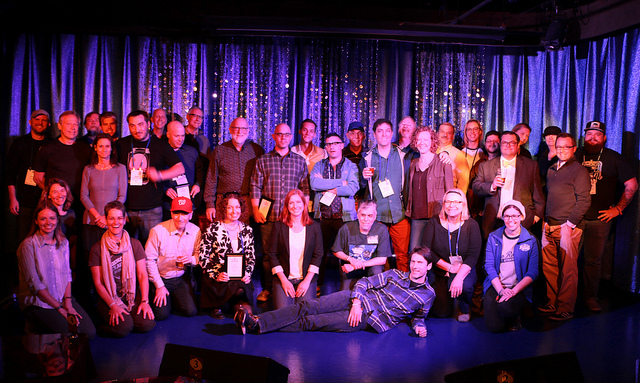
2016NAGBWAwards
Erika, front and center (in the white blouse and black jacket) at our NAGBW awards ceremony in Denver last year.

Filed Under: Birthdays, Just For Fun Tagged With: California, Los Angeles, NAGBW, Southern California, Writing

Pabst Blue Ribbon Day

January 2, 2017 By Jay Brooks

pbr
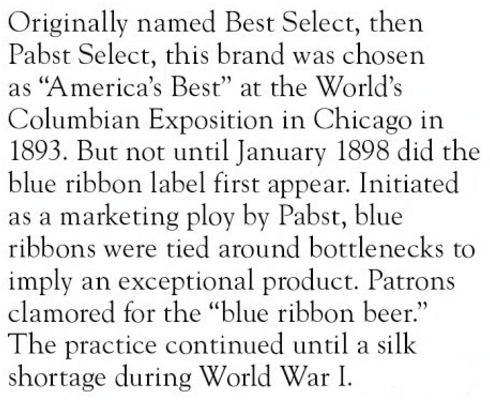
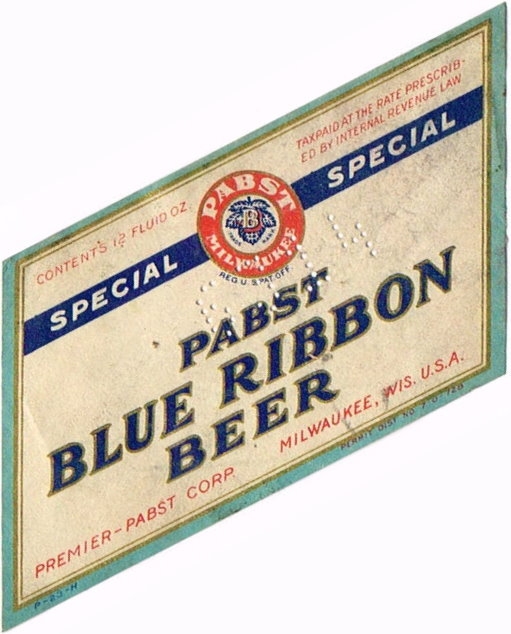
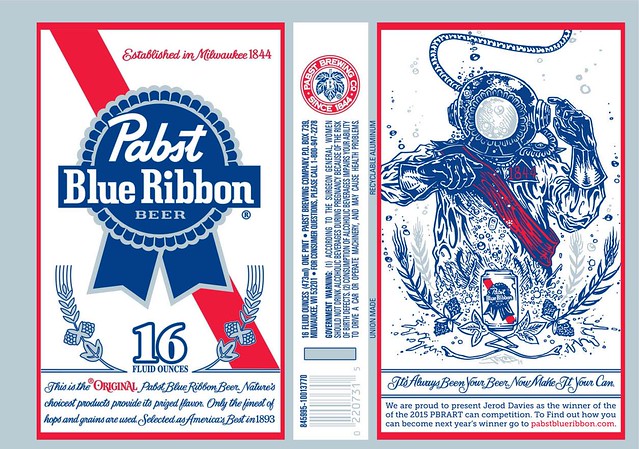
Here’s a little tidbit I found somewhere along the line, but don’t know the exact source, although it seems to mostly check out. On January 2, 1898, Pabst “officially” named their beer previously known as “Best Select” to “Pabst Blue Ribbon.” I say “officially,” because it had been known colloquially by that name before then, at least since 1893, when they supposedly won the blue ribbon (despite there being some controversy surround that event) that led to its name. According to Pabst’s own company history:

  • 1876: The First Gold Medal. Pabst’s Best Select lager wins a gold medal at the Centennial Celebration, marking the first of many awards the beer will win throughout its 150+ year lifespan.
  • 1882: A Blue Ribbon on Every Bottle. Having earned awards at US and international competitions, Pabst begins hand-tying a blue silk ribbon around the neck of each Best Select beer to identify it as a first-place winner. You know, because it was.
  • 1889: Another New Name. Pabst follows in his father-in-law’s footsteps, changing the brewery’s name to honor himself. The Pabst Brewing Company is born.
  • 1892: One Million Feet of Silk. As production rises, so does the demand for blue silk ribbon. The company purchases nearly 1 million feet of silk ribbon per year, which workers tie by hand around each bottle of Best Select.
  • 1893: America’s Best Beer. Pabst is awarded the blue ribbon at the Columbian Exposition in Chicago, beating out many other popular American brewers. And not surprisingly, some unpopular ones.
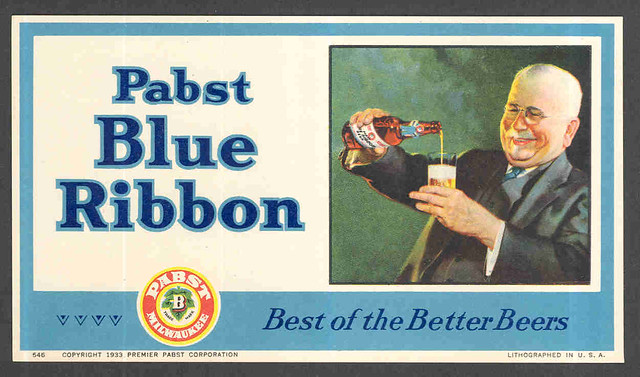
  • 1895: What’ll You Have? Patrons keep asking bartenders for the beer with the blue ribbon, and the nickname sticks. The phrase “Blue Ribbon” is added to the Best Select name on the label.
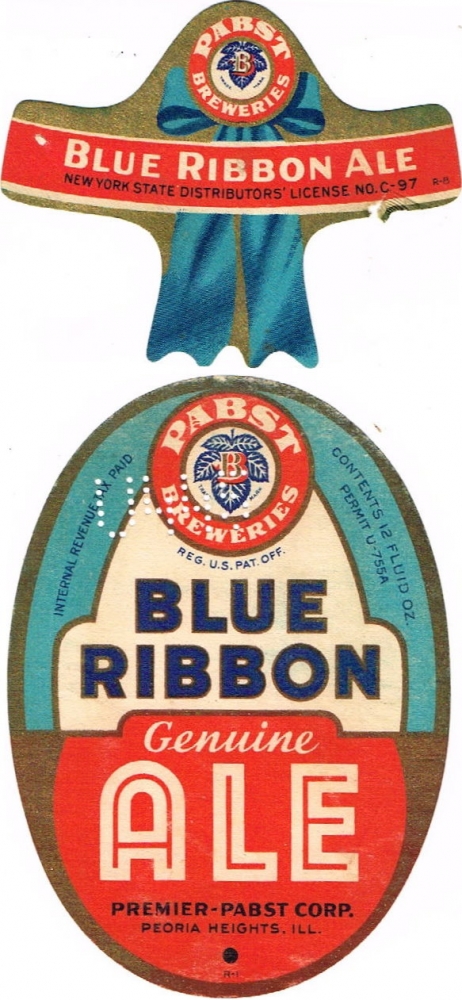
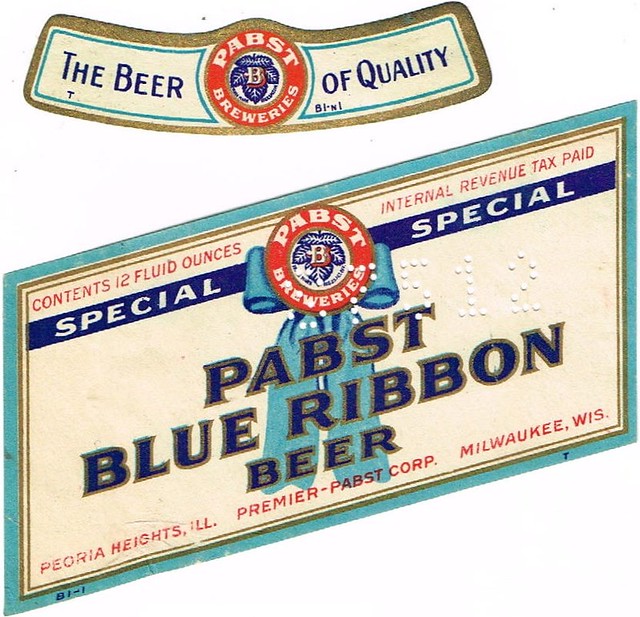
  • 1898: A New Name for the Classic Beer. The beer’s name is officially changed to Pabst Blue Ribbon, and the brewery produces one million barrels. Pabst begins exporting heavily to New York, even opening his own hotels, theatres and restaurants that, oddly enough, do not serve rival Schlitz beer.

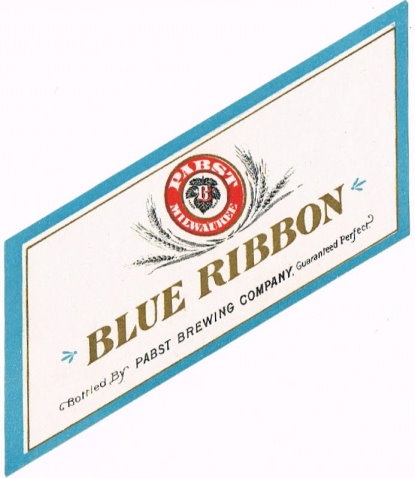
pbr-1910
This is the earliest PBR label I could find, from 1910.

pabst-1933-banner
But even by 1933, when prohibition ended, this ad, using an earlier ad, shows that the label hadn’t changed much between 1910 and then.

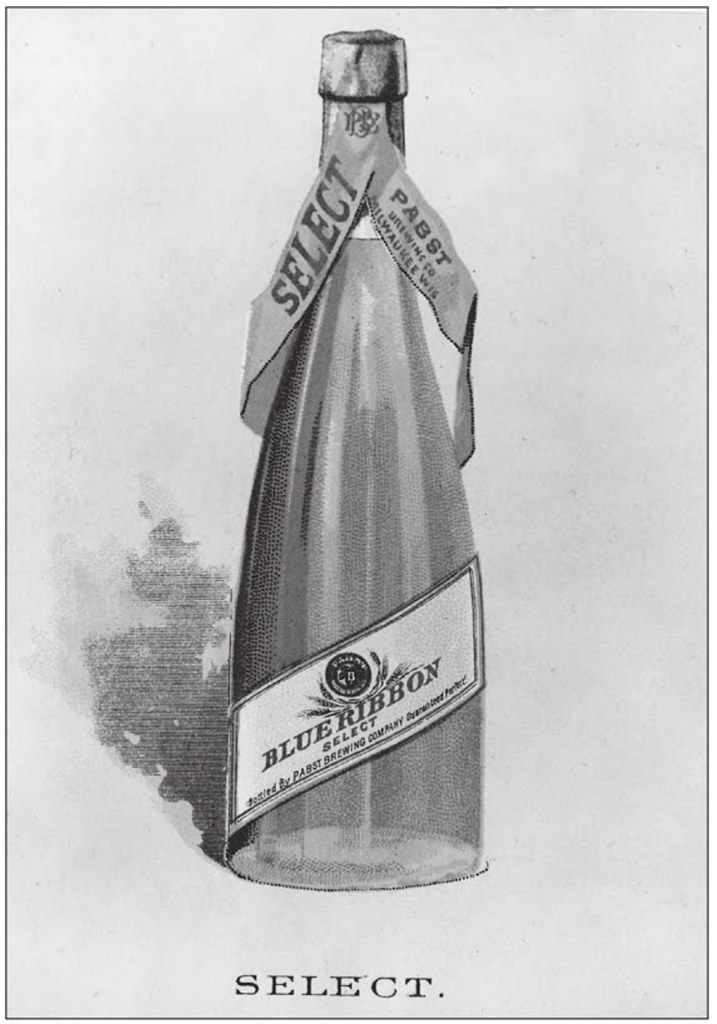
The book “Brewing in Milwaukee,” by Brenda Magee, has an illustration of the first Pabst Blue Ribbon Select bottles, along with a short history.

PB-Select-lg

pb-select-story

When they filed a new trademark application with the U.S. Patent Office on December 8, 1947, apparently in order to be in compliance with the “Act of 1946,” they were granted Registration No. 521,795 on March 7, 1950. In the application, they stated that “[t]he trade-mark was first used in January 1898, and first used in commerce among the several States which may lawfully be regulated by Congress in January 1898.” Similarly, when an Historic Designation Study Report” was prepared in late 1985 for the Pabst Mansion, it stated. “The beer’s reputation was greatly enhanced by being judged the best at the 1893 World’s Columbian Exposition in Chicago. The word’s “Blue Ribbon” were first added to the label in 1895 with the Blue Ribbon label first used in January 1898.”

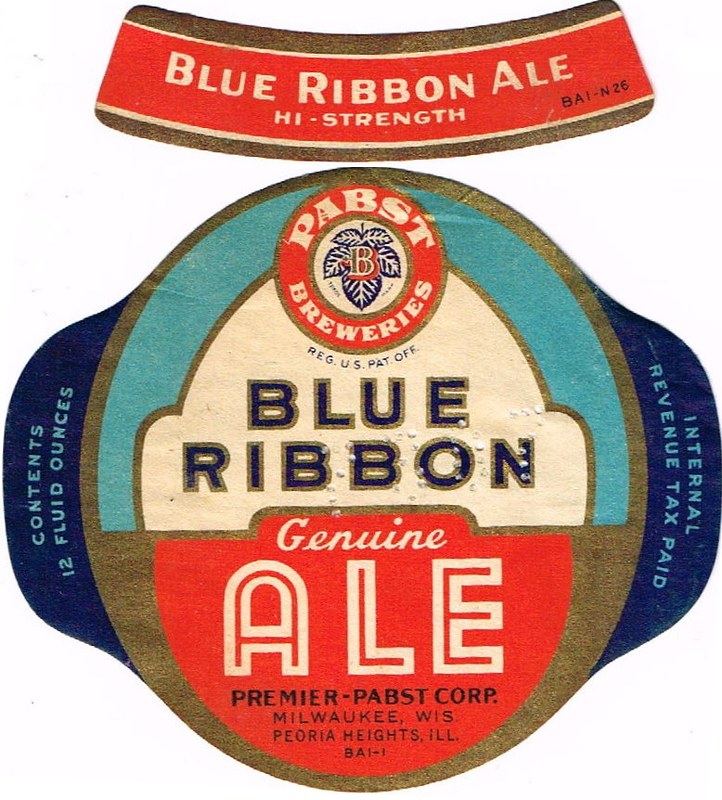
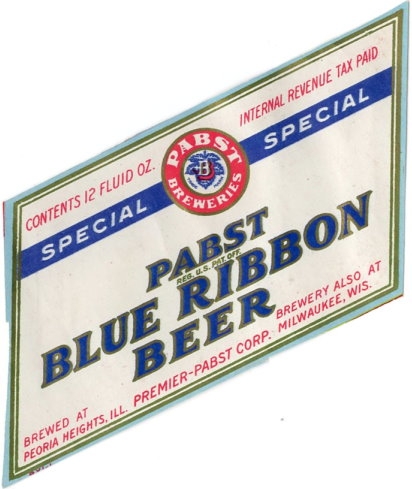
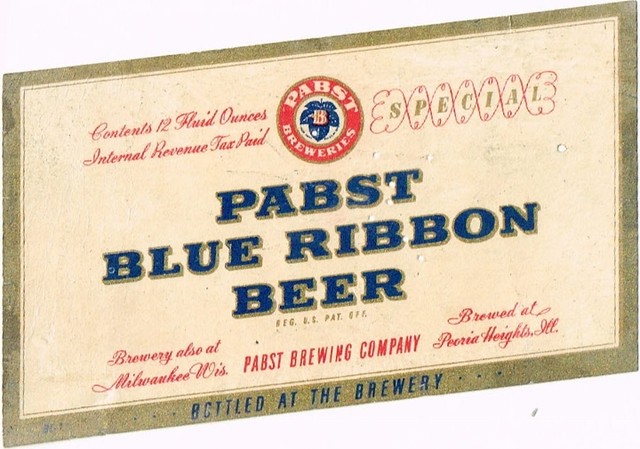
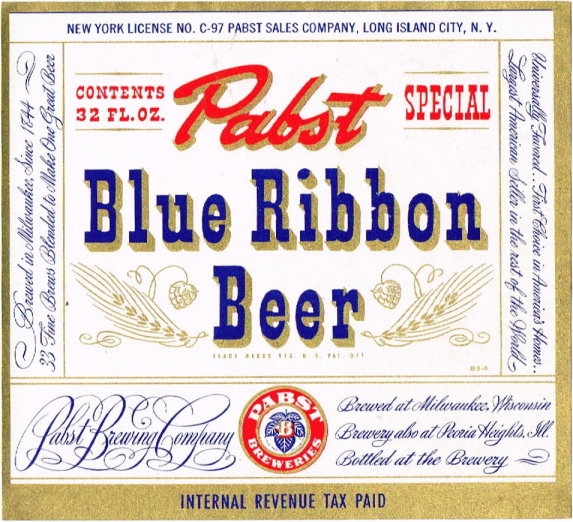
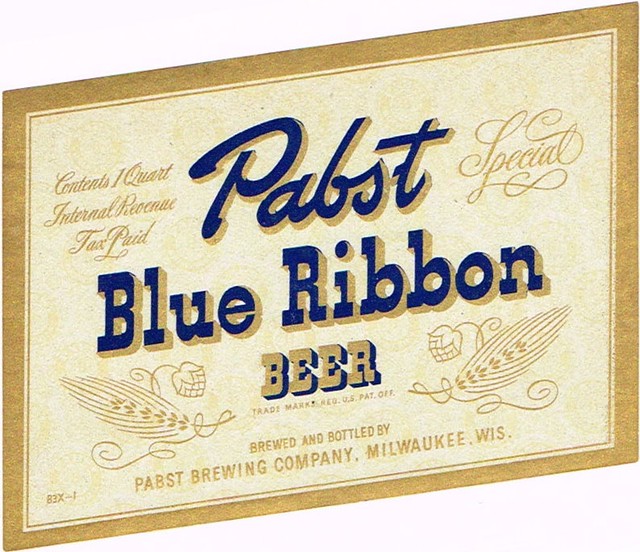
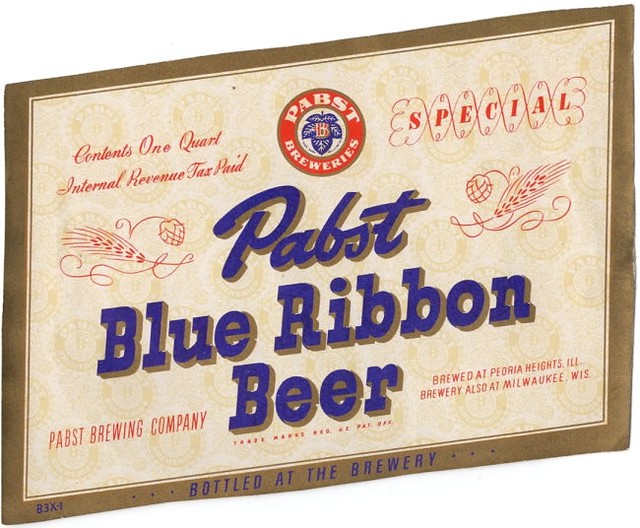
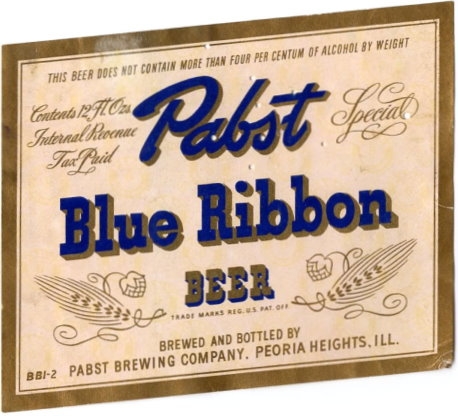
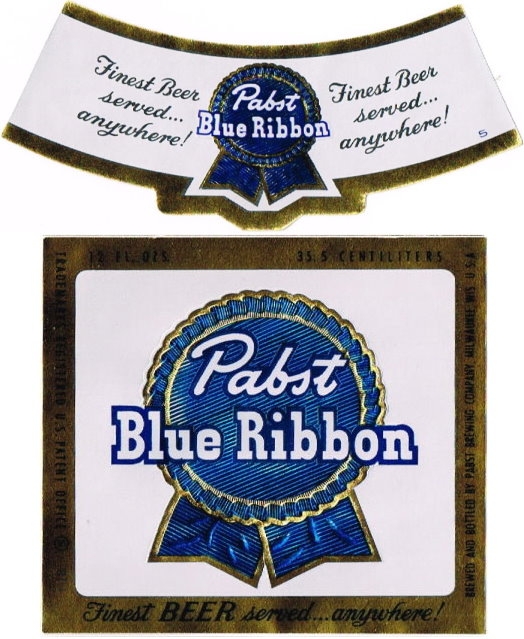
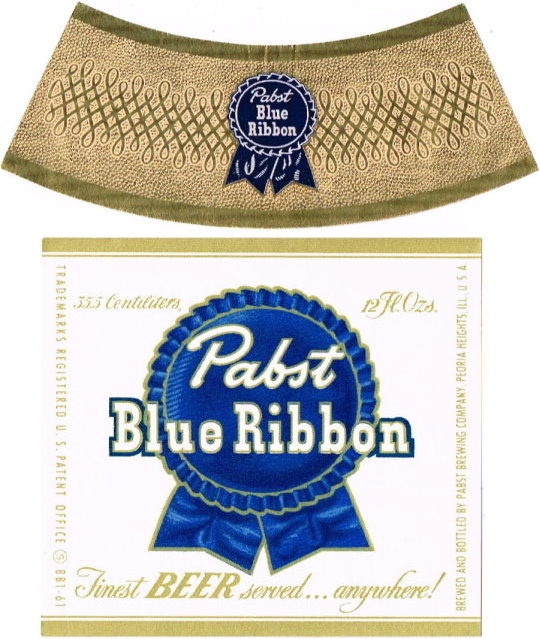
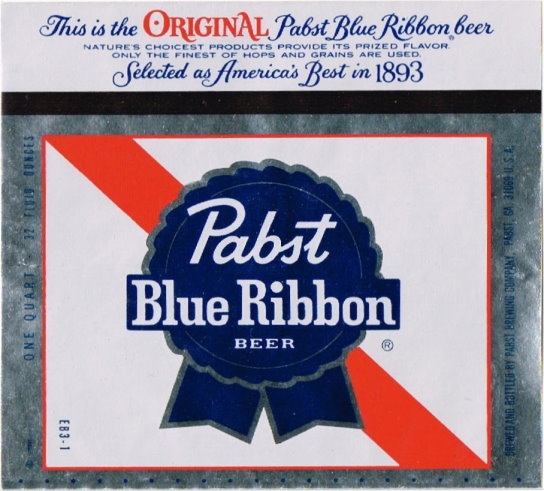
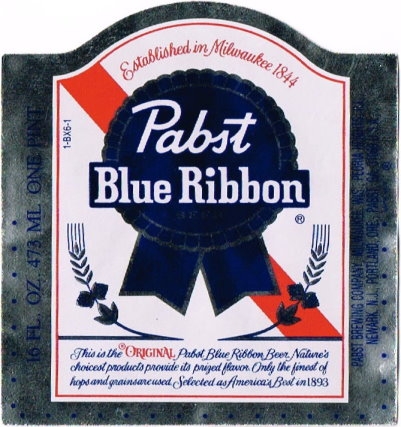
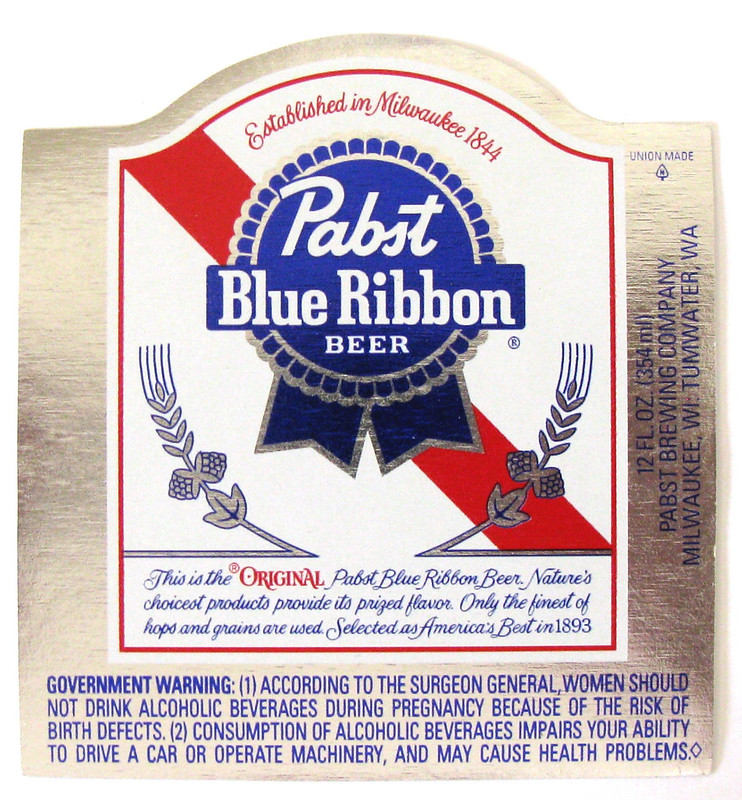
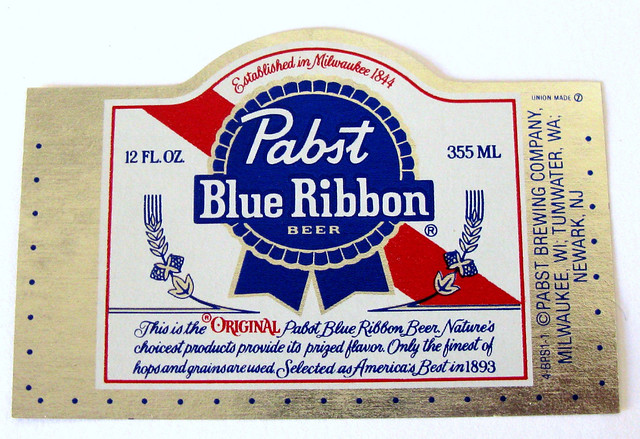
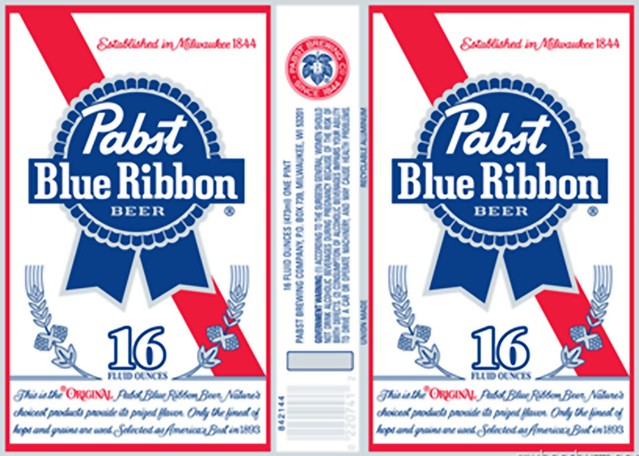
I’ve been collecting dates now going on forty years, having starting with a small notebook that I’d hand scribble dates wherever I found them. That was recopied in its entirety … twice, because I kept outgrowing them, before finally turning to the infinite space of digital. But in those early days I was not as scrupulous in keeping a record of my sources, mostly for space reasons. But the truth is it was originally something I did for fun, just for me, and I never really saw any potential for it until it decades to late to go back and find the literal thousands of sources I used to compile the original lists. But somewhere, I found an entry giving January 2 in 1898 as the date that Pabst first used, or sold, the Pabst Blue Ribbon beers with a new label, officially calling them that for the first time. Maybe it’s because the first was a holiday and nothing was sold until the next day, who knows. But even though I can’t be absolutely sure of that, it’s still fun to take a look back at the label for one of the most well-known brands of beer through the years, and today seems as good a day as any, 119 years later. So here’s a few more labels I turned up.

pbr-1934

pbr-1936
1936.

pbr-1930s
1930s.

pbr-1937
1937.

pbr-1939
1939.

pbr-1941
1941.

pbr-1946
1946.

pbr-1946-b
Also 1946.

pbr-1947
1947.

pbr-1948
1948.

pbr-1953
1953.

pbr-1955-a
1955.

pbr-1961
1961.

pbr-1980
1980.

pbr-mod-1
1980s.

pbr-mod-2
Modern era.

pbr-2012
2012.

pbr-2015
2015.

PBR_logos_001
Current label logo.

Filed Under: Art & Beer, Beers, Just For Fun, Related Pleasures Tagged With: Beer Labels, History, Pabst

We Do More Than Just Brew Beer

January 2, 2017 By Jay Brooks

brewhouse
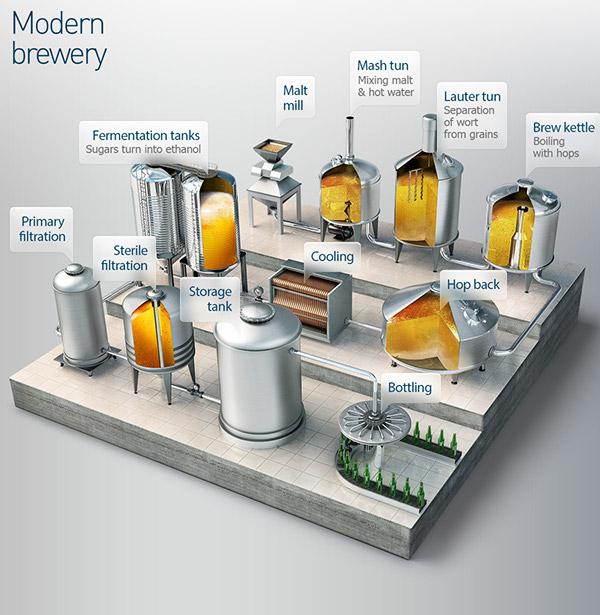
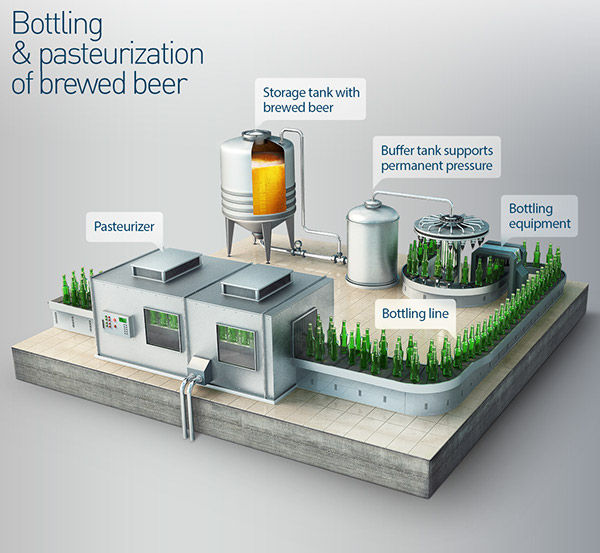
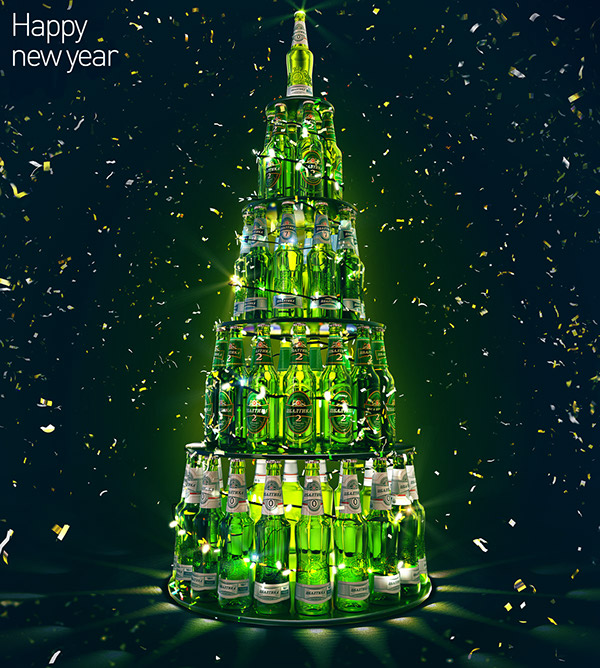
This is a fun piece of illustration, an infographic New Year’s Eve card of sorts, commissioned by Baltika, which is a Russian brewery that’s part of the Carlsberg Group. They hired Anton Egorov to create something like Мы больше, чем просто варят пиво, which is a reverse translation of their English version of the infographic, “We Do More Than Just Brew Beer.” Egorov completed it in December of 2014, so presumably they used it in either 2015 or 2016, since according to the artist’s description, his illustrations were for a corporate calendar. That’s one I would have liked.

russiabrewinfo-01
russiabrewinfo-02
russiabrewinfo-03
russiabrewinfo-04
russiabrewinfo-05
russiabrewinfo-06
russiabrewinfo-07
russiabrewinfo-08

Filed Under: Art & Beer, Breweries, Just For Fun, Related Pleasures Tagged With: Infographics, Russia, Science of Brewing

Patent No. 5077061A: Method Of Making Alcohol-Free Beer

December 31, 2016 By Jay Brooks

patent-logo
Today in 1991, US Patent 5077061 A was issued, an invention of Christian Zurcher and Rudiger Gruss, assigned to Binding-Brauerei Ag, for their “Method of Making Alcohol-Free or Nearly Alcohol-Free Beer.” Here’s the Abstract:

A method of producing an alcohol-free or low alcohol beer comprising thermally breaking malt draff to obtain a malt draff mash from a substrate selected from the group consisting of a full- or a high-alcohol content beer brewing base or a protein fraction obtained from malt draff by digesting, boiling or autoclaving during the production of edible draff meal in a draff mash. The method homogenizes, extrudes and mechanically removes insoluble chaff from the brewing base prior to thermally breaking up the malt draff, cooling the malt draff mash to about 72° C., emzymatically breaking up the malt draff mash by adding coarsely ground malt, heating the mash to 80°-85° C., adding thereto coarsely ground malt premashed in cold water to produce a wort with a final fermentation degree of at most 60% and a temperature of 70°-74° C., which is maintained until iodine normality is attained and subjecting the iodine normal mash to mashing.

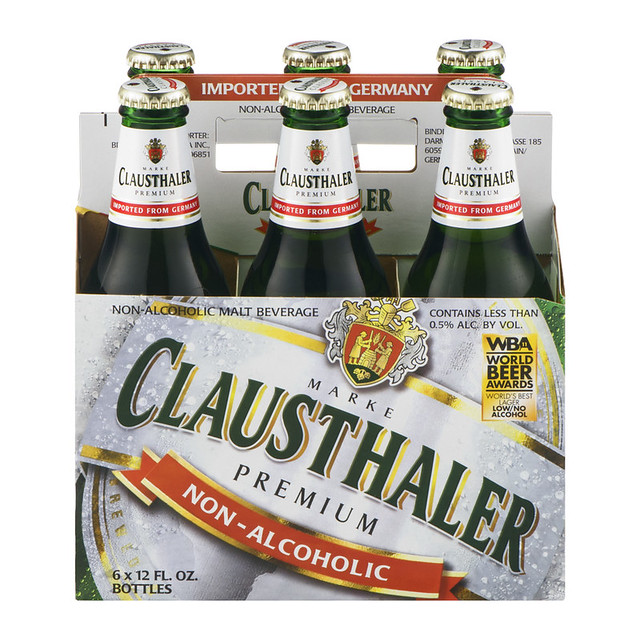
I’ve visited the brewery in Frankfurt, and done several blind panel tastings of N/A beer, and Clausthaler consistently comes in at our near the top. Also, it was our best-selling non-alcoholic when I was the chain beer buyer at BevMo. too.
clausthaler

Filed Under: Beers, Breweries, Just For Fun, Politics & Law, Related Pleasures Tagged With: History, Law, Patent, Science of Brewing

« Previous Page
Next Page »

Find Something

Northern California Breweries

Please consider purchasing my latest book, California Breweries North, available from Amazon, or ask for it at your local bookstore.

Recent Comments

  • Bob Paolino on Beer Birthday: Grant Johnston
  • Gambrinus on Historic Beer Birthday: A.J. Houghton
  • Ernie Dewing on Historic Beer Birthday: Charles William Bergner 
  • Steve 'Pudgy' De Rose on Historic Beer Birthday: Jacob Schmidt
  • Jay Brooks on Beer Birthday: Bill Owens

Recent Posts

  • Beer In Ads #5389: Point & Brunswick Bock Beer November 10, 2026
  • Historic Beer Birthday: Edward Cecil Guinness November 10, 2026
  • Historic Beer Birthday: Jacob Betz November 10, 2026
  • Beer In Ads #5388: Bock Beer Vats In The Brewers Hall November 9, 2026
  • Historic Beer Birthday: Peter Barbey November 9, 2026

BBB Archives

Feedback

Head Quarter
This site is hosted and maintained by H25Q.dev. Any questions or comments for the webmaster can be directed here.